
Tools
- Product
- Qty in Cart
- Quantity
- Price
- Subtotal
-
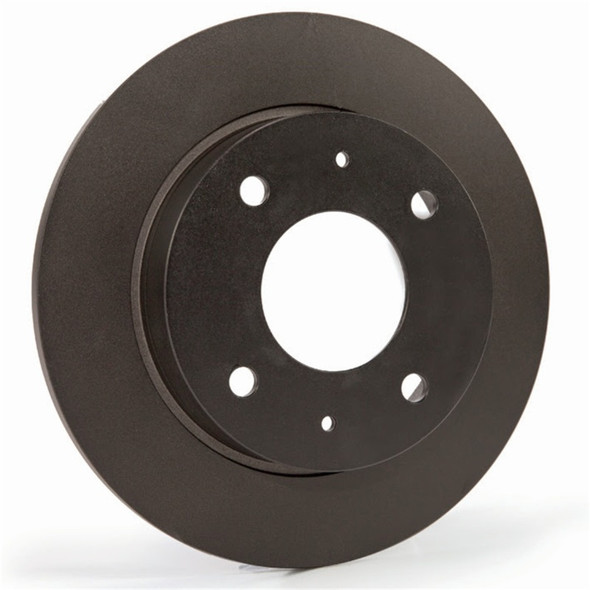
EBC 2016+ Mazda CX-3 2.0L 4WD RK Series Premium Front Rotors - EBCRK7738
EBC
MSRP: $177.83$168.94Are these EBC Premium Rotor Sets compatible with my specific vehicle make and model?Confirm fitment using our vehicle selector to ensure these EBC Premium Rotor Sets precisely match your vehicle's...MSRP: $177.83$168.94 -

SHW 93-95 Porsche 928 GTS 5.4L Left Front Smooth Monobloc Brake Rotor (92835104501) - SHWPERFORMANCEPFL31451
SHW Performance
MSRP: $197.00$171.59MSRP: $197.00$171.59 -

Power Stop 05-14 Ford Mustang Rear Evolution Drilled & Slotted Rotors - Pair - POWERSTOPAR8174XPR
PowerStop
$177.03Are PowerStop brake rotors compatible with my vehicle?Confirm precise fitment for your vehicle using our detailed application guide to ensure optimal performance with your PowerStop Evolution rotors...$177.03 -
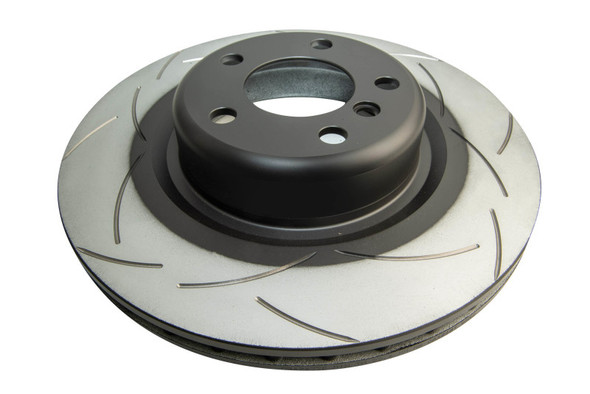
DBA 13-15 BMW 328i (w/M Sport Package) Rear Slotted Street Series Rotor - DBADBA2677S
DBA
MSRP: $225.32$190.65Are these rotors direct fit for my vehicle?Confirm rotor fitment with your vehicle's specifications before purchase for guaranteed compatibility and optimal performance.How do slotted rotors improve...MSRP: $225.32$190.65 -

EBC 2017+ Acura Mdx 3.0L Hybrid RK Series Premium Rear Rotors - EBCRK7742
EBC
MSRP: $208.37$197.95When will I need to replace my brake rotors?EBC Premium Rotor Sets are designed for consistent stopping power, indicating replacement when OE-level fitment is compromised or wear indicators are met...MSRP: $208.37$197.95 -

DBA 05-23 Chrysler 300 C SRT8 6.1L Rear Street Series Standard Rotor - DBADBA2445
DBA
MSRP: $234.71$198.60How do I know if these rotors will fit my vehicle?Confirm fitment with your vehicle's specific make, model, and year using our vehicle selector tool before purchasing these OE replacement brake...MSRP: $234.71$198.60 -

Power Stop 15-19 Ford Mustang Rear Evolution Drilled & Slotted Rotors - Pair - POWERSTOPAR85161XPR
PowerStop
$198.77Do these rotors fit my vehicle?Confirm exact fitment for your vehicle using our compatibility checker before purchase to ensure proper installation and performance.Do I need special tools to install...$198.77 -

Alcon 2018+ Jeep JL 330X32mm Rotor - Rear Right - ALCONDIV3430X1023C24R
Alcon
$200.00What is the recommended installation method for these slotted brake rotors?Professional installation is recommended for these ALC Slotted Brake Rotors to ensure optimal fitment and performance on...$200.00 -

Power Stop 06-09 Pontiac Solstice Front Evolution Drilled & Slotted Rotors - Pair - POWERSTOPAR82108XPR
PowerStop
$204.89How do I confirm my vehicle's fitment?Confirm your vehicle's fitment by using our vehicle selector tool to ensure compatibility with your specific make, model, and year.Is professional installation...$204.89 -
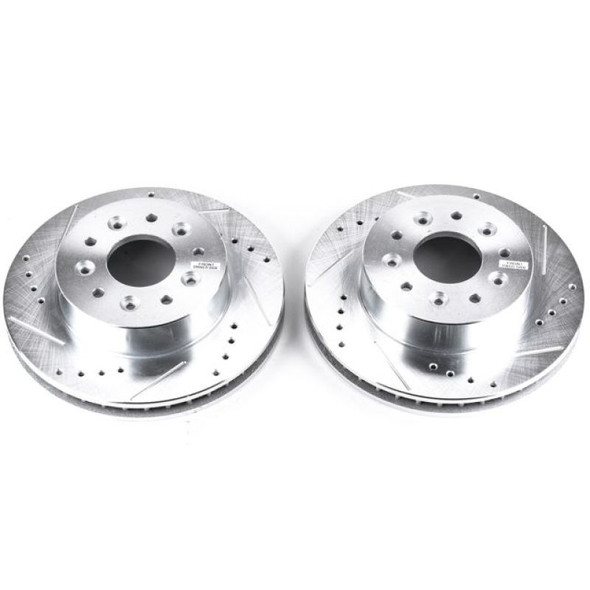
Power Stop 63-82 Chevrolet Corvette Front Evolution Drilled & Slotted Rotors - Pair - POWERSTOPAR8210XPR
PowerStop
$212.65Will these rotors fit my vehicle?Confirm vehicle fitment using our compatibility tool before purchase to ensure a precise installation of these performance brake rotors.Do I need special tools to...$212.65 -
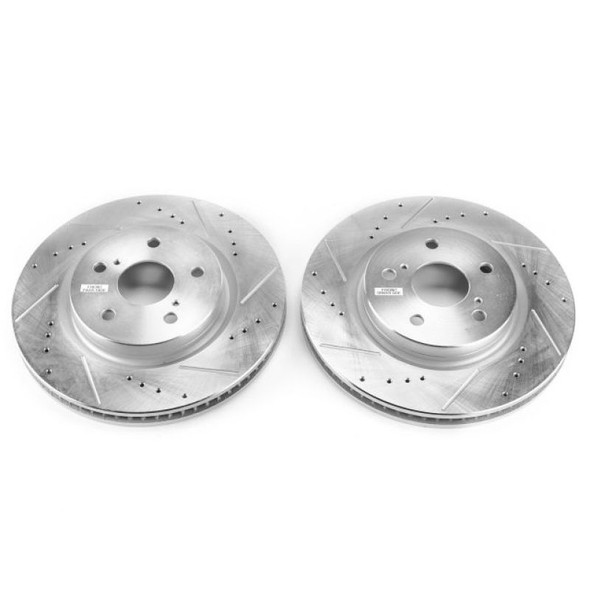
Power Stop 2019 Lexus ES350 Front Evolution Drilled & Slotted Rotors - Pair - POWERSTOPJBR1763XPR
PowerStop
$213.08How do I confirm the PowerStop PSB Evolution Drill/Slot Rotor fits my vehicle?Confirming fitment for your PowerStop PSB Evolution Drill/Slot Rotor is crucial; utilize our comprehensive online vehicle...$213.08 -

SHW 15-18 Porsche Macan GTS w/18in Wheels w/o Ceramics Right Frt Smooth MB Brake Rotor (95B615302J) - SHWPERFORMANCEPFR39524
SHW Performance
MSRP: $249.84$214.40What is the part number for the SHW Smooth Monobloc Rotor for a 2018 Porsche Macan GTS?The specific part number for the SHW Smooth Monobloc Rotor is 95B615302J, ensuring precise fitment for your 2018...MSRP: $249.84$214.40
Performance tools are the precision instruments and specialty equipment that make the difference between a proper motorsport build and a compromised one — covering everything from engine assembly gauges and clutch alignment tools to damper pullers, wheel service kits, and chassis setup equipment. Motor Sport Mayhem stocks 579 tools across 61 brands, priced from $2.99 to $897.89, purpose-selected for racers, tuners, and performance technicians who need professional-grade results on every job.
Our Top Picks for Tools
Every tool below was hand-selected based on precision engineering, real-world shop performance, and documented value across street, track, and full competition builds.
ACC EZ-Retriever Tool
Access | $41.34
An extending retrieval tool engineered for accessing fasteners, clips, and components in deep or recessed areas without disassembly.
- Saves significant teardown time when retrieving dropped hardware in tight engine or chassis cavities
ACT Alignment Tool
ACT | $6.00
A precision clutch alignment mandrel that centers the clutch disc to the flywheel during installation, preventing input shaft binding on first engagement.
- Eliminates misalignment failures that destroy clutch discs and transmission input bearings within the first drive cycle
PA Alta Pulley Removal Tool
Alta | $93.50
A dedicated supercharger pulley puller and installer engineered to remove and reseat pressed pulleys without damaging the snout, bearing, or housing.
- Correct tooling prevents the snout damage and bearing pre-load errors that universal pullers routinely cause on performance forced-induction units
ARP Stretch Gauges
ARP | $229.53
A billet-construction rod bolt stretch gauge that measures actual fastener elongation directly, delivering more accurate clamping load than torque wrench values alone.
- Stretch measurement accounts for thread friction variables that torque-only methods miss — mandatory for high-RPM and boosted engine builds
ART Tools
Artec Industries | $175.99
A bundled fluid service crate combining brake fluid and power steering fluid volumes matched for complete system flushes on performance and off-road vehicles.
- Pre-staged fluid quantities eliminate mid-job shortages that force partial flushes and compromise hydraulic system integrity
APP Damper Tools
ATI | $233.22
A professional puller and installer kit purpose-built for harmonic damper removal and installation without impacting the crankshaft snout or seal surface.
- Impact-method damper installation distorts the hub bore and destroys front main seal surfaces — this kit eliminates both failure modes
AM Test Equipment
AutoMeter | $620.89
A high-capacity wheel charger and power management tower delivering up to 280 amps for professional shop battery maintenance, load testing, and pre-race electrical prep.
- Race teams and serious shops need stable regulated power for ECU flashing, sensor calibration, and overnight battery conditioning between events
BBS Center Wrenches
BBS | $40.25
A manufacturer-spec center lock wrench designed specifically for BBS multi-piece wheel center caps, preventing the rounding and cosmetic damage caused by universal socket attempts.
- OEM-matched engagement geometry ensures correct torque transfer without marring the machined aluminum cap faces on premium forged wheels
BKM Shop Tools
BikeMaster | $319.99
A comprehensive motorcycle wheel service kit covering tire mounting, bearing service, and axle work for professional-level wheel maintenance without dealership teardown costs.
- Consolidated wheel service tooling reduces the number of individual tools required and eliminates improvised methods that damage rims, bearings, and seals
BKC Tools
Bikers Choice | $26.99
A plier-type shock absorber spanner wrench engineered to grip and adjust preload collars on big twin and sportster rear shocks without slipping or damaging the adjuster ring.
- Direct OEM replacement geometry means proper fit on shock bodies where generic C-spanner wrenches lose engagement and round out the adjuster
How to Choose the Right Tools
The single biggest mistake performance builders make is applying general-purpose tools to precision-engineered fasteners and components — and paying for it in stripped threads, damaged bores, incorrect clamping loads, and failed assemblies that have to come apart again. Specialty motorsport tooling is engineered to the specific tolerances, materials, and engagement geometries of performance parts, and that specificity is exactly what separates professional results from costly rework.
Key Specifications
Material and construction: Billet aluminum and chromoly steel are the standards for high-demand shop tools — they resist deflection under load and maintain dimensional accuracy through repeated use cycles. Cast zinc and pot metal tools feel adequate until the moment they fail, usually mid-job when torque is applied. For any tool contacting precision surfaces — crank snouts, bearing bores, clutch hubs — look for hardened steel contact faces and anodized or coated aluminum bodies that won't gall against softer performance alloys.
Tolerance and fit: Performance components are manufactured to tighter tolerances than OEM parts, which means the tooling that services them must match. A clutch alignment tool that fits loosely leaves disc runout uncorrected; a damper installer with even slight angular misalignment loads the crank snout unevenly and compromises the front seal on the first heat cycle. When a tool is marketed as application-specific — whether for a particular clutch system, supercharger configuration, or wheel center design — that specificity is the engineering value, not a marketing limitation.
Measurement precision: Measurement tools in the performance category — stretch gauges, torque instruments, dial indicators, and test equipment — should be calibrated traceable and rated to at least ±1% accuracy for fastener work. Rod bolt assembly using stretch measurement rather than torque-only is the professional standard for any engine running elevated RPM or boost pressure because it directly accounts for friction variation in thread coatings and lubricant choice. For electrical test equipment, amperage capacity, voltage regulation precision, and thermal management all matter far more than brand recognition alone.
Application coverage vs. specialization: General socket sets and wrench collections handle the majority of bolt-on work on street performance builds. But for any job involving pressed components, precision fasteners, specialty wheel hardware, or engine internals, application-specific tooling pays for itself immediately by preventing the collateral damage that makes a simple job into a machine shop visit. Budget your tooling investment accordingly — a $200 damper puller is cheap insurance against a $600 crank snout repair.
Torque Specification and Fastener Grade Reference for Performance Builds
| Fastener Grade / Material | Typical Tensile Strength | Recommended Torque Method | Typical Performance Application |
|---|---|---|---|
| Grade 5 / SAE 5 Steel | 120,000 PSI | Torque wrench to spec | General chassis, brackets, body mounts |
| Grade 8 / SAE 8 Steel | 150,000 PSI | Torque wrench to spec | Suspension links, subframe bolts, axle hardware |
| ARP 8740 Chromoly | 190,000 PSI | Torque + stretch verification | Connecting rods, cylinder head studs, main caps |
| ARP Custom Age 625+ (Inconel) | 260,000 PSI | Stretch measurement primary | High-boost and nitrous engine internals |
| Titanium Grade 5 (Ti-6Al-4V) | 160,000 PSI | Torque angle method | Lightweight race fasteners, exhaust flanges, wheel bolts |
| Stainless A2-70 / A4-80 | 100,000–116,000 PSI | Torque wrench, lubricated | Exhaust hardware, coolant fittings, corrosion environments |
Price Guide
Entry ($2.99–$45): Alignment tools, individual spanners, basic clutch pilots, and single-function service wrenches live in this range — correct for the job they're designed for and the right call when you only need that function once or twice. Quality varies significantly at this price point; stick to application-specific designs from known brands rather than universal tools trying to cover too much ground.
Mid-range ($45–$200): This is where most serious enthusiasts and weekend racers invest — specialty pullers, complete wheel service kits, pulley tools, and precision measuring equipment that earns back its cost across multiple builds. At this tier, construction quality becomes consistent enough to trust for repeated professional use, and most application-specific tooling designed for engine components, drivetrain work, and suspension service falls here.
Premium ($200–$897.89): Professional shop equipment, high-capacity electrical test systems, billet precision gauges, and complete multi-function tool kits justify the investment for shops and dedicated racers doing repeated high-stakes work — the cost per use drops quickly when a single tool prevents one major rebuild failure or saves four hours of diagnostic time per event.
Who Is This For?
Performance tools in this catalog serve applications ranging from casual weekend wrenching through full professional race team prep, with usage data reflecting genuine demand across every build type.
Easy DIY Install — 7.7/10
The highest-scoring use case in this category reflects the simple reality that most performance part installations go smoother with the right tool than with improvised alternatives — and that many specialty tools are genuinely accessible to home builders. Clutch alignment mandrels, pulley wrenches, and shock spanner tools require no advanced skills, just the correct geometry and engagement for the specific hardware. A 7.7/10 DIY score means these tools are designed for accessibility, not just professional shop use.
Drag Racing — 7.5/10
Drag racing demands meticulous engine assembly and fastener consistency — rod bolt stretch gauges, damper installation tools, and precision torque equipment are not optional at serious power levels. The 7.5/10 score reflects the reality that drag builds involve repeated engine teardowns and reassemblies where correct tooling directly determines parts longevity and performance consistency. Measurement tools and assembly aids earn their keep across an entire season of pulls.
Engine Performance — 7.6/10
Engine assembly and performance modification work scores 7.6/10 because virtually every step from bottom-end assembly through forced induction installation benefits from application-specific tooling. Damper pullers prevent crank snout damage, stretch gauges ensure accurate rod bolt preload, and pulley removal tools protect supercharger and accessory drive components during ratio changes. Cutting corners on tooling at the engine level means cutting corners on the most expensive and inaccessible components in the build — the math doesn't work.
Racing Competition — 7.2/10
Full competition builds score 7.2/10 because professional-grade shop tools, wheel service equipment, and electrical test systems are standard infrastructure at the race team level rather than optional add-ons. Race teams service brakes, bearings, wheels, and suspension components between every event, and professional tooling — especially for wheel service and chassis setup — directly influences how quickly and accurately that work gets done. High-capacity electrical test equipment for ECU programming and battery management is particularly relevant at this level.
Track / Autocross — 7.3/10
Track and autocross builds score 7.3/10 because they combine the fastener precision demands of competition with the regular maintenance cycles of street-driven vehicles — meaning builders need both precision assembly tools and practical service equipment. Clutch alignment tools, suspension service spanners, and wheel hardware tools see regular use on cars that pull double duty between track days and street miles. The frequency of brake, wheel, and drivetrain service at this level makes quality tooling an ongoing operational investment.
Trusted Tools Brands We Carry
The brands that dominate this catalog earned their positions through engineering credibility in specific disciplines — not general merchandise strategy. ARP is the fastener and fastener tooling standard in professional engine building, with stretch gauge engineering developed directly from their competition fastener data. BikeMaster covers the broadest range of motorcycle service tooling in the catalog with 224 products, built around professional shop workflow rather than occasional use. XTrig brings Austrian precision manufacturing to suspension setup and fork tooling, with an average price point of $191.69 reflecting genuine machined-component quality. SPC Performance specializes in alignment and chassis setup tooling with an engineering background rooted in alignment correction for modified vehicles. ATI and Alta bring application-specific precision tooling developed alongside their own high-performance components — their pullers and installers are engineered to the exact tolerances of the parts they service. AutoMeter brings decades of motorsport instrumentation expertise to shop test equipment, delivering measurement accuracy that competition teams and serious tuners depend on.
Frequently Asked Questions
Are hex sockets better than standard 12-point sockets for performance work?
Yes — for performance and racing applications, 6-point (hex) sockets are the professional choice over 12-point designs for any fastener you need to torque accurately or break loose under high load. 6-point sockets contact the flat faces of a hex fastener rather than the corners, distributing load across the full engagement surface and dramatically reducing the chance of rounding under high torque. 12-point sockets are convenient for quick installation of lightly loaded fasteners but apply load at the corners where the metal is thinnest — exactly the failure point you need to avoid on performance components. For rod bolts, cylinder head studs, axle hardware, and any fastener near its torque spec limit, use 6-point sockets exclusively.
Are performance-brand specialty tools worth it compared to generic alternatives?
For application-specific tasks — damper removal, pulley swaps, clutch alignment, rod bolt measurement — yes, without qualification. Generic pullers and universal alignment tools introduce angular misalignment, insufficient engagement depth, and contact geometry that damages precision surfaces, turning a straightforward job into an expensive repair. Brand-engineered specialty tools are designed to the exact dimensional specs of the components they service, which is the entire value proposition. For general shop tasks like socket sets and combination wrenches, mid-tier professional-grade tools from established brands perform comparably to premium names at lower cost — the distinction is whether the task demands application-specific precision.
Are professional-grade tools necessary for home garage performance builds?
The answer depends entirely on the task, not the setting. Home builders doing engine assembly, forced induction installation, or clutch service need the same precision tooling that professional shops use — the physics of rod bolt stretch and damper installation don't change based on where the work happens. For bolt-on modifications, quality mid-range tools deliver professional results without the premium cost. The honest rule is: if a tool mistake on this job means machining work, a parts replacement, or a repeat teardown, use the correct precision tool regardless of cost. If the job is a straight swap with no precision-critical steps, quality general tooling handles it cleanly.
What should I look for when evaluating tool quality for motorsport use?
Start with material specification — billet steel and billet aluminum are the standards for tools contacting precision surfaces, while cast or pot metal construction is a disqualifier for any high-torque or precision-engagement application. Look for hardened contact surfaces on anything that interfaces with fastener flats, bearing races, or machined bores. Dimensional accuracy matters: a puller with even minor casting flash on the engagement threads will cock under load and damage the component it's supposed to protect. Finally, evaluate whether the tool is genuinely application-specific or a universal design with an adapter — application-specific tools consistently outperform universal alternatives on the jobs they're designed for.
Are specialty motorcycle service tools reliable enough for repeated professional use?
Quality motorcycle specialty tools from brands with engineering depth — rather than catalog importers — are fully professional-grade and built for shop-frequency use cycles. The key differentiator is whether the tool is manufactured to the dimensional specs of current production components or designed generically and marketed broadly. Wheel service kits, bearing drivers, and shock spanner wrenches from brands with active motorsport involvement are built to tolerances that match modern precision motorcycle components. For high-frequency shop use, prioritize tools with replaceable contact surfaces and robust fastener engagement — components that wear predictably rather than fail suddenly under load.
Building something specific? Our performance specialists can help you select the right Tools for your application — street, track, or full race build.