
Coolant Reservoirs
- Product
- Qty in Cart
- Quantity
- Price
- Subtotal
-
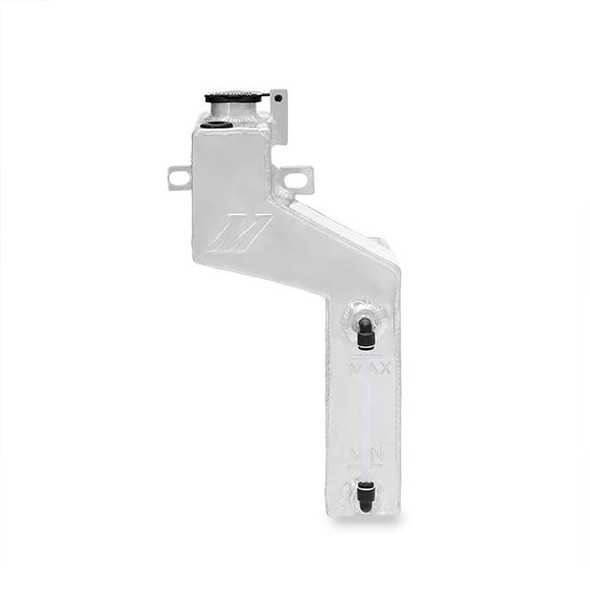
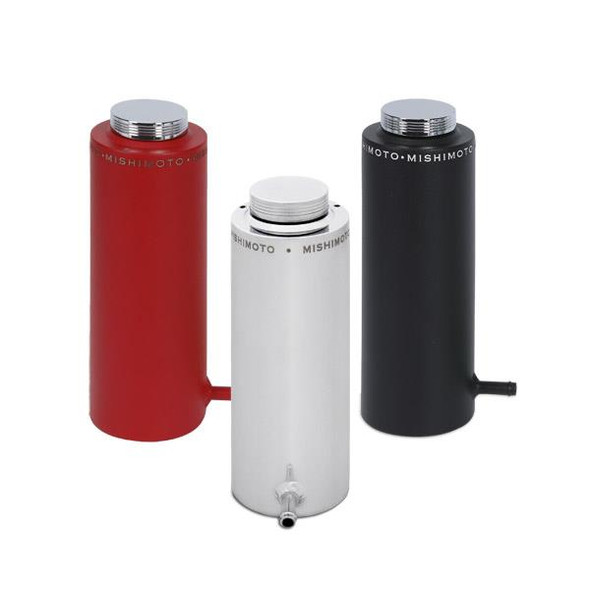
Mishimoto Subaru BRZ / Scion FR-S Aluminum Overflow Tank - Polished - MMRT-BRZ-13P
Mishimoto
MSRP: $251.00$227.95Will this coolant reservoir fit my 2013 Subaru BRZ?Confirming fitment with your specific vehicle is essential, as this coolant reservoir is designed for the 2013-2021 BRZ, FR-S, and GT86 models.Is...MSRP: $251.00$227.95 -
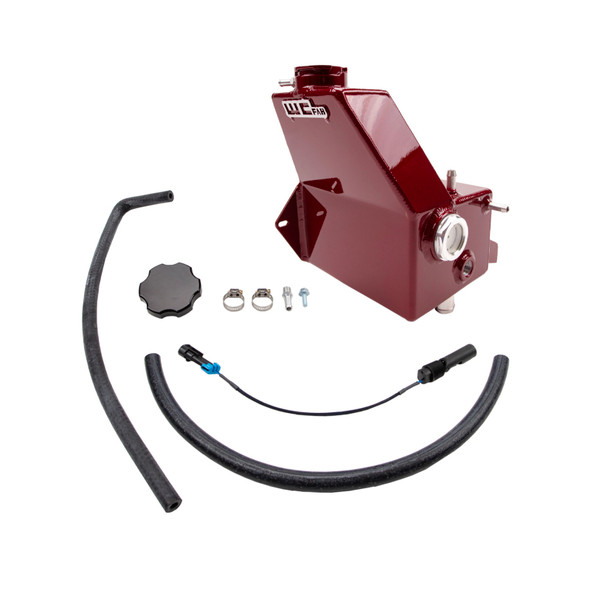

Wehrli 13-18 Dodge 6.7L Cummins OEM Placement Coolant Tank Kit - WCFab Red - WCF100628-RED
Wehrli
MSRP: $550.00$541.04What is the purpose of a coolant reservoir?A coolant reservoir maintains optimal coolant levels, allowing for expansion and contraction, ensuring consistent engine temperature regulation for peak...MSRP: $550.00$541.04 -


Wehrli 13-18 Dodge 6.7L Cummins OEM Placement Coolant Tank Kit - Candy Red - WCF100628-CR
Wehrli
MSRP: $550.00$541.04What is the primary function of this coolant tank kit?This Wehrli coolant tank kit enhances engine cooling efficiency and provides a reliable reservoir for optimal coolant management.How does the...MSRP: $550.00$541.04 -
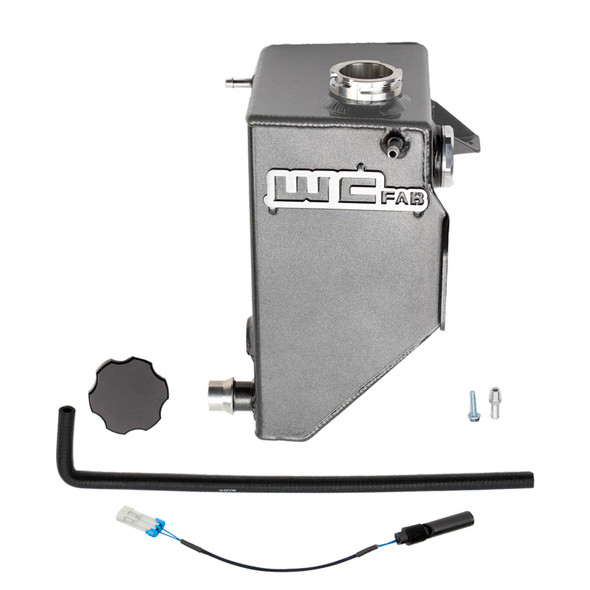
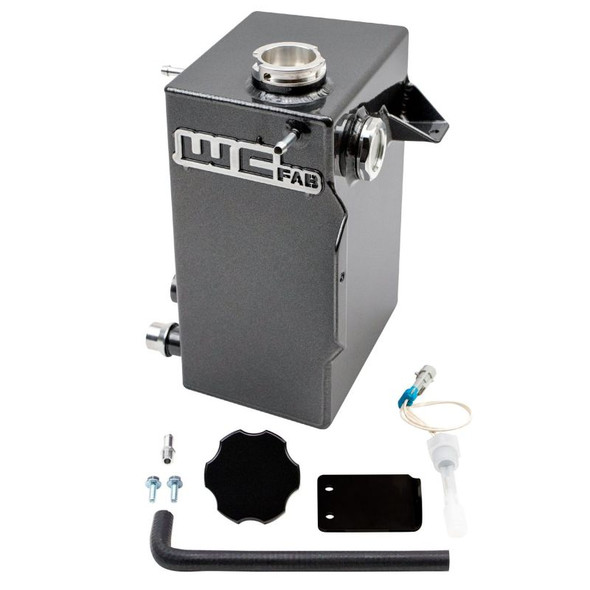
Wehrli 20-24 Chevrolet-GMC 6.6L L5P Duramax OEM Placement Coolant Tank Kit - Gloss Black - WCF100268-GB
Wehrli
$562.45What makes this coolant tank kit stand out from a stock reservoir?The WCF Coolant Tank Kit features a fabricated aluminum construction with a clear sight glass for instant coolant level checks,...$562.45 -

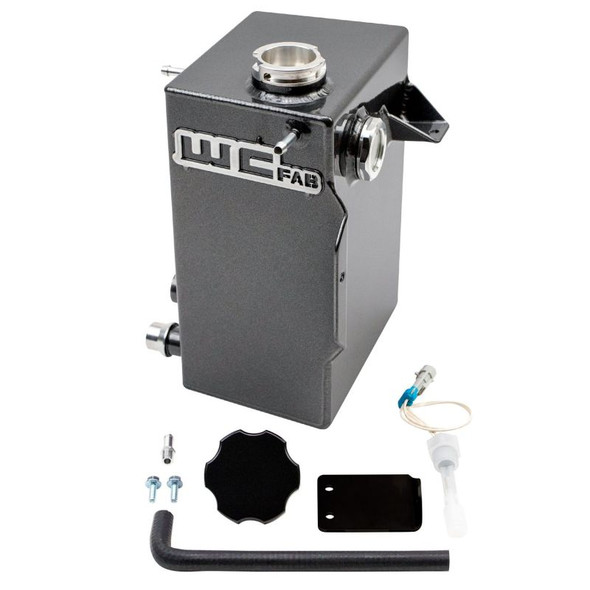
Wehrli 20-24 Chevrolet-GMC 6.6L L5P Duramax OEM Placement Coolant Tank Kit - Gloss White - WCF100268-GW
Wehrli
$562.45Does this coolant tank kit fit my 2022 Chevrolet Silverado 3500 HD?The Wehrli Coolant Tank Kit is engineered for a factory-perfect fit on 2020-2025 Chevrolet Silverado 2500 HD/3500 HD and GMC Sierra...$562.45 -


PERRIN 02-26 Subaru WRX / 04-21 STI / 13-26 BRZ/GR86/FRS/86 Coolant Overflow Tank - Neon Yellow - ASM-ENG-505NY
Perrin Performance
MSRP: $216.00$183.60How do I know if the PA Overflow Tank will fit my Subaru WRX?Perrin Performance PA Overflow Tanks are designed for specific vehicle applications; always confirm exact fitment details with your...MSRP: $216.00$183.60 -

Torque Solution Subaru STI 04-22 Coolant Expansion Tank Pedestal - Black - TS-SU-679BK-P
Torque Solution
MSRP: $88.88$74.06How often should I inspect my coolant reservoir?Regularly check your TQS Coolant Tank Kits coolant level and inspect for leaks to ensure optimal engine cooling system performance.What is the primary...MSRP: $88.88$74.06 -


Mishimoto 2013+ Ford Focus ST/2016+ Focus RS Aluminum Expansion Tank - Wrinkle Red - MMRT-RS-16EWRD
Mishimoto
MSRP: $313.00$284.95What is the primary function of a coolant reservoir tank like the Mishimoto MM Reservoir Tanks?Coolant reservoir tanks store excess coolant, regulate system pressure, and prevent engine overheating...MSRP: $313.00$284.95 -

Torque Solution Coolant Expansion Tank: Subaru WRX 02-07 / STI 04-22 / Forester XT 04-08 - Black - TS-SU-679BK
Torque Solution
MSRP: $311.10$259.22What is the primary purpose of a coolant reservoir?A coolant reservoir maintains optimal coolant levels, preventing engine overheating and delivering superior coolant containment for a cleaner engine...MSRP: $311.10$259.22 -
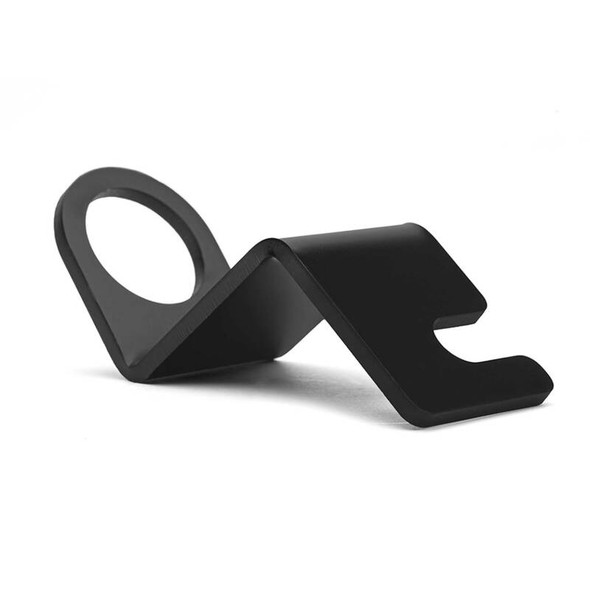

Cobb 22-23 Subaru WRX Coolant Overflow Tank - 800670
COBB
$305.00Will this COBB Coolant Overflow Tank fit my specific vehicle?Confirm vehicle fitment using the provided compatibility tool to ensure precise installation of your COBB Coolant Overflow Tank.Is...$305.00 -
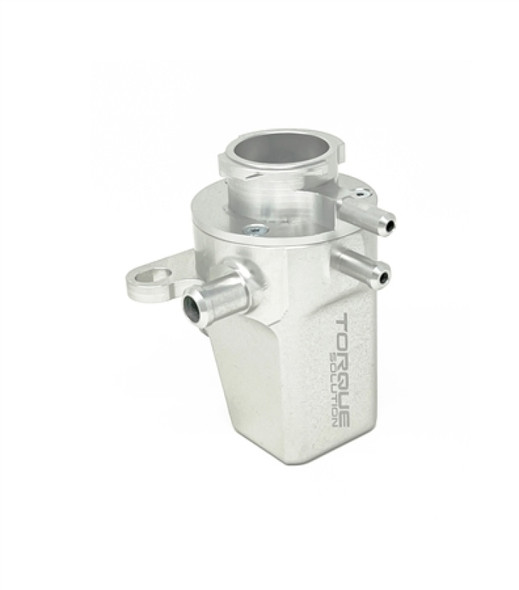
Torque Solution Coolant Expansion Tank: Subaru WRX 02-07 / STI 04-22 / Forester XT 04-08 - Silver - TS-SU-679S
Torque Solution
MSRP: $311.10$259.22What is a coolant reservoir and why is it important?A coolant reservoir stores excess coolant, maintaining optimal system pressure and preventing air pockets for consistent engine cooling.Can I...MSRP: $311.10$259.22 -

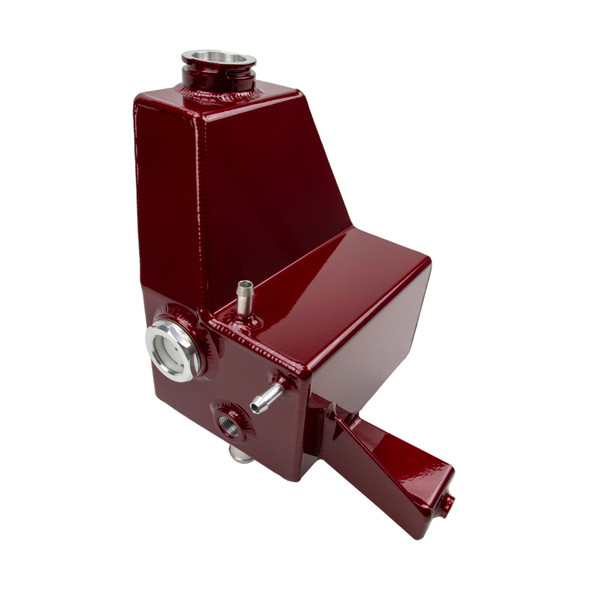
Wehrli 13-18 Dodge 6.7L Cummins OEM Placement Coolant Tank Kit - Bengal Red - WCF100628-BR
Wehrli
MSRP: $525.00$516.45Is the Wehrli Coolant Tank Kit compatible with my Ram 1500?Confirm your specific Ram 1500 model year and configuration with our fitment guide before purchasing this coolant reservoir kit.How...MSRP: $525.00$516.45
Coolant reservoirs — including expansion tanks, overflow tanks, and pressurized surge tanks — are the pressure management backbone of any high-performance cooling system, maintaining consistent coolant volume, venting trapped air, and preventing cavitation under sustained thermal load. Motor Sport Mayhem stocks 85 in-stock coolant reservoirs across 45 brands, ranging from entry-level overflow bottles to fully billet aluminum pressurized surge tanks engineered for endurance racing.
Our Top Picks for Coolant Reservoirs
Every product below was selected based on verified engineering credentials, real-world thermal performance, and proven fitment accuracy across performance builds.
AER Coolant Pumps
Aeromotive | $375.55
A high-flow electric coolant pump delivering 27 GPM through a 3/4" NPT port, purpose-built for remote-mount cooling circuit applications where mechanical pump limitations restrict flow.
- 27 GPM flow rate exceeds most mechanical pump outputs under sustained high-RPM or forced-induction thermal stress
AFE Radiators
aFe | $1,268.00
A bar-and-plate GT Series aluminum radiator with matched silicone hose kit, engineered for maximum core efficiency in high-thermal-load off-road and performance applications.
- Bar-and-plate core construction offers superior pressure resistance and heat rejection compared to tube-and-fin designs under sustained load
AMS Expansion Tanks
AMS | $449.95
An auxiliary intercooler expansion tank engineered to eliminate air pockets in water-to-air intercooler circuits, maintaining consistent coolant saturation for repeatable charge temperature performance.
- Purpose-built for water-to-air intercooler systems where air entrapment causes inconsistent charge cooling across successive pulls
AND Cooling Plates
Anderson Composites | $539.10
A carbon fiber radiator cover that manages underhood airflow routing to the radiator core while eliminating recirculation of hot engine bay air back through the cooling stack.
- Carbon fiber construction delivers OEM-equivalent fitment with a significant reduction in panel weight versus stamped steel covers
AWE Heat Exchangers
AWE Tuning | $995.00
A ColdFront heat exchanger designed to dramatically increase water-to-air intercooler circuit cooling capacity, reducing charge temperatures for sustained forced-induction performance under repeated boost cycles.
- Engineered as a direct upgrade to factory heat exchangers that become thermally saturated under extended wide-open-throttle conditions
BDD Xtruded Trans Coolers
BD Diesel | $999.95
A double-stacked extruded transmission cooler kit with 1/2" tubing, built to handle the extreme fluid temperatures generated during heavy towing, high-load hauling, and performance driving with automatic transmissions.
- Double-stacked core configuration doubles heat rejection capacity over single-pass coolers without requiring additional mounting real estate
BX Radiators
BLOX Racing | $180.00
A 2-row aluminum radiator with a 1/2-core design that delivers meaningful heat rejection improvements over the OEM plastic-tank unit at an accessible price point for naturally aspirated and mildly boosted builds.
- Full aluminum construction eliminates the plastic end-tank cracking failure mode common in aging OEM radiators subjected to performance use
BMR Radiator Supports
BMR Suspension | $199.95
A tubular steel radiator support integrating a sway bar mount, replacing the factory stamped unit with a rigid structure that prevents radiator movement and maintains consistent core alignment under hard cornering loads.
- Hammertone powder coat finish provides corrosion resistance in underhood environments where heat cycling accelerates bare metal degradation
BOS Water Pumps
Bosch | $226.46
A 50W OE-spec electric water pump delivering demand-driven coolant flow independent of engine RPM, enabling consistent thermal management at idle and low-speed conditions where belt-driven pumps historically underperform.
- OE-matched electrical specification ensures direct compatibility with factory coolant circuit management systems without requiring additional control wiring
COBB Radiator Shroud
COBB | $435.00
A carbon fiber radiator shroud that seals the gap between the fan assembly and radiator core, forcing all available airflow through the core rather than allowing bypass air to recirculate around it.
- Carbon fiber construction withstands sustained underhood temperatures that cause OEM plastic shrouds to warp and lose their sealing efficiency over time
How to Choose the Right Coolant Reservoir
The coolant reservoir is not a passive storage vessel — in a pressurized system it actively manages thermal expansion, degasses the cooling circuit, and sets the system's operating pressure ceiling through its cap rating. Choosing the wrong unit means selecting a cap pressure that doesn't match your radiator's burst threshold, running a tank volume too small to absorb expansion at operating temperature, or installing a plastic unit that softens and deforms in sustained high-heat environments. Failures here are not subtle: a reservoir that collapses under vacuum or cracks from heat cycling drops your coolant level without warning, and the result is rapid engine damage.
Key Specifications
Material and pressure rating are the two non-negotiable specs. OEM overflow tanks are typically low-density polyethylene or polypropylene — adequate for stock cooling systems operating at 13–16 PSI cap pressure, but problematic in modified applications where underhood temperatures spike and system pressures climb. Aluminum tanks eliminate thermal deformation entirely, handle pressures well above 30 PSI without dimensional change, and resist the ethylene glycol degradation that eventually embrittles plastic over time. For any build operating at elevated coolant temperatures — forced induction, sustained track use, or heavy towing — aluminum is the correct material choice, not a luxury upgrade.
Tank volume and venting geometry determine how effectively the reservoir degasses your circuit. Air pockets in the cooling system are a primary driver of localized hotspots and cavitation at the water pump impeller. Surge tanks with top-mounted inlet fittings and a dedicated bleed port allow trapped air to rise naturally to the tank surface and vent without requiring manual bleeding procedures. For forced induction builds running water-to-air intercooler circuits, a properly sized expansion tank in the intercooler loop is as critical as the one in the engine cooling circuit — both circuits need independent pressure and volume management.
Cap pressure rating directly sets your coolant's effective boiling point through pressurization. A 16 PSI cap raises the boiling point of a 50/50 coolant mix to approximately 268°F. A 20 PSI cap pushes that threshold to roughly 276°F — a meaningful margin in sustained high-load applications. However, the entire system — hoses, radiator end tanks, reservoir, and all fittings — must be rated to handle whatever cap pressure you select. Mismatched pressure ratings are a common cause of hose blowoff and end-tank failures at the worst possible moment on track.
Fitment and mounting configuration matter more than many builders anticipate. A reservoir mounted at the highest point in the cooling system degasses passively and maintains a consistent coolant level without manual intervention. Remote-mount configurations require careful attention to hose routing angles to avoid trapping air in low points of the circuit. Threaded NPT fittings on billet tanks allow custom hose routing with AN fittings and braided lines — a significant advantage in engine bay builds where packaging is tight. Verify the inlet and outlet port diameters match your existing hose sizing or plan your adapter fittings accordingly; see our fittings category for the full range of AN and NPT adapters.
Coolant Reservoir Capacity and Pressure Selection Guide
| Application Type | Recommended Tank Volume | Cap Pressure Rating | Recommended Material |
|---|---|---|---|
| Stock / Daily Driver | 0.5 – 1.0 qt | 13–16 PSI | OEM plastic or polypropylene |
| Street Performance / Mild Boost | 1.0 – 1.5 qt | 16–18 PSI | Aluminum or heavy-duty plastic |
| Autocross / HPDE Track Use | 1.5 – 2.0 qt | 18–20 PSI | Billet or welded aluminum |
| Endurance Racing / Full Race Build | 2.0 – 3.0 qt (surge tank) | 20–28 PSI | Billet aluminum, AN-ported |
| Heavy Towing / Diesel Performance | 1.5 – 2.5 qt | 16–20 PSI | Aluminum or reinforced plastic |
| Water-to-Air Intercooler Circuit | 0.5 – 1.0 qt (dedicated loop) | 10–16 PSI | Aluminum with bleed port |
Price Guide
Entry ($1.38–$100): This tier covers OEM-replacement overflow bottles, basic polypropylene reservoirs, and simple catch tanks designed for vehicles not yet pushed beyond stock cooling demands. Quality at this level is adequate for daily-driven, naturally aspirated vehicles operating within factory temperature parameters. Fitment is typically vehicle-specific and direct-replacement, with no pressure cap upgrade or custom porting options.
Mid-range ($100–$600): Most performance enthusiasts land here, and for good reason — this range covers aluminum reservoirs, pressurized surge tanks with AN fittings, quality electric water pumps, and purpose-built expansion tanks for intercooler circuits. You gain meaningful upgrades in material durability, pressure handling, and system degassing performance. Brands like Mishimoto, Perrin Performance, and Wehrli dominate this segment with vehicle-specific and universal fitment options.
Premium ($600–$2,390): Billet CNC-machined tanks, full cooling system overhauls with matched radiators and heat exchangers, and professional-grade transmission cooler kits occupy this range. This tier is appropriate for dedicated race vehicles, high-output forced induction street builds where thermal management is a critical performance variable, or diesel trucks operating at or beyond their towing ratings. The cost is justified by engineering precision, pressure ratings that exceed anything an OEM system encounters, and materials that will outlast the rest of the build.
Who Is This For?
Coolant reservoirs and thermal management components serve a wider range of performance applications than most builders initially recognize — from weekend track days to full endurance racing to heavy diesel towing.
Track / Autocross — 8.2/10
Track and autocross use demands the most from any cooling reservoir because sustained cornering loads, repeated braking zones, and extended wide-open-throttle intervals push coolant temperatures well beyond what street driving generates. A 8.2/10 usage score reflects how frequently these components are the critical limiting factor in lap-after-lap consistency — a reservoir that can't manage thermal expansion and degassing under sustained load will introduce coolant temperature variability that shows up directly in power output and engine safety margins. Pressurized aluminum surge tanks with proper bleed circuits are the standard specification for any vehicle used at dedicated track events.
Racing Competition — 8.2/10
Competition builds score identically to track use at 8.2/10 because the thermal requirements are even more sustained — endurance racing, time attack, and wheel-to-wheel competition place hours of continuous high-load demand on the cooling circuit rather than the intermittent sessions of an HPDE weekend. At this level, the reservoir is engineered as part of a complete thermal system alongside the radiator, water pump, and thermostat, and capacity is sized to buffer the entire circuit against heat soak during safety car periods or traffic situations where airflow drops. AN-ported billet tanks that integrate cleanly into fabricated cooling circuits are the norm in this segment.
Heavy Towing — 8.2/10
Heavy towing earns the same 8.2/10 score because the thermal stress profile — sustained low-RPM high-load operation, often with restricted airflow from trailer wind blockage — is genuinely severe, particularly for diesel powertrains. Transmission fluid temperatures climb alongside coolant temperatures, making the reservoir and transmission cooler both critical components in a properly upgraded towing setup. Oversized aluminum reservoirs with higher-pressure caps give the system additional thermal buffer that prevents the coolant from reaching the boiling threshold during long grades under load.
Street Performance — 7.8/10
Street performance applications score 7.8/10, reflecting the broad range of builds in this category — from mildly modified daily drivers to aggressive forced induction street cars that see occasional aggressive driving. For this use case, the primary upgrade value is eliminating OEM plastic reservoir failure modes (cracking, deformation, pressure relief failure) and gaining a system that handles the elevated temperatures a performance-tuned engine produces during spirited driving. An aluminum reservoir with an upgraded cap pressure rating is typically the highest-ROI cooling upgrade for a street performance build that doesn't yet have a full cooling system overhaul.
Easy DIY Install — 7.8/10
A 7.8/10 DIY score indicates that most coolant reservoir upgrades are accessible to a mechanically competent enthusiast with basic hand tools — hose clamp removal, drain and refill procedures, and bracket mounting are the primary installation steps for most direct-replacement units. Universal surge tanks and remote-mount applications require more fabrication skill, including cutting and routing coolant hose, tapping fittings, and properly bleeding the circuit after reassembly, which is where the score stops short of a perfect rating. Bleeding the cooling system correctly after any reservoir replacement is the step most DIY installers rush, and incomplete bleeding is the leading cause of apparent overheating issues following reservoir installs.
Trusted Coolant Reservoir Brands We Carry
The brands that dominate this category earned their position through engineering specificity, not just product volume. Mishimoto has built its reputation on extensive vehicle-specific fitment data combined with aluminum construction that directly addresses OEM plastic failure modes, making them a consistent first-call for enthusiasts seeking a direct upgrade. CSF brings genuine OEM supplier engineering credentials to the aftermarket, with core manufacturing processes validated in original equipment applications before being applied to performance upgrades. Koyo's radiator and cooling component heritage traces directly to Japanese OEM supply chains, where dimensional tolerances and pressure validation are held to standards that exceed typical aftermarket specifications. Wehrli Custom Fabrication focuses specifically on diesel performance thermal management, with welded aluminum reservoirs and intercooler tanks designed around the specific pressure and temperature demands of high-output diesel builds. Perrin Performance brings application-specific engineering to their expansion and surge tank lineup, particularly for turbocharged platforms where intercooler circuit management is as important as the engine cooling circuit itself. Gates rounds out the category with cooling system hose and cap components that meet or exceed OEM material specifications, providing the system hardware that ties reservoir upgrades into a complete, pressure-matched cooling circuit.
Frequently Asked Questions
Are aluminum coolant reservoirs better than plastic?
For performance and modified applications, aluminum is unambiguously the superior material choice. Aluminum maintains its dimensional stability across the full range of underhood temperatures — including the 250°F+ sustained temperatures common in forced induction and track environments — while polypropylene and polyethylene begin to soften and deform above approximately 180–200°F under sustained load. Aluminum also tolerates higher system pressures without risk of bulging or cracking at fittings, and it does not experience the ethylene glycol degradation that eventually embrittles plastic tanks over years of thermal cycling. The trade-off is cost and, in some cases, corrosion susceptibility if the coolant mixture is not properly maintained to prevent electrolysis — keep your coolant fresh and at the correct pH, and an aluminum tank will outlast the vehicle.
Are aftermarket radiators any good?
Quality aftermarket radiators from reputable manufacturers consistently outperform OEM units in heat rejection capacity, primarily because they use full aluminum construction — core, end tanks, and mounting brackets — versus the OEM approach of aluminum cores with plastic end tanks crimped in place. Bar-and-plate core designs used by performance-focused manufacturers offer higher burst pressure resistance and greater surface area per square inch than tube-and-fin cores, which matters significantly in high-boost and sustained-load applications. The critical variable is manufacturer quality: a poorly brazed core or improperly sealed end tank on a budget unit will fail faster than the OEM radiator it replaced. Stick to brands with documented engineering processes and vehicle-specific fitment validation rather than universal units claiming broad fitment compatibility.
Are aftermarket water pumps worth it?
Aftermarket water pumps deliver measurable value in two specific scenarios: when replacing a worn or failed OEM pump, and when upgrading to an electric pump for applications where RPM-independent coolant flow is a performance requirement. Electric water pumps eliminate the inherent inefficiency of belt-driven designs — at idle and low RPM, a belt-driven pump moves dramatically less coolant than at highway cruise, which is exactly the condition where stop-and-go traffic and post-track cool-down periods demand maximum flow. For high-RPM performance engines, impeller upgrades in OEM-style housings can increase flow rates by 15–25% without requiring packaging changes. The caveat is that aftermarket pump quality varies widely — an impeller that cavitates at high RPM or a seal that fails within a season is worse than the OEM unit it replaced.
Are aftermarket transmission coolers worth it?
Aftermarket transmission coolers are one of the highest-return thermal management upgrades available for vehicles used in towing, performance driving, or any application that elevates transmission fluid temperatures above the 175–200°F optimal operating range. Automatic transmission fluid begins to oxidize and lose its viscosity specification above approximately 220°F, and sustained operation above 250°F accelerates clutch pack wear and seal degradation to the point where transmission life is measured in months rather than years. The factory transmission cooler — typically a small section of the radiator end tank — is sized for average consumer use, not the sustained high-load conditions of towing at capacity or aggressive track driving with an automatic. A dedicated external transmission cooler is inexpensive insurance against a transmission rebuild that costs orders of magnitude more.
Are all radiator brackets and supports the same?
Radiator brackets and supports are emphatically not interchangeable — they are precision-located components that set the radiator's position relative to the fan shroud, upper and lower hose connection points, and airflow path through the core. An improperly fitted bracket allows the radiator to shift under cornering and braking loads, which causes hose stress at the inlet and outlet connections and risks fan-to-core contact that can destroy both components. Performance tubular radiator supports replace the factory stamped steel units with structures that are significantly more rigid under chassis flex, which is a real consideration in high-horsepower applications where engine torque and chassis torsion transmit load into the front structure. Always verify bracket fitment by application rather than attempting to adapt a close-but-not-correct unit — the mounting hole patterns are vehicle-specific and dimensional errors compound into real cooling and reliability problems.
Building something specific? Our performance specialists can help you select the right Coolant Reservoirs for your application — street, track, or full race build.