
Oil Coolers
- Product
- Qty in Cart
- Quantity
- Price
- Subtotal
-
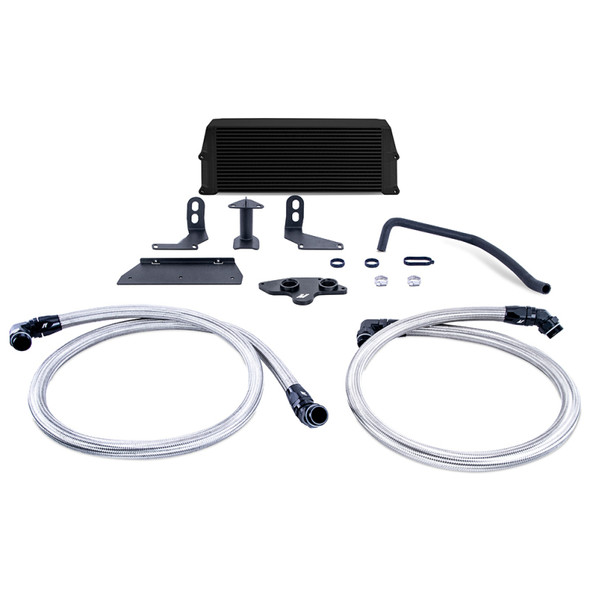
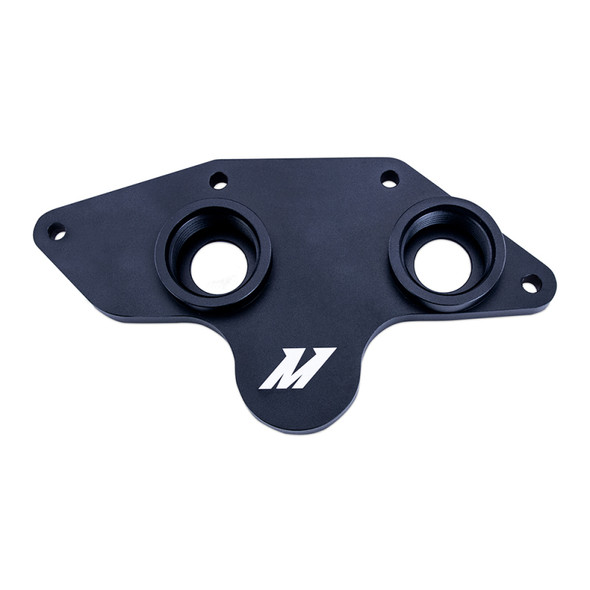
Mishimoto 11-19 Ford 6.7L Powerstroke Performance Oil Cooler Kit - Black - MMOC-F2D-11KBK
Mishimoto
MSRP: $1,320.00$1,199.95When should I consider upgrading my Ford Super Duty's oil cooler?Consider upgrading your Ford Super Duty's oil cooler when engaging in heavy towing or performance driving to prevent thermal breakdown...MSRP: $1,320.00$1,199.95 -
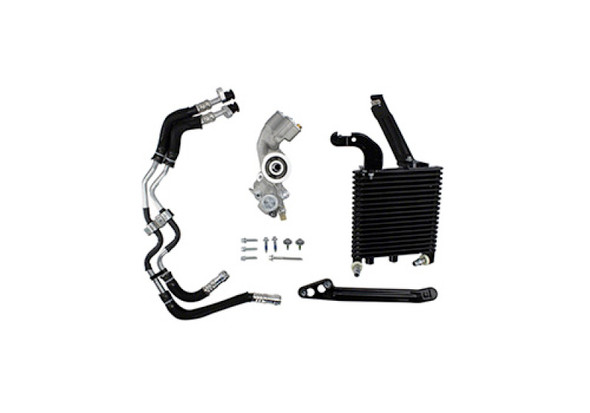
Ford Racing 2024+ Ford Mustang 5.0L Engine Oil Cooler Kit - M-6642-M50D
Ford Racing
$773.02Will this oil cooler fit my 2024 Mustang GT?This Ford Racing oil cooler kit is engineered for the 2024+ Ford Mustang 5.0L engine, ensuring optimal fitment for performance driving.Is professional...$773.02 -


Mishimoto 2023+ Honda Civic Type R Oil Cooler Kit - Silver - MMOC-CTR-23TSL
Mishimoto
MSRP: $880.00$799.95What is the primary benefit of installing an oil cooler kit?An oil cooler kit enhances engine longevity by increasing oil capacity and providing superior protection against heat saturation.Is...MSRP: $880.00$799.95 -


Mishimoto 2023+ Honda Civic Type R Oil Cooler Kit - Black - MMOC-CTR-23TBK
Mishimoto
MSRP: $880.00$799.95Does this Mishimoto oil cooler fit my specific vehicle model?Confirm fitment with your vehicle using our online tool to ensure precise integration of this essential oil cooling component.Is...MSRP: $880.00$799.95 -
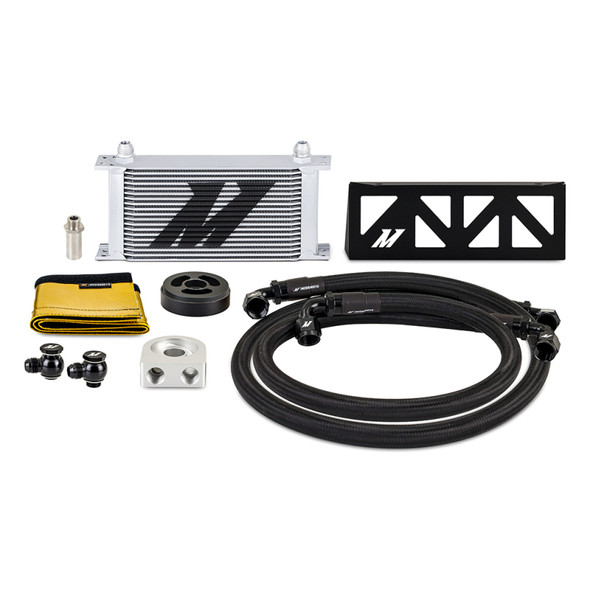
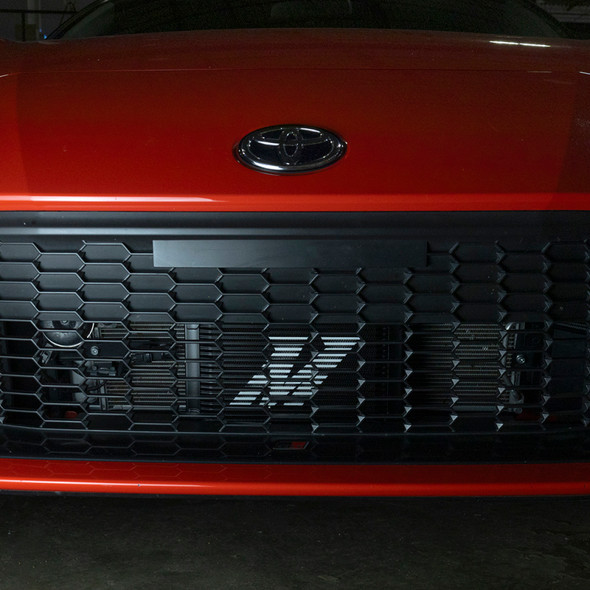
Mishimoto 2022+ Subaru BRZ/Toyota GR86 Oil Cooler Kit - Silver - MMOC-BRZ-22NTSL
Mishimoto
MSRP: $767.00$696.95How much extra oil does the Mishimoto oil cooler kit add to my vehicle?The Mishimoto oil cooler kit adds approximately 0.75 quarts of oil, enhancing overall lubrication and engine longevity for your...MSRP: $767.00$696.95 -
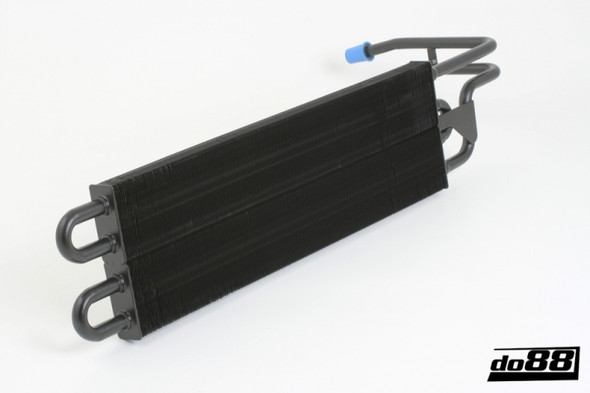
do88 07-13 BMW M3 (E90/E92/E93) Power Steering Oil Cooler - OC-120
do88
$646.67Will this oil cooler fit my car?Confirm fitment with your vehicle before purchase; professional installation is recommended to ensure proper integration of this high-performance oil cooler.How much...$646.67 -
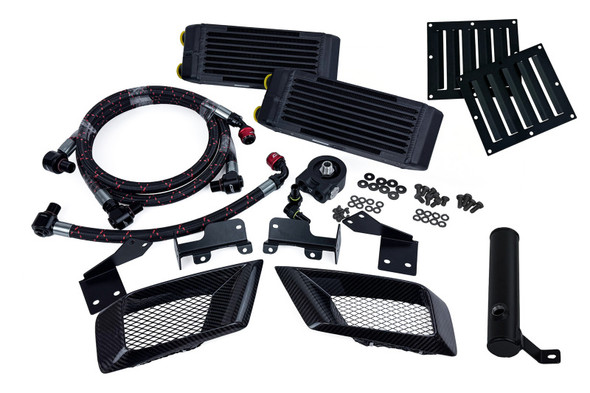

CSF 2023+ Honda Civic Type R FL5 High-Performance Dual Engine Oil Cooler Kit - 8343
CSF
$1,995.00What is the optimal operating temperature range for my engine oil?CSF Oil Coolers maintain optimal oil temperatures between 175-195 degrees Fahrenheit (80-90 degrees Celsius) for peak engine...$1,995.00 -


Vibrant Replacement Oil Filter Bolt Thread 3/4-16 - 17078
Vibrant
MSRP: $22.99$16.99Are Vibrant oil coolers compatible with my specific vehicle model?Vibrant oil coolers require careful fitment confirmation with your exact vehicle model to ensure proper installation and optimal...MSRP: $22.99$16.99 -

Vibrant Double Pass Oil Cooler Assembly 6in x 10in x 2in - 12952
Vibrant
MSRP: $349.99$279.99What is the main purpose of an oil cooler?Vibrant oil coolers maintain consistent engine oil temperatures, preventing thermal breakdown and ensuring sustained peak performance for your vehicle's...MSRP: $349.99$279.99 -
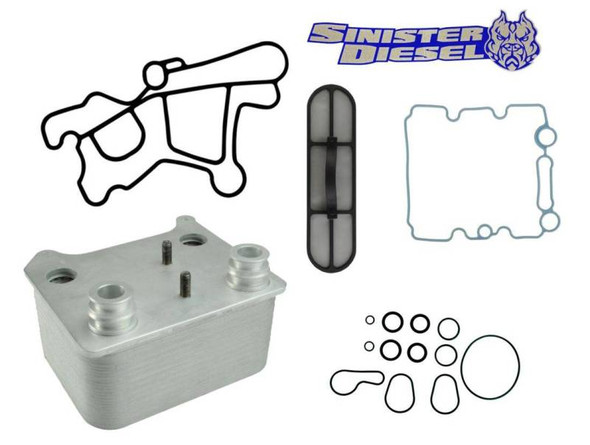
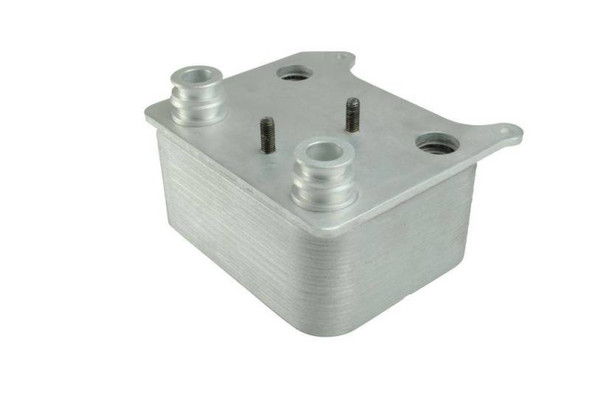
Sinister Diesel 03-07 Ford Powerstroke 6.0L Oil Cooler Kit (Includes Gaskets & O-Rings) - SD-OC-6.0
Sinister Diesel
MSRP: $519.99$399.99Will this oil cooler fit my 2005 Ford F-250?Confirm fitment with your specific vehicle details before purchase; professional installation is recommended for optimal integration.How does the flow rate...MSRP: $519.99$399.99 -
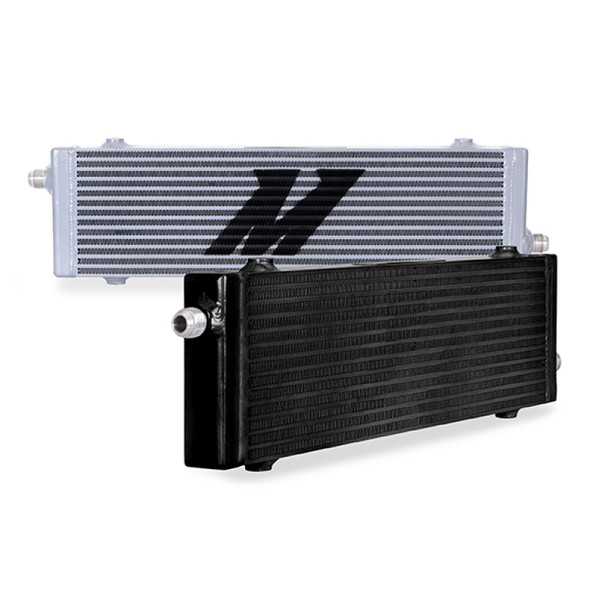
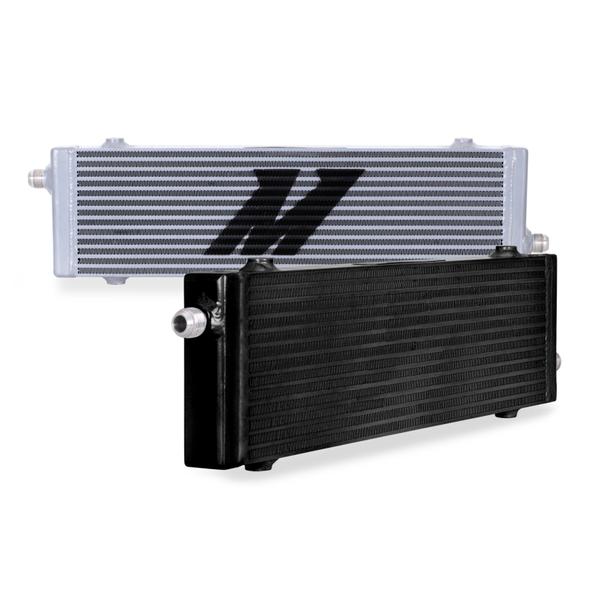
Mishimoto Universal Large Bar and Plate Cross Flow Black Oil Cooler - MMOC-SP-LBK
Mishimoto
MSRP: $431.00$391.95Does the Mishimoto Universal Oil Cooler fit my 2018-2021 Ford Mustang?Yes, this universal oil cooler is designed for a precise fitment on the 2018-2021 Ford Mustang.How difficult is it to install the...MSRP: $431.00$391.95 -


CSF Universal Dual-Pass Oil Cooler - M22 x 1.5 Connections 22x4.75x2.16 - 8201
CSF
$599.00How do I confirm if CSF Oil Coolers fit my vehicle?Confirm CSF Oil Cooler fitment for your vehicle by referencing the detailed vehicle compatibility guide before purchase.What is the recommended...$599.00
An oil cooler is a dedicated heat exchanger that removes thermal energy from engine or transmission oil before it degrades viscosity, accelerates wear, and causes catastrophic failure under sustained load — making it one of the most effective and underrated reliability upgrades available. Motor Sport Mayhem stocks 159 oil coolers across 45 brands, ranging from entry-level thermostatic fittings to full race-spec plate-and-fin systems engineered for continuous high-RPM and heavy-tow duty cycles.
Our Top Picks for Oil Coolers
Every product below was hand-selected by our engineering team based on demonstrated thermal performance, build quality, and real-world results across street, track, and competition applications.
AER Coolant Pumps
Aeromotive | $375.55
A high-flow electric coolant pump delivering 27 GPM with a universal remote-mount design that pairs directly with auxiliary oil cooling circuits.
- Brushed motor construction with 3/4 NPT inlet/outlet handles sustained flow demands without pressure drop across extended race sessions
aFe BladeRunner GT Series Radiator
aFe | $1,268.00
A bar-and-plate radiator constructed from high-density aluminum core material with integrated hose kit for a complete thermal management upgrade.
- GT Series bar-and-plate construction delivers significantly higher thermal transfer efficiency versus OEM tube-and-fin designs under sustained load
AMS Expansion Tanks
AMS | $449.95
An auxiliary intercooler tank engineered by AMS Performance to expand coolant system capacity and stabilize inlet temperatures on forced-induction applications.
- Increased reservoir volume delays thermal soak on water-to-air intercooler circuits, directly protecting oil temps under back-to-back pulls
Anderson Composites Cooling Plates
Anderson Composites | $539.10
A carbon fiber radiator cover that directs airflow precisely through the cooling stack while eliminating recirculation of hot underhood air.
- Proper air sealing around the core can reduce coolant and oil temps measurably, making this a structural complement to any cooler upgrade
AWE Tuning ColdFront Heat Exchanger
AWE Tuning | $995.00
A precision-engineered heat exchanger designed to dramatically lower charge coolant temperatures, directly reducing heat rejection load on the primary oil cooling system.
- Reduced system-wide thermal load means engine oil stays within safe viscosity range longer under boost on track or spirited street driving
BD Diesel Xtruded Double-Stack Trans Cooler
BD Diesel | $999.95
A double-stacked extruded transmission cooler kit with 1/2-inch tubing that delivers maximum ATF thermal capacity for high-demand towing and diesel performance applications.
- Double-stacked core design doubles the effective heat exchange surface area without requiring a larger footprint in the front fascia
BLOX Racing 2-Row Radiator
BLOX Racing | $180.00
A 2-row aluminum radiator built as an OEM-location replacement that improves heat dissipation over the factory unit at a budget-accessible price point.
- All-aluminum core and tank construction resists the cracking and leak points that plague OEM plastic end-tank radiators over time
BMR Suspension Radiator Support
BMR Suspension | $199.95
A tubular steel radiator support that replaces the OEM stamped unit while adding a sway bar mount for a dual-function structural upgrade.
- Rigid radiator support prevents core flex and vibration-induced leak failures that are common after track use with heavy cooling systems installed
Bosch Electric Water Pump
Bosch | $226.46
A 50W OE-equivalent electric water pump that maintains consistent coolant flow independent of engine RPM, keeping oil cooler circuits operating at peak efficiency.
- Electric actuation eliminates the low-RPM flow deficit of mechanical pumps, ensuring the oil cooler circuit receives adequate flow during slow-speed crawls and idle
COBB Carbon Fiber Radiator Shroud
COBB | $435.00
A carbon fiber radiator shroud that seals underhood airflow paths to eliminate hot air recirculation and improve cooling stack efficiency on high-output turbocharged applications.
- Precision-fit carbon construction is lighter than OEM plastic shrouds while providing better sealing geometry around the radiator and oil cooler cores
How to Choose the Right Oil Cooler
The single most important decision in oil cooler selection is matching core capacity to your actual heat rejection requirement — not just picking the largest unit that fits. An undersized cooler allows oil to stay above safe operating temperature under sustained load; an oversized cooler on a stock street car will over-cool oil in cold weather, increasing viscosity drag and wear during warmup. Core type, row count, fin density, thermostat integration, and mounting configuration all contribute to where a given cooler belongs on that spectrum.
Key Specifications
Core Construction: Bar-and-plate cores are the benchmark for motorsport and heavy-duty applications because the brazed aluminum construction withstands vibration, pressure spikes, and thermal cycling without deforming. Tube-and-fin cores are lighter and adequate for mild street use but are more susceptible to core damage and leak failure under hard use. For any tracked vehicle, tow rig under load, or high-output engine build, bar-and-plate is the correct choice — the weight and cost difference is justified by durability alone.
Row Count and Core Thickness: More rows increase surface area and dwell time, improving heat extraction — but also increase pressure drop across the circuit. A single-row cooler suits a lightly modified street engine that runs near stock oil temperatures. Two- and three-row units are appropriate for modified street or occasional track use. Full-competition applications typically run dedicated stacked-plate oil coolers with thermostatic sandwich plates to bypass the cooler until oil reaches optimal operating temperature, preventing over-cooling on cold laps.
Thermostatic Control: Any oil cooler installation that will see mixed street and track use should include a thermostat — either a sandwich plate thermostat at the filter or an inline thermostatic bypass. Without it, the cooler is active at all times, which delays warmup, increases wear, and causes condensation buildup in cold climates. Most quality thermostatic sandwich plates open between 180°F and 195°F, which is the correct range to balance warmup speed against thermal protection.
Line and Fitting Sizing: Oil cooler line diameter directly affects flow rate and pressure drop. AN-10 (5/8" ID) lines are the minimum for most engine oil cooling circuits on performance applications; AN-8 is borderline acceptable for light-duty use only. Transmission cooler lines should be sized to the transmission manufacturer's specification — undersized lines create backpressure that can damage the transmission's internal oil pump. Quality stainless-braided lines with proper swaged fittings are worth the investment over push-lock assemblies on any build that will see elevated temperatures. For fabrication needs including line fittings and adapters, see our Fittings section.
Oil Cooler Core Sizing Reference by Application
| Application Type | Recommended Core Rows | Minimum Core Area | Thermostat Required |
|---|---|---|---|
| Lightly modified street (up to 50 HP over stock) | 1–2 row | 15–25 sq in | Recommended |
| Modified street / weekend track (50–150 HP over stock) | 2–3 row | 25–40 sq in | Required |
| Dedicated track / autocross (150–300 HP over stock) | 3–4 row or stacked plate | 40–65 sq in | Required |
| Full race / sustained competition | Stacked plate, 19–25 row | 65–100+ sq in | Required (race thermostat) |
| Heavy tow / diesel (transmission oil) | Double-stacked plate | 50–80 sq in | Recommended |
| High-output forced induction (engine oil) | 3-row bar-and-plate minimum | 50–80 sq in | Required |
Price Guide
Entry ($1.38–$150): This tier covers thermostatic sandwich plate adapters, basic fitting kits, transmission cooler lines, and small tube-and-fin cooler cores. These are legitimate starting points for mild street builds or for adding a factory-spec transmission cooler to a vehicle that left the factory without one. Expect adequate quality for light-duty use — these are not track parts.
Mid-range ($150–$600): The majority of enthusiasts will find their solution here. This range covers quality 2- and 3-row aluminum oil coolers with thermostatic control, complete transmission cooler kits with AN-line hardware, and entry-level stacked-plate systems from established brands. Build quality steps up noticeably — brazed cores, proper AN fittings, and application-specific mounting hardware replace the generic hardware of the entry tier.
Premium ($600–$2,390.00): Full race-spec oil cooler systems, large-capacity double-stacked transmission coolers for diesel and heavy-tow duty, complete cooling system overhauls with electric pump integration, and brand-specific engineered kits for high-output platforms. These products are appropriate for dedicated competition vehicles, diesel trucks under sustained towing load, and high-horsepower builds where oil temperature management is a tuning variable rather than just a reliability measure.
Who Is This For?
Oil coolers serve an unusually wide range of applications — from a diesel owner preventing automatic transmission failure on a mountain pass to a circuit racer managing oil temperatures across 30-minute sessions — and the usage data reflects that breadth accurately.
Track / Autocross — 8.2/10
This is the highest-scoring use case and the most technically demanding application for oil coolers. Sustained high-RPM operation on circuit eliminates the natural cooling effect of varied throttle inputs that street driving provides, and oil temperatures climb continuously until they reach a thermal equilibrium — which on a stock or mildly modified car may be well above the 250°F threshold where most conventional motor oils begin to thin dangerously. A properly sized oil cooler with thermostatic control is not a performance upgrade in this context — it is a prerequisite for engine survival across multiple sessions.
Racing Competition — 8.2/10
Competition-level scoring ties with track/autocross because the physics are identical but the consequences of failure are more immediate. Race classes with technical regulations often mandate oil cooler specifications, and scrutineers check line routing and catch-can compliance. At this level, the entire oil thermal management system — cooler, thermostat, lines, fittings, and oil specification — needs to function as an integrated system rather than individual bolt-on components.
Heavy Towing — 8.2/10
Transmission oil temperature is the primary failure mechanism in automatic transmissions used for sustained heavy towing, and this use case scores identically to competition applications for good reason. ATF degradation begins aggressively above 220°F, and OEM transmission coolers are sized for intermittent light towing rather than sustained grades at maximum GCWR. A proper aftermarket transmission cooler is one of the most cost-effective reliability upgrades available for any diesel or gas truck used for regular trailer work. This ties directly into drivetrain longevity for working trucks.
Street Performance — 7.8/10
Street performance is where most buyers enter the oil cooler category, typically after a tune, forced induction addition, or a track day that revealed climbing oil temps. The 7.8/10 score reflects genuine utility — even street-driven modified vehicles benefit from an oil cooler once power output exceeds OEM specifications, particularly during summer heat or spirited canyon driving. The key for street applications is thermostatic control to prevent over-cooling during cold starts and daily commuting.
Easy DIY Install — 7.8/10
A 7.8/10 for DIY install reflects the reality that most quality oil cooler kits are genuinely achievable for a competent home builder with basic hand tools and an AN line assembly kit — sandwich plate installation is particularly straightforward. The score is not a perfect 10 because line routing, clearancing around moving components, and proper fitting torque require attention to detail that catches out inexperienced installers. Following torque specifications on AN fittings and allowing adequate clearance to exhaust components is non-negotiable for a leak-free, safe installation.
Trusted Oil Cooler Brands We Carry
The brands that lead this category earn their position through engineering depth, not marketing. Mishimoto has built its reputation on comprehensive application coverage with all-aluminum core construction and pressure-tested quality control that meets or exceeds OEM fitment tolerances across a huge range of platforms. CSF approaches thermal management as a systems engineering problem — their cores use proprietary fin geometry and high-density brazed construction that outperforms generic designs in back-to-back testing. Koyo brings decades of OEM thermal management supply experience to the aftermarket, with tube construction tolerances that reflect their original equipment heritage. BD Diesel owns the heavy-duty transmission cooling segment with extruded core designs specifically validated under sustained diesel towing loads. Wehrli Custom Fabrication produces fabricated cooling components to custom-shop standards with production-line consistency, particularly strong in the diesel performance space. For complete cooling system builds where oil cooler integration meets radiator, expansion tank, and pump selection, brands like Perrin Performance and Vibrant round out a full system solution with AN hardware and fabricated components engineered to work together.
Frequently Asked Questions
Are aftermarket radiators any good?
Quality aftermarket radiators from established manufacturers are not only as good as OEM — they are frequently superior in thermal capacity and durability. OEM radiators are cost-optimized for the production line, which means plastic end tanks crimped to aluminum cores that eventually crack at the seam from thermal cycling and vibration. Aftermarket all-aluminum units with brazed construction eliminate that failure point entirely and typically offer 25–40% more core volume than the factory unit. The key is buying from a manufacturer with documented core construction standards — not a no-name import with unverified wall thicknesses and untested pressure ratings.
Are aftermarket transmission coolers worth it?
For any vehicle used for sustained towing, performance driving, or operation in high ambient temperatures, an aftermarket transmission cooler is one of the highest-value reliability upgrades available. Automatic transmission fluid degrades exponentially above 220°F — fluid life is cut roughly in half for every 20°F above that threshold. OEM coolers integrated into the radiator end tank are a known weak point because they share coolant temperature as a lower bound, meaning ATF can never cool below engine coolant temperature. A standalone aftermarket cooler mounted in the airstream breaks that thermal coupling and can drop ATF temperatures 30–50°F under load. The cost of a quality transmission cooler is a fraction of a transmission rebuild.
Are aftermarket water pumps as good as OEM?
OEM-equivalent electric water pumps from Tier 1 automotive suppliers like Bosch are manufactured to the same specifications as the original equipment — in many cases they are built by the same supplier. The critical variable is whether the aftermarket pump matches the OEM flow rate, pressure rating, and control protocol, since many modern vehicles use electronically modulated pump speed that interacts with the engine management system. Generic aftermarket mechanical pumps vary widely in impeller quality and seal materials; cheaper castings with plastic impellers are a false economy. For any build where the cooling system is being upgraded — including adding an auxiliary oil cooler circuit — an electric pump that can maintain consistent flow independent of engine RPM is worth the investment.
Are aluminum coolant tanks better than plastic?
In virtually every performance and durability metric, aluminum coolant reservoirs outperform plastic OEM units. Plastic tanks develop micro-cracks from repeated thermal cycling, become brittle with age and heat exposure, and can fail catastrophically under pressure at elevated temperatures — exactly the conditions that matter most. Aluminum tanks maintain structural integrity across the full operating temperature range, handle higher system pressures without deformation, and do not degrade chemically from contact with modern coolant additives. For a street car with a modified engine running higher coolant temps, or any tracked vehicle, an aluminum reservoir is a straightforward reliability upgrade that eliminates a known failure point.
Are aftermarket radiator hoses worth it?
Silicone radiator hoses are unambiguously worth it for any modified, tracked, or high-mileage vehicle. OEM rubber hoses harden, crack, and collapse under high vacuum at sustained operating temperatures — a collapsed lower hose at high RPM can cause a cavitation event that starves the water pump and triggers overheating within minutes. Silicone hoses maintain their shape and flexibility across a temperature range from -65°F to 350°F, resist all common coolant chemistries, and do not degrade from ozone or underhood heat exposure the way rubber does. The wall thickness of quality silicone hoses also provides superior burst pressure resistance, which matters on any system running higher-than-stock coolant pressure. For the full cooling system picture, hoses are the last component to upgrade but among the most cost-effective for long-term reliability.
Building something specific? Our performance specialists can help you select the right Oil Coolers for your application — street, track, or full race build.