
Lights
- Product
- Qty in Cart
- Quantity
- Price
- Subtotal
-
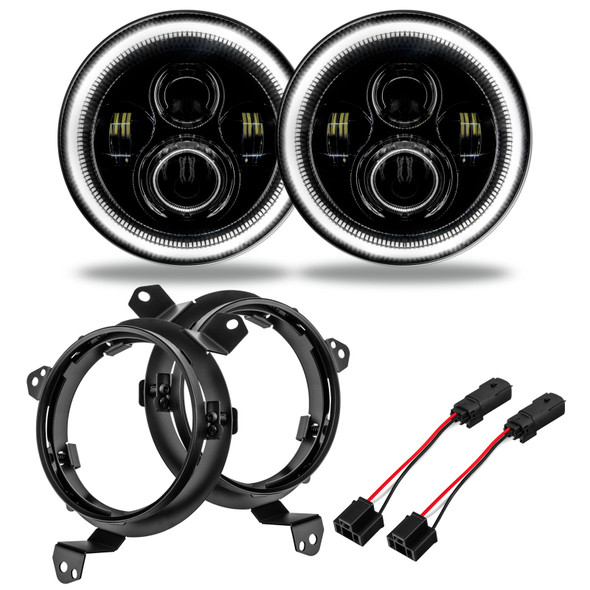
Oracle Jeep Wrangler JL/Gladiator JT 7in. High Powered LED Headlights (Pair) - White - ORACLELIGHTING5769J-001
ORACLE Lighting
$719.99How do I confirm the fitment for my specific vehicle?Confirm fitment for your vehicle by consulting the detailed fitment guide available on this product page.Are these headlights easy to...$719.99 -

Baja Designs OnX6 Series Wide Driving Pattern 40in LED Light Bar - Amber - BAJADESIGNS454014
Baja Designs
$1,473.95What is the beam pattern of the Baja Designs OnX6 Light Bars?The OnX6 Series features a wide driving pattern, delivering an expansive 40 inch illumination for superior off-road visibility.How...$1,473.95 -

ANZO 09-18 Dodge Ram 1500 Full LED Taillights w/ Sequential Black Housing/Smoke Lens - ANZO311453
ANZO
$345.48$345.48 -
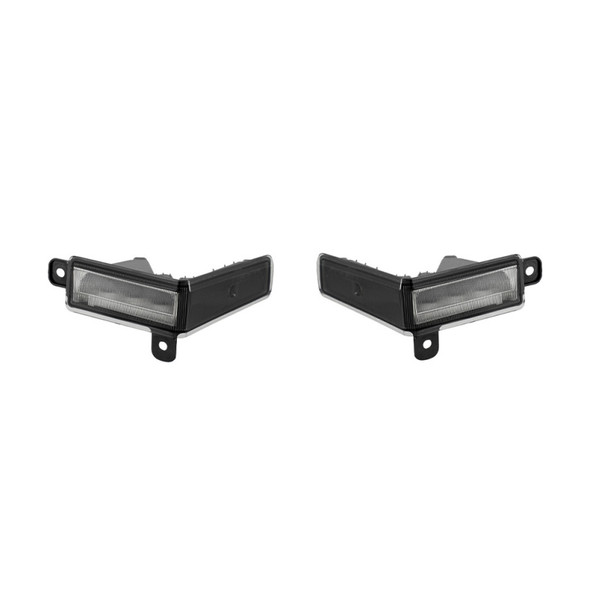
Form Lighting 2022-2025 Toyota Tundra LED Reverse Light (Pair) - FORMLIGHTINGFL0081
FORM Lighting
$99.99What is the typical installation time for the FRM Reverse Lights?FORM Lighting FRM Reverse Lights require professional installation, typically taking a few hours for optimal secure fitment.Do these...$99.99 -
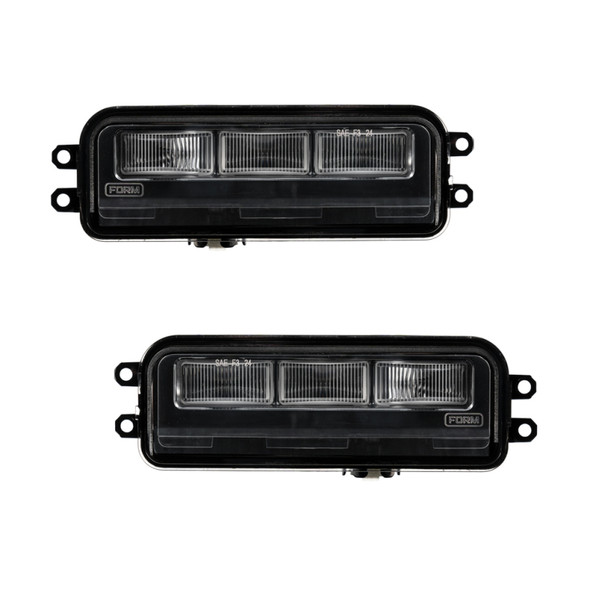
Form Lighting Type T3 Tacoma/Tundra/4Runner/Sequoia LED Fog Lights White (Pair) - FORMLIGHTINGFL0082
FORM Lighting
$199.99Are FORM Lighting FRM Fog Lights compatible with my vehicle?FORM Lighting FRM Fog Lights require fitment confirmation with your specific vehicle to ensure optimal integration and performance.What is...$199.99 -

Diode Dynamics C2 2.0 Sport Yellow SAE Fog/Wide Standard ABL (pair) - DIODEDYNAMICSDD8091P
Diode Dynamics
$219.95Are these DIO LED Light Pods compatible with my vehicle?DIO LED Light Pods require confirmation of specific vehicle fitment before purchase to ensure proper integration and performance.Do I need...$219.95 -

Form Lighting 2014-2021 Toyota Tundra LED Projector Headlights (Pair) - FORMLIGHTINGFL0003
FORM Lighting
$999.00$999.00 -

Form Lighting 2019-2024 Ram 1500 Sequential LED Projector Headlights (Pair) - FORMLIGHTINGFL0015
FORM Lighting
$999.00Do these headlights fit my vehicle?Confirm fitment with your vehicle using our online tool to ensure perfect compatibility with your specific make and model.Are these headlights easy to...$999.00 -

Form Lighting 2016-2023 Toyota Tacoma LED Projector Headlights with Selectable DRL (Pair) - FORMLIGHTINGFL0001
FORM Lighting
$1,199.00$1,199.00 -

Ford Racing 2021+ Ford Bronco 40in Rigid Roof Mounted Off-Road LED Light Bar Kit - FORDRACINGM-15200K-BRL
Ford Racing
$943.41$943.41 -
 $187.30
 -
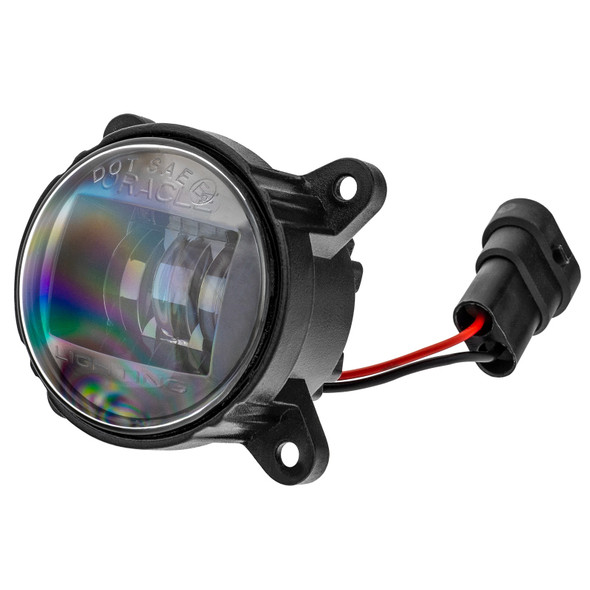
Oracle 60mm 30W Low Beam LED Emitter - 6000K - ORACLELIGHTING5821-001
ORACLE Lighting
$78.50Will these lights fit my specific vehicle model?ORL Vector Grille Lights require confirmation of specific vehicle fitment before purchase to ensure proper integration with your light accessories and...$78.50
Performance lighting is the single most impactful safety and visibility upgrade you can make to any street, off-road, or racing vehicle — spanning everything from DOT-compliant projector headlights and sequential LED tail lights to high-output driving lights engineered for high-speed desert running. Motor Sport Mayhem stocks 2,761 lighting products across 46 brands, from sub-dollar indicator bulbs to $3,899 professional-grade auxiliary systems built to survive the harshest motorsport environments.
Our Top Picks for Lights
Every product below was hand-selected by our team based on verified performance data, real-world durability results, and standout value within its specific lighting application.
ACB VSL Headlight
Acerbis | $158.98
A direct-fit enduro headlight unit engineered for vibration resistance and low-mass mounting on competition dirt bikes.
- Polycarbonate lens construction handles rock strikes and trail debris that shatter OEM units
ADD Light Hoops
Addictive Desert Designs | $798.98
A bolt-on auxiliary light mounting hoop fabricated from DOM steel tubing to position roof-level lighting without chassis drilling or structural compromise.
- Designed for high-clearance overlanding builds requiring elevated light placement above trail obstacles
ADG Indicator Lights
AirDog | $105.00
A dedicated low-pressure warning indicator light kit that integrates directly with diesel fuel system monitoring for instant driver feedback on fuel delivery faults.
- Eliminates guesswork on fuel system health during towing and high-load diesel operation
ARX NOVA Headlights
AlphaRex | $1,795.00
Full LED projector headlights with active sequential turn signals, switchback DRL, and an alpha-black housing finish engineered for both optical output and visual impact.
- Projector optics produce a sharp, defined cutoff that meets DOT beam pattern requirements while dramatically outperforming OEM halogen output
ANZ LED/Projector Headlights
ANZO | $1,124.00
Full LED DRL projector headlights with an integrated sequential light bar that delivers modern styling and measurably improved forward illumination over stock halogen assemblies.
- Black housing finish resists UV degradation and maintains optical clarity longer than chrome alternatives in high-UV environments
ARB Driving Lights
ARB | $1,995.95
High-output intelligent driving lights featuring IQ adaptive beam technology that automatically adjusts intensity and pattern based on vehicle speed and steering input.
- IP68-rated housing and pressure-equalization membrane make these purpose-built for water crossings and extended expedition use
ART LED Light Kit
Artec Industries | $24.19
A complete LED license plate illumination and wiring harness kit that satisfies legal rear lighting requirements on custom and modified rear bumper builds.
- Plug-and-play harness eliminates splicing into factory wiring, critical for maintaining electrical integrity on fabricated bumper installs
BAJ LP6 Lights
Baja Designs | $3,089.95
A bull bar-mounted LP6 light kit with upfitter integration engineered to deliver race-proven lumen output on heavy-duty truck platforms used in demanding overland and work environments.
- LP6 optic technology was developed directly from Baja 1000 race campaign data, producing a spot-to-spread beam combination that illuminates terrain at distance and periphery simultaneously
BKM Headlight Accessories
BikeMaster | $101.99
A 7-inch side-mount headlight bracket in black finish that provides solid, vibration-damped headlight positioning for custom motorcycle builds without OEM mounting points.
- Steel construction with a powder-coat finish handles the sustained vibration loads that crack cheaper cast-aluminum alternatives over time
BKC Headlights
Bikers Choice | $399.99
A chrome sunray bottom-mount headlight unit running a 55/60W H4 bulb configuration, built as a universal fit for custom cruiser and chopper applications demanding traditional styling with reliable output.
- H4 bi-halogen format allows straightforward bulb upgrades to higher-output replacements without modifying the housing or wiring
How to Choose the Right Lights
The difference between a lighting upgrade that transforms your vehicle's capability and one that fails at the worst possible moment comes down to three things: optical engineering, thermal management, and regulatory compliance. Cheap lighting products typically cut corners on all three — using reflector-based optics instead of precision projectors, passive heat sinks that throttle output within minutes of sustained use, and housings that pass no meaningful beam pattern or ingress protection standard. When evaluating any lighting product, the specs that actually matter are lumen output at the source versus at the beam (they're very different numbers), IP rating for moisture and dust resistance, color temperature in Kelvin, and whether the unit carries SAE, ECE, or DOT certification for its intended application.
Key Specifications
Lumen output is the most misrepresented spec in the lighting industry. Raw LED lumen ratings measure what the chip produces in controlled lab conditions — real-world delivered lumens after optics, housing transmission losses, and thermal throttling are consistently 20–40% lower. When comparing light bars, driving lights, or headlight assemblies, look for tested lux values at a specified distance (typically 10 meters) rather than raw LED lumen claims. A high-quality 10,000-lumen system with precision optics will outperform a poorly engineered 20,000-lumen unit in every practical driving situation.
Color temperature directly affects how your eye perceives contrast on the road or trail. The 5,000–6,000K range produces a natural white output that maximizes contrast for obstacle detection without the blue shift above 6,500K that actually reduces effective visibility in rain, dust, and fog. Fog lights and driving lights used in low-visibility conditions perform best in the 3,000–4,000K amber-to-warm-white range because shorter wavelengths scatter less in suspended particulates. For headlights and light bars used in clear conditions, 5,000–5,500K is the practical performance sweet spot.
Housing construction and IP rating determine long-term durability. An IP67 rating means the unit can withstand temporary water immersion to 1 meter — adequate for street and mild off-road use. IP68 is the specification you need for water crossings, consistent rain exposure, and pressure washing. Housing material matters equally: die-cast aluminum with a hard-anodized finish handles thermal cycling and impact far better than ABS plastic housings, which crack under UV exposure and heat stress over time. On fabricated bumper and roll cage builds, always verify that your mounting hardware is rated for the light unit's weight plus vibration loads — the mounting point is as critical as the light itself.
Beam pattern selection is application-specific, not preference-based. Spot beams concentrate light at distance — critical for high-speed desert running where you need 500+ meters of forward visibility. Flood beams spread light wide — correct for rock crawling, camp lighting, and any slow-speed technical terrain where peripheral obstacle awareness matters more than distance. Combo beam units attempt to do both with a single optic but rarely optimize either pattern; serious off-road builds typically run dedicated spot and flood arrays independently, allowing each to be aimed and controlled separately for maximum situational flexibility.
Automotive Lighting Output Reference Guide
| Application | Recommended Color Temp | Minimum Useful Lumens (Delivered) | IP Rating Minimum |
|---|---|---|---|
| Street/Highway Headlights (DOT) | 5,000–5,500K | 1,200 low / 2,000 high beam | IP65 |
| Off-Road Light Bar (High-Speed) | 5,000–6,000K | 8,000+ delivered at 10m | IP67 |
| Rock Crawling / Flood Auxiliary | 4,500–5,500K | 3,000–6,000 wide flood | IP67 |
| Fog / Driving Lights (Street Legal) | 3,000–4,000K | 1,500–3,000 forward flood | IP65 |
| Overlanding / Expedition (All-Condition) | 5,000–5,500K | 5,000–10,000 combo | IP68 |
| Motorcycle Headlight (Street) | 4,500–5,500K | 1,000–1,800 delivered | IP65 |
Price Guide
Entry ($0.20–$150): This range covers indicator bulbs, license plate lighting, wiring harnesses, mounting hardware, and basic replacement bulb kits — the essential supporting components of any lighting build. Quality varies significantly here; prioritize units from recognized brands even at the entry level, as cheap bulbs and connectors create electrical gremlins that are far more costly to diagnose than they were to save on at purchase.
Mid-range ($150–$800): The overwhelming majority of serious enthusiasts find their best value here, where you get properly engineered LED pods, quality projector headlight assemblies, and capable light bars and cubes with real IP ratings and meaningful thermal management. This tier typically delivers 80–90% of the optical performance of premium units at 40–60% of the cost, making it the practical sweet spot for weekend off-roaders, overlanders, and daily driver upgrades alike.
Premium ($800–$3,899.99): Purpose-engineered systems for demanding professional and competition applications — adaptive beam technology, full SAE/DOT/ECE compliance packages, machined aluminum housings with hard-anodized finishes, and optical systems developed from active racing programs. This investment is justified when the lighting system is a safety-critical component in high-speed desert racing, extended remote expedition use, or professional fleet operations where failure consequences are measured in more than just inconvenience.
Who Is This For?
Performance lighting serves an exceptionally broad audience — from commuters replacing dim OEM headlights to professional desert racers who depend on auxiliary lighting for survival at triple-digit speeds in total darkness.
High-Speed Desert Running — 8.4/10
This category earns its highest usage score here because raw lighting output and beam throw distance are non-negotiable at sustained high speeds across unlit desert terrain. At 80+ mph, a driver needs 400–600 meters of usable forward visibility to react to obstacles in time — a standard that only purpose-built spot arrays and high-output driving lights can reliably achieve. Products engineered for this application prioritize delivered lumen performance, vibration-proof mounting, and thermal stability under continuous maximum-output operation.
Easy DIY Install — 8.3/10
Lighting consistently scores near the top for DIY accessibility because the majority of upgrades — from headlight swaps to auxiliary pod installations — require basic hand tools, a multimeter, and a wiring harness rather than specialized equipment or alignment machinery. Plug-and-play connector compatibility with OEM wiring is the single most important feature for a clean DIY install; products that require splicing into factory harnesses introduce the highest risk of electrical issues and void-related headaches. This strong score reflects genuine ease of installation across the product range, not just marketing claims.
Weekend Off-Roading — 8.2/10
Auxiliary lighting is often the first functional upgrade weekend wheelers install, and for good reason — it directly extends the usable hours of any trail run and transforms the capability of a vehicle in technical terrain at dusk or dawn. The weekend off-road segment prioritizes durability against vibration, rock strikes, and water crossings over raw maximum output, favoring IP67+ rated pods and light bars with robust mounting systems. A well-chosen flood beam setup dramatically improves situational awareness on technical trails where obstacle detection at close range matters more than long-distance throw.
Overlanding / Expedition — 7.9/10
Expedition-use lighting demands a different balance than pure off-road performance — these systems need to perform flawlessly across thousands of miles of varied terrain, weather conditions, and temperature extremes without access to service facilities. Reliability, IP68 moisture resistance, and low power draw relative to output are the defining specs for overlanding lighting since these vehicles run extended electrical loads from dual-battery systems managing refrigerators, communications gear, and charging equipment simultaneously. Adaptive and smart lighting systems that integrate with vehicle electrical management are increasingly relevant in this segment.
Serious Rock Crawling — 7.7/10
Rock crawling places unique demands on lighting that pure output specs don't capture — articulation angles mean a light bar mounted at a fixed point can end up aimed at the sky or directly into the ground as the chassis twists over obstacles. The most effective lighting setups for technical crawling use multiple low-mounted flood pods with wide beam angles that maintain terrain illumination regardless of body roll and suspension articulation. Compact form factor matters significantly here since large light bars become rock-strike targets on tight trail lines where every inch of clearance is contested.
Trusted Lights Brands We Carry
The brands that consistently rise to the top in performance lighting do so because of verifiable engineering commitments — not just marketing budgets. Baja Designs built its reputation directly on the Baja 1000 and SCORE desert racing circuit, where their optic technology was proven at race speeds before reaching the consumer market. Rigid Industries pioneered the high-output LED light bar format for off-road use and maintains military and commercial supply relationships that validate their durability standards in genuinely harsh environments. AlphaRex has established itself as the benchmark for DOT-compliant projector headlight assemblies that deliver measurable photometric improvements over OEM, while ANZO brings decades of aftermarket lighting heritage across a broad vehicle application range with strong SAE compliance credentials. KC HiLiTES carries one of the longest continuous histories in auxiliary off-road lighting, with products that have appeared on professional off-road race vehicles since the 1970s, and Diode Dynamics distinguishes itself with engineering transparency — publishing actual photometric test data for their products rather than raw LED chip ratings that obscure real-world performance. ORACLE Lighting leads in accent, halo, and underbody LED applications where precision color output and long-term fade resistance matter most.
Frequently Asked Questions
Are aftermarket LED tail lights legal for street use?
Aftermarket LED tail lights are legal for street use in the United States when they carry SAE certification and meet FMVSS 108 photometric requirements for minimum and maximum light output, beam pattern, and visibility angle. The critical compliance marker is the SAE designation molded into the lens — SAE P for parking, SAE S for stop, SAE T for tail — confirming the unit was tested to federal standards. Lights that carry only ECE certification (European standard) are technically not DOT-legal for US street use, though enforcement varies by state. Smoked or heavily tinted lenses that reduce output below the FMVSS 108 minimum threshold are the most common reason aftermarket tail lights fail compliance regardless of brand.
Are AlphaRex headlights DOT approved and street legal?
AlphaRex headlights are designed and marketed as DOT-compliant for street use, with SAE certification markings on lenses and housings to confirm they meet FMVSS 108 beam pattern and photometric standards. DOT compliance in aftermarket headlights means the manufacturer has tested the unit to federal standards and certifies it meets those requirements — it does not mean the DOT individually approves each product as it does in some other regulatory frameworks. For practical street legality, look for the DOT certification stamp on the lens and confirm the headlights produce the correct low-beam cutoff pattern when aimed to factory specification. Some specific configurations — including certain projector setups with aggressive DRL modes — may require aim adjustment after installation to maintain the correct beam pattern and avoid oncoming traffic complaints.
Are ANZO headlights and tail lights street legal?
ANZO headlights and tail lights are engineered for street legality in the US market, with SAE-certified lenses across their product lineup confirming compliance with FMVSS 108 lighting standards. ANZO has been manufacturing SAE-compliant aftermarket lighting for decades and maintains a broad product range that carries DOT-accepted certification markings. The most important confirmation step is verifying the specific unit you're installing carries the correct SAE certification codes for its function on your vehicle — a headlight assembly needs SAE HB, H4, or equivalent certification, not just a generic DOT stamp. Projector headlights in particular must be aimed correctly after installation; improperly aimed projector units can fail inspection and create glare that is technically a moving violation in many states regardless of the unit's underlying certification.
Are Baja Designs light bars and auxiliary lights worth the price premium?
For applications where lighting is a genuine performance and safety variable — high-speed off-road driving, extended overland expeditions, professional fleet use — Baja Designs products consistently justify their price premium through measurable optical performance advantages and proven long-term durability in race conditions. Their optic technology produces superior beam quality and distance illumination compared to similarly priced competitors, a result of direct investment in racing applications where inadequate lighting has immediate and serious consequences. For casual weekend off-roaders who run trails at moderate speeds during daylight hours with occasional low-light sections, the premium is harder to justify — capable alternatives at lower price points will meet those needs reliably. The cost-to-performance equation shifts decisively in favor of premium lighting the more demanding and remote the operating environment becomes.
Are aftermarket tail lights safe to use, and will they affect other vehicle systems?
Quality SAE-certified aftermarket tail lights are safe for vehicle use and in most cases provide improved visibility versus aging OEM units with degraded lens clarity and failing incandescent bulbs. The primary electrical consideration with LED tail light replacements is hyper-flash — LED units draw significantly less current than incandescent bulbs, and the vehicle's flasher relay interprets the low draw as a bulb-out condition, causing rapid turn signal flash. This is corrected with either a load resistor kit (which adds electrical resistance to simulate the original bulb draw) or an electronic flasher relay replacement rated for LED loads. On modern vehicles with CAN bus electrical systems, some LED tail light assemblies can also trigger fault codes related to bulb monitoring circuits — confirm CAN bus compatibility before purchasing if your vehicle uses active bulb-monitoring diagnostics.
Building something specific? Our performance specialists can help you select the right Lights for your application — street, track, or full race build.