
Fuel Pressure Regulators
- Product
- Qty in Cart
- Quantity
- Price
- Subtotal
-

Turbosmart FPR Fuel Filter Replacement 10um - TURBOSMARTTS-0402-3001
Turbosmart
$91.79Is this compatible with my vehicle?Confirm exact vehicle fitment for your TS Fuel Pressure Regs before proceeding with installation to ensure optimal performance.What is the installation process...$91.79 -
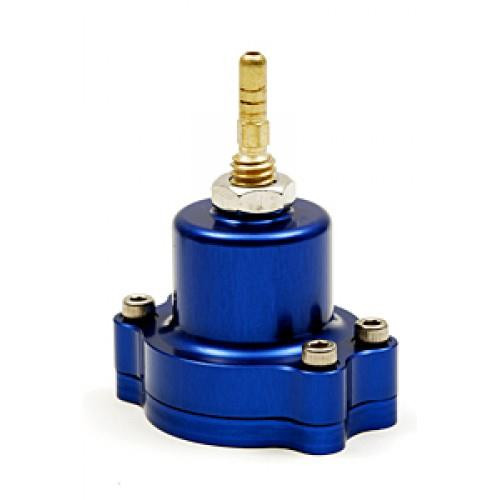
BLOX Racing 88-00 Civic / 90-01 Integra / 00+ S2000 Adjustable Fuel Pressure Regulator - MSM-T-262275
BLOX Racing
MSRP: $52.00$48.14What vehicles are compatible with the BLOX Racing Adjustable Fuel Pressure Regulator?BLOX Racing Adjustable FPRs precisely fit 1988-2000 Honda Civics, 1990-2001 Acura Integras, and 2000+ Honda S2000...MSRP: $52.00$48.14 -
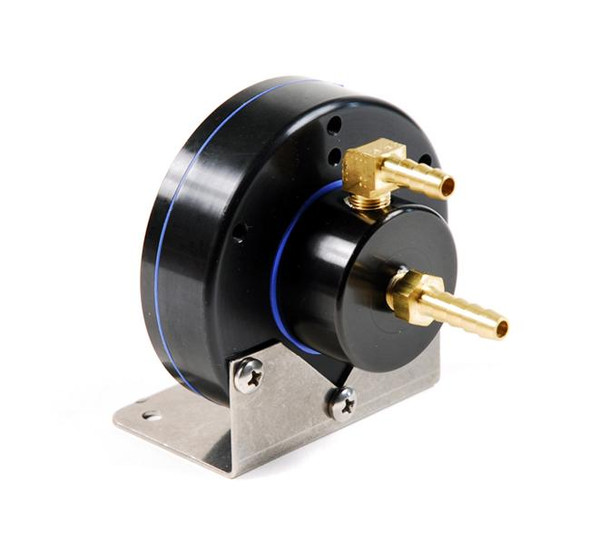
BLOX Racing Fuel Management Unit Type-A 12:1 Ratio - MSM-T-262384
BLOX Racing
MSRP: $144.00$133.32What is a fuel management unit?A fuel management unit precisely controls fuel delivery, acting as a specialized fuel pressure regulator to optimize your engine's air-fuel mixture.Is professional...MSRP: $144.00$133.32 -

DeatschWerks DWFFR-X 70mm Billet Fuel Filter Regulator - 10 Micron with 3/8in Fittings - MSM-T-941148
DeatschWerks
$199.00Do I need to replace my stock fuel pressure regulator when installing this part?Confirm fitment with your specific vehicle; some applications necessitate a stock fuel pressure regulator replacement...$199.00 -
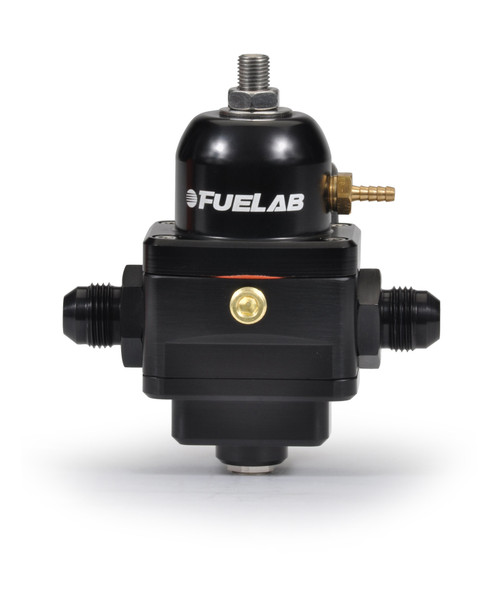
Fuelab 529 Electronic EFI Adjustable FPR (1) -8AN In (1) -8AN Return - Black - MSM-T-232624
Fuelab
$578.00What is the primary function of an electronic EFI fuel pressure regulator?This electronic EFI fuel pressure regulator precisely controls fuel pressure for optimal engine performance and consistent...$578.00 -

Aeromotive Universal Filter Combo EFI Regulator 10 Micron AN-06 Flare - AEROMOTIVE13147
Aeromotive
$370.06Will this fuel pressure regulator fit my vehicle?Confirm specific fitment details for your vehicle; professional installation is recommended for optimal performance of this fuel pressure regulator...$370.06 -

QuadBoss 11-16 Polaris Ranger 800/6x6 Fuel Pressure Regulator - QUADBOSS403209
QuadBoss
$53.29What is a fuel pressure regulator?A fuel pressure regulator maintains consistent fuel pressure, ensuring optimal fuel delivery for peak engine performance and efficiency.Can I install this...$53.29 -

QuadBoss 06-13 Polaris Ranger 500 Fuel Pressure Regulator - QUADBOSS403208
QuadBoss
$108.99What is the primary function of a fuel pressure regulator?A fuel pressure regulator precisely controls fuel delivery, ensuring consistent pressure for optimal engine performance across various...$108.99 -

AEM AN6 ORB 40-100psi Fuel Pulse Damper - AEM25-4004
AEM
MSRP: $129.95$103.46Is this fuel pressure regulator compatible with my specific vehicle model?Confirm fitment with your vehicle using our detailed compatibility checker before purchasing this performance fuel pressure...MSRP: $129.95$103.46 -

Fuelab 515 EFI Adjustable FPR 25-90 PSI (2) -6AN In (1) -6AN Return - Gold - FUELAB51502-5
Fuelab
$234.00What is the primary function of the Fuelab FLB 515 FPR?This Fuelab FLB 515 FPR precisely controls fuel pressure, ensuring optimal fuel delivery for peak engine performance across various driving...$234.00 -

Fuelab 529 Electronic EFI Adjustable FPR (1) -6AN In (1) -6AN Return - Black - FUELAB52901-1
Fuelab
$578.00What is the main function of an electronic EFI fuel pressure regulator?An electronic EFI fuel pressure regulator precisely controls fuel delivery, ensuring optimal engine performance and consistent...$578.00 -

ATS Diesel 2004.5+ GM Trucks Fuel Rail Pressure Plug - 705-050-4290
ATS Diesel
$34.99How does an ATS Fuel Regulator improve engine performance?ATS Fuel Regulators ensure consistent fuel pressure for smoother acceleration and enhanced throttle response, maximizing engine output.What...$34.99
A fuel pressure regulator controls the pressure delivered to your injectors or carburetor, and getting it wrong means rich stumbles, lean misfires, or engine damage — which is why Motor Sport Mayhem stocks 121 units across 58 brands, from basic OEM-replacement units to fully adjustable, boost-referenced regulators built for forced induction and race fuel. Whether you're dialing in a street tune or feeding a high-horsepower built motor, the right regulator is the difference between consistent power and fuel system chaos.
Our Top Picks for Fuel Pressure Regulators
Every product below was selected by our performance specialists based on engineering quality, application breadth, and proven real-world results across street, track, and competition builds.
ACB Fuel Tanks
Acerbis | $436.73
High-density polyethylene construction delivers superior impact resistance and extended fuel capacity for off-road and adventure applications where OEM tank size limits range.
- Expanded capacity design directly supports fuel system pressure stability under demanding ride conditions
AEM Fuel Pressure Regulators
AEM | $222.95
Fully adjustable billet aluminum construction allows precise fuel pressure tuning across a wide range, making it a go-to for EFI builds that demand repeatable, stable rail pressure.
- Anodized billet body resists corrosion from ethanol blends and oxygenated race fuels
AER Fuel Systems
Aeromotive | $3,624.93
An integrated brushless fuel cell system engineered for maximum-output builds where consistent fuel delivery and pressure at high flow rates is non-negotiable.
- Brushless pump technology eliminates brush wear, extending service life dramatically under continuous high-demand operation
AFE ProGuard Fuel Filter
aFe | $74.00
Diesel-specific multi-stage filtration protects high-pressure common rail injection systems by removing contaminants that cause injector tip erosion and pressure drop.
- Designed to maintain stable fuel delivery pressure by preventing restriction buildup in high-flow diesel fuel systems
ADG AirDog II-5G A/F Separator
AirDog | $854.00
A complete fuel air separation and lift pump system that removes entrained air and vapor before fuel reaches the high-pressure injection pump, preventing cavitation damage and pressure instability.
- Delivers regulated, air-free fuel supply that directly protects costly CP3 and CP4 injection pump components
ABR Fuel Pump Kits
All Balls Racing | $310.11
Complete fuel pump module assemblies that restore factory pressure delivery specs for powersports applications where degraded pump output causes hard starts and lean stumbles.
- Module-style replacement ensures correct pressure regulation interface without custom fabrication or calibration
AMS Flex Fuel Kit
AMS | $999.95
A CAN-based flex fuel system integrating an ethanol content sensor with fuel filtration, allowing the ECU to dynamically adjust fuel pressure targets and injector pulse width across E0–E85 blends.
- Real-time ethanol content feedback eliminates the need for separate fuel maps and keeps pressure regulation in sync with actual fuel chemistry
ATS Fuel Regulators
ATS Diesel | $74.99
An electronic fuel regulator kit engineered as a direct OEM replacement for early Powerstroke diesel applications, restoring correct injection control pressure to eliminate hard starts and rough idle.
- Corrects the single most common cause of cold-start and idle quality complaints on high-mileage diesel injection systems
BBK Fuel Pump
BBK | $419.99
A high-flow in-tank pump upgrade delivering 300 lph to support forced induction or naturally aspirated builds that have outgrown stock fuel delivery capacity and are experiencing pressure drop at high RPM.
- Higher pump output directly reduces the pressure differential the regulator must manage, improving stability across the RPM range
BDD Injection Pumps
BD Diesel | $883.95
A stock-exchange CP3 injection pump that restores factory rail pressure performance on high-mileage common rail diesel applications, directly addressing the pressure loss at the source rather than masking it with regulator adjustments.
- Rebuilt to OEM tolerances on a core exchange program, ensuring correct pressure output that allows the regulator to operate within its designed range
How to Choose the Right Fuel Pressure Regulator
The fundamental job of a fuel pressure regulator is to maintain a fixed pressure differential between the fuel rail and the intake manifold, and every specification — adjustment range, flow capacity, material construction, and reference port design — either supports or compromises that job under your specific operating conditions. Cheap regulators fail in two predictable ways: diaphragm fatigue that causes pressure creep under sustained load, and inadequate bypass flow capacity that starves the system during peak demand. Quality separates itself through tight manufacturing tolerances on the seat and diaphragm interface, corrosion-resistant materials compatible with ethanol and methanol blends, and a bypass flow rating that comfortably exceeds your pump's output at your target pressure.
Key Specifications
Adjustment range matters far more than most buyers realize. A regulator with a 30–70 PSI adjustment window gives you the flexibility to tune across naturally aspirated, mild boost, and high-boost configurations. Regulators with too-narrow adjustment ranges force you into a new unit if your build evolves, which is exactly the wrong approach for a performance build that gets upgraded progressively. Always match the regulator's adjustment range to the full intended pressure window of your fuel system, not just today's tune.
For forced induction applications, boost referencing is non-negotiable. A boost-referenced regulator increases fuel rail pressure in a 1:1 ratio with boost pressure, maintaining the correct pressure differential across the injectors as manifold pressure rises. Without this, effective injector pressure drops under boost, leaning the mixture exactly when the engine is most vulnerable to detonation. The reference port must be plumbed to a post-throttle body manifold source for accurate tracking — pre-throttle or intercooler-side reference points introduce lag and inaccuracy.
Material compatibility is increasingly critical as ethanol blends become standard. Regulators built for straight gasoline may use nitrile diaphragms and zinc internals that degrade rapidly on E30 and higher blends. Specify regulators with Viton or PTFE diaphragms and anodized billet aluminum or stainless steel bodies when running any oxygenated fuel. For diesel common rail systems, regulators and control solenoids must be rated for the much higher operating pressures involved — typically 1,500 to 2,500 bar at the injection pump, with return-side pressure regulation handled in the 5–10 bar range.
Return-style versus returnless systems require different regulator configurations entirely. A return-style system runs a regulator at the end of the fuel rail with a return line back to the tank — this is the tuner-friendly setup because pressure adjustment is simple and the system stays cool. A returnless or dead-head system uses a pressure-regulating pump module in the tank; swapping in an external regulator on a returnless system requires a return line conversion. Many performance builds that upgrade injectors or fuel pumps on factory returnless systems overlook this, resulting in a system that cannot be properly regulated without additional fabrication work.
Fuel Pressure Regulator Selection by Application and Power Level
| Application Type | Recommended Base Pressure (PSI) | Regulator Type | Key Feature Requirement |
|---|---|---|---|
| Stock EFI Street (up to 300 WHP) | 43–58 PSI | Fixed or mildly adjustable | OEM-compatible port sizing, corrosion resistance |
| Naturally Aspirated Performance (300–500 WHP) | 50–65 PSI | Adjustable, return-style | Wide adjustment range, high-flow bypass capacity |
| Forced Induction Street/Track (500–800 WHP) | 58–72 PSI base + boost referenced | Adjustable boost-referenced | 1:1 boost reference port, Viton diaphragm, billet body |
| High-Output Race (800–1500+ WHP) | 65–80 PSI base + boost referenced | Dual-stage or high-flow adjustable | High-flow bypass (200+ GPH), race fuel/E85 compatibility |
| Diesel Common Rail (stock–mild) | 5–10 PSI return side | Electronic pressure control valve | High-pressure rated solenoid, OEM signal compatibility |
| Carbureted Performance | 4.5–9 PSI | Mechanical inline adjustable | Sight-glass or gauge port, needle-and-seat flow rating |
Price Guide
Entry ($1.16–$200): This range covers OEM-replacement fixed regulators, basic inline adjustable units for carbureted applications, and diesel electronic regulator repair kits. The materials and flow capacity are adequate for stock or mildly modified vehicles running factory fuel pressure targets on pump gasoline. Expect non-adjustable or narrow-range adjustment, standard nitrile seals, and fitment that may require adapter fittings on modified systems.
Mid-range ($200–$450): This is where most performance street and light track builds land, and for good reason — this price window gets you fully adjustable billet regulators with wide pressure ranges, Viton-compatible seals for ethanol, boost reference ports, and gauge ports for monitoring. The engineering quality at this tier from brands like Fuelab, AEM, and DeatschWerks is genuinely race-grade; you're paying for precision machining tolerances and materials, not brand markup.
Premium ($450–$6,439.78): Premium pricing is justified for integrated fuel system solutions — complete fuel cells with built-in regulation, dual-pump hat assemblies, air/fuel separation systems for diesel, and purpose-built race fuel system packages. These are not regulator-only purchases; they represent complete engineered fuel delivery solutions for builds where a single component failure at speed has serious consequences. Aeromotive, Radium Engineering, and AirDog represent this tier with products that have documented race pedigrees at the highest competition levels.
Who Is This For?
Fuel pressure regulators serve everyone from the weekend autocross driver correcting a lean condition to the professional drag racer managing 2,000-horsepower fuel demands — here's how the application scores break down across the real performance spectrum.
Engine Performance — 8.7/10
This category's highest usage score reflects a straightforward reality: fuel pressure regulation is a foundational engine performance variable, not an optional upgrade. Incorrect rail pressure directly affects injector duty cycle calculations, air/fuel ratio stability, and ultimately power output and engine longevity. The 188 products scoring 8.7/10 in this category confirms that the majority of what we carry is selected specifically by builders solving engine output and reliability problems, not just replacing worn parts.
Drag Racing — 8.2/10
Drag racing places uniquely severe demands on fuel pressure regulation: the transition from idle to wide-open throttle in under a second, sustained maximum fuel demand for the entire pass, and the absolute intolerance for any pressure drop that leans the mixture at peak cylinder pressure. Boost-referenced adjustable regulators with high-flow bypass capacity dominate this application, and the 8.2/10 score across 136 products reflects a catalog heavily weighted toward units that can handle these spike conditions without hunting or pressure sag.
Racing Competition / Track & Autocross — 8.1/10
Both racing competition and track/autocross score 8.1/10, and the shared score is not coincidental — lateral load during cornering causes fuel surge in the tank, which creates momentary delivery inconsistencies that an improperly sized or adjusted regulator cannot compensate for fast enough. Purpose-built fuel cells with baffling address the surge issue at the source, while high-response regulators with minimal pressure hysteresis keep rail pressure stable through the transients. This is the application where upgrading only the regulator without addressing tank and pump capacity limitations produces frustrating, inconsistent results.
Street Performance — 7.8/10
Street performance scores 7.8/10 across 191 products, the largest product count in the matrix, which tells you this is the most common entry point for fuel system upgrades. Most street performance buyers are addressing a specific symptom — lean surge at high RPM, pressure drop after an injector upgrade, or the need to tune fuel pressure alongside a supporting modification like a forced induction system or camshaft package. The score reflects that regulators are highly effective for street use but the application is less demanding than pure competition, meaning even mid-tier products perform reliably in this environment.
Easy DIY Install — 7.4/10
A 7.4/10 DIY score across 98 products is honest: most adjustable fuel pressure regulators require basic mechanical skills, an AN fitting understanding, and a fuel pressure gauge to set correctly — it is not a bolt-on-and-forget installation. The score would be lower if not for the significant subset of OEM-style replacement regulators and plug-and-play diesel regulator kits in this catalog that genuinely require no calibration. If you're installing an adjustable unit for the first time, budget time to pressure-test the fuel system after installation and confirm your target pressure under load with a reliable gauge before extended driving.
Trusted Fuel Pressure Regulator Brands We Carry
The brands that dominate this category earned their positions through documented engineering quality and competition results, not marketing spend. Aeromotive has been the benchmark for high-flow fuel system components in American motorsport for over 25 years, with a product line that supplies top-level drag racing and road racing teams. Fuelab brings precision CNC machining and a modular design philosophy that makes their regulators exceptionally adaptable across application types. DeatschWerks built their reputation as an injector manufacturer first, which means their fuel system components — including regulators — are engineered around actual injector pressure requirements rather than generic specifications. Radium Engineering leads in fabricated fuel system solutions, particularly for track builds requiring dry-break fittings, surge tanks, and integrated regulation. For diesel applications, AirDog and BD Diesel bring specific expertise in high-pressure common rail and mechanical injection system pressure management that general-purpose regulator brands cannot match. Walbro rounds out the catalog with OEM-grade pump and regulator modules that are the standard choice for powersports and light vehicle applications requiring reliable, precisely calibrated fuel delivery.
Frequently Asked Questions
Are Aeromotive fuel pressure regulators good?
Aeromotive regulators are genuinely among the best available for high-performance and competition applications, and that assessment is based on engineering specifications, not reputation. Their billet aluminum construction is machined to tight tolerances that minimize seat leakage and diaphragm flutter, both of which cause pressure instability at high flow rates. The boost reference ports are correctly sized for fast manifold pressure tracking, and all current units use fuel-compatible elastomers rated for ethanol and methanol blends. For builds above 500 WHP or any forced induction application where pressure stability is critical, Aeromotive units deliver consistent, auditable results that budget units cannot match.
Are aftermarket fuel pumps worth it?
Aftermarket fuel pumps are worth it the moment your power goals exceed what the factory pump can deliver at your target fuel pressure — this is a measurable threshold, not a subjective one. Stock pumps are typically sized to maintain rated pressure at 10–15% above factory maximum fuel demand, which means they have no margin for increased injector flow requirements from a performance build. A pump upgrade that restores adequate flow headroom allows the regulator to operate within its linear control range, which is where accurate pressure control actually happens. Running an undersized pump with an aggressive regulator setting creates the dangerous situation of a regulator that cannot maintain pressure under peak demand — a condition that reads as sudden leanness exactly when cylinder pressures are highest.
Are aftermarket fuel rails worth it?
Aftermarket fuel rails are worth it for high-horsepower builds because stock rails are sized for stock injector flow rates, and inadequate rail volume causes pressure pulsation as injectors open and close at high duty cycles. A larger-diameter billet rail increases internal volume, which acts as a small accumulator that dampens these pressure pulses and keeps the regulator operating on a steady demand signal rather than a spiking one. They also typically provide superior AN fitting interfaces, gauge ports, and adjustable injector spacing for builds using larger injectors or custom manifolds. For naturally aspirated street builds with stock or mildly larger injectors, the OEM rail is usually adequate — the upgrade becomes meaningful above roughly 80% injector duty cycle.
Are aftermarket fuel filters worth it?
Aftermarket fuel filters are worth it specifically when you need finer filtration than OEM, higher flow capacity, or serviceability that a factory filter cannot provide. High-performance injectors with tight spray nozzle tolerances — particularly units in the 1,000+ cc/min range — are more vulnerable to particulate contamination than stock injectors, making pre-regulator filtration at 10 microns or finer genuinely protective. Diesel common rail injection systems are even more sensitive; the precision tolerances in modern common rail injectors and high-pressure pumps are damaged by particles that a standard filter passes. Aftermarket filters with serviceable elements also allow visual inspection of contamination levels, which is valuable diagnostic information on any high-mileage or modified fuel system connected to the broader fuel delivery system.
Are aftermarket fuel pumps as good as OEM?
Quality aftermarket fuel pumps from established manufacturers match or exceed OEM specifications in flow rate and pressure output, and the best units exceed OEM in efficiency and service life because they are designed without the cost constraints that govern factory components. The critical variable is sourcing — the performance aftermarket has a significant counterfeit and low-quality sub-brand problem, particularly in in-tank turbine pumps, where cosmetically identical housings can contain impellers and motors with dramatically different performance characteristics. Sticking with established brands that publish verified flow curves at specific voltage and backpressure values is the only way to confirm you're getting what's claimed. OEM pumps have the advantage of documented fitment and validated pressure output for the specific fuel system they're designed for, which is why OEM-supplier-grade aftermarket units — built by the same manufacturers that supply factory programs — represent the safest upgrade path for daily-driven vehicles.
Building something specific? Our performance specialists can help you select the right Fuel Pressure Regulators for your application — street, track, or full race build.