
Bungs
- Product
- Qty in Cart
- Quantity
- Price
- Subtotal
-

Vibrant Stand Off Aluminum Weld Bung M10 x 1.25 (10 Pack) - 11610
Vibrant
MSRP: $62.99$46.99Vibrant Performance's Stand Off Weld Bung is a versatile, pre-machined solution that provides fabricators with a time-saving and secure method for mounting components to Aluminum structures. Made...MSRP: $62.99$46.99 -


RockJock Threaded Bung With Jam Nut 1in-14 RH Thread Set - CE-9113B
RockJock
$33.00What is the thread pitch for the ROK Bungs?ROK Bungs feature a precise one-inch by fourteen threads per inch pitch, ensuring compatibility with common rod end sizes.Can I weld these bungs...$33.00 -


Fragola -10AN Male Steel Weld Bung - 597110
Fragola
$9.81What are weld bungs used for?Weld bungs create secure threaded ports for fittings, enabling reliable fluid connections in custom plumbing systems.Are Fragola weld bungs easy to install?Professional...$9.81 -
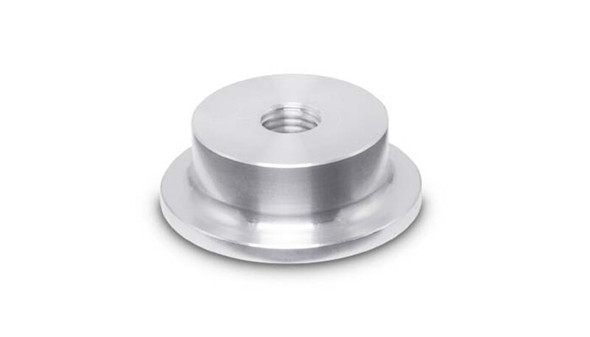
Vibrant Stand Off Weld Bung M8 x 1.0 (10 Pack) - 11608
Vibrant
MSRP: $57.99$42.99What is the correct way to measure the bung size?Vibrant weld bungs require precise measurement of the host material's O.D. for proper fitment before welding installation.Can I use these bungs on a...MSRP: $57.99$42.99 -


Vibrant 3/8in ID Hose Barbed Weld Bung - Mild Steel - 11281
Vibrant
MSRP: $4.99$3.79What are the available sizes for Vibrant weld bungs?Vibrant weld bungs accommodate hoses ranging from one quarter inch to three quarters inch inside diameter, ensuring versatile connection options...MSRP: $4.99$3.79 -
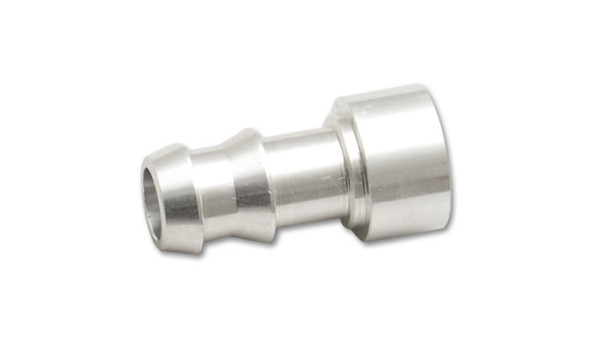

Vibrant Barbed Weld On Bung for 5/8in ID Hose - 11183
Vibrant
MSRP: $8.79$6.50What are Vibrant Weld Bungs made of?Vibrant Weld Bungs are expertly crafted from premium aluminum, ensuring durability and a lightweight integration into your custom build projects.How do Vibrant...MSRP: $8.79$6.50 -

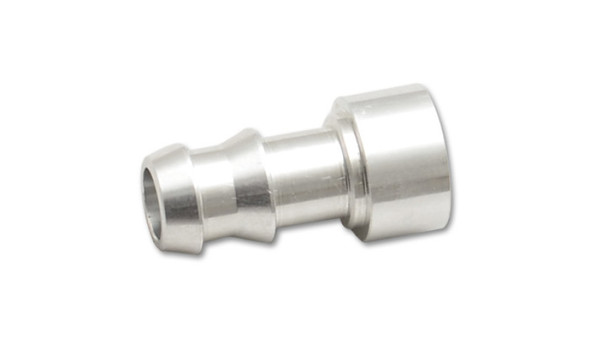
Vibrant Barbed Weld On Bung for 3/8in ID Hose - 11181
Vibrant
MSRP: $6.59$4.79Are these bungs universal fit?Vibrant Weld Bungs require careful fitment confirmation with your specific vehicle application before installation is recommended.What is the material of these...MSRP: $6.59$4.79 -

Ticon Industries Chill Block M18 O2 Bung - 903-75018-1001
Ticon
$89.99Are these O2 sensor bungs compatible with my specific vehicle model?Confirm fitment with your vehicle by cross-referencing our detailed application guide before purchase to ensure proper installation...$89.99 -
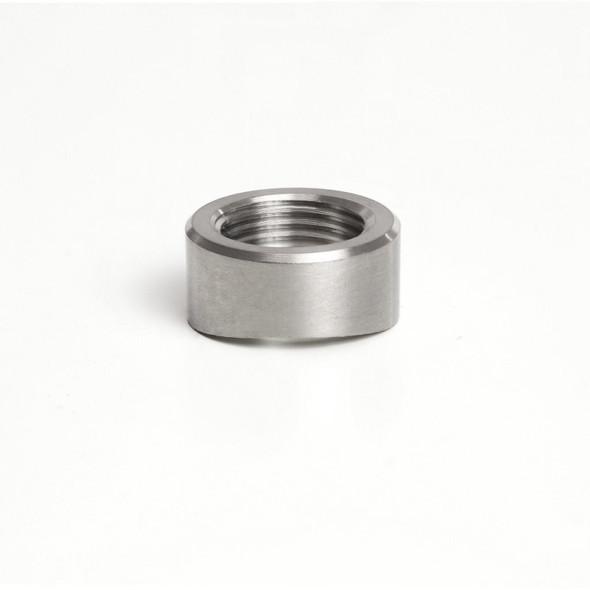
Stainless Bros M18x1.5 O2 Sensor Bung 2.75in to 5in Tubing - 604-00100-5000
Stainless Bros
$5.99What is the primary function of an STB Sensor Bung?STB Sensor Bungs provide a precisely located, secure mounting point for optimal engine monitoring on custom exhaust or intake systems.Do STB Sensor...$5.99 -
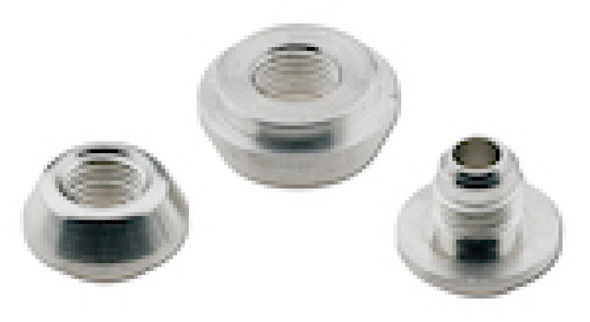
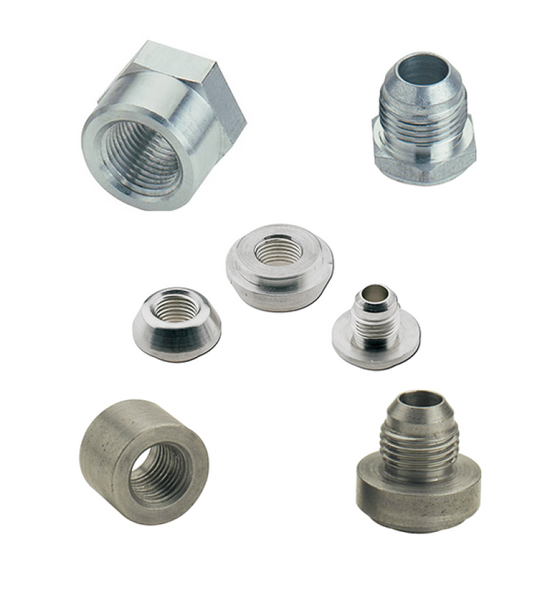
Fragola -10AN Female Weld Bung x 1.0in - 499520
Fragola
$9.64What are the material specifications for FRA Weld Bungs?FRA Weld Bungs are crafted from robust materials, ensuring superior integrity for demanding applications and critical fluid systems.Can I...$9.64 -

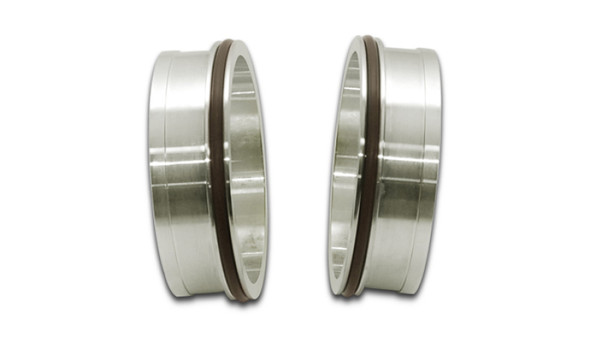
Vibrant Stainless Steel Weld Fitting w/ O-Rings for 5in OD Tubing - 12560
Vibrant
MSRP: $305.99$244.99What is the primary function of a weld bung?Weld bungs provide a threaded port for securely attaching fittings, creating a leak-free seal essential for fluid or gas management.Are weld bungs...MSRP: $305.99$244.99 -
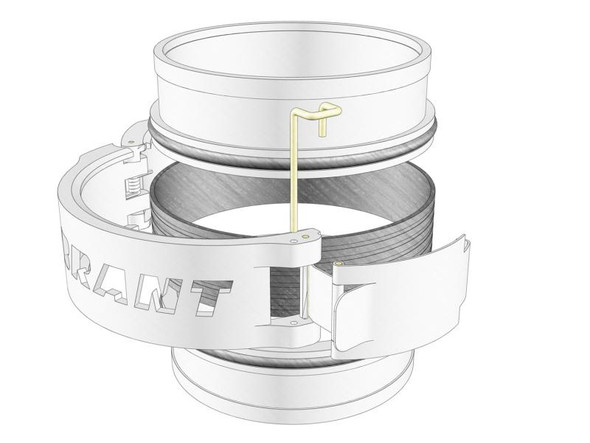

Vibrant Stainless Steel Weld Fitting w/ O-Rings for 4in OD Tubing - 12558
Vibrant
MSRP: $199.99$159.99What is the main purpose of a bung in an exhaust system?Bungs are crucial for creating leak-free ports in exhaust systems, accommodating sensors or fittings for performance tuning.Can I weld these...MSRP: $199.99$159.99
Bungs are threaded weld-in or press-in inserts used throughout performance fabrication to create permanent, leak-free access points for sensors, fittings, and plugs across exhaust, fuel, coolant, and oil systems. Motor Sport Mayhem stocks 94 in-stock bungs spanning entry-level mild steel to race-grade stainless and aluminum across a proven range from $1.49 to $1,535.70 — covering every build from weekend street cars to dedicated competition vehicles.
Our Top Picks for Bungs
Each of these picks was selected by our team based on real-world performance value, fitment reliability, and proven results across street, track, and full race fabrication builds.
ADD Brackets and Hardware
Addictive Desert Designs | $318.98
Precision-laser-cut steel hardware engineered for structural integrity in demanding off-road fabrication applications.
- Heavy-gauge steel construction with corrosion-resistant finish for long-term reliability under vibration and thermal cycling
AVN Steering Wheel Bolts
Advan | $38.00
Race-spec fastener hardware machined to tight tolerances for critical safety-adjacent steering system connections.
- High-tensile-strength alloy construction ensures consistent clamp load retention through repeated track-day thermal cycles
AER Brackets
Aeromotive | $981.70
A complete belt-drive fuel system mounting solution engineered for high-demand forced induction and naturally aspirated race fuel delivery.
- Integrates a Gilmer-drive pulley with precision-machined mounting hardware for vibration-free fuel pump operation at sustained high RPM
ADG Fuel Fittings
AirDog | $150.00
Boost-referenced fuel pressure compensation hardware that maintains correct fuel pressure differential under varying manifold pressures.
- Direct-port fitting interface eliminates adapter stacking and reduces potential leak points in high-pressure diesel fuel systems
ALF Perf Air Lines
Air Lift | $53.09
High-pressure reinforced air line hardware rated for sustained pneumatic system demands in performance air suspension applications.
- Braided reinforcement construction resists expansion under pressure spikes, maintaining consistent response across the full suspension travel range
ABR Primary Bearing Kits
All Balls Racing | $28.69
Complete bearing and seal rebuild kit engineered to OEM-equivalent or better tolerances for high-cycle drivetrain applications.
- Hardened races and precision-ground rolling elements restore factory running clearances that worn OEM components can no longer maintain
AMP Air Tank Relocation Kit
AMP Research | $89.99
A dedicated relocation solution that repositions the factory air tank without compromising system pressure capacity or response time.
- Includes all mounting hardware and pre-formed lines to maintain OEM system integrity while freeing underbody clearance for lift or armor fitment
AMS Oil Line Kits
AMS | $59.95
Remote-mount oil pressure sending unit line kit that relocates sensor access to a more serviceable and heat-shielded position.
- Stainless-reinforced line construction handles sustained oil system pressures and temperatures without expansion or vapor lock risk
ARB Fitting Kits
ARB | $1,535.70
A comprehensive vehicle-specific fitting kit engineered to integrate ARB's air-locking and recovery system infrastructure into a complete platform.
- Every fitting, line, and bracket is vehicle-matched to eliminate field fabrication guesswork on technical expedition and competition builds
ARP Crankcase Bolts
ARP | $1,263.79
High-tensile crankcase through-bolt hardware engineered to maintain block register alignment and clamping force under sustained high-output operating loads.
- ARP2000 or Custom Age 625+ alloy construction delivers yield strength multiples above OEM hardware for high-compression and boosted engine builds
How to Choose the Right Bungs
The single most critical factor when selecting a bung is matching the thread standard and material to the application — a mild steel O2 sensor bung welded into a stainless exhaust will corrode at the weld interface within one season, while a mismatched thread pitch (NPT vs. BSP vs. AN) will produce a connection that either cross-threads immediately or seals poorly under pressure. Get both wrong and you're chasing exhaust leaks or fuel system failures that are expensive to diagnose and even more expensive to re-fabricate.
Key Specifications
Thread type is the first gate. NPT (National Pipe Taper) is the North American standard for oil, coolant, and fuel bungs — the tapered thread creates its own interference seal without a crush washer. AN (Army-Navy) bungs use a straight thread with a sealing face and are the correct choice for braided line systems and AN fittings. Metric threads (M10x1.0, M12x1.25, M14x1.5) are standard on most OEM sensor bosses. Mixing these thread families is the single most common fabrication error at the amateur level.
Material selection follows the operating environment. 304 stainless steel is the baseline for exhaust applications — it survives sustained temperatures above 1,600°F, resists road salt corrosion, and welds cleanly to both mild steel and stainless tubing with the correct filler rod. Mild steel bungs are appropriate for low-temperature applications like oil sumps or coolant systems where galvanic corrosion isn't a concern and cost matters. Aluminum bungs are used in intake manifolds, intercooler piping, and cooling system components where the parent material is aluminum — welding dissimilar metals here creates stress concentration at the weld toe.
Wall thickness and bung depth determine thread engagement length, which directly affects pull-out strength and leak resistance. A thin-walled bung with only two or three thread pitches of engagement will loosen under vibration and thermal cycling — a failure mode that's common on budget exhaust bungs used near the turbine outlet of a forced induction system. Minimum thread engagement for ferrous bungs should be 1.5x the thread diameter; for aluminum, 2x the thread diameter is the accepted standard for load-bearing applications.
Bung positioning and orientation matter for sensor accuracy. An O2 sensor bung installed at a horizontal or downward angle traps condensation against the sensor element, accelerating tip contamination and shortening sensor life. Weld-in bungs for temperature probes need to account for insertion depth — too shallow and the sensor tip reads ambient temperature in the gas column rather than the actual fluid or gas temperature. Always confirm bung protrusion depth against the manufacturer's sensor insertion spec before final weld-out.
Bung Thread Standards vs. Application Reference
| Thread Standard | Common Size Range | Typical Application | Sealing Method |
|---|---|---|---|
| NPT (National Pipe Taper) | 1/8" – 3/4" NPT | Oil, coolant, fuel bungs — North American systems | Tapered thread interference — thread sealant recommended |
| AN (Army-Navy Straight) | -4AN – -20AN | Braided fuel, oil, and coolant line systems | 37° JIC flare sealing face — no tape or compound |
| Metric Fine (OEM Sensor) | M10x1.0, M12x1.25, M14x1.5 | O2 sensors, temp sensors, pressure senders | Crush washer or taper — torque to sensor spec |
| BSP (British Standard Pipe) | 1/8" – 1/2" BSP | European and JDM platform plumbing | Parallel thread — requires bonded seal or O-ring |
| Weld Flange (Slip-In) | 1" – 2.5" OD | Exhaust collector bungs, sensor bosses | Full-penetration weld bead — no thread sealing required |
| NPT to AN Adapter Bung | 1/8" NPT body, -4 or -6AN port | Oil pressure, coolant temp remote sensor relocation | NPT taper into block, AN face seal to line |
Price Guide
Entry ($1.49–$30): Mild steel weld bungs and basic NPT plugs designed for non-critical or low-temperature applications — oil drain bungs, coolant bleed fittings, and block-off plugs. Adequate for street builds where operating temperatures stay below 600°F and corrosion resistance is provided by the surrounding system rather than the bung itself. Do not use bare mild steel in direct exhaust or high-heat zones without a protective coating.
Mid-range ($30–$150): Where the majority of serious street and track builders land — 304 stainless weld bungs, AN-ported sensor bosses, and precision-threaded aluminum inserts with consistent machining tolerances. This price band covers applications that see real thermal cycling, sustained vibration, and chemical exposure from fuel and oil. The step up from entry-level buys you material integrity and dimensional consistency that holds up across seasons rather than a single event.
Premium ($150–$1,535.70): Complete fitting kits, vehicle-specific system integration packages, and multi-component fabrication hardware sets for competition-level builds where every connection point is engineered as part of a validated system. Justified on race cars, time-attack builds, and expedition vehicles where a single fitting failure in the field carries safety or DNF consequences. The cost reflects engineering validation, material certification, and application-specific packaging rather than individual bung units.
Who Is This For?
Bungs serve builders across every segment of the performance market — from a street car owner adding an oil pressure port to a dedicated race fabricator welding a full sensor harness into a tube chassis.
Track / Autocross — 7.6/10
Track and autocross applications score at the top of the usage matrix because data acquisition is non-negotiable at this level — every lap benefit comes from knowing exactly what coolant temperature, oil pressure, and exhaust gas readings look like at the limit. Bungs are the physical interface that makes sensor placement possible, and getting them in the right position, at the right angle, with the right thread standard is the difference between clean data and garbage readings. The thermal and vibration loads seen on a track day are significantly higher than street use, which pushes builders toward stainless and precision-machined options.
Racing Competition — 7.6/10
Competition builds match track use at 7.6/10 because sanctioning body tech inspections treat weld-in fittings as structural elements — a poorly welded bung on an exhaust collector or fuel system can result in a failed tech inspection before the car ever turns a lap. Race-level fabrication demands full-penetration welds, correct material pairing, and thread engagement depths that meet or exceed engineering specifications. At this level, bungs are not a cost-saving line item — they are safety-critical hardware.
Drag Racing — 7.6/10
Drag racing ties at 7.6/10 because the combination of high-horsepower fuel systems, nitrous plumbing, and data logging creates a dense bung requirement per build — more access points per system than almost any other motorsport format. Fuel system bungs in particular need to handle elevated pressures from high-flow pumps and return systems, while nitrous distribution bungs require exact thread tolerance to prevent leaks at high cylinder pressures. The short-duration, high-intensity nature of drag racing amplifies the consequence of any fitting failure.
Street Performance — 7.3/10
Street performance builds score 7.3/10 — slightly lower because not every street build requires instrumentation or custom plumbing, but any serious street car with aftermarket engine components, a standalone ECU, or a built fuel system will need weld bungs in the exhaust, oil system, or intake tract. The key consideration for street use is corrosion resistance given year-round road exposure — stainless exhaust bungs and anodized or stainless plumbing bungs will outlast mild steel alternatives by several years in real-world conditions.
Overlanding / Expedition — 7.1/10
Overlanding scores 7.1/10 because expedition vehicles depend on reliable, serviceable fuel, oil, and air system connections in environments where a failure cannot be remedied at a shop — the fitting kit you weld in before departure is the one that needs to work when you're 200 miles from pavement. Bung selection for overlanding favors standardized thread patterns (NPT and AN) that can accept field-serviceable fittings, and corrosion-resistant materials that survive mud, water crossings, and humidity cycles without thread degradation.
Trusted Bungs Brands We Carry
The brands that dominate performance fabrication hardware earn their position through material certification, dimensional consistency, and race-proven reliability — not price. Vibrant Performance has built its reputation on tight-tolerance 304 stainless weld fittings and bungs that are a staple in professional exhaust and turbo fabrication shops. Fragola brings AN plumbing expertise that translates directly into precision-threaded sensor and fitting bungs built to the same standards as their race line hardware. Radium Engineering focuses on fuel system and catch can applications where bung placement and thread accuracy directly affect system safety and emissions compliance. ARP extends fastener-grade metallurgy into threaded hardware applications, producing bungs and inserts that meet aerospace material standards — relevant on high-output engine builds where thread pull-out forces are real. Turbosmart brings forced induction system expertise into bung hardware designed specifically for boost-referenced plumbing, blow-off valve flanges, and pressure sensor installations. Stainless Bros rounds out the fabrication category with weld-grade stainless bungs engineered for professional exhaust fabrication tolerances.
Frequently Asked Questions
Are all brake line fittings the same?
No — brake line fittings use several incompatible thread and flare standards that cannot be mixed safely. The two primary standards are SAE 45° double flare (North American domestic standard) and DIN/ISO bubble flare (European and most Japanese platforms). Thread pitch also varies: 3/16" brake line uses 3/8"-24 UNF in the SAE system and M10x1.0 in metric, and the banjo bolt sizes at caliper and master cylinder connections vary further. Using the wrong fitting standard produces either cross-threading or a flare seat mismatch that will leak under brake pressure — a critical safety failure. Always confirm flare type and thread pitch before purchasing any brake line hardware, and inspect your existing fittings physically rather than relying on vehicle year alone.
Are 45-degree and 90-degree elbows interchangeable in performance plumbing?
They are not interchangeable — each produces a different flow restriction coefficient and requires a different physical routing path. A 90° elbow has a significantly higher pressure drop than a 45° elbow of the same diameter because the sharper direction change forces the fluid or gas column to decelerate and reaccelerate through a tighter radius. In high-flow fuel systems or forced induction charge piping, stacking 90° elbows instead of routing with 45° pairs adds measurable restriction at peak flow. Use 45° elbows wherever packaging allows, and reserve 90° fittings for space-constrained locations where the alternative is a tighter-radius bent tube with even more restriction.
Are aftermarket radiator hoses and coolant hoses worth it?
On a street driver that sees moderate operating temperatures, OEM rubber hoses are adequate — they're engineered to the system's pressure and temperature spec. The case for aftermarket silicone hoses becomes legitimate on any build that runs elevated coolant temperatures, higher-than-stock system pressure, or sees track use where sustained high coolant temperatures are normal operating conditions. Silicone hoses resist heat-induced softening and collapse under vacuum better than rubber, maintain their shape across a wider temperature range, and don't degrade from oil contamination in engine bay environments. The fitment precision of quality aftermarket hoses also eliminates the stepped-ID transitions found in some OEM rubber hose assemblies, which is a measurable flow improvement in high-demand cooling applications.
Are aftermarket radiators worth it on a performance build?
On a stock or mildly modified street car, the OEM radiator is sized for the factory heat rejection requirement and will perform adequately if it's in good condition. Once you add significant power — through forced induction, cam upgrades, or high-compression engine work — the heat rejection demand increases faster than most OEM radiators can accommodate, and coolant temperatures climb under sustained load. Aluminum core aftermarket radiators with increased row count and higher-density fin spacing transfer heat more efficiently than the OEM plastic-tank/aluminum-core units, and they're significantly lighter. For any build targeting track use or sustained high-output street driving, a quality aftermarket radiator is one of the highest-return reliability investments available.
Are all crank bolts the same, and can I reuse mine?
Crank bolts are not universal — thread pitch, shoulder diameter, and seat angle vary by engine family, and many factory crank bolts are torque-to-yield (TTY) single-use fasteners that must be replaced after removal. TTY bolts are designed to stretch past their elastic limit during installation to achieve a precise clamping load — reusing them risks under-clamping or bolt failure because the material has already yielded. On any performance build involving harmonic damper removal or replacement, replace the crank bolt with either a new OEM TTY unit or an upgraded reusable bolt from a fastener specialist who can confirm correct thread engagement and clamp load for your specific application. The crank bolt is a safety-critical fastener — treating it as a reusable commodity part is one of the more common and consequential mistakes in engine assembly.
Building something specific? Our performance specialists can help you select the right Bungs for your application — street, track, or full race build.