
Handlebars
- Product
- Qty in Cart
- Quantity
- Price
- Subtotal
-
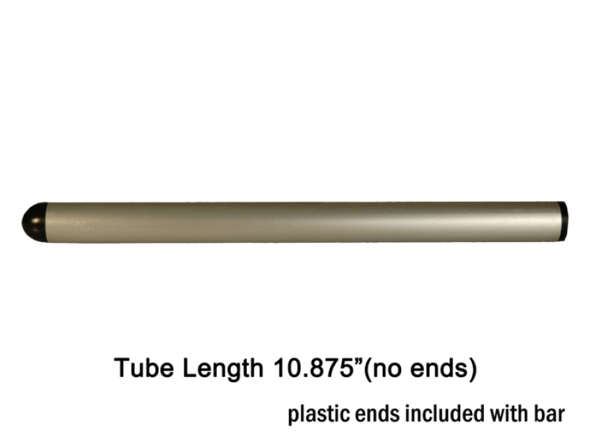
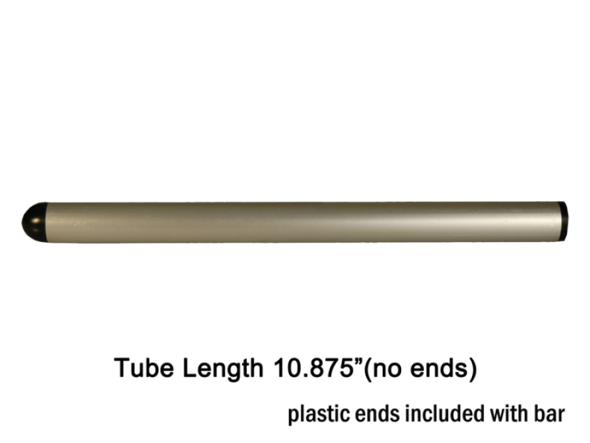
Vortex Racing Clip-On Standard Bar 10.875 Length- Silver - CLR001
Vortex Racing
MSRP: $20.95$17.81What are the dimensions of the Vortex Racing VTX Clip On Replacement Bar?These handlebars feature a 7/8 inch outer diameter, ensuring compatibility with most standard motorcycle controls and levers...MSRP: $20.95$17.81 -

Renthal Moto 24 BMX Handlebar - Black/Aluminum Gold - M114-01-BK-14
Renthal
MSRP: $118.91$107.02Renthal's Moto BMX has a unique, all aluminum, modular construction that gives a huge weight and performance advantage over traditional welded steel handlebars.MSRP: $118.91$107.02 -
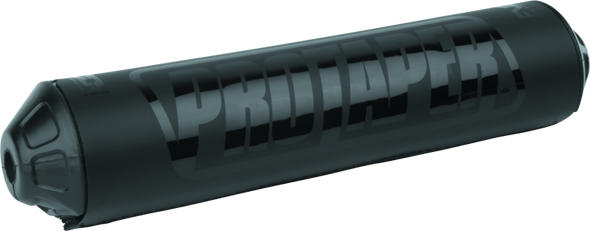
ProTaper Fuzion Bar Pad - Stealth - 021638
ProTaper
$23.99Stylish replacement pad for the Fuzion Handlebar crossbar. High-density, closed-cell foam offers added protection and keeps the elements out. Flat bottom pad design to eliminate pad spin.High-density...$23.99 -

Bikers Choice 72-81 FL 73-81 FX XL Chrome Vertical Switch Housing Replaces H-D 71539-73B - 492720
Bikers Choice
$20.99Engineered to meet or exceed OEM specifications, this kit ensures a precise fit and smooth, responsive operation. Features high-quality, durable components that are built to last and easy to install...$20.99 -

Bikers Choice 72-81 FLH / 80-81 FLT / 73-81 FX/XL Plain Switch Housing Chrome - 488749
Bikers Choice
$18.99Finished in brilliant chrome and built to meet or exceed OEM specifications, this kit ensures a precise fit and smooth operation for both brake and clutch functions. Perfect for custom builds or...$18.99 -

BikeMaster Suzuki RM Kill Button - 530617
BikeMaster
$16.99What is the compatibility of this handlebar switch?This handlebar switch is compatible with multiple bike brands including Honda, Yamaha, Kawasaki, and Suzuki, ensuring broad application.What is the...$16.99 -

BikeMaster Kawasaki KX Kill Button - 530603
BikeMaster
$16.99Does this replacement kill button include the necessary mounting hardware?This kill button offers mounting options identical to your bike's original hardware for a perfect fit.Is this a plug-and-play...$16.99 -
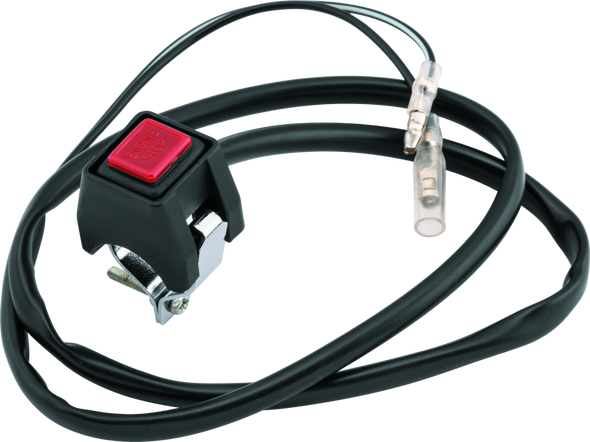
BikeMaster Yamaha YZ Kill Button - 530601
BikeMaster
$16.99How do I know if the BKM Control Accessories B handlebar kill button will fit my bike?Confirm fitment with your specific vehicle using the provided compatibility tools before purchase to ensure a...$16.99 -
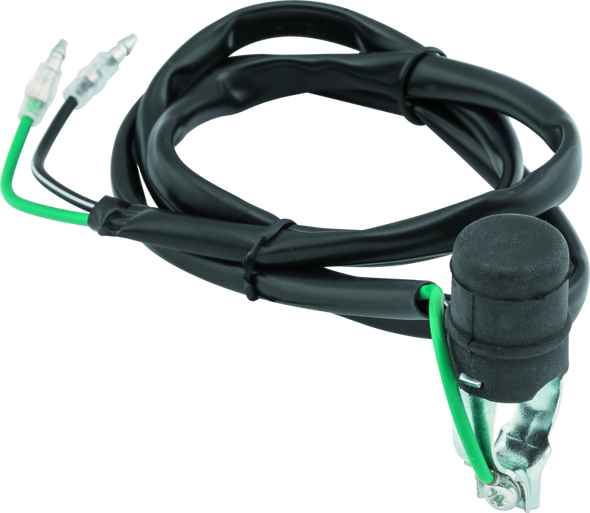
BikeMaster Honda XR50 Kill Switch (Long) - 530598
BikeMaster
$18.99What is the install type for the BikeMaster BKM Control Accessories B handlebars?BikeMaster BKM Control Accessories B handlebars feature a plug-and-play install type, directly integrating with your...$18.99 -

BikeMaster Kill Switch ATV Tether Normal Closed - 266183
BikeMaster
$21.99How do I know if the BKM Control Accessories B will fit my motorcycle?Confirm precise fitment with your specific vehicle's make, model, and year before installation for optimal handlebar integration...$21.99 -
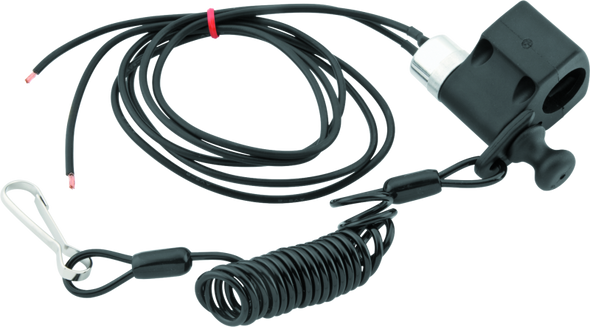
BikeMaster Kill Switch Normal Closed - Black - 266182
BikeMaster
$36.99How do I know if the BikeMaster BKM Control Accessories B Handlebars will fit my motorcycle?Confirm precise fitment with your specific motorcycle model and year before purchasing these specialized...$36.99 -

BikeMaster Kill/Horn Button - 201080
BikeMaster
$12.99Will this fit my motorcycle?The BKM Control Accessories B is designed for universal fit on standard 7/8 inch handlebars, but always confirm specific vehicle fitment.How difficult is it to...$12.99
Handlebars are the primary rider interface — they set your ergonomic position, transfer steering feedback, and directly affect fatigue, control precision, and lap times. Motor Sport Mayhem stocks 377 handlebar and control products across 16 brands, from entry-level replacements at under $5 to full custom cruiser setups approaching $1,500.
Our Top Picks for Handlebars
Each product below was selected by our performance team for proven real-world results, technical value, and consistent customer satisfaction across street, off-road, and competition applications.
ACB Endurance X Handguard
Acerbis | $158.12
Purpose-built endurance and ADV handguard system engineered to absorb impacts and protect hand controls across long-distance off-road and expedition riding.
- Reinforced guard construction rated for sustained impact from trail debris and tip-overs — critical for overlanding and endurance competition
ABR Accel Pump Rebuild Kit
All Balls Racing | $25.13
Complete accelerator pump rebuild kit that restores throttle response and eliminates bog caused by worn carburetor pump components.
- OEM-spec seals and diaphragm included — directly supports crisp throttle control from the handlebar through the fuel delivery circuit
BKM Heated Grips w/ LCD
BikeMaster | $113.99
7/8-inch heated grip set with LCD control switch delivers variable heat output for all-season rider comfort without sacrificing throttle feel.
- LCD switch provides precise heat level visibility — fits standard 7/8-inch handlebar diameter for broad compatibility across street and dual-sport applications
BKC Mid Controls Kit
Bikers Choice | $958.99
Two-inch extended mid-control kit is a complete ergonomic repositioning solution for cruiser riders needing more leg room and a neutral riding posture.
- Black finish hardware with extended linkage rods and full hardware included — a true bolt-on control geometry change with no custom fabrication required
BUR Gorilla Bar 12in
Burly Brand | $531.95
Twelve-inch rise Gorilla Bar is a premium high-rise cruiser handlebar engineered for aggressive custom builds where dramatic rider position change is the goal.
- CNC-machined and TIG-welded steel construction with a black powder coat finish — built to hold custom cable and line lengths over the long term without flex
CRG RC2 Clutch Assembly
CRG Constructors | $199.95
Universal short-lever clutch assembly with tool-free reach adjustment and a gold anodized billet aluminum body engineered for competition-grade feel and durability.
- CRG's proven pivot design reduces lever deflection under hard use — preferred by road racers who need repeatable engagement point every lap
CYC Probend Ultra w/ HCM Clamp
Cycra | $192.78
Probend Ultra handguard system with Heavy-Duty Crown Mount clamp is engineered for 1-1/8-inch tapered bars and delivers superior hand and lever protection in aggressive off-road conditions.
- HCM clamp system distributes impact load across the bar rather than concentrating stress at a single mount point — significantly reduces bar-end failures in rocks and trees
HRL E-Bike Foot Pegs
Hardline | $70.14
Hardline's electric bike foot pegs are purpose-designed for e-MTB and electric off-road platforms, providing the grip platform and weight spec needed for performance riding.
- Designed from the ground up for electric two-wheelers — not a repurposed moto peg, which matters for spindle compatibility and platform sizing on e-bike frames
KUR Driver Floorboard Kit
Kuryakyn | $699.99
Chrome driver floorboard kit provides a premium touring comfort upgrade with increased foot platform area and Kuryakyn's signature finish quality for long-haul riders.
- Kuryakyn floorboards are engineered with vibration-isolating mount points — critical on large touring platforms where peg buzz causes foot fatigue on multi-hour rides
NAT Footpeg Bracket 76mm
National Cycle | $40.46
Precision-spec 76mm footpeg bracket in black provides the correct mounting geometry for touring riders upgrading or replacing peg hardware on large-displacement platforms.
- Correct bracket offset is non-negotiable for safe peg function — National Cycle machines to OEM tolerances so fit and heel clearance are maintained after installation
How to Choose the Right Handlebars
The handlebar is the single component most responsible for how a motorcycle feels to ride — it controls your reach, wrist angle, shoulder width, and the mechanical advantage you have over the front wheel. A bar that's the wrong rise, sweep, or width doesn't just affect comfort; it affects braking precision, cornering confidence, and how quickly you fatigue. The difference between a quality aftermarket bar and a cheap replacement often comes down to wall thickness, alloy grade, bend consistency, and weld quality — all factors invisible until something goes wrong at speed.
Key Specifications
Diameter: The two dominant standards are 7/8-inch (22.2mm) for most standard and street bikes, and 1-1/8-inch (28.6mm) tapered or straight for motocross, enduro, and performance off-road applications. Tapered bars — which taper from 1-1/8-inch at the clamp area down to 7/8-inch at the grip ends — offer a significant stiffness-to-weight advantage over straight-gauge bars. Never mix clamp diameter to bar diameter; the result is either a loose fit or a stress riser that can crack under load.
Rise, sweep, and width: Rise is the vertical height from the clamp center to the grip centerline. Sweep is the rearward angle of the bar ends toward the rider. Width is the overall spread from grip end to grip end. These three dimensions together determine your riding triangle. Off-road riders typically want more rise and less sweep for standing ergonomics, while street and track riders favor lower rise and more pullback for a tucked, aerodynamic position. Width affects steering leverage — wider bars give more mechanical advantage at low speed and on loose terrain; narrower bars reduce wind resistance and fit tighter cockpits.
Material and construction: Aircraft-grade 6061-T6 aluminum is the standard for performance bars — it offers a high strength-to-weight ratio and predictable failure behavior. Some premium bars use 7075 aluminum for additional tensile strength. Chromoly steel bars are heavier but absorb vibration better, which is why they remain popular on cruisers and touring bikes where long-haul comfort outweighs weight savings. Wall thickness matters as much as alloy grade: a thin-wall 7075 bar can be weaker in real-world flex scenarios than a thicker-wall 6061 bar. Look for bars that publish their wall thickness — typically 2.0–3.0mm on performance-spec aluminum bars.
Clamp compatibility: Single-piece bars need a clamp — either stock or aftermarket — that matches the bar's clamp-zone diameter exactly. Two-piece or adjustable riser systems add height and angle flexibility but introduce additional hardware that must be torqued correctly to prevent bar slip under braking. For controls like levers, throttle tubes, and switches to fit correctly, the grip-end diameter must match the control hardware — 7/8-inch controls will not clamp safely to a 1-1/8-inch grip section.
Handlebar Specification Reference: Rise, Width, and Typical Application
| Bar Rise | Typical Width Range | Sweep Range | Best Application |
|---|---|---|---|
| 0–2 inches (Low) | 720–760mm (28–30in) | 0–5° | Road racing, sportbike street, track days — aggressive forward lean, reduced aerodynamic drag |
| 2–4 inches (Mid-Low) | 760–790mm (30–31in) | 5–10° | Dual-sport street, naked bikes, standard ergonomics — neutral posture for mixed-use riding |
| 4–6 inches (Mid) | 790–820mm (31–32in) | 5–10° | Enduro, trail riding, ADV touring — standing ergonomics with moderate seated comfort |
| 6–8 inches (High) | 800–830mm (31.5–32.5in) | 8–12° | Motocross, aggressive off-road — maximum standing control, wide platform for body English |
| 8–12 inches (Cruiser High) | 700–760mm (27.5–30in) | 10–30° | Cruiser customs, chopper builds — upright seated posture, aesthetic-driven geometry |
| 12+ inches (Ape Hanger) | 680–740mm (26.7–29in) | 15–45° | Show bikes, hardcore custom builds — requires extended cables, lines, and wiring |
Price Guide
Entry ($1.99–$50): Hardware, brackets, rebuild kits, and basic replacement grips fall in this range. You're getting functional replacement parts — not performance upgrades. Correct for restoring stock function, not for changing geometry or improving feel. Check material specs carefully; cheap bars in this range often use low-grade alloy with inconsistent wall thickness.
Mid-range ($50–$200): This is where most serious enthusiasts land, and for good reason. Purpose-built bars from established brands, quality handguard systems, adjustable lever assemblies, and heated grip sets live here. You're getting engineered geometry, proper alloy grades, and brand-backed quality control. Most off-road, dual-sport, and sport street bar upgrades belong in this tier.
Premium ($200–$1,524.95): Full control kits, high-rise cruiser bars requiring extended cables and brake lines, billet lever assemblies, and floorboard systems occupy the upper end. The cost is justified when you need complete ergonomic repositioning, race-spec lever feel and adjustability, or show-quality chrome and finish work. Budget for associated controls and cable work when moving to premium bar heights — the bar itself is rarely the only expense.
Who Is This For?
Handlebar and control upgrades serve a remarkably broad range of riders — from weekend trail riders and track-day competitors to daily commuters and long-distance tourers — and the usage data across our 377 in-stock products reflects exactly that spread.
Weekend Off-Roading — 8.2/10
Off-road is the highest-scoring application in this category, and it's not close. The combination of rough terrain, standing ergonomics, impact loads from rocks and falls, and the need for immediate handlebar and control protection makes bar selection genuinely performance-critical in this context. Width, rise, and handguard compatibility are non-negotiable spec decisions — a bar that's too narrow, too low, or unprotected will cost you both control and hardware on the first technical trail section.
Racing Competition and Track/Autocross — 7.5/10
Both racing and track applications score 7.5/10, reflecting how meaningful the right bar geometry and lever specification are when lap times are on the line. In competition, reach to the lever, lever feel, engagement point consistency, and the ability to hold a precise line under braking load all trace back to handlebar and control setup. Adjustable lever assemblies and precision bar geometry are standard equipment for competitive riders — not luxury upgrades.
Street Performance — 7.2/10
Street riders score 7.2/10, driven primarily by ergonomic upgrades that reduce fatigue on longer rides and improve control feel in urban traffic. Aftermarket bars can correct stock geometry that places excessive weight on the wrists, improve steering response, or simply position the rider for better visibility and reaction time. The upgrade payoff on street is real but more gradual than in off-road or competition contexts.
Daily Driving Comfort — 7.1/10
Commuters and everyday riders score 7.1/10, with heated grips, ergonomic bar bends, and vibration-damping components leading the use case. Handlebar vibration transmitted through the wrists over a 45-minute daily commute is a legitimate fatigue issue — dampened grips and optimized bar sweep directly reduce it. This segment benefits most from the mid-range price tier where comfort-spec parts are well-engineered without cruiser-level cost.
Overlanding and Expedition — 7.2/10
Overlanding and long-distance expedition riders score 7.2/10, which reflects how seriously this segment takes handlebar ergonomics and control protection. Multi-day ride distances mean small ergonomic compromises compound into real physical wear; a 10mm adjustment in bar sweep can make the difference between arriving fresh and arriving with numb hands. Handguard protection scores especially high for this use case — dropped bikes and trail debris at the handlebars are daily risks on expedition routes.
Trusted Handlebars Brands We Carry
The brands that dominate this category earned their position through engineering credibility, not marketing spend. ProTaper built its reputation in professional motocross with tapered aluminum bars used at the highest levels of the sport — their manufacturing tolerances and bend consistency are benchmark-level. Renthal holds OEM supplier relationships with factory MX and road racing teams globally and is one of the most-cited bar brands in competition tech sheets. Cycra leads in handguard systems and bar protection hardware for off-road, with structural designs tested in GNCC and hard enduro conditions. Kuryakyn dominates the cruiser and touring control segment with a product depth that covers ergonomic upgrades, floorboards, and finish quality that matches or exceeds OEM chrome. CRG Constructors is the reference brand for competition lever assemblies — their adjustable lever systems are used on production road racing machines where feel and reliability are non-negotiable. Burly Brand and Bikers Choice round out the custom and cruiser side with complete control kits and high-rise bar systems engineered specifically for custom geometry builds where stock cable and line lengths won't reach.
Frequently Asked Questions
Are 36cm handlebars too narrow for off-road riding?
36cm (approximately 720mm) sits at the narrow end of the acceptable range for off-road use and will feel restrictive on most full-size dirt and enduro bikes. Standard off-road bar widths run 790–820mm, with some enduro and hard enduro setups going slightly wider for maximum leverage in tight, technical terrain. Narrow bars reduce your mechanical advantage over the front wheel, which directly affects how quickly and precisely you can respond to surface changes while standing. If the bars came cut to 36cm, they may have been trimmed for a smaller rider or narrower cockpit — and widening them isn't an option, so fitment to your specific build matters before you buy.
Are adjustable clutch and brake levers worth the upgrade?
Yes, adjustable levers are one of the highest return-on-investment handlebar upgrades available — particularly for competition riders and anyone who spends serious time in the saddle. The ability to precisely position the lever blade relative to the handlebar means you can set engagement point and reach to match your hand size and riding style, which directly reduces hand fatigue and improves modulation feel. On the track, consistent lever engagement is critical for repeatable braking zones; even a few millimeters of variation in lever position affects how confidently you can trail-brake. Quality adjustable levers use CNC-machined billet aluminum with anodized or hard-coat finishes that resist wear at the pivot point — cheap adjustable levers skip the hard-coat and develop sloppy pivot feel quickly.
Are aftermarket foot pegs actually worth it?
Aftermarket pegs are worth it for any rider who spends meaningful time standing — off-road, enduro, and adventure riders especially. Stock pegs on most production bikes are stamped steel with minimal grip surface, and they become slippery immediately when wet or muddy; a wider, knurled or spiked aftermarket peg provides a dramatically more secure platform under load. For street and touring riders, the value case is about comfort — wider platforms reduce concentrated pressure on the boot sole over long hours, and vibration-isolated peg mounts reduce fatigue. Not all foot peg spindle diameters and thread specifications are the same across platforms, so confirm compatibility before purchasing — this is one of the most common installation errors in the category.
Are aluminum throttle tubes worth upgrading from stock?
Aftermarket aluminum throttle tubes are a legitimate performance upgrade, not just a weight-saving trick. Stock plastic throttle tubes can deform slightly under sustained use, particularly in hot climates or after engine heat soak, which causes throttle action to become sticky or inconsistent. A machined aluminum tube holds dimensional stability across a much wider temperature range and provides a more positive throttle snap and return. The weight reduction is real but secondary — the primary gain is consistency: an aluminum tube that returns to closed position at the same rate every time is meaningfully better for smooth throttle control during corner entry. Confirm the tube's inside diameter matches your handlebar grip section — 7/8-inch stock versus 1-1/8-inch bars require different tube specs.
Are bar ends worth adding to motorcycle handlebars?
Bar ends serve two distinct functions that are both genuinely useful: vibration damping and grip-end protection. Weighted bar ends reduce harmonic vibration transmitted through the handlebar at cruising RPM — this is a documented and measurable effect, particularly on parallel twins and inline-fours at highway speeds, where hand numbness on long rides is a well-known issue. As crash protection, bar end sliders absorb energy in a tip-over and prevent the grip end from digging into pavement, which can otherwise lever the bar hard enough to crack a clamp or bend the tube. The Reddit community is generally correct that cheap hollow bar ends add cosmetic effect without meaningful vibration damping — you need sufficient mass, typically 50–100 grams per side, to actually shift the handlebar's resonant frequency.
Building something specific? Our performance specialists can help you select the right Handlebars for your application — street, track, or full race build.