
Slave Cylinder
- Product
- Qty in Cart
- Quantity
- Price
- Subtotal
-

OS Giken Nissan 16mm (Push Type) Release Sleeve Assembly - NS001-016K
OS Giken
$110.00What is the purpose of a release sleeve in a clutch system?A release sleeve, like the OSG, ensures smoother clutch engagement by precisely aligning critical components for accurate gear selection.Do...$110.00 -


Exedy OE 2006-2011 Honda Civic L4 Slave Cylinder - SC898
Exedy
MSRP: $33.92$28.83What is the main function of a clutch slave cylinder?The clutch slave cylinder actuates the clutch fork, transmitting hydraulic pressure to disengage the clutch for smooth gear changes.How long does...MSRP: $33.92$28.83 -


Exedy OE 2002-2005 Acura RSX L4 Slave Cylinder - SC895
Exedy
MSRP: $33.51$28.48What is the main purpose of a slave cylinder?The slave cylinder transmits hydraulic pressure from the master cylinder to the clutch fork, disengaging the clutch for gear changes.Is it easy to install...MSRP: $33.51$28.48 -
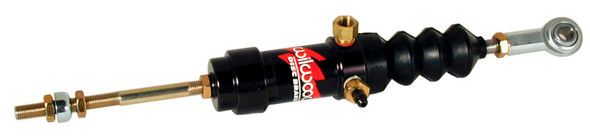
Wilwood Clutch Slave Cylinder - Pull Type - 260-1333
Wilwood
MSRP: $115.50$106.95Does the WIL Slave Cylinder require specific installation procedures?Confirming vehicle fitment is essential; professional installation ensures proper operation of the WIL Slave Cylinder for optimal...MSRP: $115.50$106.95 -
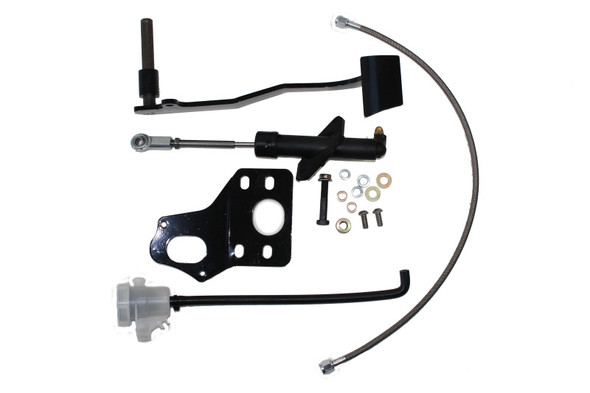
McLeod Hydraulic Conversion Kit 64-72 Chevelle Firewall Kit - 1434004
McLeod Racing
$359.00How often does the clutch pedal need adjustment with this kit?McLeod Hyd Conversion Kits eliminate clutch pedal adjustment hassles with automatic bearing compensation for your 1964-1972 Chevrolet...$359.00 -

McLeod Hydraulic Conversion Kit 1967-69 Camaro Firewall Kit - 1434002
McLeod Racing
$359.00What is the primary benefit of upgrading to a hydraulic clutch linkage conversion kit?MLR Hyd Conversion Kits replace inefficient mechanical clutch linkage for a superior driving experience in your...$359.00 -
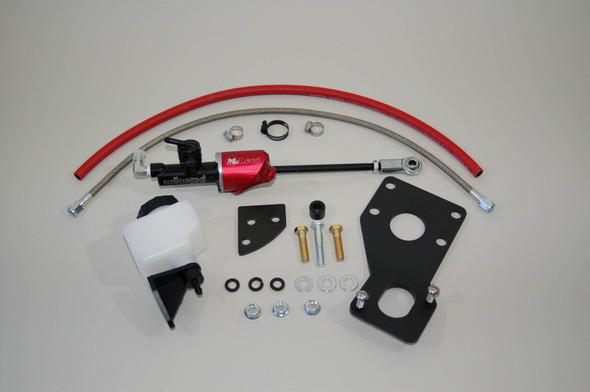
McLeod Hydraulic Conversion Kit 1955-57 Chevy Firewall Kit - 1434001
McLeod Racing
$359.00Hydraulic Conversion Kit -Ideal For Cars That Have Aging Mechanical Linkage Or Need Extra Space Due To A Motor Swap Or Other Changes, A Mcleod Hydraulic Kit Is Designed With The Very Best Components...$359.00 -
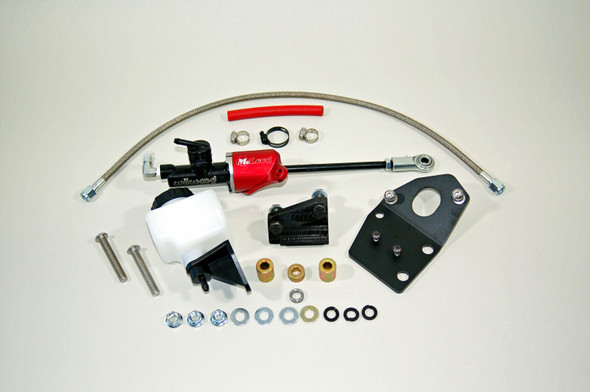
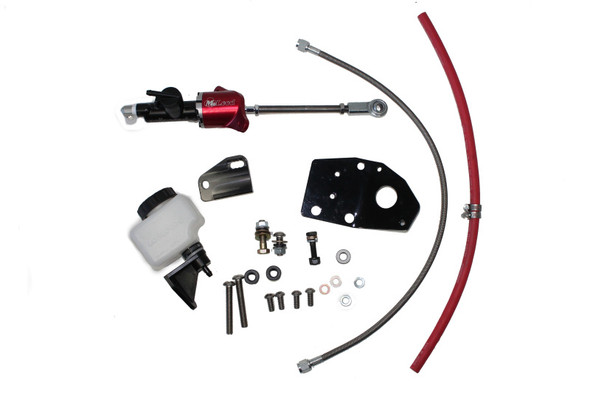
McLeod Hydraulic Conversion Kit 1964-1970 Mustang Firewall Kit - 1431001
McLeod Racing
$359.00What are the benefits of a hydraulic clutch conversion?Hydraulic clutch conversions deliver consistent engagement and effortless shifting, improving overall vehicle drivability with precise control...$359.00 -
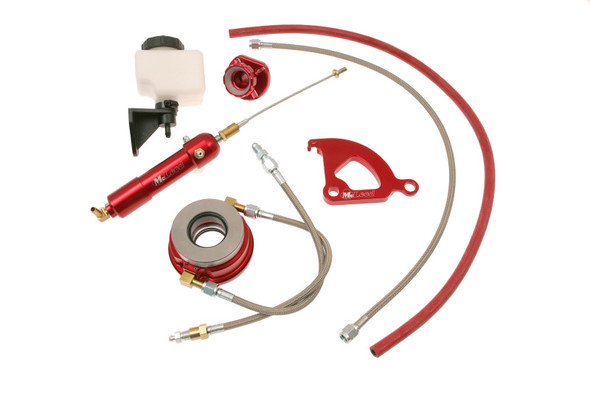

McLeod Hyd T.O. Bearing Kit Mustang W/External Slave Replaces Cable - 14-327
McLeod Racing
$645.00Is this a direct bolt-on?McLeod Racing Hyd Conversion Kits are designed for specific vehicle fitment, confirming compatibility ensures straightforward installation.What is the best way to bleed the...$645.00 -

McLeod Hyd T.O. Bearing Kit W/Hyd T.O. Bearing 1979-04 Mustang Replaces Cable - 14-325
McLeod Racing
$645.00Is the McLeod Racing Hyd Conversion Kit a direct bolt-in replacement for my stock clutch linkage?McLeod Racing Hyd Conversion Kits are designed for specific vehicle fitment, and professional...$645.00 -

Exedy OE 05-06 Pontiac G8 V8 Slave Cylinder - SC923
Exedy
MSRP: $98.80$83.98How do I know if an Exedy slave cylinder will fit my car?Exedy slave cylinders require vehicle-specific fitment confirmation, ensuring precise integration for optimal hydraulic clutch system...MSRP: $98.80$83.98 -
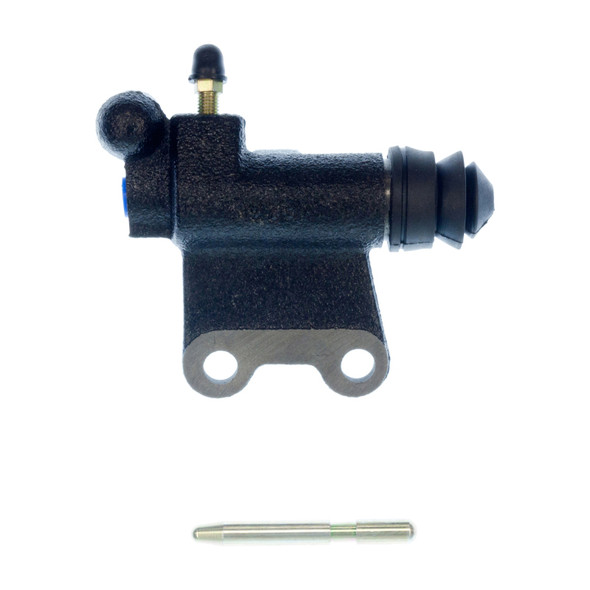
Exedy OE 2004-2005 Subaru Baja H4 Slave Cylinder - SC920
Exedy
MSRP: $23.57$20.03How do I know if the Exedy Slave Cylinder is compatible with my vehicle?Confirm Exedy Slave Cylinder fitment with your specific vehicle's year, make, and model using our detailed compatibility guide...MSRP: $23.57$20.03
A slave cylinder is the hydraulic actuator that converts pedal force into clutch disengagement — when it fails or underperforms, clutch feel degrades, release points become inconsistent, and power transfer suffers under hard use. Motor Sport Mayhem stocks 51 performance slave cylinders spanning street hydraulic upgrades through full-race concentric units, priced from $1.99 to $4,999.99 across 92 brands.
Our Top Picks for Slave Cylinder
Every product below was selected based on performance engineering, application breadth, and documented real-world results across street and competition builds.
ACT Mod-Twin Kits
ACT | $2,104.00
A complete twin-disc race clutch system engineered for maximum torque capacity with a sprung mono drive hub for driveline shock absorption at the limit.
- Race-only torque rating designed for high-horsepower competition where stock hydraulic components cannot maintain consistent release characteristics
AON Clutch - Twin - 7.25in
Action Clutch | $1,377.45
A 7.25-inch twin-disc race clutch paired with a chromoly flywheel for reduced rotating mass and precise hydraulic engagement response.
- Chromoly flywheel pairing reduces rotational inertia, which directly improves slave cylinder response time and pedal feel linearity under repeated engagement cycles
AFE Diff/Trans/Oil Covers
aFe | $430.00
A machined billet transmission pan cover that supports clutch hydraulic system longevity by maintaining stable fluid temperatures across the drivetrain.
- Machined aluminum construction dissipates heat more effectively than OEM stamped pans, protecting hydraulic fluid viscosity that slave cylinder seals depend on
ABR Prop Shafts
All Balls Racing | $790.35
A heavy-duty prop shaft engineered for UTV powersports applications where drivetrain shock loads can back-pressure hydraulic clutch actuation systems.
- Reinforced shaft construction reduces driveline vibration that accelerates slave cylinder seal wear in off-road powersports applications
AMS Master Cylinder Conversion
AMS | $494.95
A complete clutch master cylinder conversion kit that recalibrates hydraulic ratio and pedal feel to match high-clamp-load aftermarket clutch and slave cylinder systems.
- Upgrading the master cylinder in tandem with the slave is essential when clamp loads increase — mismatched bore sizes cause partial disengagement and premature seal failure
ARB Air Locker Kits
ARB | $2,604.95
A pneumatically actuated air locker traction kit that works in tandem with clutch and engagement systems to deliver 100% differential lock on demand.
- Air actuation delivers precise, repeatable engagement force without hydraulic fluid contamination risk — a benchmark for reliability in serious off-road drivetrain systems
ART Easy Link Kit
Artec Industries | $1,484.99
A geometry-corrected 3-link suspension kit that reduces drivetrain bind and axle wrap — both of which generate back-pressure events that stress hydraulic clutch actuation hardware.
- Eliminating axle wrap through proper link geometry directly reduces the impulsive loads transmitted back through the drivetrain to the clutch hydraulic circuit
ATS Flex Plates
ATS Diesel | $804.99
An SFI-certified billet flexplate engineered to handle the torsional shock loads produced by high-torque diesel powerplants, protecting downstream clutch hydraulic components.
- SFI 29.3 certification confirms the billet construction will contain catastrophic failure — critical in builds where slave cylinder and clutch hydraulics are also upgraded
GBE Diff Covers
Banks Power | $425.00
A heavy-duty differential cover designed to improve gear oil capacity and thermal management across the full drivetrain system.
- Increased fluid capacity lowers differential operating temperatures, reducing the heat soak that migrates into hydraulic lines and degrades slave cylinder seal compounds
BBK Clutch Cable & Fwall Adjt
BBK | $169.99
An adjustable clutch quadrant, cable, and firewall adjuster kit that optimizes the mechanical advantage feeding into hydraulic or cable-actuated slave cylinder systems.
- Firewall adjuster eliminates cable slack buildup that creates inconsistent slave cylinder pre-load and unpredictable clutch engagement points under performance driving
How to Choose the Right Slave Cylinder
The slave cylinder is the last link in the hydraulic clutch actuation chain — its bore diameter, seal compound, and housing material determine whether clutch feel is linear and repeatable or spongy and inconsistent under heat and load. Cheap units fail at the seals first: OEM-spec NBR rubber degrades above 300°F, causing fluid bypass, pedal fade, and incomplete clutch disengagement. Performance applications demand EPDM or PTFE-coated seals, anodized aluminum or forged steel bodies, and bore tolerances held within 0.001 inches to maintain consistent hydraulic pressure across operating temperatures.
Key Specifications
Bore diameter is the single most critical specification. The slave cylinder bore must be matched to the master cylinder bore to maintain the correct hydraulic ratio — typically between 5:1 and 7:1 for street performance applications. Increasing clutch clamp load by upgrading to a high-performance friction disc without recalculating your hydraulic ratio results in either excessive pedal effort or insufficient release travel, both of which destroy clutch components prematurely.
Concentric slave cylinders (CSC) mount directly over the transmission input shaft and act as the release bearing assembly in one unit. They offer shorter hydraulic lines, less fluid volume, and faster pedal response — advantages that make them the dominant design in modern performance transmissions. External slave cylinders, mounted to the bellhousing and actuating a fork, are easier to service without transmission removal and remain preferred in dedicated race builds where rapid in-event servicing is a priority.
Material selection separates a three-year street unit from a race-life component. Cast iron bodies hold dimensional stability under thermal cycling but add weight. Billet aluminum forgings are lighter and dissipate heat faster but require harder anodizing — Type III hard anodize at 0.001–0.002 inch depth — to resist bore wear from the release bearing interface. For drivetrain builds running high-torque applications, stainless-bodied units with stainless braided hydraulic lines eliminate the expansion under pressure that soft OEM rubber lines introduce into pedal feel.
Seal compound matters as much as housing material. DOT 3 and DOT 4 brake fluid is glycol-based and hygroscopic — it absorbs moisture over time, lowering boiling point and attacking standard NBR seals. Race builds running DOT 5.1 or racing-spec fluids need EPDM seals that are chemically compatible. If you're upgrading to a stainless braided hydraulic line setup, verify the slave cylinder's seal compound before filling — fluid incompatibility causes seal swelling, complete hydraulic lock, and instant release bearing failure.
Slave Cylinder Bore Diameter vs. Clutch Clamp Load Reference
| Clutch Clamp Load | Recommended Slave Bore | Typical Master Bore | Application |
|---|---|---|---|
| Under 1,200 lbs | 0.75 in (19mm) | 0.625 in (15.9mm) | Stock replacement / light street |
| 1,200–1,800 lbs | 0.875 in (22mm) | 0.70 in (17.8mm) | Stage 1–2 street performance |
| 1,800–2,400 lbs | 1.00 in (25.4mm) | 0.75 in (19mm) | Stage 3 street / light track |
| 2,400–3,200 lbs | 1.00–1.125 in (25.4–28.6mm) | 0.875 in (22mm) | Dedicated track / autocross |
| 3,200–4,500 lbs | 1.125 in (28.6mm) | 1.00 in (25.4mm) | Drag race / high-horsepower competition |
| 4,500+ lbs | 1.25 in (31.75mm) or twin-circuit | 1.00–1.125 in (25.4–28.6mm) | Full race / pro competition only |
Price Guide
Entry ($1.99–$180): Direct-fit OEM-replacement slave cylinders adequate for stock-power street vehicles or rarely driven weekend cars. Rubber seal compounds and cast housings are functional within OEM operating parameters but should not be relied on in track or high-heat applications. Appropriate for daily-driver restorations or budget street builds where clamp load hasn't changed.
Mid-range ($180–$800): This is where most enthusiasts building Stage 1 through Stage 3 street or dual-purpose street/track setups will land. You get upgraded seal compounds, anodized aluminum or billet steel bodies, and compatibility with increased-clamp-load clutch upgrades. Brands at this tier typically include matched master and slave cylinder kits that recalibrate the full hydraulic ratio for improved pedal feel and release consistency.
Premium ($800–$4,999.99): Engineered for competition applications where clutch actuation must remain consistent across hundreds of thermal cycles, aggressive fluid exposure, and extreme clamp loads. Full-race concentric units, stainless-bodied external cylinders, and systems with integrated reservoirs and pressure-adjustable bleed circuits belong here. These are not improvements in comfort — they are reliability investments for builds where hydraulic failure ends a race event or damages a six-figure drivetrain.
Who Is This For?
Slave cylinders serve applications ranging from daily street driving through professional competition, and the usage data across our catalog reflects a clear tilt toward performance and racing use cases.
Drag Racing — 8.1/10
Drag racing scores the highest in our catalog at 8.1/10 across 127 products, and it's not surprising — consistent, repeatable clutch engagement at the line is the difference between a clean launch and a broken driveshaft. Drag applications demand slave cylinders that maintain full release travel under the extreme heat generated by repeated hard launches and can withstand the shock loading of high-torque, high-RPM engagement events. Stainless-bodied CSC units or external slave cylinders with heavy-duty forks are the standard here.
Racing Competition — 8.0/10
Broad racing competition scores 8.0/10 across 170 products, reflecting the wide variety of competition formats that rely on hydraulic clutch actuation integrity — circuit racing, time attack, rally, and endurance all place heavy demands on slave cylinder seals and housing durability over extended high-temperature operation. The emphasis at this level is on zero-drift pedal feel and the ability to service or bleed the system quickly during an event. External slave cylinder designs with serviceable seals remain popular in professional competition for exactly this reason.
Track / Autocross — 7.8/10
Track and autocross applications score 7.8/10 across 157 products — a slight step below full competition because these builds often transition between street and track use, placing different demands on the hydraulic system than a dedicated race car. The slave cylinder in a dual-purpose build needs to handle the thermal cycling of cold street starts and then sustained high-temperature operation on track without seal degradation between sessions. EPDM seal compounds and anodized aluminum bodies are the minimum spec for any car running track days regularly.
Street Performance — 7.7/10
Street performance scores 7.7/10 across 192 products — the largest single-use segment in our catalog — which reflects how broadly upgraded clutch hydraulics benefit any modified street vehicle. When clamp loads increase beyond stock, the OEM slave cylinder becomes the weakest point in the actuation system, developing spongy pedal feel and inconsistent release points. A properly matched aftermarket slave cylinder restores the hydraulic ratio and delivers the linear, consistent feel that upgraded clutch assemblies are designed to provide.
Daily Driving Comfort — 6.3/10
Daily driving comfort scores the lowest in our catalog at 6.3/10 across 65 products, which is an honest reflection of what performance slave cylinders are engineered to do. High-clamp-load clutch systems require more pedal effort by design, and the slave cylinder's hydraulic ratio is calibrated for performance release characteristics, not light pedal pressure. Enthusiasts prioritizing comfort above all should stick to OEM-specification replacements; anyone willing to accept a firmer pedal in exchange for consistent performance will find the trade-off worthwhile from Stage 2 upward.
Trusted Slave Cylinder Brands We Carry
ACT and Clutch Masters have built their reputations on complete clutch system engineering — both brands design slave cylinders as part of matched hydraulic systems rather than standalone parts, ensuring bore ratios and seal compounds are calibrated for their specific clutch assemblies. Exedy brings OEM-supplier credibility to the performance aftermarket, manufacturing to the same dimensional tolerances as factory clutch hydraulics while upgrading seal compounds for higher-temperature operation. Competition Clutch focuses on motorsport-validated designs, with race-series usage data backing their hydraulic component specifications. For powersports and off-road applications, All Balls Racing and BikeMaster offer application-specific slave cylinder solutions engineered for the vibration environments and fluid exposure conditions that automotive-spec units are not designed to handle. Across all of these brands, the consistent differentiator is seal quality and bore tolerance control — the specifications that determine whether a slave cylinder lasts 10,000 street miles or survives a full race season.
Frequently Asked Questions
Are ACT clutches hard to drive on the street?
ACT clutches with higher-clamp-load pressure plates do require more pedal effort than OEM, and the engagement window is typically narrower and more abrupt — characteristics that are features in competition use but require adjustment for street driving. The level of difficulty depends entirely on which friction material and pressure plate combination you select: organic street-spec discs paired with a high-clamp plate deliver more effort with manageable driveability, while full-race ceramic or carbon-carbon discs are genuinely difficult to drive smoothly in traffic. Matching the slave cylinder bore to the increased clamp load partially offsets pedal effort by recalibrating the hydraulic ratio. If daily driving comfort is a priority, ACT's street-performance tiers are designed to remain driveable while delivering meaningfully improved torque capacity over OEM.
Are aftermarket master cylinders good?
Aftermarket master cylinders are not only good — they are often essential when any other component in the clutch hydraulic system is upgraded. The OEM master cylinder is sized to the stock slave cylinder bore and stock clamp load, so when either changes, the hydraulic ratio and pressure delivery change with it, resulting in inconsistent pedal feel, incomplete disengagement, or excess pedal effort. Quality aftermarket master cylinders from established performance brands use tighter bore tolerances than OEM, upgraded seal compounds compatible with high-performance fluids, and anodized or stainless bodies that resist corrosion and thermal expansion. The key is matching the master bore to the slave bore and the target clutch clamp load — an undersized master on a high-clamp clutch system will not generate sufficient pressure for full release, causing premature clutch wear regardless of how good the individual components are.
Are aftermarket pressure plates worth it?
Aftermarket pressure plates are worth it in any application where torque capacity, thermal endurance, or release consistency exceeds what the OEM unit can reliably deliver — which covers most modified engines producing more than 20–30% above factory output. The pressure plate sets the clamp load that the entire clutch hydraulic system must overcome to disengage; upgrading the plate without upgrading the slave and master cylinder is one of the most common installation errors in performance clutch work. Better pressure plates use higher-grade spring steel diaphragm fingers that maintain consistent clamp force through thousands of thermal cycles, where OEM units relax and slip. When the complete system — pressure plate, disc, flywheel, slave cylinder, and master cylinder — is matched and calibrated together, the improvement in both torque capacity and pedal feel consistency is immediately measurable.
Are air lockers better than e-lockers, and are they reliable?
Air lockers and e-lockers are both fully locking differentials, but they differ fundamentally in actuation mechanism: air lockers use compressed air to engage a dog-ring mechanism, while e-lockers use an electromagnetic coil. Air lockers are generally considered more reliable for sustained off-road use because the actuation hardware is simpler, the locking mechanism is fully mechanical once engaged, and there are no electronic components exposed to submersion or vibration damage. E-lockers are more convenient — engagement from the cab without an onboard air supply — but the solenoid and wiring harness introduce failure points that matter in remote terrain. ARB's air locker systems have set the benchmark for reliability in serious off-road applications for decades, with engagement confirmation and disengagement reliability that outperforms most e-locker designs in extreme conditions. Neither design is universally superior; the right choice depends on how remote your use case is and whether you already run an onboard air system for tires.
Are aftermarket wheel bearings as good as OEM?
Quality aftermarket wheel bearings from reputable manufacturers meet or exceed OEM specifications — the key word is reputable, because the performance aftermarket is heavily populated with low-grade imported bearings that use inferior steel grades, undersized ball complements, and inadequate cage materials. OEM bearings from major manufacturers use ABEC-3 or ABEC-5 tolerances with chrome steel races; performance aftermarket units from brands with documented racing use often match this spec and add improved sealing for off-road or high-heat applications. The failure risk with cheap aftermarket bearings is real: loose internal tolerances generate play that the hub assembly cannot accommodate, producing progressive failure under cornering loads. For any vehicle used on track, in competition, or in demanding off-road conditions, stick to brands with verifiable manufacturing standards and load ratings — a drivetrain bearing failure at speed is not a recoverable situation.
Building something specific? Our performance specialists can help you select the right Slave Cylinder for your application — street, track, or full race build.