
Flywheels
- Product
- Qty in Cart
- Quantity
- Price
- Subtotal
-

Clutch Masters Audi/VW Flywheel Friction Lock - CLUTCHMASTERSCM-017-FFL
Clutch Masters
MSRP: $79.95$67.96MSRP: $79.95$67.96 -
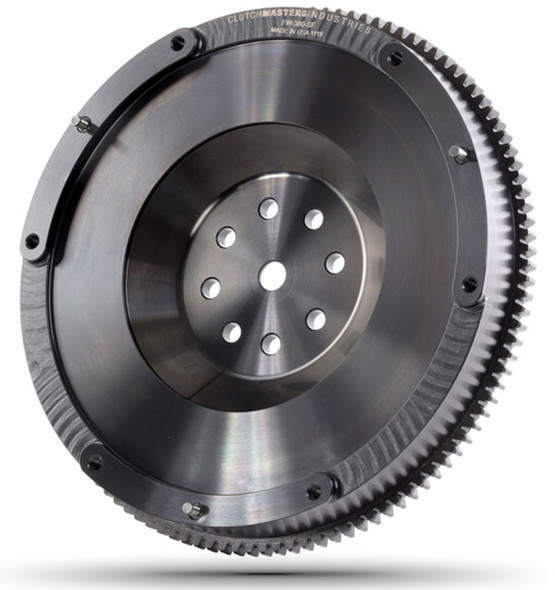
Clutch Masters 06-11 Mitsubishi Eclipse 3.8L SteelFlywheel - CLUTCHMASTERSFW-380-SF
Clutch Masters
MSRP: $548.63$466.33MSRP: $548.63$466.33 -
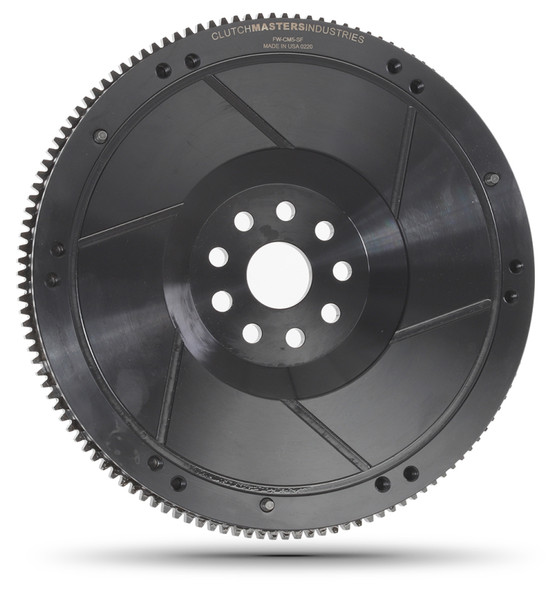
Clutch Masters 06-10 BMW M5/M6 5.0L V10 6-Spd Lightweight Steel Flywheel - CLUTCHMASTERSFW-CM9-SF
Clutch Masters
MSRP: $962.50$818.13MSRP: $962.50$818.13 -

Clutch Masters 11-13 BMW 550i 4.4L V8 TT Lightweight Steel Flywheel - CLUTCHMASTERSFW-550-SF
Clutch Masters
$930.33$930.33 -
 MSRP: $429.00$409.19
 -
 MSRP: $429.00$397.19
 -

Clutch Masters Honda K20/K24 To Subaru EJ Single Disc Flywheel (5 or 6-Speed) - CLUTCHMASTERSFW-K721-SF
Clutch Masters
MSRP: $775.00$658.75MSRP: $775.00$658.75 -

Action Clutch 08-15 Mitsubishi Lancer Evo 10 2.0L (4B11T) Turbo AWD Chromoly Lightweight Flywheel - ACTIONCLUTCHAC113FW
Action Clutch
$361.03$361.03 -
 MSRP: $474.00$384.00
 -
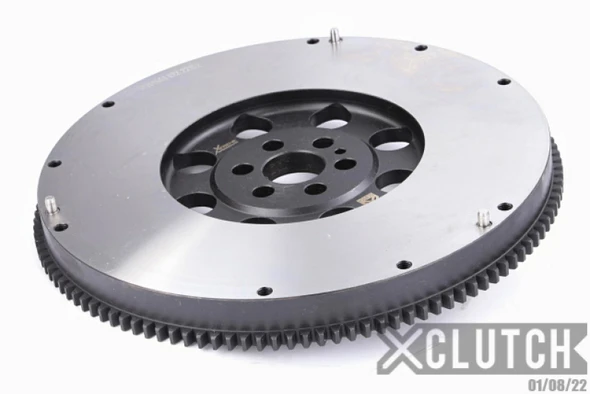
XClutch 91-98 Nissan 240SX LE 2.4L Chromoly Flywheel - XCLUTCHXFNI024C
XCLUTCH
MSRP: $507.99$457.19MSRP: $507.99$457.19 -

Fidanza Aluminum Flywheel 09-10 RAM HEMI / 09-11 Challenger R/T HEMI and SRT8 - FIDANZA194611
Fidanza
$768.59What is the material of the Fidanza flywheel?This Fidanza flywheel is expertly crafted from high-grade aluminum, ensuring optimal performance for your specific vehicle application.Is professional...$768.59 -

Competition Clutch Nissan SR20 Cast Flywheel Dual Drilled - COMPETITIONCLUTCH2-760T-CAST
Competition Clutch
$250.00What is the recommended installation for this flywheel?Professional installation is strongly recommended for COMP Steel Flywheels to ensure proper clutch engagement and optimal performance of the...$250.00
A flywheel is the rotational mass connecting your engine's crankshaft to the clutch assembly, and its weight, material, and balance spec directly determine throttle response, clutch engagement feel, and drivetrain durability under load. Motor Sport Mayhem stocks 288 flywheels across 92 brands — from budget OEM replacements to full SFI-certified billet race units — covering street builds, track days, drag racing, and off-road applications.
Our Top Picks for Flywheels
Each of these units was selected based on verified performance credentials, material quality, and real-world results across multiple driving applications.
ACT Mod-Twin Kits
ACT | $2104.00
A complete twin-disc race system engineered for extreme torque capacity well beyond what any stock clutch and flywheel combination can withstand.
- Sprung mono drive hub absorbs shock loading at high RPM engagement — critical for transmission longevity in competition builds
AON Clutch - Twin - 7.25in
Action Clutch | $1377.45
A 7.25-inch twin-disc race package paired with a chromoly flywheel for maximized rotational strength at reduced inertia.
- Chromoly flywheel construction delivers superior tensile strength over cast iron at a fraction of the rotational mass penalty
AFE Diff/Trans/Oil Covers
aFe | $430.00
A machined billet transmission pan that improves fluid capacity and thermal management in the automatic drivetrain surrounding the flexplate.
- Increased fluid volume protects flexplate and torque converter from heat-induced fatigue during towing or performance driving cycles
ABR Prop Shafts
All Balls Racing | $790.35
A heavy-duty prop shaft upgrade that handles the increased rotational stress when a lightened flywheel or clutch pack sharpens throttle response in off-road platforms.
- Upgraded U-joint and shaft specs prevent premature failure when drivetrain shock loads increase after clutch or flywheel modifications
AMS Master Cylinder Conversion
AMS | $494.95
A clutch master cylinder conversion that restores consistent pedal feel and hydraulic pressure when upgrading to a higher-clamp-load pressure plate and flywheel combination.
- Matched bore sizing prevents the hydraulic inconsistency that causes slipping or harsh engagement after stage 2+ clutch and flywheel upgrades
ARB Air Locker Kits
ARB | $2604.95
A pneumatic locking differential system that delivers 100% torque lockup on demand — essential when a torque-biased clutch and flywheel setup is pushing power through uneven terrain.
- Air-actuated engagement provides instant, reliable lockup without the heat sensitivity that limits clutch-style lockers under sustained articulation
ART Easy Link Kit
Artec Industries | $1484.99
A geometry-correcting 3-link suspension kit that works in tandem with drivetrain upgrades — including flywheel and clutch packages — to eliminate axle wrap and protect the entire powertrain.
- Adjustable upper link geometry prevents axle wrap-induced driveline vibration that damages flywheel ring gear teeth on hard launches
ATS Flex Plates
ATS Diesel | $804.99
A billet SFI-certified flexplate designed to handle the severe torsional stress of high-output diesel applications where stock stamped steel units routinely crack or lose ring gear teeth.
- SFI 29.3 certification is the baseline requirement for sanctioned diesel drag racing — billet construction eliminates the flexing that cracks OEM stamped plates under boost
GBE Diff Covers
Banks Power | $425.00
A heavy-duty differential cover that increases fluid capacity and dissipates heat in the axle assembly downstream of flywheel and clutch power delivery.
- Higher gear oil volume directly reduces differential operating temperature — a practical upgrade when increased flywheel torque capacity pushes more load through the axle housing
BBK Clutch Cable & Fwall Adjt
BBK | $169.99
An adjustable clutch cable and firewall adjuster kit that restores proper clutch geometry and pedal travel after a flywheel replacement changes the pressure plate engagement point.
- Precise cable tension adjustment prevents premature clutch disc wear caused by incorrect engagement point after a flywheel thickness change
How to Choose the Right Flywheel
The single most important flywheel decision is rotational mass versus drivability — a lighter flywheel accelerates faster and revs more freely, but it also reduces idle stability and makes low-speed traffic driving more demanding. Material choice drives most of that decision: aluminum flywheels are the lightest option but require a steel friction surface insert to survive clutch disc contact, while chromoly steel units split the difference between weight savings and durability. Cast iron flywheels are OEM-weight replacements suitable for street restorations with no performance goals. For anything involving power adders, forced induction, or sanctioned drag racing, SFI certification is not optional — it specifies burst strength at a defined RPM limit and is required by most NHRA, IHRA, and regional rulebooks for modified vehicles.
Key Specifications
Flywheel weight is measured in pounds and directly correlates to engine response speed. Stock cast iron units typically weigh 14–28 lbs depending on displacement. A quality lightweight aluminum unit with a steel friction surface can drop that to 7–12 lbs — the difference is immediately felt as faster throttle blip response and quicker rev matching during downshifts. That same reduction in inertia, however, means the engine has less rotational momentum to pull through a corner exit at low RPM, which is why many track drivers prefer a mid-weight chromoly unit in the 10–16 lb range that balances response with drivability.
Friction surface machining tolerance is where cheap flywheel replacements fail. The clutch disc friction surface must be flat within 0.001–0.003 inches across its full diameter — any deviation causes uneven clutch disc contact, vibration, and premature disc glazing. Quality manufacturers machine and then micro-finish the friction surface to these tolerances; budget units often skip the final surface finishing step. Always verify the facing finish specification — the correct Ra (roughness average) for a clutch mating surface is typically 60–125 microinches Ra. Too smooth and the disc won't seat properly; too rough and it wears prematurely.
Ring gear tooth count and starter compatibility are frequently overlooked in flywheel swaps. If you're changing from the OEM flywheel, the replacement must match your starter's pinion tooth count and engagement geometry. A mismatch causes ring gear damage within weeks. Additionally, flexplates — used in automatic transmission applications — must be matched to the torque converter's pilot diameter and bolt pattern; running a flexplate with insufficient thickness or wrong bolt circle causes crankshaft seal and bearing failures from flexplate deflection under load.
For twin-disc applications, the flywheel must be machined to accept the intermediate drive plate — this requires specific floater plate clearance dimensions that are set during manufacturing. Never attempt to run a twin-disc clutch kit on a single-disc flywheel without confirmed manufacturer compatibility; the floater plate clearance, pilot bearing depth, and overall stack height are all interdependent. Refer to your drivetrain components for matching clutch packs before finalizing a flywheel spec.
Flywheel Weight vs. Application Reference Guide
| Flywheel Weight Range | Typical Material | Best Application | Trade-Off |
|---|---|---|---|
| 18–28 lbs | Cast Iron | OEM replacement, daily driver, towing | Maximum idle stability, slowest rev response |
| 14–18 lbs | Nodular Iron / Heavy Steel | Street performance, mild stage 1 clutch | Moderate response gain, retains good drivability |
| 10–14 lbs | Chromoly Steel | Street/track dual use, autocross, stage 2–3 clutch | Noticeably sharper throttle, requires conscious low-RPM driving |
| 7–10 lbs | Aluminum with steel insert | Dedicated track, time attack, drag prep | Maximum response, idle choppiness, requires skilled driving |
| Below 7 lbs | Billet Aluminum / Titanium | Full race only, no street use | Stalling prone at low RPM, not emissions compliant in most regions |
| N/A (Flexplate) | Stamped Steel / Billet Steel | Automatic transmission, torque converter applications | Flex absorption vs. rigidity — billet required above ~600 ft-lbs |
Price Guide
Entry ($1.99–$180): This tier covers OEM-equivalent cast iron replacements and basic steel flywheels suited for daily drivers and restorations — functional, correctly balanced, and reliable for stock or near-stock power levels, but no performance advantage over what came from the factory.
Mid-range ($180–$800): The sweet spot for the vast majority of performance builds — this range includes properly machined chromoly and aluminum units with verified friction surface tolerances, SFI certification on many models, and compatibility with stage 2–3 clutch packs; most street/track enthusiasts should be shopping here.
Premium ($800–$4,999.99): Billet race units, twin-disc flywheel and clutch systems, and diesel-specific SFI-certified flexplates built to withstand sustained competition abuse — the cost is justified by material certification, precision CNC machining, burst RPM ratings, and the fact that a flywheel failure at speed is a catastrophic safety event, not just a parts bill.
Who Is This For?
Flywheel upgrades serve a wide spectrum of drivers — from competitive drag racers chasing hundredths of a second to weekend enthusiasts simply replacing a worn OEM unit with something better-specced for their driving style.
Drag Racing — 8.1/10
Drag racing scores highest in this category because the flywheel's rotational inertia has a direct, measurable impact on sixty-foot times and RPM recovery between shifts. Reducing rotating mass by even 6–8 lbs can improve throttle response enough to affect elapsed times in the tenths. SFI-certified billet units are mandatory in most classes above a certain elapsed time threshold, making this a compliance purchase as much as a performance one.
Racing Competition — 8.0/10
Wheel-to-wheel competition rewards quick throttle response, precise rev matching, and clutch systems that can withstand repeated high-load engagements without fade or distortion. A lightweight flywheel reduces the rotational inertia the engine must overcome during gear changes, translating to faster upshifts and more responsive downshift rev matching — both of which directly affect lap time consistency. Competition-grade units are also balanced to tighter tolerances to prevent vibration harmonics that can damage bearings under sustained race conditions.
Track / Autocross — 7.8/10
Autocross and track day driving benefits from reduced flywheel weight because corner exit throttle response is a primary determinant of lap time — the less inertia the engine must overcome to accelerate out of a slow corner, the faster the car. A mid-weight chromoly flywheel is often the correct choice for drivers who also commute in the same vehicle, balancing track performance with the idle stability needed for street driving. Paired with a performance braking system, a lighter drivetrain package meaningfully improves overall lap time.
Street Performance — 7.7/10
Street performance builds score well because a quality flywheel replacement — even at stock weight — eliminates the chatter, vibration, and worn friction surface issues that develop on high-mileage OEM units. For modified street cars, stepping down 4–6 lbs in flywheel weight significantly improves the connected, responsive feeling that performance enthusiasts are after without compromising daily drivability. This is also the application where clutch pedal feel — directly affected by the pressure plate and flywheel combination — matters most to the driver experience.
Weekend Off-Roading — 7.7/10
Off-road applications use flywheels differently — here the focus is on durability and compatibility with high-torque, low-RPM crawling rather than weight reduction. A heavier flywheel actually helps maintain engine momentum when crawling through technical terrain where RPM drops dangerously low. Ring gear durability is also critical, as rock crawling produces the kind of repeated shock loading that cracks cheap cast flywheel teeth, particularly when paired with aggressive locker engagement.
Trusted Flywheel Brands We Carry
ACT has been manufacturing performance clutch and flywheel systems for over three decades, with in-house machining and testing that backs up their torque capacity ratings with real burst test data — their competition-oriented twin-disc systems are used at all levels of professional motorsport. Exedy supplies OEM clutch and flywheel components to multiple factory motorsport programs, which means their aftermarket units are built on production-line engineering discipline rather than reverse-engineered approximations. Competition Clutch brings a race-validated development history to their flywheel lineup, particularly in import performance where their systems have been proven across time attack and club racing. Clutch Masters engineers their flywheels as matched systems with their pressure plates, ensuring friction surface geometry, floater clearances, and ring gear specs are validated together rather than as separate components. ATS Diesel focuses specifically on diesel flywheel and flexplate engineering, where the torque multiplication and shock load characteristics are fundamentally different from gasoline performance applications — their SFI-certified billet flexplates fill a gap that most street performance brands don't address. Vortex Racing rounds out the lineup with value-positioned units that maintain respectable machining tolerances for budget-conscious builds where OEM replacement — not maximum performance — is the goal.
Frequently Asked Questions
Are ACT clutches hard to drive in daily traffic?
ACT clutch systems are engineered in multiple stages — their street and street/strip units use sprung disc designs that significantly reduce pedal harshness compared to a full race setup. Full competition configurations with unsprung discs and maximum clamp loads do require a more deliberate, experienced left foot because engagement occurs in a narrow RPM band without the forgiving slip characteristics of a street unit. The flywheel weight you pair with an ACT system matters equally — a lightweight aluminum flywheel amplifies the sharpness of clutch engagement, making a race-spec ACT setup genuinely difficult in slow traffic. For dual-purpose builds, choosing a sprung disc configuration on a mid-weight chromoly flywheel gives you the torque capacity without making every parking lot a workout.
Are aftermarket pressure plates worth it?
Yes — the pressure plate is what determines clamping force on the clutch disc, and stock units are calibrated for OEM power levels with a significant safety margin that gets consumed quickly when torque increases beyond factory spec. An upgraded pressure plate holds higher clamp load without the thermal distortion and spring fatigue that causes OEM units to slip under modified power. The key spec to match is clamp load rating to your drivetrain's peak torque — under-speccing leads to slipping and disc glazing, over-speccing leads to pedal effort that fatigues the driver and accelerates clutch fork and hydraulic wear. Always replace the flywheel friction surface when installing a new pressure plate — running a new plate on a worn or heat-cracked flywheel wastes the investment.
Are aftermarket master cylinders good for clutch upgrades?
Quality aftermarket clutch master cylinders are not just good — they're often necessary when upgrading to a higher-clamp-load pressure plate and flywheel system. The OEM master cylinder bore diameter is calibrated for OEM hydraulic requirements; installing a higher-clamp-load clutch without addressing the hydraulic line can result in a pedal that requires excessive force or lacks the pressure volume to fully disengage the clutch. Upgraded master cylinders with matched bore sizing restore proper pedal feel, reduce operator fatigue, and prevent the hydraulic system from becoming the weak point in an otherwise capable drivetrain. Stainless braided hydraulic lines should accompany any master cylinder upgrade to eliminate the pressure loss caused by rubber line expansion under load.
Are air lockers better than e-lockers for off-road use?
Air lockers deliver 100% mechanical lockup with no heat-related slip or engagement degradation — the pneumatic actuator either locks the differential completely or releases it fully, with no intermediate state that generates heat. E-lockers use an electromagnetic actuator to achieve the same mechanical lockup, which makes them simpler to install (no compressor required) but introduces a vulnerability to electrical failure in extreme water crossing or mud contamination scenarios. Air lockers require a reliable onboard air supply — a compressor and air tank — which adds complexity but also provides utility for airing tires on the trail. For serious, repeated off-road use where engagement reliability under extreme conditions is non-negotiable, air lockers are the professional's choice; e-lockers are a capable compromise for enthusiasts who prioritize installation simplicity.
Are air lockers reliable long-term?
Air lockers from established manufacturers have a strong long-term reliability record when properly installed and maintained — the mechanical locking mechanism itself is robust because it relies on physical engagement rather than friction or heat-dependent materials. The most common failure points are in the pneumatic system: air line fittings corrode or crack, the seal inside the axle housing that separates the air chamber from gear oil wears over time, and compressors fail if not sized correctly for the duty cycle. Rebuilding the internal seal is a straightforward maintenance item with seals available from most suppliers, and it's recommended every 50,000–80,000 miles or after any significant water immersion. The locker mechanism itself rarely fails — it's the supporting pneumatic infrastructure that requires attention.
Building something specific? Our performance specialists can help you select the right Flywheels for your application — street, track, or full race build.