
Engine Components
- Product
- Qty in Cart
- Quantity
- Price
- Subtotal
-

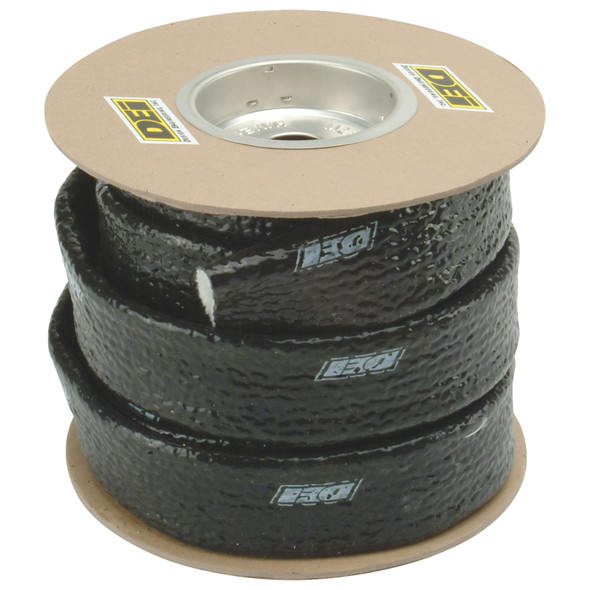
Ferrea Toyota 3SGTE 34.5mm 5.98mm 100.70mm 25 Deg S-Flo +1mm Comp Plus Intake Valve - Set of 8 - FERREAF1864P
Ferrea
$248.77$248.77 -
 MSRP: $432.42$292.75
 -
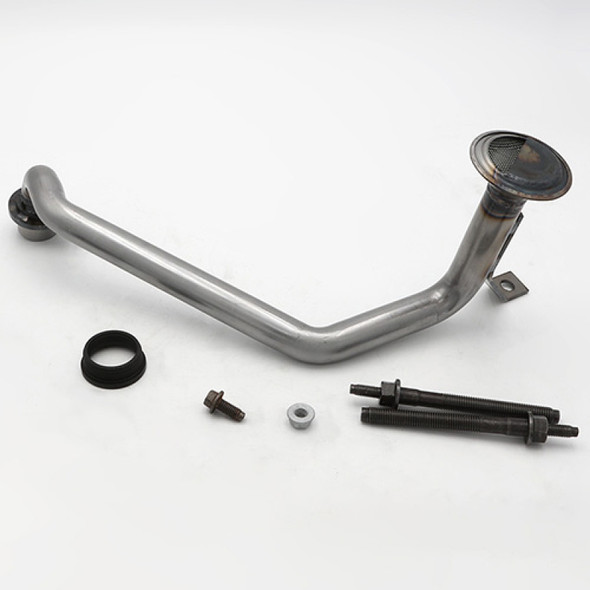
Ford Racing 15-18 Ford 5.2L / 18-19 Ford 5.0L Oil Pickup Tube (Used with M-6675-M52RR) - FORDRACINGM-6622-M52RR
Ford Racing
$368.42$368.42 -
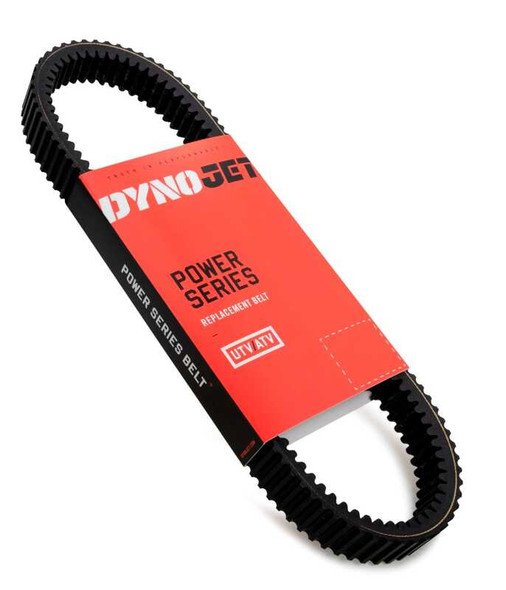
Dynojet 22-24 Polaris RZR Pro R Power Series CVT Belt Kit - DYNOJET19-DCB5X
Dynojet
MSRP: $255.54$229.99What is the best way to install the DOJ CVT Belt Kit?Professional installation is recommended for this DOJ CVT Belt Kit to ensure optimal performance and longevity of your timing and accessory belts...MSRP: $255.54$229.99 -
 $145.99
 -

Brian Crower Valve Guides - Toyota 3SGTE/GE 6.0mm Exhaust (Quantity of 8) - BRIANCROWERBC3937
Brian Crower
$81.00Are these BC Valve Guides compatible with my Toyota 3SGTE/GE engine?These Brian Crower Valve Guides are specifically designed for Toyota 3SGTE/GE engines, ensuring a precise fit for optimal...$81.00 -

Brian Crower Valve Guides - Toyota 3SGTE/GE 6.0mm Intake (Quantity of 8) - BRIANCROWERBC3936
Brian Crower
$81.00$81.00 -
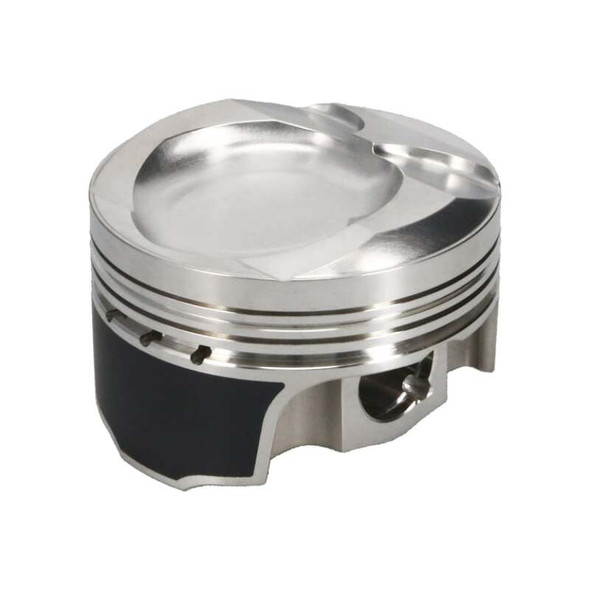 $732.99
 -

Ferrea Honda H22A1/A4 30mm 5.48mm 107.1mm 22 Deg Flo Stock Super Alloy Exhaust Valve - Set of 8 - FERREAF1823P
Ferrea
$259.70$259.70 -
 MSRP: $90.85$61.51
 -

ICON Innerlock Wheel Pin Hardware Kit for 17in Rebound Pro Wheel - ICON612000
ICON
$78.71Will this fit my vehicle?Confirm fitment with your specific vehicle before ordering; professional installation is recommended for optimal results.What is the installation process like?Professional...$78.71 -

Rugged Radios OFFROAD Headset / Helmet Coil Cord Cable for Rugged Radios and Kenwood Radios - RUGGEDRADIOSCC-5R-OFF
Rugged Radios
MSRP: $65.00$54.91MSRP: $65.00$54.91
Engine components are the mechanical foundation of every performance build — encompassing bearings, gaskets, pistons, rods, camshafts, valvetrain hardware, and fasteners engineered to survive heat, pressure, and RPM loads far beyond OEM design limits. Motor Sport Mayhem stocks 6,521 engine components from 161 performance-focused brands, spanning entry-level street upgrades to full competition-spec internals used in professional motorsport.
Our Top Picks for Engine Components
Every product below was selected based on demonstrated performance value, engineering quality, and real-world results across street and competition applications.
ACL Race Series Main Bearings
ACL | $329.72
Tri-metal construction with extra oil clearance specification delivers superior load capacity and film strength under high-boost, high-RPM conditions where stock bearings fail.
- Extra oil clearance variant engineered specifically for engines running elevated power outputs and forced induction
ACT Pilot Bearing
ACT | $17.00
A precision pilot bearing is a critical but often-overlooked component that must be replaced any time a clutch or transmission is serviced to prevent input shaft misalignment and premature wear.
- Sourced from a clutch specialist with decades of motorsport drivetrain engineering behind every component
AON Clutch Components
Action Clutch | $89.69
A properly set clutch pedal stop eliminates dead travel, delivers consistent engagement points, and reduces driver fatigue during repeated high-load launches and heel-toe shifts.
- Universal fitment design with adjustable stop position for precise pedal feel calibration across multiple platforms
AEM Wiring Connectors
AEM | $430.95
K-type thermocouple kits provide accurate high-temperature monitoring at critical engine locations — cylinder head, exhaust port, oil — where standard sensors max out and data gaps cause tuning errors.
- Four-pack configuration allows simultaneous multi-channel thermal monitoring for comprehensive engine health mapping
AER Wiring Kits
Aeromotive | $358.52
A dedicated high-amperage wiring kit ensures your fuel pump receives clean, stable voltage under full load — voltage drop at the pump is one of the most common causes of lean conditions and engine damage in high-power builds.
- 60-amp rated deluxe kit includes relay, fuse, and proper gauge wiring to eliminate the pump starvation caused by underpowered factory circuits
AFE PFADT Mount Set
aFe | $660.00
Polyurethane transmission mounts reduce drivetrain slop and protect transmission casing alignment under aggressive shifting loads where factory rubber mounts deflect and allow destructive driveline vibration.
- PFADT-series engineering targets performance applications where chassis rigidity and powertrain response are tuned together as a system
ALF Wiring Harness
Air Lift | $97.23
A purpose-built wiring harness eliminates improvised electrical splices that introduce resistance, voltage instability, and failure points in performance applications where electrical reliability is non-negotiable.
- Second-generation design with improved connector weatherproofing and cleaner routing for professional-grade installation results
ABR CVT Belts
All Balls Racing | $200.40
High-duty CVT belts engineered for performance side-by-side applications must withstand repeated thermal cycling, shock loading, and continuous slip events that destroy OEM belts within a single aggressive run.
- HD All Traxion compound delivers measurably higher heat resistance and clamping force retention versus standard replacement belt specifications
ARX Tail Light Converters
AlphaRex | $395.00
LED tail light assemblies with integrated load resistors prevent hyperblink and check-engine codes when upgrading from incandescent systems on vehicles with factory resistance-based turn signal monitoring.
- Direct-fit OEM connector design eliminates wiring modifications and ensures proper circuit compatibility with factory body control modules
PA Alta Crank Pulley
Alta | $129.20
A lightened crank pulley reduces rotational mass at the crankshaft, improving throttle response and freeing horsepower previously consumed by spinning unnecessary flywheel weight in the accessory drive.
- Machined from billet aluminum to a precise balance specification that maintains harmonic damper function while eliminating excess rotating mass
How to Choose the Right Engine Components
The defining variable in engine component selection is the gap between OEM design intent and your actual power and RPM targets. Factory parts are engineered to tight cost tolerances for normal operating loads — the moment you add boost, increase compression, raise rev limits, or run sustained high-load duty cycles, those tolerances become the weakest link. Separating acceptable performance parts from genuinely engineered ones comes down to material metallurgy, manufacturing precision (measured in tenths of a thousandth of an inch), and whether the part was designed for your application category or simply adapted from a cheaper platform.
Key Specifications
For rotating assembly components — bearings, pistons, rods — the critical specs are material grade, clearance tolerances, and surface finish. Tri-metal bearing construction (steel backing, copper-lead intermediate layer, babbitt overlay) outperforms bi-metal designs under shock loads and at elevated temperatures. Piston-to-wall clearance must be spec'd to the actual alloy used: hypereutectic pistons run tighter clearances than forged units, and running incorrect clearance causes scuffing on cold starts or piston rock under heat. Rod bolts are torque-to-yield fasteners in most OEM applications — any rebuild using the stock bolts at elevated power levels is an engine failure waiting to happen, which is why ARP-grade fastener replacement is standard practice in serious builds.
Gasket selection is driven by cylinder pressure and surface finish. Multi-layer steel (MLS) head gaskets require a minimum surface finish of Ra 50–60 microinches to seal properly — install an MLS gasket on a poorly surfaced head and it will leak regardless of clamp load. Copper gaskets offer superior thermal conductivity and reusability but demand an even tighter surface finish and an o-ringed block for high-boost applications. Composite gaskets remain appropriate for street builds running near-stock power levels where thermal cycling, not cylinder pressure, is the primary concern.
Valvetrain components — camshafts, springs, retainers, and keepers — are a system, not individual parts. Installing a more aggressive cam profile without upgrading valve springs to match the increased lift and duration leads to float at RPM, dropped valves, and catastrophic engine failure. Titanium retainers reduce valvetrain mass meaningfully and are worth the cost on any engine revving beyond 7,000 RPM. Valve spring installed height and seat pressure must be verified with a spring tester at assembly — catalog specs are nominal, not guaranteed, and variance of 10–15 lbs seat pressure between springs in a set is common with budget components.
For engine management and sensing components, signal quality matters as much as the sensor's rated specification. Ignition coils should be matched to the spark plug gap and fuel charge being ignited — larger gaps and denser air-fuel charges under boost require higher secondary voltage output. Aftermarket coils that meet or exceed OEM voltage specs are entirely appropriate and often more reliable than aged factory units. Thermocouple placement and wire routing directly affect data accuracy — poorly routed thermocouple leads near interference sources introduce noise that corrupts temperature readings and misleads tuning decisions.
Engine Component Specification Reference by Power Level
| Target Power Output | Recommended Bearing Type | Piston Construction | Head Gasket Type |
|---|---|---|---|
| Stock to 20% over (N/A) | OEM replacement or bi-metal race series | Hypereutectic cast | OEM composite or MLS direct replacement |
| 20–50% over stock | Tri-metal race series, standard clearance | Hypereutectic or entry forged | MLS upgraded thickness, resurfaced deck required |
| 50–100% over stock | Tri-metal race series, +0.001" extra clearance | Forged aluminum, application-spec'd | MLS high-clamp with ARP head studs |
| 100–200% over stock | Tri-metal billet race, max extra clearance | Forged with full-floating pin, coated skirt | Copper with o-ring, ARP head studs mandatory |
| 200%+ over stock / Pro build | Custom clearance, dry film coated | Custom forged, CNC-machined to print | Copper, o-ringed block and head, fire ring |
Price Guide
Entry ($1.19–$130): This range covers seals, o-rings, gasket sets, pilot bearings, small hardware, belt tensioners, and OEM-replacement sensors — the consumables and wear items every build needs regardless of power level. Quality varies significantly; stick to established brands rather than unbranded imports for anything that contacts oil or handles combustion sealing.
Mid-range ($130–$500): The majority of performance rebuilds live here — complete bearing sets, MLS head gaskets, quality valve spring kits, ignition coil upgrades, CVT belts, and cam timing components. This is where material quality and manufacturing tolerance separates parts that last a season from parts that last a build. Most enthusiasts running 50–150% power-over-stock should budget the bulk of their component spend in this range.
Premium ($500–$11,495.95): Forged piston sets, full rotating assembly kits, billet camshafts, titanium valvetrain components, and complete engine management hardware belong here. The cost is justified when the consequence of a component failure is a destroyed engine worth multiples of what the part costs. Competition engines, high-boost forced induction builds, and anything running on alternative fuels should not compromise in this tier.
Who Is This For?
Engine components serve every level of performance build — from a weekend enthusiast freshening a street car to a professional team building a purpose-built race engine — and the usage data across our catalog reflects exactly that range.
Engine Performance — 8.5/10
This is the highest-rated use case in our catalog, and it reflects the fundamental purpose of the category: making engines produce more power reliably. Components scored here are engineered to increase output through improved airflow, reduced friction, better combustion sealing, or more precise fuel and ignition delivery. When a part scores 8.5 for engine performance, it means it directly contributes to measurable power gains rather than simply surviving at higher output levels.
Racing Competition — 8.2/10
Competition-use scoring at 8.2 across 191 products confirms that a significant portion of this catalog is genuinely race-spec hardware — not marketing language. Racing applications demand tighter tolerances, higher material grades, and components designed for inspection and replacement on a schedule rather than indefinite service life. The brands dominating this score range supply components to professional motorsport programs and hold those parts to the same standards as purpose-built race engines.
Track / Autocross — 8.2/10
Track and autocross use shares the 8.2 score with racing competition but represents a different duty cycle — intermittent high-load events with street driving between them. Components performing well here must handle thermal shock (cold engine to race temperatures and back), survive repeated high-RPM use without the maintenance frequency of a dedicated race car, and remain streetable. This is the most demanding real-world test for a performance engine component.
Drag Racing — 8.2/10
Drag racing imposes unique stress profiles — maximum load for short duration, repeated across a full race day — that stress rotating assembly components differently than road racing or endurance events. Bearing crush, rod bolt stretch, and piston rock under peak cylinder pressure are the critical failure modes, and components scoring well here are specifically engineered to handle instantaneous peak loads rather than sustained high-RPM operation.
Street Performance — 7.6/10
The 7.6 street performance score across 196 products represents the largest single use-case product pool in the category, reflecting the reality that most customers are building cars that see real roads. Street performance components must balance enhanced output with acceptable NVH, cold-start behavior, emissions compliance, and service intervals measured in years rather than race seasons. The best street engine components borrow technology from competition hardware while maintaining the practicality a daily-driven performance car demands.
Trusted Engine Components Brands We Carry
The brands that dominate this category earned their positions through engineering investment, not marketing spend. ARP has set the fastener standard for performance engines for decades, with proprietary alloys and thread-rolling processes that produce clamping loads OEM hardware cannot match. Cometic Gasket manufactures MLS and specialty gaskets to tolerances that make them the go-to choice for engine builders who cannot afford a comeback — their head gasket lineup covers applications that no OEM supplier bothers to support. King Engine Bearings supplies tri-metal and performance-coated bearings to OEM manufacturers and racing teams simultaneously, which means the same metallurgical engineering in a professional race engine is available for a performance street build. GSC Power Division and Brian Crower both specialize in valvetrain components — camshafts, springs, retainers — for performance applications where stock profiles are the limiting factor, with GSC holding a particularly strong reputation in the high-boost four-cylinder market and Brian Crower's billet cam work respected across multiple displacement categories. Wiseco and Manley Performance represent the forged rotating assembly tier, with both brands carrying genuine motorsport heritage in piston and connecting rod engineering that translates directly to reliability at elevated power levels.
Frequently Asked Questions
Are 2-piece or 3-piece crankshafts better for performance applications?
A 3-piece crankshaft — meaning a built-up crank assembled from separate components — is primarily found in specific motorcycle, small-displacement, and legacy engine architectures rather than modern automotive performance engines. For automotive performance builds, the relevant question is usually forged one-piece versus cast one-piece, where forged wins decisively for high-stress applications due to grain structure alignment through the journals and throws. Forged cranks tolerate shock loads, detonation events, and high peak cylinder pressures that crack or fatigue cast units over time. For engines operating near or above stock power levels, a forged crank is not optional in a serious build — it is the baseline. Cast cranks are appropriate for street engines running conservatively, where the cost savings are real and the risk is minimal.
Are ACL or King bearings better for performance engine builds?
Both ACL and King are genuine tri-metal performance bearing manufacturers with OEM supply relationships and active motorsport programs — neither is a budget brand pretending to be a performance one. ACL's race series uses a proprietary tri-metal overlay with specific extra-clearance options that have made them a default choice in the high-boost four-cylinder market. King's HP and XP series feature a polymer-based overlay (pMaxKote and pMaxBlack respectively) engineered to reduce friction and improve wear resistance under boundary lubrication conditions common at startup and during oil starvation events. In practice, application matters more than brand loyalty — some engines respond better to ACL's extra clearance options, while others benefit from King's coating technology. The right answer is the bearing designed or validated for your specific engine platform and power level, regardless of which brand that points to. Both brands are stocked in our bearings section.
Are ACL race bearings coated and what does the coating actually do?
ACL Race Series bearings use a tri-metal construction with a soft babbitt-alloy overlay that provides a degree of embedability — the ability to absorb minor debris particles rather than scoring the journal — and acts as a sacrificial wear surface under boundary lubrication. This is not a dry-film or polymer coating in the same sense as King's pMaxKote, but the babbitt layer performs a similar protective function during the critical moments when the hydrodynamic oil film is thinnest. The extra oil clearance variants maintain a slightly thicker oil film at the journal interface, which is particularly valuable in turbocharged applications where oil temperature and viscosity degradation are continuous concerns. ACL's race bearings are not simply re-labeled OEM parts — the alloy composition and overlay thickness are engineered specifically for engines operating above stock design parameters.
Are aftermarket head gaskets better than OEM for performance applications?
For any engine running above stock power levels, a quality aftermarket head gasket is not just better — it is a requirement. OEM composite gaskets are engineered for specific clamp loads, cylinder pressures, and surface finishes that performance builds routinely exceed. Multi-layer steel aftermarket gaskets seal through mechanical compression of the embossed steel layers rather than through a compressible fiber matrix, which means they maintain sealing integrity at cylinder pressures that crush and blow out composite units. The critical caveat is that MLS gaskets require a properly machined and surfaced deck — a minimum of Ra 50–60 microinch finish — and are best paired with performance head studs rather than factory bolts, which are torque-to-yield and lose clamping force when reused. Installed correctly, a quality aftermarket MLS head gasket will outlast the engine around it.
Are aftermarket ignition coils reliable and worth the upgrade over OEM?
Aftermarket ignition coils from reputable manufacturers are entirely reliable and in many cases superior to aged OEM units that have degraded over heat cycles and years of service. The relevant performance specification is secondary voltage output — higher secondary voltage produces a stronger spark across larger gaps and denser air-fuel charges, which matters significantly in boosted applications or engines running wider plug gaps for improved combustion initiation. OEM coils are engineered to a cost and lifespan target, not a maximum performance specification. For naturally aspirated engines, direct OEM-replacement aftermarket coils solve reliability issues without performance compromise. For forced induction or high-compression builds, coils with higher peak output specifications address misfires under boost that factory coils cannot reliably fire through. The key is selecting coils matched to your ignition system's dwell and trigger requirements — incompatible coils cause misfires and can damage ignition drivers in the ECU.
Building something specific? Our performance specialists can help you select the right Engine Components for your application — street, track, or full race build.