
Programmers & Tuners
- Product
- Qty in Cart
- Quantity
- Price
- Subtotal
-


Ford Racing 2024 Ranger 2.7L EcoBoost Performance Calibration - M-9603-REB27
Ford Racing
MSRP: $850.00$768.36What is the warranty on FR Calibrations products?FR Calibrations offers a robust warranty, ensuring long-term performance and peace of mind for your programmer and tuner installation.Can I use FR...MSRP: $850.00$768.36 -
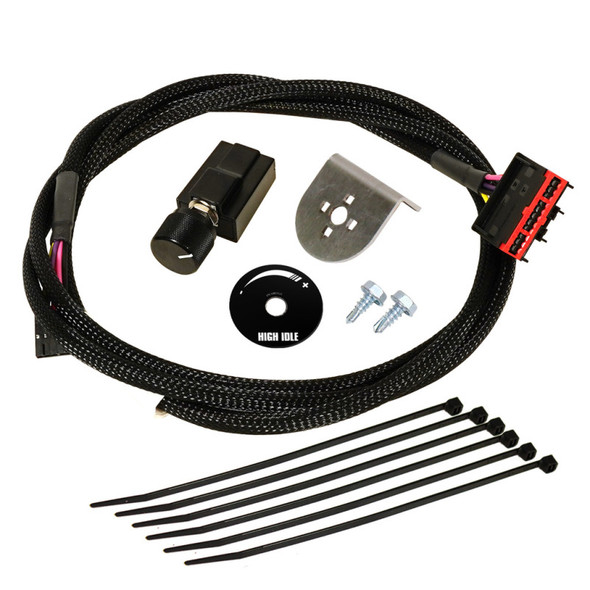
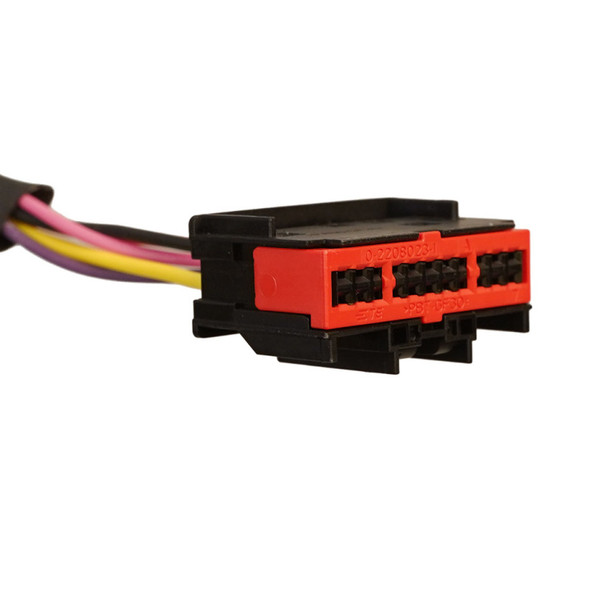
BD Diesel 17-22 Ford F-Series High Idle Control Kit - 1036616
BD Diesel
$125.95BD Diesel Performance is unique among its peers in that it designs, manufactures and distributes a wide range of products specifically engineered for performance diesel applications. Located in...$125.95 -

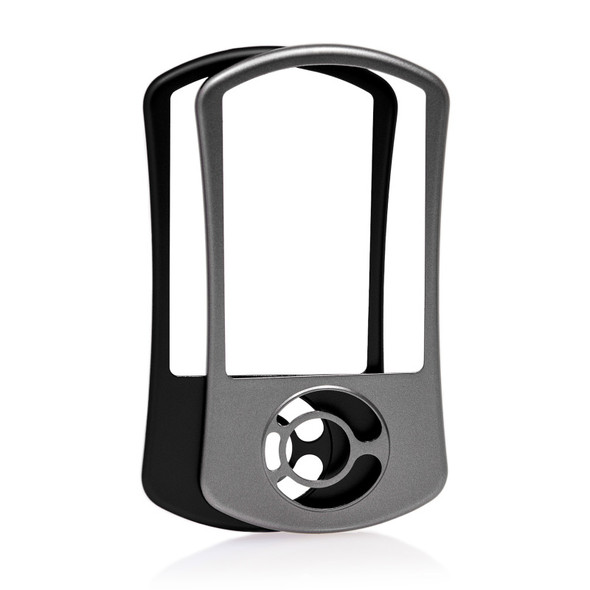
Cobb 17-19 Porsche 718 Cayman / Boxster Accessport V3 w/ PDK Flashing - AP3-POR-010-PDK
COBB
MSRP: $2,540.00$2,286.00Will this fit my Porsche?Confirm vehicle fitment before purchase; this programmer and tuner requires exact model year compatibility for optimal operation.Is this tuner difficult to...MSRP: $2,540.00$2,286.00 -

Ford Racing 2025 Ford Bronco 2.3L EcoBoost Performance Calibration - M-9603-B23A
Ford Racing
MSRP: $850.00$768.36What is the warranty period for FR Calibrations?FR Calibrations are covered under a limited warranty; confirm specific terms upon installation to ensure optimal Programmers & Tuners longevity.Does FR...MSRP: $850.00$768.36 -
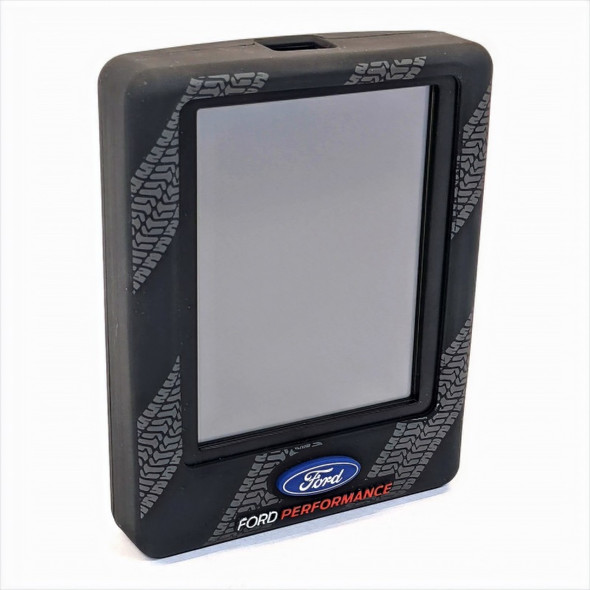
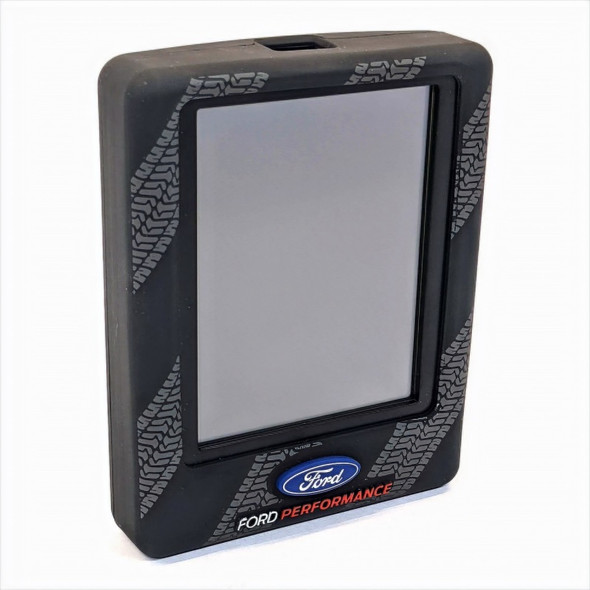
Ford Racing Procal 4 Calibration Delivery Tool - M-12655-F
Ford Racing
MSRP: $510.00$509.61Can the FR Calibrations programmer be used with multiple vehicles?FR Calibrations programmers are designed for single-vehicle use; confirm fitment for your specific Ford vehicle before purchase and...MSRP: $510.00$509.61 -
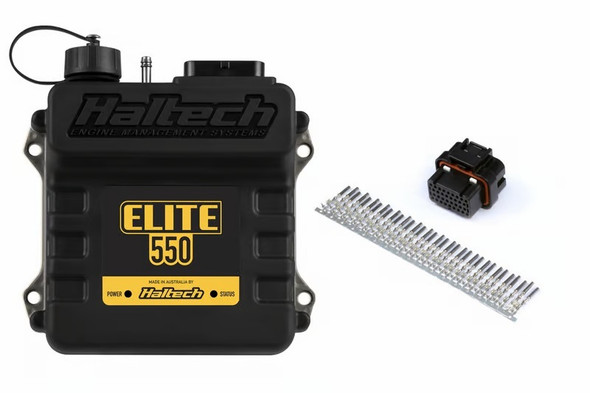
Haltech Elite 550 Universal ECU w/Plug & Pin Set - HT-150401
Haltech
$1,000.00What engine parameters does the HAL Elite 550 ECU control?The HAL Elite 550 ECU precisely manages fuel injection and ignition timing for optimal engine performance and power delivery.Is professional...$1,000.00 -


Banks Power 17-19 GM 2500 6.6L L5P Derringer Tuner (Gen 2) w/ 1.8in iDash - 66692
Banks Power
MSRP: $854.44$769.00Will the Banks Derringer Tuner void my factory warranty?This programmer and tuner is designed for plug-and-play installation, leaving factory programming intact to minimize warranty concerns.How does...MSRP: $854.44$769.00 -

Haltech Elite 1500 ECU w/Plug and Pin Set - HT-150901
Haltech
$1,828.12What is the primary function of the Haltech Elite 1500 ECU?This ECU delivers precise fuel and ignition control, unlocking peak engine performance for your vehicle with advanced tuning capabilities...$1,828.12 -

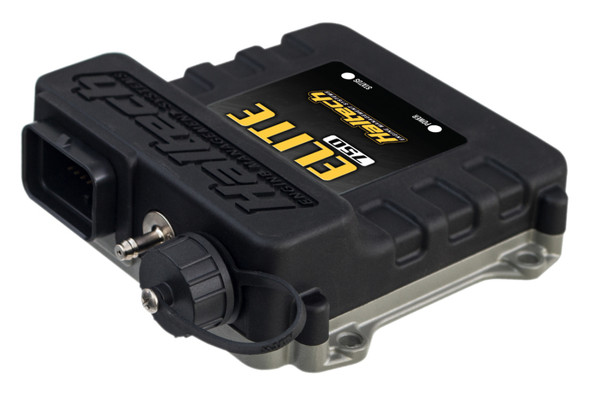
Haltech Elite 750 Premium Universal Wire-In Harness ECU Kit - HT-150604
Haltech
$1,614.00Will this ECU fit my specific vehicle model?Confirming precise fitment with your vehicle is essential before purchasing the HAL Elite 750 ECU for optimal integration.Can I install this ECU...$1,614.00 -

Tazer 19-21 RAM 1500 DT/2021 RAM TRX Tazer DT Programmer - Z_TZR_DT
Tazer
$329.00Does the ZAT Programmer Tazer require professional installation?Professional installation is recommended for the ZAT Programmer Tazer to ensure optimal and safe integration with your vehicle's...$329.00 -
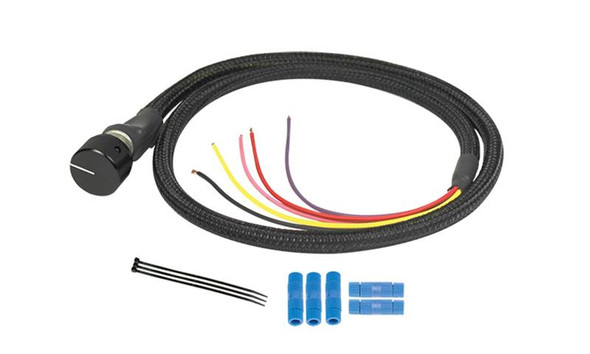

BD Diesel High Idle Control - 2003-2014 Ford Power Stroke 6.0L / 6.4L / 6.7L - 1036610
BD Diesel
$99.95Does the BD Diesel High Idle Control work with my 2007 Ford F-250?The BD Diesel High Idle Control, model 1036610, expertly integrates with 2003-2016 Ford Excursion and F-250 Super Duty trucks.Can the...$99.95 -

Tazer 13-21 RAM 1500 Classic/2500/3500 Tazer RAM Programmer - Z_TZR_RAM
Tazer
$249.00Is the ZAT Programmer compatible with my specific vehicle model and year?Confirm vehicle fitment before purchase to ensure seamless integration and optimal performance with the ZAT Programmer.What...$249.00
Programmers and tuners are the most direct path to unlocking factory-restricted power, optimizing fuel delivery, and calibrating engine management for real-world performance gains — from bolt-on street builds to full standalone race applications. Motor Sport Mayhem stocks 126 tuning solutions across 37 brands, spanning $3.99 to $3,371.71, covering everything from plug-and-play throttle controllers to full closed-loop standalone ECU systems.
Our Top Picks for Programmers & Tuners
Every product below was selected based on engineering quality, measurable performance results, and proven reliability across street, diesel, and competition applications.
AEM Throttle Controller
AEM | $277.95
Eliminates electronic throttle lag by remapping the accelerator pedal signal curve for immediate, linear throttle response without altering base engine calibration.
- Plug-and-play OBD-compatible install with multiple selectable response maps — no tuning software required
aFe Scorcher Module
aFe | $593.00
Intercepts and optimizes boost, fuel, and throttle signals on turbocharged applications to extract meaningful horsepower and torque gains from the factory ECU's available headroom.
- Dyno-developed calibration designed specifically for twin-turbo forced induction platforms — not a generic piggyback tune
ARB Linx Controller
ARB | $659.95
Centralizes accessory control and vehicle interface management via Bluetooth app, allowing programmable output channels to manage compressors, lockers, lighting, and ancillary systems from a single interface.
- Eight programmable outputs with voltage monitoring and fault detection — purpose-built for off-road accessory integration
ATS Solenoid Block Conversion Kit
ATS Diesel | $194.99
Replaces failure-prone governor pressure solenoid assemblies on older diesel automatic transmissions with an updated hydraulic control block that restores precise shift pressure regulation.
- Direct replacement for worn OEM solenoid bores — addresses the root cause of pressure-related shift flare and delayed engagement
AutoMeter InVision Digital Dash
AutoMeter | $1,360.83
Full-color LCD digital instrument cluster that consolidates multi-channel sensor data — RPM, speed, oil pressure, coolant temp, and more — into a single configurable dash display for race and street applications.
- Direct-fit dash replacement with programmable warning thresholds and data logging capability — no universal bracket fabrication required
Banks Power Derringer Tuner
Banks Power | $889.00
Active in-line tuning module that reads live sensor data and adjusts fuel and boost signals in real time, pairing with an integrated iDash monitor for on-the-fly data display and parameter control.
- Six user-selectable power levels with active safety monitoring — not a static signal modifier — prevents over-fueling under load
BD Diesel High Idle Control
BD Diesel | $342.95
Allows the operator to set and hold elevated idle RPM on diesel engines for faster cold-start warm-up, faster hydraulic system charge, and improved alternator output during stationary PTO or accessory use.
- Interfaces directly with the factory ECM — idle RPM is adjustable and driver-controlled without permanent ECU modification
Bikers Choice Mini Push Button Switch
Bikers Choice | $17.99
Compact universal push-button switch rated for auxiliary circuit control, providing a clean, low-profile solution for triggering accessories, ignition kill switches, or custom wiring harness outputs.
- Universal mount fitment with waterproof-capable construction — suitable for handlebar, dash panel, or custom fabricated switch pods
Bosch Oxygen Sensor
Bosch | $126.11
OEM-grade wideband-compatible oxygen sensor that feeds accurate exhaust gas lambda data back to the ECU, which is the critical feedback signal for closed-loop fueling accuracy and emissions compliance.
- Bosch is the OEM supplier for the majority of factory O2 sensor applications globally — this is the engineering baseline everything else is measured against
Boss Audio Off-Road Camera
Boss Audio | $54.99
Weatherproof front or rear camera designed for off-road and utility vehicles, integrating with display monitors to provide real-time visual monitoring of terrain, trailer hitch alignment, or accessory clearance.
- IP-rated housing with wide-angle lens — built for the vibration and exposure demands of off-road environments where consumer cameras fail
How to Choose the Right Programmer or Tuner
The single most important decision in this category is choosing the correct tuning architecture for your application: plug-and-play piggyback modules intercept sensor signals without touching the factory ECU, flash tuners overwrite the OEM calibration tables directly, and standalone ECUs replace the factory unit entirely. Each approach has a legitimate use case, and selecting the wrong one for your build results in either leaving power on the table or creating drivability and reliability problems that cost more to fix than the tuner cost to buy. The separator between budget units and professional-grade hardware is sensor resolution, closed-loop feedback capability, and the depth of the calibration tables — not marketing claims.
Key Specifications
For piggyback and inline signal-modifier tuners, the critical specification is whether the device reads and reacts to live sensor data or simply adds a fixed offset to a signal. Active, sensor-reading devices adjust output in real time based on load, temperature, and RPM — static signal clamps do not. On forced induction and diesel applications in particular, a static fuel or boost signal modifier can push the engine into unsafe operating territory under conditions the calibrator didn't anticipate. Always confirm whether the device includes over-boost, over-temperature, or detonation protection logic before purchase.
Flash tuners and OBD-based programmers are defined by the depth of their calibration access. Entry-level units write a fixed pre-loaded map and offer no user adjustment beyond selecting between two or three power levels. Mid-level and professional flash tools allow table-level editing of fuel maps, ignition timing, variable cam timing targets, rev limiters, and speed limiters — this is where real tuning begins. Confirm the device supports your specific ECU revision, as factory ECU firmware updates can break compatibility with older flash tool software versions.
Standalone ECU systems — used on purpose-built race cars, heavily modified engines, or engine swap applications where the factory ECU has no calibration support — require the most technical investment but offer complete control over every engine parameter. Key specs include the number of injector driver channels, ignition outputs, analog and digital sensor inputs, onboard barometric compensation, and whether the unit supports traction control or launch control natively. Wiring harness quality and connector sealing ratings matter enormously in race environments where vibration and heat cause failures that software cannot fix.
For diesel-specific tuning, pay close attention to transmission integration — aggressive fuel and boost increases that aren't paired with adjusted transmission line pressure and shift timing will destroy the automatic gearbox before the engine shows any stress. The best diesel tuning platforms monitor transmission input shaft speed, output shaft speed, and fluid temperature alongside engine parameters, adjusting fueling accordingly. If the tuner you're evaluating doesn't mention transmission protection logic, factor in the cost of a drivetrain upgrade when budgeting the build.
Tuning Architecture vs. Application — Technical Reference
| Tuning Type | ECU Interaction | Typical HP Gain Range | Best Application |
|---|---|---|---|
| Throttle Controller | Pedal signal intercept only — no ECU write | 0 hp (response improvement only) | Street driveability, eliminating throttle lag on drive-by-wire systems |
| Piggyback / Inline Module | Intercepts sensor signals pre-ECU; factory ECU still active | 15–60 hp depending on platform headroom | Lightly modified street/tow vehicles; reversible tune without ECU access |
| OBD Flash Tuner (pre-loaded maps) | Overwrites factory ECU calibration via OBD port | 20–80 hp on bolt-on builds | Street performance and mild track use; best paired with supporting mods like cold air intake and catback exhaust |
| Custom Flash / Remote Tune | Full ECU table access; calibrated to specific hardware combination | 40–150+ hp depending on supporting mods | Forced induction builds, turbo or supercharger upgrades, track-prepped vehicles |
| Standalone ECU | Replaces factory ECU entirely; full sensor and output control | Platform-dependent — limited only by engine hardware | Race-only builds, engine swaps, engines with no factory ECU support |
| Diesel Inline Tuner (active) | Real-time rail pressure, boost, and fuel signal management | 40–120 hp on common-rail diesel platforms | Diesel tow rigs, performance diesels with transmission protection requirements |
Price Guide
Entry ($3.99–$200): This range covers individual control switches, oxygen sensors, solenoids, and basic analog accessories that support tuning builds rather than perform tuning themselves. Appropriate for wiring harness components, replacement sensors, and auxiliary control switches. Not where you'll find ECU-level tuning capability.
Mid-range ($200–$900): The most populated and most purchased segment — this is where serious plug-and-play tuners, active inline diesel modules, throttle controllers, and entry-level flash programmers live. Most street performance and towing-focused customers find everything they need here, particularly when pairing a tuner with intake and exhaust upgrades for a full bolt-on package.
Premium ($900–$3,371.71): Full-featured standalone ECU systems, professional-grade wideband and data logging platforms, and complete digital dash and engine management integration kits occupy this tier. The cost is justified on forced induction race builds, high-horsepower engine swaps, and competition vehicles where factory ECU limitations are a hard ceiling. HP Tuners MPVI credits, Haltech Elite and Nexus systems, and COBB Accessport Pro configurations with professional dyno calibration live here — these are tools for builders who have already maximized everything else in the system.
Who Is This For?
Programmers and tuners serve a wider range of builders than almost any other performance category — from daily drivers chasing better throttle response to full race teams managing closed-loop fuel control on purpose-built competition engines.
Easy DIY Install — 8.9/10
This category scores highest in DIY installability, and that reflects a genuine design trend in modern plug-and-play tuning hardware — most current piggyback modules, throttle controllers, and OBD flash devices require no soldering, no wiring harness modification, and no tuning software knowledge to install and activate. The reality is that a competent home builder can complete the majority of installs in under 90 minutes using hand tools. The minority of products requiring professional installation — standalone ECUs and custom harness builds — make up a small percentage of the catalog and are clearly identified by their complexity and price point.
Engine Performance — 8.7/10
Engine performance is the core use case for this entire category, which is why it scores 8.7 across 138 products. Tuning software and ECU programmers directly manipulate the variables that determine engine output: injector pulse width, ignition advance, boost pressure targets, variable valve timing angles, and rev limit. No other category of hardware modifies all of these simultaneously — bolt-on parts like intakes and exhausts move air more efficiently, but the tune is what tells the engine how to exploit that improved airflow. Pairing tuning hardware with supporting engine components is how compound power gains are achieved.
Street Performance — 8.0/10
Street performance applications score 8.0 because the category delivers real, measurable results on vehicles that still pass emissions, run pump fuel, and drive in mixed conditions every day. The best street tunes optimize across a wide RPM and load range rather than peaking at wide-open throttle only — improved part-throttle response, better fuel economy under light load, and sharper transmission shift points are all accessible through calibration without hardware changes. This is where the piggyback module and OBD flash tuner market is most mature and most accessible.
Drag Racing — 7.9/10
Drag racing scores 7.9 because straight-line performance is one of the most straightforward tuning applications — the operating envelope is narrow, the load is consistent, and the power delivery window is predictable. Launch control RPM limits, two-step rev limiters, nitrous activation staging, and wide-open throttle fuel enrichment are all calibration parameters that directly translate to quicker elapsed times. The limitation in this score is that serious drag racing often requires custom professional calibration rather than a pre-loaded map, which pushes the effective solution into premium price territory.
Track / Autocross — 7.7/10
Track and autocross applications score 7.7 — competitive with drag racing but tempered by the broader operating demands of circuit driving, where throttle response across the full RPM range, consistent power delivery under sustained load, and thermal management matter as much as peak output. Data logging capability becomes a primary selection criterion for track use, as post-session analysis of AFR, knock events, coolant temperature, and throttle input helps identify where the car is losing time. Pairing a tuning platform with upgraded brakes and suspension produces the fastest track-to-track improvements.
Trusted Programmers & Tuners Brands We Carry
The brands that dominate this category have earned their positions through demonstrated engineering credibility, not marketing spend. Haltech has built its reputation on motorsport-proven standalone ECU platforms used in professional circuit and drag racing globally, with sensor resolution and processing speed specifications that meet genuine competition requirements. COBB Tuning's Accessport platform is the benchmark for OEM ECU flash tuning on performance-focused platforms, backed by a deep library of professionally developed calibrations. Banks Power brings over six decades of diesel and gas engine development to its inline tuning modules, with active sensor-reading logic that distinguishes its approach from static signal clamp competitors. HP Tuners has become the standard tool for professional tuning shops accessing GM, Ford, and Chrysler ECUs at the table level, with a credit-based licensing model that covers an enormous range of factory ECU revisions. aFe brings its dyno development infrastructure to its tuning module lineup, ensuring calibrations are tested on actual hardware combinations rather than estimated on simulation software. Dynojet's Power Vision and Power Commander platforms carry decades of dyno measurement heritage directly into the calibration products, with a database of community-verified maps that accelerates setup time for common applications.
Frequently Asked Questions
Are performance tuners and programmers worth the money?
For any vehicle with factory ECU calibration headroom — which describes the majority of modern turbocharged, supercharged, and diesel platforms — a quality tuner is one of the highest return-on-investment modifications available. Factory calibrations are deliberately conservative to account for fuel quality variation, emissions compliance in multiple markets, and warranty cost management. A professional calibration or well-developed pre-loaded map for a stock or lightly modified engine routinely delivers 15–40 horsepower and improved throttle response without any other hardware changes. The caveat is that cheap static signal clamp devices marketed as tuners deliver far less than their advertising implies — the actual calibration quality and sensor feedback capability of the device determine whether the gain is real.
What is the difference between a piggyback tuner and a flash tuner?
A piggyback tuner intercepts sensor signals between the engine's sensors and the factory ECU, modifying what the ECU sees to influence its fueling and boost decisions — the factory ECU remains active and in control. A flash tuner communicates directly with the factory ECU via the OBD port or bench connection and overwrites the calibration tables stored inside it, replacing the factory fuel maps, ignition timing tables, and boost targets with new values. Flash tuning gives deeper access to more parameters and generally produces more complete results, but it requires the tool to support your specific ECU software version. Piggyback devices are simpler to install and fully reversible, making them a practical choice when flash tool support doesn't exist for a given platform or when regulations require a returnable-to-stock solution.
Will a tuner void my vehicle's factory warranty?
In the United States, the Magnuson-Moss Warranty Act prevents manufacturers from voiding an entire warranty solely because an aftermarket part was installed — they must demonstrate that the aftermarket component caused the specific failure being claimed. However, ECU flash tuning is detectable by dealer diagnostic tools, and powertrain warranty claims on engines and transmissions are frequently denied when modified calibration is found. Piggyback modules and throttle controllers that do not write to the ECU are more defensible, as they can be removed before a dealer visit. The practical answer is that aggressive tuning on a vehicle under active powertrain warranty carries real financial risk, and buyers should factor that into their timing decision.
Do I need a tune when adding a cold air intake or exhaust?
On older speed-density fuel injection systems that calculate fueling based on manifold pressure rather than mass airflow, a retune after intake or exhaust changes is often necessary to maintain correct air-fuel ratio. On modern mass airflow-based systems, the ECU compensates automatically within its learned adaptation range — bolt-on intake and exhaust changes typically fall within this range and run acceptably without a tune. However, extracting the full power potential of those modifications requires a calibration update that adjusts fueling, ignition timing, and cam timing targets to take advantage of improved airflow. On any turbocharged application, an intake or exhaust modification that affects boost system backpressure should always be accompanied by a recalibration to keep boost targets accurate.
What tuning platform is best for diesel trucks?
The best diesel tuning platforms are those that monitor live engine and transmission sensor data simultaneously and adjust output signals in real time rather than applying a fixed increase. Diesel engines respond aggressively to fuel quantity and injection timing changes, and the automatic transmissions behind them are the most common collateral casualty of tuning done without transmission parameter management. Look for platforms that include transmission temperature monitoring, torque management integration, and adjustable power levels so the calibration can be moderated for towing conditions versus performance driving. For professional-level access to factory ECU tables on late-model common-rail diesel applications, HP Tuners and similar bench-flash platforms provide the deepest calibration control and are the tools of choice for professional diesel shops building high-output tow rigs and competition trucks.
Building something specific? Our performance specialists can help you select the right Programmers & Tuners for your application — street, track, or full race build.