
Transmission Coolers
- Product
- Qty in Cart
- Quantity
- Price
- Subtotal
-


Mishimoto 2024+ Toyota Tacoma Transmission Cooler - MMTC-TAC-24
Mishimoto
MSRP: $492.00$446.95Is this transmission cooler a direct bolt-on installation?Mishimoto transmission coolers feature pre-cut hoses and hose clips for a direct bolt-on installation, confirmed for your vehicle's specific...MSRP: $492.00$446.95 -
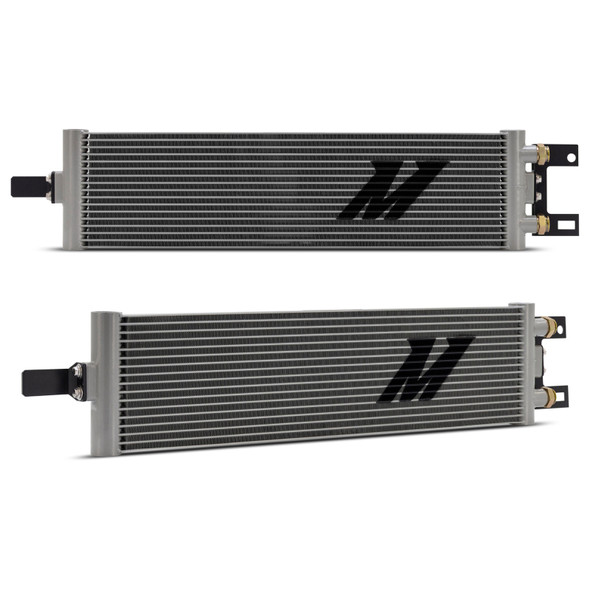
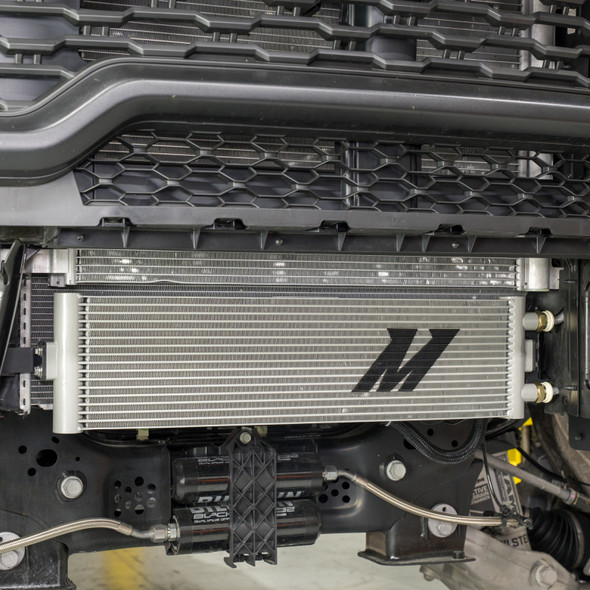
Mishimoto 2025+ Ram 1500 Transmission Cooler - MMTC-RAM-25
Mishimoto
MSRP: $440.00$399.95What are the primary benefits of upgrading my transmission cooler?Mishimoto transmission coolers deliver significantly cooler temperatures for extended performance and enhanced thermal stability,...MSRP: $440.00$399.95 -
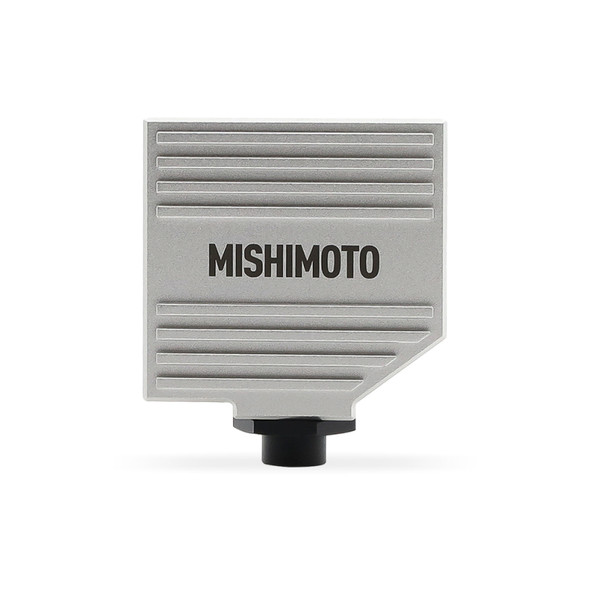

Mishimoto 12-19 Dodge V6 8HP Thermal Bypass Valve Kit FF - MMTC-GMP-TBVFF
Mishimoto
$99.95How does the Mishimoto Transmission Cooler improve performance?MM Transmission Coolers maintain optimal fluid temperature for consistent street performance and heavy towing, ensuring your...$99.95 -


BD Diesel Xtrude Trans Cooler w/Fan 5.5in - 1300611
BD Diesel
$354.95What is the main function of the BDD Xtruded Trans Cooler?The BDD Xtruded Trans Cooler significantly lowers transmission fluid temperatures, extending component lifespan and optimizing performance...$354.95 -
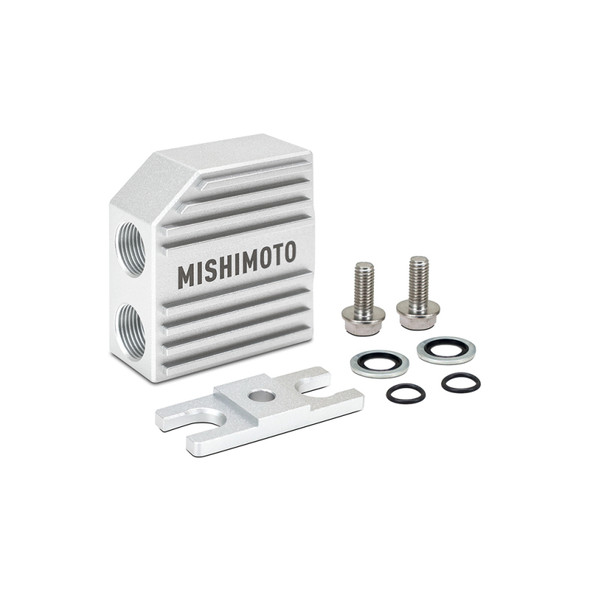

Mishimoto 2019+ RAM 6.7L Cummins Thermal Bypass Full Flow - MMTC-RAM2-TBVFF
Mishimoto
$99.95Will this transmission cooler fit my 2020 Ram 2500?Confirm fitment with your specific vehicle configuration before purchase to ensure proper integration with your 2020 Ram 2500's transmission cooling...$99.95 -

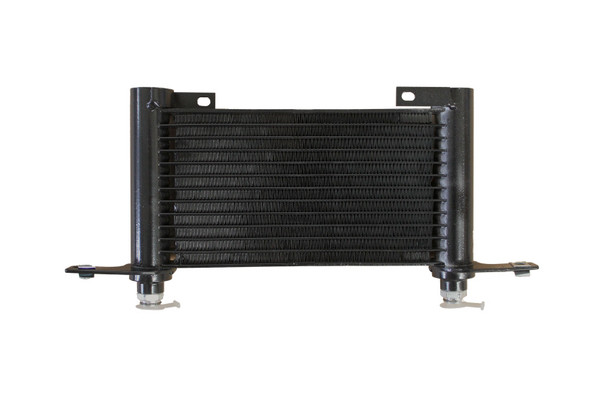
CSF 09-13 Cadillac Escalade 6.0L Transmission Oil Cooler - 20025
CSF
$63.59What is the primary function of a transmission cooler?Transmission coolers maximize transmission longevity by maintaining optimal operating temperatures, especially under demanding driving conditions...$63.59 -
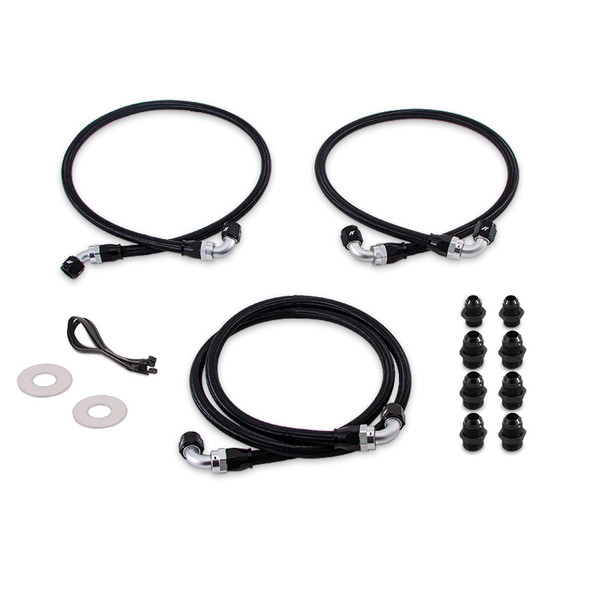

Mishimoto 06-10 Chevrolet/GMC 6.6L Duramax (LLY/LBZ/LMM) Transmission Cooler Line Kit - MMTCL-DMAX-06
Mishimoto
MSRP: $385.00$349.95What vehicles are compatible with Mishimoto Transmission Coolers?Mishimoto transmission coolers fit 2006-2010 Chevrolet Silverado 2500 HD/Classic and 3500, plus compatible GMC Sierra models.Is...MSRP: $385.00$349.95 -


Mishimoto 01-05 Chevrolet/GMC 6.6L Duramax (LB7/LLY) Transmission Cooler Line Kit - MMTCL-DMAX-01
Mishimoto
MSRP: $385.00$349.95What is the primary purpose of an aftermarket transmission cooler?An aftermarket transmission cooler's primary purpose is to manage excessive heat, thereby extending the lifespan of your vehicle's...MSRP: $385.00$349.95 -
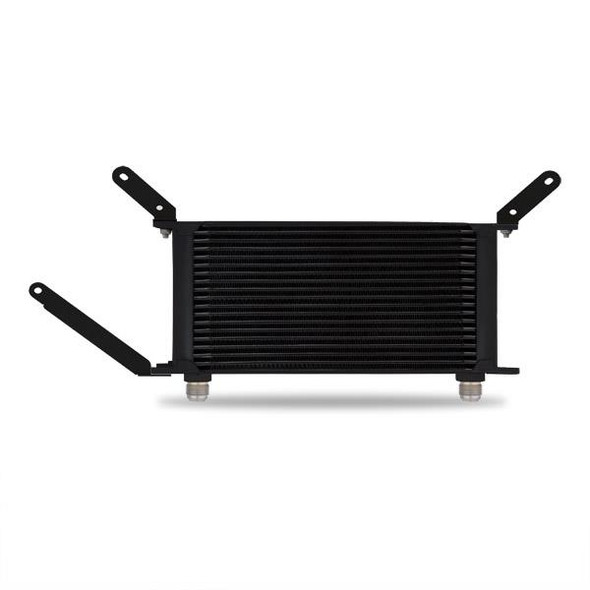
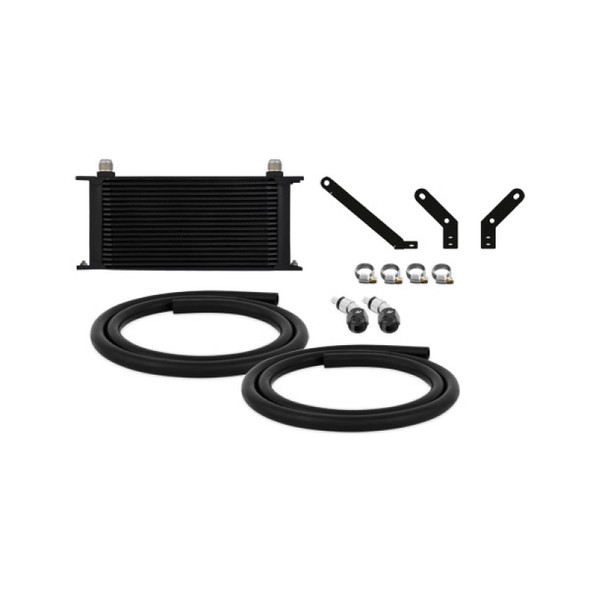
Mishimoto 15 Subaru WRX CVT Transmission Cooler Kit - Black - MMTC-WRX-15BK
Mishimoto
MSRP: $439.00$398.95What transmission fluid temperature drop can I expect with the Mishimoto cooler?Mishimoto transmission coolers consistently deliver a 20 degree Fahrenheit drop in transmission fluid temperatures,...MSRP: $439.00$398.95 -

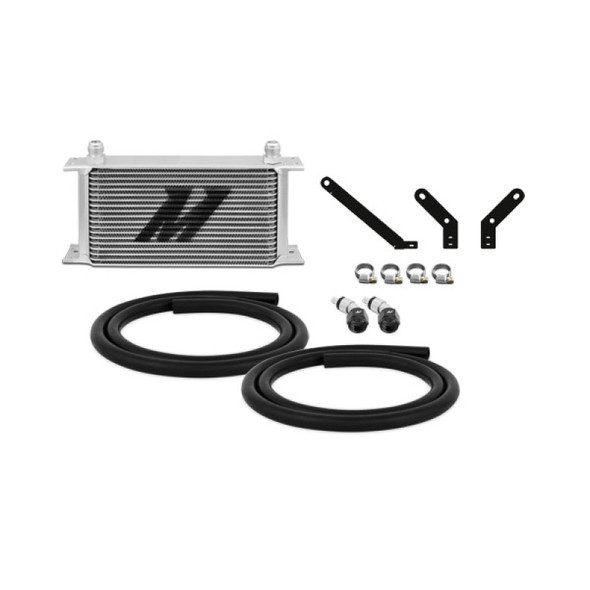
Mishimoto 15 Subaru WRX CVT Transmission Cooler Kit - MMTC-WRX-15
Mishimoto
MSRP: $439.00$398.95What is the primary function of the Mishimoto Transmission Cooler?This Mishimoto Transmission Cooler significantly reduces transmission fluid temperatures, offering consistent twenty degree...MSRP: $439.00$398.95 -
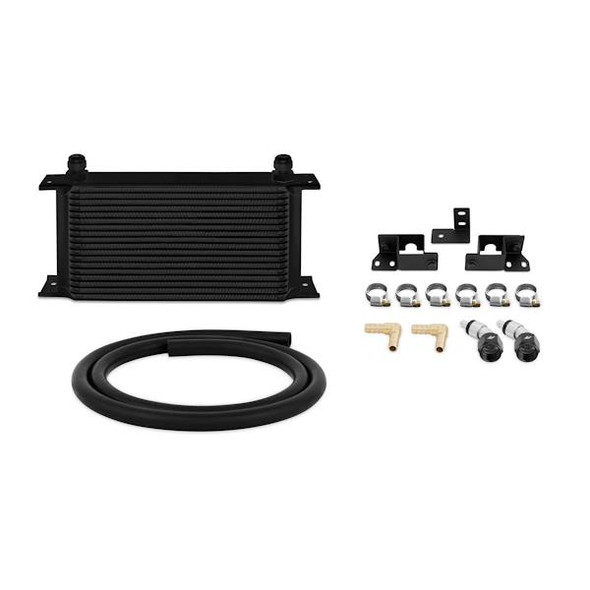

Mishimoto Transmission Cooler Kit for 2007-2011 Jeep Wrangler JK 3.8L 42RLE - Black - MMTC-WRA-07BK
Mishimoto
MSRP: $379.00$344.95Will the Mishimoto transmission cooler fit my 2007-2011 Jeep Wrangler?Mishimoto transmission coolers are engineered for a direct-fit installation on the 2007-2011 Jeep Wrangler, ensuring precise...MSRP: $379.00$344.95 -
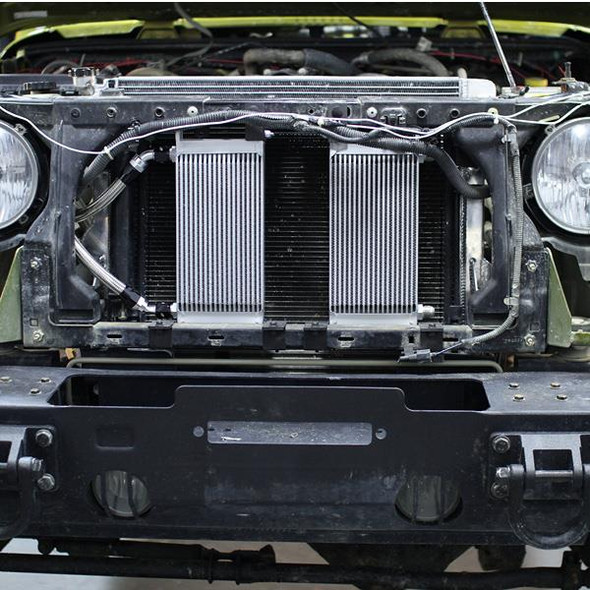
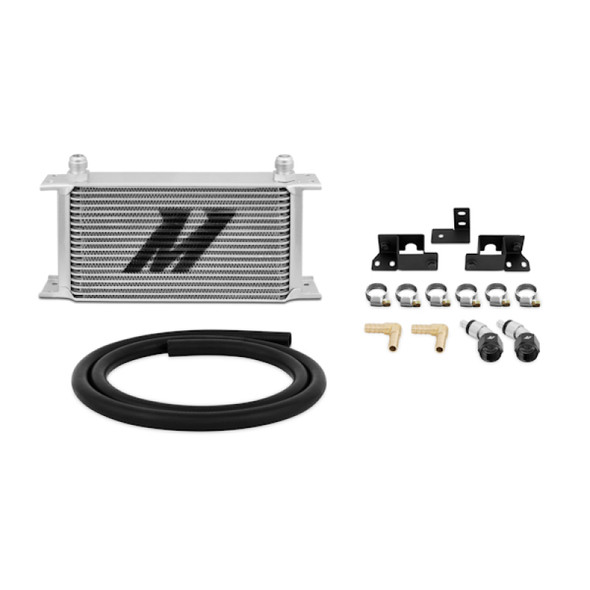
Mishimoto Transmission Cooler Kit for 2007-2011 Jeep Wrangler JK 3.8L 42RLE - MMTC-WRA-07
Mishimoto
MSRP: $379.00$344.95What transmissions does the MM Transmission Cooler fit for a Jeep Wrangler?The MM Transmission Cooler is engineered to fit 2007-2011 Jeep Wrangler models, ensuring precise integration for optimal...MSRP: $379.00$344.95
Transmission coolers are dedicated heat exchangers that reduce automatic transmission fluid (ATF) temperatures, preventing viscosity breakdown, clutch pack slippage, and catastrophic gear failure under sustained load. Motor Sport Mayhem stocks 71 transmission coolers across 45 brands — from entry-level tube-and-fin units to race-spec stacked plate coolers — priced from $1.38 to $2,390.00.
Our Top Picks for Transmission Coolers
Every product below was selected based on engineering quality, proven real-world thermal performance, and value across street, tow, and competition applications.
AER Coolant Pumps
Aeromotive | $375.55
A 27 GPM high-flow electric pump engineered to maintain consistent fluid circulation through auxiliary cooling circuits even at idle or low engine speeds.
- Remote-mount design enables flexible installation in tight engine bays where mechanical pump clearance is a limiting factor
AFE Radiators
aFe | $1,268.00
Bar-and-plate construction delivers significantly higher core density and burst pressure tolerance than OEM tube-and-fin designs, supporting integrated transmission cooling circuits.
- GT Series core engineering provides thermal headroom critical for vehicles operating in high-ambient or off-road environments with sustained drivetrain loads
AMS Expansion Tanks
AMS | $449.95
An auxiliary tank solution that expands thermal system capacity, reducing pressure cycling and fluid aeration in high-demand cooling circuits.
- Precision-machined aluminum construction eliminates the plastic fatigue and micro-cracking that causes OEM reservoir failures under heat soak
AND Cooling Plates
Anderson Composites | $539.10
A composite radiator cover that manages underhood airflow direction, reducing heat soak recirculation and improving cooler inlet air temperatures.
- Carbon fiber construction sheds heat rapidly rather than retaining it like OEM plastic covers, contributing to lower ambient temperatures across the entire cooling stack
AWE Heat Exchangers
AWE Tuning | $995.00
A liquid-to-air heat exchanger engineered to dramatically reduce charge temperatures, protecting transmission and drivetrain components from the cascading heat generated by forced induction systems.
- ColdFront core geometry maximizes surface area-to-volume ratio, delivering competition-grade thermal rejection in a factory-footprint package
BDD Xtruded Trans Coolers
BD Diesel | $999.95
A double-stacked xtruded tube transmission cooler that nearly doubles core surface area over single-pass designs, built specifically for heavy-duty towing and diesel performance applications.
- Universal 1/2-inch tubing fitment and complete kit packaging make this one of the most installation-ready options for trucks operating near or above GVWR on a regular basis
BX Radiators
BLOX Racing | $180.00
A 2-row aluminum radiator that provides a meaningful upgrade over OEM cooling capacity at an accessible price point for sport compact platform builds.
- Direct-fit core dimensions maintain factory bracket and hose routing, making this a straightforward upgrade path for budget-conscious builds that still demand reliable thermal management
BMR Radiator Supports
BMR Suspension | $199.95
A tubular steel radiator support that replaces the OEM stamped unit to eliminate flex, correctly position the cooler core, and maintain consistent airflow gap tolerances under hard cornering and acceleration loads.
- Integrated sway bar mount adds chassis functionality, making this a dual-purpose structural upgrade that directly supports cooling system geometry
BOS Water Pumps
Bosch | $226.46
A 50W OE-grade electric water pump that delivers demand-controlled coolant flow independent of engine RPM, maintaining consistent coolant velocity through auxiliary transmission cooling circuits at all operating speeds.
- OE fitment precision and Bosch electrical manufacturing standards make this a reliable foundation for any system where coolant pump failure would compromise the entire thermal management strategy
COBB Radiator Shroud
COBB | $435.00
A carbon fiber radiator shroud engineered to seal the gap between the fan assembly and radiator core, ensuring all fan-pulled airflow passes through the cooler rather than recirculating around it.
- Carbon fiber material choice reduces radiated heat absorption versus OEM plastic shrouds, maintaining lower ambient temperatures in the cooling stack during slow-speed or stationary high-load scenarios
How to Choose the Right Transmission Cooler
The single most important separator between an adequate transmission cooler and a genuinely effective one is core construction type. Tube-and-fin coolers — which use round or oval tubes bonded to corrugated fins — are inexpensive and adequate for light-duty or mild street use, but their large internal fluid channels create laminar flow conditions that limit heat transfer efficiency. Stacked plate and bar-and-plate designs force ATF through narrow, turbulent passages across a much larger surface-contact area, dramatically improving heat rejection per unit of core volume. When a cooler fails prematurely, it is almost always either a core that was undersized for the application, a design whose joints couldn't withstand system pressure pulses, or a unit installed with inadequate airflow — not a materials defect in a properly rated component.
Key Specifications
Core size is the primary capacity variable: width × height × thickness determines total surface area, and the relationship is not linear — doubling thickness does not double capacity because interior rows receive pre-heated air from the front rows. For most street-plus-occasional-track applications, a cooler with at least 150–200 square inches of face area and a stacked plate or bar-and-plate core will outperform OEM by a meaningful margin. For heavy towing or sustained competition use, look at coolers rated for 25,000 BTU/hour or above, and confirm the inlet/outlet port size matches your line diameter without reducers — every restriction in the circuit adds back-pressure that slows fluid velocity and reduces efficiency.
Material quality separates long-term survivors from short-term failures in thermal cycling environments. Brazed aluminum cores with full-penetration welds at the tank-to-core joint handle the expansion-contraction stress of repeated heat cycles far better than crimped or mechanically assembled units. Confirm the core material is at least 3003 or 6061 aluminum alloy — these grades maintain structural integrity above 300°F where cheaper alloys begin to soften. End tanks should be TIG-welded, not glued or press-fit, particularly on any application that sees sustained high-fluid-pressure events like launch control or aggressive downshifts.
Thermostat bypass valves — either built into the cooler or installed inline — are a frequently overlooked specification. Cold ATF is viscous and can cause pump cavitation and clutch pack damage at startup; a bypass valve that routes fluid around the cooler until it reaches operating temperature (typically 160–180°F) protects the transmission in cold-start conditions as effectively as the cooler protects it at high temperatures. Many OEM transmission coolers integrate this function, and aftermarket replacements that omit it force you to add an inline thermostat separately or accept the cold-start risk.
Port orientation and line routing have a direct impact on whether the cooler actually works as intended. A bottom-inlet, top-outlet configuration promotes natural thermosiphon flow and reduces the risk of air pockets forming in the core. Parallel flow configurations (both ports on the same end) require careful bleeding to eliminate trapped air that creates hot spots and localized core failure. Always confirm the cooler you select matches your available mounting location's airflow direction — a cooler mounted sideways in a location that only receives oblique airflow may perform no better than the OEM unit it replaced.
Transmission Cooler Sizing Reference by Application
| Application Type | Recommended Core Face Area | Recommended Core Type | Target ATF Operating Temp |
|---|---|---|---|
| Light street / commuter automatic | 80–120 sq in | Tube-and-fin or single-pass plate | 175–200°F |
| Spirited street / modified engine | 120–180 sq in | Stacked plate or bar-and-plate | 175–200°F |
| Track / autocross (occasional) | 180–240 sq in | Stacked plate, 3/4" ports minimum | 160–190°F |
| Dedicated road race / competition | 240–320 sq in | Bar-and-plate, brazed aluminum, AN fittings | 150–180°F |
| Light towing (under 8,500 lb GVW) | 140–200 sq in | Stacked plate with bypass thermostat | 175–200°F |
| Heavy towing / diesel (over 8,500 lb GVW) | 250–400+ sq in | Double-stacked or dual-pass bar-and-plate | 160–185°F |
Price Guide
Entry ($1.38–$150): This range covers tube-and-fin universal coolers, inline thermostat fittings, line adapters, and ancillary hardware. You will find functional basic coolers here suitable for light street automatics or as OEM-replacement thermal maintenance items — do not expect competition-grade core density or long-term durability under sustained heat cycling at this price point.
Mid-range ($150–$600): The vast majority of performance enthusiasts belong in this bracket. Stacked plate and bar-and-plate core coolers from established brands, complete kits with lines and fittings, and dedicated heavy-tow units all land here. Material quality jumps noticeably, brazed construction becomes standard, and you gain meaningful thermal capacity over OEM without paying for race-exclusive engineering.
Premium ($600–$2,390.00): Purpose-built race-spec units, complete engineered cooling system overhauls, and dual-circuit coolers with integrated fan assemblies occupy this range. The cost is justified for competition vehicles with sustained wide-open-throttle duty cycles, high-horsepower diesel tow rigs operating at gross vehicle weight rating regularly, or builds where a single transmission failure costs more than the cooler.
Who Is This For?
Transmission coolers serve a wider spectrum of builds than most enthusiasts realize — from daily drivers looking to extend service intervals to full competition cars where fluid temperature directly dictates lap times and component longevity.
Track / Autocross — 8.2/10
Track and autocross applications score at the top of the usage matrix because repeated high-speed acceleration and aggressive braking cycles generate ATF temperatures that OEM coolers simply cannot manage in a session of any meaningful length. On track, fluid temperatures above 220°F begin degrading clutch pack friction material and accelerating oxidation of the fluid itself — both of which compound lap-over-lap rather than recovering during cool-down periods. A properly sized stacked plate or bar-and-plate cooler in a track application is not an upgrade — it is a prerequisite for protecting a transmission under conditions it was never factory-tested to survive repeatedly.
Racing Competition — 8.2/10
At the competition level, transmission cooling is a performance variable, not just a protection measure — cooler ATF maintains more consistent viscosity, which translates to faster, more repeatable shift response across every lap of a race. Competition builds score equally high as track/autocross because the duty cycle is even more demanding: sustained full-throttle intervals, aggressive launch control events, and zero tolerance for thermal degradation mid-race. Race-spec bar-and-plate coolers with AN-fitting ports and brazed aluminum construction are the only architectures that hold up reliably in this environment.
Heavy Towing — 8.2/10
Towing scores identical to competition use because the thermal physics are comparable — sustained high-torque transmission loading over extended time periods generates the same destructive heat cycles as a race circuit, just at lower vehicle speeds. The critical difference in towing applications is duration: a track session might last 25 minutes; a towing run at GVW on a mountain grade can last hours. Double-stacked or large-face-area plate coolers with bypass thermostats are the correct specification here, and the drivetrain investment protected by that cooler makes it one of the highest-ROI additions on any truck build.
Street Performance — 7.8/10
Street performance builds score high because any meaningful engine power increase — whether through a tune, forced induction, or bolt-ons — puts additional thermal load on the transmission that the OEM cooler was never sized to handle. A street performance transmission cooler is fundamentally insurance: the upgrade pays for itself the first time it prevents a $3,000–$6,000 automatic transmission failure caused by fluid breakdown during an aggressive on-ramp pull or repeated stoplight-to-stoplight acceleration. Most street performance applications are well served by a mid-range stacked plate unit with correct port sizing for their specific transmission fluid circuit.
Daily Driving Comfort — 7.1/10
Daily drivers score lower than performance applications but still represent a genuine use case, particularly in hot climates, stop-and-go urban traffic, and vehicles used for both commuting and occasional towing or spirited driving. The OEM transmission cooler on most vehicles is sized to just-adequate margins under ideal conditions — any sustained idling in traffic on a hot day pushes ATF temperatures higher than factory engineers intended as a normal operating condition. An aftermarket cooler on a daily driver extends fluid change intervals, reduces long-term wear on friction surfaces, and provides measurable peace of mind for higher-mileage vehicles where the cost of transmission replacement would be disproportionate to the vehicle's value.
Trusted Transmission Cooler Brands We Carry
The brands that consistently perform at the top of this category share two traits: they engineer for thermal cycling durability, not just peak-condition flow numbers, and they back their construction with real-world competition and fleet validation data. BD Diesel has built its reputation specifically in the diesel towing segment, where their double-stacked xtruded core designs handle the sustained high-torque thermal loads that destroy lighter-duty coolers. Mishimoto brings over 799 products of thermal engineering experience across cooling systems, with brazed aluminum core construction and a lifetime guarantee that reflects genuine confidence in their build quality. CSF operates as an OEM-tier supplier with a racing division, meaning their core geometry is validated against the same standards automakers apply to production cooling systems. Wehrli Custom Fabrication focuses on diesel and high-performance truck applications, manufacturing cooler hardware with the kind of weld quality and fitment precision that holds up under repeated high-pressure events. Fleece Performance rounds out the diesel-specific segment with a manufacturing approach centered on components that survive the demands of modified diesel powertrains operating significantly beyond factory torque ratings — their products are engineering solutions, not catalog parts.
Frequently Asked Questions
Are aftermarket transmission coolers worth it?
Yes — for any vehicle operating beyond light-duty street use, an aftermarket transmission cooler is one of the most cost-effective drivetrain protection investments available. OEM coolers are sized to pass emissions and meet warranty cost targets, not to provide thermal headroom for modified engines, towing, or performance driving. Every 20°F reduction in sustained ATF operating temperature is estimated to double transmission fluid service life, which directly extends clutch pack and solenoid longevity. The cost of a quality aftermarket cooler — typically $150–$600 — is a fraction of a single automatic transmission rebuild or replacement. The return on investment is not theoretical; it is measurable in fluid condition and component wear rates.
Are aftermarket radiators any good?
Aftermarket radiators from reputable manufacturers are not just good — they are frequently superior to OEM units in thermal capacity and long-term durability when the correct construction type is selected. The key distinction is between quality brands using brazed aluminum cores with TIG-welded end tanks and budget units using crimped plastic tank assemblies, which fail at the tank-to-core joint under thermal cycling. Top-tier aftermarket radiators use higher-density fin counts, wider core passages optimized for turbulent flow, and alloy grades that maintain structural integrity at sustained high temperatures. For any modified or performance application, a quality aftermarket radiator provides measurable reductions in operating temperature versus the OEM unit it replaces, which directly benefits every component in the thermal circuit including the transmission cooler loop.
Are aluminum coolant reservoirs better than plastic?
Aluminum coolant reservoirs are mechanically superior to OEM plastic units in every performance-relevant dimension: they do not develop micro-cracks from repeated thermal expansion and contraction cycles, they do not become brittle and fail catastrophically after years of heat exposure, and they dissipate conducted heat rather than retaining it. OEM plastic reservoirs are an acceptable compromise for factory applications where cost, weight, and packaging drove the design decision — but plastic degrades with every heat cycle, and the failure mode (sudden pressure loss from a cracked seam) is often catastrophic rather than gradual. For any vehicle operated in sustained high-temperature environments or modified to generate more heat than stock, aluminum tank construction provides confidence in system integrity that plastic simply cannot match over a full season of performance use.
Are aftermarket water pumps as good as OEM?
Aftermarket water pumps from OE-tier suppliers — like Bosch, which manufactures pumps for original vehicle assembly — are equivalent to OEM in quality and often superior in specifications designed for performance applications. The critical specification to evaluate is flow rate: stock water pumps are sized for factory thermal loads, and a modified engine with a larger radiator or additional heat exchanger in the circuit may need higher flow volume to maintain design coolant velocity. Electric water pumps offer a particular advantage in performance applications because they deliver consistent flow independent of engine RPM, ensuring adequate coolant circulation during low-speed idling when mechanical pump output is lowest and heat soak risk is highest. The caveat is that low-cost aftermarket pumps from unverified sources use inferior impeller materials and bearing assemblies that fail far earlier than OEM — brand selection matters significantly in this category.
Are all radiator brackets the same?
Radiator brackets are not universal — mounting geometry, core support width, bracket height, and bushing bore diameter vary significantly across platforms, and using incorrect brackets introduces misalignment that stresses the core and creates vibration-induced fatigue failures at the tank-to-core joint. Beyond fitment, the structural quality of the bracket directly affects how well the cooler core is positioned relative to the fan shroud — a mispositioned core that allows air bypass around the edges instead of through the face can reduce effective cooling capacity by 20–30% regardless of how good the core itself is. Performance brackets, like tubular steel radiator support replacements, also address the chassis flex issue that affects factory stamped supports on modified vehicles under hard acceleration, which can shift the cooler position and affect fan-to-core clearance at exactly the wrong moment. Always confirm bracket specifications against your specific core dimensions and mounting hole pattern before ordering.
Building something specific? Our performance specialists can help you select the right Transmission Coolers for your application — street, track, or full race build.