
Oil Separators
- Product
- Qty in Cart
- Quantity
- Price
- Subtotal
-

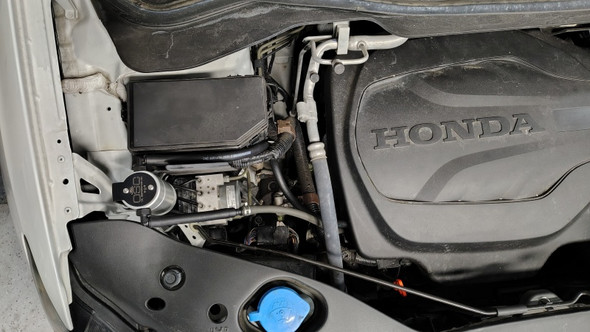
J&L 16-22 Honda Pilot PCV Side Oil Separator 3.0 - Clear Anodized - 3129P-C
J&L
$169.00What is the primary function of a JLT Oil Separator?JLT Oil Separators capture harmful oil blow-by from the crankcase, delivering superior engine protection and maintaining internal engine...$169.00 -
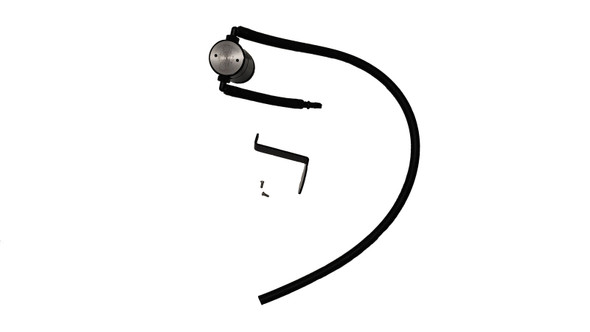

J&L 16-22 Honda Pilot PCV Side Oil Separator 3.0 - Black Anodized - 3129P-B
J&L
$169.00How often should I empty my JLT Oil Separator?This JLT Oil Separator for your 2016-2022 Honda Pilot requires emptying every 5,000 miles or when the tank is full, ensuring optimal engine protection...$169.00 -
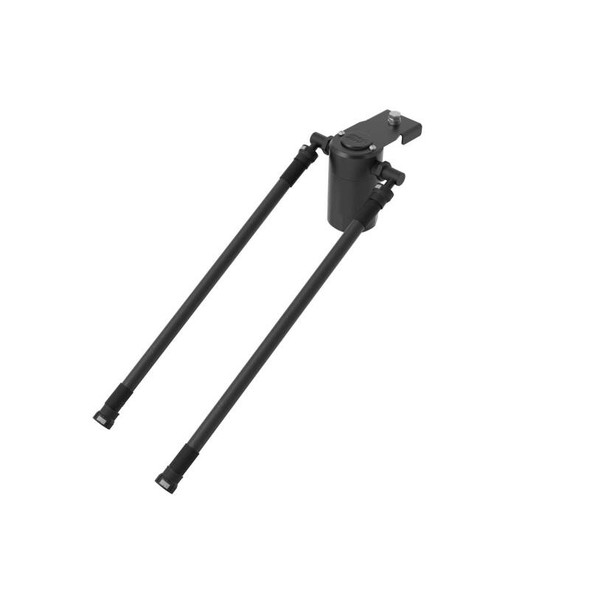

K&N 20-23 GM 2500/3500 6.6L Oil Separator Catch Can - 81-0812
K&N Engineering
$157.99What is blowby?Blowby is unburned fuel and combustion byproducts that leak past piston rings into the crankcase, contaminating your oil.How long does it take to install?Install the K&N Catch Can...$157.99 -

PERRIN 02-21 Subaru WRX / 04-21 STI Air Oil Separator FMIC Mounting Bracket - PSP-ENG-625
Perrin Performance
MSRP: $58.00$49.30Do I need to confirm fitment for my specific vehicle?Confirming fitment for your specific vehicle is crucial to ensure proper integration and optimal performance of this air oil separator fitting.Can...MSRP: $58.00$49.30 -
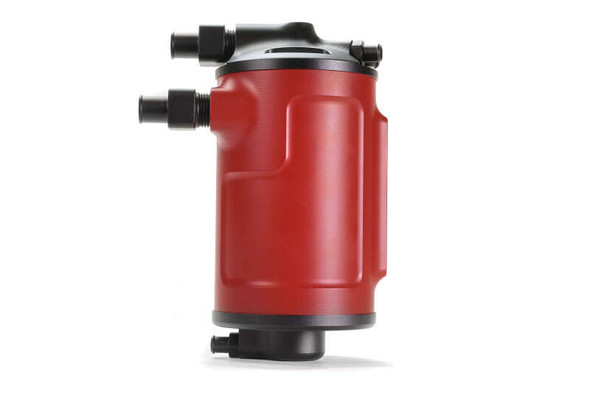
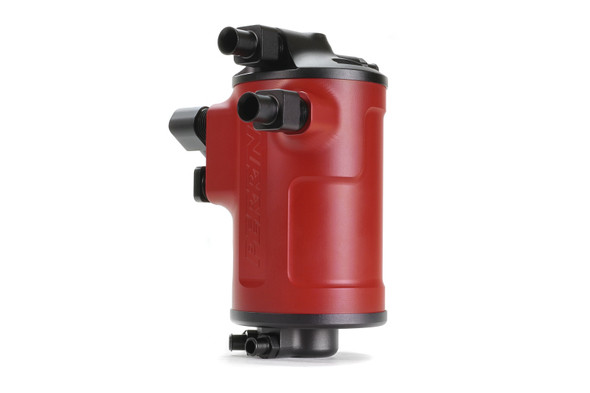
PERRIN BRZ/FR-S/GR86/86 Air Oil Separator - Red - PSP-ENG-624RD
Perrin Performance
MSRP: $505.00$429.25Does this oil separator fit my Subaru WRX STI?Confirm precise fitment for your Subaru WRX STI by consulting the vehicle compatibility guide before purchasing this essential oil separator.How...MSRP: $505.00$429.25 -
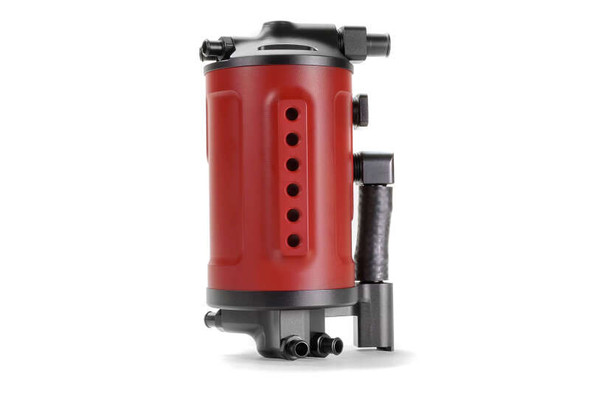

PERRIN 22-26 Subaru WRX Air Oil Separator - Red - PSP-ENG-622RD
Perrin Performance
MSRP: $505.00$429.25What is an air oil separator?An air oil separator is a critical engine component that effectively isolates and removes oil vapor from crankcase gasses before they are recirculated.How difficult is it...MSRP: $505.00$429.25 -
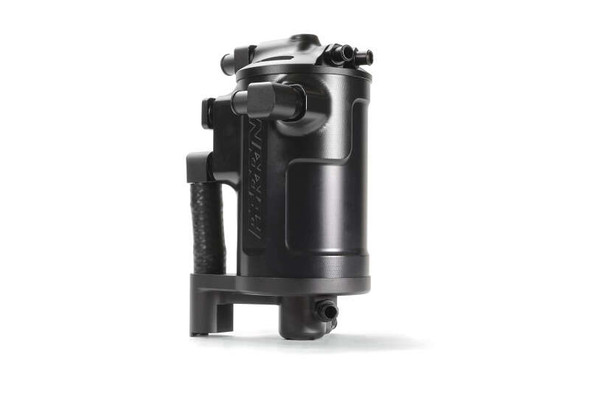
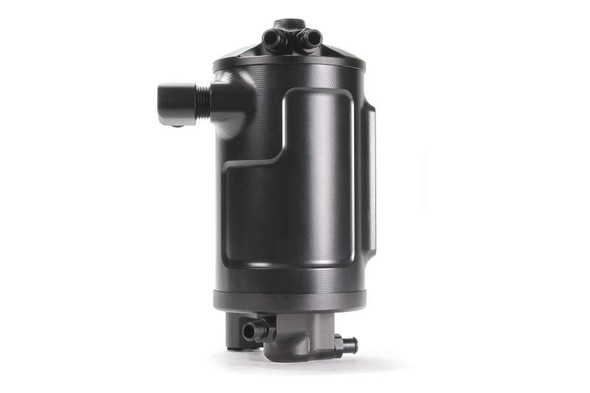
PERRIN 22-26 Subaru WRX Air Oil Separator - Black - PSP-ENG-622BK
Perrin Performance
MSRP: $505.00$429.25Does the PA Air Oil Separator fit my car?Confirm vehicle fitment precisely before purchasing this PA Air Oil Separator to ensure proper installation and performance for your specific application.How...MSRP: $505.00$429.25 -
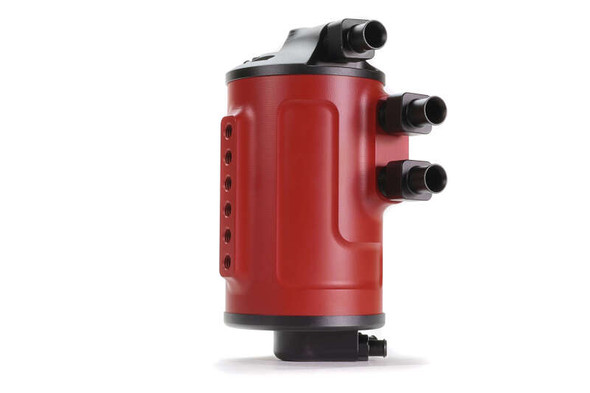
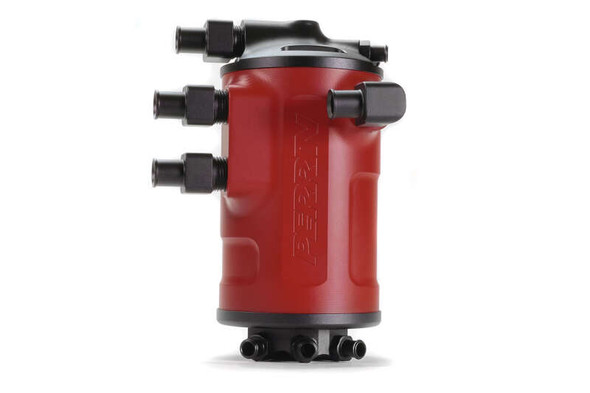
PERRIN 02-21 Subaru WRX / 04-21 STI Air Oil Separator - Red - PSP-ENG-620RD
Perrin Performance
MSRP: $529.00$449.65What is an oil separator?An oil separator, or air-oil separator, prevents crankcase blow-by vapors from contaminating your engine, ensuring optimal combustion and cleaner intake air.How often do I...MSRP: $529.00$449.65 -

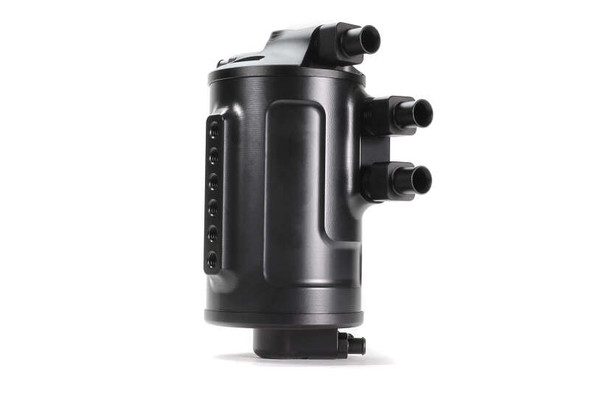
PERRIN 02-21 Subaru WRX / 04-21 STI Air Oil Separator - Black - PSP-ENG-620BK
Perrin Performance
MSRP: $529.00$449.65What is the primary function of an air oil separator?An air oil separator prevents harmful oil blow-by from contaminating your engine, ensuring cleaner operation and sustained performance.How often...MSRP: $529.00$449.65 -


J&L 05-10 Dodge Charger 6.1L Hemi Passenger Side Oil Separator 3.0 - Black Anodized - 3062P-C
J&L
$169.00Does the JLT Oil Separator require specific tools for installation?Professional installation is recommended for the JLT Oil Separator to ensure secure fitment and optimal performance. Consult your...$169.00 -

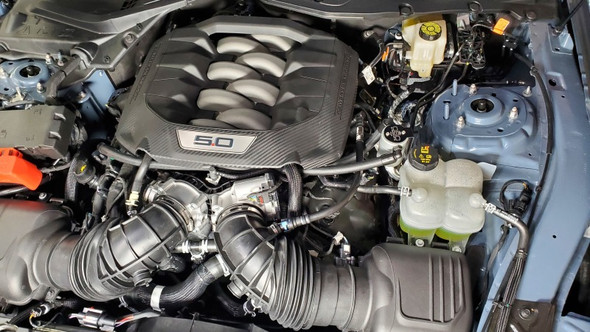
J&L 2024-2025 Ford Mustang 5.0L Oil Separator 3.0 PCV Side - Clear Anodized - 3091P-C
J&L
$169.00During the process of venting crankcase pressure back through your intake track, large amounts of oil, in the form of vapors can gather/accumulate in your intake tube, intake manifold runners and...$169.00 -
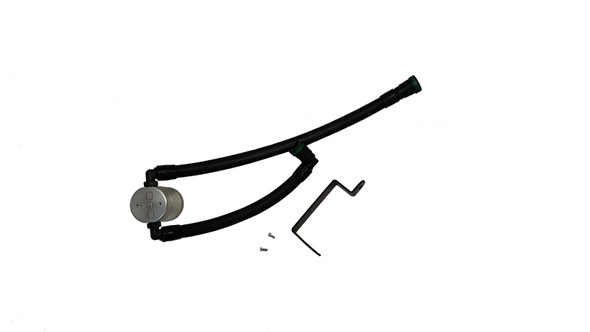
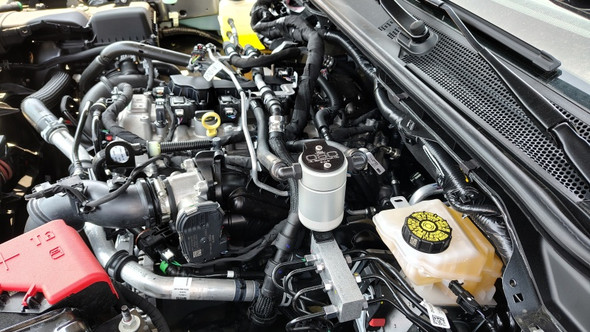
J&L 2025 Ford Bronco 2.3L/ 23-25 Ford Ranger 2.3L Separator 3.0 PCV Side - Clear Anodized - 3059P-C
J&L
$169.00What is the purpose of an oil separator in a vehicle?An oil separator captures harmful oil vapors from the crankcase, preventing them from entering the intake system and degrading engine performance...$169.00
An oil separator — also called a catch can or air-oil separator — removes oil mist and blow-by vapors from crankcase ventilation gases before they re-enter the intake system, protecting combustion chamber surfaces, sensors, and valves from carbon buildup and oil fouling. Motor Sport Mayhem stocks 139 oil separators ranging from $1.19 to $11,495.95 to cover everything from daily-driven street cars to full-competition race builds.
Our Top Picks for Oil Separators
Every unit below was hand-selected by our shop team based on proven performance, engineering quality, and real-world results across street and competition applications.
ACL Race Series Main Bearings
ACL | $329.72
Precision-engineered with extra oil clearance to maintain film integrity under the elevated crankcase pressures that make proper oil separation critical on high-output engines.
- Extra oil clearance spec pairs directly with aggressive crankcase ventilation setups where separator efficiency directly impacts bearing longevity
ACT Pilot Bearing
ACT | $17.00
A precision drivetrain bearing that demonstrates how proper sealing and oil control at every rotating assembly interface contributes to an overall leak-free, contamination-free engine build.
- Tight tolerance construction prevents oil migration at the drivetrain interface, keeping blow-by sources isolated to the crankcase ventilation circuit
AON Clutch Components
Action Clutch | $89.69
A race-spec clutch pedal stop that ensures consistent pedal travel, which matters on builds where both the drivetrain and engine bay cleanliness — including crankcase systems — are tuned to competition standards.
- Universal fitment makes it applicable across competition builds where full-system oil control and drivetrain precision go hand in hand
AEM Wiring Connectors
AEM | $430.95
K-type thermocouple connectors that allow precise oil temperature monitoring at the separator outlet, confirming that your catch can system is keeping oil vapor out of the intake tract under all operating conditions.
- Four-pack format supports full engine bay instrumentation, including monitoring downstream of oil separator installations on multi-port ventilation setups
AER Wiring Kits
Aeromotive | $358.52
A high-amperage dedicated wiring solution for performance fuel pumps, essential on builds where increased fuel delivery demand correlates with higher cylinder pressures and elevated crankcase blow-by requiring robust oil separation.
- 60A rated circuit with proper relay and fuse protection supports high-demand engine builds where oil separator upgrades are part of the complete fuel and ventilation system overhaul
AFE PFADT Mount Set
aFe | $660.00
Polyurethane subframe mounts that reduce drivetrain movement and chassis flex, stabilizing the engine bay environment where oil separator hose routing and connections must remain secure under hard cornering and acceleration loads.
- Firmer durometer bushing material prevents the subframe movement that can stress catch can mounting brackets and PCV hose connections on track-driven vehicles
ALF Wiring Harness
Air Lift | $97.23
A clean, engineered wiring harness solution that demonstrates the standard of electrical integration expected when installing any active or monitored component — including electronic oil separator drain valves — in a performance build.
- Second-generation design with improved connector sealing is applicable wherever moisture and oil vapor exposure demand reliable electrical connections in the engine bay
ABR CVT Belts
All Balls Racing | $200.40
A high-strength CVT drive belt engineered for powersport applications where belt case ventilation and oil separation from the CVT housing are as critical to longevity as they are in traditional internal combustion crankcase systems.
- Reinforced construction tolerates the heat and contamination that accumulate when CVT case ventilation is inadequate, making it a direct complement to powersport oil separator upgrades
ARX Tail Light Converters
AlphaRex | $395.00
LED tail light assemblies engineered with sealed housings that resist the same oil vapor and moisture contamination that makes proper crankcase separation essential on hard-working truck and SUV platforms.
- Sealed optical housing construction reflects the same contamination-resistance engineering philosophy that defines a quality oil separator — keeping oil out of places it does not belong
PA Alta Crank Pulley
Alta | $129.20
A lightened crank pulley that reduces parasitic rotating mass at the front of the engine, an upgrade that pairs directly with crankcase ventilation improvements because both target the same objective: reducing internal engine losses on supercharged platforms.
- Reduced rotational inertia at the crank nose changes crankcase pressure dynamics, making it an important variable to account for when sizing and positioning an oil separator on forced-induction builds
How to Choose the Right Oil Separator
The single most important factor separating an effective oil separator from a waste of money is baffle and filtration media design — a simple catch can with no internal baffling may trap some bulk liquid oil but will pass fine aerosol mist straight through into your intake. A properly engineered unit uses multi-stage separation: coalescing mesh or foam media to capture submicron droplets, an internal baffle labyrinth to create turbulent flow that forces heavier oil particles out of suspension, and a sealed drain port that allows accumulated oil to be emptied without introducing fresh air into the system. The housing material matters too — billet aluminum dissipates heat faster than plastic, which helps cool blow-by gases and condense vapor more efficiently. On forced induction applications, crankcase pressures spike dramatically under boost, and a separator rated only for naturally aspirated conditions will pressurize, leak, or pass contaminated blow-by directly into your charge pipe.
Key Specifications
Port sizing is the first spec to nail down. The inlet and outlet port diameter must match or exceed the internal diameter of your existing PCV hose to avoid creating a restriction in the crankcase ventilation circuit — a restriction that increases crankcase pressure and accelerates seal wear. Most passenger car applications run 3/8" to 3/4" porting, while dedicated race engines with dry-sump oiling and high-flow breather systems may require 1" ports or larger. Always measure your existing PCV circuit diameter before selecting a unit.
Internal volume determines how frequently you need to drain the separator and how much oil carryover it can handle during an extended session. Street-driven engines burning minimal oil can get by with a 150–200ml reservoir. A track car running an aging engine or a high-compression build with elevated ring blow-by should run 300ml or more to avoid overflow back into the intake during a long stint. On competition builds, some teams plumb the separator drain back to the oil sump through a check valve, eliminating the need for manual draining between sessions entirely.
Mounting orientation affects separator efficiency more than most buyers realize. Gravity is your friend — a unit mounted vertically with the drain at the bottom allows coalesced oil to fall away from the filtration media rather than re-entraining in the airstream. Horizontal installations can work with the right internal baffle geometry, but avoid any orientation that places the drain port higher than the filtration chamber. Also account for heat soak: positioning a separator directly adjacent to exhaust components reduces its ability to cool and condense blow-by vapors, which is why engine components placement strategy matters as much as the unit itself.
For turbocharged and supercharged engines, verify the separator is rated for pressurized PCV circuits. Many street-oriented catch cans are designed for atmospheric or mild vacuum conditions; under boost, a positive-pressure crankcase event can pop hose connections or burst undersized units. Look for units with pressure-rated fittings, reinforced hose barbs, and housing burst ratings that exceed your maximum manifold pressure by a comfortable safety margin — typically 2x operating pressure is the minimum standard for a well-engineered race component.
Oil Separator Sizing Guide by Engine Type and Application
| Engine Type / Application | Recommended Reservoir Volume | Minimum Port Diameter | Notes |
|---|---|---|---|
| Naturally aspirated street, low blow-by | 100–150 ml | 3/8" (9.5mm) | Single-stage coalescing media adequate; drain every 3,000–5,000 miles |
| Naturally aspirated track / autocross | 200–300 ml | 1/2" (12.7mm) | Multi-stage baffle required; drain before each event; billet housing preferred |
| Turbocharged street performance | 250–350 ml | 1/2"–5/8" (12.7–15.9mm) | Pressure-rated housing essential; check valve on drain recommended |
| Turbocharged competition / time attack | 350–500 ml | 5/8"–3/4" (15.9–19mm) | Dual-port inlet/outlet configuration; pressurized PCV circuit rating required |
| Supercharged street / strip | 300–400 ml | 5/8" (15.9mm) | High blow-by volume under boost; oversized reservoir prevents overflow during WOT runs |
| Dedicated race / dry-sump engine | 500 ml+ or continuous drain | 3/4"–1" (19–25.4mm) | Plumb drain return to sump via check valve; high-flow media mandatory |
Price Guide
Entry ($1.19–$130): Basic fittings, hose connectors, and simple single-chamber catch can units fall here — adequate for mild street engines with minimal blow-by where you just want to prevent intake valve carbon deposits without investing in a full baffled system. Expect plastic or thin-wall aluminum housings, limited filtration media, and smaller reservoir volumes.
Mid-range ($130–$500): This is where the majority of street performance and weekend track builds land, and for good reason — you get billet aluminum housings, multi-stage internal baffling, proper coalescing media, pressure-rated fittings, and drain valves that actually seal. The engineering step-up from entry level is significant, and the difference in oil contamination prevention on a forced-induction engine is immediately measurable in intake cleanliness.
Premium ($500–$11,495.95): Competition-grade units with dual inlets, integrated check valves, continuous-drain plumbing provisions, high-flow media sized for race-spec dry-sump and wet-sump configurations, and the precision machining tolerances demanded by sanctioning bodies in wheel-to-wheel racing. If your oil separator is protecting a built engine worth five figures, spending at the premium tier is straightforward insurance against a $15 catch can failing at 8,000 RPM on lap one.
Who Is This For?
Oil separators span a wide range of applications — from protecting a daily driver's intake valves to keeping a race engine's induction system clean through 12 hours of competition — and the usage data from our product catalog reflects that versatility.
Engine Performance — 8.5/10
Oil separators score highest in the engine performance category because their primary function is directly protecting engine internals and intake system cleanliness — both of which are foundational to making and sustaining power. Intake valve deposits from oil-contaminated PCV gases measurably reduce volumetric efficiency over time, and on direct-injected engines without port fuel washing, the problem accelerates sharply. A properly sized separator eliminates that degradation mode entirely, making it one of the highest-return engine performance investments available at any price point.
Racing Competition — 8.2/10
In competition applications, oil separator reliability is not optional — sanctioning bodies and technical regulations in many series mandate closed crankcase ventilation systems that do not vent raw oil vapor to atmosphere, and a failed or overflowing catch can means a DQ or a stop-and-go penalty. Beyond compliance, competition engines running extended high-RPM sessions generate blow-by volumes that would overwhelm a street-spec separator within a single stint, which is why race-grade units with large reservoirs and continuous-drain provisions score so highly in this use case.
Track / Autocross — 8.2/10
Track and autocross use creates a specific separator challenge: lateral and longitudinal g-forces slosh accumulated oil within the catch can reservoir, potentially forcing collected oil back through the outlet port and directly into the intake during hard braking or cornering. Baffled internal designs with check valves at the outlet port are specifically engineered for this scenario, and it is why a track-oriented buyer should never use a simple unbaffled can regardless of reservoir size. The 8.2/10 score reflects how well the category addresses this precise problem when properly spec'd.
Drag Racing — 8.2/10
Drag racing puts extreme short-duration cylinder pressure loads on the engine, generating high blow-by pulses during each hard launch and WOT pass that a separator must handle without backpressuring the crankcase. Units designed for drag applications prioritize high instantaneous flow capacity over sustained volume handling — wide-diameter ports and low-restriction media keep crankcase pressure from spiking under load. The consistent 8.2/10 score across competition applications confirms these products deliver where the engine is working hardest.
Street Performance — 7.6/10
Street performance applications score slightly lower not because separators are less effective on the street, but because the duty cycle is less extreme — blow-by volumes are lower, g-forces are moderate, and drain intervals can be monthly rather than between sessions. That said, turbocharged and supercharged street builds still benefit enormously from a quality separator, particularly at city driving temperatures where blow-by condensation rates are highest and the intake valve contamination rate on direct-injected engines is most acute.
Trusted Oil Separator Brands We Carry
The brands that dominate this category earn their position through engineering depth, not marketing — AEM brings precision sensor-grade manufacturing standards that translate directly into tightly toleranced separator housings and monitoring solutions, while Aeromotive's expertise in high-pressure fuel system components gives them the material and sealing knowledge required for pressurized crankcase circuits. Alta Performance has decades of application-specific development on forced-induction platforms, ensuring separator sizing and port placement is validated for the specific crankcase pressure curves of the engines they target. Air Lift's background in pneumatic sealing systems directly informs their approach to vapor-tight fittings and connection integrity under pressure cycling. ACL brings race-proven metallurgical standards from their bearing manufacturing heritage into every component they touch, reinforcing why their approach to oil system engineering is trusted in competition builds worldwide. All Balls Racing rounds out the powersport side of the category with purpose-built solutions for CVT and small-displacement engine ventilation needs where mainstream automotive separators are simply too large or incorrectly ported to install cleanly.
Frequently Asked Questions
Are 2-piece or 3-piece crankshafts better for managing crankcase blow-by?
A 3-piece crankshaft — where the crank is assembled from separate sections rather than forged as a single billet — introduces more potential sealing surfaces and junction points within the crankcase, which can influence blow-by pathways and crankcase pressure distribution at high RPM. Billet 2-piece and fully machined 1-piece forgings maintain tighter dimensional tolerances at the rod journal and main journal interfaces, which reduces ring land flex and keeps blow-by volumes lower over the engine's service life. For oil separator sizing purposes, an engine built around a high-quality 2-piece or fully machined crank will generate more predictable and typically lower blow-by volumes than a worn 3-piece assembly. The separator specification should always be based on actual crankcase pressure measurements rather than assumed values, regardless of crank construction.
Are ACL or King bearings better?
Both ACL and King Engine Bearings are genuine race-grade manufacturers with strong OEM supplier credentials, and the honest answer is that the better choice depends on application-specific oil clearance requirements and the specific engine's housing bore dimensions. ACL tends to offer a broader range of extra-clearance options in their race series lineup, which is valuable when building an engine that runs a separator-equipped dry-sump system with lower-viscosity oil. King's coating technology — particularly their pMaxBlack and pMaxKote lines — provides superior conformability in engines with minor bore distortion or surface finish variation. Most experienced engine builders will trial both brands' clearance specs on a specific block and select based on measured results rather than brand preference alone.
Are ACL race bearings coated, and does coating affect oil separator requirements?
ACL Race Series bearings use a polymer overlay coating on their tri-metal construction that improves embedability and conformability, allowing the bearing to tolerate brief oil film interruptions better than an uncoated bi-metal design. The coating does not change the separator specification for your build — separator sizing is driven by ring seal quality, crankcase volume, and operating RPM rather than bearing surface treatment. However, coated bearings are more tolerant of the momentary oil starvation events that can occur when a poorly designed or overflowing separator introduces air into the oiling circuit, making them a smart pairing with any aggressive PCV system overhaul. Coated race bearings and a properly sized oil separator together provide layered protection for the bottom end under competition conditions.
Are aftermarket head gaskets worth using when upgrading the crankcase ventilation system?
Absolutely — an upgraded head gasket is often the correct companion modification when overhauling the PCV and oil separator system on a high-output engine, because both modifications address the same root cause: elevated cylinder pressure. A factory head gasket on a boosted or high-compression build may be at or near its sealing limit, and the same combustion pressures that drive excess blow-by past worn rings also load the head gasket fire ring. Multi-layer steel gaskets from manufacturers like Cometic offer controlled crush thickness, higher clamp load tolerance, and fire ring designs matched to the bore diameter and surface finish of performance cylinder heads. Upgrading the head gasket and oil separator simultaneously addresses both the symptom (oil in the intake) and the structural weakness that allows it to worsen over time.
Are aftermarket ignition coils a factor in oil separator performance?
Indirectly, yes — ignition coil output directly affects combustion efficiency, and incomplete combustion events increase the volume of unburned hydrocarbons and blow-by gases entering the crankcase. An engine with weak or failing OEM coils will generate measurably higher blow-by volumes and place greater demand on the oil separator system, potentially overwhelming a correctly sized unit that performed fine with strong ignition. Upgrading to high-output aftermarket coils — which deliver faster rise times and higher peak spark energy — improves combustion completeness, reduces unburned fuel contamination in blow-by gases, and can meaningfully extend catch can drain intervals on engines where the ignition system was previously marginal. If you are sizing an oil separator for a build that is also receiving an ignition upgrade, factor in that your blow-by volume will likely decrease post-coil-upgrade and avoid oversizing the separator based solely on pre-upgrade measurements.
Building something specific? Our performance specialists can help you select the right Oil Separators for your application — street, track, or full race build.