
Engine Covers
- Product
- Qty in Cart
- Quantity
- Price
- Subtotal
-

Kuryakyn Tappet Block Accents For Twin Cam Chrome - 8389
Kuryakyn
$119.99What is the primary fitment for the Kuryakyn Engine Dress Up Covers C?KUR Engine Dress Up Covers C primarily fit Harley-Davidson Twin Cam engines manufactured between 1999 and 2017, offering precise...$119.99 -


Kuryakyn Starter Cover 99-06 Touring Chrome - 7846
Kuryakyn
$106.99What specific model years does the KUR Starter Cover fit?KUR Starter Covers are precisely tailored for 1999-2006 motorcycle models, ensuring a perfect integration with your existing engine covers.How...$106.99 -
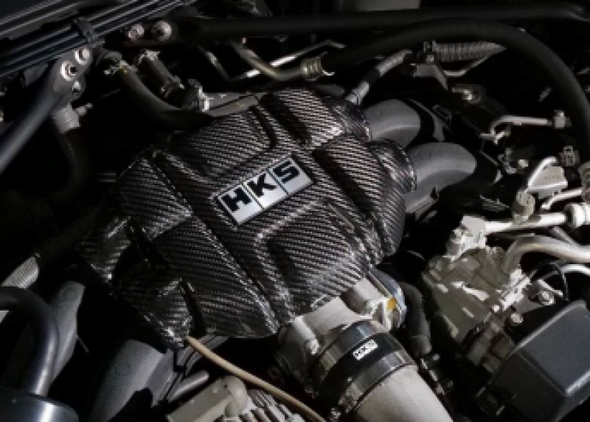
HKS 13-21 Toyota/Subaru 86/BRZ Dry Carbon Engine Cover (exc. 2016+ MT) - 70026-AT013
HKS
$396.00Will this HKS engine cover fit my vehicle?Confirm precise fitment for your specific vehicle model before purchasing this HKS engine cover for optimal installation.Is professional installation...$396.00 -
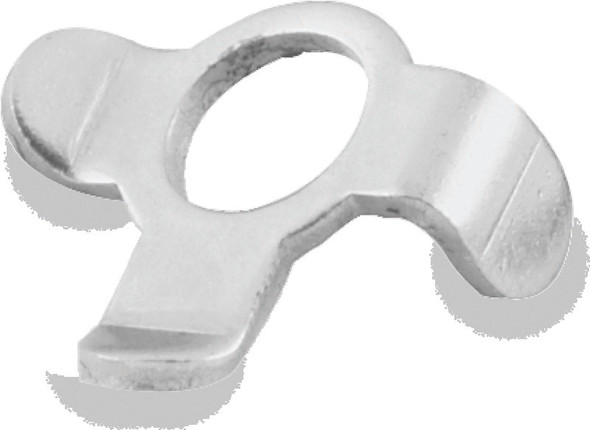
Bikers Choice 87-04 Big Twin Inner Primary Cover Lock Tabs Replaces H-D 33318-85 10 Pk - 603093
Bikers Choice
$34.99Ensure secure installation of your inner primary cover with these heavy-duty lock tabs, designed for Big Twin models from 1987-1999 and sold in convenient packs of 10.High strength steel for...$34.99 -

Bikers Choice 94-99 Sportster Chrome Derby Cover - 490265
Bikers Choice
$50.99What is the material of the BKC Derby Cover?The BKC Derby Cover utilizes precision-formed steel, ensuring exceptional durability and a lasting premium upgrade for your engine.How difficult is the...$50.99 -

Bikers Choice 70-99 Big Twin Exc Twin Cam 71-03 XL Chrome Ignition Cover Flat Replaces H-D 32584-88T - 488756
Bikers Choice
$7.99Complete your custom build with this flat chrome ignition cover made to fit selected Big Twin (except Twin Cam) and XL models with clean, classic style.Fits Big Twin 1970-1999 and XL 1971-2003Smooth...$7.99 -


Turbo XS 15-16 Subaru WRX Billet Aluminum Vacuum Pump Cover - Blue - W15-VPC-BLU
Turbo XS
MSRP: $78.31$57.16Does the Turbo XS vacuum pump cover fit my 2015-2016 Subaru WRX?Confirming fitment for your 2015-2016 Subaru WRX is crucial for this specific Turbo XS vacuum pump cover installation.Is professional...MSRP: $78.31$57.16 -

Kuryakyn Lightning Valve Covers 10-17 GL1800 Chrome - 3901
Kuryakyn
$246.99Does this product fit my vehicle?Confirm fitment using our comprehensive vehicle lookup tool to ensure these Kuryakyn engine covers precisely match your motorcycle's stock valve covers.Do I need...$246.99 -
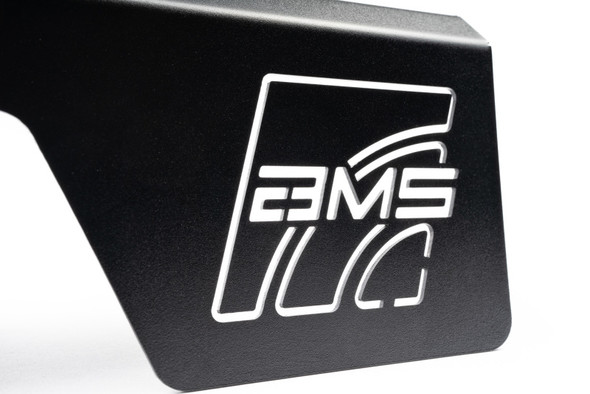
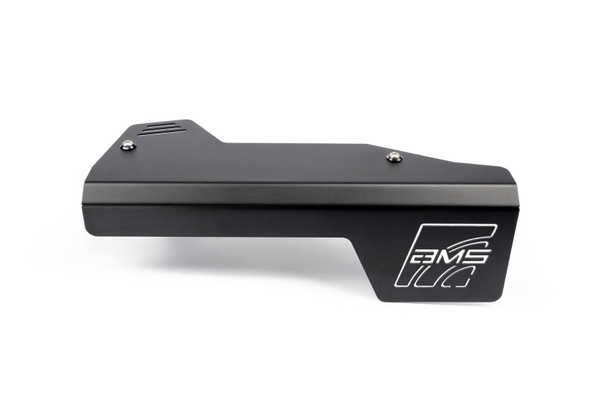
AMS Performance 2022+ Subaru WRX Engine Pulley Cover - AMS.50.06.0014-1
AMS
$106.41Will these engine covers fit my vehicle?AMS Engine Covers are designed for specific vehicle applications; confirming exact fitment prior to purchase is essential for optimal installation.Do I need...$106.41 -
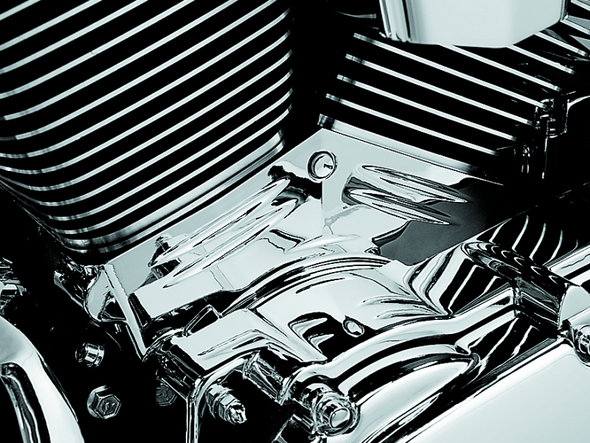
Kuryakyn Twin Cam Cylinder Base Cover 99-06 Chrome - 8143
Kuryakyn
$85.99What is the recommended installation process for the KUR Cylinder Base Covers C?KUR Cylinder Base Covers C installation requires professional expertise to ensure proper fitment and secure attachment...$85.99 -
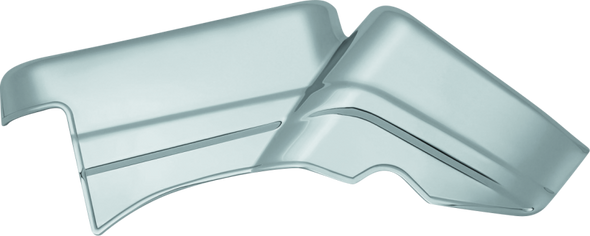

Kuryakyn Cylinder Base Cover Indian Models Chrome - 5737
Kuryakyn
$89.99Are these covers easy to install on my Indian Challenger?KUR Cylinder Base Covers C feature an easy bolt-on installation, designed for a straightforward upgrade on your Indian Challenger, requiring...$89.99 -
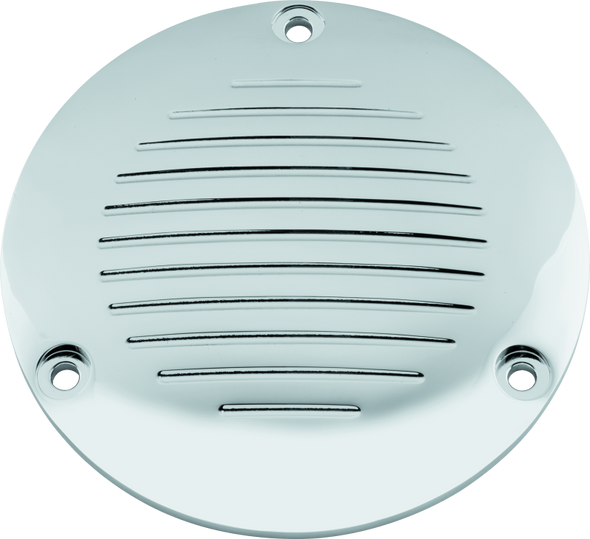
Bikers Choice 70-98 Big Twin Chrome Grooved 3 Hole Derby Cover - 490826
Bikers Choice
$71.99Does the Derby Cover C fit my motorcycle?The Bikers Choice Derby Cover C is engineered to fit 1970-1999 Big Twin models, ensuring a precise fit for your motorcycle's engine cover.How do I install the...$71.99
Engine covers — including valve covers, cam covers, and timing covers — are the first line of defense against oil contamination, heat soak, and debris intrusion in any performance or competition engine build. Motor Sport Mayhem stocks 129 in-stock engine cover options spanning entry gasket-replacement hardware through billet race-spec assemblies, with 161 brands represented and pricing from $1.19 to $11,495.95 to cover every build tier.
Our Top Picks for Engine Covers
Every product below was selected based on verified performance credentials, real-world fitment reliability, and proven value within its price segment.
ACL Race Series Main Bearings
ACL | $329.72
Tri-metal construction with controlled extra oil clearance spec delivers race-proven protection under sustained high-load operation.
- Extra oil clearance tolerance engineered specifically for boosted and high-RPM competition applications
ACT Pilot Bearing
ACT | $17.00
A precision-fit pilot bearing that ensures correct input shaft alignment at the crankshaft interface, preventing vibration and premature wear.
- Hardened steel construction tolerates the thrust loads generated by high-clamping-force performance clutch systems
AON Clutch Components
Action Clutch | $89.69
A universal race pedal stop that eliminates clutch pedal over-travel, delivering consistent engagement feel critical for track and drag racing launches.
- Adjustable stop point allows fine-tuning of clutch engagement bite point without modifying the factory pedal box
AEM Wiring Connectors
AEM | $430.95
K-type thermocouple inputs rated for accurate temperature sensing across a wide thermal range, essential for monitoring exhaust gas and coolant temps in competition builds.
- Four-pack format makes this ideal for multi-channel thermal monitoring across cylinder banks or intercooler inlet/outlet circuits
AER Wiring Kits
Aeromotive | $358.52
A 60-amp deluxe wiring kit engineered to deliver stable, uninterrupted power to high-demand fuel pumps without voltage drop under full-load conditions.
- Pre-terminated, relay-based design eliminates field-wiring guesswork and prevents voltage sag that causes lean conditions at peak power
AFE PFADT Mount Set
aFe | $660.00
Polyurethane subframe mounts engineered to reduce chassis flex and sharpen steering response without introducing the harshness of full-solid mounts.
- Durometer-tuned compound balances NVH control with the structural rigidity demanded by track and autocross applications
ALF Wiring Harness
Air Lift | $97.23
A second-generation wireless air management harness that integrates directly with Air Lift compressor systems for clean, reliable electronic height control.
- Plug-and-play connector architecture eliminates splicing and reduces installation time significantly versus custom-wired alternatives
ABR CVT Belts
All Balls Racing | $200.40
A performance CVT drive belt with reinforced cord construction rated for the high-shock load cycles of aggressive off-road and desert running use.
- Aramid fiber tension cords resist heat-related stretching that causes slip and power loss in sustained high-speed CVT operation
ARX Tail Light Converters
AlphaRex | $395.00
Full LED tail light assemblies with sequential turn signal capability that deliver faster activation response and dramatically reduced current draw versus incandescent OEM units.
- Direct OEM-connector fitment eliminates the need for load resistors or harness modification on factory-compatible wiring systems
PA Alta Crank Pulley
Alta | $129.20
A lightened underdrive crank pulley that reduces parasitic accessory load and rotational inertia, freeing measurable power at the crank without internal engine modifications.
- Billet aluminum construction provides the mass reduction needed for improved throttle response and rev rate on naturally aspirated and supercharged platforms alike
How to Choose the Right Engine Covers
The difference between a serviceable engine cover and a race-quality one comes down to four factors: material specification, sealing surface flatness, thermal resistance, and fastener retention integrity. Factory plastic or stamped steel covers warp under sustained heat cycles, lose clamping force at gasket interfaces, and in extreme cases crack under vibration loads that a performance engine produces routinely. When you're building for anything beyond mild street use, these failures translate directly into oil leaks, contamination, and lost laps.
Key Specifications
Material selection is the first decision. Cast aluminum offers the best balance of weight, thermal conductivity, and machinability for street and club-racing builds — it sheds heat faster than plastic and machines to a flat sealing surface that holds consistent torque without creep. Billet aluminum steps this up for all-out competition, offering tighter dimensional tolerances and the ability to integrate additional features like breather ports, baffling, or direct oil return provisions. For budget-conscious builds that still see occasional track use, quality OEM-replacement covers in factory materials are acceptable provided the gasket interface is inspected and the cover itself hasn't warped from a previous overheat event.
Sealing surface flatness is critical and frequently overlooked. A cover that's out of flat by more than 0.002 inches across its mating face will leak regardless of gasket quality or fastener torque. On any used cover, always check flatness with a precision straightedge before reuse — this is especially important on aluminum covers that have been overtorqued previously. The engine components you pair with a cover — particularly valve cover gaskets — should be matched to the cover material; silicone gaskets work better with aluminum, while cork-composite compounds suit cast iron applications.
Fastener pattern and thread engagement matter significantly under vibration. Competition covers should use coarse-thread fasteners with minimum six-thread engagement into a parent material — not into a repair insert unless it's a proper time-sert or keensert installation. Fine-thread fasteners in aluminum covers are acceptable for torque purposes but strip more easily if over-tightened during assembly. Always torque to spec with a calibrated tool; finger-tight plus a quarter-turn is a common field mistake that leads to pulled threads and persistent leaks.
Thermal considerations become important for covers that sit directly above exhaust ports or turbocharger hot-sides. In these positions, a cover with integrated heat shielding or an external thermal wrap solution reduces heat soak into the oil sitting above the valvetrain. Elevated oil temperatures above 270°F accelerate oxidation and viscosity breakdown — a problem that a correctly designed cover can partially mitigate by limiting radiant heat absorption. If your build runs a cooling system that's already working hard, reducing heat sources at every opportunity compounds the benefit.
Engine Cover Material and Application Reference Guide
| Cover Material | Max Continuous Temp | Sealing Surface Flatness Spec | Recommended Application |
|---|---|---|---|
| OEM Plastic / Composite | 250°F (121°C) | ±0.005 in | Stock street rebuild, daily driver, low-stress NA engines |
| Stamped Steel | 350°F (177°C) | ±0.003 in | Street performance, occasional track use, budget builds |
| Cast Aluminum | 450°F (232°C) | ±0.002 in | Street/strip, club racing, boosted street engines, endurance builds |
| Billet Aluminum (6061-T6) | 500°F (260°C) | ±0.001 in | Full race, drag, time attack, sustained high-RPM competition |
| Magnesium Alloy | 400°F (204°C) | ±0.0015 in | Weight-critical race builds, open-wheel, hillclimb |
| Carbon Fiber Composite | 300°F (149°C) | ±0.002 in | Aesthetic / cosmetic covers, low-heat-exposure locations only |
Price Guide
Entry ($1.19–$130): This tier covers replacement hardware, gaskets, seals, fasteners, and basic OEM-spec covers that restore factory function after a leak or damage event. Ideal for daily drivers and stock rebuilds where the goal is reliability, not performance gain. Quality varies — stick to known brands and verify gasket material compatibility with your specific coolant and oil chemistry.
Mid-range ($130–$500): The performance sweet spot where most enthusiasts land. Cast aluminum covers with integrated baffling, improved breather systems, and better gasket interfaces populate this range. You're buying measurably better thermal management, longer seal life, and often a significant weight reduction over OEM pieces — all relevant for street-performance and weekend track builds. Brands like ACL, Cometic Gasket, and Gates anchor this segment with verified race-use pedigree.
Premium ($500–$11,495.95): Billet construction, custom-machined sealing surfaces, integrated oil return provisions, and full race certification occupy this tier. The cost is justified in sustained competition where a single oil leak or cover failure ends a race weekend — or destroys an engine worth multiples of the cover price. Builders running GSC Power Division or Brian Crower valve train components inside typically match them with covers engineered to the same tolerance standard.
Who Is This For?
Engine covers serve every performance tier from weekend street drivers to full-competition race builds — the usage data reflects a category that skews heavily toward serious performance applications.
Engine Performance — 8.5/10
This is the highest-scoring use case in the category, and it reflects how directly cover quality affects what happens inside the engine. A properly sealed, thermally managed cover contributes to stable oil temperature, clean crankcase ventilation, and consistent valvetrain lubrication — all of which translate to repeatable power output. Builders chasing maximum performance from their engine components treat the cover as an integral part of the top-end package, not an afterthought.
Racing Competition — 8.2/10
At 191 products scoring 8.2/10, competition use is a core application for this category. Race engines operate at sustained RPM, elevated oil temperatures, and under vibration loads that stress every sealing surface repeatedly. Cover fastener retention, gasket crush consistency, and material stability under thermal cycling are not theoretical concerns at this level — they are the difference between finishing and retiring. Many sanctioning bodies also mandate specific cover configurations for catch-can and PCV routing compliance.
Track / Autocross — 8.2/10
Tied with racing competition at 8.2/10 across 181 products, the track and autocross segment demands covers that handle the sustained lateral G-loads that slosh oil away from standard baffling in OEM designs. Covers with integrated oil-control baffles and correctly positioned breather ports prevent the oil starvation and blow-by events that plague stock covers under hard cornering. This is often the first top-end upgrade a track-day driver makes after experiencing oil consumption issues on circuit.
Drag Racing — 8.2/10
Drag racing scores equally high at 8.2/10 across 147 products, driven by the extreme cylinder pressure events and violent launch loads that stress every engine fastener simultaneously. Cover integrity under a hard launch is non-negotiable — a loose cover at the staging line becomes a blown gasket by the 60-foot mark. The forced induction builds common in drag racing also produce elevated crankcase pressure that demands covers with robust PCV and breather provisions to prevent seal failures.
Street Performance — 7.6/10
Street performance scores a solid 7.6/10 across the largest product pool at 196 units, reflecting wide applicability but also the reality that street builds tolerate more variation in cover spec than competition builds do. For street use, the primary concerns are oil leak prevention, aesthetic improvement over factory plastic covers, and correct PCV routing for emissions compliance. An upgraded cast aluminum cover on a street build delivers real benefits in thermal management and leak resistance without requiring the tolerance standards of a full race piece.
Trusted Engine Covers Brands We Carry
The brands that dominate this category have earned their position through measurable engineering standards, not marketing. ACL brings decades of OEM-supplier-grade bearing and sealing technology backed by documented clearance specifications used by professional engine builders worldwide. Cometic Gasket sets the standard for precision-cut multi-layer steel gaskets and cover sealing solutions, with MLS technology that maintains crush consistency through thousands of heat cycles. ARP fasteners are the default choice for any performance cover installation where fastener stretch and clamping force retention are engineered requirements — their aerospace-grade thread forms and documented torque specs eliminate the guesswork that causes failures. GSC Power Division and Brian Crower bring valvetrain-level engineering discipline to their engine top-end components, ensuring that covers and associated hardware are matched to the extreme demands of their camshaft and spring combinations. Wiseco and Manley Performance round out the premium tier, where every component in the combustion chamber envelope — including how it's sealed and covered — is treated as a system-level decision rather than an individual part choice.
Frequently Asked Questions
Are two-piece or three-piece engine covers better?
Two-piece covers are generally preferred for performance applications because they reduce the number of sealing interfaces — every joint is a potential leak point under sustained heat and vibration. Three-piece designs are common on OEM applications where manufacturing and serviceability requirements drive the design, but each additional seam requires its own gasket or sealant bead that must remain intact across all operating conditions. In a competition build where the engine is regularly serviced and re-torqued, a two-piece setup with a precision-machined mating surface is faster to service and more reliably sealed. The exception is when a three-piece design provides necessary access to internal components that would otherwise require full removal of a large two-piece assembly.
Are ACL or King bearings better for performance applications?
Both ACL and King Engine Bearings are legitimate race-quality products used by professional engine builders globally — the correct answer depends on your specific application and build target. ACL's Race Series uses a tri-metal construction with a specific controlled extra oil clearance option that makes it popular for high-RPM naturally aspirated and boosted builds where the builder wants to spec clearances precisely. King's performance line features their proprietary pMax Black coating and a performance copper-lead overlay that some builders prefer for high-load applications like large-displacement forced induction engines. In practice, either brand built to proper clearance specifications will outlast an uncoated OEM bearing in a performance application — the builder's clearance work matters more than the brand choice. Check your engine's specific clearance requirements and match the bearing's published clearance range to your target spec before selecting.
Are ACL race bearings coated, and does the coating matter?
ACL Race Series bearings use a polymer-coated overlay on their performance variants, which provides a measurable advantage during cold-start and oil film breakdown conditions. The coating acts as a sacrificial layer that tolerates momentary metal-to-metal contact — the kind that occurs at cold startup before full oil pressure is established, or during extreme load events where the hydrodynamic film momentarily collapses. This is particularly relevant on turbocharged engines where the bearing sees high loads immediately after startup before oil temperature stabilizes. The coating does not substitute for correct oil clearance and clean oil — it supplements them. For naturally aspirated street builds, uncoated ACL bearings built to proper clearances are entirely adequate; the coated variant earns its extra cost in forced induction and competition applications.
Are aftermarket head gaskets actually better than OEM?
For performance applications, quality aftermarket head gaskets from established manufacturers are typically superior to OEM units in their ability to seal elevated cylinder pressures, manage thermal cycling, and maintain consistent clamp load over time. Multi-layer steel construction — used by manufacturers like Cometic Gasket — provides more controlled crush characteristics and better recovery from thermal expansion cycles than the composite fiber gaskets common in OEM fitments. The critical variable is bore size match and fire ring thickness: an MLS gasket must be correctly sized to your bored block to prevent hot gas erosion at the combustion chamber edge. For a stock-displacement street rebuild, OEM gaskets are acceptable; once you're pushing cylinder pressure beyond stock limits through boost, high compression, or aggressive cam timing, a race-spec MLS gasket is the correct engineering choice. Always pair an aftermarket head gasket with a correctly resurfaced deck to the flatness specification the gasket manufacturer requires.
Are aftermarket belt tensioners worth using on performance builds?
Aftermarket belt tensioners are worth the investment on any build where the timing belt or accessory belt drives components critical to engine survival — which is most performance applications. OEM tensioners use spring-loaded designs with plastic pivot components that fatigue under the increased belt loads generated by performance accessories, underdrive pulleys, or engines running beyond their original RPM ceiling. Quality aftermarket tensioners typically use heavier-gauge springs, all-metal pivot arms, and improved bearing specifications that maintain correct belt tension across a wider operating range and for longer service intervals. On supercharged or high-compression builds where belt slip at the crank pulley causes timing errors or accessory failures, a tensioner that holds its preload consistently is not optional — it's part of a reliable build. Replace the tensioner any time you replace the belt; running a new belt on a fatigued tensioner is false economy.
Building something specific? Our performance specialists can help you select the right Engine Covers for your application — street, track, or full race build.