
Tires
- Product
- Qty in Cart
- Quantity
- Price
- Subtotal
-
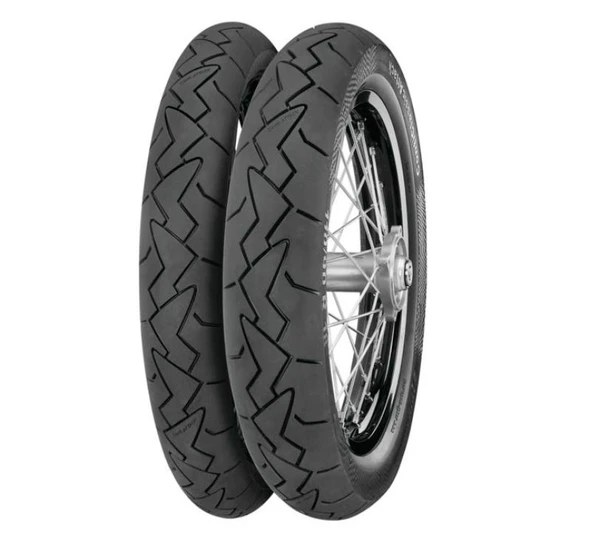

Continental ContiClassicAttack - 90/90 R 18 M/C 51V TL Front - 02443340000
Continental Tire
MSRP: $352.45$208.03Newly developed radial tires for vintage/classic motorcycles that improve overall performance. TractionSkin technology provides an extremely safe and short tire break-in due to the revolutionary...MSRP: $352.45$208.03 -

Atturo Artis LHP Tire - HL 305/25R22 102W XL - 55040
Atturo Tire
MSRP: $213.60$192.54Atturo Artis LHP Tire - HL 305/25R22 102W XLMSRP: $213.60$192.54 -

Atturo Artis LHP Tire - HL 255/30R22 97W XL - 55015
Atturo Tire
MSRP: $169.90$155.36What is the recommended way to install the ATT Artis LHP Tires?ATT Artis LHP Tires require professional installation to ensure optimal performance and vehicle safety, confirming proper fitment for...MSRP: $169.90$155.36 -

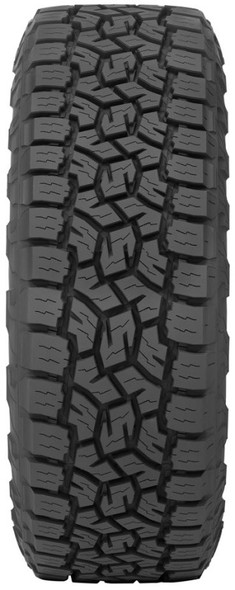
Toyo Open Country A/T III Tire - 37X12.50R17 128S - 357010
TOYO
$463.94Does the Toyo Open Country A/T III have a limited warranty?The Toyo Open Country A/T III tires come with a manufacturer's limited warranty; consult the specific warranty details for complete coverage...$463.94 -

Toyo Open Country A/T III Tire - LT285/70R17 121/118S E/10 TL - 355540
TOYO
$358.68What is the recommended installation method for the Toyo Open Country A/T III tire?Professional installation is strongly recommended for the Toyo Open Country A/T III tire to ensure proper fitment...$358.68 -
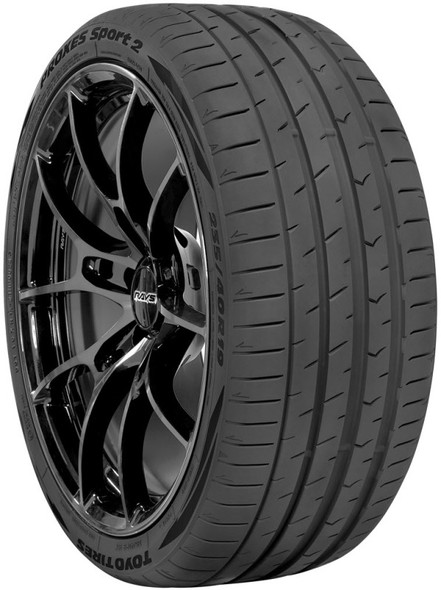

Toyo Proxes Sport 2 Tire - 305/30R20 103Y XL - 244750
TOYO
$342.85Do these tires fit my vehicle?Confirm tire fitment meticulously with your specific vehicle's requirements to ensure optimal performance and safety on the road.How are these tires...$342.85 -

Dunlop Geomax MX34 Front Tire - 70/100-14 M/C 37M TT - 45273518
Dunlop
MSRP: $66.95$58.99What is the best tire pressure for the Dunlop Geomax MX34?Consult your motorcycle's manual for the recommended tire pressure, or follow professional installation guidance for optimal performance on...MSRP: $66.95$58.99 -

Dunlop Geomax MX54 Rear Tire - 120/80-19 63M TT - 45278516
Dunlop
MSRP: $173.95$137.99What is the main advantage of the Dunlop Geomax MX54 tires?Dunlop Geomax MX54 tires deliver confidence-inspiring grip on hard-packed dirt tracks and exceptional control across a wider range of...MSRP: $173.95$137.99 -

Dunlop Geomax MX54 Rear Tire - 110/90-19 62M TT - 45278515
Dunlop
MSRP: $172.95$135.99How do I know if the DUN Geomax MX54 Tires will fit my motorcycle?Confirm fitment with your specific vehicle before purchase to ensure precise compatibility with your motorcycle's wheel dimensions...MSRP: $172.95$135.99 -


Dunlop Geomax MX54 Rear Tire - 100/90-19 57M TT - 45278514
Dunlop
MSRP: $156.95$122.99What is the main advantage of the DUN Geomax MX54 Tires?DUN Geomax MX54 Tires deliver superior consistent performance on hard-packed and intermediate off-road riding conditions.What kind of...MSRP: $156.95$122.99 -


Dunlop Geomax MX54 Rear Tire - 120/90-18 65M TT - 45278513
Dunlop
MSRP: $157.95$124.99What is the best terrain for the DUN Geomax MX54 Tires?DUN Geomax MX54 Tires excel on both wet and dry hard-packed off-road surfaces, delivering optimal traction for confident rides.How do I ensure...MSRP: $157.95$124.99 -


Dunlop Geomax MX54 Rear Tire - 110/100-18 64M TT - 45278512
Dunlop
MSRP: $151.95$119.99What terrain types are the Dunlop Geomax MX54 tires best suited for?Geomax MX54 tires excel on hard-packed tracks and offer versatile performance across a variety of intermediate off-road terrains.Do...MSRP: $151.95$119.99
Tires are the single mechanical interface between your vehicle and the surface beneath it — compound hardness, tread architecture, carcass construction, and load rating determine whether you gain grip or lose control under every condition from asphalt to rock. Motor Sport Mayhem stocks 1,570 tires across 20 brands, spanning everything from street performance and track-day rubber to aggressive mud terrains, sand paddles, and dedicated race slicks, priced from $29.99 to $870.99.
Our Top Picks for Tires
Each of the following tires was hand-selected based on compound technology, real-world application performance, and proven value across the categories our customers build for.
AMT Terrain Attack M/T
AMP Tires | $616.99
An aggressive mud-terrain carcass built for serious load ratings in plus-sized fitments where tread void ratio and sidewall durability are non-negotiable.
- High void-ratio tread pattern engineered to self-clean in deep mud and loose terrain without sacrificing highway stability
ATT Trail Blade Boss Tires
Atturo Tire | $538.34
A 40-inch LT-rated mud terrain designed for maximum sidewall protection and rock-shelf grip in extreme off-road environments.
- Reinforced three-ply sidewall construction resists puncture and bead unseating during rock crawling and boulder articulation
AVT Cobra Chrome Tires
Avon Tyre | $503.33
A premium V-rated rear motorcycle tire engineered for cruiser applications where a wide contact patch and period-correct profile are equally critical.
- Silica-enhanced compound delivers confident wet braking performance without compromising the tread life expected from touring rubber
BFG All Terrain TA KO2 Tires
BFGoodrich | $606.71
The benchmark all-terrain LT tire, balancing stone-ejector tread geometry with a serrated shoulder design that hooks into loose dirt and gravel without degrading on-road manners.
- CoreGard sidewall technology adds a full extra layer of rubber at the critical bead-to-shoulder zone where off-road cuts and abrasions occur most frequently
BRG Battlax Racing Street RS11 Tire
Bridgestone | $355.00
A ZR-rated sport motorcycle rear tire derived directly from Bridgestone's MotoGP development program, built for riders who demand race-level lean-angle grip on public roads.
- Multi-compound construction uses a softer shoulder zone alongside a harder center strip to balance mid-corner grip with straight-line tread longevity
CON ContiClassicAttack Tires
Continental Tire | $238.23
A V-rated classic motorcycle front tire engineered to deliver modern wet and dry grip characteristics inside a period-correct round profile that complements vintage and retro sport bikes.
- TractionSkin micro-roughened surface eliminates the mandatory break-in period common to other sport-touring tires, providing full grip from the first corner
DFR 4Peak Tire
DragonFire Racing | $399.99
A radial UTV tire purpose-built for high-speed desert running and rocky terrain transitions where carcass flex control and puncture resistance at speed are equally critical.
- Radial construction maintains a consistent footprint under high lateral load, improving predictability during aggressive side-hill driving and high-speed sweepers
DUN D251 Tires
Dunlop | $528.89
A touring-biased rear motorcycle tire with a multi-radius profile that maintains a centered contact patch under load, reducing fatigue and improving tracking stability on long highway runs.
- Jointless band construction eliminates high-speed vibration caused by belt-splice irregularities, a common failure point in lesser touring tires above 100 mph
GMZ Sand Stripper XL HP Tires
GMZ Race Products | $389.70
A 14-paddle sand tire with an XL-HP carcass rating designed to handle high-horsepower sand rail and dune buggy applications where centrifugal force and torque loading destroy standard paddle tires.
- Seven-eighths-inch paddle height is tuned to maximize sand bite without inducing the violent hop that taller paddles produce at high RPM in loose dune conditions
ITP Savage X/T Tires
ITP | $349.83
An 8-ply radial UTV tire built around ITP's HARC (High Abrasion Resistant Compound) formulation, targeting riders who run hard terrain and demand tread life without sacrificing trail grip.
- Aggressive directional tread pattern with staggered knob spacing reduces harmonic vibration and self-cleans in clay and packed soil without cupping on hardpack
How to Choose the Right Tires
The most common and costly mistake in tire selection is optimizing for one variable — usually tread pattern or price — while ignoring compound hardness, load index, speed rating, and construction type. A tire with an aggressive mud tread on a soft, low-ply bias carcass will fold under cornering load and wear through in 10,000 miles. A hard touring compound on a track car will overheat past its operating window inside three laps. Every tire decision has to reconcile compound chemistry, structural construction, and the specific thermal and mechanical loads your application generates.
Key Specifications
Compound and Tread Architecture: Tire compounds are rated by treadwear number — lower numbers mean softer, stickier rubber that generates more grip but wears faster. A 100 treadwear track tire and a 700 treadwear highway tire use fundamentally different polymer chains and silica loading. For street performance, mid-range treadwear compounds (200–400) balance grip and longevity. For dedicated track or autocross use, ultra-soft compounds below 140 treadwear are legal in most classes and generate meaningfully more cornering force, but they heat-cycle and grain badly if driven on cold pavement. Tread void ratio — the percentage of the contact patch that is open channel versus rubber — directly determines wet evacuation capacity; all-terrain tires run 30–40% void, while performance summer tires run 15–25%.
Construction: Bias vs. Radial: Bias-ply tires stack cords at 30–45-degree angles across the carcass, creating a stiffer, more impact-resistant sidewall that absorbs rock strikes — ideal for rock crawling, sand dunes, and low-speed ATV use where flex matters more than rolling efficiency. Radial tires run cords perpendicular to the direction of travel with a separate belt package under the tread, producing a flatter, more compliant contact patch at speed, better heat dissipation, and lower rolling resistance. For any application above 45 mph, radial construction is the correct choice. For load-rated LT tires, the ply rating (4PR, 6PR, 8PR, 10PR, 12PR) directly controls how much sidewall deflection occurs under load — higher ply ratings resist pinch flats and bead rollover under articulation but transmit more road harshness on hardpack.
Speed Rating and Load Index: Speed ratings are not marketing labels — they define the sustained thermal ceiling of the tire's belt package and compound. An H-rated tire (130 mph) uses a different internal construction than a W-rated tire (168 mph); running a lower-rated tire beyond its ceiling causes catastrophic belt separation. For performance street builds, always match or exceed the OEM speed rating. Load index is equally non-negotiable on trucks and SUVs — an LT tire's load index at 80 psi (its maximum inflation) is the figure that determines safe payload and towing capacity, and running underrated tires under load causes sidewall heat buildup and potential blowout. Always cross-reference the load index table against your actual corner weights, not just your gross vehicle weight rating.
Fitment Tolerances and Rim Width: Tire manufacturers publish a recommended rim width range for every tire size — running a tire on a rim outside that range changes the contact patch shape, shoulder wear pattern, and handling balance. A 275-width tire on a 9-inch rim produces a rounded, taller contact patch that favors straight-line grip; the same tire on an 11-inch rim spreads flat, improving cornering load distribution. For wheel and tire pairings on performance builds, stay within the manufacturer's recommended rim width and account for backspacing clearance against your suspension components before committing to a size.
Tire Treadwear, Speed Rating & Typical Application Reference
| Treadwear Rating | Speed Rating | Typical Compound Type | Best Application |
|---|---|---|---|
| 60–100 | W / Y (168–186 mph) | Ultra-soft race/track | Autocross, time attack, dedicated track days |
| 140–200 | Z / W (149–168 mph) | Soft performance street | Street performance, occasional track use, sport motorcycles |
| 300–400 | H / V (130–149 mph) | Medium touring/performance | Daily driving performance, sport touring, all-season use |
| 500–600 | T / H (118–130 mph) | Hard touring | Highway commuting, long-distance touring, light trucks |
| 700+ | T / S (112–118 mph) | Maximum longevity | High-mileage daily drivers, fleet vehicles, trailer applications |
| N/A (LT/Mud Terrain) | Q / R / S (99–112 mph) | Reinforced off-road | Rock crawling, overlanding, mud terrain, sand dunes, UTV/ATV |
Price Guide
Entry ($29.99–$150): This range covers ATV, UTV, and light motorcycle tires where compound technology is straightforward and tread life expectations are modest. Brands like Kenda (averaging $106) deliver functional off-road and trail tires that serve recreational riders well. At this price point, manage expectations on compound quality and ply rating — these tires will work, but they're not engineered for sustained high loads or repeated heat cycling.
Mid-range ($150–$400): The sweet spot where most serious enthusiasts land. ITP, Dunlop, Continental Tire, and Atturo all offer technically competitive products in this range. You gain better compound formulations, radial construction on fitments that matter, improved speed ratings, and demonstrably better wet-grip chemistry. For daily-driven performance vehicles, sport motorcycles, and weekend off-road rigs, this tier covers the vast majority of real-world needs without over-spending.
Premium ($400–$870.99): Michelin averaging $408 and Mickey Thompson averaging $372 represent the engineering upper tier — this is where you find multi-compound constructions, MotoGP-derived rubber chemistries, race-proven carcass architectures, and specialized fitments like plus-sized LT mud terrains, race-compound sport bike tires, and high-horsepower sand-specific paddle tires. If your application involves sustained track use, serious rock crawling loads, sand dunes at competition speeds, or a motorcycle where cornering angle and wet grip are safety-critical, the premium tier is not an extravagance — it's the correct specification.
Who Is This For?
The tire category at this level serves eight distinct use cases spanning pavement, dirt, sand, rock, and race track — each with fundamentally different compound, construction, and tread requirements.
Weekend Off-Roading — 8.4/10
This is the highest-scoring application in our catalog, and the product mix reflects it — 95 tires are specifically suited for weekend off-road use, with aggressive all-terrain and mud-terrain constructions dominating the selection. The 8.4 score reflects genuine compound and tread variety: you can match the right void ratio, ply rating, and sidewall thickness to your specific terrain without compromise. Whether the ground is hardpack, loose soil, or rocky trail, the selection depth in this tier is exceptional.
Street Performance — 7.5/10
With 162 products scoring 7.5/10, street performance is the largest single-use segment in our catalog. This covers summer performance tires, ultra-high-performance all-seasons, and sport motorcycle rubber where dry grip and steering response are the primary deliverables. The score reflects strong compound variety but acknowledges that truly elite track-compound options narrow the pool — if your build demands 100 treadwear street-legal rubber, plan to spend in the upper price tier.
Overlanding / Expedition — 7.3/10
Overlanding demands a tire that performs on-road for thousands of highway miles, then transitions to dirt, gravel, mud, and loaded off-camber terrain without failing — a genuinely difficult engineering brief. The 7.3/10 score across 98 products reflects a strong LT all-terrain selection with appropriate load ratings and sidewall protection for expedition use. Pairing the right overlanding tire with quality shocks and struts tuned for loaded vehicle weight maximizes both comfort and durability on extended trips.
Racing Competition — 6.8/10
At 128 products and a 6.8/10 score, the racing category is well represented but appropriately specialized — not every tire in a general motorsport catalog belongs on a competition car, and the score reflects that honest assessment. Bridgestone's motorsport-derived sport bike compounds and Mickey Thompson's drag and road racing offerings are the standout performers in this segment. For competition builds where tire selection is class-regulated, always cross-reference UTQG treadwear requirements before purchasing.
Track / Autocross — 6.7/10
Track and autocross use scores 6.7/10 across 109 products — strong enough to service the enthusiast track day driver but not quite as deep as dedicated race rubber selection. The scoring gap between racing and autocross reflects the reality that many ultra-soft competition tires serve both categories, but autocross-specific sizing (particularly in 200 and 225 widths for classed competition) is a narrower universe. Complement tire selection with properly spec'd coilovers and performance brake pads to extract maximum lap time from the rubber you're running.
Trusted Tires Brands We Carry
The 20 brands in this catalog were selected because they have verifiable engineering pedigree, not just marketing presence. Bridgestone, our largest stocked brand at 325 products, supplies OEM fitments to multiple MotoGP manufacturers and brings that development directly into its street and sport tire lines. Michelin's 188-product lineup averages $408 because the compound research behind their sport and touring rubber — derived from endurance racing programs — is genuinely more advanced than most competitors. Dunlop's 254-product range covers everything from bias-ply cruiser tires to ZR-rated sport motorcycle rubber, supported by decades of TT and Superbike race data. Mickey Thompson built its reputation in NHRA drag racing with bias-ply slicks before expanding into the off-road and all-terrain truck segment, where their understanding of carcass load management under power is evident. TOYO's 122-product lineup averages $339 and targets the performance truck and sport car segment with compound technology refined through circuit racing programs in Japan and North America. ITP and Kenda round out the off-road and ATV spectrum, with ITP's HARC compound and Kenda's broad UTV sizing coverage serving riders who need proven trail performance at accessible price points.
Frequently Asked Questions
Are Atturo tires made in China?
Atturo is an American tire brand — headquartered in the United States — but like most mid-tier tire brands globally, their tires are manufactured in Asian production facilities. The country of manufacture does not automatically indicate compound quality or construction integrity; what matters is the compound specification, carcass design, and quality control standards the brand enforces at the factory level. Atturo's Trail Blade lineup has earned consistent positive feedback for sidewall durability and tread life relative to its price point, which suggests meaningful quality control investment regardless of manufacturing location. If country of final assembly is a hard requirement for your purchase, confirm with the specific product listing — some Atturo lines source from different facilities.
Are Atturo Trail Blade tires noisy on the highway?
All-terrain and mud-terrain tires produce more highway noise than highway-touring tires by design — the high void ratio tread patterns that create off-road traction also generate tonal drone at highway speeds due to air column resonance in the tread channels. Atturo Trail Blade tires fall within the normal noise range for their tread classification; they are not unusually loud compared to competing all-terrain tires at similar tread void ratios. Variable pitch tread sequencing — which Atturo uses on their Trail Blade series — distributes the resonance frequency across multiple pitches to reduce the single-frequency drone that makes some aggressive tires unbearable on long highway drives. If highway refinement is your top priority, consider a less aggressive tread pattern with a lower void ratio.
Are Atturo Trail Blade XT tires good in snow?
The Trail Blade XT is an all-terrain tire, and like all properly designed all-terrains, it offers usable light snow traction — far better than a standard highway tire — but it is not a substitute for a dedicated winter tire in regions with sustained sub-freezing temperatures and significant snowfall. The determining factor is compound chemistry: all-terrain tires use compounds that begin to harden below approximately 45°F, reducing grip precisely when you need it most. If your usage is primarily mixed: dry, wet, light snow, and occasional deeper snow at moderate speeds, the Trail Blade XT is a competent choice. For consistent deep snow, black ice, or mountain winter driving, pair any all-terrain with genuine winter rubber for the cold season.
Are Avon Cobra Chrome tires any good?
Avon Tyres is a legitimate British motorcycle tire manufacturer with over 120 years of heritage — not a budget brand, despite being less visible in the market than Bridgestone or Michelin. The Cobra Chrome line is purpose-engineered for cruiser and custom motorcycle applications, targeting a specific performance brief: confident lean-angle grip, strong wet-road braking performance, and a period-correct round profile that suits the aesthetic of the bikes they're fitted to. The silica-enhanced compound delivers measurably better wet grip than older-generation touring compounds. For cruiser riders who want a premium tire that doesn't compromise aesthetics for performance, Avon's Cobra Chrome is a well-engineered choice that belongs in the same conversation as the major Japanese brands.
Are Mickey Thompson Baja Boss M/T tires good in snow?
The Baja Boss M/T is a dedicated mud-terrain tire, and mud-terrain tires have a complex relationship with snow: the aggressive, widely-spaced lugs that make them excellent in mud also dig well in fresh snow, but the hard compounds used to resist mud abrasion become stiff and slick on packed snow and ice. In conditions involving loose, unpacked snow — the kind you encounter on off-road trails or unpaved roads after a storm — the Baja Boss M/T performs creditably. On cleared but cold pavement, icy intersections, or compacted snow, the hard compound loses grip relative to a dedicated winter or even a quality all-terrain tire with a softer compound. If you run Baja Boss M/Ts on a vehicle that sees winter highway driving, reduce speed proportionally and increase following distance — they will get you through winter, but they are not optimized for it.
Building something specific? Our performance specialists can help you select the right Tires for your application — street, track, or full race build.