
Tie Rods
- Product
- Qty in Cart
- Quantity
- Price
- Subtotal
-
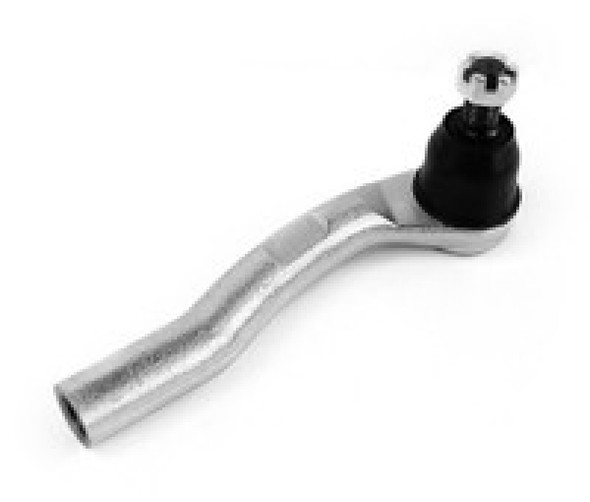
EPI 16-21 Honda 1000 Pioneer/5 Outer Left Tie Rod End - WE315059
EPI
MSRP: $49.99$34.35Are EPI Tie Rod Ends direct bolt-on replacements?EPI Tie Rod Ends achieve a precise, factory-fit connection, ensuring reliable steering response and easy integration with your vehicle's existing...MSRP: $49.99$34.35 -

EPI 05+ Kawasaki 600-610/ Mule SX Mule Outer Tie Rod End - WE315057
EPI
MSRP: $44.99$30.91What is the typical lifespan of an EPI Tie Rod End?EPI Tie Rod Ends are engineered for extended service life, with durable polychloroprene boots protecting the joint from harsh elements.Do EPI Tie...MSRP: $44.99$30.91 -

EPI 93+ Kawasaki 520-4010 Mule Outer Right Tie Rod End - WE315054
EPI
MSRP: $49.99$34.35How do I know if these tie rod ends will fit my vehicle?Confirm fitment with your specific vehicle application to ensure these EPI Tie Rod Ends provide a precise, factory-fit connection for reliable...MSRP: $49.99$34.35 -

EPI 17+ Can-Am HD5-HD10/ 700-1000 Commander/Maverick Trail Outer Tie Rod End - WE315049
EPI
MSRP: $39.99$27.76What is the most common cause of tie rod failure?Tie rod failure often stems from degraded protective boots that allow dirt and water ingress, damaging the internal joint components.Can I install...MSRP: $39.99$27.76 -

EPI 15+ Polaris 900 RZR Trail/S/General/ 1000 Ranger/RZR XP Outer Right Tie Rod End - WE315048
EPI
MSRP: $62.99$43.28What is the typical lifespan of a tie rod end?Tie rod ends with durable polychloroprene rubber boots protecting the joint can extend service life significantly by resisting contaminants and wear.Can...MSRP: $62.99$43.28 -

EPI 86+ Yamaha 125-700 Grizzly Outer Tie Rod Ends - WE315021
EPI
MSRP: $32.99$22.67What is the purpose of a tie rod end?Tie rod ends connect your steering knuckle to the steering rack or gearbox, translating steering wheel input into wheel direction changes for precise control.Can...MSRP: $32.99$22.67 -
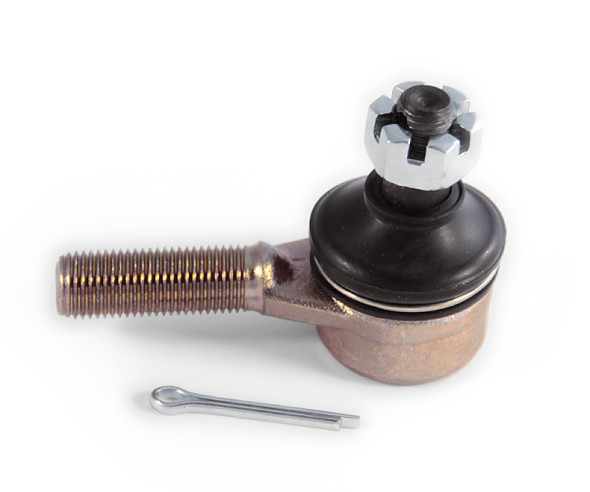
EPI 14+ Yamaha YFZ450 /07-17 CFMOTO 400-800 CForce Tie Rod End - WE311046
EPI
MSRP: $32.99$22.67What is the primary purpose of the polychloroprene rubber boots on EPI Tie Rod Ends?Durable polychloroprene rubber boots on EPI Tie Rod Ends provide superior protection against dirt, water, and mud,...MSRP: $32.99$22.67 -

EPI 14+ Yamaha YFZ450 /07-17 CFMOTO 400-800 CForce Tie Rod End - WE311045
EPI
MSRP: $28.99$19.92What are the symptoms of a worn tie rod end?Worn tie rod ends often cause loose steering, wandering, and knocking sounds, indicating a need for immediate replacement for safe control.How do I install...MSRP: $28.99$19.92 -

Synergy 2018+ Jeep Wrangler JL/JLU Drag Link Flip Adapter - 8800-02
Synergy Mfg
$40.00What is a drag link?A drag link connects your steering box to your steering knuckle, translating rotational steering input into lateral movement for your vehicle's wheels.How does a drag link affect...$40.00 -
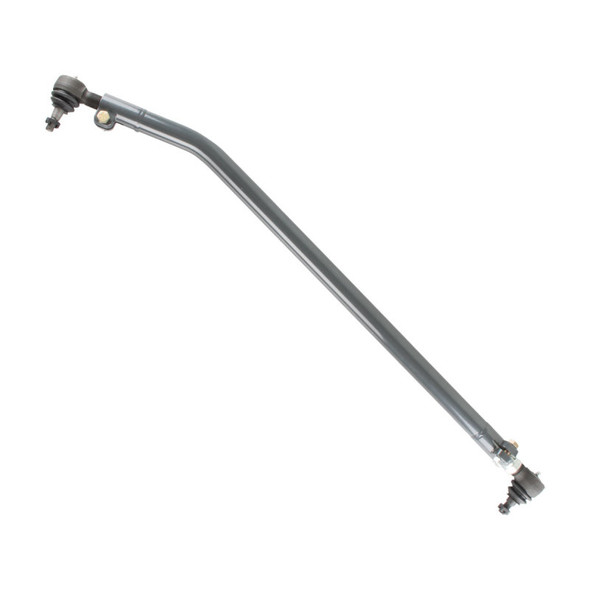
Synergy 2018+ Jeep Wrangler JL/JLU HD Drag Link - 8800-01
Synergy Mfg
$475.00What is the primary function of a drag link?A drag link connects the steering gear to the steering knuckle, translating rotational input into linear motion for precise directional control.Are these...$475.00 -

Synergy 2013+ Ram Heavy Duty Drag Link - 8701-01
Synergy Mfg
$525.00What is a drag link?A drag link is a crucial tie rod component connecting the steering gear to the steering knuckle, essential for transmitting steering input to the wheels.Can I install this...$525.00 -
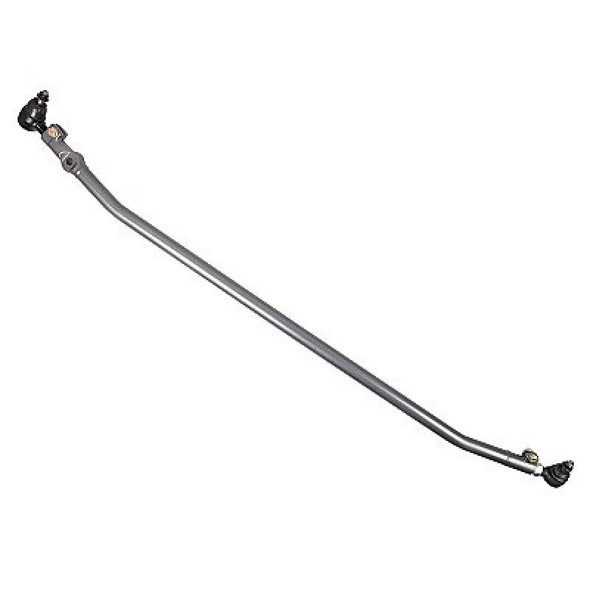
Synergy 03-13 Dodge Ram 1500/2500/3500 4x4 Heavy Duty Tie Rod - 8568-21
Synergy Mfg
$575.00Are these tie rods compatible with my vehicle?Synergy Mfg Tie Rods require precise fitment confirmation with your specific vehicle model to ensure proper installation and performance.Can I install...$575.00
Tie rods are the direct mechanical link between your steering rack and wheel hub — when they flex, wear, or bind, steering precision degrades immediately and alignment geometry shifts under load. Motor Sport Mayhem carries 160 tie rod assemblies and ends across 109 brands, spanning $1.14 to $13,544 to cover everything from daily-driven replacements to full race-spec billet steering builds.
Our Top Picks for Tie Rods
Each of these products was selected based on engineering quality, verified fitment breadth, and real-world performance across street, track, and off-road applications.
AEM IND Strut Bars
AEM Induction | $346.99
Chassis-stiffening hardware that reduces front-end flex and keeps steering geometry consistent under hard cornering loads.
- Reduces chassis twist that corrupts tie rod and steering rack alignment under lateral load
AFE Coilover Systems
aFe | $3,729.00
Single-adjustable damper system engineered for consistent suspension geometry that keeps tie rod angles within optimal operating range across ride height settings.
- Ride height adjustability designed to minimize bump steer through the full suspension travel arc
ALF Wireless Air Control Systems
Air Lift | $1,363.99
Wireless air management that allows on-the-fly ride height adjustment, directly affecting the loaded angle at which tie rods operate.
- Eliminates static tie rod bind caused by aggressive static drop on air suspension builds
ABR Steering Racks
All Balls Racing | $209.62
A complete steering rack assembly built to accept performance tie rod ends with tighter tolerances than the worn OEM rack it replaces.
- Rack replacement is often the correct first step before upgrading tie rod ends on high-mileage platforms
PA Alta Adj Control Arms
Alta | $339.15
Adjustable control arms with polyurethane bushings that restore correct suspension geometry after lowering — a prerequisite for accurate tie rod length and toe setting.
- Correcting control arm geometry eliminates the toe-pull and inner tie rod stress caused by lowered suspension on stock arms
ANT Micro-Start Tire Inflator
Antigravity Batteries | $24.99
A compact, portable tire inflator essential for maintaining correct tire pressures — the single biggest variable in tie rod and steering feedback at the wheel.
- Correct tire pressure directly affects the lateral load transmitted through tie rod ends at the knuckle
ARB BP51 Coilovers
ARB | $4,580.69
Bypass-style coilover system engineered to work in tandem with extended-travel tie rods on lifted off-road platforms without inducing bump steer.
- Internal bypass design controls damping across full lift travel, keeping tie rod angles within safe operating limits
ART Coils
Artec Industries | $351.99
Heavy-duty front coil bucket fabrication components that establish correct suspension mounting geometry for builds requiring longer tie rod configurations.
- Proper coil bucket placement is foundational to achieving correct tie rod angles on lifted solid-axle builds
AST 5100 Series Coilovers
AST | $4,554.00
Competition-spec coilovers with precisely engineered ride height ranges that keep front suspension geometry — including tie rod operating angles — within the alignment envelope during track use.
- Used in sanctioned competition where consistent tie rod geometry under repeated suspension cycles is mandatory
AWE Chassis Bars
AWE Tuning | $435.00
A drivetrain stabilizer that reduces powertrain movement under acceleration, which otherwise induces lateral stress on inner tie rod ends and rack mounts.
- Polyurethane mount material provides compliance without the slop that accelerates inner tie rod wear on high-torque applications
How to Choose the Right Tie Rods
The tie rod is a safety-critical steering component — it transmits rack movement directly to the steering knuckle, and any compliance, slop, or material failure translates immediately into imprecise steering, wandering alignment, and in worst cases, loss of directional control. What separates a quality tie rod from a failure-prone unit is material specification, ball joint housing tolerance, thread engagement depth on adjustable ends, and the articulation angle rating of the end joint. OEM-spec replacements use ASTM-grade steel forgings; performance upgrades step up to chromoly or aircraft-grade 4130 steel for tensile strength above 100,000 PSI. On adjustable tie rod ends designed for lifted or widened suspension setups, look for housing wall thickness above 0.25 inches and grease-zerk fittings for serviceability under sustained off-road use.
Key Specifications
Thread pitch and diameter are your first fitment checks — inner tie rod ends threading into the rack use a specific pitch that must be matched exactly, and cross-threading a rack is an expensive mistake. Most passenger-car inner tie rods run 12mm–18mm thread diameter; truck and SUV platforms commonly run 14mm–22mm. Verify rack thread specs against the replacement tie rod before purchase.
Ball joint articulation angle is critical on lifted, lowered, or widened applications. Stock tie rod ends are typically rated for 20–25 degrees of articulation. When suspension travel is extended through a lift kit or coilover conversion, tie rod ends are forced to operate outside that range, accelerating wear and introducing slop. Extended-travel and high-articulation ends rated to 35–45 degrees are the correct solution for those platforms — not shimming or bending the OEM unit.
For track and autocross applications, the primary failure mode is not joint wear but flex in the rod body itself under high lateral loads. Hollow-body chromoly tie rods with a larger outer diameter deliver higher stiffness-to-weight ratios than solid mild steel units of the same weight, reducing the micro-deflection that causes inconsistent turn-in response. This is measurable on corner-entry consistency at the limit and is worth the premium for any competitive application. Pair upgraded tie rods with fresh suspension bushing kits to eliminate compliance from the entire steering loop.
Adjustable tie rod ends — distinct from the adjustable-length sleeve on inner tie rods — allow toe setting changes without pulling the entire rod assembly. For builds where alignment is dialed in repeatedly (track days, wheel-to-wheel racing), this matters operationally. On street builds, a quality fixed-end replacement properly adjusted at installation and rechecked at 5,000-mile intervals is entirely sufficient. Always torque tie rod end jam nuts and castle nuts to spec and use new cotter pins — the cost of skipping this step is a steering failure.
Tie Rod Specification Guide by Application Type
| Application | Recommended Material | Min. Articulation Angle | Key Feature Priority |
|---|---|---|---|
| OEM Replacement (Street) | Forged carbon steel, zinc plated | 20–25° | OEM fitment tolerance, sealed joint |
| Street Performance / Lowered | Chromoly steel or forged alloy | 25–30° | Adjustable length, greaseable joint |
| Track / Autocross | 4130 chromoly, large-diameter body | 25–30° | High stiffness, zero deflection under lateral load |
| Wheel-to-Wheel Racing | Billet 4130 or 4340 chromoly | 30–35° | Rose joint (heim) ends, full adjustability, weld-in |
| Off-Road Lift (2–4 in.) | DOM steel or chromoly tube | 35–40° | Extended length, grease zerk, heavy-wall tube |
| Extreme Off-Road / Lift 4+ in. | Heavy-wall chromoly DOM tube | 40–45°+ | High-articulation heim joints, skid-plate clearance |
Price Guide
Entry ($1.14–$213): This range covers OEM-quality replacement tie rod ends and inner tie rod assemblies — correct choice for restoring worn steering to factory spec on a daily driver. Expect carbon steel construction with factory-equivalent tolerances and sealed, non-greaseable joints. Entirely sufficient when the goal is reliable street use and proper alignment holding.
Mid-range ($213–$1,000): Where most performance enthusiasts correctly land. This range includes greaseable chromoly ends, adjustable-length assemblies for lowered and lifted applications, and high-articulation ends for modified suspension geometry. Build quality jumps meaningfully — closer tolerances, better surface finishes, hardware suitable for track use, and serviceable joints that extend service life significantly.
Premium ($1,000–$13,544.00): Full billet chromoly and 4340 racing tie rod assemblies, weld-in heim-jointed setups for purpose-built race cars, and complete front steering system overhaul kits for serious competition or extreme off-road builds. The cost is justified when you are running hard against alignment targets every event, rebuilding corner-by-corner for sanctioned racing, or building a truck that routinely sees conditions that destroy conventional hardware.
Who Is This For?
Tie rod demand spans from daily-driver restoration through full-competition race builds — the application determines the correct specification more than any other single factor.
Racing Competition — 8.1/10
Tie rods score at the top of the usage matrix for racing competition because steering precision under sustained lateral load is non-negotiable in wheel-to-wheel or time-attack environments. Billet chromoly tube bodies with heim-jointed ends eliminate all compliance from the steering loop, giving the driver exact rack feedback at the wheel. At this level, tie rod geometry is set as part of the full corner-weight and alignment session — adjustability on the rod itself is a prerequisite, not a luxury.
Track / Autocross — 8.0/10
Autocross and track day use loads tie rod ends with repeated high-lateral-g cornering that accelerates wear in OEM-spec joints far faster than street use. Upgraded tie rods in this application primarily address body stiffness and end play — reducing the micro-deflection that softens turn-in response and makes car behavior inconsistent lap to lap. Pairing upgraded tie rods with quality coilovers and fresh bushings completes the steering precision upgrade properly.
Street Performance — 7.7/10
Street performance builds score 7.7 because tie rod upgrades deliver a measurable improvement in steering feel and alignment stability on lowered, widened, or otherwise modified suspension setups. Standard OEM tie rod ends begin to bind or operate outside their articulation range once ride height or track width is altered, introducing vague steering and premature wear. Adjustable ends and higher-articulation joints resolve this directly while also surviving the combined stress of spirited driving and daily mileage.
Weekend Off-Roading — 7.7/10
Off-road use puts unique stress on tie rods: impact loads from rocks and ruts are transmitted directly through the rod, heavy-wall DOM and chromoly tube construction resists the bending that destroys thin-walled OEM rods on trail. Extended-travel joints and longer rod lengths are required on lifted platforms to maintain correct steering angles without binding or toe change through full droop. Greaseable joints are essential here — trail debris and water ingression will destroy sealed joints in conditions where the zerk fitting extends service life by years.
Daily Driving Comfort — 6.2/10
Tie rods score 6.2 for daily comfort because a worn or imprecise tie rod degrades straight-line tracking and on-center feel noticeably, but an upgraded unit does not directly improve ride quality the way dampers or springs do. The comfort gain from fresh or upgraded tie rods is real — eliminating play reduces the micro-corrections a driver makes unconsciously, reducing fatigue — but it is a precision and safety upgrade first, a comfort upgrade second. For daily driving, the priority is a quality replacement that holds alignment through normal temperature cycles and highway miles.
Trusted Tie Rods Brands We Carry
The brands that dominate this category do so because of manufacturing pedigree, material traceability, and documented use in motorsport. Skyjacker and Whiteline have built reputations on lifted and modified platform fitment accuracy — both invest heavily in application-specific geometry engineering rather than universal-fit compromises. Energy Suspension rounds out complete steering system rebuilds with polyurethane components that pair directly with new tie rod ends. Superpro brings OEM-supplier-level material specifications to aftermarket applications, with documented compliance testing across temperature ranges that matter in real driving conditions. ICON and FOX bring race-program validation to their steering and suspension hardware — components that have survived the Baja 1000 and King of the Hammers carry a credibility that catalog brands simply cannot match. Bilstein and KONI, both with deep OEM supply relationships, ensure dimensional tolerances that make alignment and tie rod interaction predictable across their suspension systems.
Frequently Asked Questions
Are aftermarket tie rod ends actually better than OEM?
For modified vehicles — lowered, lifted, or running wider wheels — quality aftermarket tie rod ends are unambiguously better than OEM because they are engineered to operate correctly at non-stock suspension geometry angles. OEM tie rod ends are designed for factory ride height and track width; operating them outside that envelope accelerates wear and introduces play. On a completely stock vehicle, a quality OEM-equivalent replacement is sufficient — the key word is quality, since budget aftermarket units with loose housing tolerances and thin plating can wear faster than the factory parts they replace. For performance or modified applications, look for chromoly construction, greaseable joints, and articulation ratings that match your actual suspension travel.
Are aftermarket control arms worth it on a modified build?
Yes — aftermarket control arms are worth it specifically because they correct the suspension geometry that stock arms compromise when ride height or lift is changed. When control arm geometry is off, tie rod operating angles shift, bump steer increases, and premature wear on tie rod ends accelerates. Adjustable aftermarket arms allow you to set correct ball joint and tie rod angles simultaneously, which is why professional alignment shops recommend them as part of any serious suspension modification. The cost is justified because improperly corrected geometry destroys tie rod ends, ball joints, and tires — all of which cost more than the arms themselves over a few seasons of driving.
How do I know if my tie rod ends are worn and need replacement?
The clearest indicator is play — with the wheel lifted off the ground, grip the tire at 9 and 3 o'clock and push-pull laterally; any detectable movement in the joint before the steering rack moves indicates wear. On the road, symptoms include vague or wandering on-center feel, steering wheel vibration at highway speed, and an alignment that will not hold between service intervals. A worn inner tie rod end often manifests as a clunking noise from the steering rack under hard cornering or over sharp bumps. Do not confuse worn tie rod end symptoms with worn rack bushings or loose strut mounts — diagnose with the wheel in the air and have a second person watch the joint while you move the tire.
Do I need an alignment after replacing tie rods?
Yes, always — this is non-negotiable. Inner and outer tie rod replacement changes the effective steering arm length and toe setting, and even a few millimeters of toe error translates into rapid tire wear and directional instability. Even if you carefully measure and match the thread engagement of the old tie rod, thread pitch variations and housing differences between brands mean the toe will shift. Budget the alignment into the job cost from the start — a proper four-wheel alignment after tie rod work is the final step of the repair, not an optional add-on.
Are adjustable tie rod ends worth the premium for street use?
On a stock-height vehicle running OEM-width wheels, adjustable tie rod ends provide no real-world benefit beyond what a quality fixed-end replacement offers — the adjustment range is not needed because stock geometry is what the OEM unit was designed for. The value proposition changes completely on lowered vehicles, lifted trucks, or builds running significantly wider wheels and spacers: adjustable ends allow precise toe correction that fixed-length units cannot provide without shims or compromises. For track-day use even at near-stock ride heights, adjustable ends allow quick toe adjustments between sessions without a full alignment rack, which is a legitimate operational advantage. If your suspension is unmodified and the goal is a reliable repair, spend the money on material quality rather than adjustability.
Building something specific? Our performance specialists can help you select the right Tie Rods for your application — street, track, or full race build.