
Suspension Arms & Components
- Product
- Qty in Cart
- Quantity
- Price
- Subtotal
-
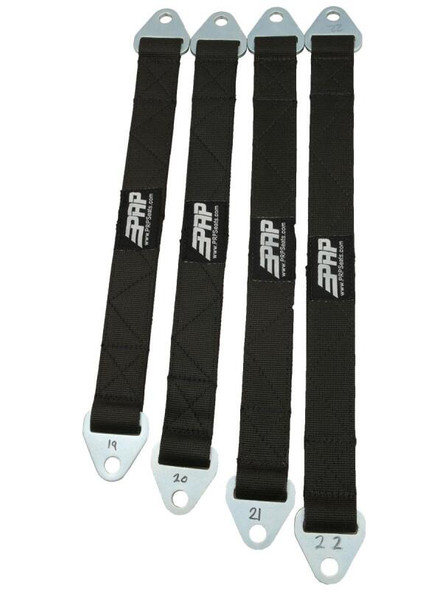
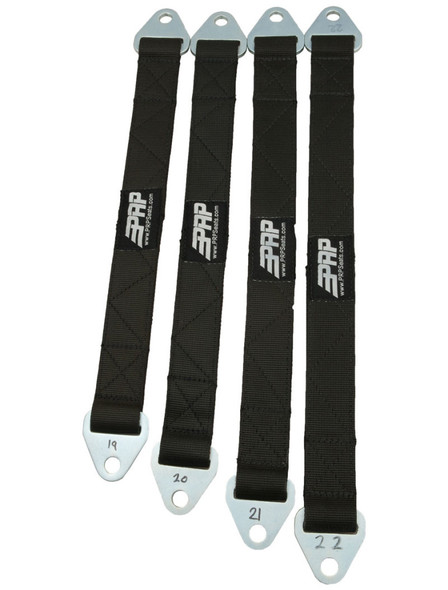
PRP 16In. Quad Wrap Limit Strap - F16
PRP Seats
$34.99How do I know if these limit straps will fit my vehicle?Confirm vehicle fitment before purchase to ensure these PRP Powersport Limit Straps integrate precisely with your suspension arms and...$34.99 -
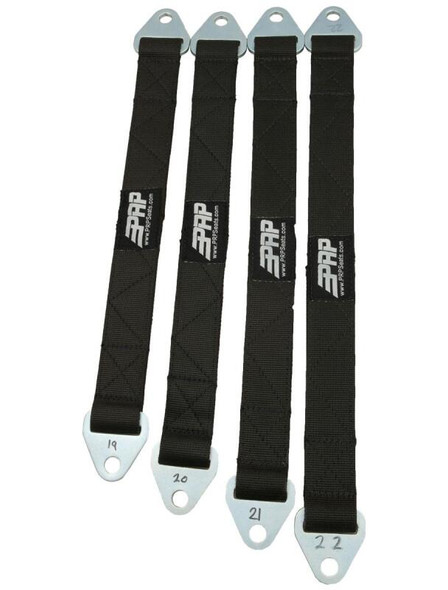
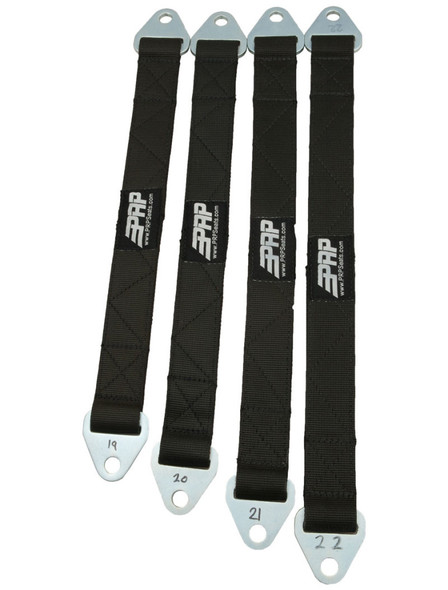
PRP 15In. Quad Wrap Limit Strap - F15
PRP Seats
$34.99What is the main benefit of using PRP Powersport Limit Straps?PRP Powersport Limit Straps prevent suspension damage during rapid downward travel and impacts, protecting suspension arms and components...$34.99 -


PRP 14In. Quad Wrap Limit Strap - F14
PRP Seats
$34.99Can I install these myself or do I need a professional?Professional installation is recommended to ensure correct alignment and secure attachment of these suspension arms and components.What is the...$34.99 -
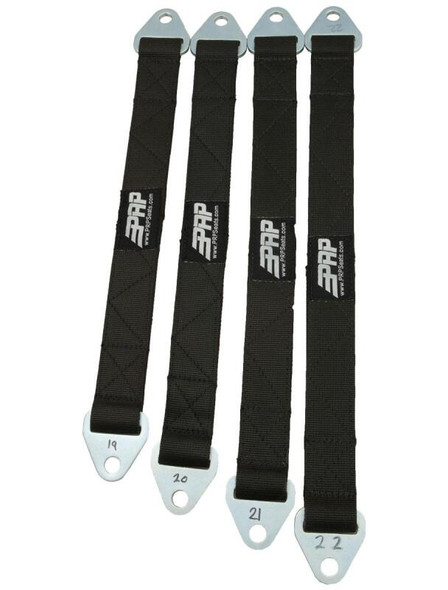
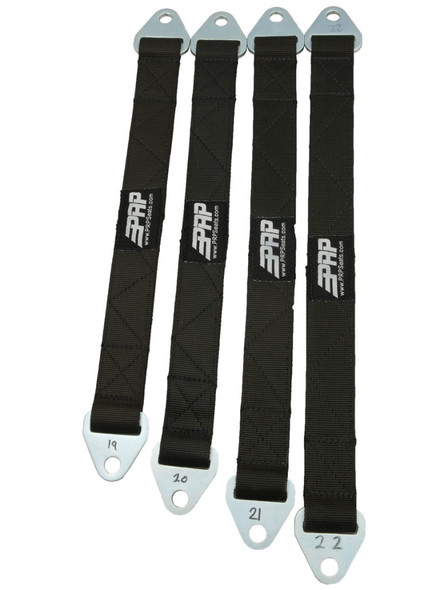
PRP 13In. Quad Wrap Limit Strap - F13
PRP Seats
$34.99What are limit straps used for?Limit straps prevent suspension damage by controlling maximum downward travel, safeguarding critical suspension components from impact and stress.How do limit straps...$34.99 -
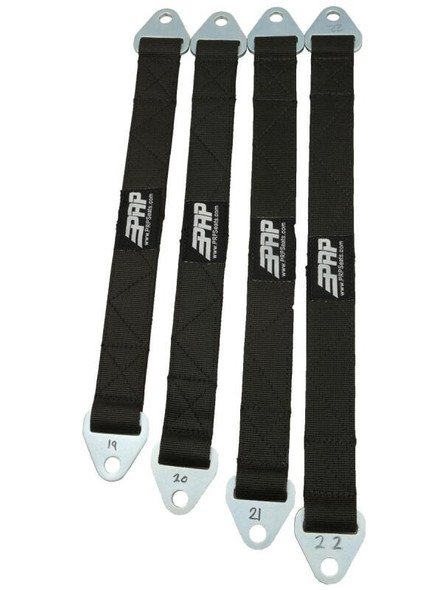
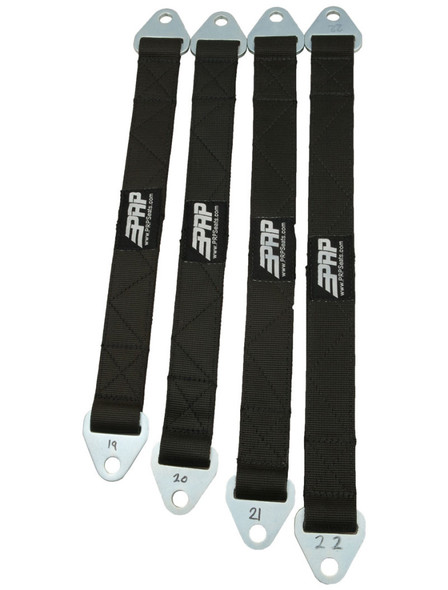
PRP 12In. Quad Wrap Limit Strap - F12
PRP Seats
$34.99What is the primary purpose of PRP Powersport Limit Straps?PRP Powersport Limit Straps fundamentally limit suspension travel, preventing damage to your vehicle's suspension and drivetrain components...$34.99 -

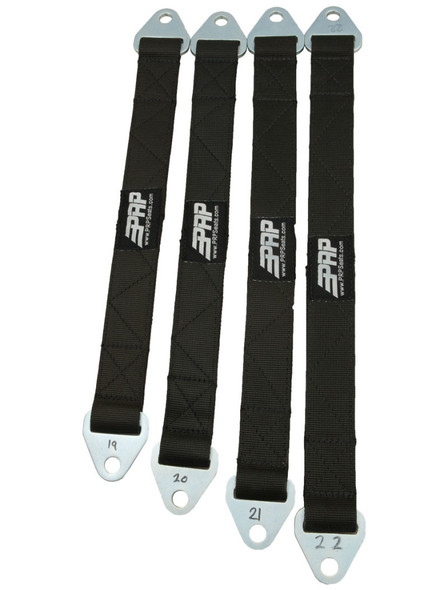
PRP 11In. Quad Wrap Limit Strap - F11
PRP Seats
$34.99What is the main purpose of PRP Powersport Limit Straps?PRP Powersport Limit Straps prevent damage to your vehicles suspension and drivetrain components, especially during downward travel.Can PRP...$34.99 -
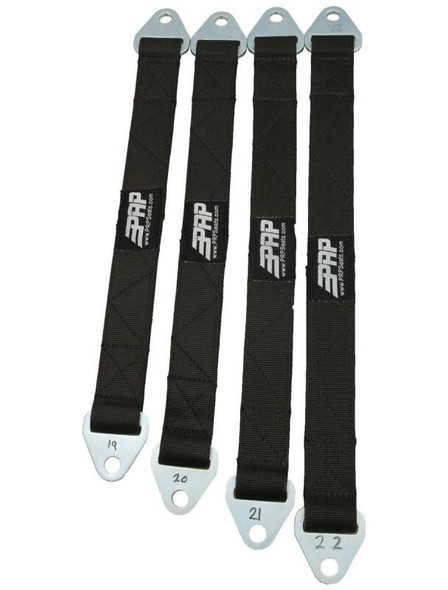

PRP 10In. Quad Wrap Limit Strap - F10
PRP Seats
$34.99Are PRP Powersport Limit Straps compatible with my vehicle?PRP Powersport Limit Straps are engineered for specific vehicle applications; always confirm fitment details before installation to ensure...$34.99 -
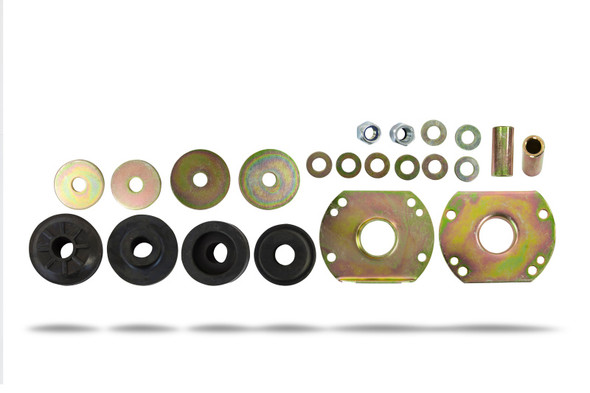

Pedders 04-06 Pontiac GTO Front Radius Rod To Chassis Bush Rubber - PED-5892
Pedders
MSRP: $79.95$74.02Pedders has played a prominent role in the Australian automotive aftermarket industry 1950. In the summer of 2006 Pedders USA became a reality by selling specialised parts to automotive wholesalers...MSRP: $79.95$74.02 -
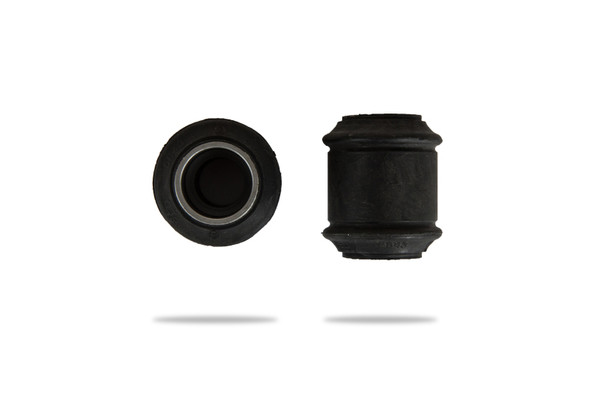

Pedders Front Radius Rod Rear Bush Rubber 2004-2006 GTO - PED-5843
Pedders
MSRP: $39.95$36.99What is the purpose of the Pedders Radius Rod Bush?This Pedders Front Radius Rod Rear Bush rubber component is engineered to refine suspension geometry and enhance steering precision for the...MSRP: $39.95$36.99 -


Pedders 04-06 Pontiac GTO Front Radius Rod (Rod Only) - PED-5409
Pedders
MSRP: $129.95$120.31How do I confirm if this Pedders Radius Rod fits my vehicle?Confirm fitment for your 2004-2006 Pontiac GTO using our detailed vehicle compatibility checker before purchasing this suspension component...MSRP: $129.95$120.31 -


ARB Torsion Bar Bracket Kit Lc100 Ifs - FK27
Old Man Emu
$24.95What is the primary function of the ARB OME Torsion Bars?These ARB Torsion Bar Brackets protect your Land Cruiser's lower control arm from damage when subjected to hard driving conditions.Can I...$24.95 -

BMR 10-15 Chevy Camaro Rear Suspension Kit For 15in Conversion Kit - RSK359H
BMR Suspension
$459.83What makes these control arms different from stock?These non-adjustable tubular control arms eliminate bushing deflection, providing superior handling precision over factory components.Are these...$459.83
Suspension arms and components are the hard geometry link between your chassis and wheel hubs — controlling camber, caster, toe, and roll center through every corner, bump, and braking zone. Motor Sport Mayhem stocks 365 in-stock suspension arms and components from 109 brands, spanning $1.14 bushing hardware to $13,544 full competition setups, so you get exactly the geometry correction and compliance characteristics your build demands.
Our Top Picks for Suspension Arms & Components
Every product below was hand-selected based on engineering merit, real-world application results, and value delivered at its price point.
AEM IND Strut Bars
AEM Induction | $346.99
A bolt-in chassis brace that ties strut towers together to reduce flex and tighten steering response under lateral load.
- Reduces chassis flex that bleeds steering precision on street and track applications
AFE Coilover Systems
aFe | $3,729.00
A single-adjustable street-to-track coilover system engineered for lightweight construction without sacrificing damping range.
- Featherlight aluminum construction keeps unsprung mass low, directly improving transient response
ALF Wireless Air Control Systems
Air Lift | $1,363.99
A wireless management solution that lets you adjust ride height and spring rate on-the-fly from a smartphone or remote.
- Bluetooth-controlled pressure management eliminates manual adjustment for daily-driven air suspension builds
ABR Steering Racks
All Balls Racing | $209.62
A complete steering rack replacement built to tighter tolerances than OEM for restored precision and eliminated slop in off-road applications.
- Drop-in replacement design with upgraded internal seals rated for sustained off-road abuse
PA Alta Adjustable Control Arms
Alta | $339.15
Adjustable rear control arms that restore and correct camber geometry after ride height changes, available in a pair for full rear alignment control.
- Threaded adjustment bodies allow precise camber dialing that fixed OEM arms cannot provide after lowering
ANT Micro-Start Tire Inflator
Antigravity Batteries | $24.99
A compact tire inflator attachment that interfaces with Antigravity jump starters to restore tire pressure at the track or trail without a separate compressor.
- Essential pit lane and trailhead tool for maintaining correct tire pressure after suspension geometry changes
ARB BP51 Coilovers
ARB | $4,580.69
A bypass-style coilover system with independent compression and rebound adjustment engineered specifically for lifted truck applications under real expedition loads.
- Digressive valve stack tuned for the unique speed ranges encountered in high-speed off-road and loaded overlanding use
ART Coil Buckets
Artec Industries | $351.99
Fabricated steel front frame coil buckets designed to correctly locate coil springs and OEM bump stops after frame modification or lift installation.
- Laser-cut and CNC-formed for consistent spring seating geometry critical to front axle alignment retention
AST 5100 Series Coilovers
AST | $4,554.00
A competition-grade coilover kit with a 5100-series damper internals delivering the adjustment range and consistency required for circuit racing.
- Racing-pedigree valving with high-speed and low-speed compression control gives engineers setup flexibility across multiple track configurations
AWE Chassis Bars
AWE Tuning | $435.00
A polyurethane-bushed drivetrain stabilizer bar that controls transmission movement under torque load to eliminate slop and improve shift feel.
- Polyurethane mount material provides 40–60% more rigidity than OEM rubber while retaining enough compliance for daily street use
How to Choose the Right Suspension Arms & Components
The single biggest separator between a quality suspension arm and a failure waiting to happen is the combination of material specification, joint design, and manufacturing tolerance. Stamped OEM-style steel arms are adequate for stock applications but flex measurably under lateral load, softening the geometry your alignment tech just dialed in. Aftermarket arms in DOM steel, chromoly, or billet aluminum hold tighter dimensional tolerances under stress — typically ±0.010" or better at the ball joint bore versus ±0.030"+ on budget castings — and that difference translates directly into consistent, repeatable geometry through the entire suspension travel arc.
Key Specifications
Material choice drives the weight-versus-strength tradeoff at the core of arm selection. DOM (Drawn Over Mandrel) steel tubing offers an excellent strength-to-cost ratio and is the standard for most performance street arms. Chromoly (4130/4340 alloy steel) adds roughly 25–30% tensile strength over mild steel at similar wall thickness, making it the material of choice for competitive off-road and race builds where weight savings from thinner walls are worth the cost premium. Billet aluminum arms cut unsprung weight aggressively — often 30–50% versus steel equivalents — which directly improves wheel response to road inputs, but they demand proper anodizing and grade-appropriate hardware to resist galvanic corrosion in road-salt environments.
Joint type determines how the arm behaves at its connection points. Factory rubber bushings absorb NVH effectively but allow 3–5mm of compliance movement that bleeds steering precision and lets geometry drift under load. Polyurethane bushing kits reduce that compliance by 60–70% and resist oil and ozone degradation that destroys rubber over time, but they require correct grease application to prevent the characteristic squeak. Spherical bearings (rod ends) eliminate compliance entirely for maximum geometry lock — the right call for dedicated track cars and competitive builds, but they transmit NVH directly into the chassis and require periodic inspection and replacement intervals that rubber joints do not.
Adjustability is the third axis of selection. Fixed arms restore OEM geometry at OEM ride height — appropriate when you're replacing a damaged arm on a stock vehicle. Adjustable arms, typically with a threaded tube or eccentric hardware, let you correct camber and toe after ride height changes from lowering springs or coilovers. Most lowered street cars run 1–2° of negative camber correction in the rear; without adjustable arms, that geometry is simply unavailable. For track use, the ability to dial camber in 0.25° increments is the difference between optimal contact patch loading and consistent tire wear issues.
Fitment tolerance and hardware quality are the final purchase filters most buyers miss. Arms with ball joints rated below the OEM spec's dynamic load rating will exhibit premature play — a critical safety concern, not merely a handling complaint. Always verify the ball joint's dynamic radial load rating against the OEM specification for your application. Similarly, inspect the hardware kit: grade 8 or 10.9 metric hardware is the minimum acceptable standard for any suspension fastener. Undersized or unrated bolts in suspension arms are a liability, not a savings.
Control Arm Material & Joint Spec Reference Guide
| Material | Typical Tensile Strength | Best Joint Pairing | Recommended Application |
|---|---|---|---|
| Stamped OEM Steel | 50,000–65,000 psi | Rubber bushing / OEM ball joint | Stock replacement, daily driver |
| DOM Mild Steel Tube | 70,000–80,000 psi | Polyurethane bushing / greaseable ball joint | Street performance, mild track use |
| 4130 Chromoly Steel | 95,000–125,000 psi | Spherical bearing / Heim joint | Competitive off-road, dedicated track |
| 6061-T6 Aluminum | 40,000–45,000 psi | Spherical bearing / poly bushing | Road racing, autocross, weight-sensitive builds |
| 7075-T6 Aluminum | 70,000–83,000 psi | Spherical bearing / rod end | High-load competition, motorsport homologation |
| Billet Steel | 80,000–100,000 psi | Spherical bearing / greaseable joint | High-articulation off-road, heavy-duty tow/lift builds |
Price Guide
Entry ($1.14–$200): This tier covers individual replacement bushings, ball joints, hardware kits, bump stops, and single-piece OEM-spec replacement arms. You're getting the right fitment at stock or near-stock performance — the correct choice for a repair on an otherwise stock vehicle and the starting point for polyurethane bushing upgrades that deliver genuine handling gains at minimal cost.
Mid-range ($200–$600): The sweet spot where most street-performance and dual-purpose track builds land. Arms in this range typically feature DOM or chromoly construction, greaseable ball joints, polyurethane or spherical bushing options, and adjustability where the application demands it. Engineering quality separates brands here more than price, so reviewing joint load ratings and material certs is worth the extra five minutes before you buy.
Premium ($600–$13,544): Full coilover systems with integrated geometry correction, billet competition control arm sets, complete multi-link kit replacements with spherical bearings throughout, and race-spec coilover packages built to motorsport tolerances. This tier is for builds where geometry precision, minimum unsprung weight, and documented load ratings justify the investment — dedicated track cars, competition off-road rigs, and builds where suspension failure is not an acceptable outcome.
Who Is This For?
Suspension arms and components serve a wider range of builds than almost any other category — from a $30 bushing refresh on a daily driver to a full competition geometry overhaul on a purpose-built race car.
Racing Competition — 8.1/10
This category scores highest for outright racing because geometry precision is a primary performance variable in competition — not a comfort consideration. Race-spec arms with spherical bearings eliminate compliance-induced camber variation, keeping the contact patch loaded consistently through corner entry, mid-corner, and exit. The ability to adjust caster, camber, and toe independently through purpose-built arms is what separates a setup you can tune from one you simply live with.
Track / Autocross — 8.0/10
Dual-purpose track and autocross builds score nearly as high because adjustable arms directly enable the negative camber settings — typically -1.5° to -3.0° front, -1.0° to -2.0° rear — that maximize lateral grip on sticky tires. Without corrective arms, lowered track cars run excessive positive camber as geometry migrates outside its OEM design envelope, destroying tire wear and corner speed simultaneously. Strut tower braces and chassis stiffening components in this category further improve the structural platform that suspension geometry relies on.
Street Performance — 7.7/10
Street performance builds use this category to correct the geometry compromise that comes standard with every lowering spring or coilover install, and to replace worn OEM arms with components that deliver tighter, more communicative steering feel. A set of adjustable rear arms and a front camber correction kit is one of the highest-return suspension investments available for a lowered street car. The 7.7/10 score reflects broad applicability across this use case — nearly every performance street build will touch this category at some point.
Weekend Off-Roading — 7.7/10
Lifted trucks and SUVs share the same geometry correction problem as lowered street cars — the factory arms were designed for a specific ride height, and lift kits move every pivot point outside that design window. Extended travel control arms, adjustable upper control arms with increased caster correction, and heavy-duty ball joints rated for the increased loads of larger tires and off-road impacts are the core products here. Ball joint load ratings become critically important at this application because a 35" or 37" tire multiplies the leverage applied to every joint on every obstacle hit.
Overlanding / Expedition — 7.2/10
Overlanding builds prioritize durability and sustained performance under loaded conditions over outright geometry precision, which explains the slightly lower 7.2/10 score relative to pure performance applications. The relevant components here are heavy-duty ball joints with grease zerks for field serviceability, bump stops rated for loaded ride heights, and coilover systems with digressive valving that controls body motion under GVW rather than unladen weight. Serviceability in remote environments is a genuine engineering specification in this application — not an afterthought.
Trusted Suspension Arms & Components Brands We Carry
The brands that dominate this category earn their position through measurable engineering standards and documented race or OEM supplier credentials. Bilstein brings 60+ years of monotube damper development and direct OEM supply relationships with multiple manufacturers — their valving consistency lot-to-lot is among the tightest in the industry. Whiteline has built its reputation on geometry correction kits specifically engineered for lowered and modified applications, with bushing compounds developed for each specific pivot's load and articulation requirement rather than a one-compound-fits-all approach. Eibach calculates spring rates from measured vehicle corner weights rather than nominal targets, producing spring and arm combinations that work as a system. Energy Suspension supplies polyurethane bushings across the broadest application coverage in the category, with durometer ratings matched to joint type and application. Superpro and KONI round out the engineering-led segment — Superpro with application-specific offset and alignment-correction bushings, KONI with a motorsport heritage that dates to Formula 1 and continues in active rally and touring car programs today.
Frequently Asked Questions
Are aftermarket control arms actually better than OEM?
For a stock-height vehicle with no modifications, a quality OEM-spec replacement arm is often the correct answer — it restores the geometry the chassis was designed around without introducing variables. Where aftermarket arms genuinely outperform OEM is in three specific scenarios: after ride height changes that push geometry outside the factory design envelope, in higher-stress applications where OEM joint load ratings are marginal, and where the OEM design uses compliance bushings that degrade handling precision under performance driving. In those cases, aftermarket arms built to tighter tolerances, with better joint materials, and with adjustability for alignment correction deliver measurable, objective improvements — not marketing claims. The key metric is always joint load rating versus application demand and material specification versus stress environment.
Are adjustable control arms worth the extra cost?
Yes — specifically when your vehicle has been lowered, lifted, or modified in a way that changes ride height from the factory spec. Every OEM suspension design sets its geometry — camber, caster, toe curves — around a specific ride height, and moving away from that height migrates every angle outside its design window. Fixed arms can only restore OEM geometry at OEM height; adjustable arms let you dial the geometry back into specification at your actual ride height. For a lowered street car running -1.5° to -2.0° negative camber, the difference in front tire wear between correct and uncorrected geometry can be a set of tires per year. For track use, the ability to optimize camber in 0.25° increments has direct lap time implications.
Are adjustable sway bar drop links worth it?
On any vehicle that has been lowered more than 25–30mm, adjustable drop links are a functional necessity rather than an optional upgrade. At standard drop link length, a significantly lowered suspension places the sway bar at an angle that pre-loads it in its resting position, introducing a constant side-to-side bias in roll resistance and accelerating bushing wear. Adjustable drop links restore the sway bar to its designed operating angle, allowing it to function symmetrically as intended. Beyond geometry correction, quality adjustable drop links typically use spherical ball joints rather than rubber end bushings, which reduces compliance in the anti-roll system and sharpens lateral response. The cost is minimal relative to the functional correction they provide.
Are aftermarket ball joints reliable, and how do they compare to OEM?
Quality aftermarket ball joints from engineering-led manufacturers are not only reliable — many are superior to OEM in measurable ways, particularly in greaseable designs that extend service life in off-road and high-mileage applications. The critical differentiator is dynamic radial load rating: always verify the aftermarket joint meets or exceeds the OEM specification for your application, because an underrated joint will develop play prematurely regardless of brand reputation. Greaseable ball joints allow periodic lubrication that the factory sealed design does not, which directly extends joint life in environments with water intrusion, dust, or temperature cycling. For lifted trucks with larger tires applying increased leverage to steering knuckle joints, heavy-duty aftermarket ball joints with higher load ratings than OEM are not optional — they are the correct engineering specification for the modified application.
Are aftermarket bump stops worth installing?
Aftermarket bump stops deliver genuine performance value in two distinct scenarios. First, on vehicles that have been lifted, the OEM bump stop is now too short to engage before the suspension hits its droop or compression limit — leaving a gap that allows damaging metal-to-metal contact under full articulation or compression. Replacement bump stops sized for the modified ride height close that gap and protect dampers, control arms, and frame components. Second, performance foam-cell bump stops with progressive spring rates offer a measurable improvement over OEM rubber stoppers for high-speed off-road use, providing a controlled deceleration of the suspension rather than a hard stop that spikes shock loads through the entire front end. For a dedicated track car on standard-height coilovers, matching bump stop length to actual suspension travel is a tuning input that directly affects high-speed damper behavior at full compression.
Building something specific? Our performance specialists can help you select the right Suspension Arms & Components for your application — street, track, or full race build.