
Strut Bars
- Product
- Qty in Cart
- Quantity
- Price
- Subtotal
-
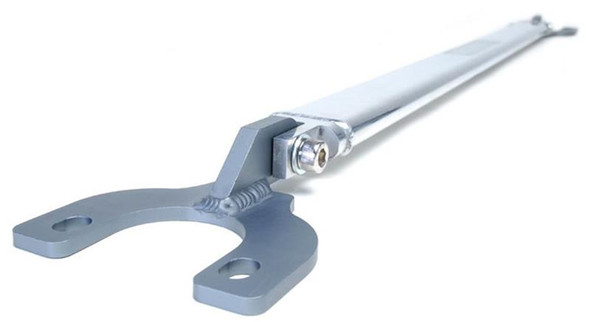
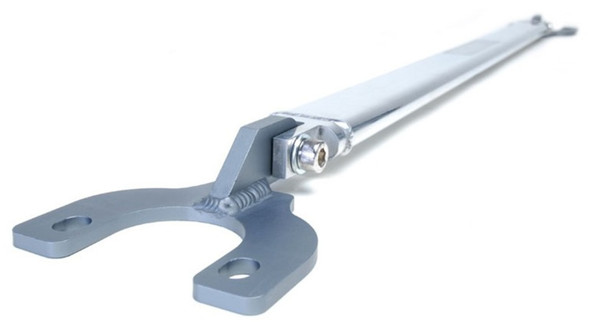
Skunk2 92-00 Honda Civic/Del Sol/94-01 Acura Integra Rear Upper Strut Tower Bar - 522-05-0850
Skunk2 Racing
MSRP: $196.15$186.34Will these strut bars fit my car?SK Strut Bars are engineered for a direct bolt-on installation on 1992-2001 Acura Integra and Honda Civic/Civic del Sol models.What is the primary benefit of...MSRP: $196.15$186.34 -
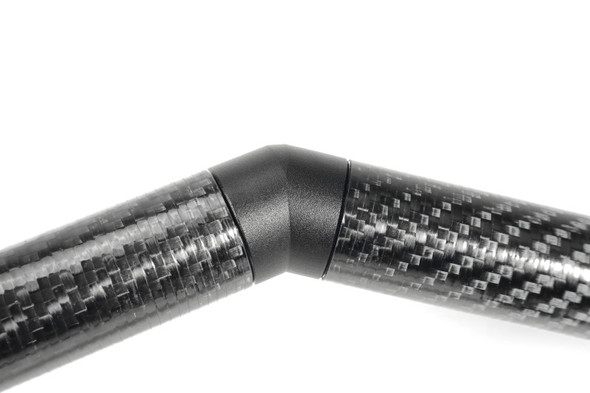
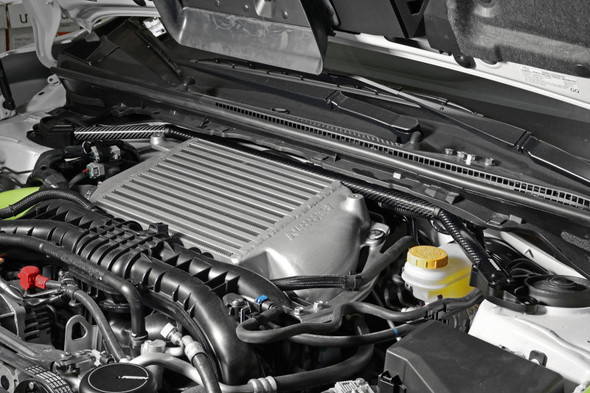
PERRIN 08-21 Subaru WRX/STI Front Strut Brace - Carbon Fiber - PSP-SUS-071CF
Perrin Performance
MSRP: $485.00$412.25How does a strut bar improve handling?A strut bar enhances handling by rigidly connecting the vehicle's front strut towers, minimizing chassis flex during cornering and braking.Is professional...MSRP: $485.00$412.25 -

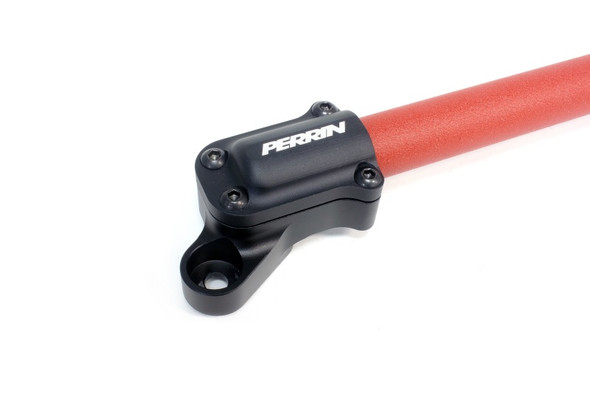
PERRIN 13-26 Subaru BRZ / Toyota GR86/86 / Scion FR-S Front Strut Brace - Red - PSP-SUS-066RD
Perrin Performance
MSRP: $216.00$183.60Are Perrin Strut Bars universal fit?Perrin Strut Braces are designed for specific vehicle fitment; confirm compatibility before purchasing to ensure optimal performance.Is a strut bar hard to...MSRP: $216.00$183.60 -
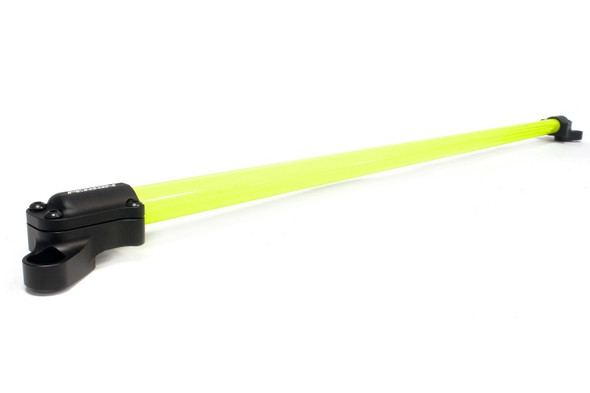
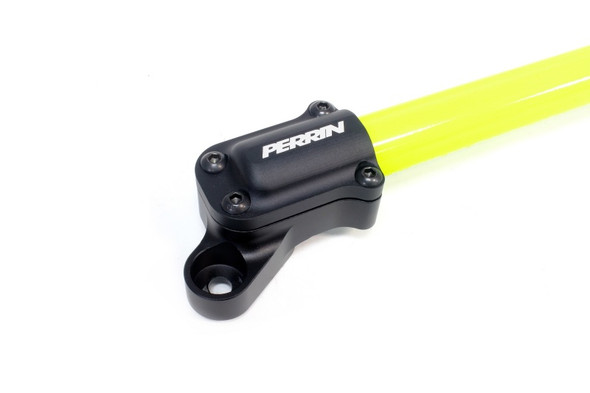
PERRIN 13-26 Subaru BRZ / Toyota GR86/86 / Scion FR-S Front Strut Brace - Neon Yellow - PSP-SUS-066NY
Perrin Performance
MSRP: $226.00$192.10How do I install a strut bar?Professional installation of this strut bar is recommended to ensure proper alignment and optimal chassis rigidity for your vehicle's front end.Will a strut bar affect my...MSRP: $226.00$192.10 -
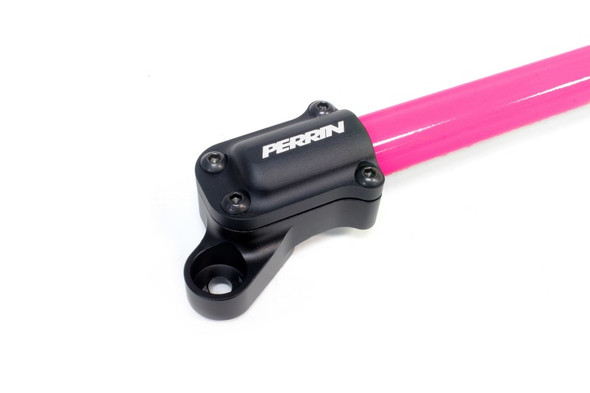
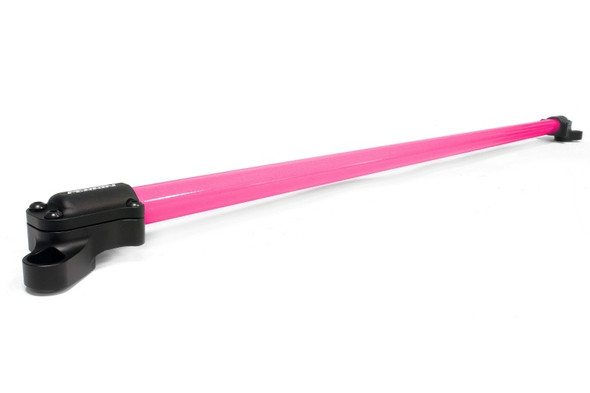
PERRIN 13-25 Subaru BRZ / Toyota GR86/86 / Scion FR-S Front Strut Brace - Hyper Pink - PSP-SUS-066HP
Perrin Performance
MSRP: $226.00$192.10Does the PA Strut Brace fit my vehicle?The PA Strut Brace requires confirming specific vehicle fitment to ensure proper installation and optimal performance for your car's chassis.How difficult is it...MSRP: $226.00$192.10 -
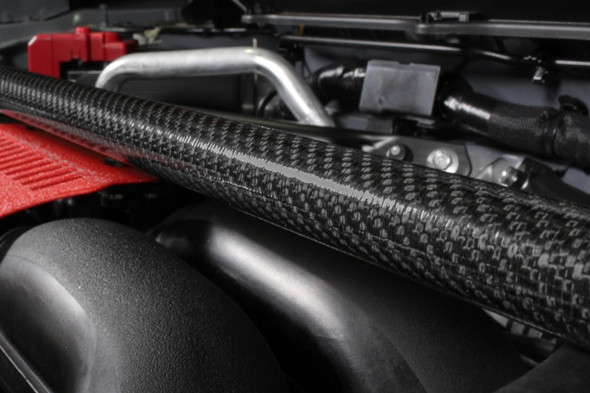

PERRIN 13-25 Subaru BRZ / Toyota GR86/86 / Scion FR-S Front Strut Brace - Carbon Fiber - PSP-SUS-066CF
Perrin Performance
MSRP: $314.00$266.90Will this strut bar fit my 2015 Subaru WRX?Perrin Performance strut bars require you to confirm precise fitment with your specific vehicle model and year before purchase.Is professional installation...MSRP: $314.00$266.90 -
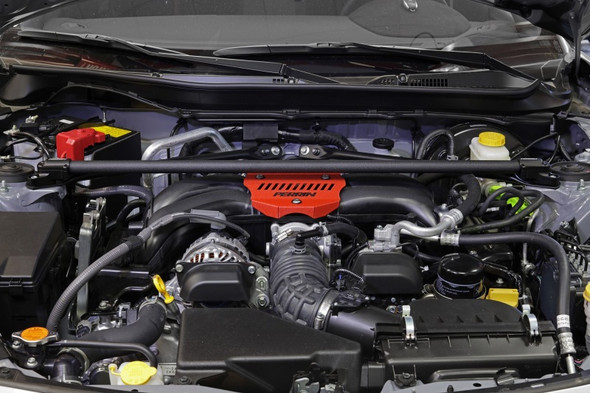
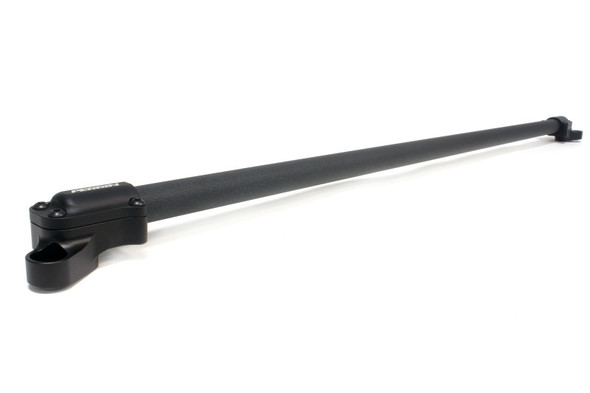
PERRIN 13-26 Subaru BRZ / Toyota GR86/86 / Scion FR-S Front Strut Brace - Black - PSP-SUS-066BK
Perrin Performance
MSRP: $216.00$183.60Does this strut brace fit my car?Confirm specific vehicle fitment with Perrin Performance's compatibility checker before purchase, as this strut bar is designed for precise application.Can I install...MSRP: $216.00$183.60 -
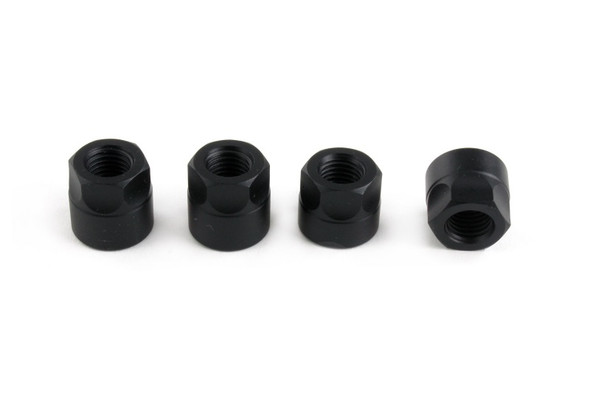

PERRIN 22-26 Subaru WRX Front Strut Brace - Red - PSP-SUS-061RD
Perrin Performance
MSRP: $352.00$299.20Will this strut bar fit my car?Confirm vehicle fitment before purchase; this strut bar is engineered for specific chassis applications and ensures proper integration with your car's suspension.Is...MSRP: $352.00$299.20 -
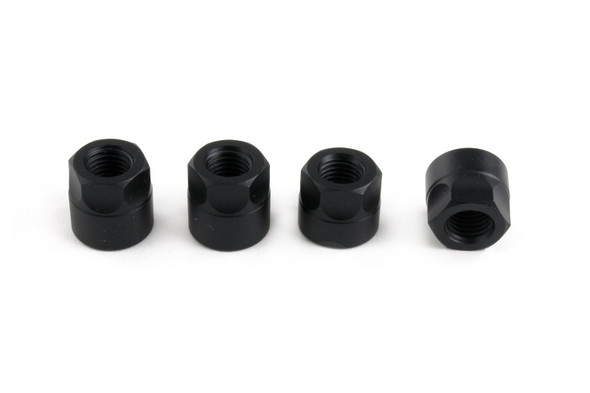

PERRIN 22-26 Subaru WRX Front Strut Brace - Neon Yellow - PSP-SUS-061NY
Perrin Performance
MSRP: $352.00$299.20Is this strut brace compatible with my vehicle?Perrin Performance strut braces require a specific vehicle fitment confirmation before installation to ensure proper performance.How difficult is this...MSRP: $352.00$299.20 -

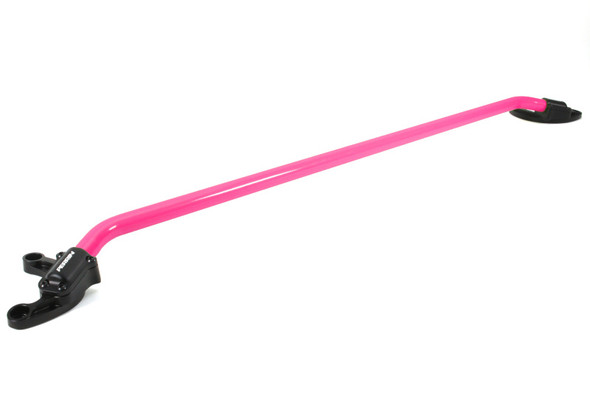
PERRIN 22-26 Subaru WRX Front Strut Brace - Hyper Pink - PSP-SUS-061HP
Perrin Performance
MSRP: $352.00$299.20Is this strut brace compatible with my vehicle?PA Strut Brace compatibility requires careful verification against your specific vehicle model before purchase, ensuring a precise fitment for optimal...MSRP: $352.00$299.20 -


PERRIN 22-26 Subaru WRX Front Strut Brace - Black - PSP-SUS-061BK
Perrin Performance
MSRP: $352.00$299.20Does this strut bar fit my specific vehicle model?Confirm precise fitment for your vehicle model before purchasing; ensure alignment with your car's specific strut tower geometry.Is professional...MSRP: $352.00$299.20 -

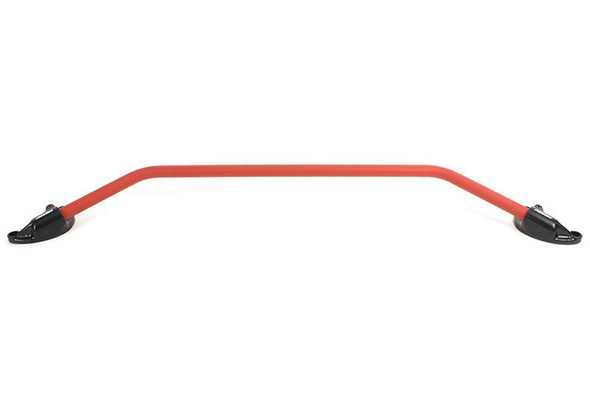
PERRIN 08-14 WRX/STI/Impreza / 14-18 Forester / 13-17 Crosstrek / 05-09 Legacy FR Strut Brace - Red - PSP-SUS-056RD
Perrin Performance
MSRP: $352.00$299.20Will this strut brace fit my 2015 Subaru WRX STI?Yes, the PERRIN Strut Brace is meticulously engineered to fit the 2015-2020 Subaru WRX STI models precisely.Do I need to install this myself or is...MSRP: $352.00$299.20
Strut bars — also called strut tower braces — connect opposing strut towers to triangulate the chassis, reducing flex under cornering loads and translating more steering input directly into vehicle response rather than lost structural movement. Motor Sport Mayhem stocks 213 strut bars from 109 brands, ranging from $1.14 to $13,544, covering everything from street commuters to full competition builds.
Our Top Picks for Strut Bars
Every product below was hand-selected based on engineering quality, real-world chassis performance gains, and proven value across street and track applications.
AEM IND Strut Bars
AEM Induction | $346.99
Precision-engineered aluminum construction delivers measurable chassis rigidity improvement with a direct bolt-on fitment requiring zero modification.
- Lightweight alloy design keeps unsprung and chassis weight penalty minimal while maximizing torsional stiffness gain
AFE Coilover Systems
aFe | $3,729.00
A full coilover system that works in direct complement to strut bracing by controlling suspension geometry, damping, and ride height with single-adjustable precision.
- Single-adjustable damping lets you tune the suspension system around your strut bar's increased chassis rigidity for a cohesive handling setup
ALF Wireless Air Control Systems
Air Lift | $1,363.99
Wireless air management lets you dynamically adjust ride height and suspension stiffness, directly influencing how effectively your strut bar can control chassis loads.
- EZ-mount tank design integrates cleanly into chassis builds where strut bracing and air suspension are used together for maximum adjustability
ABR Steering Racks
All Balls Racing | $209.62
A precision-rebuilt steering rack that pairs directly with strut bar upgrades to eliminate slop in the steering system, ensuring chassis stiffness gains translate to actual driver feel.
- OEM-spec tolerances with upgraded internal seals make this the correct foundation for any suspension rigidity build involving chassis bars and strut bracing
PA Alta Adj Control Arms
Alta | $339.15
Adjustable control arms let you dial in precise alignment geometry to work in concert with a strut bar's chassis-stiffening effect for optimized corner entry behavior.
- Rear adjustability allows camber and toe correction critical to balancing the increased front-end rigidity introduced by front strut tower bracing
ANT Micro-Start Tire Inflator
Antigravity Batteries | $24.99
A compact, always-ready tire inflator ensures correct tire pressure is maintained — a variable that directly affects how your strut bar and chassis upgrades perform at the contact patch.
- Correct tire pressure is the single lowest-cost tuning variable in the entire chassis system and should never be overlooked after a strut bar installation
ARB BP51 Coilovers
ARB | $4,580.69
Bypass-equipped coilovers with independently adjustable compression and rebound circuits deliver the damping control needed to fully exploit chassis rigidity improvements from strut bracing on demanding terrain.
- Internal bypass technology allows position-sensitive damping that complements strut bar rigidity across the full suspension travel range, not just at static ride height
ART Coils
Artec Industries | $351.99
Heavy-duty frame-mounted coil buckets reinforce the structural mounting points that strut bars and chassis braces anchor to, making them a critical foundation component in any serious chassis rigidity build.
- Laser-cut steel construction integrates with factory bump stop hardware so suspension travel and chassis bracing geometry remain geometrically correct under load
AST 5100 Series Coilovers
AST | $4,554.00
Competition-spec coilovers engineered to work within a fully triangulated chassis system, maximizing the cornering precision that a properly installed strut bar unlocks.
- Five-way adjustable damping allows fine-tuning of the suspension's response to the increased chassis stiffness produced by strut tower bracing at competition level
AWE Chassis Bars
AWE Tuning | $435.00
A drivetrain stabilizer with polyurethane mounting eliminates powertrain movement that undermines the chassis rigidity gains achieved by strut tower bracing, creating a fully locked-down front end.
- Polyurethane mount material eliminates the compliance that stock rubber bushings reintroduce into a chassis system already stiffened by front strut bracing
How to Choose the Right Strut Bars
The fundamental job of a strut bar is to triangulate force between two strut towers, preventing the chassis from racking under lateral load — and the difference between a quality bar and a cheap one comes down to three variables: material stiffness, mounting interface integrity, and the adjustment range for chassis geometry variation. A bar that flexes under cornering load adds nothing; worse, a bar with loose or under-engineered end mounts introduces compliance directly into the most mechanically sensitive area of your front suspension. Look for bars that specify wall thickness and tube diameter rather than just listing material, and verify that end brackets use thick billet or forged aluminum with proper surface contact area against the strut tower — not thin stamped steel that will crack at the welds under repeated load cycles.
Key Specifications
Material and construction: Aluminum is the dominant material in performance strut bars for good reason — it delivers a high stiffness-to-weight ratio, resists corrosion, and can be extruded or machined to precise wall thicknesses. For street and light track use, 6061-T6 aluminum tubing in the 30–40mm diameter range is the standard. For serious competition builds, chromoly steel bars offer higher ultimate tensile strength in tighter tube diameters, while carbon fiber bars are reserved for weight-critical applications where cost is not a constraint. Avoid bars using thin-wall square tubing — round tube cross-sections resist torsion far more efficiently.
Adjustability: Fixed-length bars are acceptable for stock-ride-height applications where the chassis geometry is unchanged. Once you introduce coilovers or lowering springs, the strut tower angle shifts, and a non-adjustable bar can bind under load rather than pulling tension evenly — an adjustable center turnbuckle or telescoping body solves this. For any lowered or track-built application, adjustability is not optional; it is a functional requirement for correct load distribution.
End mount design: Stud-mount brackets that thread directly onto the strut tower nuts provide the most rigid connection and the lowest compliance. Bar-and-clamp designs that attach to the strut body offer more universal fitment but introduce rotational movement into the joint. For track and autocross applications, always prioritize hardware that contacts the structural steel of the strut tower mounting flange directly — any rubber or soft bushing in the mount will defeat the purpose of the bar under peak cornering loads.
Single vs. multi-point chassis bars: A single front strut bar addresses the most common flex point in most unitbody vehicles. Adding a rear strut bar, a full suspension subframe brace, or underbody chassis bars creates a triangulated stiffening network throughout the entire chassis — each additional brace reduces the compliance available for the others to compensate for, resulting in compounding gains rather than diminishing returns. On open-body or convertible platforms, multi-point chassis bars are essential because the lack of a roof section removes a major structural element the manufacturer relied upon for overall rigidity.
Strut Bar Tube Diameter and Wall Thickness Reference by Application
| Application | Recommended Tube OD | Recommended Wall Thickness | Typical Material |
|---|---|---|---|
| Street / Daily Driver | 28–32mm | 2.0–2.5mm | 6061-T6 Aluminum |
| Street Performance / Lowered | 32–38mm | 2.5–3.0mm | 6061-T6 or 7075 Aluminum |
| Autocross / Weekend Track | 38–45mm | 3.0–3.5mm | 7075 Aluminum or DOM Steel |
| Club Racing / Time Attack | 45–50mm | 3.5–4.0mm | DOM Steel or Chromoly |
| Full Competition / Open-Body Builds | 50mm+ | 4.0mm+ | 4130 Chromoly or Carbon Fiber |
| Off-Road / Overland | 38–50mm | 3.5–5.0mm | Mild Steel or DOM Steel |
Price Guide
Entry ($1.14–$200): Bars in this range are typically universal-fit or vehicle-specific pieces in thin-wall aluminum or mild steel with stamped steel end brackets — adequate for a daily driver where chassis flex is noticed but not measured, and where installation ease outweighs outright stiffness gain. Do not expect competition-level rigidity improvement from entry-tier hardware.
Mid-range ($200–$600): This is where the majority of enthusiasts land, and for good reason — mid-range strut bars typically feature proper 6061-T6 or 7075 aluminum tube construction, billet end mounts, and vehicle-specific fitment that locates the bar precisely at the designed load path. Most bolt-on strut bars from established suspension brands fall here, offering genuinely measurable chassis stiffness improvements for both street performance and occasional track use.
Premium ($600–$13,544): Premium pricing reflects either full system packages (bars combined with coilovers, subframe connectors, or complete chassis reinforcement kits), race-specification chromoly or carbon fiber construction, or purpose-built components for competitive motorsport where every gram and every Newton-meter of stiffness is engineered and validated. If you are building a time attack car, a dedicated circuit racer, or a platform that will run on a wheel-to-wheel grid, this investment is justified and often required by sanctioning body regulations.
Who Is This For?
Strut bars serve a broader range of applications than most single suspension components — from daily commuters who simply want less cowl shake, to full competition builds where chassis rigidity is a regulated specification.
Racing Competition — 8.1/10
Strut bars score highest in racing competition applications because chassis rigidity directly affects lap time — predictable suspension geometry under cornering load is not a comfort preference, it is a performance variable. In competition, any flexing of the strut towers alters camber and caster dynamically during cornering, creating inconsistent tire contact patches and unpredictable mid-corner behavior. At 8.1 out of 10, this category performs at near-maximum for racing use; the fractional gap reflects that full cage and chassis weld-in solutions take over at the highest levels of motorsport.
Track / Autocross — 8.0/10
At 8.0 out of 10, strut bars are one of the highest-value chassis upgrades for track and autocross applications relative to their cost — especially on production-based vehicles with compliant factory chassis designs. Autocross in particular benefits because the discipline involves constant direction changes at high lateral g-loads, where cumulative chassis flex repeatedly shifts suspension geometry at exactly the wrong moment. Pairing a quality strut bar with upgraded suspension bushings and properly matched shocks and struts produces the most noticeable improvement in steering precision and corner exit stability.
Street Performance — 7.7/10
Street performance scores 7.7 out of 10 because the chassis rigidity gains from strut bars are directly felt as improved steering response and reduced body flex on aggressive street driving — canyon roads, on-ramps, and spirited point-to-point driving all expose the difference. The score is not a perfect 10 because street driving rarely sustains the sustained lateral loads that make chassis flex a dominant performance variable; however, the improvement in turn-in sharpness and overall vehicle confidence is immediately noticeable to any experienced driver. This is the most popular entry point into chassis bracing for enthusiasts who are not yet tracking their vehicle.
Weekend Off-Roading — 7.7/10
Strut bars earn a matching 7.7 out of 10 for weekend off-road use, but for entirely different reasons than street performance — on rough terrain, chassis flex causes suspension geometry to wander, which affects articulation predictability and can cause frame stress fatigue over time. A strut bar on a lifted or modified off-road vehicle prevents the front strut towers from being pulled apart by uneven wheel loading over rocks, ruts, and washboard surfaces. For vehicles running significant suspension lift with upgraded shocks, a strut bar ensures the increased suspension travel does not induce strut tower movement that changes wheel alignment mid-articulation.
Overlanding / Expedition — 7.2/10
At 7.2 out of 10, overlanding applications benefit from strut bars primarily through long-term chassis durability — sustained high-mileage driving on unpaved roads generates repetitive low-amplitude chassis flex cycles that cause metal fatigue in factory unitbody structures over time. A properly installed strut bar reduces these cycles by distributing load between towers rather than concentrating stress at individual mounting points. The score reflects that overland-focused builds often prioritize suspension travel, ground clearance, and load capacity over outright handling precision, meaning the contribution of a strut bar is real but secondary to other suspension system upgrades.
Trusted Strut Bars Brands We Carry
The brands that dominate this category have earned their position through engineering depth, not just marketing — Whiteline brings OEM-plus engineering precision from decades of supplying motorsport-derived suspension components across global markets, with a particular focus on correct geometric load path design in their chassis bracing products. Eibach's expertise in spring rate engineering and chassis dynamics translates directly into strut bar designs that account for the interaction between bar stiffness and suspension compliance. H&R, known for their suspension system integration philosophy, engineers strut bars as part of a complete chassis package rather than as isolated add-ons. Energy Suspension's polyurethane bushing technology carries into their chassis brace hardware, eliminating the compliance that undermines lesser bar designs at the end mount interface. AWE Tuning brings a chassis systems approach to bracing and stabilizer products, accounting for powertrain load paths in addition to suspension geometry. Superpro completes the roster with race-validated designs across a broad vehicle fitment matrix, offering verified data on chassis stiffness improvement rather than generalized marketing claims.
Frequently Asked Questions
Are adjustable strut bars worth it over fixed-length bars?
Adjustable strut bars are worth it in any application where the chassis geometry has been modified from stock — specifically when coilovers or lowering springs have been installed, since ride height changes alter the strut tower angle and a non-adjustable bar will bind rather than pull tension uniformly across both towers. A binding strut bar introduces preload stress into the chassis during static conditions, which can crack end mounts or cause uneven suspension loading in corners — the opposite of the intended result. For a bone-stock ride height on a daily driver, a fixed bar is adequate; for any modified suspension setup, the adjustability is a functional engineering requirement, not an optional upgrade. The price premium for adjustability — typically 20 to 40 percent over equivalent fixed bars — is a worthwhile investment when chassis geometry is not factory-spec.
Are aftermarket control arms any good compared to OEM?
Quality aftermarket control arms are not just good — in most performance applications, they are demonstrably superior to OEM because they are engineered with tighter tolerances, harder bushing materials, and often adjustability that the OEM design deliberately omits for noise and ride comfort reasons. OEM control arms use rubber bushings calibrated for compliance and NVH isolation, which is appropriate for a general-use vehicle but introduces geometry variation under load that works directly against the chassis rigidity improvements you achieve with strut bars and other bracing. Aftermarket arms from established manufacturers use polyurethane, Delrin, or spherical bearing joints that hold alignment specs under load — critical for any vehicle that sees track or aggressive street use. The tradeoff is increased NVH transmission and potentially firmer ride feel, which is acceptable in any performance context but worth noting for daily-driven vehicles where noise sensitivity matters.
Are aftermarket lower control arms worth installing?
Aftermarket lower control arms are worth installing whenever you need alignment correction beyond the range of OEM adjustment, when OEM bushings are worn and replacements are no longer available, or when you are building a vehicle for track use where geometry precision is a tuning variable rather than a fixed parameter. The lower control arm is the primary geometric reference point for front wheel position — its length, mounting angle, and bushing compliance define camber, caster, and toe behavior throughout the suspension travel range. When you stiffen the chassis with a strut bar, the gains are fully realized only when the control arms are holding precise geometry rather than deflecting through soft rubber bushings at the moment of peak cornering load. Adjustable lower control arms unlock the ability to run aggressive negative camber for track use while maintaining street-legal alignment on street-driven vehicles.
Are aftermarket bump stops worth upgrading?
Aftermarket bump stops are consistently undervalued in chassis builds — they are the last line of mechanical defense against metal-to-metal suspension contact, and the factory units on most production vehicles are calibrated for comfort and passenger loading, not performance driving loads. Under hard cornering and braking at track events, vehicles routinely compress into bump stop contact, and a factory jounce bumper that collapses progressively over 40mm of travel introduces a massive, unpredictable stiffness change into the suspension at exactly the moment when chassis control is most critical. Quality aftermarket bump stops in polyurethane or microcellular foam maintain a more linear rate through their travel, which pairs correctly with both strut bar rigidity and aftermarket damper tuning. If you are running a lowered setup where suspension travel has been reduced, upgrading bump stops is mandatory — compressed travel means earlier and more frequent bump stop contact, and factory rubber will fail quickly under these conditions.
Are adjustable drop links worth the cost over fixed OEM units?
Adjustable drop links are worth the investment specifically on lowered vehicles where the change in ride height places the sway bar end link at an angle outside the OEM design range — a misaligned drop link binds the sway bar at static ride height, preloading it before any body roll occurs and corrupting the sway bar's intended rate curve through the corner. This binding effect undermines the chassis balance that strut bars and upgraded suspension components are designed to achieve, effectively adding unpredictable stiffness to one side of the vehicle independently of actual cornering inputs. At correct geometry, a sway bar's contribution to chassis balance is linear and predictable; with a bound-up drop link on a lowered car, it is neither. For any vehicle lowered more than 25mm from OEM ride height, adjustable drop links are a functional requirement, not an aesthetic upgrade — and their cost relative to the suspension system investment is negligible.
Building something specific? Our performance specialists can help you select the right Strut Bars for your application — street, track, or full race build.