
Gauge Pods
- Product
- Qty in Cart
- Quantity
- Price
- Subtotal
-
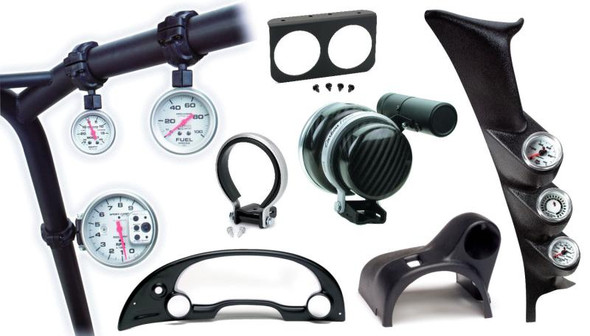

Autometer 90-93 Integra / 87-92 Supra MK3 Dual 52mm Pillar Pod - 20100
AutoMeter
$46.27Can I paint the AutoMeter AM Pod Mounts?Yes, the black textured finish on these AM Pod Mounts is specifically designed to be painted, allowing a custom match for your 1990-1993 Acura Integra interior...$46.27 -


Autometer 03-06 Evo 52mm Triple Lower Console Pod - 20029
AutoMeter
$82.17What vehicles does this gauge pod mount fit?AM Pod Mounts are engineered to precisely fit 2003-2006 Mitsubishi Lancer models, ensuring a perfect integration with your vehicle's dashboard.Is this a...$82.17 -
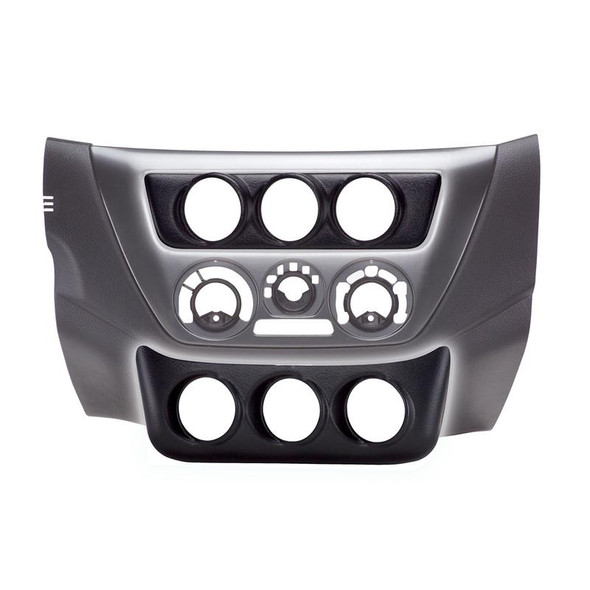
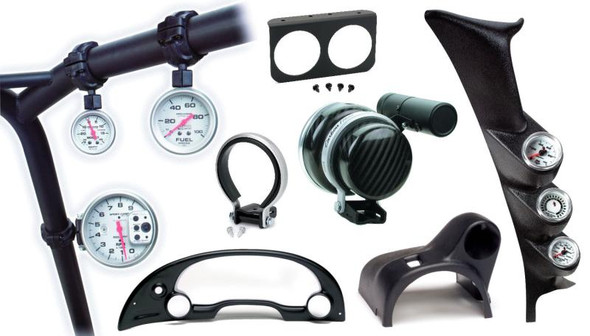
Autometer 03-06 Evo 52mm Triple Upper Console Pod - 20026
AutoMeter
$58.54Does this product fit my vehicle?Confirm fitment with your vehicle for these AM Pod Mounts, ensuring a precise integration for your Lancer interior.What is the recommended installation...$58.54 -


Autometer 03-06 Evo 52mm Dual Steering Column Pod - 20024
AutoMeter
$57.47How do I install this gauge pod?AM Pod Mounts install over your vehicle's factory steering column shroud, providing a clean, convenient location for gauges.What kind of gauges can I install?Mount...$57.47 -


Autometer 03-06 Evo 52mm Single Steering Column Pod - 20023
AutoMeter
$51.25Autometer Steering Column Gauge Mounts (Pod) Are Covers That Install Over The Top Of Your Vehicles Factory Steering Column Shroud, Providing A Clean And Convenient Location To Install An Additional 2...$51.25 -
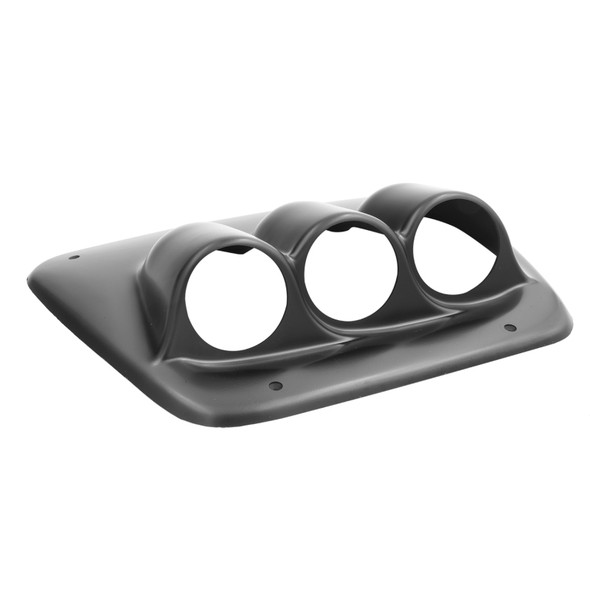

Autometer 02-07 WRX/STi 52mm Triple Dash Pod - 20018
AutoMeter
$80.28How many gauges can be mounted with the AM Pod Mounts?AM Pod Mounts are meticulously engineered to securely house multiple gauges, ensuring optimal driver awareness and accessibility without...$80.28 -
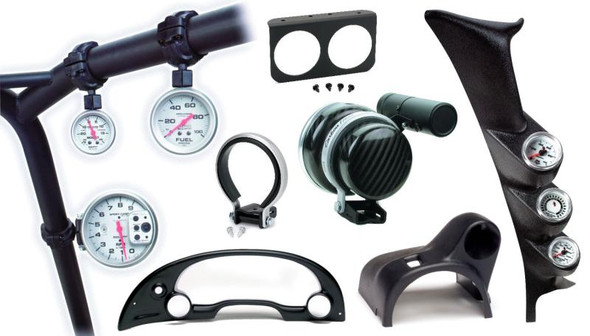
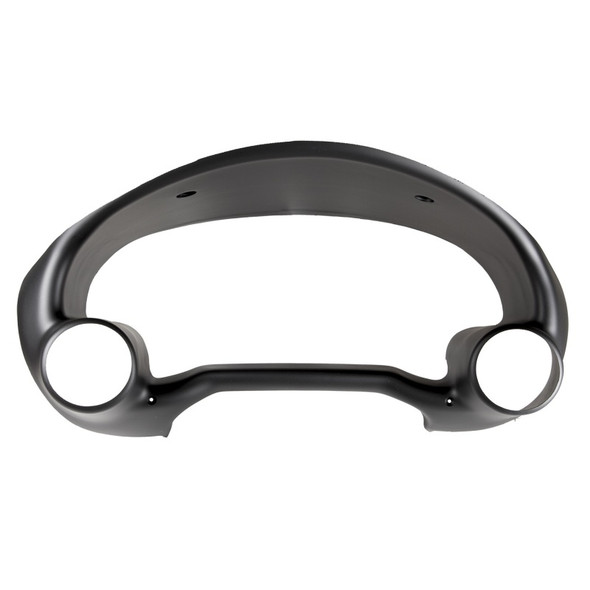
Autometer 02-07 Subaru WRX 52mm Dual Instrument Cluster Bezel - 20015
AutoMeter
$115.98Does this gauge pod fit my car?This AM Pod Mount is specifically designed for your Subaru model, ensuring a precise, bolt-on fit that integrates seamlessly with your vehicle's dashboard.How difficult...$115.98 -
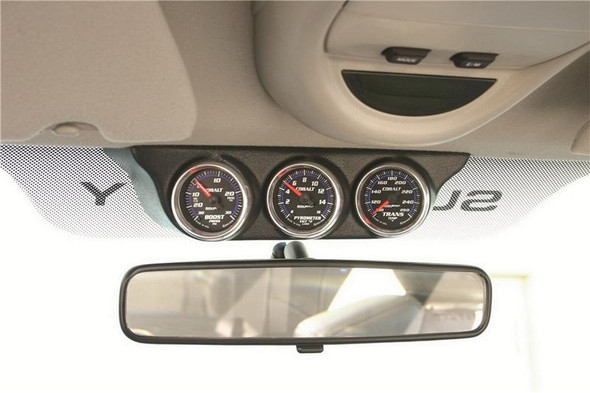
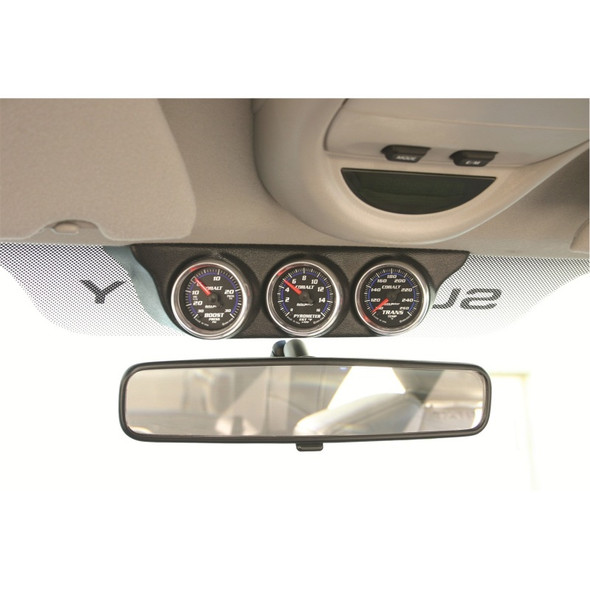
Autometer 99-07 Ford Super Duty / 03-07 Dodge Ram Black Triple Overhead Console Pod - 18017
AutoMeter
$86.83Are these gauge pods a universal fit?AM Pod Mounts are meticulously engineered for specific Dodge or Ford truck models; always confirm fitment with your vehicle before purchase.Can I install these...$86.83 -


Autometer 04-08 Ford F-150 Triple 52mm Pillar Pod - 17318
AutoMeter
$113.20Will this gauge pod require modification to my F-150's factory trim?No modification of factory trim is needed for these gauge pods, ensuring a clean installation that preserves your original interior...$113.20 -


Autometer 99-07 Ford Super Duty Triple 52mm Pillar Pod - 17307
AutoMeter
$103.78How do I install the AM Pod Mounts?Professional installation is recommended to ensure a secure fitment and optimal placement of your new gauge pods within the vehicle.What AutoMeter gauges can I use...$103.78 -
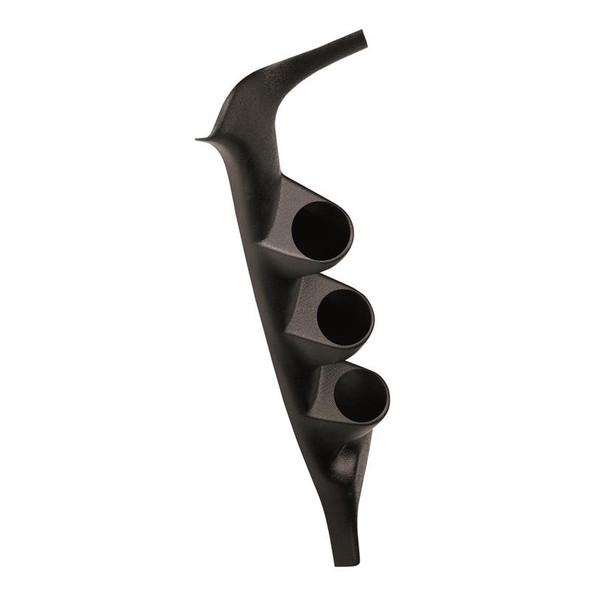

Autometer 92-97 Ford F Series (exc 97 F-150) Triple Pillar - Black - 17303
AutoMeter
$103.78What vehicles does this gauge pod mount fit?This AM Pod Mount securely fits 1992-1997 Ford F-150, F-250, and F-250 HD trucks, ensuring a precise installation for these specific models.How difficult...$103.78 -


Autometer 92-97 Ford F Series 2-1/16in Dual Pillar - 17302
AutoMeter
$100.48Will these gauge pods fit my vehicle?Confirm fitment with your vehicle to ensure these AM Pod Mounts precisely integrate with your specific truck's factory pillar.How difficult is the installation...$100.48
Gauge pods are purpose-built mounting solutions that position aftermarket instrumentation — boost, oil pressure, wideband AFR, coolant temp, and more — directly in the driver's line of sight without permanent dash modification. Motor Sport Mayhem stocks 139 gauge pods across 36 brands, ranging from simple single-gauge pillar mounts to full multi-channel race dash systems, covering everything from weekend autocross builds to dedicated competition vehicles.
Our Top Picks for Gauge Pods
Each of these units was hand-selected based on installation quality, data accuracy, and proven real-world performance across street, track, and competition builds.
AEM Digital Gauges
AEM | $2151.95
A GPS-enabled, CAN-bus race dash display with carbon fiber construction that consolidates full vehicle telemetry into a single driver-focused digital interface.
- GPS data logging integration eliminates the need for a separate data acquisition unit in serious competition builds
AER Gauges
Aeromotive | $58.74
A dedicated fuel pressure gauge engineered specifically for high-performance fuel systems where accurate low-range pressure reading is critical to tuning.
- Low-range 0–15 PSI scale provides finer resolution for monitoring fuel delivery at idle and part throttle — where pressure drops are most diagnostic
AFE Gauge Display
aFe | $522.00
A 5.5-inch digital multi-parameter monitor designed for diesel truck applications, displaying critical performance and health data on a large, high-visibility screen.
- Multi-channel display capability replaces an entire cluster of individual gauges with one clean, legible unit sized for cab mounting
ALF LCI Single Gauges
Air Lift | $336.99
A single-gauge load controller with a 5 PSI minimum low-pressure sensor, purpose-built for air suspension management with precise in-cab pressure monitoring.
- Integrated low-pressure sensing protects air bags from being run at destructively low pressures during dynamic driving or load changes
PA Alta Gauge Pod
Alta | $37.40
A direct-fit single gauge pod accepting both 52mm and 60mm gauges, engineered to integrate cleanly into the factory dash without drilling or fabrication.
- Dual diameter compatibility gives you flexibility to run a wider range of aftermarket gauges without sourcing an adapter ring
AM Jeep Gauges
AutoMeter | $1401.46
A seven-piece direct-fit dash gauge kit that replaces the entire factory instrument cluster with a calibrated, performance-grade analog gauge suite requiring no custom fabrication.
- Seven-gauge coverage in a single kit eliminates the piecemeal sourcing problem and ensures all gauges share a consistent face and lighting style
GBE Gauge Mounts
Banks Power | $68.00
A dual-position suction-cup windshield mount that simultaneously accommodates a digital iDash display and a standard 52mm analog gauge — no dash modification required.
- Non-permanent suction mounting makes it ideal for vehicles where preserving factory interior condition is a priority
BBK Oxygen Sensor Extension Cable
BBK | $74.99
A 16-inch O2 sensor harness extension pair that resolves wiring reach issues when aftermarket exhaust or gauge installations relocate sensor bung positions.
- Correct-length extensions prevent the stretched or kinked factory harnesses that introduce signal noise into wideband and narrowband O2 gauge readings
BDD Low Pressure Alarms
BD Diesel | $98.95
A red LED low fuel pressure alarm kit that provides an active driver warning before a pressure drop becomes an injector or pump failure event.
- Active alarm output is far more reliable as a driver alert than a passive analog gauge sweep that can be missed under load
BKC Speedometer
Bikers Choice | $295.99
A 5-inch electronic replacement speedometer with a black face dial, purpose-built as a direct OEM-format swap for Softail chassis motorcycles.
- Electronic signal compatibility with factory wheel speed sensors means no pulse generator conversion is required for a clean, accurate install
How to Choose the Right Gauge Pods
The difference between a gauge pod that works and one that causes problems comes down to three factors: fitment precision, material rigidity, and gauge diameter compatibility. A pod with loose tolerances will vibrate against the pillar or dash surface, causing rattles and — more critically — introducing micro-movement that stresses gauge wiring connections over time. Quality pods are vacuum-formed or injection-molded from ABS or fiberglass-reinforced composites that match factory surface textures, resist UV degradation, and hold gauge bezels within ±0.5mm of the stated diameter. Cheap pods sourced from non-fitment-specific manufacturers are often oversized, requiring foam tape shimming that degrades within a season of heat cycling.
Key Specifications
Gauge diameter is the first specification to lock down before selecting any pod. The industry standard for aftermarket performance gauges is 52mm (2-1/16 inch), which covers the vast majority of boost, oil pressure, coolant temp, wideband AFR, and volt gauges from every major brand. Some manufacturers offer 60mm (2-3/8 inch) and larger formats for improved readability at distance — common in race applications — so confirm your gauge diameter before purchasing the pod, not after. Pods that accept multiple diameters via removable rings add flexibility but add one more potential vibration point if the ring fit is loose.
Mounting location determines which pod type you need. A-pillar pods offer the best forward sight line for track driving and are the most popular location for one to three gauges; they mount using the factory pillar trim clips and require no permanent modification in most cases. Dash-top pods and vent-mount pods work well for street builds where keeping the A-pillar unobstructed is a priority. Suction-cup windshield mounts are the only truly non-permanent option, appropriate for vehicles where interior integrity matters or for users who swap gauges between platforms. For forced induction builds running boost gauges, A-pillar or top-of-dash positions are almost always preferred because they keep boost readings in peripheral vision during hard pulls.
Wiring routing is where most DIY installations create problems. Every gauge pod adds a wiring run from the gauge location back to the sensor, power, and ground. On pillar-mounted pods, this means routing wire behind headliner and door seal trim, and a clean install requires enough wire to avoid tension at any point in the run. Factor gauge wire length into your pod selection — some pod manufacturers include pre-made wiring harnesses that match the install location, which saves significant time and produces cleaner results than custom-cut runs. For pods integrating digital displays or CAN-bus dash systems, also verify the communication protocol your gauge requires matches your sensor hardware before purchasing.
Material and finish quality separate short-term and long-term installations. Thermoplastic ABS pods tolerate heat well up to approximately 180°F without deformation — adequate for most street and track applications where direct sun loading is moderate. For vehicles with high interior ambient temperatures or pods mounted directly in sunlight paths, look for UV-stabilized ABS or fiberglass construction. Textured finishes that match factory grain patterns significantly reduce visual conflict with the existing interior and are standard on direct-fit pods from established brands. Raw carbon fiber and painted finishes are available for builds where aesthetic integration is prioritized.
Gauge Pod Diameter and Application Reference Guide
| Gauge Diameter | Common Applications | Typical Pod Locations | Notes |
|---|---|---|---|
| 52mm (2-1/16") | Boost, oil pressure, coolant temp, AFR, volts | A-pillar, dash pod, vent mount | Industry standard; widest brand and pod compatibility |
| 60mm (2-3/8") | Tachometer, speedometer, multi-function | A-pillar (wide), dash cluster | Improved readability; requires larger pod; fewer options |
| 80mm (3-3/8") | Tachometer, speedometer, large-face boost | Dash cluster, center console | Race and motorcycle cluster replacement; pod options limited |
| 100mm+ (4"+) | Digital race dash displays, multi-channel monitors | Dash-top, roll cage mount, windshield suction | Typically dedicated digital units with integrated display housing |
| Multi-gauge pods (2x 52mm) | Dual boost/AFR, oil pressure/temp combos | A-pillar, center stack | Single pod, two gauges; requires wider pillar or dedicated dash real estate |
| Multi-gauge pods (3x 52mm) | Full oil/coolant/boost suite | A-pillar (wide-body), dash panel | Common in track and competition builds; verify pillar width before purchasing |
Price Guide
Entry ($9.60–$80): Universal-fit pods, single-gauge pillar mounts, vent-clip holders, and suction mounts fall here. These work for street builds where permanent, precise fitment is not critical — expect to trim, shim, or adapt in some cases. Hardline and BLOX Racing product in this range represents solid value for budget-conscious builds where the gauge itself is the investment, not the mount.
Mid-range ($80–$500): This is where most enthusiasts land, and where direct-fit, model-specific pods, quality analog gauge sets, and entry-level digital displays live. Fitment is precise, finish quality matches factory trim, and installation time drops significantly compared to universal options. Brands like AutoMeter, Revel, and Banks Power deliver well-engineered solutions at this price point that hold up to years of daily and track use.
Premium ($500–$2151.95): Full race dash systems, multi-channel digital displays with integrated logging, and comprehensive direct-fit gauge kit suites occupy this tier. The cost is justified for competition vehicles where data logging, real-time telemetry, and cockpit integration are functional requirements, not preferences. AEM and Haltech solutions here are legitimate data acquisition tools, not just gauges — if you need to tune, log, and analyze, the premium is earned quickly in diagnostic and tuning time saved.
Who Is This For?
Gauge pods serve a wide spectrum of users, from daily drivers adding a single boost gauge to full competition builds running integrated race dashes — the usage data reflects genuine multi-application demand across street, track, drag, and engine management contexts.
Engine Performance — 8.3/10
This is the highest-scoring application in the data set, and it makes complete sense: gauges are the primary tool for monitoring engine health and performance parameters in real time. Oil pressure, coolant temperature, boost, AFR, and fuel pressure readings directly inform decisions that protect and optimize engine components. The 8.3 score reflects how foundational accurate gauging is to any serious engine performance build — you cannot tune or protect what you cannot measure.
Easy DIY Install — 8.0/10
The 8.0 score here reflects the mature state of the gauge pod market: direct-fit pods from established brands require no cutting, drilling, or fabrication in most applications, and quality harness solutions have simplified wiring significantly. Most single-gauge A-pillar or vent-mount installations are genuinely accomplishable in under two hours with basic hand tools. The ease score also reflects good documentation from leading brands, which is a real differentiator when you're routing wires behind door seals for the first time.
Racing Competition — 7.6/10
Track and competition applications score 7.6, driven by the necessity of real-time data monitoring during sessions where a missed oil pressure drop or overheat event ends a race — or an engine. Competition builds typically prioritize digital multi-parameter displays and integrated logging over simple analog gauges, because the ability to review data post-session has direct performance value. Pod placement in competition vehicles also needs to account for helmet clearance, cage geometry, and driver vision angles in ways street builds simply don't.
Track / Autocross — 7.6/10
Matching the competition score exactly, track and autocross use cases reflect the serious amateur segment that wants data-grade monitoring without full race-car complexity. Boost, oil pressure, and wideband AFR are the three gauges most commonly added at this level, giving drivers confidence to push harder while keeping an eye on mechanical limits. A well-mounted analog gauge suite on a clean A-pillar pod is a reliable, low-maintenance solution that covers 90% of what autocross and track day drivers actually need to monitor.
Street Performance — 7.4/10
At 7.4, street performance is nearly as well-served as competition applications, reflecting how accessible and effective aftermarket gauge solutions have become for modified street cars. Street builds benefit most from boost pressure monitoring on forced induction applications, wideband AFR during the tuning process, and oil pressure for high-output naturally aspirated engines running aggressive camshaft profiles. The slight score gap versus track use reflects that street drivers rarely need data logging — a clean, accurate analog setup handles most monitoring needs effectively.
Trusted Gauge Pods Brands We Carry
The brands that dominate this category earned their positions through engineering consistency, calibration accuracy, and real-world durability across thousands of installations. AutoMeter has been the benchmark for analog gauge accuracy in North America for decades, with movement mechanisms calibrated to tighter tolerances than virtually any competitor in the mass-market segment. AEM built its reputation in wideband O2 and digital display technology, and their race dash systems are used at the professional level where data integrity is non-negotiable. Innovate Motorsports pioneered the modern wideband AFR gauge category and remains the reference for exhaust gas measurement accuracy. Haltech brings ECU-grade engineering to their display products, which integrate directly with their engine management platforms for seamless data routing. Banks Power provides diesel-specific monitoring solutions engineered by a team with decades of high-output diesel development experience, while Revel and BLOX Racing serve the import and sport compact market with fitment-specific pods that install cleanly in popular chassis without modification.
Frequently Asked Questions
Are AutoMeter boost gauges accurate?
AutoMeter boost gauges are among the most accurate analog boost gauges available at their price point, with movement mechanisms calibrated to ±2% full-scale accuracy from the factory. The key variable is sensor quality and placement — the gauge itself is rarely the source of inaccuracy; it's usually a kinked or heat-soaked boost reference line or a sensor mounted too close to a heat source. AutoMeter uses bourdon-tube mechanical movements in their analog units, which are robust, proven, and not susceptible to electrical interference the way some digital sensor-based gauges can be. For tuning purposes, always cross-reference your gauge reading against a known-accurate reference during initial installation to confirm calibration.
Are aftermarket gauges accurate overall, and are digital tachometers specifically reliable?
Quality aftermarket gauges from established brands are genuinely accurate — often more so than the swept-needle OEM gauges they replace, which are frequently damped to hide short-duration spikes from driver view. Digital tachometers are highly accurate when properly configured for your ignition system's cylinder count and firing pattern, with most quality units resolving RPM to within ±10 RPM at steady state. The critical setup step for digital tachs is correctly setting the pulses-per-revolution parameter to match your ignition system; a wrong setting produces a reading that's consistently off by a fixed multiplier, which is easy to diagnose but a common source of confusion on first install. Signal noise from high-output ignition systems can cause digital tachometer jitter — a filter capacitor at the signal wire resolves this in most cases.
Are all wideband O2 sensors the same?
No — wideband O2 sensors vary significantly in cell type, operating temperature range, response time, and controller algorithm quality. The Bosch LSU 4.9 is the current industry-standard wideband cell used by most quality controllers from Innovate Motorsports, AEM, and other leading brands, offering consistent accuracy across a wide AFR measurement range with a well-characterized response curve. Cheaper wideband kits frequently use off-spec or clone sensor cells that drift faster, require more frequent free-air calibration, and produce less consistent readings at lean and rich extremes. For tuning work, the controller's algorithm matters as much as the sensor — quality controllers compensate for sensor aging and temperature variation in ways that budget units do not, producing data you can actually trust for fuel map corrections.
Are boost gauges actually necessary?
On any turbocharged or supercharged vehicle that has been modified beyond stock, a boost gauge is not a luxury — it's a primary diagnostic tool that tells you whether your forced induction system is operating within safe parameters on every single pull. Boost spikes, boost creep, and boost drops are all detectable with a proper gauge before they cause detonation or mechanical damage; without a gauge, you're relying entirely on the ECU's knock sensors and fuel trims to catch problems after they've already started. Even on a stock boost level, a gauge baseline gives you immediate evidence if a boost leak develops after a cold-air intake or intercooler install. For street-driven boosted vehicles, a single quality boost gauge is consistently the highest-value instrumentation addition available per dollar spent.
Are AEM performance parts and gauges worth the money?
AEM products occupy the upper-middle tier of the performance instrumentation market and consistently deliver accuracy and build quality that justifies the price premium over budget alternatives. Their wideband controllers and digital gauge systems are used in professional motorsport applications where data credibility is required, which is a meaningful real-world validation of the engineering. The premium is most justified on wideband AFR gauges and digital displays where sensor and controller quality directly affect tuning decisions — getting an inaccurate AFR reading during a dyno tune or street tune has real consequences for engine safety. For basic parameters like oil pressure or coolant temp, the accuracy gap between AEM and a quality mid-range gauge is smaller, and the buying decision shifts more toward fitment, aesthetics, and system integration preferences.
Building something specific? Our performance specialists can help you select the right Gauge Pods for your application — street, track, or full race build.