
Bolts
- Product
- Qty in Cart
- Quantity
- Price
- Subtotal
-
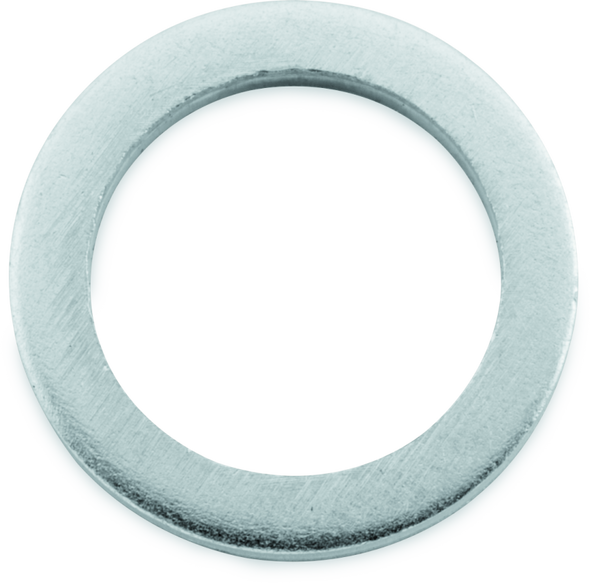
BikeMaster Aluminum Crush Washer 16mm - 10pk - 152254
BikeMaster
$7.99What is the primary function of BKM Washers?BKM Washers provide reliable, leak-free sealing for critical 10mm, 12mm, 14mm, or 16mm bolt applications, ensuring fluid system integrity.Can I install BKM...$7.99 -
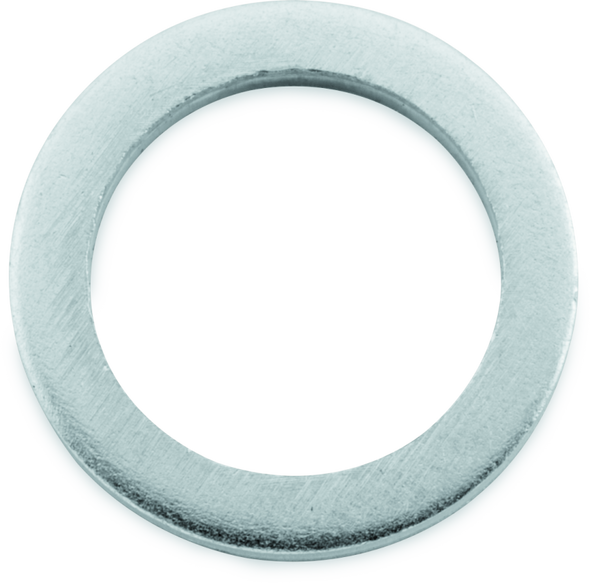
BikeMaster Aluminum Crush Washer 14mm - 10pk - 152253
BikeMaster
$7.99These BikeMaster Aluminum Crush Washers provide reliable, leak-free sealing for oil drain bolts, brake lines, and other critical connections on motorcycles and powersports vehicles.Designed to fit...$7.99 -

BikeMaster Aluminum Crush Washer 12mm - 10pk - 152252
BikeMaster
$7.99How many washers are in a pack?BikeMaster Aluminum Crush Washers are typically sold in quantities of ten, offering a cost-effective solution for your bolt needs.Can I install these...$7.99 -

BikeMaster Aluminum Crush Washer 10mm - 10pk - 152251
BikeMaster
$7.99What are BKM Washers used for?BKM Washers provide reliable, leak-free sealing for critical connections like oil drain bolts and brake lines on your powersports vehicle.How do I install BKM...$7.99 -
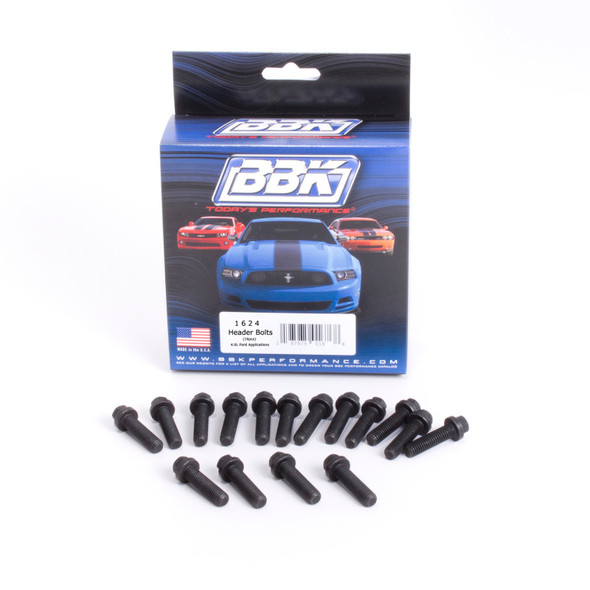
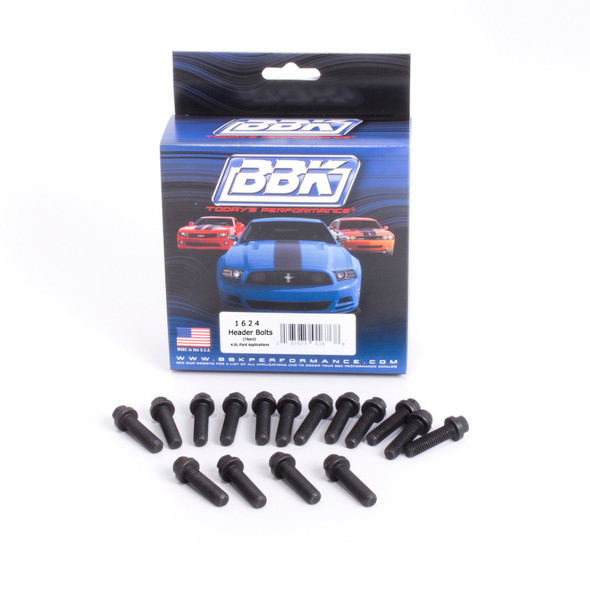
BBK Ford Modular 4.6 5.4 Exhaust Header Bolts 8mm 1.25 x 30mm (16) - 1624
BBK
MSRP: $34.99$29.99Will these header bolts fit my 2002 Ford Mustang GT?These BBK header bolts are specifically engineered to fit Ford 96-04 4.6 and 5.4 Modular engines, ensuring a perfect fit for your 2002 Mustang GT...MSRP: $34.99$29.99 -
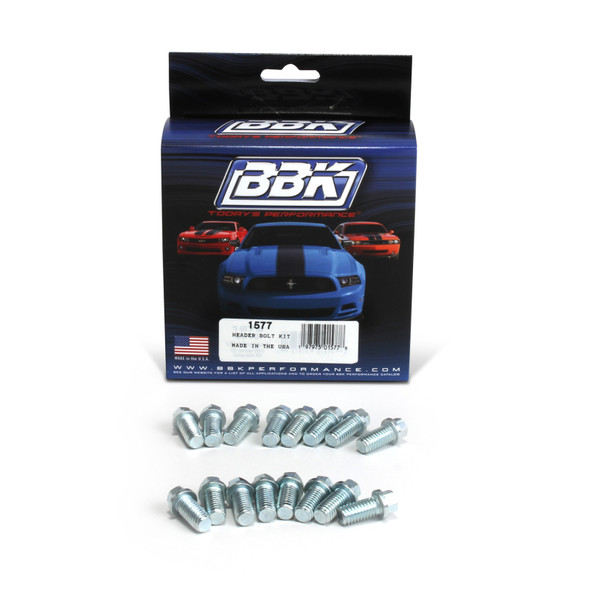

BBK Ford SBF 302 351W Exhaust Header Bolt Kit - 3/8-16 0.75in (16) - 1577
BBK
MSRP: $34.99$29.99What is the thread pitch and length of these header bolts?BBK Header Bolts feature a 3/8-16 thread pitch and 0.75 inch under head length for precise fitment.Are these bolts suitable for track...MSRP: $34.99$29.99 -
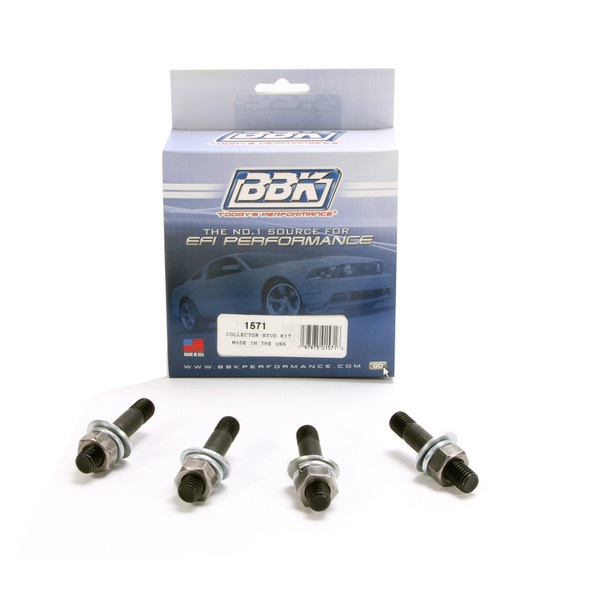
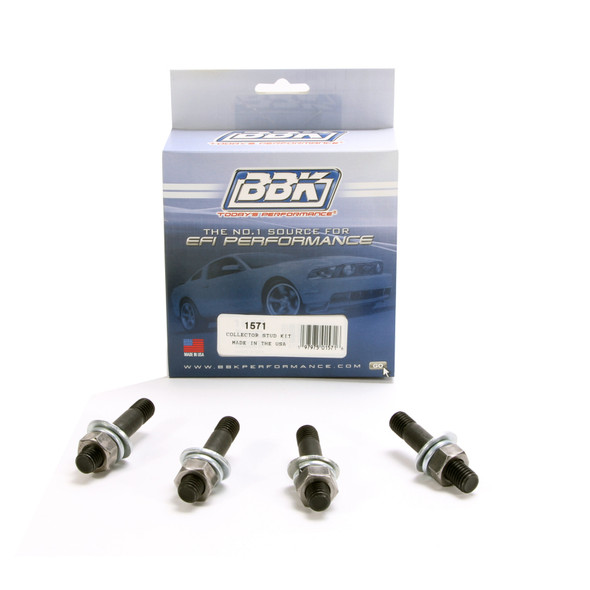
BBK Exhaust Collector Stud And Bolt Kit For BBK Exhaust Collectors - 1571
BBK
MSRP: $29.99$24.99What is the thread pitch and length of the BBK Header Collector Stud Kit?These BBK Header Collector Studs feature an M12-1.75 thread pitch and a 65mm overall length for a precise fitment.Can I...MSRP: $29.99$24.99 -
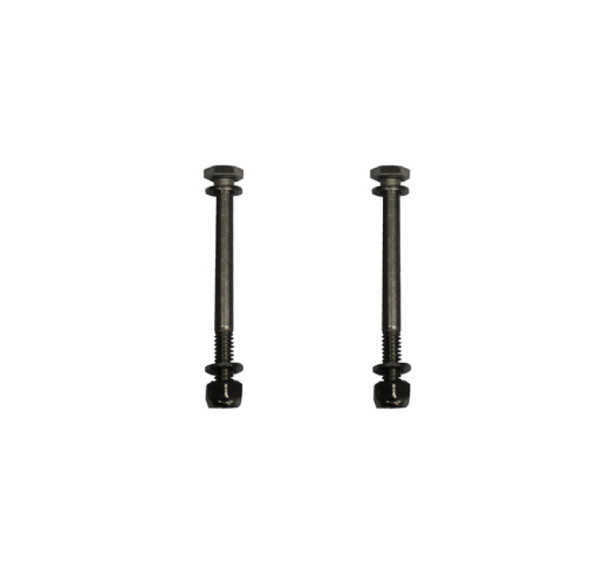
Baja Designs Can Am Maverick X3 RTL Bolt Kit - 447053
Baja Designs
$18.95Will these bolt kits fit my specific Can-Am Maverick X3 model?The Baja Designs Can-Am Maverick X3 RTL Bolt Kit is engineered to fit 2017-2024 Can-Am Maverick X3 models, ensuring precise compatibility...$18.95 -

ATI Crank Bolt - OEM Chrysler - 5.7L & 6.4L Hemi - Used for 918487 - ATI951496
ATI
$25.07What torque should I use for the ATI APP Crank Bolt?Always consult your vehicle's service manual for precise torque specifications; incorrect torque compromises crankshaft Bolt integrity.Is...$25.07 -

Artec Industries 1974-2010 Chevrolet / GMC K20 K30 14 Bolt Apex Pinion Guard With Bridge - PG1404
Artec Industries
$186.99What are the benefits of using ART Bolts?ART Bolts deliver unparalleled strength, superior vibration resistance, and exceptional corrosion resistance for demanding off-road conditions and critical...$186.99 -
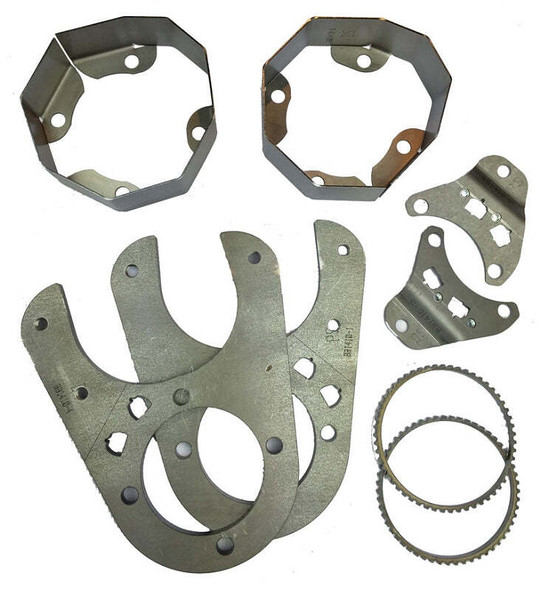
Artec Industries 07-18 Jeep Wrangler JK 1 Ton Rear 14 Bolt Disc Brake Conversion Kit - 52 Tooth - BB1420
Artec Industries
$274.99Artec Industries 07-18 Jeep Wrangler JK 1 Ton Rear 14 Bolt Disc Brake Conversion Kit - 52 Tooth$274.99 -
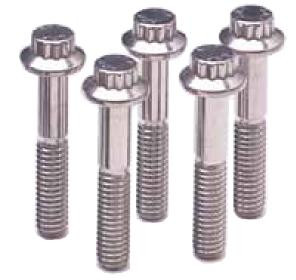
ARP M10 x 1.25 x 80 12pt SS Bolts (5/pkg) - 773-1010
ARP
MSRP: $40.03$37.64Will ARP Stainless Steel Bolts fit my specific vehicle?ARP Stainless Steel Bolts require precise fitment confirmation for your specific vehicle model and year to ensure proper installation and...MSRP: $40.03$37.64
Performance bolts are the most safety-critical fasteners on any race or street build — thread engagement, tensile strength, and material grade determine whether components stay assembled under heat cycling, vibration, and high-load stress. Motor Sport Mayhem stocks 165 in-stock bolts spanning steering, engine, drivetrain, and bracket applications, from single hardware pieces under $2 to complete crankcase bolt kits engineered for extreme cylinder pressure.
Our Top Picks for Bolts
Every product below was selected based on engineering pedigree, verified fitment, and documented real-world performance across street, track, and competition builds.
ADD Brackets and Hardware
Addictive Desert Designs | $318.98
Heavy-duty bracket and hardware assembly engineered for off-road and overland mounting applications where bolt-on rigidity under impact and vibration is non-negotiable.
- Laser-cut steel construction with hardware rated for high-stress mounting points
AVN Steering Wheel Bolts
Advan | $38.00
Dedicated steering wheel bolt set engineered for secure hub-to-wheel clamping with precise torque retention under the continuous vibration loads of track driving.
- Matched thread pitch and length designed for racing steering wheel hubs
AER Brackets
Aeromotive | $981.70
Belt-drive pump kit with integrated mounting bracket hardware designed for high-demand fuel system installations requiring rigid, vibration-proof fastener geometry.
- Complete hardware package eliminates sourcing mismatched fasteners for fuel system builds
ADG Fuel Fittings
AirDog | $150.00
Boost-referenced fuel pressure compensation kit with precision fittings and hardware for forced induction applications where fuel delivery must scale with manifold pressure.
- Hardline-quality fittings rated for high-pressure diesel and performance gasoline fuel systems
ALF Perf Air Lines
Air Lift | $53.09
Performance air line hose kit with compression fittings engineered for air suspension systems requiring consistent pressure retention and vibration resistance.
- DOT-rated polyurethane line with brass compression hardware for leak-free connection integrity
ABR Primary Bearing Kits
All Balls Racing | $28.69
Inner primary bearing and seal kit with hardware designed for complete drivetrain serviceability, including the fasteners required for proper reassembly to spec.
- OEM-spec hardware included ensures correct clamp load on bearing retention components
AMP Air Tank Relocation Kit
AMP Research | $89.99
Air tank relocation kit with all mounting hardware for heavy-duty truck air suspension systems, keeping critical components protected from road debris and thermal damage.
- Grade-rated mounting bolts and brackets included for chassis-direct attachment under load
AMS Oil Line Kits
AMS | $59.95
Remote-mount oil pressure sending unit line kit with all necessary fittings and hardware for accurate oil pressure monitoring away from extreme heat zones.
- AN-style hardware rated for sustained oil pressure without seep at fitting junctions
ARB Fitting Kits
ARB | $1,535.70
Complete vehicle-specific fitting kit with all brackets, bolts, and hardware required for a full ARB accessory installation — no sourcing individual fasteners from multiple suppliers.
- Vehicle-engineered hardware ensures correct torque specs and fitment without modification
ARP Crankcase Bolts
ARP | $1,263.79
Crankcase through-bolt kit manufactured from ARP2000 or Custom Age 625+ material, engineered to maintain clamping force under the extreme thermal cycling of high-output air-cooled and performance engines.
- Precision-ground thread forms and ultra-accurate length tolerances critical for crankcase sealing integrity
How to Choose the Right Bolts
The difference between a fastener that holds and one that fails is almost always material grade, thread tolerance, and proper torque specification — not brand recognition or price alone. OEM-grade hardware is adequate for stock applications, but the moment you add power, increase operating temperatures, or subject the chassis to track-level vibration and shock loads, you need fasteners engineered to maintain clamp load across those conditions. Bolts fail in one of three ways: they stretch past yield and lose clamping force, they fracture from fatigue under cyclic loading, or they corrode and seize, making future service destructive. Quality performance bolts are designed to avoid all three failure modes by controlling alloy composition, heat treatment, and surface finish to tight tolerances.
Key Specifications
Material grade is the first specification to evaluate. SAE Grade 5 fasteners (tensile strength 120,000 psi) are common in OEM applications. Grade 8 (150,000 psi) is the baseline for performance street and light track use. Purpose-built racing fasteners from manufacturers like ARP use proprietary alloys — ARP2000 delivers 220,000 psi tensile strength, while Custom Age 625+ reaches 260,000 psi — making them appropriate for the highest-stress applications such as main cap bolts, head studs, and crankcase hardware. Metric hardware follows a similar logic: 8.8 equates roughly to Grade 5, 10.9 to Grade 8, and 12.9 is the performance baseline for critical fasteners.
Thread engagement depth and pitch matter as much as bolt strength. An under-engaged bolt in a blind hole will strip before the fastener ever reaches its rated tensile capacity. For aluminum castings — cylinder heads, engine blocks, intake manifolds — thread engagement should be a minimum of 1.5 times the bolt diameter; 2x is preferable in high-load applications. Thread pitch selection also affects how well a fastener retains torque under vibration: fine-thread fasteners resist loosening better than coarse-thread under dynamic loads, which is why critical engine and suspension fasteners typically use fine-pitch threads with locking compounds or mechanical retention features.
Lubrication at assembly directly affects actual clamp load. The torque specification your manual or instruction sheet lists assumes a specific friction coefficient — typically achieved with clean, lightly oiled threads. Dry threads produce 30–40% less actual clamp load at the same torque reading. Molybdenum disulfide (moly) paste reduces friction further and is the correct lubricant for ARP fasteners, which publish separate torque values for moly versus engine oil lubrication. Never use anti-seize as a substitute for moly on critical fasteners — it changes the friction coefficient unpredictably and can lead to bolt over-torque and yield.
For engine components, stretch-to-yield (TTY) bolts are a separate category entirely — these are single-use fasteners that are torqued past yield intentionally to create a controlled, consistent clamp load. Reusing TTY bolts is a documented cause of head gasket and main bearing failures. If you're rebuilding any assembly that uses TTY fasteners, budget for replacement hardware as part of the job, or upgrade to reusable performance studs where the application allows it.
Bolt Grade vs. Application Reference
| Grade / Spec | Tensile Strength (psi) | Typical Application | Reusable? |
|---|---|---|---|
| SAE Grade 5 / Metric 8.8 | 120,000 | OEM body, bracket, non-critical engine | Yes (within spec) |
| SAE Grade 8 / Metric 10.9 | 150,000 | Street performance, suspension, subframe | Yes |
| Metric 12.9 | 177,000 | Performance drivetrain, brake caliper hardware, high-load brackets | Yes |
| ARP2000 Alloy | 220,000 | Head studs, main caps, connecting rods, crankcase | Yes (with proper lube) |
| Custom Age 625+ | 260,000 | Extreme engine builds, turbo hardware, billet rotating assembly | Yes |
| Torque-to-Yield (TTY) | Varies | OEM head bolts, main bolts — stretch past yield by design | No — single use only |
Price Guide
Entry ($1.49–$30): Individual hardware pieces, OEM-replacement fasteners, and grade 8 bolts for bracket and accessory mounting — correct choice for non-critical applications where the goal is secure fastening without temperature extremes or cyclic loading.
Mid-range ($30–$300): This is where most performance builders operate — purpose-built bolt sets for steering wheels, accessory drives, suspension hardware, and oil system fittings that bring documented material upgrades over OEM without the premium of full race-spec alloys.
Premium ($300–$1,535.70): Complete vehicle-specific fitting kits, full crankcase hardware packages, and belt-drive system assemblies with integrated high-grade fasteners — justified when you need a complete, engineered hardware solution for a critical system rather than assembling mismatched individual fasteners.
Who Is This For?
Performance bolts serve every segment of the automotive enthusiast spectrum — from weekend autocrossers refreshing steering hardware to professional race teams building engines to the limits of material science.
Track / Autocross — 7.6/10
Track and autocross applications score the highest in this category because vibration-induced fastener loosening is a real, documented failure mode at sustained high RPM and over repeated hard cornering loads. Upgraded fasteners in steering, suspension, and drivetrain mounting points directly reduce the risk of in-session hardware loss. Proper torque retention under these loads requires both upgraded material grade and the correct thread locking strategy.
Racing Competition — 7.6/10
Full competition builds demand fasteners engineered to aerospace tolerances — this is not marketing language but a physical requirement when cylinder pressures, bearing loads, and thermal cycling push hardware past what any OEM fastener was designed to sustain. Critical engine assembly points require fasteners with documented tensile and fatigue strength data, not assumed performance from generic hardware. Tech inspection at sanctioned events increasingly includes hardware checks, and sub-spec bolts are grounds for disqualification before the car ever turns a wheel.
Drag Racing — 7.6/10
Drag racing imposes short, violent load spikes rather than sustained cyclic loads — but the peak forces on engine internals, driveshaft loops, and chassis hardware during hard launches are extreme. Crankcase and main cap hardware are the most critical fastener locations in a drag application, as bearing crush and crankcase rigidity are direct functions of clamp load consistency. Bracket and subframe hardware also sees shock loading that benefits from grade 8 or higher fasteners with verified torque retention.
Street Performance — 7.3/10
Street performance applications are the broadest use case — anyone bolting on upgraded engine components, installing aftermarket suspension, or mounting auxiliary brackets needs hardware that holds securely through daily temperature cycling and road vibration. The risk of using undersized or wrong-grade hardware on the street is lower than on track in the short term, but hardware failures in street driving have real safety consequences. Matching fastener grade to the load and temperature of each specific application is the correct approach regardless of the use case.
Overlanding / Expedition — 7.1/10
Off-road and expedition builds generate some of the most punishing vibration environments a fastener will ever see — continuous low-frequency chassis flex, rock impact shock loads, and temperature swings from extreme cold to exhaust-heat proximity. Bracket and accessory mounting hardware on overland builds requires corrosion-resistant materials, often stainless or zinc-nickel plated high-strength fasteners, to survive prolonged exposure to mud, water, and trail debris without seizing.
Trusted Bolts Brands We Carry
ARP (Automotive Racing Products) is the undisputed benchmark for engine fasteners — their proprietary alloy development and in-house heat treatment deliver tensile and fatigue specifications that third-party hardware cannot match, and their products are used by every major professional racing series. ARB brings the same engineering discipline to vehicle-specific hardware kits, ensuring that every bolt in a fitting package meets the load requirements of its exact mounting location. Advan's steering wheel hardware reflects Japanese motorsport precision manufacturing, where thread tolerance and surface finish are held to tolerances that guarantee repeatable clamping force. Addictive Desert Designs and AMP Research approach bolts as integrated system components — their brackets and relocation hardware ship with fasteners rated specifically for the structural loads of their intended applications. All Balls Racing and AMS Performance represent the broader trend of performance hardware suppliers who include correctly specified fasteners as part of complete assembly kits, eliminating the guesswork of sourcing individual hardware from generic suppliers.
Frequently Asked Questions
Are all crank bolts the same?
No — crank bolts vary significantly by thread diameter, pitch, length, and the torque specification they are designed to achieve. Some engines use a single large-diameter crank bolt with a specific torque-to-yield procedure, while others use multi-bolt arrangements with individual grade and length requirements. Using the wrong crank bolt — particularly one with incorrect thread pitch or insufficient length — risks crankshaft pulley slip or crank nose thread damage, both catastrophic failures. Always verify that the fastener matches the OEM specification in thread form and material grade, or use an application-specific performance replacement that documents its own torque spec.
Are aftermarket radiators worth it?
For any build running elevated coolant temperatures — forced induction, high-compression naturally aspirated, or track use — an aftermarket radiator with greater core volume and higher-flow end tanks is a measurable upgrade over OEM. Stock radiators are designed for the thermal load of a stock engine in normal ambient conditions; any meaningful power increase raises heat rejection requirements beyond that baseline. Aluminum multi-row cores shed heat more efficiently than OEM plastic-tank units and are also lighter. The hardware and fitting brackets that come with quality aftermarket radiators matter too — verify that mounting hardware and coolant fitting specs match your plumbing before purchase. See our full Cooling category for complete options.
Are aftermarket coolant hoses worth it?
Silicone coolant hoses are worth the investment on any build that runs coolant temperatures above OEM spec, sees sustained high-RPM use, or has simply aged past the safe service life of rubber OEM hoses. Silicone maintains its wall integrity and clamp sealing surface far longer than EPDM rubber under heat cycling — OEM rubber hoses begin interior layer degradation that can contaminate coolant and cause partial blockage after high mileage or years of heat exposure. The hose clamp hardware used with silicone hoses also matters: use proper worm-drive stainless clamps torqued to the silicone manufacturer's specification, as overtightening will cut into the soft silicone wall and create a leak point.
Are all brake line fittings the same?
Brake line fittings are not interchangeable — they differ by thread size, thread pitch, flare angle, and the flare type (double-flare versus bubble/ISO flare) used to seal the line against the fitting seat. American domestic vehicles predominantly use SAE double-flare fittings, while most European and Japanese platforms use metric bubble-flare (ISO) fittings; mixing these produces a fitting that appears threaded together but has no actual sealing surface contact and will fail under brake system pressure. Adapters exist to transition between standards, but every adapter in a brake line is an additional potential failure point. Always match fitting type, thread specification, and flare geometry to the original system specification. Browse our Brakes, Rotors & Pads section for related hardware.
Are 45 and 90 degree fittings the same?
A 45-degree and 90-degree elbow fitting perform the same function — redirecting fluid or air line routing — but they produce significantly different flow characteristics and pressure drop values. A 90-degree fitting imposes a sharper directional change that increases turbulence and flow restriction more than a 45-degree bend; in high-flow applications like fuel delivery or forced induction oil drain lines, this difference affects system performance. Use 45-degree fittings wherever routing permits to minimize pressure drop; reserve 90-degree fittings for tight-clearance installations where a 45 cannot physically fit. Both fittings follow the same thread and AN sizing standards, so they are interchangeable from a connection standpoint but not equivalent from a flow standpoint.
Building something specific? Our performance specialists can help you select the right Bolts for your application — street, track, or full race build.