
Valve Guides
- Product
- Qty in Cart
- Quantity
- Price
- Subtotal
-

GSC P-D Nissan RB26 (STD) Intake Valve Guide w/Stopper - Set of 12 - 3128-12
GSC Power Division
MSRP: $87.61$74.47What makes GSC Intake Valve Guides different from stock?GSC Intake Valve Guides are precision-machined to tighter tolerances than stock, ensuring superior valve sealing and consistent valve train...MSRP: $87.61$74.47 -
GSC P-D Toyota 2JZ Exhaust Valve Guide for 6.6mm Valve Stem - Set of 12 - 3113-12
GSC Power Division
MSRP: $87.61$74.47What is the recommended installation procedure for GSC Exhaust Valve Guides?GSC Exhaust Valve Guides are designed for professional installation to ensure precise alignment and optimal performance...MSRP: $87.61$74.47 -

GSC Subaru FA20/BRZ (STD) Stopper Intake Valve Guide - Set of 8 - 3106-8
GSC Power Division
MSRP: $58.41$49.65What is the optimal valve sealing?Optimal valve sealing ensures consistent valve operation for reliable performance and maximum engine efficiency, crucial for performance applications.Are GSC Valve...MSRP: $58.41$49.65 -
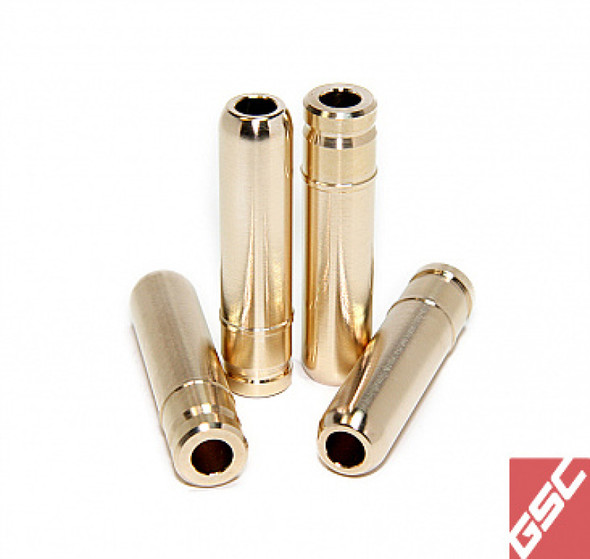
GSC Subaru FA20/BRZ (STD) Stopper Exhaust Valve Guide - Set of 8 - 3105-8
GSC Power Division
MSRP: $58.41$49.65What are the main advantages of GSC exhaust valve guides?GSC exhaust valve guides maximize valve stem seal longevity and provide superior heat dissipation to prevent valve seat damage, ensuring...MSRP: $58.41$49.65 -
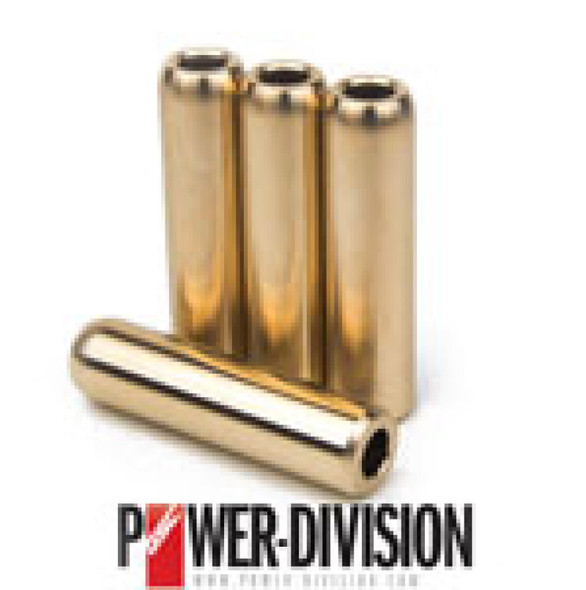
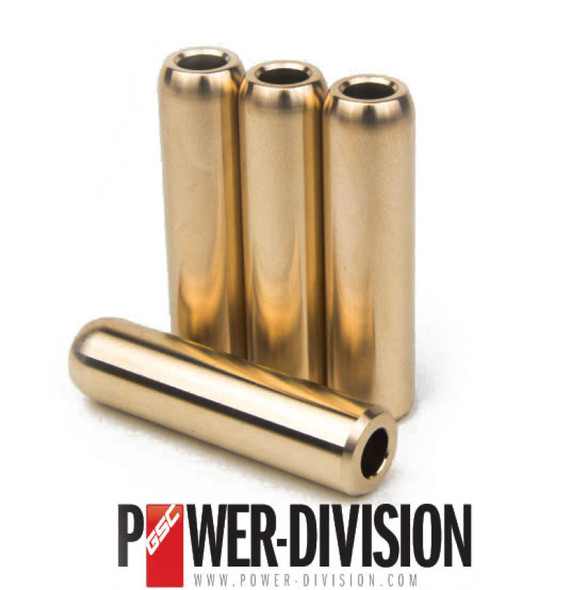
GSC P-D Ford Coyote 5.0L Manganese Bronze Intake/Exhaust Valve Guide Set - Set of 16 - 3101-16
GSC Power Division
$99.29What is the purpose of valve guides?Valve guides precisely center the valve in the combustion chamber, ensuring optimal sealing and preventing side-loading during operation for peak performance.How...$99.29 -

GSC P-D Ford Mustang GT/GT500 5.4L DOHC Manganese Bronze Intake Valve Guide - Set of 16 - 3098-16
GSC Power Division
$99.29What is the function of a valve guide?Valve guides ensure precise valve alignment, crucial for optimal sealing and engine reliability across all GSC Power Division applications.Can I install these...$99.29 -

GSC P-D Ford Mustang GT/GT500 5.4L Manganese Bronze Exhaust Valve Guide - Set 16 - 3097-16
GSC Power Division
$99.29What is the main advantage of using GSC Exhaust Valve Guides?GSC Exhaust Valve Guides deliver superior valve sealing, directly enhancing engine efficiency and power output for optimal performance.How...$99.29 -
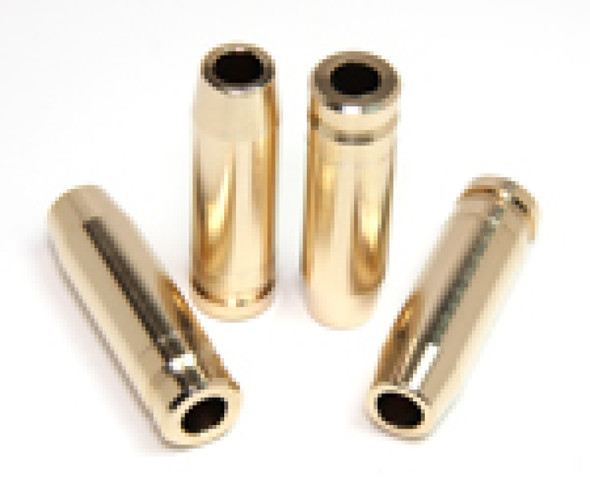
GSC P-D Toyota 1JZ Manganese Bronze Exhaust Valve Guide - SET OF 12 - 3091-12
GSC Power Division
MSRP: $87.61$74.47What is the primary function of GSC Exhaust Valve Guides?GSC Exhaust Valve Guides ensure precise valve alignment, promoting superior sealing for optimal engine performance and longevity.Can I install...MSRP: $87.61$74.47 -

GSC P-D Honda S2000 Manganese Bronze Exhaust Valve Guide - Set 8 - 3087-8
GSC Power Division
MSRP: $58.41$49.65Are these valve guides compatible with my specific vehicle model?GSC Exhaust Valve Guides require precise fitment confirmation; always verify compatibility with your vehicle's make and model before...MSRP: $58.41$49.65 -

GSC P-D GM LS7 Intake/Exhaust Valve Guide - Set of 8 - 3082-8
GSC Power Division
MSRP: $91.42$77.71What are GSC Intake Valve Guides?GSC Intake Valve Guides are precision-engineered components critical for optimal valve sealing and consistent valve train operation, ensuring engine longevity and...MSRP: $91.42$77.71 -

GSC P-D Audi R8 V10 / Lamborghini Gallardo V10 Manganese Bronze Exhaust Valve Guide - Set Of 20 - 3079-20
GSC Power Division
MSRP: $146.01$124.11Are GSC Exhaust Valve Guides compatible with my vehicle?Confirm exact fitment for your specific vehicle's make, model, and year before purchasing GSC Exhaust Valve Guides for optimal performance.How...MSRP: $146.01$124.11 -
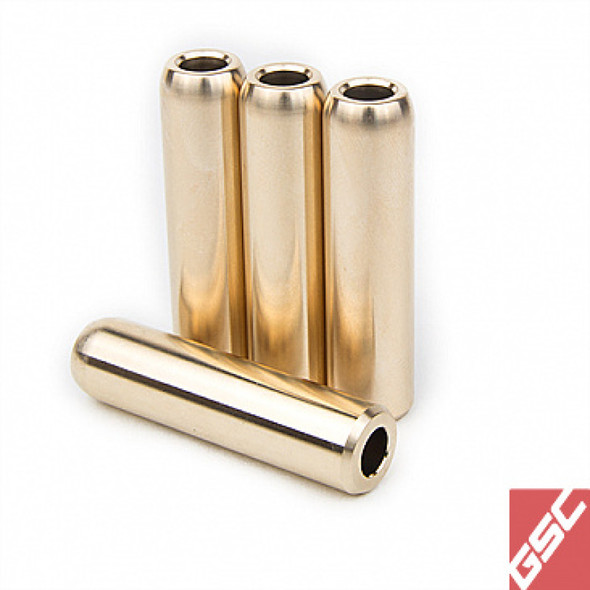
GSC P-D Dodge Neon SRT-4 & 420A Manganese Bronze Exhaust Valve Guide - SET OF 8 - 3061-8
GSC Power Division
MSRP: $58.41$49.65What is the typical lifespan of valve guides?GSC Exhaust Valve Guides are engineered for exceptional longevity, significantly extending the service life of your engine's valve train components when...MSRP: $58.41$49.65
Valve guides are precision-fit cylinder head components that control lateral valve stem movement, maintain oil film integrity, and transfer combustion heat from the valve into the head — and when clearances are wrong, power, oil consumption, and longevity all suffer simultaneously. Motor Sport Mayhem stocks 142 valve guides across 161 brands, from budget OE replacements under $2 to full race-spec bronze sets pushing $11,000 for exotic multi-valve applications.
Our Top Picks for Valve Guides
Every product below was selected based on proven performance, material quality, and real-world results across street, track, and full race applications.
ACL Race Series Main Bearings
ACL | $329.72
ACL's race-series tri-metal construction delivers tighter tolerances and higher load capacity than OE bearings in high-output engine builds.
- Extra oil clearance variant engineered for modified engines running higher oil viscosities or elevated RPM
ACT Pilot Bearing
ACT | $17.00
A precision pilot bearing is a low-cost critical component that eliminates input shaft runout and protects clutch alignment under high-torque load.
- Hardened race-grade construction handles the shock loads generated by aggressive clutch engagement in motorsport use
AON Clutch Components
Action Clutch | $89.69
Proper clutch pedal geometry directly affects engagement consistency, driver fatigue, and lap time repeatability on track.
- Universal fitment with adjustable stop position lets drivers dial in pedal travel to match their exact clutch engagement window
AEM Wiring Connectors
AEM | $430.95
Accurate thermocouple data is essential when tuning high-output engines to stay ahead of thermal failure at the valve seat and guide interface.
- K-type thermocouples measure in the range required to monitor exhaust and combustion-adjacent temperatures during engine development
AER Wiring Kits
Aeromotive | $358.52
Reliable, correctly rated wiring is the difference between a fuel system that holds full pressure under race conditions and one that fails mid-pull.
- 60-amp rated deluxe kit eliminates voltage drop that starves high-flow pumps and causes lean conditions destructive to valvetrain components
AFE PFADT Mount Set
aFe | $660.00
Subframe compliance under hard acceleration directly affects drivetrain alignment and the load distribution seen by engine and valvetrain components.
- Polyurethane compound reduces subframe deflection without introducing the NVH penalties of solid aluminum mounts on street-driven builds
ALF Wiring Harness
Air Lift | $97.23
A purpose-built harness prevents signal interference and voltage irregularities that corrupt sensor data and complicate engine management tuning.
- Second-generation design with shielded routing eliminates the ground loops that cause erratic readings in proximity to high-output ignition systems
ABR CVT Belts
All Balls Racing | $200.40
A properly rated CVT belt maintains drive efficiency and prevents the heat buildup that accelerates wear on surrounding powertrain components in off-road applications.
- Application-specific construction matches the clamping force, belt width, and heat resistance required for high-output CVT powertrains
ARX Tail Light Converters
AlphaRex | $395.00
High-output LED tail lighting reduces electrical load on the charging system, freeing capacity for performance electronics on heavily modified builds.
- Direct-fit OE-connector design eliminates load resistor requirements and keeps the factory body control module from throwing fault codes
PA Alta Crank Pulley
Alta | $129.20
A lightened crank pulley reduces rotational inertia at the front of the engine, improving throttle response and freeing measurable power across the RPM range.
- Underdrive ratio on accessory belt drive reduces parasitic load from alternator and power steering pump without affecting engine cooling efficiency
How to Choose the Right Valve Guides
Valve guide selection comes down to three variables that most builders underweight: material, clearance specification, and wall thickness. The wrong choice in any one of them costs you power through oil burning, wears valve stems prematurely, or collapses under the thermal load of a boosted or high-RPM application. Cast iron OE guides fail not because iron is a bad material — it's adequate for stock power levels — but because they have limited self-lubrication properties and poor thermal conductivity relative to bronze alloys. When you're building an engine for sustained high RPM or elevated cylinder pressures, the guide material becomes a direct factor in longevity.
Key Specifications
Stem-to-bore clearance is the single most critical specification to get right. Intake valves typically run tighter clearance than exhaust valves — exhaust valves run hotter and require slightly more room for thermal expansion. On a performance build, exhaust guide clearance is commonly spec'd 0.0005"–0.001" looser than intake, but this varies by application and must be cross-referenced against the camshaft profile. Too tight and the stem seizes under heat; too loose and oil consumption climbs, valve stem wear accelerates, and combustion gases migrate past the seal.
Material choice is the second major decision. Cast iron guides are cost-effective and work adequately in naturally aspirated street engines operating within OE power ranges. Phosphor bronze and manganese bronze alloys are the step up for performance builds — they offer significantly better thermal conductivity (pulling heat out of the valve stem faster), superior self-lubricating properties under high-frequency valve movement, and greater resistance to the micro-welding and galling that destroys iron guides in sustained high-RPM operation. Beryllium copper guides represent the top tier for extreme race applications, offering the highest thermal conductivity of any common guide material, though at substantial cost.
Wall thickness and overall guide length matter more in performance applications than most builders realize. A longer guide provides more bearing surface, reducing lateral valve movement and keeping the valve concentric with the seat under sustained load. In engines with aggressive cam profiles generating high valve acceleration rates, increased guide length is a standard durability measure. Wall thickness affects both the structural integrity of the press fit in the head and the thermal mass available to absorb and transfer heat — thin-wall guides running in aluminum heads under race conditions are a known failure point if material spec is incorrect.
Press fit interference and installation method are equally critical. Most performance guides require 0.001"–0.002" interference fit in the head bore. Aluminum heads require tighter attention to thermal fitting procedures — chilling the guide in dry ice and heating the head ensures the guide seats fully without distorting the bore. After installation, the guide bore must be finish-reamed to final spec, because the press-in process always closes the bore slightly. Skipping the final ream and relying on pre-reamed guides alone is a shortcut that costs accuracy at the stem-to-bore clearance level.
Valve Guide Material and Clearance Reference
| Application Type | Recommended Material | Typical Intake Clearance | Typical Exhaust Clearance |
|---|---|---|---|
| OE Replacement / Street Stock | Cast Iron | 0.0010"–0.0015" | 0.0015"–0.0020" |
| Street Performance / Mild Cam | Phosphor Bronze | 0.0012"–0.0018" | 0.0018"–0.0025" |
| Forced Induction Street / Track | Manganese Bronze | 0.0015"–0.0020" | 0.0020"–0.0030" |
| Naturally Aspirated Race Engine | Phosphor Bronze (heavy wall) | 0.0010"–0.0016" | 0.0018"–0.0026" |
| Forced Induction Race / High Boost | Manganese Bronze or Beryllium Copper | 0.0015"–0.0022" | 0.0025"–0.0035" |
| Endurance Race / Sustained High RPM | Beryllium Copper | 0.0012"–0.0018" | 0.0020"–0.0030" |
Price Guide
Entry ($1.19–$130): This range covers single replacement guides, OE cast iron sets for naturally aspirated engines, and basic phosphor bronze guides for mild street rebuilds. Quality varies significantly — budget guides from offshore sources often have inconsistent bore sizing that forces excessive reaming and degrades the press fit. Suitable for stock-power restoration work or budget street builds where longevity under sustained performance use is not the primary concern.
Mid-range ($130–$500): Most performance builders land here — this is where you find properly spec'd phosphor and manganese bronze sets from recognized performance manufacturers, with consistent bore tolerances, appropriate wall thickness for modified applications, and documented clearance specifications. At this price point you're buying repeatability and verified metallurgy, which matters when the head is apart only once before the season starts.
Premium ($500–$11,495.95): Full beryllium copper race sets, multi-valve exotic engine complete guide kits, and application-specific precision-ground sets for professional motorsport use live in this range. The cost reflects material cost, machining tolerances held to tenths of a thousandth, and the engineering validation behind each specification. If you're building a purpose-built race engine where a valve guide failure ends a season or destroys a $20,000 head, the premium cost is trivially small relative to the risk it eliminates.
Who Is This For?
Valve guides serve everyone from weekend street performance builders to full professional race shops — the application defines the material spec, clearance requirement, and budget that makes sense.
Engine Performance — 8.5/10
Valve guides score highest in the pure engine performance category for good reason — they are a direct constraint on how efficiently and reliably the valvetrain operates at elevated RPM and power levels. Incorrect guide clearance causes valve float, combustion gas leakage past the stem, and oil consumption that masks itself as other tuning problems. When you're building for maximum engine output, guides are a non-negotiable precision component, not an afterthought rebuild item.
Racing Competition — 8.2/10
In competition applications, valve guide specification is part of the head preparation blueprint, not a parts-counter decision. Race engine builders specify material, clearance, length, and wall thickness precisely to match the valve timing events, RPM ceiling, and fuel type of the application. Bronze guide materials in particular are standard race shop practice because their thermal properties extend the service interval between rebuilds — a critical economic factor in series racing.
Track / Autocross — 8.2/10
Track and autocross use places engines under sustained high-RPM load that street driving never replicates — oil temperatures climb, valve stems run hotter, and guide clearances that are technically within OE spec begin to matter when a street engine is consistently driven to its redline. Upgrading to performance bronze guides during a track-focused engine build is one of the highest return-on-investment internal engine modifications available, because it directly affects both peak performance and rebuild interval.
Drag Racing — 8.2/10
Drag racing imposes extreme thermal shock on the valvetrain — short, violent power pulses at maximum cylinder pressure followed by coast-down, repeated across dozens of passes in a day. This thermal cycling is particularly hard on guide material and press fit integrity. Performance guide sets rated for drag applications account for this cycling load with appropriate material selection and interference fit specifications that maintain position through repeated heat expansion and contraction.
Street Performance — 7.6/10
Street performance builds score slightly lower in this category because the thermal and mechanical demands, while higher than stock, are intermittent rather than sustained — which means OE cast iron guides often survive well past the point where other components need attention. However, any street build involving forced induction, a significant cam profile upgrade, or high-compression naturally aspirated work benefits from bronze guide replacement as part of the head rebuild, because the cost of a second teardown far exceeds the cost of the better guides the first time.
Trusted Valve Guides Brands We Carry
The brands that dominate this category earned their position through documented engineering, consistent metallurgy, and proven race results — not marketing. Supertech is one of the most respected names in performance valvetrain components, with a catalog spanning bronze guide sets for virtually every performance application and tolerances that meet professional engine builder standards. Brian Crower brings serious motorsport pedigree to guide specification, with products developed alongside their valvetrain system engineering rather than treated as a standalone part. GSC Power Division specializes in high-output applications where thermal load exceeds what standard guide materials can reliably handle, with their specifications validated in turbocharged competition engines. Manley Performance has supplied professional race shops for decades and their guide specifications reflect the exacting clearance requirements of engines running at the limit of their design envelope. Wiseco rounds out the premium tier with guide products that complement their broader piston and valvetrain catalog, offering builders a single-source solution for matched internal engine component specifications. Across all these brands, what separates them from commodity alternatives is traceable material certification, bore tolerances held to specification, and the engineering documentation to back up their clearance recommendations.
Frequently Asked Questions
Are aftermarket head gaskets better than OEM for performance builds?
For modified engines operating above factory power levels, aftermarket multi-layer steel head gaskets are almost universally superior to OEM composite units. OEM gaskets are engineered for stock cylinder pressures, controlled surface finishes, and specific clamp loads — conditions that change the moment you increase boost, compression, or sustained RPM. Performance MLS gaskets tolerate higher and more variable cylinder pressures, require tighter surface finish specifications on the head and block (typically Ra 60 microinch or better), and maintain bore seal under the thermal cycling that deteriorates composite gaskets prematurely. The surface finish requirement is the detail most builders miss — an MLS gasket on a block that hasn't been properly decked will leak as fast as the OEM unit it replaced.
Are ACL race bearings any good?
ACL race series bearings are genuinely high-quality components used by professional engine builders worldwide, not just a step-up marketing product. They use a tri-metal construction — steel backing, copper-lead or aluminum alloy intermediate layer, and a precision overlay — that provides higher load capacity and better conformability than OEM bimetal bearings. The extra oil clearance variants are particularly well-regarded for modified engines where increased oil flow is needed to handle higher bearing loads and elevated temperatures. Independent dyno and endurance testing consistently shows ACL race bearings outperforming OEM equivalents in modified applications. You can browse the full bearings category to compare ACL against other performance bearing manufacturers.
Are ACL race bearings coated?
Standard ACL race series bearings use a precision sputter overlay rather than a polymer coating — this is an important distinction that affects both performance and service expectations. The sputter overlay is a very thin, hard bearing surface that provides excellent conformability during initial break-in and maintains dimensional stability under sustained load. Some ACL variants do feature an additional polymer coating on the overlay for enhanced break-in protection, particularly in applications where initial oil delivery is compromised. The coated variants offer better survival through dry-start scenarios and during the critical first minutes of a fresh engine build before full oil pressure is established throughout the system. Always verify which variant you're purchasing against your application requirements, as clearance specifications differ slightly between coated and uncoated versions.
Are ACL or King bearings better for performance applications?
Both ACL and King Engine Bearings are professional-grade products used in serious performance and race applications — the comparison is genuinely close, and the better choice depends on specific application requirements rather than one brand being categorically superior. King bearings are well-regarded for their pMax Black DLC-coated variants, which offer exceptionally low friction and high load capacity in high-RPM naturally aspirated applications. ACL's race series tends to be preferred in high-torque forced induction builds where conformability and crush specification are critical. King also produces application-specific oversized variants that cover a wider range of bore condition situations, which is valuable when working with engines that have seen previous damage or have been bored previously. Running both brands across different engine builds over time is common practice in professional shops, selecting based on application-specific clearance requirements rather than brand loyalty.
Are aftermarket ignition coils worth it for performance builds?
Aftermarket performance ignition coils deliver measurable benefit in specific circumstances — they are not a universal power adder but are a genuine necessity in modified engines that exceed the energy delivery capacity of OEM coils. Stock coils are designed to fire stock plug gaps under stock cylinder pressures; when you raise compression, increase boost, or widen plug gaps for better combustion initiation, the OEM coil's primary-to-secondary energy transfer often becomes the limiting factor. Symptoms of coil saturation under load include misfires that appear only at high RPM or under boost, subtle torque curve anomalies that look like fueling issues on the dyno, and inconsistent combustion data. Performance coils with higher peak energy output, faster rise time, and better high-temperature insulation eliminate these variables and are standard equipment in any properly built forced induction or high-compression engine. For naturally aspirated engines running near-stock ignition systems, the benefit is smaller and the priority lower compared to valvetrain or fuel system upgrades.
Building something specific? Our performance specialists can help you select the right Valve Guides for your application — street, track, or full race build.