
Thermal Sleeves
- Product
- Qty in Cart
- Quantity
- Price
- Subtotal
-


Vibrant 1/2in O.D. Heat Protect Flexible Sleeving (5 foot length) Black - 25810
Vibrant
MSRP: $38.59$28.50How do I know if VIB Heat Protect Flex Sleeving will fit my vehicle?Confirm your vehicle's specific fitment details to ensure optimal compatibility with this universal thermal sleeve application.What...MSRP: $38.59$28.50 -
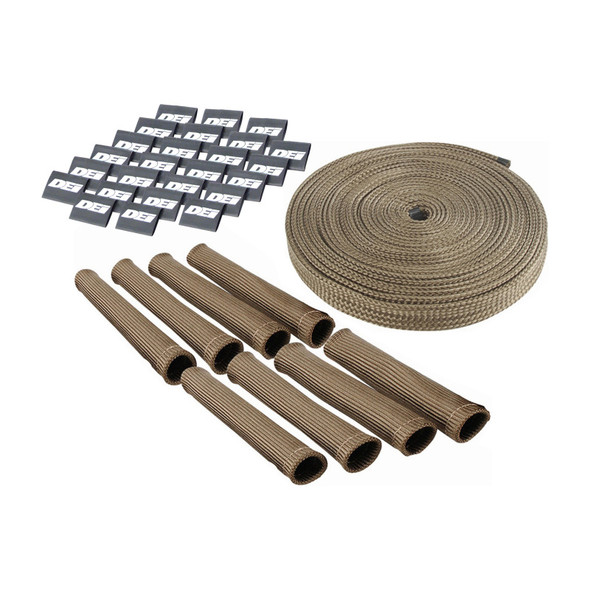
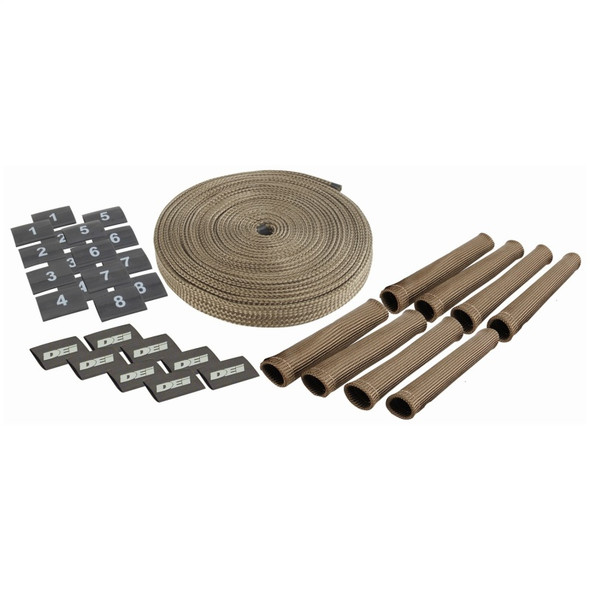
DEI Protect-A-Boot and Wire Kit 8 Cylinder - Titanium - 10705
DEI
MSRP: $238.17$161.25Are these DEI Plug Boots & Wire Kits universal?These DEI Plug Boots & Wire Kits feature a universal install type, ensuring a pliable fit for most straight or angled spark plug boots.How do these...MSRP: $238.17$161.25 -


DEI Heat Sheath 1-1/2in I.D. x 50ft Spool - 93420
DEI
MSRP: $368.06$249.18How to install DEI Line Sleeving - Heat Sheath/Shroud?Installation is effortless; DEI Line Sleeving slips directly over vital wires, cables, and hoses for immediate and effective heat protection.What...MSRP: $368.06$249.18 -
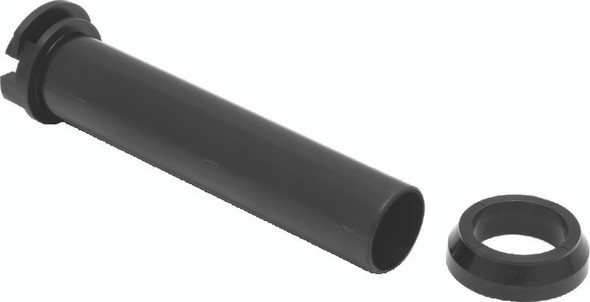
Kuryakyn Throttle Tube Indian Scout - 6306
Kuryakyn
$11.99What is the primary function of these throttle tubes?These throttle tubes are designed as direct OEM replacements, delivering a smoother, more responsive throttle feel for enhanced motorcycle control...$11.99 -

Haltech Harness Sleeve Pack - HT-039300
Haltech
$46.00How do I ensure proper fitment of the HAL Sleeve Packs?Confirm HAL Sleeve Pack fitment with your specific vehicle model and year before purchasing to guarantee optimal installation and protection.Can...$46.00 -


DEI Fire Sleeve 5/8in I.D. x 100ft Spool - 94472
DEI
MSRP: $729.64$493.98What is the operating temperature range of DEI Fire Sleeve?DEI Fire Sleeve withstands 500 degrees Fahrenheit continuous and 2000 degrees Fahrenheit intermittent heat, offering superior thermal...MSRP: $729.64$493.98 -


DEI Fire Sleeve 3/8in I.D. x 100ft Spool - 94470
DEI
MSRP: $546.10$369.72Does DEI Fire Sleeve fit my application?Confirm specific fitment for your vehicle's components by consulting the DEI application guide before installation.Is DEI Fire Sleeve easy to...MSRP: $546.10$369.72 -
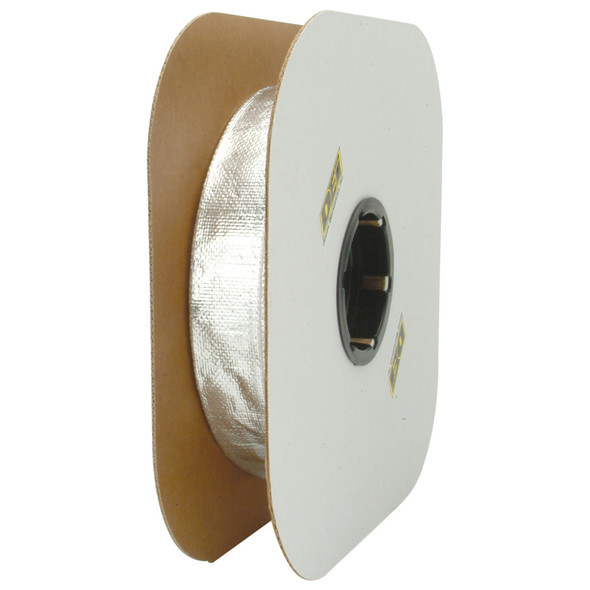
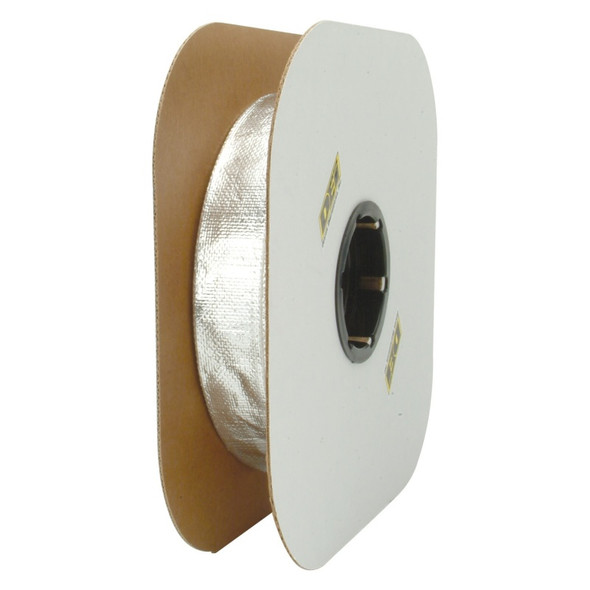
DEI Heat Sheath 1in I.D. x 50ft Spool - 93419
DEI
MSRP: $285.71$193.43How do I ensure the DEI Line Sleeving fits my vehicle?Confirm fitment with your vehicle's specific make, model, and year to guarantee precise compatibility before installation.What makes this heat...MSRP: $285.71$193.43 -


DEI Heat Sheath 1/2in I.D. x 50ft Spool - 93418
DEI
MSRP: $212.17$143.64Will this product fit my vehicle?Confirm fitment with your vehicle to ensure optimal installation and coverage for DEI Line Sleeving.How difficult is it to install DEI Line Sleeving?Installing DEI...MSRP: $212.17$143.64 -
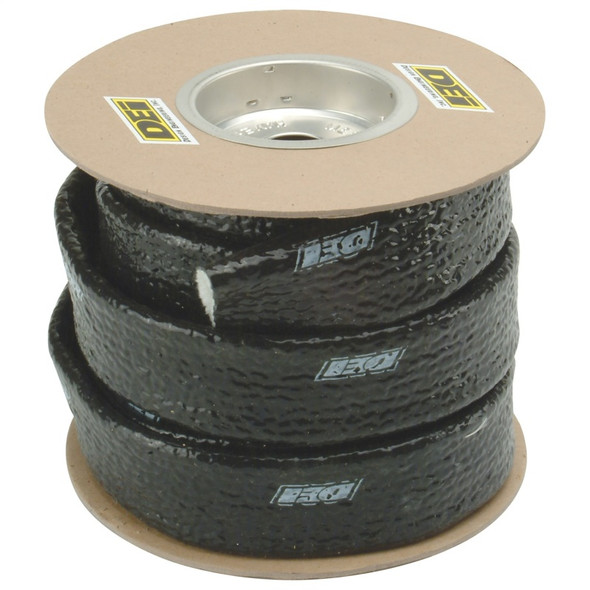

DEI Fire Sleeve 1in I.D. x 25ft Spool - 92474
DEI
MSRP: $261.83$177.26Can I install this myself?Professional installation is recommended for DEI Line Sleeving to ensure proper fitment and optimal thermal protection for your specific vehicle application.How much heat...MSRP: $261.83$177.26 -
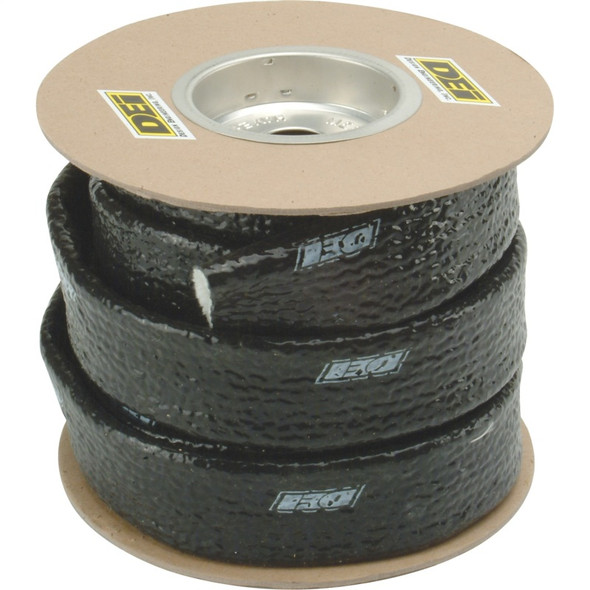

DEI Fire Sleeve 3/4in I.D. x 25ft Spool - 92473
DEI
MSRP: $216.21$146.38What is the temperature rating for DEI Fire Sleeve?DEI Fire Sleeve withstands direct heat up to 500 degrees Fahrenheit and intermittent heat of 2000 degrees Fahrenheit.How is DEI Fire Sleeve...MSRP: $216.21$146.38 -


DEI Fire Sleeve 5/8in I.D. x 25ft Spool - 92472
DEI
MSRP: $185.63$125.67What is the temperature rating for DEI Fire Sleeves?DEI Fire Sleeves offer a robust performance, withstanding 2000 degrees Fahrenheit of intermittent heat for ultimate thermal protection.Is DEI Fire...MSRP: $185.63$125.67
Thermal sleeves are engineered heat-barrier tubes and wraps that protect wiring, fuel lines, hydraulic hoses, and sensor leads from radiant and convective heat in high-output engine bays and exhaust-adjacent routing paths. Motor Sport Mayhem stocks 64 in-stock thermal sleeve options across 161 brands, ranging from entry-level fiberglass wrap to continuous-use silicone sleeves rated for direct flame exposure, covering every application from street builds to full race fabrication.
Our Top Picks for Thermal Sleeves
Every product below was selected based on performance credentials, material quality, and documented results in real-world street and competition environments.
ACL Race Series Main Bearings
ACL | $329.72
Tri-metal construction with extra oil clearance tolerances delivers the bearing fatigue resistance demanded by turbocharged and high-RPM race applications.
- Extra oil clearance spec reduces oil film breakdown under sustained high-load conditions
ACT Pilot Bearing
ACT | $17.00
A precision-fit pilot bearing that maintains input shaft alignment under the elevated clamp loads produced by high-performance clutch systems.
- Hardened race-spec steel tolerances prevent premature wear when paired with high-clamp clutch upgrades
AON Clutch Components
Action Clutch | $89.69
A universal race pedal stop that eliminates clutch pedal over-travel and protects the master cylinder from heat-induced seal degradation under repeated hard launches.
- Adjustable stop point allows fine-tuning engagement bite point for drag and circuit applications
AEM Wiring Connectors
AEM | $430.95
K-type thermocouple kits designed for accurate exhaust gas and coolant temperature logging in data acquisition setups where lead wire routing passes through high-heat zones.
- Shielded lead wire construction resists EMI and radiant heat interference for accurate logging data
AER Wiring Kits
Aeromotive | $358.52
A complete 60-amp fuel pump wiring harness engineered to handle sustained high-current draw while routing safely through underbody and engine bay heat environments.
- Heavy-gauge wire and relay architecture prevent voltage drop that causes fuel pump cavitation at high demand
AFE PFADT Mount Set
aFe | $660.00
High-durometer polyurethane subframe mounts that resist heat soak and oil contamination while eliminating subframe compliance that robs steering precision.
- Polyurethane compound maintains dimensional stability at sustained underbody operating temperatures
ALF Wiring Harness
Air Lift | $97.23
A second-generation wireless air management harness built with heat-resistant insulation for clean routing through engine bay and chassis environments.
- Pre-terminated connectors with high-temp insulation jackets reduce install time and eliminate field-spliced failure points
ABR CVT Belts
All Balls Racing | $200.40
Heavy-duty CVT belts engineered to withstand the thermal cycling and torsional stress loads generated during aggressive off-road and desert running conditions.
- HD compound resists heat-induced delamination that causes standard OEM belts to fail under sustained load
ARX Tail Light Converters
AlphaRex | $395.00
LED tail light assemblies built with thermally managed housing designs that dissipate LED junction heat to maintain output intensity and long-term diode life.
- Integrated heat sink architecture prevents LED thermal runaway that causes premature lumen depreciation
PA Alta Crank Pulley
Alta | $129.20
A lightened crank pulley that reduces parasitic rotational mass while maintaining accessory drive integrity in thermally demanding forced-induction engine builds.
- Reduced rotational inertia frees measurable power at the crank without compromising belt-driven accessory reliability
How to Choose the Right Thermal Sleeves
Thermal sleeve selection comes down to three hard variables: continuous operating temperature rating, inside diameter tolerance relative to the bundle being protected, and the sleeve material's resistance to the specific contamination environment — oil, fuel, coolant, or exhaust radiant heat. A sleeve that is chemically correct but undersized will trap heat rather than shed it; oversized sleeves allow hot air convection inside the sleeve and defeat the purpose entirely. The gap between a $4 fiberglass braid and a $45 silicone-over-fiberglass composite is not marketing — it is the difference between a 500°F surface rating and a 2,000°F direct-flame continuous rating, which matters enormously in forced induction and exhaust routing work.
Key Specifications
Material construction is the primary specification. Fiberglass braided sleeves handle continuous radiant heat in the 500°F–1,200°F range and are the correct choice for most wiring loom and sensor lead protection in naturally aspirated engine bays. Silicone-coated fiberglass adds oil and fluid resistance while raising the continuous rating, making it the preferred material for fuel line and coolant hose routing near exhaust manifolds. For applications requiring direct-flame resistance — turbo downpipe-adjacent hose runs, roll cage-mounted fuel cell lines, or proximity to catback tubing — look for ceramic fiber or vermiculite-coated sleeves rated to 2,500°F continuous.
Inside diameter and closure style determine fitment quality and installation outcome. Slip-on sleeves require bundle access from one end and work well during initial builds; split-seam or hook-and-loop closure designs allow installation on assembled harnesses without disassembly. Measure the compressed bundle diameter — not the wire count estimate — before ordering. Most manufacturers publish both nominal bore and maximum recommended fill diameter; exceeding the fill spec collapses the insulating air layer inside the sleeve wall and degrades thermal performance measurably.
Wall thickness directly correlates to both thermal resistance and flexibility. Thin-wall sleeves (2–3mm wall) route easily through tight firewall and chassis passages but offer lower R-value per unit length. Thick-wall composite sleeves (6–10mm) provide the highest radiant heat rejection but require larger routing clearances and tighter bend radii management. In fabrication work, always plan sleeve routing before finalizing hard line and harness paths — retrofitting thick-wall sleeve through a finished chassis is one of the most avoidable rework jobs in the build process.
End termination quality separates professional-grade sleeves from budget alternatives. Raw cut fiberglass frays immediately and creates an ignition risk in high-vibration environments. Quality thermal sleeves feature molded silicone end caps, stainless safety wire saddles, or reflective aluminum tape terminations that lock the braid, prevent ingress of oil mist, and allow visual inspection of sleeve condition during service intervals. In any competition application where tech inspection includes wire routing review, proper sleeve termination is not optional.
Thermal Sleeve Selection Guide by Application Temperature
| Application | Typical Surface Temp (°F) | Recommended Sleeve Material | Min. Continuous Rating Required |
|---|---|---|---|
| Engine bay wiring loom (NA engine) | 200–400°F | Fiberglass braid or nylon expandable | 500°F continuous |
| Sensor leads near exhaust manifold | 400–700°F | Silicone-coated fiberglass | 750°F continuous |
| Fuel lines near turbo/manifold | 600–900°F radiant | Silicone-over-fiberglass or aluminized sleeve | 1,000°F continuous |
| Hydraulic lines (turbo oil feed/return) | 400–600°F surface | Firesleeve (silicone-coated fiberglass) | 500°F continuous / 2,000°F short term |
| Downpipe-adjacent hose routing | 800–1,400°F radiant | Ceramic fiber or vermiculite composite | 1,500°F continuous |
| Direct exhaust wrap (header pipe) | 1,200–1,800°F surface | Basalt fiber or ceramic composite wrap | 2,000°F+ continuous |
Price Guide
Entry ($1.19–$130): Fiberglass braid sleeves, basic expandable nylon wrap, and single-layer heat tape products fall here. Appropriate for protecting wiring looms in moderate-heat zones of street-driven naturally aspirated builds. Performance is adequate when correctly matched to application temperature — the failure mode is not using an entry-tier product where it belongs, it is using it where it doesn't.
Mid-range ($130–$500): Silicone-coated fiberglass sleeves, aluminized composite products, and pre-terminated firesleeve kits occupy this tier. This is where the majority of serious street performance and track builds land, covering fuel line protection, turbo oil feed routing, and sensor lead management in high-heat engine bays. The material upgrades at this price point are functionally meaningful, not cosmetic.
Premium ($500–$11,495.95): Ceramic fiber composite sleeves, custom-fabricated multi-layer thermal protection systems, and full harness protection kits for endurance racing and professional motorsport. Justified when routing passes within inches of exhaust tubing carrying sustained load, in fabrication builds requiring fire suppression compliance, or in any application where a thermal failure creates a safety or DNF outcome rather than a nuisance repair.
Who Is This For?
Thermal sleeves serve an unusually broad spectrum — from a daily driver needing basic wiring protection to a purpose-built race car requiring certified fire barrier systems — and the usage data across our catalog reflects exactly that spread.
Engine Performance — 8.5/10
Engine performance is the top-rated application in our catalog at 8.5/10, and it reflects where thermal management is most consequential. In modified engines running elevated coolant temps, larger turbos, or repositioned sensors, unprotected wiring and hose routing fails predictably — it's not a question of whether, only when. Proper thermal sleeve selection in engine builds is the unglamorous work that separates builds that stay together from builds that come back for rewiring jobs six months later.
Racing Competition — 8.2/10
Competition builds score 8.2/10 here, tied with Track/Autocross and Drag Racing, because sanctioning body safety requirements for fire-resistant hose and wire routing are explicit in most rulebooks. Beyond compliance, thermal protection in a race car directly affects reliability — every lap that a sensor lead or fuel line spends near an unshielded exhaust surface is accumulated degradation. Serious competition builds treat thermal sleeving as a primary fabrication spec, not an afterthought.
Track / Autocross — 8.2/10
Track and autocross applications score equally high because sustained high-load running cycles generate cumulative heat soak that short street drives never produce. A street car that autocrosses regularly will see sustained exhaust and underhood temperatures that gradually cook unprotected routing in ways that don't show up for months. Thermal sleeves on sensor leads, brake line proximity to exhaust, and any fuel system routing near heat sources are maintenance-cost insurance for track day regulars.
Drag Racing — 8.2/10
Drag racing's 8.2/10 score reflects the extreme short-duration thermal peaks produced by wide-open-throttle passes in high-boost, high-RPM applications. Turbo systems and nitrous setups generate radiant heat spikes that can exceed sustained temperature ratings in seconds, making material selection — particularly for fuel system and ignition wiring routing — more critical here than in almost any other motorsport discipline. Proper thermal protection around fuel delivery components is a fire safety issue, not just a reliability concern.
Street Performance — 7.6/10
Street performance rates 7.6/10 — meaningfully high for a component category that doesn't produce horsepower directly. The score reflects how often thermal sleeve failures on street-driven performance builds result in sensor damage, fuel line degradation, or wiring shorts that create diagnostic headaches disproportionate to the original cost of protection. Street performance builds benefit most from mid-tier silicone-coated sleeve products on fuel and sensor routing, particularly in engine bays that have been modified for larger turbos or relocated components.
Trusted Thermal Sleeves Brands We Carry
The brands that perform in this category are defined by material sourcing discipline and manufacturing tolerance control — two specifications that don't show up on a spec sheet but become obvious when a sleeve delaminates at operating temperature. AEM brings data acquisition integration discipline to thermal protection hardware, producing shielded lead wire and thermocouple components built for sustained engine bay environments. Aeromotive designs fuel system wiring and routing components around the specific thermal and chemical environments that high-output fuel delivery creates. All Balls Racing applies powersports-specific heat cycling validation that translates directly to off-road and desert running durability. ACL and Gates bring OEM-supplier manufacturing standards and material traceability to their respective thermal and sealing product lines. Air Lift engineers harness and routing components with heat-resistant insulation specifications validated across vehicle chassis environments — not just bench-tested nominal ratings. Across all brands we carry, the consistent differentiator is that temperature ratings are continuous-use specifications, not peak-exposure claims.
Frequently Asked Questions
Are aftermarket head gaskets good?
Aftermarket head gaskets can be significantly better than OEM units for performance applications, provided the manufacturer uses the appropriate base material and fire ring construction for the cylinder pressure and thermal cycling demands of the specific build. Multi-layer steel gaskets from established manufacturers deliver controlled crush thickness, fire ring load distribution, and bore bridge sealing that OEM composite gaskets are not designed to handle under boost or high-compression conditions. The quality ceiling in the aftermarket head gasket segment is genuinely higher than OEM — the floor is also lower, which is why brand and material specification matter more in this category than almost any other engine sealing component. Proper surface finish (Ra 60–125 micro-inch for MLS gaskets), correct torque sequence, and appropriate fastener upgrade are required to realize the performance of any quality aftermarket gasket regardless of price.
Are ACL race bearings any good?
ACL Race Series bearings are a legitimate choice for high-output engine builds, using tri-metal construction with a copper-lead overlay on a steel backing that provides load capacity meaningfully above OEM bi-metal bearings. The extra oil clearance specifications ACL offers allow builders to tune oil film thickness for specific applications — a critical variable in turbocharged and high-RPM builds where bearing fatigue failure typically begins with oil film collapse under load. ACL bearings are manufactured to tight dimensional tolerances with documented quality control processes and are widely used in professional motorsport engine programs. They compete directly with other professional-tier options in the bearings segment and hold up well in that comparison when properly installed with correct clearances.
Are ACL or King bearings better?
Both ACL and King Engine Bearings produce professional-grade tri-metal bearing sets that outperform OEM units in high-performance applications, and the honest answer is that application context determines which is the better choice for a specific build. King bearings use a proprietary coating technology on their pMaxBlack and pMaxKote lines that adds surface hardness and dry-start protection beyond what standard tri-metal construction provides, making them a preferred choice in applications where oil pressure build time at cold start is a concern. ACL's strength is in the precision of their extra oil clearance options and their extensive application coverage, which gives builders granular control over bearing clearance spec without custom grinding. In practice, both brands are trusted in top-tier motorsport engine builds and the quality gap between them is smaller than the gap between either brand and a budget alternative.
Are aftermarket ignition coils okay?
Quality aftermarket ignition coils are not merely okay — for modified engines running elevated cylinder pressures, increased air-fuel charge density, or extended RPM ranges, they are often the functionally correct choice over OEM units that were engineered for stock power levels. The critical specifications are peak output voltage (measured in kV), spark duration (measured in milliseconds), and the coil's thermal dissipation rating, which determines whether it maintains output consistency across repeated ignition events at high RPM. Budget aftermarket coils that publish voltage claims without thermal or duration data frequently fail on extended high-load pulls where heat soak reduces output — the fault doesn't appear at idle or in casual driving, only under sustained competition conditions. Established performance ignition brands validate their coil performance under thermal load, not just at ambient temperature, which is the specification that separates genuine performance coils from rebadged OEM-replacement parts.
Are aftermarket belt tensioners good?
Aftermarket belt tensioners from reputable manufacturers are demonstrably better than worn OEM tensioners and, in some cases, better than new OEM units for performance applications. The failure mode of budget tensioners — both OEM replacement and low-tier aftermarket — is bearing quality: the internal bearing controls spring arm oscillation damping, and a worn or under-spec bearing allows harmonic flutter that accelerates belt wear and can cause belt skip under high-load accessory demand. Performance aftermarket tensioners typically use heavier-duty internal bearings, stiffer spring rates calibrated for performance accessory loads, and housings with tighter arm pivot tolerances. For engines with forced induction systems running larger alternators or additional accessory loads, an upgraded tensioner is a legitimate reliability component, not a cosmetic modification.
Building something specific? Our performance specialists can help you select the right Thermal Sleeves for your application — street, track, or full race build.