
Wind Deflectors
- Product
- Qty in Cart
- Quantity
- Price
- Subtotal
-
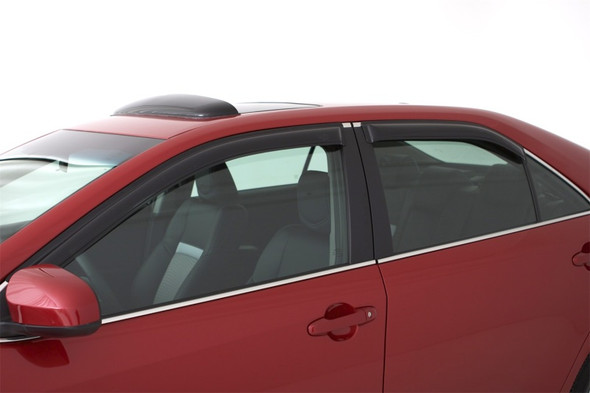
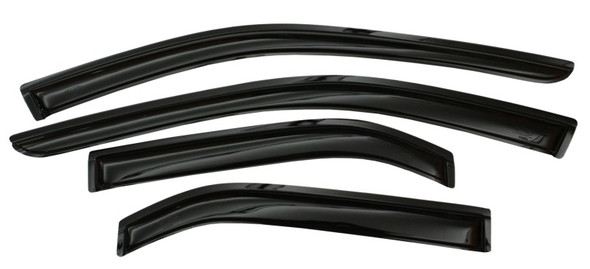
AVS 12-18 Kia RIO Hatch (Hatch Only) Ventvisor Outside Mount Window Deflectors 4pc - Smoke - 94984
AVS
$69.99How do I install the AVS Ventvisor?AVS Ventvisor installation is recommended to be performed by a professional for optimal fitment on your 2012-2018 Kia Rio.Can I crack my windows in the rain with...$69.99 -
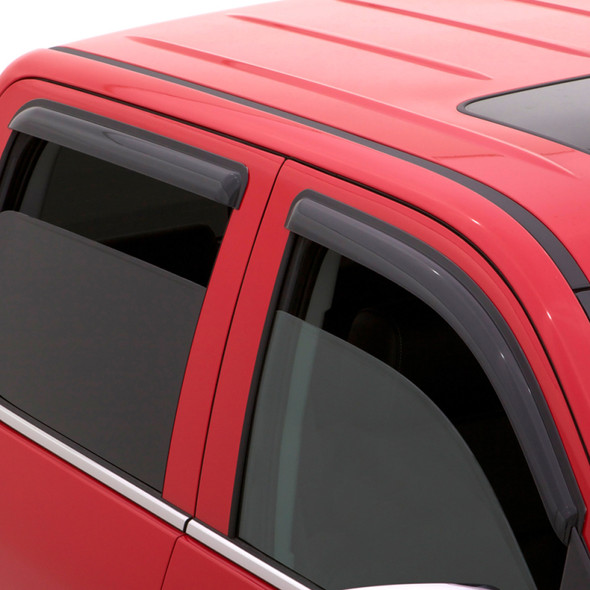
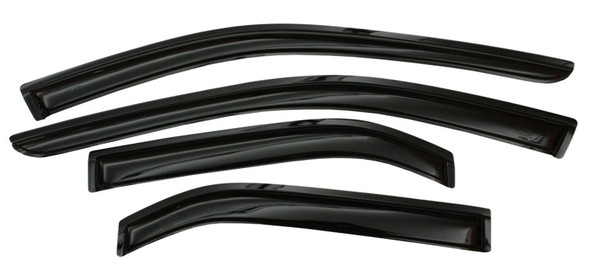
AVS 14-18 Jeep Cherokee Ventvisor Outside Mount Window Deflectors 4pc - Smoke - 94981
AVS
$69.99How do the AVS Ventvisors attach to my 2014-2023 Jeep Cherokee?These AVS Ventvisors are designed for a precise fit on your 2014-2023 Jeep Cherokee, integrating seamlessly with the vehicle's window...$69.99 -


AVS 16-18 Nissan Titan XD Crew Cab Ventvisor Outside Mount Window Deflectors 4pc - Smoke - 94977
AVS
$69.99Do these work for my specific vehicle?Confirm vehicle fitment before purchase to ensure these AVS Ventvisors seamlessly integrate with your car's window channels.Are these easy to install...$69.99 -


AVS 15-18 Ford F-150 Supercrew Ventvisor Outside Mount Window Deflectors 4pc - Smoke - 94975
AVS
$69.99What vehicles does the AVS Ventvisor fit?AVS Ventvisors precisely fit 2015-2026 Ford F-150, F-250 Super Duty, and F-350 Super Duty models, ensuring a factory-like installation.How do I install the...$69.99 -
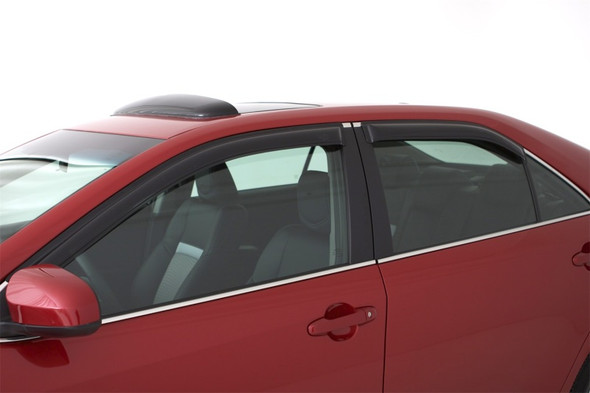

AVS 12-18 Hyundai Accent Ventvisor Outside Mount Window Deflectors 4pc - Smoke - 94970
AVS
$69.99Are these AVS Ventvisors compatible with my 2012-2018 Hyundai Accent?These AVS Ventvisors are precisely engineered to fit the 2012-2018 Hyundai Accent, ensuring a perfect integration with your...$69.99 -
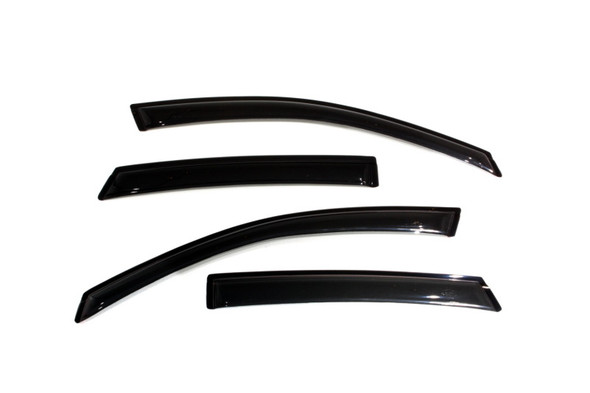

AVS 08-11 Ford Focus Ventvisor Outside Mount Window Deflectors 4pc - Smoke - 94968
AVS
$69.99Does the AVS Ventvisor fit my 2008 Ford Focus?AVS Ventvisors are specifically designed to precisely fit your 2008-2011 Ford Focus, ensuring perfect integration with its body lines.Can I install the...$69.99 -
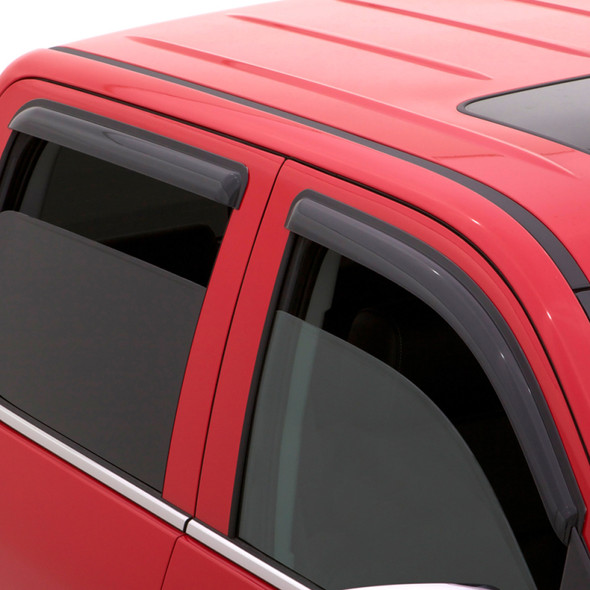

AVS 15-18 GMC Yukon XL Ventvisor Outside Mount Window Deflectors 4pc - Smoke - 94966
AVS
$69.99What is the best way to install my AVS Ventvisor?AVS Ventvisors for your Cadillac Escalade ESV, Chevrolet Suburban, or GMC Yukon XL are designed for professional installation due to their precise...$69.99 -


AVS 08-14 Jeep Liberty Ventvisor Outside Mount Window Deflectors 4pc - Smoke - 94964
AVS
$69.99What is the primary benefit of installing AVS Ventvisors?AVS Ventvisors deliver fresh air circulation even in rain, keeping your 2008-2012 Jeep Liberty cabin exceptionally comfortable and odor-free...$69.99 -

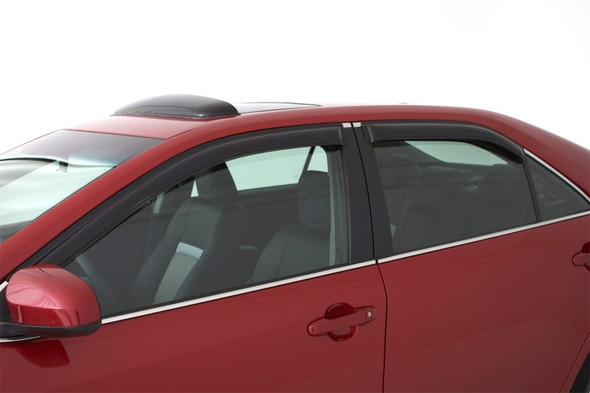
AVS 08-12 Honda Accord Ventvisor Outside Mount Window Deflectors 4pc - Smoke - 94960
AVS
$69.99How many pieces are included in the AVS Ventvisor kit?AVS Ventvisors are typically sold as a set of four individual deflectors for seamless integration with your 2008-2012 Honda Accord.Is...$69.99 -
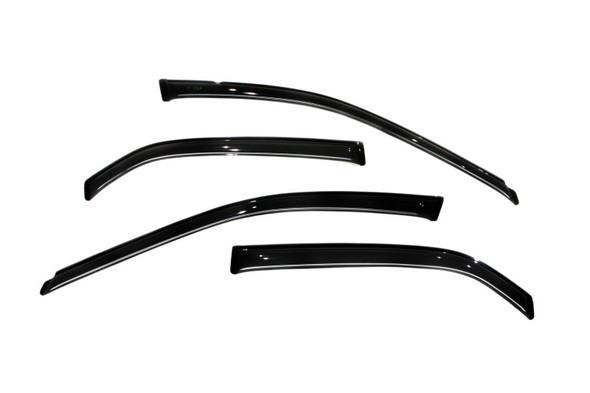

AVS 98-02 Honda Accord Ventvisor Outside Mount Window Deflectors 4pc - Smoke - 94959
AVS
$69.99Will these fit my 2000 Honda Accord?AVS Ventvisors are precisely engineered to fit the 1998-2002 Honda Accord, ensuring a perfect integration with your vehicle's window channels.Are these easy to...$69.99 -

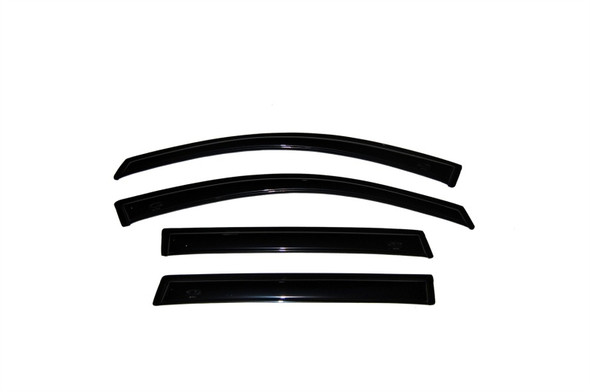
AVS 99-16 Ford F-250 Super Duty Supercrew Ventvisor Outside Mount Window Deflectors 4pc - Smoke - 94953
AVS
$69.99Are the AVS Ventvisors easy to install?Professional installation is recommended, though 3M automotive grade adhesive simplifies the process for those comfortable with vehicle modifications.How do AVS...$69.99 -
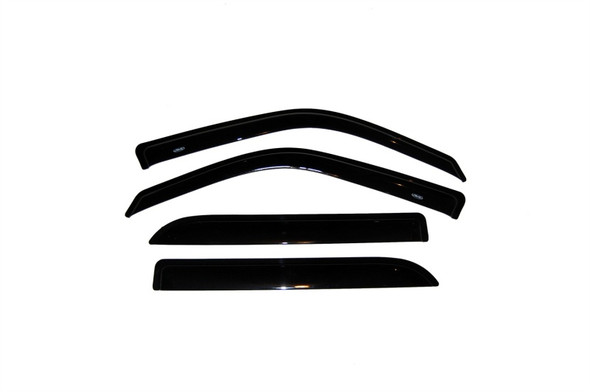
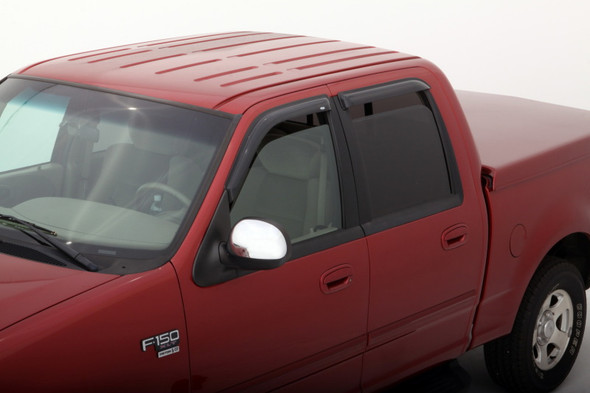
AVS 02-03 Lincoln Blackwood Ventvisor Outside Mount Window Deflectors 4pc - Smoke - 94949
AVS
$69.99Will these fit my Ford F-150?Confirm exact vehicle fitment using our detailed compatibility guide to ensure a precise installation for your Ford F-150.How difficult is the installation...$69.99
Wind deflectors are aerodynamic accessories — window visors, hood deflectors, fairings, and roof-rack wind fairings — engineered to redirect airflow, reduce cabin turbulence, block road debris, and improve ventilation without compromising vehicle integrity. Motor Sport Mayhem stocks 615 wind deflectors across 8 brands, from entry-level tape-on visors at $21.99 to fully fabricated motorcycle fairings at $399.95, covering daily drivers, trucks, SUVs, off-road rigs, and sport bikes.
Our Top Picks for Wind Deflectors
Every product below was hand-selected based on fitment precision, material quality, and verified real-world performance across the broadest range of applications we carry.
AVS In-Channel Ventvisors
AVS | $62.99
Injection-molded acrylic in-channel design that locks into the window channel without tape, eliminating edge-lift at highway speed.
- In-channel retention eliminates adhesive failure in heat cycling and car-wash environments
AWE Foiler Wind Diffusers
AWE Tuning | $105.00
Precision-engineered diffuser that manages high-speed air separation above convertible windscreens to reduce buffeting at 70+ mph.
- Wind tunnel-validated geometry targets turbulent boundary layer reattachment — not just a cosmetic deflector
BUR Fairings
Burly Brand | $399.95
Full motorcycle sport fairing constructed for serious wind protection at touring speeds, with a tall windscreen profile that routes air over the rider's helmet.
- Tall fairing profile reduces rider fatigue on extended highway runs by cutting chest-level wind pressure significantly
HL Aeroskin - Chrome
Husky Liners | $197.99
Low-profile chrome hood protector with a contoured acrylic body that deflects stone, bug impact, and road debris away from the leading edge of the hood.
- Low-profile aeroskin design minimizes drag penalty while still intercepting debris trajectories at typical highway approach angles
KUR Air Deflectors B
Kuryakyn | $188.99
Motorcycle upper air deflectors designed to vector engine heat and lateral wind away from the rider's legs and lower torso during slow-speed and stop-and-go riding.
- Adjustable vane angle allows riders to tune airflow direction based on riding speed and ambient temperature
RHR Wind Fairing
Rhino-Rack | $139.99
44-inch roof rack wind fairing engineered to reduce aerodynamic drag and wind noise generated by crossbars on loaded roof rack systems at highway speeds.
- Curved leading-edge profile smooths airflow over rack crossbars, measurably reducing the fuel economy penalty of running an empty or loaded roof system
RUG Window Deflectors
Rugged Ridge | $167.99
Matte black window visors built specifically for open-top and high-drag off-road platforms where conventional tape-on visors fail under flex and vibration.
- Matte black finish resists UV fade and surface glare — critical for off-road builds where reflections affect trail visibility
WES Wade In-Channel Deflectors
Westin | $118.99
Four-piece matte black in-channel deflector set engineered for full-size truck window channels, maintaining a flush fitment profile without exterior protrusion.
- In-channel mounting on high-profile truck door frames delivers a cleaner look than tape-on outboard designs while withstanding truck-speed airflow loads
How to Choose the Right Wind Deflectors
The single most important decision when buying a wind deflector is mounting style — in-channel versus tape-on outboard — because it determines fitment security, long-term adhesion, and how the deflector interacts with your window seals under load. After that, material thickness, UV stabilization, and whether the piece is vehicle-specific or universal-fit determine how long it performs versus how quickly it warps, fades, or lifts at speed.
Key Specifications
Material grade is where budget deflectors fail first. Quality window visors are produced from injection-molded acrylic or polycarbonate with UV inhibitors built into the substrate — not surface-coated. Surface coatings chalk and peel within two seasons of sun exposure; UV-stabilized acrylic maintains optical clarity and surface finish for the life of the vehicle. Thickness matters too: visors under 3mm flex at highway speed, creating the edge-flutter that causes tape-on units to eventually lose adhesion.
For hood deflectors and bug shields, the aerodynamic profile is the critical specification — not just the height. A steep, upright deflector generates significant drag and can actually direct stone strikes toward the windshield at certain approach angles. Low-profile, contoured designs that follow the hood's rake angle deflect debris more effectively and with less aerodynamic penalty. Look for deflectors that are tested for the specific hood geometry of your platform rather than generic universal shapes.
Roof rack wind fairings are a different engineering problem: they need to handle turbulent airflow at 70–80 mph while attached to a crossbar system that may be carrying a significant cargo load. Fairing width must be matched to your crossbar spread, and the mounting hardware must clamp without crushing the crossbar profile. Undersized fairings create turbulence pockets around the exposed crossbar ends, generating more noise than running no fairing at all.
Motorcycle fairings and air deflectors introduce structural considerations that don't apply to automotive products — they must withstand sustained 70+ mph headwinds, vibration from the engine and road surface, and thermal cycling from engine heat. Hardware grade, fairing material impact resistance, and windscreen height relative to rider eye level are all spec points that should be verified before purchase, not assumed based on price alone.
Wind Deflector Selection Guide by Application and Key Specs
| Deflector Type | Mounting Method | Recommended Material | Key Performance Spec |
|---|---|---|---|
| In-Channel Window Visor | Channel friction fit — no tape | 3mm+ UV-stabilized acrylic | Flush with door glass when lowered; no protrusion above door line |
| Tape-On (Outboard) Window Visor | 3M automotive-grade acrylic tape | 2.5–3mm polycarbonate | Tape bond rating 5+ lbs/in; must withstand 80 mph edge-lift force |
| Hood / Bug Deflector | Hood-edge clamp or under-hood bolt | Impact-modified acrylic or ABS | Low-profile rake angle matching OEM hood slope ±5° |
| Roof Rack Wind Fairing | Crossbar clamp — width-matched | UV-stabilized ABS shell | Fairing width within 2 inches of crossbar spread; tested to 80 mph |
| Motorcycle Air Deflector | Frame/engine guard mount | High-impact ABS or injection nylon | Adjustable vane angle ±15°; heat deflection rated above 200°F |
| Convertible Wind Diffuser | Windscreen header or roll bar mount | Optical-grade polycarbonate | Effective buffeting reduction at 60–80 mph; verified by wind tunnel or OEM spec |
Price Guide
Entry ($21.99–$60): Universal-fit or basic vehicle-specific tape-on window visors in this range are suitable for daily drivers where you want rain ventilation and cabin comfort without a significant investment. Material thickness and UV stabilization are thinner at this tier — expect a 3–5 year lifespan in high-UV climates before chalking or edge-lift becomes an issue. Fitment quality varies; verify OEM fit notes before ordering.
Mid-range ($60–$175): This is where the majority of serious buyers land, and for good reason — vehicle-specific in-channel window visors, purpose-built hood deflectors, and quality roof rack fairings all occupy this range. You get proper material thickness, UV-stabilized substrates, and hardware designed for the specific mounting points of your vehicle platform. Installation time drops significantly compared to universal-fit budget options.
Premium ($175–$399.95): Premium wind deflectors at this price point are for applications where aerodynamic function, structural durability, and finish quality are non-negotiable — motorcycle touring fairings, chrome hood protectors for appearance-focused builds, and high-performance convertible diffusers with validated aerodynamic geometry. The cost reflects engineering investment and materials that will outlast the vehicle in most cases.
Who Is This For?
Wind deflectors span a wider application range than most single accessory categories — from commuters who want to crack a window in the rain to overlanders managing airflow at the roof rack level to motorcycle tourers protecting themselves from fatigue-inducing wind blast.
Easy DIY Install — 7.8/10
Wind deflectors score the highest in this category's usage matrix for ease of installation, and it's deserved — the majority of window visors, hood deflectors, and roof rack fairings require no drilling, no professional tools, and no wiring. In-channel visors typically install in under 20 minutes with nothing more than clean hands and a trim stick. The 7.8/10 score reflects a product category where the barrier to entry is genuinely low, making it one of the best first modifications for someone new to building their own vehicle.
Daily Driving Comfort — 7.7/10
The 7.7/10 score here reflects what wind deflectors actually do best: making daily driving measurably more comfortable. Window visors allow ventilation at highway speed without wind roar or rain intrusion, reducing interior heat buildup and eliminating the need to run A/C at partial load in mild weather. Hood deflectors provide passive protection from bug accumulation and stone chips during highway commutes. These aren't weekend-only parts — they earn their cost in daily use.
Visual / Aesthetic Upgrade — 7.0/10
A 7.0/10 aesthetic score is solid for a functional category, and it reflects the breadth of finish options available — smoke, matte black, chrome, and clear profiles that complement rather than conflict with OEM styling. Smoke and matte black window visors in particular have become a standard appearance upgrade on trucks and SUVs because they visually extend the roofline and give a tinted, purposeful look without requiring window tint film. Chrome hood deflectors serve a similar function on appearance-focused full-size truck builds.
Overlanding / Expedition — 6.1/10
The 6.1/10 overlanding score reflects the fact that wind deflectors are a supporting player in expedition builds, not a centerpiece — but they're an important one. Roof rack wind fairings directly reduce the fuel economy penalty of running heavily loaded crossbars at highway speeds, which matters significantly on multi-day trips. Rugged, UV-resistant window visors allow ventilation on trail without opening windows to full dust ingestion. For any overland build spending serious time at highway speed with a loaded rack, a properly sized wind fairing is a legitimate performance part, not just an accessory.
Weekend Off-Roading — 5.4/10
The 5.4/10 score for off-roading reflects a narrower but real use case — window visors on open-top platforms provide meaningful rain and dust management on trail without the full commitment of keeping windows up. For builds running soft tops or no top at all, purpose-built deflectors designed for high-flex door frames are the right specification; standard tape-on visors will not survive sustained off-road vibration and flex cycles. Selecting the correct mounting style for your specific platform type is critical in this application.
Trusted Wind Deflectors Brands We Carry
The brands in this category dominate because they invest in vehicle-specific tooling rather than relying on universal shapes — and that precision is what separates a deflector that fits and holds from one that lifts, leaks, or warps within a season. AVS has built their reputation across hundreds of vehicle applications with injection-molded acrylic that sets the standard for in-channel window visor fitment in the automotive aftermarket. Husky Liners brings the same vehicle-specific engineering discipline to hood protection that made their interior products dominant, producing low-profile hood deflectors with OEM-grade surface finishes. Rugged Ridge focuses exclusively on off-road and open-top platform applications where deflector durability under flex and UV stress is non-negotiable. Westin's in-channel deflectors are engineered for the full-size truck segment, where door frame geometry and highway airflow loads demand heavier-gauge materials and precision channel fits. For specialty applications, Kuryakyn and Burly Brand bring motorcycle-specific engineering to air deflectors and fairings, while Rhino-Rack and AWE Tuning address roof rack aerodynamics and high-performance wind management with application-validated designs.
Frequently Asked Questions
Are AVS vent visors any good?
AVS ventvisors are among the most consistently well-fitted in-channel window visors available in the automotive aftermarket, and their quality holds up to that reputation. AVS produces vehicle-specific tooling for each application rather than bending universal profiles to fit, which means the channel engagement is precise and the visor profile follows the window opening correctly. The injection-molded acrylic they use is UV-stabilized through the material, not just surface-treated, so it resists chalking and crazing over years of sun exposure. For daily driving use where you want reliable rain ventilation without wind roar, AVS ventvisors consistently perform as advertised across the range of applications they cover.
Are car wind deflectors worth buying?
For daily drivers and trucks, wind deflectors deliver a tangible improvement in comfort and passive protection that justifies the cost for most buyers. Window visors allow you to run 1–2 inches of window ventilation at highway speed without wind roar or rain intrusion, which reduces interior heat buildup and cuts A/C load in mild weather. Hood deflectors provide genuine protection against stone chips and bug accumulation on the leading hood edge — a real-world cost savings over touch-up paint or bonnet respray over the life of the vehicle. Roof rack fairings measurably reduce the drag penalty of running crossbars, which pays back in fuel savings on long-distance driving. These aren't show parts with no function — the category scores 7.7/10 for daily driving comfort because they work.
Are in-channel or out-channel (tape-on) window visors better?
In-channel visors are technically superior in almost every performance metric: they don't rely on adhesive bond integrity, they don't protrude above the door line to catch highway wind loads, and they survive car washes, thermal cycling, and high-pressure water exposure without lifting. Tape-on outboard visors are easier to install on vehicles where the window channel geometry doesn't accommodate an in-channel design, and they can provide a larger visor profile, but their long-term retention depends entirely on adhesive bond to painted or clearcoated surfaces — a bond that degrades with heat, UV exposure, and repeated washing. If your vehicle has an in-channel option available, that is the correct specification to buy; tape-on is a valid alternative only where in-channel fitment doesn't exist for your application.
Are hood deflectors worth it?
Hood deflectors are worth it specifically if you drive regular highway miles, tow, or operate in environments with heavy insect or road debris exposure. The function is straightforward: a properly profiled hood deflector raises the airflow boundary layer off the leading edge of the hood, redirecting stone, bug strikes, and debris over the windshield rather than into the paint. On trucks and SUVs that spend time at 70+ mph, the accumulated paint damage at the leading hood edge over several years is significantly worse without protection. The caveat is that a poorly designed or incorrectly profiled deflector can actually direct strikes toward the windshield — vehicle-specific designs from reputable manufacturers avoid this by matching the deflector geometry to the OEM hood rake angle.
Can a hood deflector improve MPG?
A standard hood deflector will not measurably improve fuel economy on a passenger vehicle — its aerodynamic profile creates a small amount of additional drag compared to a bare hood, which is the opposite effect. The fuel economy benefit conversation belongs to roof rack wind fairings, not hood deflectors; a loaded roof rack crossbar system generates significant turbulence at highway speed, and a correctly sized fairing smooths that airflow in a way that produces a measurable MPG improvement on sustained highway runs. Hood deflectors are purchased for debris and bug protection, not aerodynamic gain — any manufacturer claiming significant MPG improvement from a hood bug shield is overstating the aerodynamic effect of a component that, by design, increases frontal area.
Building something specific? Our performance specialists can help you select the right Wind Deflectors for your application — street, track, or full race build.