
Thermostats
- Product
- Qty in Cart
- Quantity
- Price
- Subtotal
-
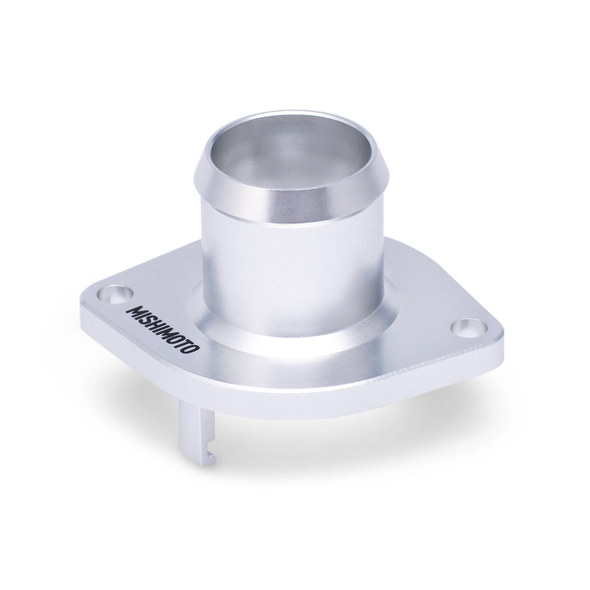

Mishimoto Ford 6.0L Powerstroke Low-Temperature Thermostat w/ CNC Housing - MMTS-F2D-03FL
Mishimoto
MSRP: $163.00$147.95Will the Mishimoto Thermostat fit my 2008 Ford E-350 Super Duty?The Mishimoto Thermostat is precisely engineered to fit your 2008 Ford E-350 Super Duty, ensuring seamless integration and reliable...MSRP: $163.00$147.95 -
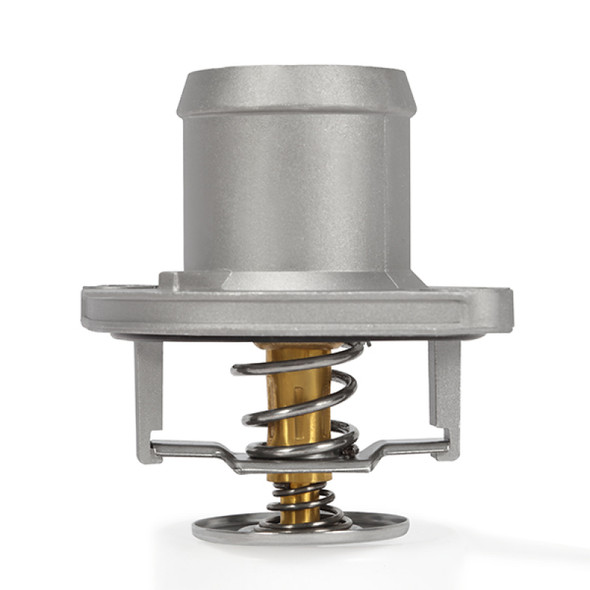
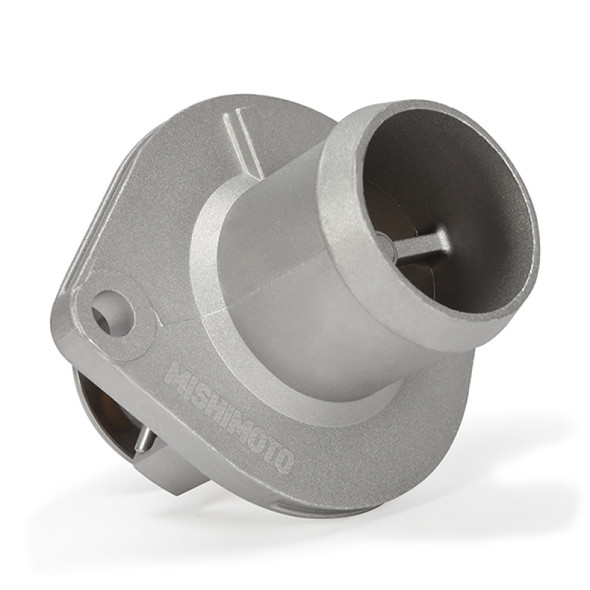
Mishimoto 03-07 Ford 6.0L Powerstroke Low-Temperature Thermostat w/ Housing - MMTS-F2D-03CL
Mishimoto
MSRP: $88.00$79.95What is the activation temperature of the Mishimoto Thermostat?Mishimoto Thermostats feature a lower activation temperature, allowing coolant to circulate through the engine earlier for enhanced...MSRP: $88.00$79.95 -


Mishimoto 03-07 Ford 6.0L Powerstroke High-Temperature Thermostat w/ Housing - MMTS-F2D-03CH
Mishimoto
MSRP: $88.00$79.95What vehicles does the Mishimoto thermostat fit?Mishimoto thermostats are designed for a direct-fit for 2004-2010 Ford E-350 Club Wagon/E-350 Super Duty/Excursion and two additional models.How...MSRP: $88.00$79.95 -

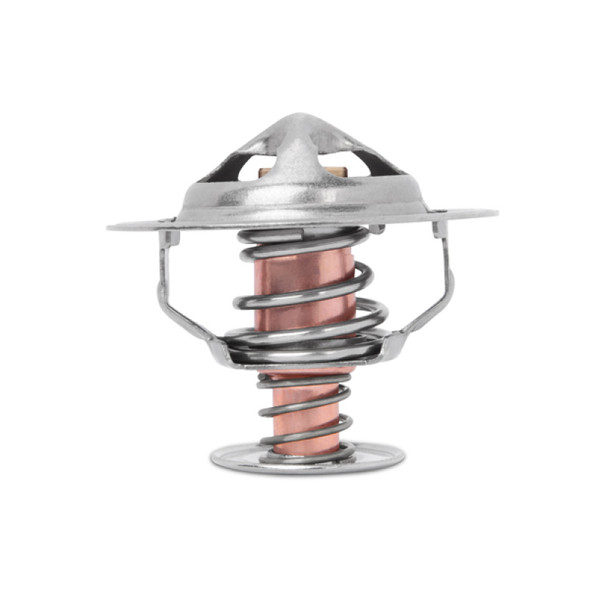
Mishimoto 08+ Mitsubishi EVO 10 68 Degree Racing Thermostat - MMTS-EVO-10L
Mishimoto
MSRP: $76.00$68.95What temperature does the Mishimoto thermostat open at?This Mishimoto Racing Thermostat opens at a crisp 68 degrees Celsius, significantly lower than the stock 82 degrees Celsius unit.Is this...MSRP: $76.00$68.95 -


Mishimoto 01-07 Mitsubishi EVO 7 8 & 9 63 Degree Racing Thermostat - MMTS-EVO-01
Mishimoto
MSRP: $79.00$71.95Does the thermostat fit my 2003 Mitsubishi Lancer Evolution?Mishimoto Thermostats fit the 2001-2007 Mitsubishi Lancer Evolution 7/8/9 models, ensuring precise integration for optimal cooling.What is...MSRP: $79.00$71.95 -

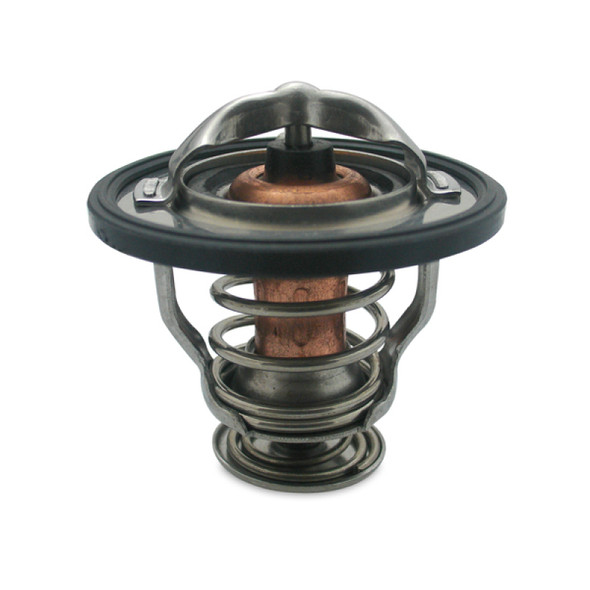
Mishimoto 95-99 Mitsubishi Eclipse / 00-06 Galant 62 Degree Racing Thermostat - MMTS-ECL-95TL
Mishimoto
MSRP: $76.00$68.95What is the primary function of a thermostat?A thermostat precisely regulates engine coolant flow to achieve and maintain the optimal operating temperature for peak efficiency and performance.Can I...MSRP: $76.00$68.95 -

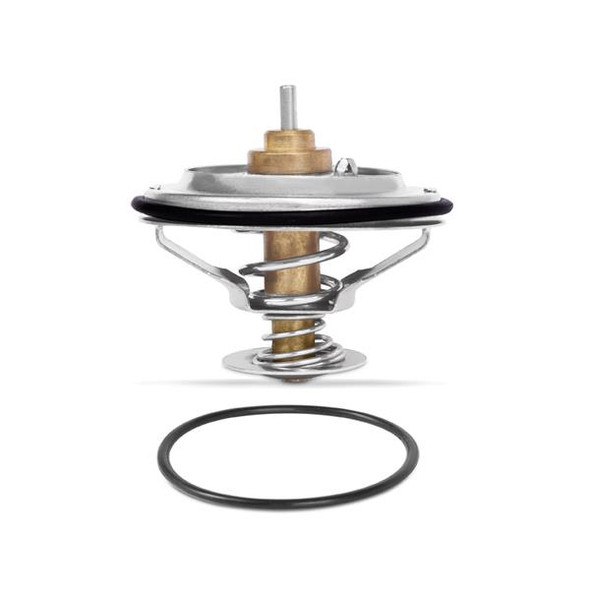
Mishimoto BMW N52/N54/N55 Racing Thermostat - MMTS-E90-07
Mishimoto
MSRP: $92.00$83.95What engines does the Mishimoto Racing Thermostat fit?This Mishimoto Racing Thermostat is engineered for the specific N52, N54, and N55 engines found in your BMW 1 Series.Can I install the Mishimoto...MSRP: $92.00$83.95 -
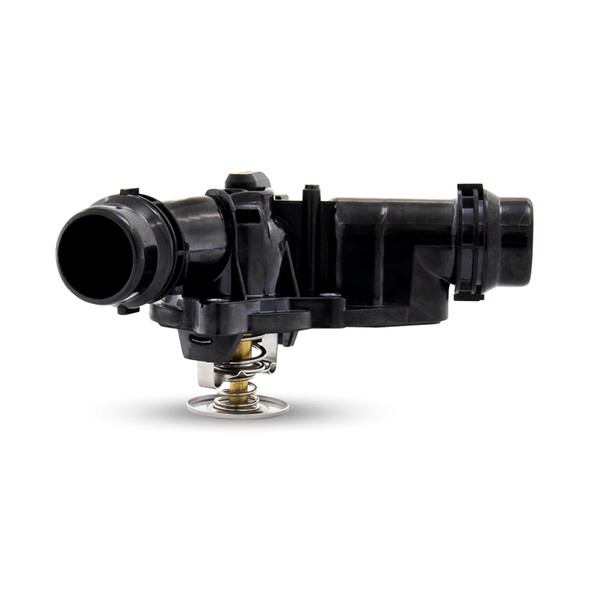
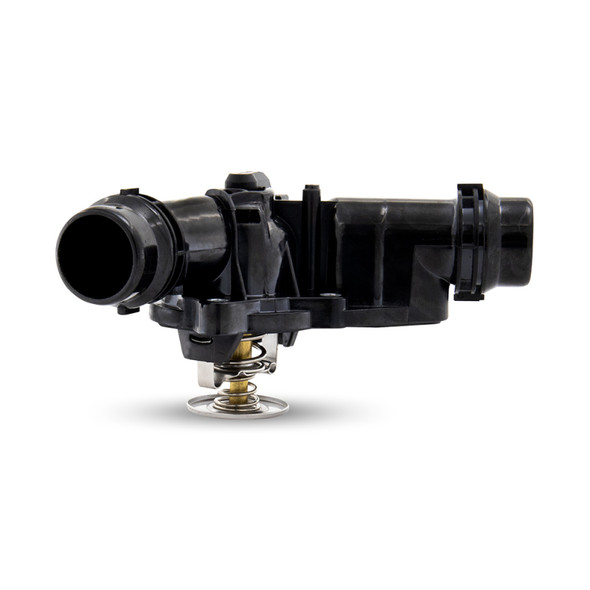
Mishimoto BMW M52/M54/M56 Racing Thermostat w/Housing - 70 Deg. C - MMTS-E46-99V2
Mishimoto
MSRP: $150.00$135.95How much earlier does the Mishimoto thermostat open compared to the stock thermostat?Mishimoto thermostats begin opening 48 degrees Fahrenheit earlier than the stock unit, ensuring superior engine...MSRP: $150.00$135.95 -
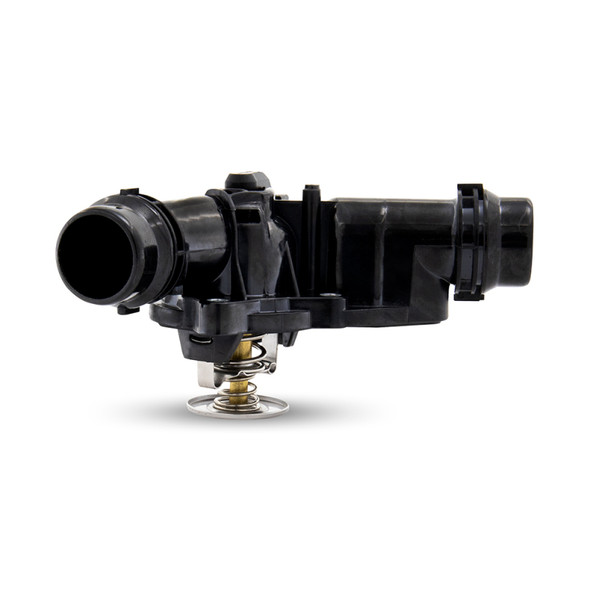

Mishimoto BMW M52/M54/M56 Direct Fit Replacement Thermostat w/Housing - 97 Deg. C - MMTS-E46-99E
Mishimoto
$91.95What is the operating temperature of the Mishimoto Thermostat?Mishimoto Thermostats are designed to open at the stock temperature, ensuring your engine maintains its original optimal operating...$91.95 -
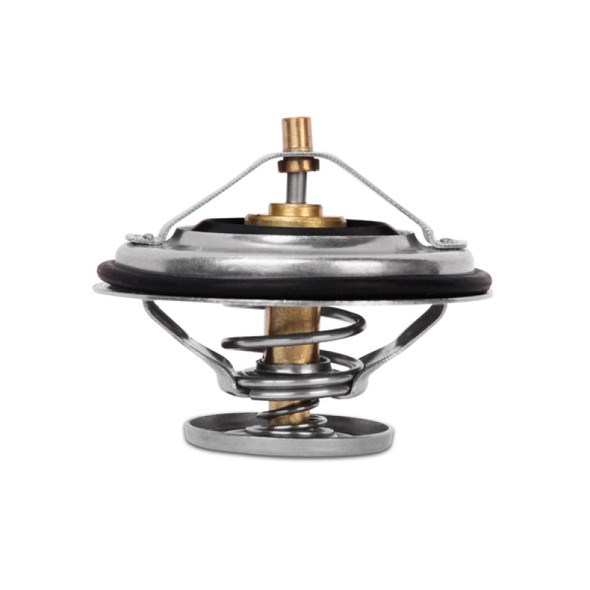
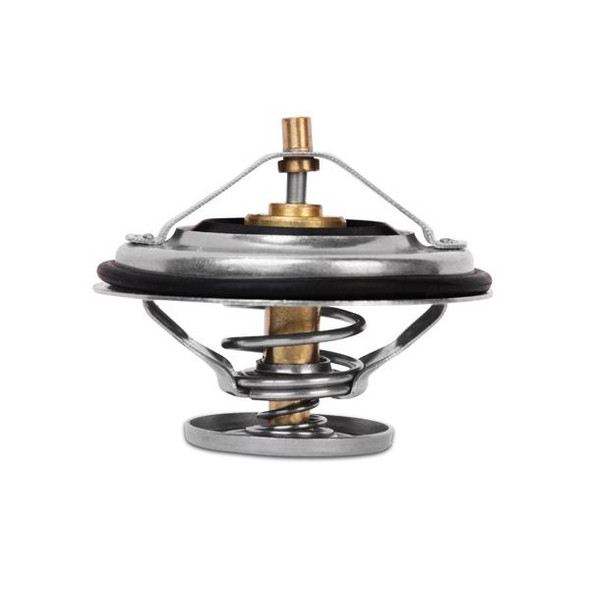
Mishimoto BMW E36 62 Degree Racing Thermostat - MMTS-E36-92L
Mishimoto
MSRP: $76.00$68.95How many miles can I expect to get out of this thermostat?Mishimoto thermostats are designed for long-term performance and reliability, exceeding OEM expectations under demanding conditions.Is...MSRP: $76.00$68.95 -

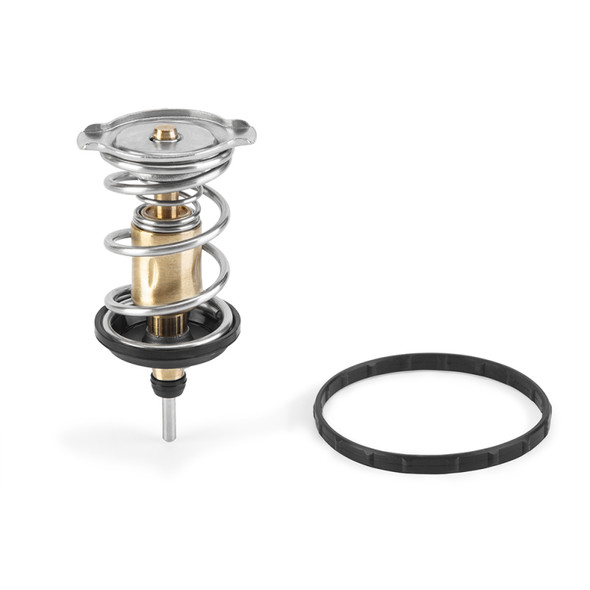
Mishimoto 2017+ Honda Civic Type-R Thermostat - MMTS-CTR-17
Mishimoto
MSRP: $67.00$60.95What is the difference between the Mishimoto thermostat and the stock thermostat?Mishimoto thermostats begin opening 10C earlier and are fully open 7C earlier than stock, optimizing thermal...MSRP: $67.00$60.95 -
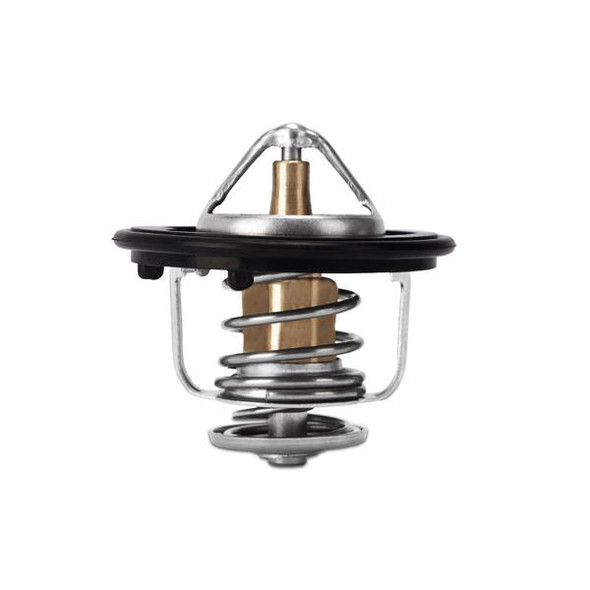

Mishimoto 92-00 Honda Civic/92-96 Prelude/97-99 CL/90-99 Accord 155 Deg F/68 Deg C Racing Thermostat - MMTS-CIV-92L
Mishimoto
MSRP: $71.00$64.95What vehicles does the Mishimoto Thermostat fit?Mishimoto thermostats precisely fit 1997 Acura CL 2.2 Liter models and 1998-1999 Acura CL 2.3 Liter models, ensuring ideal engine operation.Is this a...MSRP: $71.00$64.95
A performance thermostat is the single most cost-effective tuning point in your engine's cooling system, directly controlling the temperature at which your engine operates and how quickly it reaches optimal thermal efficiency. Motor Sport Mayhem carries 105 in-stock thermostats across 45 brands, spanning entry-level replacements through race-spec billet units engineered to hold tighter temperature tolerances than any OEM component on the market.
Our Top Picks for Thermostats
Every product below was selected based on proven performance, engineering quality, and real-world results across street, track, and competition builds.
AER Coolant Pumps
Aeromotive | $375.55
A high-flow electric coolant pump designed for remote-mount applications where precise coolant delivery is critical to maintaining stable engine temps under sustained load.
- Brushed motor construction delivers reliable, consistent flow rates independent of engine RPM — critical for low-speed or idle-heavy applications
AFE Radiators
aFe | $1,268.00
A bar-and-plate core radiator engineered to dramatically increase coolant capacity and heat rejection compared to OEM tube-and-fin designs.
- Bar-and-plate construction increases thermal mass and surface area, working directly alongside your thermostat to keep temps stable under hard off-road and towing loads
AMS Expansion Tanks
AMS | $449.95
An auxiliary intercooler tank that expands coolant system capacity to support higher-demand forced induction cooling circuits.
- Increased fluid volume buffers heat spikes between thermostat cycles, reducing the frequency and severity of thermal events on boosted platforms
AND Cooling Plates
Anderson Composites | $539.10
A carbon fiber radiator cover that manages underhood airflow direction to maximize cooling efficiency across the entire thermal system.
- Proper airflow management reduces heat soak around the thermostat housing and coolant lines, keeping sensor readings accurate and thermostat response predictable
AWE Heat Exchangers
AWE Tuning | $995.00
A purpose-built front-mount heat exchanger that pulls charge temperatures down aggressively on supercharged platforms where thermostat and coolant system integration is critical.
- Larger core volume reduces coolant temperatures entering the engine circuit, easing thermostat load and improving overall thermal regulation under boost
BDD Xtruded Trans Coolers
BD Diesel | $999.95
A double-stacked transmission cooler kit engineered to protect automatic transmissions from heat-related failure during heavy towing and high-load driving.
- Removing excess transmission heat from the engine cooling circuit directly reduces thermostat cycling frequency and keeps coolant temps stable under tow loads
BX Radiators
BLOX Racing | $180.00
A dual-row aluminum radiator that delivers significantly improved heat rejection capacity over OEM single-row designs at an accessible price point for budget-conscious builds.
- Higher core capacity gives your thermostat more thermal headroom to regulate accurately, reducing the risk of temp spikes during spirited street or track use
BMR Radiator Supports
BMR Suspension | $199.95
A tubular steel radiator support that eliminates flex and maintains precise radiator positioning, ensuring consistent airflow and coolant routing alignment under hard acceleration loads.
- Structural rigidity prevents radiator movement that can stress hose connections and thermostat housing fittings — a common failure point on high-power street builds
BOS Water Pumps
Bosch | $226.46
A 50W OE-spec electric water pump that delivers consistent, demand-driven coolant flow independent of engine speed — critical for accurate thermostat function at all RPM ranges.
- Electric operation allows coolant circulation to continue after engine shutdown, preventing heat soak from destabilizing thermostat housing temps during cool-down cycles
COBB Radiator Shroud
COBB | $435.00
A carbon fiber radiator shroud engineered to channel airflow efficiently through the radiator core, reducing parasitic heat buildup that causes premature thermostat cycling on tuned EcoBoost platforms.
- Shroud-directed airflow improves cooling efficiency at low speeds and in traffic — the exact conditions where thermostat accuracy matters most for tuned engines
How to Choose the Right Thermostats
The thermostat is a wax-element or bimetallic valve that opens at a calibrated temperature to allow coolant to flow through the radiator — and it is the primary variable that determines what temperature your engine runs at. A failed or incorrect thermostat doesn't just affect comfort; it directly impacts combustion efficiency, oil viscosity, emissions compliance, and detonation threshold. Aftermarket performance thermostats differentiate themselves through tighter opening tolerances (typically ±2°F vs. OEM ±5–8°F), faster response times via lighter wax pellet formulations, and housing materials that resist corrosion from modern extended-life coolants far longer than stamped-steel OEM units.
Key Specifications
Opening temperature is the first spec to get right. Stock thermostats typically open between 192°F and 205°F depending on the application — performance units are commonly available in 160°F, 170°F, 180°F, and 195°F ratings. A lower opening temperature gives your engine more thermal headroom on track but can negatively affect fuel economy, oil temperature, and emissions on a street-driven vehicle if taken too low. The right opening temperature is a function of your application, tune, and how the engine management system is calibrated to respond to coolant temp signals.
Housing material matters more than most builders acknowledge. OEM thermostats use stamped steel or nylon-reinforced plastic housings that are adequate for stock coolant chemistries but degrade quickly when exposed to high-silicate or racing-specific coolant blends. Billet aluminum housings offer superior corrosion resistance, better sealing surface retention over thermal cycles, and meaningful weight reduction in applications where underhood mass matters. For any build that runs extended track sessions or non-standard coolant, a machined aluminum housing is the correct long-term choice.
Flow rate is the underrated spec. At full open, a performance thermostat should pass coolant with minimal restriction — poorly designed aftermarket units with undersized valve openings can actually create a flow bottleneck worse than the OEM unit they replace. Look for units rated to match or exceed the flow capacity of your water pump, and pay attention to whether the thermostat includes a bleed hole or jiggle pin to prevent air pockets from forming in the housing on fill-up. This single design feature prevents air lock failures that mimic thermostat malfunction and cause unnecessary diagnostic headaches.
For forced induction builds, thermostat selection becomes even more critical because boost adds combustion heat that the cooling system must manage alongside higher ambient underhood temperatures. Turbocharged and supercharged engines frequently benefit from a thermostat opening 10–15°F lower than the OEM calibration, but this must be paired with a compatible tune — running a low-temp thermostat on an unmodified ECU calibration can trigger fault codes and cause the engine to run excessively rich as it continuously attempts to reach a target coolant temp it never reaches under load.
Thermostat Opening Temperature vs. Application Type
| Opening Temp (°F) | Typical Application | ECU Compatibility | Notes |
|---|---|---|---|
| 160°F | Full race, dedicated track car | Requires custom tune | Maximum thermal headroom; not suitable for emissions-compliant street use |
| 170°F | Track-focused street/strip dual-purpose | Requires tune or ECU override | Common choice for boosted builds with supporting cooling upgrades |
| 180°F | Performance street, spirited driving | Tune recommended; some OEM tolerant | Balance of performance and drivability; works with most modern fuel trims |
| 192°F | OEM baseline, daily driver | Direct OEM replacement | Optimized for factory fuel maps, emissions, and oil temp targets |
| 195–205°F | Diesel, heavy tow, OEM high-temp spec | OEM compatible | Higher operating temp improves diesel efficiency and reduces oil dilution |
| Fail-Open Design | All performance applications | Universal recommendation | Fails to open position — engine runs cool rather than overheating on thermostat failure |
Price Guide
Entry ($1.38–$100): This tier covers direct OEM-replacement thermostats and basic performance units from suppliers like Gates — correct choice for restoring factory function, budget-conscious daily drivers, or low-stress naturally aspirated builds where the stock temperature calibration is appropriate. You get reliable function but no material upgrades or tighter tolerances.
Mid-range ($100–$600): The overwhelming majority of performance enthusiasts land here, where billet aluminum housings, tighter opening tolerances, and engineered flow characteristics justify the step up. This is where purpose-built performance thermostats from brands like Mishimoto, Perrin Performance, and Wehrli deliver measurable improvements in thermal stability — especially relevant for modified or boosted engine builds.
Premium ($600–$2,390.00): Race-spec complete cooling system solutions — including integrated thermostat housings, electric pump systems, and heat exchanger packages — occupy this tier. The cost is justified for dedicated competition vehicles, high-horsepower forced induction builds, and applications where thermal management is a primary engineering constraint rather than an afterthought.
Who Is This For?
Performance thermostat products serve a broader range of use cases than most people realize — from a weekend autocross car needing tighter temp control to a diesel truck pulling maximum trailer weight every day.
Track / Autocross — 8.2/10
Track and autocross use cases score at the top of the usage matrix for good reason: sustained high-load driving exposes every weakness in a stock cooling system, and thermostat accuracy directly affects lap-to-lap consistency. A thermostat that holds a precise, lower opening temperature ensures combustion stays within the optimal detonation-safe range across back-to-back sessions. This is the application where upgrading from a stock unit to a performance-spec thermostat delivers the most immediately measurable result.
Racing Competition — 8.2/10
Competition builds score equally high because sanctioned racing environments demand reliability as much as performance — a thermostat failure during a race is a DNF, not a roadside inconvenience. Race-spec thermostats engineered with fail-open designs and billet construction are standard equipment in serious competition builds for exactly this reason. Pairing the correct thermostat calibration with your engine tune is also a power-relevant decision, as coolant temp directly influences ignition timing and fuel delivery in virtually every modern ECU.
Heavy Towing — 8.2/10
Heavy towing ties for the top score because sustained low-speed, high-load operation is thermal torture for any cooling system, and the thermostat is the first component that dictates how the system responds. Diesel and high-displacement tow applications often run higher-opening thermostats deliberately, as the elevated coolant temp improves combustion efficiency and reduces moisture accumulation in engine oil. Choosing the wrong thermostat rating for a tow application — particularly one calibrated too low — can cause chronic overcooling, increased fuel consumption, and accelerated internal wear.
Street Performance — 7.8/10
Street performance builds score well because the combination of aggressive driving and stop-and-go traffic creates highly variable thermal demand that a precise aftermarket thermostat manages better than a worn or tolerance-loose OEM unit. On modified engines running more aggressive ignition timing or elevated boost, a lower-calibration thermostat with tighter tolerances provides the margin needed to prevent heat-related knock events during hard pulls. This is also where a billet aluminum housing proves its value over time, resisting the coolant chemistry degradation that causes OEM plastic housings to crack and weep.
Easy DIY Install — 7.8/10
Thermostat replacement is one of the most accessible performance upgrades in the entire cooling system category, typically requiring basic hand tools and under an hour on most platforms. The 7.8/10 DIY score reflects the fact that most thermostat housings are designed around accessible bolted connections, and the job is well-documented across virtually every enthusiast platform. The main DIY risk is improper bleeding after installation — always ensure the system is purged of air pockets before returning the vehicle to service, as trapped air will cause false overtemperature readings and erratic thermostat behavior.
Trusted Thermostats Brands We Carry
The brands that dominate our thermostat category earned that position through consistent engineering quality and real-world validation across demanding applications. Mishimoto has built category authority through extensive application-specific testing and a lifetime warranty that backs genuine product confidence — their thermostat and housing lineup covers hundreds of platforms with purpose-engineered solutions rather than universal compromises. Gates brings OEM-supplier credibility, manufacturing thermostats to the same specifications they produce for vehicle assembly lines, making them the benchmark for direct-replacement accuracy. Perrin Performance focuses on specific performance platforms with deeply engineered solutions that account for modified engine behavior, while Wehrli Custom Fabrication serves the diesel performance segment with heavy-duty thermostat housing solutions built to handle the extreme thermal loads of compound-turbo diesel builds. Fleece Performance similarly brings diesel-specific engineering depth, and Koyo rounds out the lineup with JDM-heritage cooling expertise applied across both OEM-replacement and track-focused thermostat and housing products.
Frequently Asked Questions
Are aftermarket water pumps as good as OEM?
For most performance applications, a quality aftermarket water pump is not just as good as OEM — it's measurably better in specific ways that matter to enthusiasts. OEM pumps are designed to meet production cost targets and average-use flow requirements, while purpose-built aftermarket units frequently feature larger impeller diameters, impeller blade geometry optimized for high-RPM efficiency, and housing materials that outperform cast iron or plastic OEM components in corrosion resistance. Electric aftermarket water pumps offer the additional advantage of RPM-independent flow rate, which is critical for turbocharged engines that need consistent coolant circulation at idle after a hard pull. The key caveat is that cheap, unbranded aftermarket pumps often use lower-grade casting and seal materials that fail prematurely — brand selection matters significantly in this category.
Are aftermarket radiators any good?
Quality aftermarket radiators from established performance brands consistently outperform OEM units in heat rejection capacity, which is the single metric that matters most to anyone pushing their cooling system beyond stock conditions. Bar-and-plate core construction, used in most performance aftermarket radiators, offers greater thermal mass and more surface area per unit volume than the tube-and-fin designs used in most OEM applications. Aluminum construction throughout — tanks and core — eliminates the electrolytic corrosion that eventually destroys OEM units with aluminum cores crimped into plastic end tanks. The performance delta between a quality aftermarket radiator and OEM is most pronounced in track, tow, and high-horsepower street applications where the stock unit is already near its thermal limit.
Are aluminum coolant reservoirs better than plastic?
Aluminum coolant reservoirs are categorically superior to plastic in every performance-relevant metric: they handle higher sustained temperatures without deformation, resist the chemical degradation that causes OEM plastic tanks to crack and leach contamination into the coolant, and provide a meaningfully larger thermal buffer that smooths out temperature spikes between thermostat cycles. Plastic OEM reservoirs are engineered for production cost efficiency and average-use temperature ranges — they were not designed to survive the heat soak cycles experienced in sustained track use or high-ambient towing scenarios. The sealing surface quality on machined aluminum fittings is also substantially better than molded plastic, reducing the likelihood of slow coolant loss that can go undetected until it becomes a problem. For any build that sees regular track use or modified cooling system demands, an aluminum reservoir is a straightforward upgrade that pays for itself in reliability.
Are aftermarket transmission coolers worth it?
Aftermarket transmission coolers are absolutely worth it for any vehicle that tows, sees track use, or runs a modified drivetrain — automatic transmission fluid begins to break down rapidly above 200°F, and most OEM coolers are sized with minimal thermal margin above the stock heat generation baseline. Every additional 20°F above that threshold roughly halves fluid service life, and a degraded fluid film means accelerated wear on clutch packs, bands, and torque converter components that represent thousands of dollars in repair costs. A properly sized external transmission cooler can drop fluid temperatures by 30–50°F under hard conditions, which translates directly to extended fluid life, more consistent shift behavior, and dramatically reduced transmission rebuild frequency. Removing transmission heat from the main engine cooling circuit also has the secondary benefit of reducing thermostat cycling frequency, keeping the entire cooling system more thermally stable under load.
Are aftermarket radiator hoses worth it?
Performance silicone radiator hoses are worth the upgrade for any build that sees elevated coolant temperatures, modified cooling system pressures, or simply has enough age on the OEM rubber hoses to justify replacement. OEM rubber hoses degrade from the inside out through electrochemical degradation — a process accelerated by coolant chemistry imbalances — often showing no external symptoms until they fail suddenly. Silicone hoses are impervious to this failure mode, maintain their inner diameter under boost and pressure variations where rubber hoses can collapse partially, and handle higher sustained temperatures without the permanent deformation that causes rubber hoses to seal poorly at clamp points over time. For a cooling system where the thermostat and radiator have already been upgraded, running degraded OEM hoses is a reliability liability that defeats the investment made in the rest of the system.
Building something specific? Our performance specialists can help you select the right Thermostats for your application — street, track, or full race build.