
Cooling
- Product
- Qty in Cart
- Quantity
- Price
- Subtotal
-
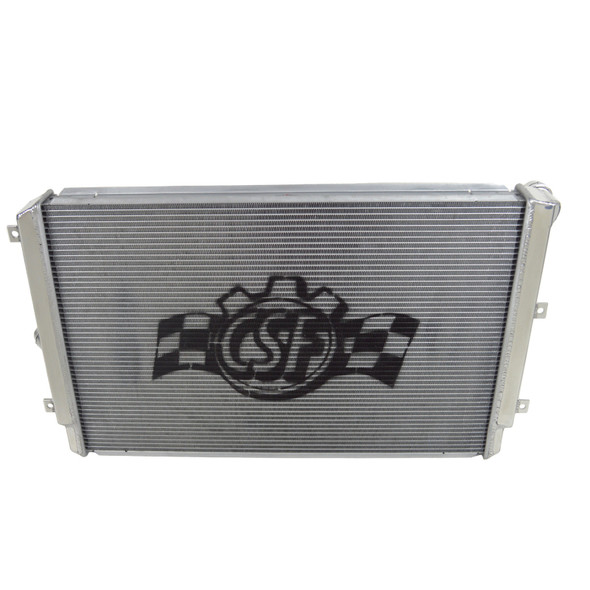

CSF 06-09 Volkswagen Golf/GTI / 06-09 Volkswagen Jetta/GLI Radiator - 7026
CSF
MSRP: $389.00$365.00What vehicles are compatible with the CSF Aluminum Radiator?This CSF Aluminum Radiator precisely fits 2006-2015 Volkswagen Beetle, Golf, and GTI models, ensuring seamless integration for enhanced...MSRP: $389.00$365.00 -
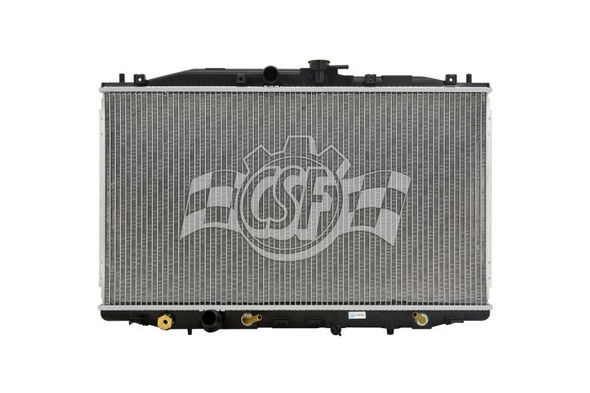
CSF 04-08 Acura TSX 2.4L OEM Plastic Radiator - 3366
CSF
$101.88How do I know if this radiator will fit my vehicle?Confirm radiator fitment with your specific vehicle make, model, and year before purchasing to ensure proper installation and optimal performance.Is...$101.88 -

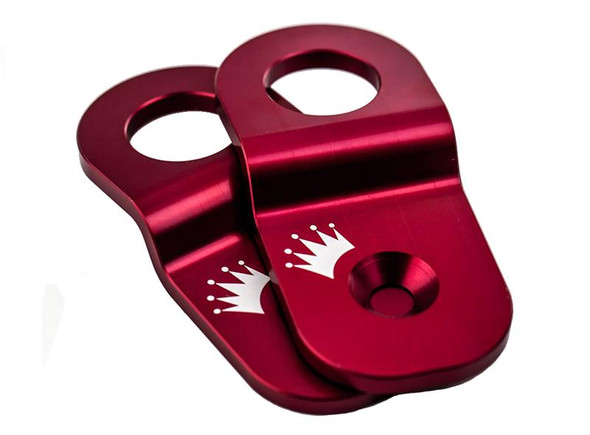
Turbo XS 15-16 Subaru WRX/STI Billet Aluminum Radiator Stay - SIL - W15-RADSTAY-SIL
Turbo XS
MSRP: $52.21$34.30What vehicles is this radiator stay compatible with?This TXS Radiator Stay is specifically designed for 2015-2016 Subaru WRX and STI models, ensuring precise fitment.What is the recommended...MSRP: $52.21$34.30 -
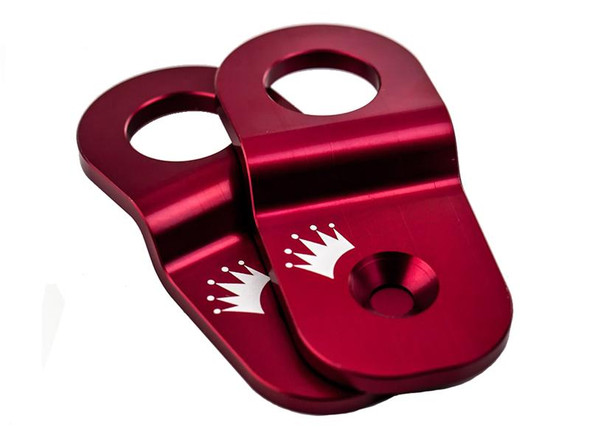
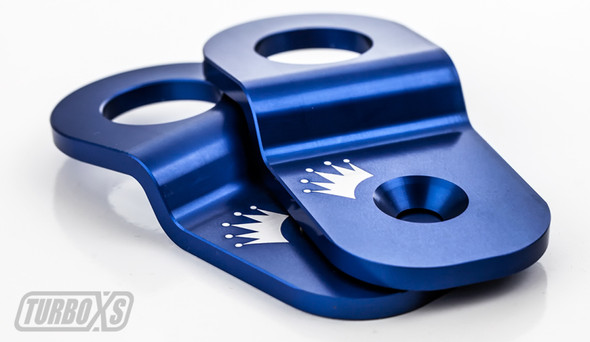
Turbo XS 15-16 Subaru WRX/STI Billet Aluminum Radiator Stay - Blue - W15-RADSTAY-BLU
Turbo XS
MSRP: $52.21$35.25What is the primary benefit of installing TXS Radiator Stays?TXS Radiator Stays deliver enhanced radiator support, improving engine cooling performance by reducing radiator flex under stress.Can I...MSRP: $52.21$35.25 -
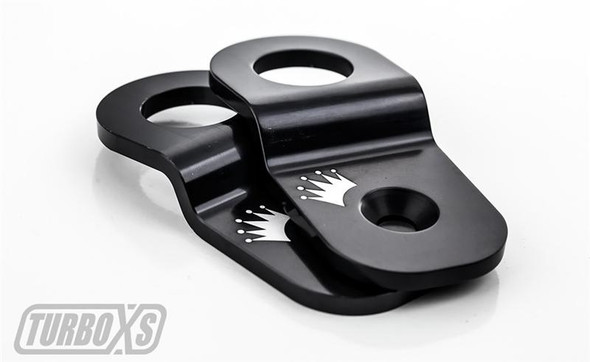

Turbo XS 15-16 Subaru WRX/STI Billet Aluminum Radiator Stay - Black - W15-RADSTAY-BLK
Turbo XS
MSRP: $52.21$38.11Do these radiator stays fit my specific vehicle model and year?Radiator Stays are engineered for precise fitment, so always confirm compatibility with your specific Subaru WRX/STI model and year...MSRP: $52.21$38.11 -
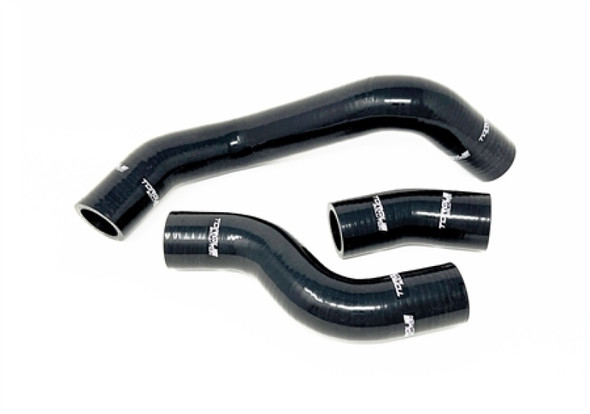
Torque Solution 2013+ Subaru BRZ / Scion FR-S / Toyota 86 Silicone Radiator Hose Kit - Black - TS-SU-657BK
Torque Solution
MSRP: $133.32$111.09Are Torque Solution Radiator Hoses designed for specific vehicle models?Torque Solution Radiator Hoses offer precise fitment for a range of vehicle models; confirm compatibility before purchase to...MSRP: $133.32$111.09 -

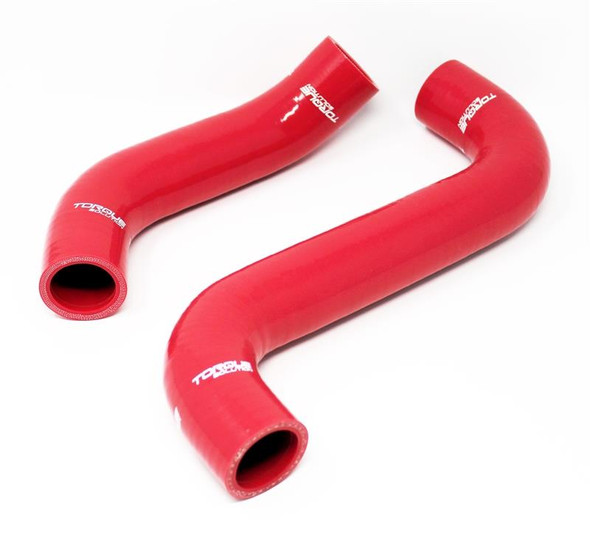
Torque Solution 02-07 Subaru WRX / 04-07 STI Silicone Radiator Hose Kit - Red - TS-SU-466RD
Torque Solution
MSRP: $122.21$101.83What years does this TQS Radiator Hose Kit fit?This TQS Radiator Hose Kit is engineered specifically for 2002-2007 Subaru WRX and 2004-2007 STI models.Is professional installation recommended for...MSRP: $122.21$101.83 -
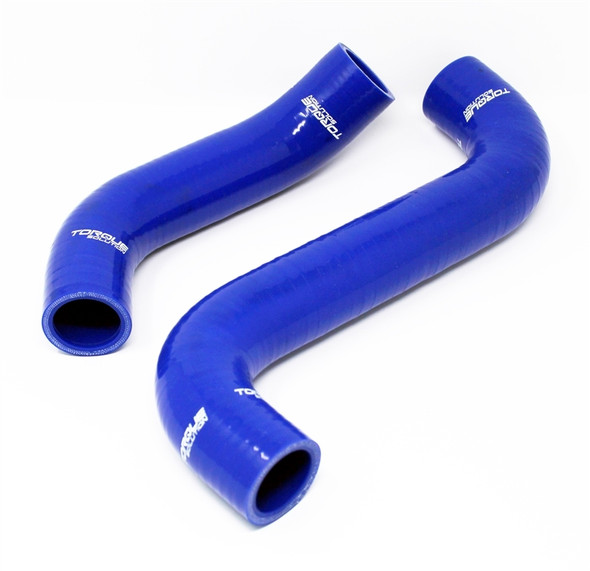

Torque Solution 02-07 Subaru WRX / 04-07 STI Silicone Radiator Hose Kit - Blue - TS-SU-466BU
Torque Solution
$96.74What is the primary benefit of upgrading to a TQS Radiator Hose Kit?This TQS Radiator Hose Kit delivers enhanced cooling performance and superior heat resistance for your 2002-2007 Subaru WRX or...$96.74 -
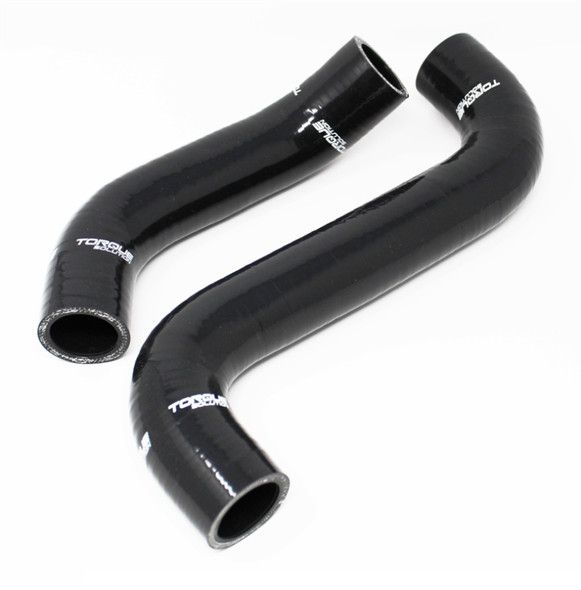

Torque Solution 02-07 Subaru WRX / 04-07 STI Silicone Radiator Hose Kit - Black - TS-SU-466BK
Torque Solution
MSRP: $122.21$101.83Are these hoses a direct fit for my 02-07 WRX?Confirm fitment with your specific vehicle, as professional installation is recommended for optimal integration of these 02-07 Subaru WRX hoses.What is...MSRP: $122.21$101.83 -
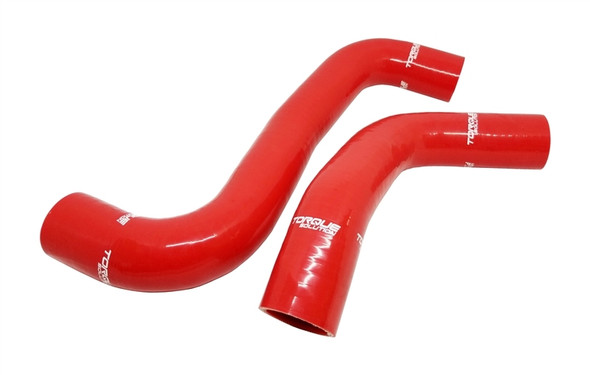
Torque Solution 08-14 Subaru WRX / 08-18 STI / 09-13 Forester XT Silicone Radiator Hose Kit - Red - TS-SU-420RD
Torque Solution
MSRP: $122.21$101.83How do I know if this radiator hose kit will fit my car?Confirm vehicle fitment using our detailed application guide to ensure seamless integration with your specific make and model.Is professional...MSRP: $122.21$101.83 -
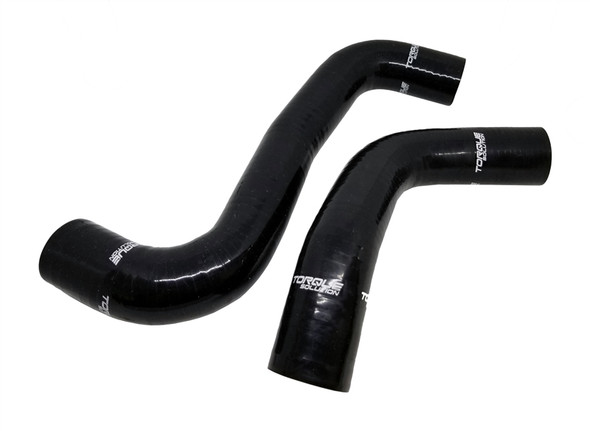
Torque Solution 08-14 Subaru WRX / 08-18 STI / 09-13 Forester XT Silicone Radiator Hose Kit - Black - TS-SU-420BK
Torque Solution
MSRP: $122.21$101.83Will this hose kit fit my car?Confirm precise vehicle fitment before ordering to ensure optimal integration and performance of your new radiator hoses.Is professional installation of the radiator...MSRP: $122.21$101.83 -


Torque Solution Subaru Radiator Stay Bracket (Black): Subaru Impreza 08-11/ WRX/STi 08-13 - TS-SU-205B
Torque Solution
MSRP: $66.66$55.55Will this radiator stay fit my 2009 Subaru Impreza 2.5i?Torque Solution Subaru Radiator Stay Brackets are specifically designed for the 08-11 Subaru Impreza, ensuring a precise fit for your vehicle...MSRP: $66.66$55.55
Cooling is the single most underestimated performance system on any vehicle — an engine that can't shed heat efficiently loses power, destroys oil, and ultimately fails, regardless of how many other upgrades you've bolted on. Motor Sport Mayhem stocks 1,568 cooling components across 45 brands, covering everything from entry-level radiator hoses to full race-spec bar-and-plate radiators, electric coolant pumps, transmission coolers, and heat exchangers engineered for sustained high-load operation.
Our Top Picks for Cooling
Each of these products was selected by our performance specialists based on engineering quality, real-world thermal performance, and proven results across street, tow, and track applications.
AER Coolant Pumps
Aeromotive | $375.55
A high-flow electric coolant pump with remote-mount capability delivers consistent, RPM-independent coolant flow that mechanical pumps physically cannot match at low engine speeds or during idle-heavy conditions.
- 27 GPM flow rate and AN-12 fittings make this purpose-built for high-demand race and forced induction applications where precise coolant velocity control is critical
AFE Radiators
aFe | $1,268.00
Bar-and-plate core construction with a GT-series fin design dramatically outperforms OEM tube-and-fin radiators under sustained high-load conditions where coolant temperatures otherwise climb uncontrolled.
- Full aluminum construction, increased core thickness, and direct-fit design combine OEM fitment ease with a measurable increase in total heat rejection capacity
AMS Expansion Tanks
AMS | $449.95
An auxiliary intercooler expansion tank engineered to supplement coolant volume in forced induction applications where the OEM reservoir is inadequate for the elevated thermal load of modified output.
- Designed specifically to support water-to-air intercooler systems where additional coolant reservoir capacity directly translates to sustained charge air temperature reduction under boost
AND Cooling Plates
Anderson Composites | $539.10
A carbon fiber radiator cover that seals and directs airflow through the radiator core rather than allowing it to bypass around the core — a genuine aerodynamic efficiency upgrade, not purely cosmetic.
- Proper airflow ducting to the radiator core can reduce inlet coolant temperature measurably at speed, making this a functional cooling upgrade that also eliminates the engine bay heat soak from undirected airflow
AWE Heat Exchangers
AWE Tuning | $995.00
A purpose-engineered heat exchanger for supercharged applications replaces the OEM unit with a larger, more efficient core that directly reduces charge air temperatures and protects power output during back-to-back runs.
- Increased internal volume and optimized fin pitch reduce thermal saturation that causes OEM heat exchangers to lose effectiveness after the first hard pull — critical for track use and repeated high-load acceleration
BDD Xtruded Trans Coolers
BD Diesel | $999.95
A double-stacked extruded transmission cooler provides the thermal capacity required for heavy towing and high-output diesel applications where ATF temperatures routinely exceed safe operating thresholds with OEM coolers.
- Extruded tube construction with turbulator inserts maximizes surface area contact and fluid mixing, delivering superior heat rejection compared to conventional tube-and-fin trans cooler designs at equivalent physical size
BX Radiators
BLOX Racing | $180.00
A dual-row aluminum radiator at an accessible price point gives sport compact builds a legitimate OEM-plus cooling upgrade without the cost of premium race-spec units that exceed street application requirements.
- All-aluminum construction eliminates the plastic end tank failure mode common to OEM radiators while the dual-row core delivers increased coolant capacity and heat rejection over single-row stock units
BMR Radiator Supports
BMR Suspension | $199.95
A tubular steel radiator support replaces the OEM stamped unit with a structure engineered to maintain consistent radiator positioning under the chassis flex and vibration loads of high-power and track applications.
- Radiator support rigidity directly affects airflow seal integrity at the radiator core — a bent or deflecting OEM support allows air bypass that reduces cooling efficiency under sustained high-speed operation
BOS Water Pumps
Bosch | $226.46
A 50W electric water pump engineered to OE specification delivers the precise, electronically controlled coolant flow that modern thermally managed engines require — with Bosch's manufacturing tolerances behind it.
- As a tier-one OE supplier, Bosch electric water pumps match or exceed OEM durability specifications while providing a direct replacement that eliminates the failure modes of degraded original units
COBB Radiator Shroud
COBB | $435.00
A carbon fiber radiator shroud seals the gap between the fan assembly and radiator core, forcing all available fan airflow through the core rather than recirculating around it — a direct improvement in low-speed and idle cooling efficiency.
- Carbon fiber construction keeps weight negligible while providing the structural rigidity needed to maintain a consistent, leak-free seal against the radiator face across the full range of operating temperatures and vibration conditions
How to Choose the Right Cooling Upgrade
The core buying decision in aftermarket cooling comes down to matching thermal capacity to actual heat load — not simply buying the largest or most expensive component available. An oversized radiator with inadequate fan support underperforms a properly matched medium-core unit with a high-static-pressure fan shroud assembly. Material choice matters equally: aluminum transfers heat approximately four times more efficiently than the plastic-and-brass composites found in OEM radiators, and it doesn't suffer from the end tank cracking and electrolytic corrosion that eventually fails every stock plastic-tank unit. What separates a quality cooling component from a budget one is wall thickness consistency, weld penetration at the header plate, and fin density uniformity — failures in any of these result in internal leaks, pressure drops, and accelerated corrosion that no coolant additive can compensate for.
Key Specifications
Radiators and Heat Exchangers: Core thickness is the primary performance variable — a 42mm dual-pass core moves significantly more heat than a 25mm single-pass OEM unit at equivalent frontal area. Fin pitch (fins per inch) affects the balance between airflow restriction and surface area: high-speed applications tolerate tighter fin pitch because ram air overcomes restriction, while low-speed and fan-dependent cooling setups need coarser fin spacing to maintain adequate airflow volume. Bar-and-plate core construction is the correct choice for forced induction, heavy tow, and track applications; tube-and-fin is adequate for naturally aspirated street builds where thermal loads are moderate and predictable.
Water Pumps: Flow rate and pressure head are the two specifications that matter. A pump that moves high volume at low pressure will not adequately circulate coolant through a high-restriction system with a thick aftermarket radiator core and tight hose routing. Electric water pumps offer the additional advantage of RPM independence — they maintain target flow at idle and low engine speed when mechanical pumps are at their least effective, which is exactly when urban traffic heat soak is at its worst. Impeller material matters: composite impellers are adequate for street use, while billet aluminum impellers are required for sustained high-temperature operation where composite units can deform and lose efficiency.
Transmission and Oil Coolers: Automatic transmission fluid degrades rapidly above 200°F — every 20°F reduction in sustained operating temperature approximately doubles fluid service life. Plate-and-fin coolers offer the best balance of efficiency and compact packaging for most street and light tow applications. Stacked-plate and extruded-tube designs are required for heavy tow, high-power, and track use where fluid volume and dwell time in the cooler must increase to achieve adequate heat rejection. Line size is non-negotiable: undersized cooler lines create flow restriction that raises pump load and reduces the total volume of fluid circulating through the cooler at any given time.
Coolant Reservoirs and Expansion Tanks: Aluminum tanks eliminate the UV degradation, pressure crack propagation, and coolant staining that eventually affect every OEM plastic reservoir. More importantly, a properly sized expansion tank with adequate pressurization volume prevents aeration — entrained air bubbles in the coolant loop create localized hot spots at the cylinder head that can cause detonation and head gasket distress even when bulk coolant temperature reads normal. For forced induction builds running water-to-air intercoolers, auxiliary reservoir volume is a direct determinant of how long charge air temperatures stay controlled during back-to-back runs.
Radiator Core Sizing Reference by Application and Heat Load
| Application Type | Recommended Core Thickness | Core Style | Coolant Flow Target |
|---|---|---|---|
| Naturally Aspirated Street / Daily Driver | 25–32mm, single or dual pass | Tube-and-fin or bar-and-plate | 5–8 GPM at operating RPM |
| Modified Naturally Aspirated / Mild Street Performance | 36–42mm, dual pass | Bar-and-plate aluminum | 8–12 GPM at operating RPM |
| Forced Induction Street / High Output | 42–55mm, dual pass | Bar-and-plate aluminum | 12–18 GPM at operating RPM |
| Track / Autocross / Time Attack | 50–65mm, dual pass | Bar-and-plate, high fin density | 15–22 GPM at operating RPM |
| Heavy Tow / High Thermal Load Diesel | 55–70mm, dual or triple pass | Bar-and-plate with wide fin spacing | 18–28 GPM at operating RPM |
| Full Race / Endurance Competition | 65mm+, triple pass or custom | Bar-and-plate, brazed aluminum | 25+ GPM, electric pump assisted |
Price Guide
Entry ($1.38–$150): This range covers hoses, clamps, gaskets, coolant additives, basic thermostat housings, and entry-level hose kits — the consumables and small hardware of cooling system maintenance and basic upgrades. These are legitimate purchases for anyone refreshing a cooling system, replacing failed OEM rubber components, or sourcing fittings and adapters for a custom build. Quality varies significantly at this price point, particularly in hose construction and clamp material.
Mid-range ($150–$600): This is where most enthusiasts land, and for good reason — it covers proper aluminum radiators, performance electric fans, transmission cooler kits, aluminum coolant reservoirs, and quality water pumps that provide real, measurable improvements over OEM. The engineering quality at this tier from brands like Mishimoto, CSF, SPAL, and Koyo is genuinely excellent, with race-derived designs adapted for street durability and direct-fit installation.
Premium ($600–$2,390.00): Purpose-built components for forced induction, endurance racing, heavy commercial towing, and high-output competition builds. At this level you're buying significantly larger cores, extruded tube construction, carbon fiber structural components, and application-specific engineering that addresses the exact failure modes of modified high-demand systems. If your build justifies the heat load, the cost is justified — running a $350 radiator behind a 600 whp forced induction build is false economy when a failed cooling system ends an engine that costs ten times what the proper radiator would have.
Who Is This For?
Cooling upgrades serve a wider range of applications than most enthusiasts realize — from daily drivers in hot climates to full endurance race cars, the need to manage heat is universal, but the right solution varies significantly by use case.
Track / Autocross — 8.2/10
Track and autocross applications score at the top of the usage matrix because sustained high-RPM operation with minimal ram airflow at low-speed corners places maximum thermal stress on every cooling component simultaneously. OEM cooling systems are calibrated for normal road use duty cycles, not the relentless heat accumulation of repeated hot laps. Upgraded radiators, larger-core heat exchangers, and electric fan systems that maintain airflow in the pits are all functional requirements for serious track use, not optional enhancements.
Racing Competition — 8.2/10
Competition builds require cooling systems engineered with zero margin for thermal failure — a cooling event in a race ends a weekend and risks catastrophic engine damage that no finishing position justifies. At this level, every component from the pump to the reservoir to the line routing is specified for worst-case sustained heat load, not average operating conditions. Electric coolant pumps, oversized bar-and-plate radiators, dedicated oil coolers, and transmission coolers are standard equipment on competitive builds across all race disciplines.
Heavy Towing — 8.2/10
Heavy towing ties for the top score because the thermal load of sustained uphill towing at governed speed with a loaded trailer exceeds what OEM cooling systems handle reliably over time — particularly for automatic transmission fluid and engine oil temperatures. A transmission cooler alone can be the difference between a transmission that survives 150,000 miles of towing and one that fails at 60,000. Upgraded radiators and dedicated transmission cooler kits are among the highest-value investments for any vehicle used for regular heavy hauling.
Street Performance — 7.8/10
Street performance applications score high because modified engines — particularly those with power adders from the forced induction category — generate proportionally more heat than OEM cooling systems were designed to handle. A cooling upgrade on a street performance build also provides headroom that protects the engine during the summer heat soaks, traffic jams, and dyno pulls that represent worst-case operating conditions for street-driven modified vehicles. Aluminum radiators and proper expansion tank sizing are the two highest-impact upgrades for this application.
Easy DIY Install — 7.8/10
The cooling category scores well for DIY installation because the majority of products — radiators, hoses, reservoirs, thermostats, and fan assemblies — are designed for direct OEM replacement with standard hand tools and basic mechanical aptitude. Most direct-fit radiator swaps take under two hours and require nothing beyond standard sockets, pliers, and a drain pan. The higher-complexity items like custom heat exchanger plumbing and electric pump wiring are approachable for anyone comfortable with basic fabrication and electrical work.
Trusted Cooling Brands We Carry
The brands that dominate performance cooling earn that position through engineering depth, not marketing — and the differences between them are real and application-specific. Mishimoto has built one of the broadest cooling catalogs in the aftermarket, with direct-fit aluminum radiators, silicone hose kits, and fan shroud assemblies developed through in-house thermal testing across hundreds of applications. CSF has distinguished itself through race-proven bar-and-plate core technology with average product values reflecting their positioning at the serious performance tier — their cores are found on professional motorsport programs, not just street builds. Koyo brings Japanese OE manufacturing precision to the aftermarket, producing radiators and coolers to tighter dimensional tolerances than most domestic alternatives, which matters for fitment and long-term leak resistance. SPAL dominates the electric fan segment with Italian-engineered brushless fan motors that move more air per watt than competing designs, making them the correct answer for any application where fan efficiency directly affects cooling capacity. DEI and Gates round out the category with thermal management accessories, quality coolant hoses, and ancillary components that complete a system upgrade — because a premium radiator paired with degraded rubber hoses and inadequate clamping force is still a cooling system waiting to fail.
Frequently Asked Questions
Are aftermarket radiator hoses worth it?
Yes, particularly for modified or high-mileage applications — and the reasoning is straightforward. OEM rubber hoses degrade from the inside out through electrochemical degradation (ECD), where dissolved minerals in coolant react with the metal fittings and attack the hose liner over time, causing internal delamination that restricts flow and eventually causes catastrophic failure without visible external warning. Silicone aftermarket hoses are ECD-resistant, maintain their shape under vacuum without collapsing at high coolant velocities, and tolerate significantly higher sustained temperatures than EPDM rubber. They are not softer or more compliant than OEM hoses — that's a misconception — but they outlast rubber by a factor of three to five in real-world service, making them worth the premium on any vehicle you intend to keep or modify.
Are aftermarket radiators any good?
Quality aftermarket radiators from established brands are not merely as good as OEM — in most cases they are measurably better for performance and modified applications. The reason is straightforward: OEM radiators are cost-engineered to meet factory thermal specs with production budget constraints, which means plastic end tanks, marginal core thickness, and conservative fin density. A direct-fit all-aluminum aftermarket radiator eliminates plastic end tank failure, increases core volume, and improves heat rejection capacity — all in a package that installs identically to the stock unit. The caveat is that quality varies widely among budget brands: look for TIG-welded header plates, consistent fin pitch across the full core face, and pressure testing certification before purchase.
Are aftermarket transmission coolers worth it?
For any vehicle that tows, sees track use, or runs a modified high-output drivetrain, an aftermarket transmission cooler is one of the highest-return investments you can make. Automatic transmission fluid operating above 200°F begins to oxidize and lose its friction modifier properties — by 240°F, fluid degradation is rapid and bearing and clutch pack damage is accumulating even if no immediate symptoms are apparent. OEM transmission coolers are typically integrated into the radiator end tank, which means they're rejecting heat into a fluid that's already absorbing engine heat — a thermal compromise that an external air-to-fluid cooler eliminates entirely. A quality external transmission cooler can reduce sustained ATF temperatures by 30–50°F under tow load, which translates directly into reduced transmission wear and extended service life.
Are aftermarket water pumps as good as OEM?
It depends entirely on the manufacturer — and the answer varies more in this category than in most. Tier-one OE suppliers producing aftermarket replacements (such as Bosch, Gates, and GMB) manufacture to the same or equivalent specifications as original components, and these are genuinely as good as OEM. Commodity-grade aftermarket pumps from unverified sources frequently use inferior casting alloys, imprecise impeller casting that reduces flow efficiency, and inferior shaft bearing assemblies that fail prematurely. For electric water pumps specifically, the motor winding quality and controller integration are critical — a pump that loses flow rate or fails intermittently under heat-soak conditions provides no protection at exactly the moment it's most needed. Stick to verified OE-supplier brands or purpose-built performance units from reputable aftermarket manufacturers.
Are aluminum coolant reservoirs better than plastic?
Aluminum coolant reservoirs are superior to plastic in every measurable way that matters for performance and longevity applications. Plastic reservoirs are subject to UV degradation that causes brittleness and cracking over time, pressure fatigue cracking at the seams and fittings under sustained thermal cycling, and coolant staining that makes it impossible to monitor fluid condition visually. Aluminum tanks are immune to UV degradation, tolerate higher sustained pressures, and allow you to see contamination or aeration issues immediately by visual inspection — an underrated diagnostic advantage. The primary advantage for modified applications is pressure capability: aluminum tanks can be fabricated to hold significantly higher system pressures than stock plastic units, which matters when running higher-than-OEM cooling system pressure caps to raise the boiling point of coolant in high-output builds.
Building something specific? Our performance specialists can help you select the right Cooling for your application — street, track, or full race build.