
Battery Accessories
- Product
- Qty in Cart
- Quantity
- Price
- Subtotal
-

Yuasa 12mm Nut & Bolt Set for YTX20L/YTX24HL - 479862
Yuasa Battery
MSRP: $4.35$2.75Secure your battery cables with these nuts and bolts designed for your Yuasa battery.MSRP: $4.35$2.75 -

Yuasa Trays & Cover Kits YIX30L PW TRAY - 479843
Yuasa Battery
$7.41Are Yuasa battery trays and covers universal fit?Yuasa Trays & Cover Kits are vehicle-specific; always confirm exact fitment with your vehicle's make, model, and year.How durable are Yuasa battery...$7.41 -

Yuasa 12mm Large Stainless Steel Hex Bolt for GYZ20H/HL/GYZ32HL - 479699
Yuasa Battery
MSRP: $4.37$2.77Secure your battery cables with these nuts and bolts designed for your Yuasa battery.MSRP: $4.37$2.77 -

Yuasa 20mm/12mm Brass Nut & Bolt Set for YTX20/YTX20L - 479643
Yuasa Battery
MSRP: $8.77$5.54What is included in the YSA Hardware Accessories kit?The YSA Hardware Accessories kit includes a precisely matched 20mm and 12mm brass nut and bolt set specifically engineered for YTX20 and YTX20L...MSRP: $8.77$5.54 -

Yuasa Nut & Bolt Set for YIX30L/YTX14L - 479104
Yuasa Battery
MSRP: $7.27$4.59Includes: 12mm lg. stainless steel hex bolt, 20mm lg. stainless steel hex bolt, 6mm stainless steel nut, Washer, Round brass spacerIncludes: 12mm lg. stainless steel hex bolt, 20mm lg. stainless...MSRP: $7.27$4.59 -

Yuasa 12mm Nut & Bolt Set for 16CL-B - 479102
Yuasa Battery
MSRP: $4.34$2.74Secure your battery cables with these nuts and bolts designed for your Yuasa battery.MSRP: $4.34$2.74 -
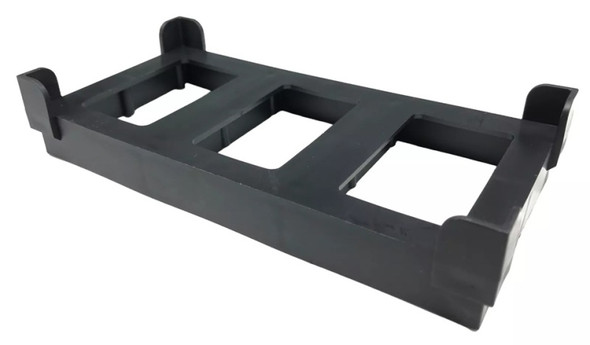
Yuasa Trays & Cover Kits YTX20HL PW TRAY - 478543
Yuasa Battery
MSRP: $3.87$2.45Replacement battery spacer for Yuasa personal watercraft battery.MSRP: $3.87$2.45 -

Yuasa 6mm/Stainless Bolt/Lock Washer/Spacer for GYZ16HL - 4710123
Yuasa Battery
MSRP: $7.29$4.61Battery bolt set includes: (2) 12mm stainless hex bolt, (2) Square brass spacer, (2) Lock washerMSRP: $7.29$4.61 -

REDARC RS3 Inverter Remote - REMOTE-RS3-NA
REDARC
MSRP: $66.00$60.00The on off switch allows control of the inverter from a convenient location. Works with REDARC RS3 Series Inverters - Can be flush mounted for professional installations - Inverter can be installed...MSRP: $66.00$60.00 -


REDARC Pure Sine Wave Inverter w/ATS - 3000W - R-12-3000RS3-NA
REDARC
MSRP: $1,451.00$1,319.00What are the benefits of a pure sine wave inverter for sensitive electronics?Pure sine wave power from this REDARC inverter provides clean, stable output, safeguarding sensitive electronics from...MSRP: $1,451.00$1,319.00 -


REDARC Pure Sine Wave Inverter w/ATS - 2000W - R-12-2000RS3-NA
REDARC
$909.00What is the maximum continuous output of the REDARC RDC Inverter?REDARC RDC Inverters deliver a robust 2000 watts of continuous pure sine wave power, ensuring ample supply for essential appliances...$909.00 -

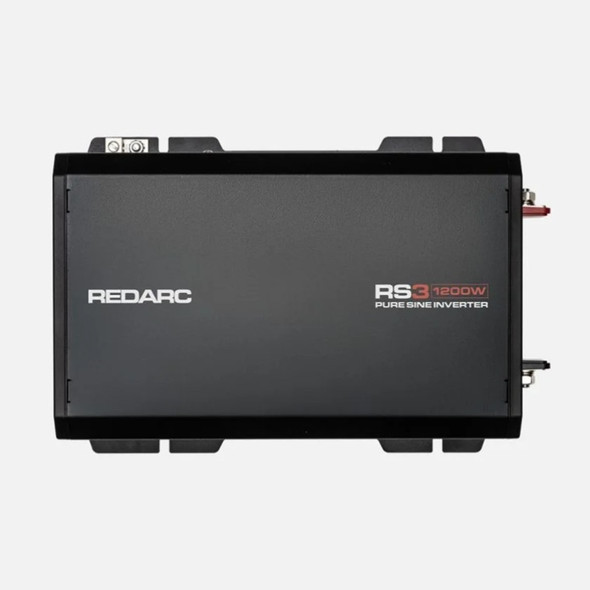
REDARC Pure Sine Wave Inverter w/ATS - 1200W - R-12-1200RS3-NA
REDARC
MSRP: $571.00$519.00Is this product compatible with my vehicle?Confirming specific vehicle fitment is essential for optimal RDC Inverter performance and safe integration with your Battery Accessories.What is the...MSRP: $571.00$519.00
Battery accessories cover every component that supports, charges, secures, and manages vehicle electrical systems — from trickle maintainers and dual-battery isolators to lithium cell upgrades and competition-grade tie-downs. Motor Sport Mayhem stocks 107 in-stock battery accessories across 28 brands, ranging from $0.99 terminal hardware to $3,333 lithium power systems purpose-built for motorsport and expedition use.
Our Top Picks for Battery Accessories
Every product below was selected based on proven performance, engineering quality, and real-world results across street, track, and overland applications.
ANT AG 49 Restart Battery - Lithium
Antigravity Batteries | $1,349.99
This lithium battery integrates a built-in restart function that recovers a fully discharged cell without a jump pack — a genuine advantage on the street or at the track.
- Lithium iron phosphate chemistry delivers dramatically lower weight and higher cranking performance than equivalent lead-acid units
AM Battery Accessories
AutoMeter | $103.31
A compact 12V emergency jump starter delivering 800A peak output is the kind of insurance every performance build and track-day vehicle should carry.
- High peak amperage in a portable format handles modern high-compression engines without relying on another vehicle
BTN Battery Charger
Battery Tender | $739.95
A 10-bank selectable 6V/12V charger is the correct solution for any shop, fleet operation, or serious collector managing multiple vehicles through storage season.
- Individually selectable voltage per bank means you can simultaneously maintain 6V classics and 12V modern builds without cross-charging risk
BKM Batteries - Lithium
BikeMaster | $304.99
BikeMaster's lithium-ion 2.0 platform brings substantial weight reduction and improved cold-cranking performance to motorcycle and powersports applications at a realistic price point.
- Second-generation lithium cell design improves charge acceptance and discharge stability compared to first-generation drop-in replacements
BKC Battery Accessories
Bikers Choice | $45.99
A period-correct ribbed battery side cover that restores factory appearance while protecting the battery compartment on classic FL-series motorcycles.
- Direct OEM replacement fitment eliminates the clearance issues and rattles that come with aftermarket alternatives not built to factory dimensions
COBB Battery Tie Down
COBB | $75.00
A billet battery tie-down in stealth black anodized finish is the kind of detail that separates a properly finished engine bay from a half-built performance car.
- Machined aluminum construction eliminates the flex and corrosion failure points inherent to stamped OEM steel tie-down straps
CTEK Chargers - D250
CTEK | $569.99
CTEK's D250SE is a DC-DC charger and solar regulator engineered specifically for dual-battery and auxiliary power systems in expedition and overland builds.
- Multi-stage charging algorithm handles AGM, gel, and lithium chemistry with separate voltage profiles, preventing overcharge damage in dual-battery configurations
CUS Battery Tie Downs
Cusco | $76.50
Cusco's anodized billet tie-down is a motorsport-grade retention solution that secures the battery under hard cornering and vibration loads on track-focused builds.
- Precision-machined to OEM bolt pattern tolerances, eliminating slop that allows battery movement under lateral G-loading
FSG Heat Trollers
FIRSTGEAR | $134.99
A remote heat controller that manages power delivery to heated riding gear is a critical electrical accessory for any motorcycle or powersports application in cold climates.
- Pulse-width modulation control protects both the battery and heated garment elements from voltage spikes and parasitic drain at idle
FR Alternator Kits
Ford Racing | $447.80
A factory-engineered alternator kit from Ford Racing delivers the complete charging system solution for high-output performance builds where the stock unit is the weak link.
- OEM-sourced engineering means bracket geometry, pulley ratios, and output curves are calibrated for the application rather than adapted from a generic unit
How to Choose the Right Battery Accessories
The difference between a proper battery accessory and a failure point comes down to chemistry compatibility, current rating, and construction quality — three variables that budget options consistently compromise. A charger with an inadequate algorithm will sulfate an AGM cell in a single season. A terminal bolt with insufficient tensile strength will shear under vibration. A tie-down stamped from thin steel will allow battery movement that cracks cell plates over time. Understanding what each accessory actually does mechanically and electrically is the only reliable way to buy correctly.
Key Specifications
For charging equipment, the single most important specification is chemistry compatibility. AGM, gel, flooded lead-acid, lithium iron phosphate, and lithium-ion cells each require distinct charge voltage profiles and termination strategies. A charger rated only for flooded lead-acid will either undercharge an AGM cell or overcharge a lithium pack — both outcomes shorten service life significantly. Multi-stage chargers that explicitly list supported chemistries in their technical documentation are the only correct choice when your fleet includes mixed battery types.
Current rating is the second critical variable for both chargers and battery isolators. Undersized wiring and isolators in dual-battery systems create resistance that generates heat — at sustained current draws, that heat becomes a fire risk rather than just an efficiency loss. For overland and expedition builds running inverters, refrigeration, and communications equipment, calculate your total continuous amp draw and select isolators and cabling rated at a minimum 25% above that number. Voltage drop across undersized components also degrades performance of sensitive electronics and charging efficiency at the auxiliary battery.
Battery retention hardware — tie-downs, trays, and boxes — must be evaluated against the specific G-loading of your application. Street use imposes relatively modest lateral forces, but autocross, track days, and off-road use generate sustained lateral and vertical accelerations that will exploit any slop in an undersized or corroded OEM tie-down. Billet aluminum tie-downs machined to platform-specific tolerances are the correct answer for any performance application. Battery boxes matter in applications where acid containment is a safety or regulatory requirement — particularly in rear-mount or cabin-relocation builds.
For terminal hardware, material selection directly affects both conductivity and corrosion resistance. Copper and brass terminals with tinned contact surfaces outperform zinc and steel in long-term conductivity and corrosion resistance, especially in high-humidity and marine environments. Stainless steel hardware is appropriate for structural bolts at terminal clamps, but zinc-plated fasteners are a false economy — zinc corrodes in contact with battery acid vapors and creates resistance at the contact point over time. Any terminal showing measurable voltage drop under load is a failure waiting to happen and needs replacement, not cleaning.
Battery Charger Selection Guide by Application and Chemistry
| Application | Recommended Charge Rate | Compatible Chemistries | Key Feature Required |
|---|---|---|---|
| Single motorcycle / powersports (storage) | 0.8A – 1.5A trickle | Flooded, AGM, Gel, LiFePO4 | Maintenance / float mode |
| Single car battery (storage / maintenance) | 1A – 4A | Flooded, AGM, EFB | Desulfation pulse mode |
| Performance / lithium battery (fast charge) | 5A – 10A | LiFePO4, Li-ion | Lithium-specific voltage profile |
| Dual-battery / auxiliary system (DC-DC) | 20A – 40A DC-DC | AGM, LiFePO4, Gel | Voltage-sensitive relay or MPPT solar input |
| Multi-vehicle shop / fleet (bank charger) | 4A per bank (scalable) | 6V and 12V flooded, AGM | Independent per-bank voltage selection |
| Race / competition (rapid recovery) | 10A – 25A | LiFePO4, AGM | High-current recovery without cell damage |
Price Guide
Entry ($0.99–$99): Terminal hardware, basic clamps, single-vehicle trickle maintainers, and cosmetic accessories like covers and side panels live in this range. These are the right buy when the component is purely mechanical with no electronics — a billet bolt or a terminal cover doesn't need a premium price to perform. Basic trickle maintainers at this tier work fine for a single vehicle in stable storage conditions but lack the multi-stage algorithms needed to recover a deeply discharged or aging cell.
Mid-range ($99–$500): This is where the majority of serious performance buyers land, and for good reason — mid-range chargers, portable jump starters, lithium motorcycle batteries, billet tie-downs, and single-channel DC accessories deliver the engineering quality that actually protects expensive batteries and electrical systems. At this tier you get proper multi-stage charging profiles, lithium-compatible algorithms, and machined aluminum construction. For most enthusiasts building a single street or track vehicle, this range covers every accessory need without overspending.
Premium ($500–$3,333.85): High-bank commercial chargers, expedition-grade DC-DC charging systems, and large-format lithium batteries purpose-built for racing justify their cost through application-specific engineering that generic alternatives cannot replicate. A 10-bank shop charger pays for itself in a fleet or rental operation. A DC-DC charger engineered for dual-battery expedition systems prevents auxiliary battery damage that would otherwise destroy expensive lithium cells. Full competition-specification lithium batteries at the top of this range offer weight savings and cranking performance that have a measurable effect on lap times and reliability.
Who Is This For?
Battery accessories serve a wider range of use cases than almost any other category — from weekend off-roaders running dual-battery systems to club racers chasing every kilogram of weight reduction.
Easy DIY Install — 8.4/10
Battery accessories score highest across the entire usage matrix for ease of DIY installation, and that rating reflects reality — most items in this category require only basic hand tools and a multimeter to install correctly. Terminal hardware, tie-downs, maintainers, and battery swaps are genuinely accessible to anyone with mechanical confidence. That ease of installation should not be mistaken for low technical stakes: a misconnected isolator or an incorrectly configured lithium charger can cause real damage, so reading the documentation before install is non-negotiable.
Overlanding / Expedition — 7.2/10
Dual-battery systems, DC-DC chargers, solar regulators, and heavy-duty battery boxes are core infrastructure for any serious overland build, which explains why this category scores 7.2 out of 10 for expedition use. Extended off-grid operation demands reliable auxiliary power management that OEM electrical systems were never designed to provide. The engineering complexity of properly matched dual-battery setups — isolator type, cable sizing, charge source compatibility — is exactly where premium accessories from brands with expedition-specific product lines earn their price premium.
Weekend Off-Roading — 7.3/10
Weekend off-road use scores 7.3 out of 10, marginally above overlanding, because the accessory needs are similar but the duration and remoteness demands are lower — portable jump starters, quality terminals, and solid battery retention hardware cover most weekend off-road scenarios. Vibration and impact loads from rough terrain are genuinely hard on battery retention hardware and terminal connections, making billet tie-downs and quality terminal clamps a higher priority here than on pavement-only builds. A portable jump starter rated for your engine displacement is the single most practical accessory for any off-road trip.
Street Performance — 7.1/10
Street performance builds score 7.1 out of 10, driven primarily by lithium battery upgrades, high-output alternator kits, and proper battery management for vehicles running significant electrical loads from aftermarket lighting or audio systems. Weight reduction via lithium chemistry is a real gain for street performance applications — a lithium cell can save 15–30 lbs over an equivalent lead-acid unit without any other modification. High-output alternator kits become relevant when accessory load from performance electronics or audio systems exceeds the OEM charging system's capacity.
Racing Competition — 6.6/10
Racing scores 6.6 out of 10 — lower than street or overland use because competition builds often strip electrical systems down to the minimum required rather than adding accessories. Where battery accessories do matter in racing, the stakes are absolute: a failed tie-down at speed is a safety incident, and a dead battery in a qualifying session is a DNF. Competition-specification lithium batteries, billet retention hardware, and quick-disconnect terminals are the high-priority items for any car that sees timed competition.
Trusted Battery Accessories Brands We Carry
The brands that dominate this category have earned their position through application-specific engineering rather than general electrical product catalogs. Antigravity Batteries leads the lithium performance segment with proprietary cell management and restart technology developed specifically for motorsport. CTEK brings Scandinavian engineering precision to charging systems, with multi-stage algorithms that are among the most chemistry-aware in the industry — their DC-DC platform is an industry reference for expedition dual-battery setups. Battery Tender has decades of proven maintenance charging behind it and remains the benchmark for storage-season battery management across powersports and automotive applications. REDARC brings Australian outback-proven electrical engineering to the overlanding market, with DC-DC chargers and battery management systems rated for the kind of sustained abuse that destroys cheaper alternatives. Yuasa Battery supplies OEM-specification cells and accessories to major motorcycle manufacturers, giving their aftermarket products a factory-engineering foundation that generic offshore brands cannot match. Odyssey Battery and BikeMaster round out the roster with AGM and lithium options that span from budget-conscious powersports applications to serious performance builds.
Frequently Asked Questions
Are battery boxes actually necessary?
Battery boxes are required in two specific situations: when a battery is relocated to an interior or trunk location, and when sanctioning body rules mandate acid containment in a competition vehicle. A standard battery in its OEM engine bay position with intact OEM retention does not need an additional enclosure. For any relocation — particularly into a passenger compartment — a sealed, vented battery box is a genuine safety requirement, not an optional upgrade. NHRA, NASA, and most club racing organizations have explicit rules requiring sealed boxes for interior-mounted batteries. Polypropylene construction with a vented cap to route hydrogen outside the cabin is the correct specification.
Are battery isolators safe for dual-battery systems?
Battery isolators are safe when correctly specified for the current load of the application and properly installed with appropriately sized wiring. Diode-based isolators cause a 0.6–0.7V voltage drop that can undercharge the auxiliary battery over time, which is why voltage-sensitive relays (VSRs) and DC-DC isolators have largely replaced them in modern expedition and overland builds. The safety concern with any isolator is undersizing — an isolator rated below the peak current draw of the system will overheat. Always calculate maximum combined load from alternator output and size isolator and cabling accordingly, with a safety margin of at least 25% above peak draw.
Are CTEK chargers worth the money?
Yes — CTEK chargers justify their price through multi-stage charging algorithms that actively protect battery health rather than simply pushing current until a voltage threshold trips. Their patented desulfation pulse, conditioning, and maintenance float stages extend battery service life measurably compared to single-stage and two-stage chargers. Independent testing consistently shows CTEK units maintaining accurate voltage regulation across temperature extremes where cheaper chargers drift. For anyone storing a performance vehicle or managing a fleet of powersports equipment, the battery life extension alone recovers the cost differential over a single replacement cycle. Their lithium-compatible models use distinct charge profiles that prevent the overcharge damage that kills lithium cells when charged on lead-acid programs.
Are Chinese LiFePO4 batteries safe?
The safety of a lithium iron phosphate battery depends on the quality of the battery management system (BMS) built into the pack, not the country of manufacture alone — but low-cost Chinese LiFePO4 packs frequently use underspecified BMS circuits that lack proper cell balancing, overcharge protection, and thermal cutoffs. LiFePO4 chemistry is inherently safer than lithium-cobalt-oxide chemistries and does not undergo thermal runaway under the same conditions, but a failed BMS can still result in cell swelling, venting, and fire risk. Established brands that publish UN38.3 certification, cell-level BMS specifications, and discharge/charge curve data are the way to verify quality regardless of where cells are manufactured. For motorsport and enclosed-space applications specifically, use only batteries from brands with documented motorsport safety certifications.
Can you use zinc bolts on battery terminals?
Zinc-plated bolts should be avoided at battery terminals because zinc corrodes in the presence of battery acid vapor, forming zinc oxide that increases contact resistance and can cause connection failures over time. Stainless steel hardware — specifically 304 or 316 grade — is the correct choice for terminal fasteners because it resists acid corrosion, does not galvanically interact aggressively with copper or brass terminals, and maintains consistent clamping torque over repeated heat cycles. Brass bolts are also acceptable and were factory-standard on many older vehicles for exactly this reason. The contact resistance introduced by a corroded terminal connection creates voltage drop under load that affects starting performance and can damage sensitive electronics on modern vehicles with active battery management systems.
Building something specific? Our performance specialists can help you select the right Battery Accessories for your application — street, track, or full race build.