
Winches
- Product
- Qty in Cart
- Quantity
- Price
- Subtotal
-

KFI Tiger Tail Tow System XT - 101120
KFI
$185.00What is the average breaking strength of the KFI Tiger Tail winch rope?The KFI Tiger Tail winch features 12 ft of 12000 lb average breaking strength rope, enhanced with a wear-resistant coating for...$185.00 -
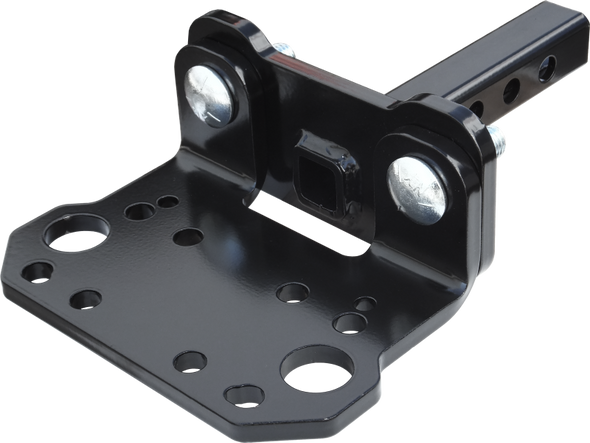
KFI Tiger Tail 1.25 in. Adjustable Mount - 101115
KFI
$69.95Does the KFI Tiger Tail come with a winch?The KFI Tiger Tail winch mount is designed to accept standard winches with a 4.88 inch by 3 inch bolt pattern, not included.How difficult is the KFI Tiger...$69.95 -

KFI Tiger Tail 2 in. Adjustable Mount - 101110
KFI
$69.95Will this winch mount fit my specific ATV model?Confirm your vehicle's fitment details before purchase; the KFI Tiger Tail accepts a 4.88 inch by 3 inch bolt pattern for broad winch compatibility.Is...$69.95 -

All Balls Racing 3500lb Winch - Cable - 431-01023
All Balls Racing
MSRP: $274.95$152.33What is the gear reduction ratio for ABR Winches?ABR Winches feature a 3-stage, all-metal planetary gear reduction system for robust performance and reliable pulling power.Is professional...MSRP: $274.95$152.33
A winch is the single most important self-recovery tool on any off-road or expedition build — the difference between driving home and calling a tow truck when the trail turns against you. Motor Sport Mayhem stocks 69 in-stock winches and recovery-rated accessories spanning entry-level ATV pulls to 12,000-lb-rated truck systems, covering everything from weekend trail riding to serious overlanding expeditions.
Our Top Picks for Winches
Every product below was hand-selected based on real-world recovery performance, engineering quality, and proven value across the builds our team has put together.
ADD Stealth Fighter Winch Kit
Addictive Desert Designs | $798.98
A fully integrated winch mount and bumper kit engineered for structural rigidity under maximum line pull load without compromising approach angle.
- Laser-cut steel construction with integrated fairlead mounting eliminates flex points that cause alignment issues under load
AFE Tow Hooks
aFe | $172.00
Cast from high-tensile steel with a powder-coated finish, these tow hooks provide a rated anchor point for strap and shackle recovery without frame modification.
- Direct-mount frame attachment design distributes recovery loads across the full frame rail rather than a single bolt point
ABR Winches
All Balls Racing | $261.20
A 3,500-lb rated ATV and UTV winch cable assembly built to handle repeated load cycles in wet and abrasive trail conditions without fraying or corrosion.
- Galvanized steel cable construction provides superior abrasion resistance against rock edges compared to budget uncoated alternatives
ARB Winches
ARB | $1,515.63
ARB's winch lineup is built to IP68-rated waterproofing standards with sealed motor housings and fully potted control boxes designed for river crossings and extreme mud conditions.
- Series-wound motors deliver maximum torque at low RPM — exactly when line tension is highest and single-layer drum spooling demands the most from the drivetrain
BOD Hitch Steps
Body Armor 4x4 | $119.99
A receiver-mounted hitch step with integrated skid plating that protects the receiver tube and trailer wiring harness from trail debris and rock strikes.
- 3/16-inch steel skid surface handles direct impact loads that would crack cast aluminum step alternatives on the trail
BRN 12K Winch
Borne Off-Road | $649.95
A 12,000-lb rated electric winch spooled with synthetic rope from the factory — the correct choice for any serious truck or SUV recovery build where steel cable snap-back is an unacceptable risk.
- Synthetic rope floats in water, weighs a fraction of steel cable, and drops safely on failure — all critical advantages in remote recovery scenarios
COBB Hitch Covers
COBB | $95.00
A 2-inch receiver-mounted D-ring shackle that converts any standard hitch receiver into a rated recovery point without drilling or frame modification.
- Machined steel shackle body rated for actual recovery loads — not a cosmetic accessory masquerading as a functional recovery point
CUS Tow Hooks
Cusco | $162.00
Cusco's front tow hooks are a motorsport-derived recovery anchor machined from chromoly steel and finished to competition standards for use on both road and trail.
- Threaded frame-mount design meets FIA tow point visibility and clearance requirements — built for real extraction, not just aesthetics
DFR Receiver Hitch
DragonFire Racing | $129.99
A rear 2-inch receiver hitch for side-by-side UTVs that opens up winch accessory compatibility and light trailer towing in the UTV platform.
- Direct bolt-on fitment to factory frame mounting points maintains chassis geometry without welding or custom fabrication
DVE Hitch Mounts
DV8 Offroad | $899.99
A rear spare tire guard and accessory mount that integrates receiver hitch functionality with spare tire protection in a single steel assembly.
- Heavy-gauge steel construction handles the combined weight of a full-size spare plus tongue load from a small trailer without deflection
How to Choose the Right Winch
The single most important winch specification is rated line pull — and the rule of thumb is non-negotiable: your winch should be rated for at least 1.5 times your vehicle's gross vehicle weight (GVW). A 5,500-lb truck needs a minimum 8,250-lb winch to handle real-world recovery scenarios where mud suction, slope angle, and a double-line rigging configuration all factor into effective pull demand. Undersizing a winch doesn't just limit recovery capability — it destroys motors through thermal overload when the unit is asked to operate continuously near its rated limit.
Key Specifications
Motor type is the first fork in the road. Series-wound DC motors deliver higher peak torque at stall — the critical moment when a stuck vehicle first starts to move — but they run hot under sustained duty cycles. Permanent magnet motors are more efficient, lighter, and draw less current from your electrical system at moderate loads, but they lose torque faster as temperature climbs. For serious recovery work in remote conditions, series-wound is the professional choice. For occasional use on a daily driver or trail rig that sees light duty, permanent magnet motors are more than adequate and easier on your charging system.
Rope selection is the second major decision. Steel cable is more abrasion-resistant against rock edges and holds its shape on the drum, but it stores enormous kinetic energy under tension — a snapped steel cable becomes a dangerous projectile. Synthetic rope (typically UHMWPE, sold under brand names like Dyneema or Amsteel) is lighter, safer on failure, floats in water crossings, and is easier to handle bare-handed. The tradeoff is reduced abrasion resistance and UV degradation over time; synthetic rope must be kept clean and inspected regularly. Most serious off-road builds have moved to synthetic as the default.
Control system matters more than most buyers anticipate. Wired remote controls are reliable and eliminate interference issues, but they limit operator position. Wireless remotes — now standard on most mid-range and premium winches — allow you to stand clear of the line during recovery, which is the correct safety protocol. Look for IP67 or IP68 waterproofing ratings on the control box and solenoid pack; these components live in the harshest part of the vehicle and failure here renders the entire winch useless. A quality solenoid pack uses proper sealed connectors rated for continuous current draw at the winch's full amp load.
Mounting integration is where budget winches reveal their limitations. The winch is only as strong as its mounting plate and the bumper or fairlead plate it bolts to. A purpose-built winch bumper or integrated mounting system — like those offered by Addictive Desert Designs or DV8 Offroad — distributes load through the frame rails properly. Bolting a high-rated winch to an undersized mounting plate or a factory plastic bumper bracket transfers recovery forces into components not designed to handle them, which risks both vehicle damage and recovery failure at the worst possible moment.
Winch Rating vs. Vehicle Weight — Line Pull Selection Guide
| Vehicle GVW | Minimum Winch Rating (1.5x GVW) | Recommended Rating (Real-World) | Typical Application |
|---|---|---|---|
| Under 1,500 lb | 2,000 lb | 2,500–3,500 lb | ATVs, small UTVs, trail bikes |
| 1,500–2,500 lb | 3,750 lb | 4,500–5,000 lb | Full-size UTVs, side-by-sides |
| 2,500–4,000 lb | 6,000 lb | 8,000–9,500 lb | Mid-size trucks, compact SUVs |
| 4,000–5,500 lb | 8,250 lb | 9,500–12,000 lb | Full-size trucks, body-on-frame SUVs |
| 5,500–7,000 lb | 10,500 lb | 12,000–16,500 lb | Heavy-duty trucks, expedition rigs |
| Over 7,000 lb | 12,000+ lb | 16,500–20,000 lb | Diesel trucks, camper builds, overlanding with gear load |
Price Guide
Entry ($1.99–$100): This range covers recovery hardware — tow hooks, D-rings, hitch shackles, and cable accessories — rather than complete winch units. These components are legitimate and necessary parts of any recovery kit, but buying a complete winch at this price point means accepting severe compromises in motor quality, seal ratings, and load-rated hardware. Use entry-level budget for accessories, not for the primary pull device.
Mid-range ($100–$700): The sweet spot for ATV, UTV, and light truck winches from brands with established quality control. At this price point you get genuine IP67 waterproofing, synthetic rope options, wireless remote controls, and thermal overload protection on the motor. Most weekend off-road and trail enthusiasts will find everything they need here without paying for expedition-grade durability they won't use.
Premium ($700–$3,960.02): Expedition-class winches from brands like ARB, Superwinch, and integrated systems from Addictive Desert Designs justify their price through series-wound motor performance, full IP68 sealing, 100% duty cycle ratings, and factory-backed engineering that has been tested in the world's most hostile environments. Integrated bumper-winch kits also fall here — the cost reflects precision-fit mounting that protects both the winch and the vehicle structure. If your build goes into remote backcountry where a winch failure means a multi-day wait for rescue, this is where you spend.
Who Is This For?
Winches and recovery hardware serve a wide range of users — from the ATV rider who wants a basic self-recovery setup to the expedition overlander who treats their winch as mission-critical safety equipment.
Weekend Off-Roading — 8.0/10
Weekend off-roading is the highest-scoring use case in our catalog, and it's no surprise — a winch is the defining accessory that separates a vehicle capable of attempting technical terrain from one that has to turn back at the first real obstacle. A mid-range synthetic-rope winch with a wireless remote gives the weekend warrior everything needed to self-recover from mud bogs, ledge hang-ups, and tree-line obstacles without relying on a spotter or a tow service. The 8.0 rating reflects how broadly applicable these products are across the full weekend off-road use case spectrum.
Overlanding / Expedition — 7.7/10
Overlanding demands winches built for sustained use in remote conditions where failure isn't just inconvenient — it's a safety issue. The 7.7 score reflects the premium end of the catalog, where IP68-rated units with series-wound motors, full synthetic rope, and robust control systems earn their cost in genuine capability. Expedition builders also look beyond the winch itself to integrated mounting systems, auxiliary recovery points, and lighting compatibility in the same bumper assembly.
Easy DIY Install — 7.1/10
A 7.1 DIY install score reflects the reality that most modern winch systems are designed for straightforward bolt-on installation using factory mounting points or purpose-built plates — no welding, no custom fabrication required. Wiring is the step most installers overthink; a direct-to-battery connection with an inline fuse and proper gauge cable is all that's required on the vast majority of fitments. Purpose-built receiver-hitch mounted winches score even higher for DIY accessibility because they require zero permanent vehicle modification.
Serious Rock Crawling — 7.6/10
Rock crawling puts winches through their hardest duty cycles — short, violent pulls at maximum line tension against unyielding rock faces, often with the vehicle at extreme angles that increase effective load significantly. The 7.6 score is earned by the upper tier of catalog products that can handle repeated high-load cycles without motor burnout. Rock crawling applications also demand the most from mounting hardware; a winch that pulls free of its plate under load on a boulder is worse than no winch at all. This use case pairs naturally with serious suspension upgrades for full articulation builds.
Heavy Towing — 7.6/10
The heavy towing score reflects the hitch-mounted recovery and accessory hardware in this category — receiver hitches, D-ring shackles, tow hooks, and hitch step systems that complement towing setups. A rated recovery point at both ends of a tow vehicle is a legitimate safety requirement, not an optional add-on, and the hardware in this category at the 7.6 towing rating is engineered to handle the combined stresses of towing weight plus recovery load without deforming. Pairing a front winch with a rear receiver-mounted shackle creates a vehicle capable of both pushing and pulling in a convoy or recovery scenario.
Trusted Winch Brands We Carry
The brands that dominate this catalog earned their positions through engineering substance, not marketing. ARB has built its reputation on expedition-tested hardware validated in the Australian Outback and African overland routes, with full IP68 motor sealing that most competitors still can't match. Superwinch brings decades of series-wound motor development and a catalog average that reflects genuine commercial-grade engineering in their upper tier. Borne Off-Road has quickly established credibility in the synthetic rope winch space with competitive pull ratings and factory rope spooling that bypasses the common field-upgrade step. KFI dominates the ATV and UTV winch segment with a volume catalog that gives powersports riders access to properly rated hardware at accessible price points. All Balls Racing rounds out the powersports side with cable assemblies and winch components built to the same tolerance standards as their bearing and seal products. Addictive Desert Designs brings an integrated systems engineering approach — their winch kits treat the bumper, mounting plate, and fairlead as one engineered load path rather than bolted-together afterthoughts.
Frequently Asked Questions
Are air ride hitches worth it?
Air ride hitches use an internal air spring to absorb tongue weight shock and road vibration between the tow vehicle and trailer, and for heavy or long-distance towing they make a genuine difference in both driver comfort and trailer stability. The key spec to evaluate is the hitch's rated tongue weight capacity against your actual trailer tongue weight — an air ride unit sized correctly for your load will reduce trailer sway initiation and decrease stress on both the receiver tube and the vehicle's rear suspension. They are not worth the cost for occasional light towing, but for daily towing of heavy loads over rough roads they reduce long-term wear on the hitch receiver, wiring harness connections, and the trailer coupler itself. Budget for a unit that matches or exceeds your trailer's tongue weight rating — undersizing defeats the purpose.
Are aluminum tow hitches and drop hitches strong enough for real towing use?
Aircraft-grade aluminum hitches and ball mounts — typically 6061-T6 or 7075 alloy — are genuinely strong enough for rated towing applications when the component is properly engineered and the tongue weight rating is matched to the actual load. The critical factor is the alloy grade and heat treatment, not the material choice alone; a properly heat-treated 6061-T6 drop hitch can carry 10,000-lb-plus tow ratings without the corrosion concerns that come with raw steel. Where aluminum falls short relative to steel is in long-term fatigue resistance under repeated high-load cycles — for occasional towing, aluminum is a legitimate choice; for daily heavy towing year-round, steel remains the more conservative engineering decision. Always verify the hitch is rated by the manufacturer for both gross trailer weight and tongue weight to your specific application, regardless of material.
Are CURT hitches made in China?
CURT Manufacturing is a US-based company headquartered in Eau Claire, Wisconsin, and they design and engineer their products domestically, but like the majority of the towing hardware industry, a significant portion of their manufacturing involves overseas production. The practical impact for the buyer is that CURT maintains SAE J684 compliance standards and rigorous in-house testing regardless of manufacturing location, and their products carry genuine load ratings validated by that testing protocol. For buyers who require confirmed domestic manufacturing, there are US-made alternatives in the towing hardware space — but for buyers who prioritize proven engineering compliance and broad fitment coverage, CURT's manufacturing sourcing doesn't compromise the functional performance of their rated products. Always verify the hitch receiver class rating matches your vehicle's frame capacity, not just the hitch's stated capacity.
Are Crosby shackles made in the USA?
Crosby Group shackles — including their G-209 and G-213 series anchor and bow shackles — are manufactured in Tulsa, Oklahoma, and carry a genuine US-made designation backed by decades of rigging and lifting industry standard compliance. Their shackles are proof-load tested to 2x working load limit (WLL) and certified to ASME B30.26 and EN 13889 standards, which is why they are the default specification in professional rigging, offshore, and recovery applications where documentation of load rating matters. For off-road recovery use, a Crosby-rated shackle gives you a known, certified working load limit — critical when you're connecting synthetic rope to a recovery point and calculating whether the weakest link in your system is the shackle, the rope, or the anchor. A pin-secured bow shackle rated to your winch's line pull is the correct configuration; never use a non-rated or decorative D-ring as a primary recovery connector.
Are B&W hitches made in the USA, and are they good quality?
B&W Trailer Hitches are manufactured in Humboldt, Kansas, and are among the most consistently well-regarded domestically produced towing products in the market — their gooseneck and fifth-wheel hitches in particular hold a strong reputation in the heavy towing and agricultural towing community where product failure has serious consequences. Their construction uses domestic steel with in-house welding and powder coating, and their receiver hitches are built to SAE J684 class standards with load ratings that have been validated in real-world heavy towing applications rather than just laboratory testing. The quality difference between B&W and cheaper alternatives shows up in the precision of the receiver tube tolerances — B&W receivers have tight fitment that eliminates the annoying and wear-accelerating slop common in lower-cost hitch tubes. For buyers who specifically want US-made towing hardware with a documented manufacturing heritage, B&W is one of the benchmark brands in the category.
Building something specific? Our performance specialists can help you select the right Winches for your application — street, track, or full race build.