
Wheel and Tire Accessories
- Product
- Qty in Cart
- Quantity
- Price
- Subtotal
-

Eibach Pro-Spacer 09-18 Nissan 370Z 30mm Thickness 5x114.3 Hub 66.1 - EIBACHS90-4-30-043
Eibach
$99.00Are Eibach wheel spacers compatible with my vehicle?Eibach Pro-Spacer Kits require careful fitment confirmation to ensure proper integration with your specific vehicle model.Can I install Eibach...$99.00 -
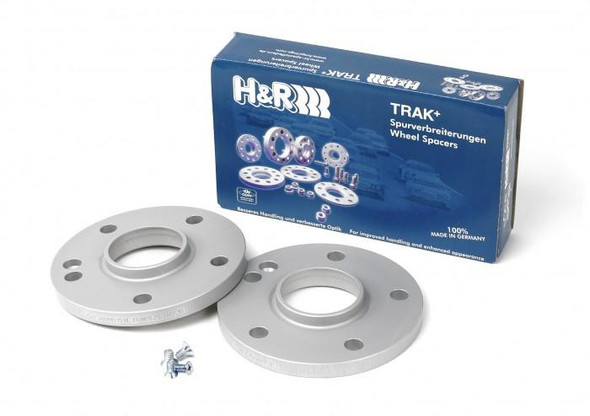
H&R Trak+ 8mm DR Wheel Adaptor Bolt 4/108 Center Bore 57.1 Bolt Thread 14x1.5 - H&R162345712
H&R
MSRP: $99.95$89.96Will these fit my car?Confirm fitment with your vehicle before purchasing to ensure proper installation and optimal performance of these wheel spacers.How do I install these?Professional installation...MSRP: $99.95$89.96 -

Mishimoto Steel Spiked Lug Nuts M12x1.5 20pc Set - Gold - MISHIMOTOMMLG-SP1215-20GD
Mishimoto
$99.95What is the thread size for these lug nuts?Mishimoto Lug Nuts feature an M12x1.5 thread size, ensuring precise fitment for compatible wheel applications.How do I confirm if these lug nuts will fit my...$99.95 -

Mishimoto Steel Spiked Lug Nuts M12x1.5 20pc Set - Blue - MISHIMOTOMMLG-SP1215-20BL
Mishimoto
$99.95Will these blue spiked lug nuts fit my vehicle?Confirm fitment for your specific vehicle application, as the M12x1.5 thread pitch is crucial for proper installation and wheel stability.Is...$99.95 -

Atturo AZ 610 Tire - 205/70R15 96H - ATTUROTIREAZ610-I0064532
Atturo Tire
MSRP: $105.50$100.88What vehicle types are the Atturo AZ 610 tires compatible with?Atturo AZ 610 tires achieve optimal fitment for a wide range of popular passenger vehicles, ensuring broad compatibility.Are Atturo AZ...MSRP: $105.50$100.88 -

H&R Trak+ 10mm DR Wheel Adaptor Bolt 5/100 Center Bore 57.1 Bolt Thread 14x1.5 - H&R202555712B
H&R
$98.96How do I know if H&R Wheel Adapters will fit my vehicle?Confirm fitment with your specific vehicle's make, model, and year before purchasing; detailed fitment guides are available.What is the...$98.96 -

H&R Trak+ 15mm DR Wheel Adaptor Bolt 5/112 Center Bore 57.1 Bolt Thread 14x1.5 - Black - H&R30255571SW
H&R
$98.96What is the recommended installation process for H&R DR Wheel Adaptors?Professional installation is recommended for H&R DR Wheel Adaptors to ensure precise fitment and optimal performance of these...$98.96 -

Kenda K572 Road Go Rear Tire - 22x10-10 4PR 235I1043 - KENDA08572108DB1
Kenda
$89.77Are Kenda K572 Road Go tires a good choice for a UTV?Kenda K572 Road Go tires are a strong choice for UTVs needing reliable traction and stability across various road surfaces.What is the recommended...$89.77 -

Kenda K547 Speedracer Rear Tire - 22x10-8 4PR 230F1039 - KENDA085470878B1
Kenda
$89.77What is the recommended tire pressure for the Kenda K547 Speedracer rear tire?Confirm the optimal tire pressure for your specific Kenda K547 Speedracer rear tire via the sidewall markings or your...$89.77 -

Kenda K572 Road Go Rear Tire - 20x11-9 4PR 38N TL 247X1034 - KENDA085720946B1
Kenda
$89.78What is the recommended installation type for Kenda Road Go tires?Kenda Road Go tires are designed for professional installation to ensure optimal performance and safety on your off-road vehicle.How...$89.78 -

Mishimoto Mishimoto Steel Spiked Lug Nuts M12 x 1.5 24pc Set Chrome - MISHIMOTOMMLG-SP1215-24CH
Mishimoto
MSRP: $122.00$110.95What thread size are these lug nuts?These MM Lug Nuts feature a M12x1.5 thread size, a common specification for many popular Japanese vehicles.Can I install these lug nuts myself?Professional...MSRP: $122.00$110.95 -

Kenda K547 Speedracer Rear Tire - 20x11-9 4PR 38N TL 24831034 - KENDA085470993B1
Kenda
MSRP: $140.95$111.53How do I know if the Kenda Speed Racer tires will fit my UTV?Confirm fitment by checking your UTV's tire size specifications against the KDA Speed Racer tires' 20x11-9 dimensions for optimal...MSRP: $140.95$111.53
Wheel and tire accessories cover every fastener, spacer, valve, carrier, and trim component that connects your wheel assembly to the vehicle — components where dimensional precision and material quality directly determine safety, handling, and longevity. Motor Sport Mayhem stocks 1,299 in-stock products across 58 brands, spanning everything from $1.99 valve caps to $1,137 billet spacer systems engineered for competition-level loads.
Our Top Picks for Wheel and Tire Accessories
Each of the following products was hand-selected based on engineering quality, fitment accuracy, and proven real-world results across street, track, and off-road applications.
ADD Tire Carriers
Addictive Desert Designs | $698.98
Heavy-duty fabricated steel tire carrier designed to handle full-size spare loads without flex or fatigue on demanding terrain.
- Built for overlanding and expedition use where a dropped spare is not an option
AVN Lug Nuts
Advan | $52.72
Precision-machined lug nuts with consistent thread engagement and a race-derived profile engineered for repeated on-track wheel changes.
- Thread pitch and seat angle are critical safety specs — these are built to exact tolerance
AFE Wheel Spacers
aFe | $144.00
6061-T6 billet aluminum hub-centric spacers machined to OEM tolerances, eliminating vibration and ensuring proper load transfer across the full hub face.
- Hub-centric design is non-negotiable for street and performance use — lug-centric spacers introduce runout
ABR Wheel Spacer Kits
All Balls Racing | $21.49
Complete OEM-replacement wheel spacer kits for powersports applications, delivering correct axle preload and bearing alignment at an accessible price point.
- Powersports wheel spacing tolerances are tighter than automotive — kit form ensures all dimensions match as a system
ARB Swingaway Carriers
ARB | $875.95
Engineered swingaway spare tire carrier system with integrated locking mechanism and corrosion-resistant finish built for long-distance expedition demands.
- Swingaway geometry prevents tail-heavy cantilever stress that destroys budget carriers on corrugated roads
ARP Wheel Stud Kits
ARP | $84.59
High-strength alloy wheel studs rated to 190,000 psi tensile strength, purpose-engineered for high-load applications where OEM studs have measurable stretch under torque.
- ARP's proprietary thread rolling process produces stronger, more consistent threads than cut-thread OEM studs
BBS Wheel Spacer & Bolt Kits
BBS | $69.00
Complete spacer-and-bolt system from one of motorsport's most respected wheel manufacturers, ensuring exact center bore and bolt engagement specs are met as a matched set.
- Buying spacers and bolts as a kit eliminates the common mistake of mismatched thread pitch or insufficient bolt engagement depth
BKM Valve Stems
BikeMaster | $247.99
Chrome tubeless valve stems built to withstand the high-RPM centrifugal loads of performance motorcycle wheels where rubber stems fail from fatigue.
- Metal-bodied stems are mandatory above sustained high-speed operation where rubber stem base flex causes slow air loss
BKC Wheel Accessories
Bikers Choice | $103.99
OEM-spec chrome spokes engineered to exact original tension and length tolerances, ensuring proper wheel truing is achievable without hunting for correct-length replacements.
- Spoke length deviations as small as 1mm prevent proper nipple engagement — OEM-matched dimensions matter here
BX Wheel Studs
BLOX Racing | $175.20
Titanium extended wheel studs delivering a significant weight reduction over steel equivalents while providing the extended thread engagement required when running wheel spacers.
- Extended studs are required any time a spacer reduces available thread engagement below the minimum five full threads rule
How to Choose the Right Wheel and Tire Accessories
The difference between a safe, high-performing wheel accessory and a liability comes down to three factors: material grade, dimensional precision, and load rating. Budget hardware in this category doesn't just underperform — it can fail catastrophically. A lug nut with sloppy thread tolerance will back off under vibration. A lug-centric spacer will introduce runout that no amount of balancing corrects. A rubber valve stem will fatigue and crack at sustained highway speeds. Understanding what specifications actually matter for your application is the only way to buy correctly in this category.
Key Specifications
Fasteners — lug nuts, wheel bolts, and studs must be evaluated by seat type (conical/tapered, ball/radius, or flat with washer), thread pitch, shank diameter, and tensile strength rating. Mismatching seat type to wheel is one of the most common and dangerous mistakes in wheel fitment — a conical lug nut seated in a ball-seat wheel pocket produces point contact instead of face contact, loosening under load. Tensile strength matters most in performance and track applications; OEM studs are typically in the 120,000–150,000 psi range, while purpose-built performance studs exceed 180,000 psi, providing measurable margin against wheel separation under braking and cornering loads.
Wheel spacers must be evaluated first by hub-centric versus lug-centric design. Hub-centric spacers feature a machined bore that matches your vehicle's hub diameter exactly, ensuring the hub — not the lug fasteners — carries the lateral load. Lug-centric spacers rely entirely on the fasteners for centering, which is acceptable only when torqued perfectly and checked frequently, making them unsuitable for sustained performance driving. Spacer thickness must also account for available thread engagement; as a hard rule, at least five full threads of engagement must remain between the lug nut and stud or bolt after accounting for the spacer thickness. Running aftermarket wheels with different hub bore requirements may also necessitate hub rings in addition to or instead of spacers.
Valve stems are categorized as rubber snap-in (TR-412, TR-413, TR-414 series by rim hole diameter and stem length), metal clamp-in (required for TPMS sensors and high-speed applications), and high-pressure metal stems for track use. The rim valve hole diameter determines compatibility — most passenger car and light truck wheels use a 0.453-inch (11.5mm) hole for snap-in stems, while motorcycle and performance applications often specify 0.625-inch (16mm) metal clamp-in designs. For any sustained speed above 100 mph, metal-bodied stems are the correct specification regardless of application.
Tire carriers and spare management hardware are rated by static load capacity and dynamic load capacity separately — the dynamic rating accounts for shock loads on rough terrain, which can exceed 3–4× the static tire weight. A 75-lb spare tire with a carrier rated only to static loads will stress-crack welds or bend mounting brackets on corrugated surfaces. Swingaway designs distribute load closer to the vehicle's rear structure and eliminate the lever-arm flex that plagues bumper-mounted fixed carriers on serious off-road use. Always verify the carrier's mounting interface matches your existing rear structure or bumper system before purchase.
Wheel Spacer and Fastener Specification Reference
| Application Type | Recommended Spacer Material | Minimum Tensile Strength (Studs/Bolts) | Minimum Thread Engagement |
|---|---|---|---|
| Daily Street Driving | 6061-T6 Aluminum (hub-centric) | 120,000 psi | 5 full threads |
| Street Performance / Spirited Driving | 6061-T6 Aluminum (hub-centric) | 150,000 psi | 6 full threads |
| Autocross / Track Day | 6061-T6 or 7075-T6 Aluminum (hub-centric) | 170,000 psi | 7 full threads |
| Road Racing / Competition | 7075-T6 Aluminum or Steel (hub-centric) | 190,000 psi+ | 8+ full threads |
| Off-Road / Overlanding | 6061-T6 Aluminum or Steel (hub-centric) | 150,000 psi | 6 full threads + locking hardware |
| Powersports / Motorcycle | Aluminum alloy or billet steel (OEM-matched) | Per OEM torque spec + 10% | Full OEM engagement depth |
Price Guide
Entry ($1.99–$55): Valve stems, valve caps, basic lug nut sets, powersports spacer kits, and center caps occupy this range. Quality varies widely — buy from recognized brands even at low price points because the cost difference between a known and unknown valve stem is under $5, but the failure consequence is a blowout. This tier covers legitimate functional hardware from brands like McGard, Kenda, and BikeMaster that simply don't command premium pricing due to their straightforward manufacturing requirements.
Mid-range ($55–$300): This is where most enthusiasts correctly land for wheel studs, billet spacers, performance lug nuts, spoke sets, and quality valve hardware. At this price point you get verified material certifications, hub-centric machining, proper surface treatments, and in many cases race-proven designs from brands like H&R, Project Kics, ARP, and aFe. The step up from entry-level here isn't just marketing — it represents tighter tolerances, stronger alloys, and documented load ratings.
Premium ($300–$1,137.31): Expedition-grade tire carriers, billet swingaway systems, titanium fastener sets, and comprehensive spacer systems with extended hardware occupy this tier. The cost is justified when the application demands it — a $900 ARB swingaway carrier on a heavily loaded overland rig is an engineering solution, not an aesthetic choice. Titanium fastener sets also belong here for weight-conscious track builds where rotating and unsprung mass reduction compounds across every corner of the vehicle.
Who Is This For?
Wheel and tire accessories serve an unusually broad cross-section of drivers — from daily commuters replacing a valve stem to full competition builds requiring certified fasteners — and the usage data reflects that range accurately.
Weekend Off-Roading — 7.5/10
This category scores highest for weekend off-road use, and it makes mechanical sense: off-road driving places the most unpredictable stress on wheel attachment hardware, spacing, and spare carrying systems. Proper spacers help clear suspension components on lifted setups, studs and lug nuts face real shock-load cycles on rocky terrain, and a reliable tire carrier is mission-critical when you're far from a tire shop. The 58 off-road-relevant products in this segment reflect genuine demand for hardware that can take abuse and not fail silently.
Street Performance, Track / Autocross, and Racing Competition — 7.3/10 (each)
All three performance tiers score identically, which reflects how foundational this hardware category is to any performance build regardless of intensity level. At the street performance level, upgraded wheel studs and quality lug nuts provide insurance against the higher loads imposed by sticky tires and aggressive driving. At the autocross and track level, hub-centric spacers for optimal wheel offset and high-tensile fasteners are standard practice — the suspension geometry work you've done is meaningless if wheel positioning hardware isn't precise. At full competition level, certified hardware with documented ratings is often a technical regulations requirement.
Overlanding / Expedition — 7.3/10
Overlanding demands a different set of accessories than track or street performance — the emphasis shifts to durability, reliability, and load capacity over extended distances with no support infrastructure. Tire carrier systems, robust spare mounting hardware, and corrosion-resistant fasteners are the priorities here. The 59 overlanding-specific products in stock reflect a curated selection where failure in the field has real consequences, not just a DNF.
Easy DIY Install — 7.1/10
A 7.1 DIY score reflects that most wheel accessories are genuinely home-garage-friendly with basic tools, but that a subset — particularly hub-centric spacers requiring proper torque sequences and thread-locking compound application — demands more than casual effort. Valve stems, lug nuts, center caps, and valve caps are straightforward replacements. Wheel studs and spacers require a torque wrench, hub preparation, and re-torque after initial break-in miles — steps that matter for safety and that distinguish a proper installation from a dangerous one.
Trusted Wheel and Tire Accessories Brands We Carry
The 58 brands in this category reflect a genuine cross-section of the performance and motorsport hardware world. H&R brings decades of German precision engineering to spacers and wheel hardware, with tolerances verified against OEM specs for European fitments. ARP (Automotive Racing Products) is the benchmark for high-strength fasteners — their proprietary alloy and thread-rolling process set the standard that competitors measure against. McGard specializes in wheel security hardware and holds OEM supplier relationships with major manufacturers, meaning their thread tolerances and seat geometries are validated to the tightest standards in the industry. Project Kics produces some of the most dimensionally precise lug nut and wheel bolt systems available, particularly for import-fitment applications where thread pitch and seat angle variation is least forgiving. BBS needs no introduction in motorsport — a company whose wheels have won at Le Mans and in Formula 1 brings that same engineering culture to spacer and bolt system design. Eibach, best known for suspension springs, also produces wheel spacers engineered as part of a complete suspension and stance package, ensuring compatibility across their own product ecosystem.
Frequently Asked Questions
Are aero wheel covers worth it?
Aero wheel covers generate measurable aerodynamic benefit in specific contexts — primarily endurance racing and fuel economy competition where wheel well turbulence represents a quantifiable drag contribution. In real-world road use at normal highway speeds, the aerodynamic gain from covered versus open-spoke wheels is minimal and unlikely to affect fuel economy in a way most drivers will notice. Where they deliver consistent value is in visual differentiation and, in some cases, brake cooling management by directing airflow differently across the rotor face. For most performance street and track use, the weight of the cover itself offsets aero gains at speeds below 100 mph sustained, and the added unsprung mass is a legitimate performance trade-off worth considering.
Are aftermarket lug nuts safe to use?
Aftermarket lug nuts are safe when they are the correct seat type, thread pitch, and shank diameter for your specific wheel and hub combination — the problem is that purchasing incorrectly specified hardware is extremely common. Seat type is the most critical dimension: installing a conical-seat lug nut in a ball-seat wheel creates a single-point contact under the chamfer edge rather than full face contact, reducing clamping force dramatically and allowing loosening under vibration. Reputable brands like McGard, Project Kics, and Advan publish verified seat geometry and material certifications, and purchasing from those brands with confirmed fitment data is the correct approach. Avoid unbranded or heavily discounted lug nut kits without documented seat specifications and tensile ratings.
Are all center caps the same size, and does this apply to Mercedes and VW fitments specifically?
Center caps are not universal — they vary by center bore diameter, retention clip pattern, depth, and whether they are hub-centric or wheel-centric in their mounting. For Mercedes-Benz, the OEM center bore is typically 66.5mm for most modern passenger vehicles, but cap outer diameter and retention style vary significantly between model lines, generations, and aftermarket wheel fitments. Volkswagen center bore is commonly 57.1mm across many models, but again, cap outer diameter and clip designs differ between OEM and aftermarket wheel manufacturers even when the bore matches. The only reliable method for center cap fitment is to verify the outer cap diameter, bore diameter, and retention mechanism against the actual wheel — not just the vehicle — because aftermarket cast wheels on the same car may require a completely different cap than the OEM wheel.
Are aluminum valve caps better than rubber ones?
Aluminum valve caps offer better durability and corrosion resistance than rubber caps, and they provide a more secure seal due to the precision threading versus molded rubber threads. The practical performance difference between a quality rubber cap and an aluminum cap in daily driving is negligible — both keep debris out of the valve core and prevent slow seepage from a dirty valve seat. The real advantage of aluminum becomes apparent in high-temperature environments, such as track use with hot brakes, where rubber caps can soften and deform, making them difficult to remove and potentially contaminating the valve core. One caveat: avoid low-quality aluminum caps on steel valve stems, as dissimilar metal galvanic corrosion can seize the cap to the stem over time in wet climates — anodized aluminum caps mitigate this issue significantly.
Are ARP wheel studs stronger than OEM, and are they actually the best option?
ARP wheel studs are measurably stronger than OEM studs in virtually every documented comparison — their 190,000 psi tensile strength specification significantly exceeds the 120,000–150,000 psi range typical of factory hardware, and their thread-rolled construction produces a stronger, more fatigue-resistant thread form than the cut threads found on most OEM studs. That said, whether they are the objectively "best" option depends on application: for street performance and track use, ARP is a benchmark choice backed by decades of documented motorsport use and engineering data. For strictly stock daily driving with no wheel modifications, OEM studs are entirely adequate and replacing them solely for perceived safety gain is unnecessary unless studs are damaged or extended length is required for spacer use. BLOX Racing's titanium studs offer a weight advantage over ARP's steel for weight-critical builds, while sacrificing some tensile margin — the correct choice depends on whether weight reduction or maximum strength is the priority for your specific application.
Building something specific? Our performance specialists can help you select the right Wheel and Tire Accessories for your application — street, track, or full race build.