
Shocks and Struts
- Product
- Qty in Cart
- Quantity
- Price
- Subtotal
-

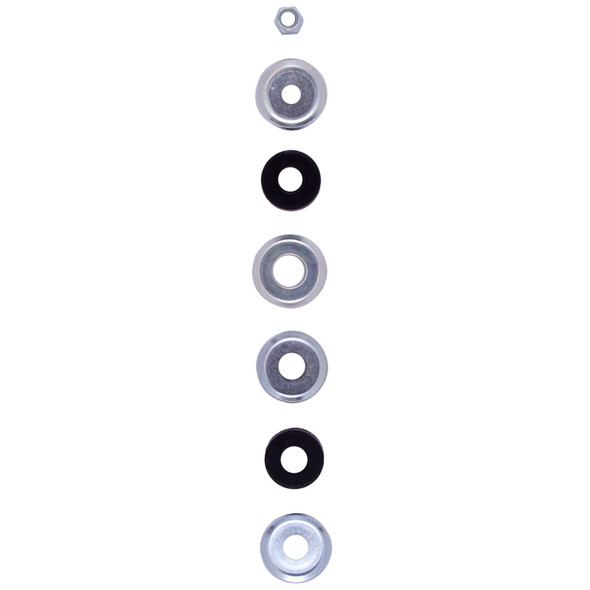
Bilstein 5160 Series 98-07 Toyota Land Cruiser 46mm Monotube Shock Absorber - 25-275100
Bilstein
$310.00How do I know if the BIL B8 5160 Series Shocks are compatible with my vehicle?Confirm fitment for your vehicle using our detailed application guide to ensure a perfect bolt-on installation for these performance shocks and struts.Are the BIL B8 5160...$310.00 -

Bilstein 2025 Toyota 4Runner / 24-25 Land Cruiser B8 5100 (Ride Height Adj) Front Shock - 0-3in Lift - 24-347464
Bilstein
MSRP: $245.85$176.00What vehicles do the Bilstein B8 5100 series shocks fit?Bilstein B8 5100 series shocks are engineered for specific vehicle applications; confirm precise fitment for your model to ensure proper installation and performance.Can I install Bilstein B8 5100...MSRP: $245.85$176.00 -

Bilstein 2025 Toyota 4Runner B8 6100 Rear Monotube Shock - 0-1.75in Lift - 24-347440
Bilstein
MSRP: $287.00$276.09Do BIL B8 6100 Series Shocks fit my vehicle?Confirming vehicle fitment is essential; consult our detailed application guide to ensure compatibility for your specific vehicle and shock absorber needs.Can I install BIL B8 6100 Series Shocks...MSRP: $287.00$276.09 -
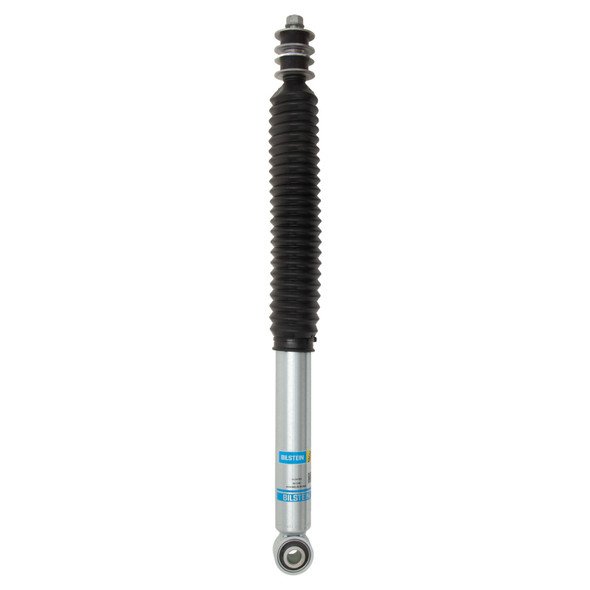
Bilstein 2025 Toyota 4Runner / 24-25 Land Cruiser (Non-Adj.) B8 5100 Rear Monotube Shock - 24-347433
Bilstein
MSRP: $171.85$123.00How do I know if these shocks are compatible with my vehicle?Confirm fitment using our detailed vehicle compatibility tool before ordering to ensure optimal integration with your specific application.Are these shocks easy to install?Professional...MSRP: $171.85$123.00 -

Bilstein 2014 Ford F-150 B8 5100 Series Front 46mm Monotube Shock Absorber - 24-336871
Bilstein
MSRP: $245.85$176.00How much lift can I get with the B8 5100 series shocks?Bilstein B8 5100 series shocks offer zero to three inches of adjustable front lift, allowing for customized vehicle stance and capability.Can I install these myself or do I need a...MSRP: $245.85$176.00 -

Bilstein 2024+ Ford Ranger (Exc. Raptor) B6 4600 Non-Adjustable Monotube Shock - Rear - 24-336246
Bilstein
MSRP: $182.85$123.00How do Bilstein B6 4600 Series Shocks improve my Ford Ranger's handling?Bilstein B6 4600 Series Shocks use velocity-sensitive digressive pistons for superior damping control and instant response to road imperfections, enhancing Ranger handling.What is...MSRP: $182.85$123.00 -
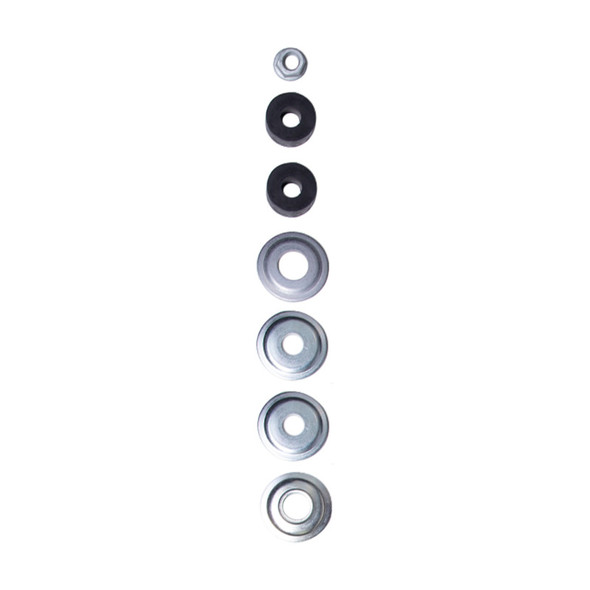
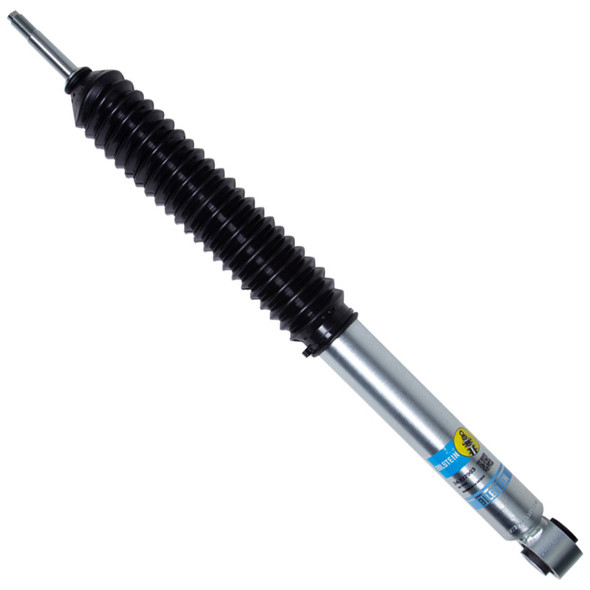
Bilstein 23-24 Toyota Sequoia (Non Air) B8 5100 Rear Shock Absorber - 0-1.5in Lift - 24-332903
Bilstein
MSRP: $171.85$123.00Can I install Bilstein B8 5100 Shocks myself?Professional installation is recommended for Bilstein B8 5100 Shocks to ensure optimal performance and proper fitment for your 2022-2026 Toyota Sequoia/Tundra.What is the main benefit of the monotube design in...MSRP: $171.85$123.00 -

Bilstein B6 12-15 Mercedes-Benz ML/13-17 GLE Rear Shock Absorber - 24-293020
Bilstein
MSRP: $341.00$229.00How do I know if these Bilstein B6 Series shocks will fit my car?Confirm precise fitment for your specific vehicle application to ensure optimal integration and performance with these premium shocks and struts.Can I install these shocks...MSRP: $341.00$229.00 -

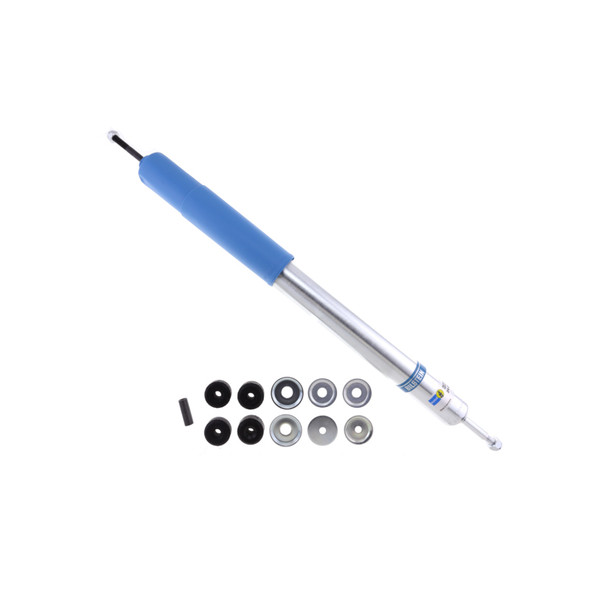
Bilstein B8 5100 Series 91-97 Toyota Landcruiser w/ 2-2.5in Lift Front 46mm Monotube Shock Absorber - 24-238878
Bilstein
MSRP: $189.85$136.00Are these shocks compatible with my 1997 Lexus LX450?Yes, these BIL B8 5100 Series Shocks are engineered to provide a direct fit for your 1997 Lexus LX450, ensuring optimal performance.Do these shocks improve handling and stability on rough terrain?These...MSRP: $189.85$136.00 -

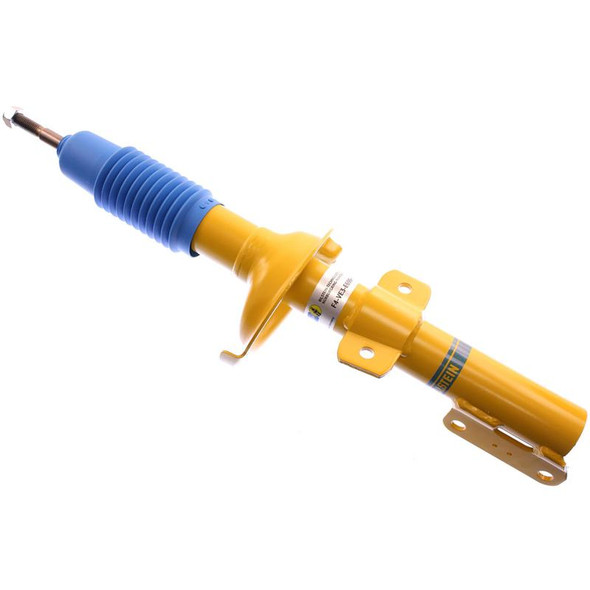
Bilstein B6 1993 Lexus GS300 Base Front 46mm Monotube Shock Absorber - 24-027434
Bilstein
MSRP: $236.00$159.00Are Bilstein B6 series shocks compatible with my specific vehicle model and year?Bilstein B6 Series Shocks are meticulously engineered for application-specific fitment; always confirm compatibility with your Lexus GS.What is the recommended installation...MSRP: $236.00$159.00 -

Bilstein 21-23 Subaru Crosstrek B4 OE Replacement Front Left Strut Assembly - 22-351333
Bilstein
MSRP: $280.00$149.00How long do Bilstein B4 shocks typically last on a Subaru Crosstrek?Bilstein B4 shocks for your Subaru Crosstrek are engineered to last for many years, restoring original ride quality and handling for extensive use.Are Bilstein B4 shocks a good upgrade...MSRP: $280.00$149.00 -

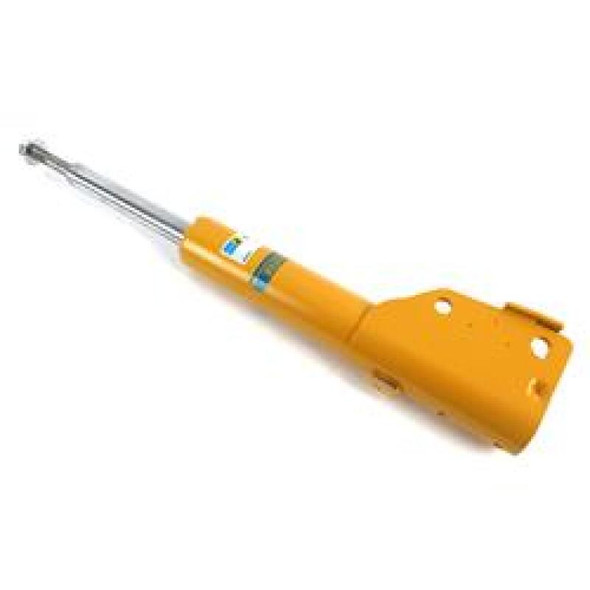
Bilstein B6 15-18 Freightliner/Mercedes-Benz Sprinter Front Twintube Strut Assembly - 22-329455
Bilstein
MSRP: $464.30$218.00Are these compatible with my vehicle?Confirm exact fitment for your specific vehicle before purchase to ensure proper installation and optimal performance of these shocks and struts.Can I install these myself?Professional installation is recommended to...MSRP: $464.30$218.00
Shocks and struts are the core of any suspension system, converting kinetic energy into heat through hydraulic damping to control wheel movement, maintain tire contact, and define how a vehicle responds to every input from the driver and the road. Motor Sport Mayhem stocks 3,566 shocks and struts across 109 brands — from entry-level OEM-replacement units to full competition-spec remote-reservoir dampers — covering street performance, track use, and serious off-road builds.
Our Top Picks for Shocks and Struts
Each of these products was selected based on verified performance credentials, real-world fitment quality, and proven results across the applications our customers build for most.
AEM IND Strut Bars
AEM Induction | $346.99
Chassis bracing that ties strut towers together, reducing flex and improving damper geometry consistency under load.
- Reduces chassis twist so dampers operate within their intended geometry range rather than compensating for body flex
AFE Coilover Systems
aFe | $3,729.00
A single-adjustable monotube coilover system engineered for drivers who need a genuinely tuneable street-to-track damper without a full race rebuild.
- Single-adjust rebound tuning lets drivers dial compression stiffness to match surface conditions without swapping valving
ALF Wireless Air Control Systems
Air Lift | $1,363.99
Wireless on-demand air management that lets you adjust ride height and load-leveling damping from your phone without running cab wiring.
- Bluetooth-controlled compressor and tank system pairs with air-spring suspension for real-time height and stiffness adjustments
ABR Steering Racks
All Balls Racing | $209.62
Rebuilt steering rack engineered to factory tolerances with hardened internals for UTV applications where suspension travel puts constant side-load stress on steering components.
- Tighter rack tolerances reduce slop that degrades suspension tracking when shock travel is at its limits
Alta Adjustable Control Arms
Alta | $339.15
Adjustable rear control arms that restore correct suspension geometry when ride height changes, ensuring dampers operate at the designed angle and travel arc.
- Length adjustability corrects camber and toe changes introduced by lowering springs or coilovers, preventing premature damper bushing wear
Antigravity Micro-Start Tire Inflator
Antigravity Batteries | $24.99
Compact tire inflator designed to pair with Antigravity jump-start packs, keeping tire pressures correct after suspension setup changes alter optimal inflation requirements.
- Essential trail and track-day tool when shock valving changes require tire pressure re-optimization to match new spring-rate combinations
ARB BP51 Coilovers
ARB | $4,580.69
Bypass-style internal floating piston coilover with independent compression and rebound adjustment, purpose-built for high-speed off-road and overland use where sustained damper heat is a constant factor.
- IFP design separates oil and nitrogen gas charges to prevent aeration and damper fade under sustained articulation cycles
Artec Industries Coil Buckets
Artec Industries | $351.99
Frame-mount coil spring buckets that provide a solid, weld-in coil perch when factory mounts are compromised by lift height or fabrication clearance demands.
- Properly located coil perch geometry is non-negotiable for consistent shock travel and preventing coil spring bind at full droop
AST 5100 Series Coilovers
AST | $4,554.00
Competition-grade monotube coilover with high and low-speed compression and rebound adjustment, engineered to meet the damping precision demands of circuit racing on purpose-built platforms.
- Separate high and low-speed damping circuits allow independent tuning of bump compliance and body motion control — a feature found only at true competition spec
AWE Chassis Bars
AWE Tuning | $435.00
Drivetrain stabilizer with polyurethane mount that reduces powertrain movement, keeping suspension geometry consistent under hard acceleration and preventing shock mounting points from experiencing torque-induced misalignment.
- Reducing drivetrain torque reaction translates directly into more predictable damper behavior at corner exit where suspension loads are highest
How to Choose the Right Shocks and Struts
The single most important distinction in this category is damper design: monotube versus twin-tube construction. A monotube places the piston and oil in a single aluminum or steel tube with an internal floating piston separating the oil charge from pressurized nitrogen gas — this design runs cooler, responds faster, and can be mounted at any angle without aeration. A twin-tube uses a smaller inner working tube surrounded by a reserve tube, which is cheaper to manufacture but susceptible to fade under high-cycle conditions because the gas and oil charges are not fully separated. For any performance application — street-plus, track, or off-road — monotube construction is the minimum acceptable specification.
Key Specifications
Damping adjustment is the next filter. Non-adjustable shocks are valved for a single compromise setting chosen by the manufacturer. Single-adjustable units typically move a needle valve that affects rebound damping, which controls how fast the suspension extends after compression — the adjustment that most directly influences body motion and tire contact. Dual-adjustable dampers offer independent control of both compression and rebound, and are required at any serious track or competition level where surface variation demands tuning between sessions.
Stroke length and shaft diameter determine how much force a shock can absorb before bottoming and how resistant the shaft is to side-loading bending forces. A 46mm to 54mm piston diameter is common in performance street applications; competition dampers frequently run larger bores to move more fluid volume per stroke, which translates directly to more consistent damping force across a wider range of shaft velocities. Shaft diameter matters most in lifted truck and off-road applications where side loads from extended suspension geometry can induce shaft deflection and premature seal failure.
Valving — the internal shim stack configuration that controls oil flow through the piston — is what separates dampers at similar price points. A well-valved shock from a mid-tier brand will outperform a poorly valved unit from a premium brand every time. When comparing options, look for brands that publish their valving methodology, offer re-valve services, or have documented race programs that validate real-world performance. Coilovers integrate the spring and damper into a single unit and generally allow both ride height and spring preload adjustment, which expands tuning capability significantly over shock-only upgrades.
Material quality at the mounting hardware level is frequently overlooked. Pressed-in OE-style bushings compress under load and introduce compliance into the damper mount that degrades response precision. Spherical rod-end or pillow-ball upper mounts eliminate this compliance entirely and are standard on competition setups — the tradeoff is increased NVH transfer into the cabin. Bushing kits in polyurethane or Delrin offer a middle ground, reducing compliance while retaining more street-acceptable noise and vibration characteristics than full spherical hardware.
Damper Selection by Vehicle Weight and Application
| Vehicle Weight Range | Recommended Spring Rate (Front) | Recommended Damper Type | Ideal Application |
|---|---|---|---|
| Under 2,600 lbs | 8–14 kg/mm | Monotube, single or dual adjust | Lightweight sports car, track-focused |
| 2,600–3,200 lbs | 6–10 kg/mm | Monotube, single adjust or coilover | Sport compact, street-track dual use |
| 3,200–3,900 lbs | 4–8 kg/mm | Twin-tube or monotube, non-adj to single-adj | Sport sedan, performance street driving |
| 3,900–5,000 lbs | 3–6 kg/mm | Monotube with remote reservoir optional | Muscle car, full-size performance vehicle |
| 5,000–7,000 lbs (truck/SUV) | 2–4 kg/mm (coil) or leaf-rate equivalent | Remote reservoir monotube | Lifted truck, tow-rated, overlanding |
| Over 7,000 lbs (heavy truck/off-road) | Custom rate per build | Bypass or remote reservoir, dual adjust | Competitive off-road, expedition overland |
Price Guide
Entry ($1.14–$200): This range covers OEM-replacement components, individual bushings, mounting hardware, and basic twin-tube shock units appropriate for restoring worn-out factory suspension to baseline performance. You are not buying tuneability or performance improvement here — you are buying function and fit. Honest assessment: acceptable for daily drivers with no performance goals and no budget for more.
Mid-range ($200–$600): The range where most performance street enthusiasts make their best investment. Quality monotube construction, at least single-adjust damping, and proper fitment tolerances all become accessible here. Brands like Bilstein, KONI, Whiteline, and H&R operate in this window, offering genuine performance improvement over factory hardware with real-world durability that matches or exceeds OEM service life. This is where the value density is highest in the entire category.
Premium ($600–$13,544): Remote-reservoir competition dampers, full bypass systems, and purpose-built race coilovers occupy this tier. Brands like FOX and ICON average well into four figures for good reason — the machining tolerances, valving precision, re-valving serviceability, and thermal capacity at this level are genuinely incomparable to mid-range hardware. This price tier is justified for competitive motorsport, serious off-road racing, and builds where suspension tuning is an ongoing development process rather than a one-time upgrade.
Who Is This For?
Shocks and struts span a wider application range than almost any other performance category — the same fundamental technology serves everything from track-day sport compacts to overlanding trucks to show cars, with meaningfully different specifications required for each.
Racing Competition — 8.1/10
Competition-spec dampers score highest in this category because the physics are unforgiving: a poorly damped race car loses tire contact patch consistency, which destroys lap times regardless of power output. At this level, dual-adjustable monotube or bypass dampers with documented valving curves are the minimum, and most serious competitors invest in dampers that can be rebuilt and re-valved between events to match evolving setup data. The 129 products rated for racing competition in our catalog reflect a focused subset of hardware built to meet sanctioning body rules while maximizing adjustability within those constraints.
Track / Autocross — 8.0/10
Track and autocross use scores nearly as high as full racing competition because the performance demands are nearly identical — the difference is typically that street-legal requirement forces some compromise in ride compliance. Single and dual-adjustable coilovers dominate this application, pairing stiffer spring rates with increased compression damping to control body roll and weight transfer precisely. The 133 products covering this use case include a strong representation of adjustable coilover systems that can be softened for the drive to the event and stiffened track-side.
Street Performance — 7.7/10
Street performance is where volume is highest and where the performance-versus-comfort tradeoff is most consequential. A 7.7/10 score reflects how well this category delivers — quality monotube shocks with proper valving transform handling feel and body control on public roads without requiring the ride harshness of full race specification. The 192 products covering street performance represent the widest selection in the catalog, from drop-in monotube replacements to height-adjustable coilovers designed for spirited road use.
Weekend Off-Roading — 7.7/10
Off-road applications tie street performance at 7.7/10, driven by the critical role of damper stroke length, shaft diameter, and heat management in terrain that generates sustained high-amplitude suspension inputs. Longer shock travel, larger bore pistons, and remote reservoir designs that move heat away from the main body are the distinguishing specifications here. The 85 products in this segment trend toward premium price points because the mechanical demands of off-road damping are genuinely more severe than street use.
Overlanding / Expedition — 7.2/10
Overlanding scores slightly lower than pure off-roading at 7.2/10 because load-carrying capacity and sustained comfort across long distances create different damper requirements than peak-performance trail work. Valving that manages both unladen and fully-loaded vehicle weights, paired with adequate thermal capacity for extended driving on variable surfaces, is the core specification. The 72 products covering this use case reflect genuine dual-purpose hardware capable of handling both highway miles and technical terrain without requiring a damper swap between uses.
Trusted Shocks and Struts Brands We Carry
Bilstein's position as the largest brand in our catalog by product count is earned — their monotube design patent dates to 1954, they supply OEM dampers to multiple premium manufacturers, and their digressive valve technology is a genuine engineering benchmark rather than a marketing claim. FOX Racing Shox brings desert race and mountain bike competition pedigree directly to their automotive and truck product lines, with internal bypass technology validated at the highest levels of off-road competition. ICON Vehicle Dynamics occupies the premium truck and SUV tier with billet aluminum construction and custom-valved monotube designs that justify their $1,652 average price through measurable on-trail performance and rebuild serviceability.
KONI's Sport and STR.T lines have been the preferred OEM-plus upgrade for European sport sedan owners for decades, offering their proprietary self-adjusting twin-tube technology that passively adapts damping rate to driving conditions — a legitimate technical differentiator in the street performance space. H&R, best known for their lowering springs, backs their suspension hardware with German TÜV certification that validates performance and safety claims independently. Skyjacker rounds out the off-road side of the catalog with a North American lift-system focus, offering geometry-corrected shock packages specifically engineered to work with their lift kit geometries rather than as isolated components.
Frequently Asked Questions
Are adjustable drop links worth the upgrade over fixed units?
Adjustable drop links are worth the cost any time you change ride height, whether through lowering springs, coilovers, or a lift kit, because fixed-length drop links pull the sway bar out of its designed operating angle and reduce or eliminate anti-roll effectiveness. A sway bar operating at an incorrect angle generates less roll resistance at mid-corner and can introduce bind at full suspension travel, both of which degrade handling predictability. Adjustable drop links restore the bar to its designed end-link angle at the new ride height, ensuring the bar functions as engineered. For track and autocross use, adjustable links also allow fine-tuning of front-to-rear roll stiffness balance without replacing the bar itself.
Are adjustable sway bars worth the added cost?
Adjustable sway bars are worth the cost specifically for vehicles used in multiple configurations or on multiple surfaces where the optimal roll stiffness balance changes between sessions. A fixed bar is tuned for one compromise; an adjustable bar with multiple end-link positions effectively gives you several different bars in one unit by changing the active lever arm length and thus the effective spring rate. On the track, the ability to shift front or rear roll stiffness by moving a single bolt changes understeer and oversteer balance measurably — a tuning tool that used to require carrying multiple bars can now happen in the paddock in five minutes. For pure street use with no performance driving, the cost premium over a quality fixed bar is harder to justify unless you're also running adjustable dampers and springs that benefit from the additional tuning axis.
Are aftermarket control arms actually better than OEM parts?
Aftermarket control arms are better than OEM in specific, documented ways — and worse in others, depending on design intent. Quality aftermarket arms built from DOM tubing or billet aluminum are typically stronger and lighter than stamped steel OEM units, which matters directly in off-road and race applications where arm failure or deformation under load is a real failure mode. The bushing specification is where the most meaningful performance difference exists: OEM arms use soft rubber bushings optimized for NVH isolation, which introduce compliance that softens suspension response; aftermarket arms with polyurethane or spherical bearings eliminate that compliance and sharpen steering and damper response measurably. The tradeoff is that harder bushing materials transmit more road noise and vibration into the cabin — an acceptable compromise for performance driving, less so for pure comfort. Aftermarket arms also frequently provide adjustability for camber and caster correction that OEM geometry does not allow.
Are aftermarket bump stops worth installing?
Aftermarket bump stops are underrated relative to how significantly they affect the end of suspension travel behavior. OEM bump stops are typically low-density foam or rubber designed to prevent metal-to-metal contact under extreme compression — they provide almost no progressive damping and create an abrupt, jarring transition when contacted. Performance bump stops, particularly jounce-bump or hydraulic progressive designs, introduce a rising rate of resistance as the suspension approaches full compression, which smoothly limits travel rather than stopping it abruptly and reduces shock loading on the damper body and chassis mounts. For off-road use, quality bump stops are genuinely essential hardware rather than optional upgrades — the impact energy during high-speed terrain hits that the bump stop must absorb exceeds what OEM foam can handle without bottoming destructively. For track use, bump stops also function as a secondary spring element that can be tuned to affect high-compression handling behavior.
Are aFe shocks and dampers genuinely competitive with established suspension brands?
aFe's suspension hardware is engineered to a competitive specification that holds up against established damper manufacturers when evaluated on measurable criteria — piston bore, nitrogen gas pressure, adjustment range, and valving quality. Their coilover systems are manufactured to tolerances consistent with dedicated suspension brands, and the single-adjustable street-track designs target the specific gap between budget coilovers and full competition hardware that serious enthusiasts need most. Independent dyno testing of aFe dampers shows velocity-versus-force curves consistent with their stated valving intent, which is the technical benchmark that matters rather than brand heritage alone. Where established brands like Bilstein and KONI have a documented edge is in decades of OEM validation data and rebuild infrastructure — aFe is a strong performer but a newer entrant in a category where long-term serviceability data is still accumulating.
Building something specific? Our performance specialists can help you select the right Shocks and Struts for your application — street, track, or full race build.