
Seat Belts & Harnesses
- Product
- Qty in Cart
- Quantity
- Price
- Subtotal
-

DragonFire Racing Harness- H-Style- 4-Point- 2in Buckle- Blue - 521322
DragonFire Racing
$105.99What is the installation process for the DragonFire Racing seat belt harness?Professional installation is recommended for the DFR Seat Belt Harness to ensure secure and proper integration with your vehicle's chassis.How do DragonFire Racing seat belt...$105.99 -
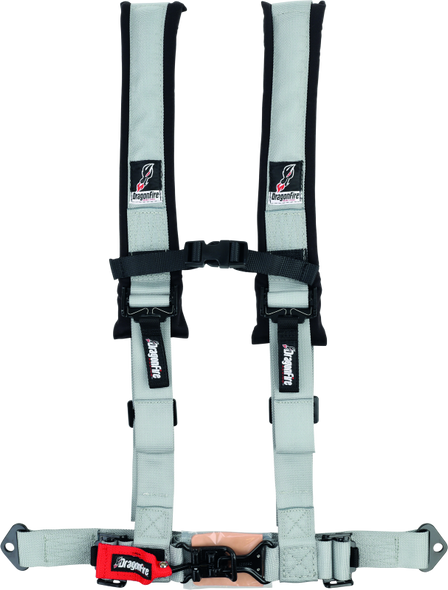
DragonFire Racing Harness- H-Style- 4-Point- 2in Buckle- Grey - 521274
DragonFire Racing
$105.99What is the best way to ensure my DragonFire Racing harness fits my vehicle?Confirm precise fitment with your vehicle's make and model before installation to guarantee optimal safety and function of this harness.Are there any specific tools needed for...$105.99 -

DragonFire Racing Harness- H-Style- 4-Point- 2in Buckle- Red - 521272
DragonFire Racing
$105.99What is the best way to install my new DragonFire Racing seat belt harness?Professional installation is strongly recommended to ensure proper and secure fitment of your DragonFire Racing harness.Is this harness compatible with my vehicle?Always confirm...$105.99 -
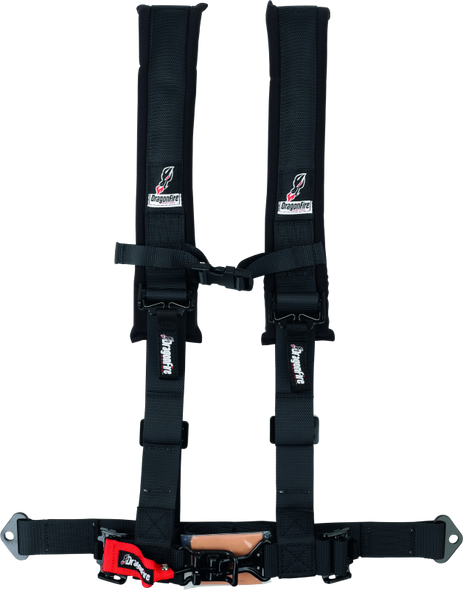
DragonFire Racing Harness- H-Style- 4-Point- 2in Buckle- Black - 521271
DragonFire Racing
$105.99Are DragonFire harnesses compatible with all UTVs?DragonFire Seat Belt Harnesses require confirming specific vehicle fitment to ensure proper compatibility and secure integration.How do I install a DragonFire harness?Professional installation is...$105.99 -
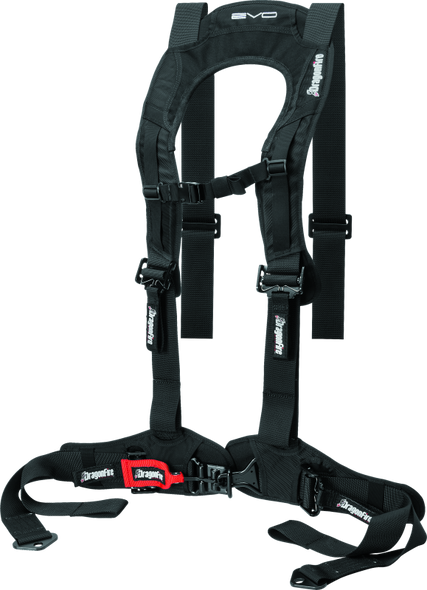
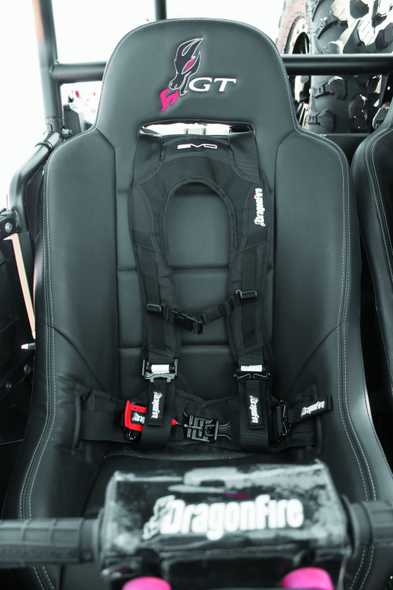
DragonFire Racing Harness Evo- Black - 520761
DragonFire Racing
$139.99What makes the DFR Evo Harness a great upgrade for off-road use?The DFR Evo Harness offers a body-contoured design for improved range of motion, ideal for weekend off-roading and serious rock crawling adventures.How does the DFR Evo Harness enhance...$139.99 -
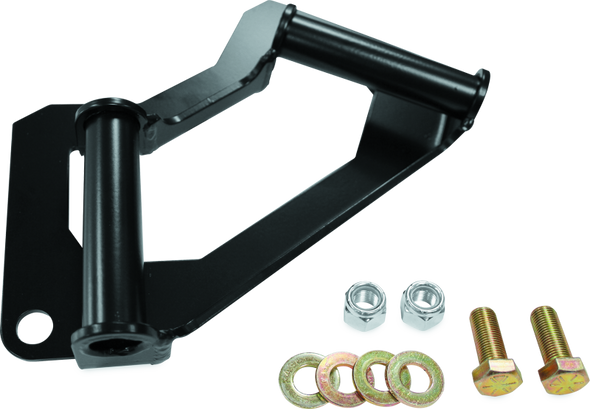
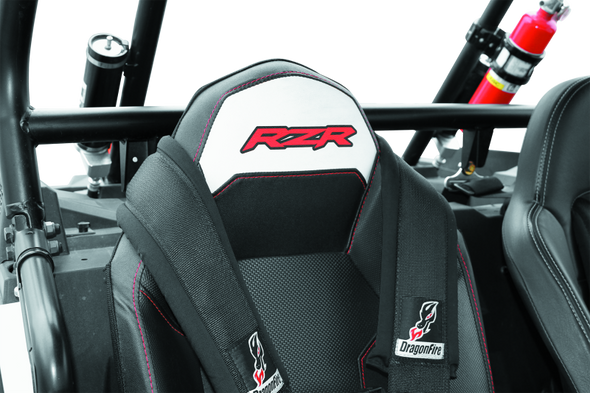
DragonFire Racing Polaris RZR Harness Anchor Bolt Kit - 520666
DragonFire Racing
$104.99What is the purpose of the DFR Harness Anchor?DFR Harness Anchors provide secure 4- or 5-point harness mounting on your O.E.M. cage, significantly enhancing rider safety during off-road use.Do I need to cut or weld my vehicle to install the DFR Harness...$104.99
Seat belts and racing harnesses are the last line of defense between a driver and serious injury — and Motor Sport Mayhem stocks 118 options across 22 brands, from basic replacement lap belts to FIA-certified 6-point cam-lock systems built for professional competition. The right restraint system depends entirely on your application: street-legal builds, sanctioned wheel-to-wheel racing, UTV off-road use, and drag racing each demand different certification levels, webbing widths, and mounting configurations.
Our Top Picks for Seat Belts & Harnesses
Every product below was hand-selected based on proven performance credentials, real-world application fit, and the best value at each price point in this category.
ANS Apex 1 Roost Guards
Answer | $149.99
Hard-shell roost protection designed to work in tandem with upper-body restraint systems for off-road and moto applications.
- Complements harness systems by adding impact protection at the chest and torso where harness straps run
BLL K1 Helmets
Bell | $316.67
SA2020-certified full-face helmet rated for closed-course competition and fully compatible with HANS device anchor points.
- SA2020 rating meets current SFI and FIA equivalent standards required at most sanctioned road course and oval events
BKC Original Chrome Helmet
Bikers Choice | $110.99
Low-profile half-shell helmet built for street and cruiser use where a minimal restraint envelope is prioritized over full-face coverage.
- Chrome finish with DOT-compliant shell construction — a practical entry point for riders pairing headgear with basic restraint upgrades
BX Harness Bars
BLOX Racing | $216.80
Steel harness bar that provides a proper upper shoulder strap anchor point for 4- and 5-point harness installations in compact sport cars.
- Bolt-in design eliminates the need for cage fabrication while delivering a structurally sound mounting solution for lap belt harness upgrades
BMR Harness Bars
BMR Suspension | $749.95
Heavy-duty chassis-mounting harness bar engineered to handle the load forces of a full racing harness under sudden deceleration events.
- Powder-coated steel construction with vehicle-specific fitment ensures the shoulder anchor loads transfer directly into the vehicle's structural frame rails
CUS Seat Harnesses
Cusco | $382.50
Universal 4-point racing harness with 3-inch webbing designed to meet the clamping requirements of competition bucket seats while maintaining correct geometry at the shoulder.
- 3-inch shoulder strap width distributes load over a larger surface area compared to standard 2-inch street belts, significantly reducing peak force on the clavicle in a frontal impact
DFR Harness Bar
DragonFire Racing | $229.99
UTV-specific harness bar engineered for the unique rollcage geometry of side-by-side vehicles operating in high-speed desert and trail environments.
- Direct bolt-in attachment to existing cage tubes eliminates weld-on installation, making it accessible for riders without fabrication equipment
DVE Fire Extinguishers
DV8 Offroad | $99.99
Quick-release fire extinguisher mount that pairs with cabin safety systems in off-road builds where a full harness and fire suppression are standard practice.
- Tool-free release mechanism allows driver access even while buckled into a multi-point harness — a critical consideration for cabin egress safety planning
FSG Carbon Helmets
FIRSTGEAR | $299.99
Lightweight carbon fiber motorcycle helmet offering superior strength-to-weight ratio for riders who prioritize neck fatigue reduction on long-distance or high-speed runs.
- Carbon shell construction reduces helmet mass by 20–30% compared to fiberglass equivalents, directly reducing cervical spine load in conjunction with upper-body restraint systems
KUR Helmet Locks
Kuryakyn | $63.99
Universal helmet lock that secures headgear to handlebar tubes across a broad diameter range, keeping your safety equipment with the vehicle when not in use.
- Fits 7/8-inch to 1-1/4-inch bar diameters — compatible with virtually all standard and oversized handlebar setups
How to Choose the Right Seat Belts & Harnesses
The single most important variable in harness selection is certification standard — SFI 16.1 for American oval and drag racing, FIA 8853/8854 for road course and rally, and neither for street-legal builds where factory three-point integration is legally required. A harness that doesn't match your sanctioning body's specification is not just a fine risk — it's a safety liability, because multi-point harnesses are engineered to work with specific mounting angles, seat geometry, and supplemental restraint devices like HANS. Buying on webbing width or color alone is how drivers end up with systems that load the spine rather than protect it.
Key Specifications
Webbing width determines load distribution across the torso. Two-inch webbing is standard on budget and entry-level systems and adequate for low-speed autocross and street use. Three-inch shoulder straps are the minimum most safety engineers recommend for any application above 100 mph or involving rollover risk — the wider surface area cuts peak clavicle load dramatically in frontal impacts. Crotch strap width matters too: a narrow crotch strap on a 5- or 6-point system can cause submarining failure if the lap belt is not properly tensioned against it.
Buckle type is a performance and safety spec, not an aesthetic choice. Latch-and-link buckles are common in entry-level harnesses and work well but require sequential release under stress. Cam-lock buckles — where all straps release simultaneously with a single quarter-turn — are mandatory in most wheel-to-wheel racing classes because they allow rapid egress. Push-button rotary buckles are a middle ground used widely in off-road and UTV applications where gloved operation is frequent. Any buckle should be inspected for smooth, positive engagement before every event — a partially latched cam-lock can release under side load.
Mounting hardware is where most harness installations fail. Shoulder straps must route at 0–20 degrees below horizontal from the seat's top edge to the anchor point — steeper angles drive the driver down into the seat rather than rearward, causing spinal compression. Lap belts should angle 45–60 degrees down from the hip bones to floor anchors. Harness bars must be rated for the expected load — in a 30 mph frontal impact, a 160-pound driver generates approximately 4,800 pounds of restraint force. Undersized tubing or improper weld points are failure points, not just compliance issues.
Certification expiration is real and enforced at licensed events. SFI-rated harnesses carry a two-year expiration from the date of manufacture — after which the webbing may have degraded beyond the rated load capacity even with no visible damage. FIA homologated harnesses carry a five-year use life from manufacture date. Store harnesses out of UV exposure, away from fuel and hydraulic fluids, and never wash them with anything other than cold water — detergents break down the nylon fiber bonding that gives the webbing its rated tensile strength.
Harness Strap Width vs. Application Reference
| Strap Width | Typical Application | Certification Range | Notes |
|---|---|---|---|
| 1.5 inch (38mm) | Street replacement, daily driver | DOT FMVSS 209 | Factory-equivalent; not suitable for motorsport use |
| 2 inch (50mm) | Autocross, track days, light off-road | SFI 16.1 entry | Minimum width for most club racing classes; adequate to ~100 mph |
| 2 inch (50mm) | Drag racing, bracket racing | SFI 16.1 / 16.5 | Cam-lock buckle required in most NHRA/IHRA classes above 10.99 ET |
| 3 inch (76mm) | Road course, rally, desert racing | SFI 16.1 / FIA 8853 | Preferred minimum for high-speed applications; reduces clavicle peak load ~40% |
| 3 inch (76mm) | UTV / SXS off-road competition | SFI 16.1 or manufacturer cert | Pair with anti-submarine strap; HANS recommended at speeds above 60 mph |
| 3 inch (76mm) | Professional circuit racing | FIA 8853-2016 / 8854-2010 | Mandatory FIA homologation for any FIA-sanctioned event; 5-year expiry |
Price Guide
Entry ($5.00–$62.00): This range covers replacement hardware, webbing clips, quick-release buckle components, and basic single-strap lap belt assemblies. Suitable for replacing worn OEM components or building out a street car's safety kit with individual pieces. Do not expect SFI certification or competition-grade webbing at this price point — these are maintenance and accessory items, not primary restraint upgrades.
Mid-range ($62.00–$350.00): The largest and most practical segment of this category — this is where the majority of track day drivers, autocross competitors, and serious off-road enthusiasts will find complete harness systems, certified harness bars, and entry-level competition helmets. Brands like Racequip, SPARCO, DragonFire Racing, and PRP Seats all compete heavily in this range with SFI-certified 4- and 5-point systems that meet most club and regional racing requirements. At this price, you should expect proper cam-lock or latch-and-link buckles, 2- to 3-inch webbing, and documented certification tags.
Premium ($350.00–$749.95): Reserved for drivers in sanctioned competition where FIA homologation is required, professional-grade cam-lock systems with 6-point configurations, or vehicle-specific chassis-welded harness bar assemblies that serve structural roles in a full safety cage build. OMP and Cusco operate in this range with motorsport-pedigreed systems built for sustained abuse across a competition season. The cost is justified not by aesthetics but by tighter manufacturing tolerances, traceable certification, and in many cases, mandatory compliance with the rulebook of the series you're running.
Who Is This For?
Seat belts and harnesses serve a broader range of drivers than almost any other performance safety category — from drag racers pulling 1.5g off the line to desert UTV pilots navigating rough terrain at speed, the application determines the spec.
Drag Racing — 8.2/10
Drag racing scores highest in this category because the rules are non-negotiable: NHRA and IHRA mandate specific SFI ratings tied directly to elapsed time, and a car that runs without a compliant restraint system won't pass tech. The forces involved in a hard full-pass launch — combined with the risk of a tire shake, chassis hop, or end-of-track incident — make a properly rated cam-lock 5-point system standard equipment rather than an upgrade. This is the application where certification expiry dates get checked most rigorously.
Track / Autocross — 7.9/10
Road course and autocross driving demands harness systems that maintain driver position through sustained lateral loading — a stock three-point belt allows enough body movement to compromise steering input accuracy at the limit. A properly fitted 4- or 5-point harness combined with a competition bucket seat eliminates that movement, which is both a safety benefit and a measurable lap time advantage. Shoulder strap angle becomes critical here because road courses involve both frontal and off-axis loading events.
Racing Competition — 7.8/10
Sanctioned wheel-to-wheel racing requires harnesses that satisfy specific rulebooks — and those rules typically reference FIA homologation dates, minimum webbing widths, and buckle type by class. Beyond compliance, the durability requirement is higher than any other application: a competition harness may be loaded hard across 20 or more race weekends per season, and webbing fatigue is real. Drivers in this segment should be budgeting for harness replacement on certification cycle, not running equipment until it visibly fails.
Weekend Off-Roading — 7.7/10
UTV and off-road four-wheel applications score high because rollover risk is constant and factory lap belt systems on most side-by-sides are inadequate for serious terrain. A 4-point or 5-point harness with an anti-submarine crotch strap keeps the driver positioned correctly in the seat through rough terrain, prevents ejection in a rollover, and works in conjunction with a properly rated helmet and neck protection. The harness bar component is equally important here — anchor points on UTV cages vary widely by platform, and proper load path engineering is not guaranteed on stock machines.
High Speed Desert Running — 7.6/10
High-speed desert applications combine the rollover risk of off-road with the velocity exposure of circuit racing, making this one of the most demanding harness environments outside professional motorsport. At sustained speeds above 70 mph over rough terrain, the dynamic loads transmitted through a harness during a chassis impact are substantially higher than on a groomed track surface. Five- and 6-point systems with 3-inch shoulder webbing and HANS-compatible helmet setups represent the minimum sensible specification for competitive desert racing, and fire suppression planning should accompany every harness installation in this application.
Trusted Seat Belts & Harnesses Brands We Carry
The 22 brands in this category represent decades of combined competition engineering — and the leaders earn their positions through certifications, not marketing. Racequip has supplied SFI-certified harness systems to club and professional racing for over two decades, with a lineup that covers every certification tier from basic 2-inch systems to full 6-point cam-lock assemblies. SPARCO brings FIA homologation credentials from Formula and rally competition directly into their street-performance and track-day harness line, making them the default spec for drivers who cross between road legal and licensed competition use. OMP competes at the top of the price range with Italian-engineered systems used in professional circuit racing, where tolerances and material traceability justify the premium. Cusco's engineering heritage from Japanese touring car competition translates into harness systems that prioritize correct geometry for low-profile bucket seat installations. DragonFire Racing and PRP Seats focus specifically on the UTV and off-road segment, where standard automotive harness geometry doesn't map cleanly to the seating position and cage architecture of side-by-side vehicles — a distinction that matters enormously for both safety and driver comfort on long runs.
Frequently Asked Questions
Are 4-point harnesses street legal in California?
In California, a 4-point harness is not legal as a standalone restraint for street use under California Vehicle Code Section 27315, which requires a shoulder belt as part of an integrated lap-and-shoulder system meeting FMVSS 209 standards. A 4-point racing harness does not meet that standard because it lacks the inertia-reel retractor and specific anchor geometry required by federal motor vehicle safety law. Installing one in place of the factory three-point belt technically renders the vehicle non-compliant for street operation, regardless of SFI or FIA rating. Some drivers run a 4-point harness on track days while leaving the factory belt installed and available — which is legal for street driving and compliant with most club racing tech requirements. Always verify the specific rules with your sanctioning body and your state's vehicle code before making any restraint modification.
Are harness bars street legal?
Harness bars occupy a legal gray area on public roads — they are not inherently illegal, but they modify the vehicle's restraint system anchor points in a way that may not comply with FMVSS 209 if installed as the primary shoulder strap mount for a non-certified harness. On a properly equipped track day or competition vehicle where the factory belt remains functional and the harness bar is used only during sanctioned events, the bar itself is generally legal hardware. The issue arises when a harness bar is the sole shoulder anchor for a racing harness used in place of the factory belt on public roads — that configuration is non-compliant in most U.S. states. Structurally, a quality harness bar must be installed to manufacturer specifications with proper wall-to-wall contact; a bar that flexes under load is dangerous regardless of legal status. Check your local regulations and consult the bar manufacturer's installation instructions for load rating documentation before installing.
Are 5-point harnesses safer than standard seat belts?
In a controlled racing environment with a properly mounted competition seat, a 5-point harness is significantly safer than a factory three-point belt — but that statement comes with critical conditions attached. A 5-point harness eliminates torso movement and prevents ejection in a rollover, and the anti-submarine crotch strap prevents the driver from sliding under the lap belt in a frontal impact, a failure mode called submarining that causes severe abdominal injury. However, a 5-point harness used without a proper competition seat, HANS device, and correct shoulder strap angle can actually increase injury risk by loading the cervical spine in a frontal crash — the same forces that the harness redirects away from the torso now act on the neck. Factory three-point belts are engineered to work with airbags and crumple zones in a road car; removing that integration without replacing it correctly is dangerous. The safety advantage of a 5-point system is real but conditional on correct installation, compatible seating, and appropriate neck restraint.
Are harnesses better than seat belts for daily driving?
For daily street driving, a factory three-point inertia-reel belt is safer than a racing harness — not because the harness webbing is inferior, but because the overall system integration is. OEM restraints are engineered as part of a complete passive safety system that includes airbags, load-limiting retractors, pre-tensioners, and crumple zone timing — a racing harness bypasses or interferes with all of those elements. A racing harness also requires the driver to be seated in a fixed upright position with correct geometry at all times; in the dynamic, variable-posture environment of street driving, that geometry is rarely maintained, which reduces effectiveness. The daily driving comfort score for this category sits at 6.6 out of 10 in our usage data — respectable, but below every competition application — precisely because the benefits are real for performance driving but limited for commuting. Save the harness for the track, and keep the OEM belt functional for the street.
Are elbow guards worth it for motorsport and off-road use?
For any application where the driver's arms are exposed to roost, branches, or cab intrusion — motocross, UTV racing, open-wheel karting — elbow guards deliver meaningful impact protection at low cost and are worth the investment. The elbow joint is a common secondary injury point in motorsport crashes because drivers instinctively brace with their arms, and a hard-shell elbow guard can prevent fractures and lacerations that would otherwise end a race season. In a closed cabin environment like a full roll cage vehicle, the protection value is lower, but guards still protect against lateral cab contact and panel intrusion in rollovers. The key specification to evaluate is shell hardness and foam liner density — a thin plastic cap with minimal foam provides almost no energy absorption and is effectively cosmetic. Look for guards with CE Level 1 or Level 2 impact ratings, which indicate actual tested absorption values rather than just material marketing claims.
Building something specific? Our performance specialists can help you select the right Seat Belts & Harnesses for your application — street, track, or full race build.