
Spark Plugs
- Product
- Qty in Cart
- Quantity
- Price
- Subtotal
-


NGK Racing Spark Plug Box of 4 (R2558E-9) - 97537
NGK
$195.61What is the difference between a fine wire and a standard spark plug?NGK Racing fine wire spark plugs feature a smaller diameter center electrode, promoting a stronger spark and improved fuel combustion. This design enhances overall engine performance...$195.61 -
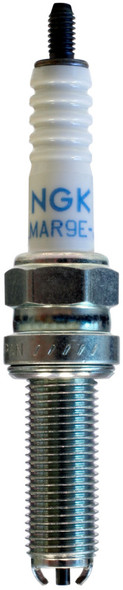
NGK Multi-Ground Spark Plug Box of 10) LMAR9E-J - 6884
NGK
$168.00How do I ensure I'm ordering the correct NGK Multi-Ground spark plugs for my vehicle?Confirm exact fitment using your vehicle's make, model, and year before purchase to guarantee proper installation and performance.Can I install NGK Multi-Ground spark...$168.00 -
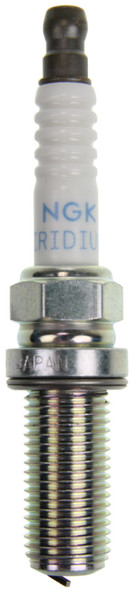
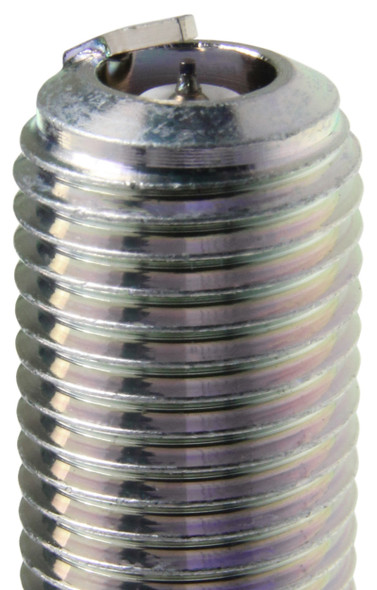
NGK Iridium Racing Spark Plug Box of 4 (R2558E-10) - 97278
NGK
$195.61Do NGK Iridium Racing spark plugs fit my car?Confirm fitment with your specific vehicle's make, model, and year using our compatibility checker before purchasing these specialized spark plugs.Are NGK Iridium Racing spark plugs easy to...$195.61 -
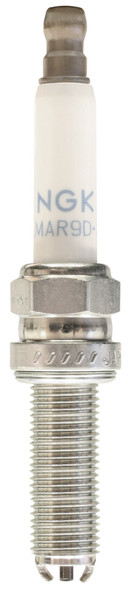
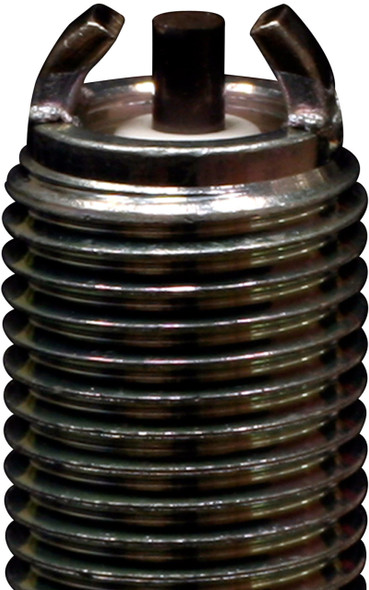
NGK Standard Spark Plug Box of 10 (LMAR8D-J) - 93444
NGK
$205.43What is the correct NGK Standard Spark Plug for my vehicle?Confirm fitment with your vehicle's make, model, and year using our application guide to select the precise NGK Standard Spark Plug.Can I install these spark plugs myself?Professional...$205.43 -
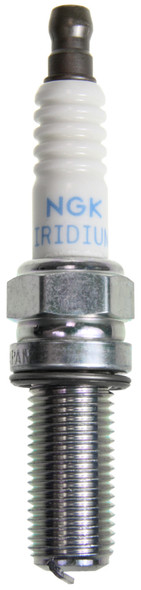

NGK Iridium/Platinum Spark Plug Box of 4 (R2556G-8) - 91975
NGK
$188.16When should I replace my spark plugs?Confirm fitment with your vehicle's manual; recommended replacement intervals vary by application, but these NGK spark plugs are designed for extreme durability.Can I install these myself?Professional installation is...$188.16 -
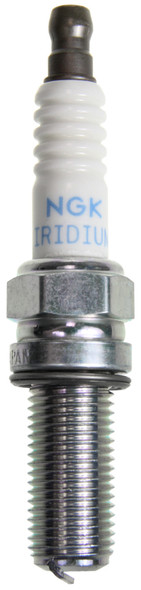

NGK Racing Spark Plug Box of 4 (R2556G-10) - 91185
NGK
$188.16What is the optimal spark plug gap for my specific vehicle model?NGK Racing spark plugs require professional installation and precise gapping confirmed via your vehicle's specific fitment information.How do NGK Racing spark plugs improve engine...$188.16 -

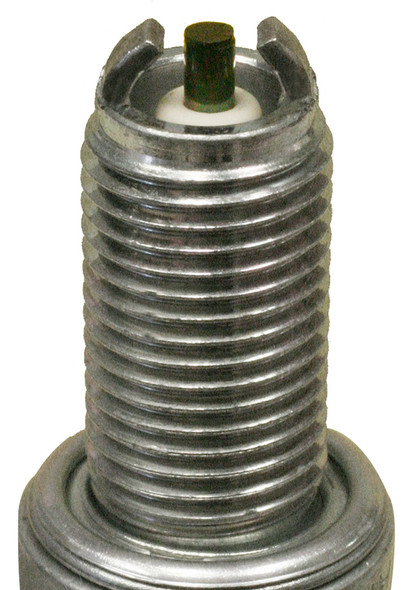
NGK Nickel Spark Plug Box of 10 (MAR9A-J) - 6869
NGK
$204.44Do these NGK Nickel spark plugs fit my vehicle?Confirm fitment for your specific vehicle application using our detailed compatibility tool to ensure optimal performance and proper installation of these NGK Nickel spark plugs.Can I install these spark...$204.44 -
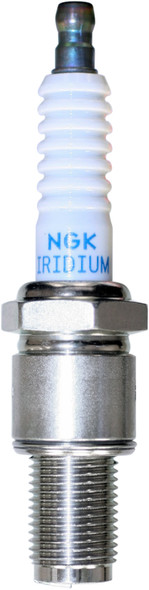
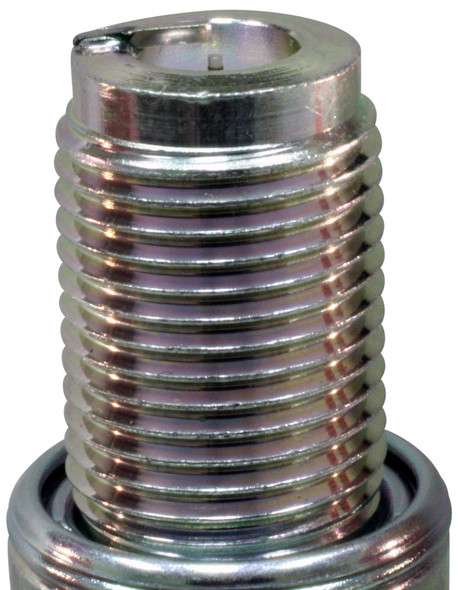
NGK Racing Spark Plug Box of 4 (R7420-9) - 6448
NGK
$210.11What is the ideal application for NGK Racing spark plugs?NGK Racing spark plugs are engineered for race-only applications, excelling in extreme heat dissipation and consistent engine performance under demanding load conditions.Are NGK Racing spark plugs...$210.11 -

NGK Racing Spark Plug Box of 4 (R7420-10) - 5501
NGK
$210.11What is the correct gap for NGK Racing spark plugs?Confirm your specific vehicle's recommended gap with professional installation guidance for optimal performance from these NGK Racing spark plugs.How do I install NGK Racing spark plugs?Professional...$210.11 -
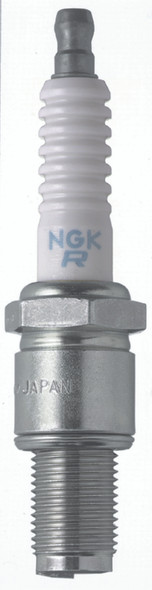

NGK Racing Spark Plug Box of 4 (R6725-115) - 4482
NGK
$210.11What is the recommended gap setting for NGK Racing spark plugs?Consult your vehicle's service manual for the precise gap setting to ensure optimal performance of these NGK Racing spark plugs.How does the corrugated rib design on NGK spark plugs benefit...$210.11 -

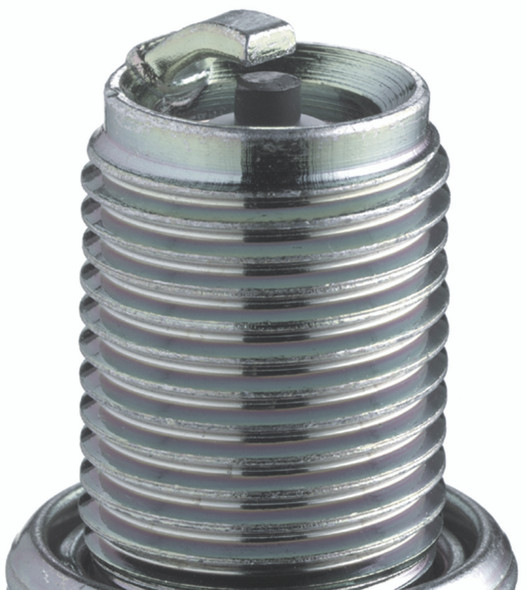
NGK Standard Spark Plug Box of 10 (BR8ECM) - 3035
NGK
$163.84How do I know if NGK Standard Spark Plugs will fit my vehicle?Confirm fitment for your specific vehicle before purchase to ensure proper installation and optimal performance of these NGK spark plugs.Do I need to gap NGK Standard Spark Plugs before...$163.84 -

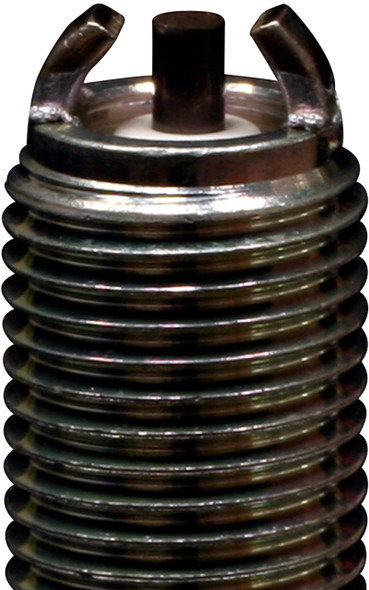
NGK Copper Core Spark Plug Box of 10 (LMAR9D-J) - 1633
NGK
$205.43How do I know if the NGK Copper spark plugs will fit my vehicle?Confirm vehicle fitment using our detailed application guide to ensure compatibility with your specific make and model.Are NGK Copper spark plugs easy to install?Professional installation is...$205.43
Spark plugs are the final link in your ignition system — responsible for delivering a precisely timed, high-energy spark that ignites the air-fuel mixture under compression, and the quality of that spark directly determines combustion efficiency, power output, throttle response, and fuel economy. Motor Sport Mayhem stocks 342 spark plugs and ignition components across 26 brands, from budget OE replacements under $5 to race-spec iridium and laser-welded electrode plugs pushing $1,630, covering everything from daily drivers and diesel trucks to dedicated drag cars and ATV competition builds.
Our Top Picks for Spark Plugs
Each of these products was selected based on real-world performance data, engineering quality, and value across the broadest range of performance applications.
AEM Ignition Coils/Components
AEM | $222.95
A precision coil driver engineered to maximize dwell control and spark energy output for modified engines running aggressive ignition timing.
- Designed for high-output builds where stock coil drivers become the bottleneck under elevated boost or RPM
aFe Scorcher High Performance Ignition Coil Set
aFe | $262.00
A direct-fit, high-energy coil set that delivers stronger spark output than OEM coils without requiring any wiring modifications.
- Full six-coil set ensures even cylinder-to-cylinder ignition consistency — critical for turbocharged and high-revving inline engines
ADG DieselRX Glow Plugs
AirDog | $20.65
OE-spec glow plugs built for reliable cold-start ignition in high-compression diesel engines operating in demanding temperature conditions.
- Purpose-built for Duramax diesel applications where glow plug failure causes extended crank times and rough cold starts
All Balls Racing Starter Motor
All Balls Racing | $457.31
A high-torque replacement starter motor engineered to deliver reliable cranking power on big-twin V-twin engines with performance camshaft or compression upgrades.
- Upgraded internal windings and brush design handle the increased cranking resistance common in high-compression V-twin builds
Arrowhead Harley-Davidson Starter Motor
Arrowhead | $330.23
A direct-replacement 12-volt starter with a nine-tooth drive gear for dependable engagement and reliable starts across a wide range of V-twin configurations.
- Arrowhead's OEM-equivalent tolerances mean no shimming or bracket modifications — bolt-on reliability for street-ridden big twins
Big Gun ATV/SXS Rev Box
Big Gun | $178.73
A CDI rev limiter eliminator that removes factory RPM restrictions and recalibrates ignition timing curves for measurably more top-end power in ATV applications.
- Optimized ignition advance maps replace the conservative OEM CDI curve, unlocking power that the factory deliberately suppressed for liability reasons
Bikers Choice 1.4kW High-Torque Starter
Bikers Choice | $549.99
A 1.4kW high-torque starter motor designed to effortlessly turn over modified big-twin engines that have outgrown the OEM starter's capabilities.
- At 1.4kW output, this unit handles the elevated cranking loads from high-compression pistons and tight-tolerance performance engine builds without voltage sag
BLOX Racing K-Series Coil Pack Set
BLOX Racing | $212.80
A matched four-coil set engineered for K-series platforms that need more consistent spark energy than stock coils can sustain at elevated RPM and boost.
- Full set replacement eliminates the cylinder-to-cylinder variation that appears when a single coil weakens under thermal stress in high-RPM track use
Bosch OE-Type Compact Ignition Coil
Bosch | $63.64
An OEM-equivalent ignition coil manufactured to the same electrical and thermal tolerances as Bosch's factory-supply components, without the dealership markup.
- Bosch is a genuine OEM ignition supplier — this is not a rebranded offshore copy, it's the same engineering standard that goes into new vehicles from the factory
COBB 4-Bar MAP Sensor Upgrade Kit
COBB | $235.00
A high-resolution manifold absolute pressure sensor upgrade that extends boost reading capability far beyond OEM sensor limits for tuned forced-induction applications.
- At 4-bar absolute pressure capability, this sensor supports significantly higher boost levels than the factory 2.5-bar unit — essential for safe, accurate ECU fueling and ignition timing under high boost
How to Choose the Right Spark Plugs
The single biggest mistake buyers make in this category is treating spark plugs as a commodity — grabbing whatever's cheapest at the parts counter without understanding that electrode material, heat range, gap specification, and terminal construction collectively determine how much combustion energy actually reaches the piston crown. A plug that's one heat range too hot under sustained high-load operation will preignite. A plug that's too cold will foul in a lightly loaded daily driver. Neither failure shows up immediately — they show up as mysterious misfires, carbon buildup, or lost power weeks after installation.
Key Specifications
Electrode material is the first decision point and the one that most directly affects service life and spark consistency. Copper core plugs offer the best thermal conductivity and the widest heat range flexibility, making them the preferred choice for racing applications where plugs are inspected and replaced frequently — but their soft electrodes wear quickly under street use. Platinum plugs use a harder electrode tip that resists erosion at higher temperatures and are well-matched to modern coil-on-plug ignition systems running long service intervals. Iridium and iridium-platinum plugs represent the current performance standard: iridium's extreme hardness (six times harder than platinum) allows ultra-fine electrode tips as small as 0.4mm in diameter, which reduces the voltage required to ionize the gap and produces a more consistent kernel flame — critical for lean air-fuel ratios and high-boost applications.
Heat range is a specification that's frequently misunderstood. It does not refer to the temperature of the spark — it refers to the plug's ability to transfer combustion heat away from the ceramic insulator tip into the cylinder head. A hotter plug retains heat longer (self-cleaning, good for low-load applications), while a colder plug dissipates heat faster (prevents preignition under high thermal load). When an engine is modified — higher compression, forced induction, increased timing advance, or extended high-RPM operation — moving one to two heat ranges colder than OEM specification is standard practice. Running the wrong heat range on a boosted engine is one of the most common root causes of unexplained piston damage in modified builds.
Gap specification directly controls the ignition voltage threshold. A wider gap produces a larger flame kernel and better combustion efficiency, but requires higher secondary ignition voltage to bridge it — voltage that a weak or aged coil may not reliably deliver under load. Most OEM applications specify gaps between 0.028 and 0.044 inches. Forced induction builds running significant boost pressure typically require tighter gaps in the 0.018 to 0.028 inch range because combustion chamber pressure increases the effective electrical resistance across the gap. Ignition coil output capacity and gap specification must be matched — upgrading plugs without considering coil capability is only half the equation. For a full ignition system approach, the engine components category covers supporting hardware that complements spark plug upgrades.
Thread reach and seat type are non-negotiable fitment specifications — installing a plug with incorrect thread reach will either leave the electrode recessed into the head (creating a flame kernel that can't efficiently propagate into the combustion chamber) or allow electrode protrusion into the combustion chamber where it risks piston contact. Tapered seat and gasket seat designs are not interchangeable. Always verify OEM thread diameter (10mm, 12mm, 14mm, or 18mm), thread pitch, hex size, and seat type before ordering. Premium brands publish full cross-reference data — if a seller can't provide that data, treat it as a red flag on fitment quality.
Spark Plug Heat Range & Application Reference Guide
| Application Type | Recommended Heat Range | Electrode Material | Typical Gap Range |
|---|---|---|---|
| Stock naturally aspirated street engine | OEM specification (baseline) | Platinum or iridium | 0.028–0.044 in |
| Mildly modified N/A (cam, intake, exhaust) | OEM or 1 step colder | Platinum or iridium | 0.030–0.040 in |
| Forced induction street/strip (low-moderate boost) | 1–2 steps colder than OEM | Iridium or copper racing | 0.020–0.030 in |
| High-boost forced induction (>20 psi) | 2–3 steps colder than OEM | Copper racing or fine-wire iridium | 0.016–0.024 in |
| Dedicated drag/strip (methanol or E85) | 3–4 steps colder than OEM | Copper racing | 0.015–0.022 in |
| Diesel (glow plug applications) | N/A — glow plug wattage rating applies | Resistance wire heating element | N/A — pre-chamber clearance spec |
Price Guide
Entry ($2.99–$55): This range covers OEM-replacement copper and standard platinum plugs, glow plug sets for diesel applications, and basic ignition coils suited for stock or lightly modified engines running normal service intervals. Honest assessment: for a daily driver that sees no performance modifications and gets regular maintenance, this tier delivers reliable, factory-equivalent performance. The trade-off is shorter service life and less consistent spark energy at the edges of the operating envelope.
Mid-range ($55–$250): Most performance enthusiasts land here, and for good reason. This range covers full iridium plug sets, matched coil-on-plug upgrade kits, performance CDI rev boxes for ATVs, and OEM-supplier-grade ignition coils from brands with genuine engineering pedigree. Ignition performance improvements in throttle response, cold-start reliability, and sustained spark consistency under load are measurable in this tier. This is also where proper heat range selection for modified engines becomes critical — mid-range plugs in the wrong heat range still fail.
Premium ($250–$1,630): Purpose-built racing ignition systems, multi-channel coil drivers, matched high-energy coil sets for six- and eight-cylinder performance applications, and MAP sensor upgrades that enable accurate tuning at elevated boost levels occupy this range. The cost is justified for built engines running forced induction, aggressive fueling strategies, or competition programs where ignition reliability under extreme thermal and electrical stress is not negotiable. Brands like HKS and Granatelli Motor Sports at average price points of $334 and $387 respectively are engineering investments, not upgrades to chase horsepower on a stock engine.
Who Is This For?
Spark plugs and ignition components serve the full spectrum of motorsport use cases — from fuel-conscious daily commuters to dedicated drag racers — and our usage data reflects exactly that range.
Easy DIY Install — 8.7/10
This category scores highest across all use cases for DIY installability, and it's well-deserved — spark plug replacement is one of the most accessible performance upgrades available, requiring basic hand tools and a torque wrench. The 148 products rated for easy installation span coil packs, plug sets, glow plugs, and starter motors, most of which are direct bolt-on replacements for factory components. The 8.7/10 score reflects how the category consistently rewards home mechanics with a tangible performance return for minimal labor investment.
Engine Performance — 8.2/10
With 190 products rated for engine performance impact, ignition system quality is one of the highest-leverage modifications available on a per-dollar basis — particularly on engines that have accumulated mileage on worn OEM plugs and degraded coils. Complete combustion events enabled by fresh, correctly gapped iridium plugs and high-energy coils translate directly into more consistent power delivery, reduced misfires under load, and better use of the fuel already being delivered. This score of 8.2/10 reflects genuine measurable gains rather than marginal improvements.
Street Performance — 7.8/10
The 184 products in this use case represent the category's largest volume segment — performance-minded daily drivers who want better throttle response, stronger idle quality, and improved cold-start reliability without sacrificing street drivability. Upgraded ignition coils and iridium plugs in this context restore the combustion efficiency that factory components deliver when new, and extend it further through higher peak spark energy. A 7.8/10 score here means meaningful improvements over stock without the trade-offs that come with full race-spec ignition hardware.
Track / Autocross — 7.9/10
Track and autocross use demands ignition components that maintain consistent spark energy output across repeated high-RPM acceleration events with minimal cool-down time between runs — a condition that exposes weak coils and incorrectly heat-ranged plugs quickly. The 108 products rated for this application include higher-output coil sets, fine-wire iridium plugs sized for modified compression ratios, and ignition control modules that optimize timing curves for full-throttle event structures. A 7.9/10 score reflects the category's strong applicability to competitive track use, where combustion consistency directly converts to lap time.
Drag Racing — 7.8/10
Drag racing ignition requirements are distinct from road course use: the application demands maximum spark energy delivered in a single sustained high-load pull, with heat range cold enough to survive the thermal loading of a full-power pass but not so cold that the plug fouls on the return road. The 43 products rated for drag racing are the most specialized in the category — copper racing plugs with non-projected tips, multi-spark CDI systems, and coil drivers that sustain full dwell energy at high RPM without voltage drop. At 7.8/10, the category is a genuine drag racing staple, not an afterthought.
Trusted Spark Plugs Brands We Carry
NGK anchors this category with 353 products and a decades-long record as an OEM ignition supplier to virtually every major automaker — their iridium IX and laser iridium lines are the reference standard against which aftermarket plugs are benchmarked. HKS brings race-derived ignition engineering from Japan's top-tier motorsport programs, and their average price point of $334 reflects genuine performance-grade materials and engineering rather than marketing premium. Granatelli Motor Sports operates at the top of the category at an average of $387, supplying purpose-built coil and ignition systems to serious drag and road race programs. Bosch, as a genuine Tier 1 OEM ignition supplier, brings factory-equivalent quality at accessible price points — their ignition coils are not aftermarket interpretations, they're built to the same specifications supplied to vehicle manufacturers. BLOX Racing and aFe target the sport compact and import performance segments with application-specific coil sets and ignition upgrades developed through active motorsport involvement, while Moroso and Bikers Choice serve the American V-twin and performance engine markets with ignition hardware engineered for high-displacement, high-torque applications.
Frequently Asked Questions
Are aftermarket ignition coils as good as OEM, or should you stick with factory parts?
The answer depends entirely on which aftermarket coil you're comparing to which OEM part. A premium aftermarket coil from a company like Bosch — which is also an OEM supplier — delivers equivalent or superior performance to dealership parts at a lower price point, because it's engineered to the same specification. On the other hand, cheap no-name coils that undercut OEM pricing by 60–70% typically use lower-grade magnetic core materials, thinner wire windings, and inferior thermal potting compounds that fail under sustained high-temperature operation. For a stock engine on a reasonable service interval, a quality aftermarket coil from a recognized brand is a legitimate choice. For a modified engine running elevated boost, timing, or RPM, upgrading to a high-energy performance coil specifically rated for those conditions is the correct move — not because OEM is inadequate, but because the operating conditions have changed.
Are all ignition spark plug wires the same, or does wire quality actually matter?
Ignition wire quality varies dramatically and the differences have measurable consequences. The core conductor material determines resistance per foot — spiral-wound copper and stainless steel cores in performance wires typically measure 40–500 ohms per foot, while cheap carbon-impregnated string cores in budget wires can exceed 10,000 ohms per foot, which robs spark energy before it ever reaches the plug. Insulation jacket quality determines EMI suppression and durability — 8mm and 10mm silicone-jacketed wires handle sustained underhood temperatures that destroy standard PVC-insulated wires and prevent radio frequency interference that can disrupt modern engine management systems. Boot seal integrity at the coil and plug termination points is equally critical; a boot that allows moisture intrusion causes intermittent misfires that are notoriously difficult to diagnose. For a performance or modified engine, wire quality is not a place to economize.
Are high-energy ignition coils actually worth the upgrade cost?
For stock engines running factory tune and OEM spark plugs, a high-energy coil upgrade delivers marginal real-world benefit because the OEM system is already calibrated to deliver adequate spark energy for the factory combustion parameters. The upgrade becomes genuinely worthwhile when other modifications have shifted those parameters — larger plug gaps to improve combustion efficiency, increased boost pressure that raises the ionization voltage threshold, aggressive timing advance that demands faster dwell recovery, or extended high-RPM operation that stresses coil saturation times. In those contexts, a high-energy coil that delivers 15–40% more peak spark voltage and faster dwell recovery than OEM directly translates to more complete combustion, fewer misfires under load, and the ability to run wider plug gaps that improve power. The math is simple: if your modifications have already increased what the ignition system needs to deliver, upgrading the coil is not optional — it's the foundation the rest of the tune depends on.
Are cheap MAP sensors worth buying, or is this a component to invest in?
A MAP sensor is one of the primary inputs your ECU uses to calculate fueling and ignition timing — it's measuring manifold pressure multiple times per engine cycle and the ECU is making real-time decisions based on that data. A sensor with poor linearity, slow response time, or inconsistent output voltage doesn't just cause rough running — it causes the ECU to make incorrect fueling and timing corrections that can result in lean conditions, knock, or detonation that you won't see coming. Budget MAP sensors frequently suffer from calibration drift, where the output voltage shifts away from the specification curve under heat cycling, meaning the ECU is operating on bad data. For a tuned or boosted application, the MAP sensor is the last component to cut cost on — an upgrade to a correctly calibrated, higher-range unit like a 4-bar sensor supports accurate fueling at elevated boost levels and is a prerequisite for safe, reliable ECU tuning. Pairing the right MAP sensor with a proper fuel delivery system ensures the ECU's decisions are based on accurate, synchronized data across all load conditions.
Are MSD ignition wires and high-performance wire sets genuinely better than standard replacement wires?
Premium ignition wire sets from established performance brands use construction specifications that make a measurable difference in applications where ignition quality matters: low-resistance spiral-wound conductors minimize voltage drop across the wire length, heavy-gauge silicone insulation handles sustained temperatures above 500°F without cracking or arcing, and precision-crimped terminals maintain consistent contact resistance at both the coil and plug connections over time. The practical benefit for a stock or mildly modified daily driver is modest — the OEM wire set on a properly maintained engine is already performing close to its design limit. For a performance build with upgraded coils, modified timing curves, or any application running the engine at sustained high load or RPM, the wire set becomes the limiting factor in how much of the coil's output energy actually reaches the plug gap. In that context, investing in quality wire sets is not a luxury — it's protecting the investment already made in every other ignition component upstream.
Building something specific? Our performance specialists can help you select the right Spark Plugs for your application — street, track, or full race build.