
Fuel Filters
- Product
- Qty in Cart
- Quantity
- Price
- Subtotal
-
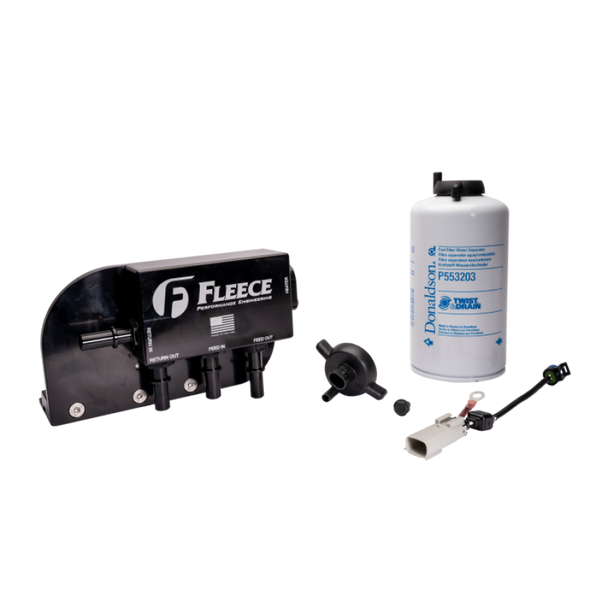
Fleece Performance 17-26 Ford F250-550 Powerstroke Under Bed Fuel Filter Assembly - FPE-FMC-UBFA-1724
Fleece Performance
$379.00Ready to upgrade your factory under bed fuel filtration on your 2017 – 2024 Ford 6.7L Powerstroke? The latest OEM+ solution from Fleece Performance is a true drop-in" upgrade to the furnace style filtration that requires absolutely no modification of...$379.00 -
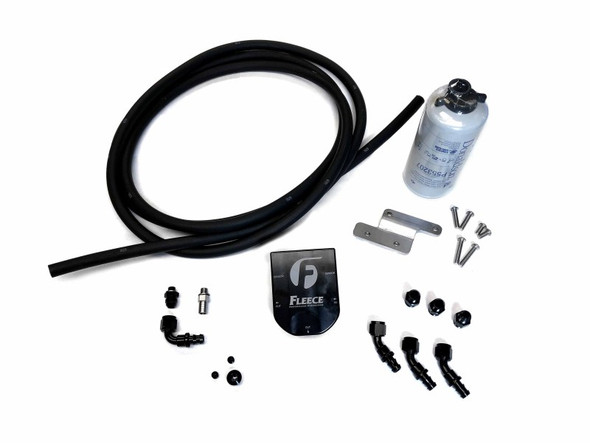
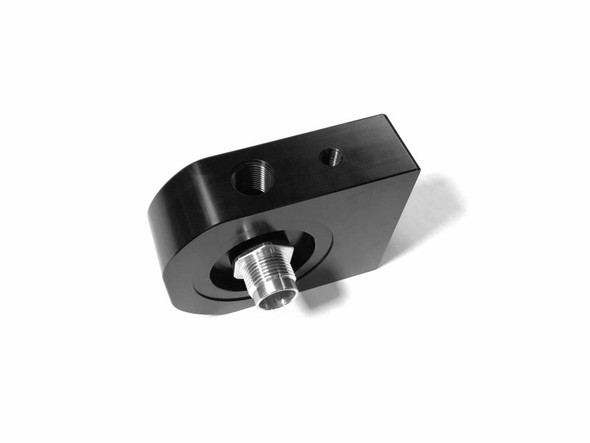
Fleece Performance 03-18 Dodge Cummins Auxiliary Fuel Filter Kit - FPE-34783
Fleece Performance
$349.00What is the micron rating of the Fleece Performance fuel filter?The Fleece Performance fuel filter kit features a Donaldson 3 micron fuel filter and water separator for superior fuel purity.Is professional installation recommended for the Fleece...$349.00 -

PureFlow AirDog/AirDog II Fuel Filter - 2 Micron - FF100-2
AirDog
MSRP: $384.00$372.00How often should I change my AirDog fuel filter?Consult your vehicle's service manual; professional guidance confirms optimal replacement intervals for your specific AirDog fuel filter and setup.Can I install the ADG Water Seperator/Fuel Filter...MSRP: $384.00$372.00 -
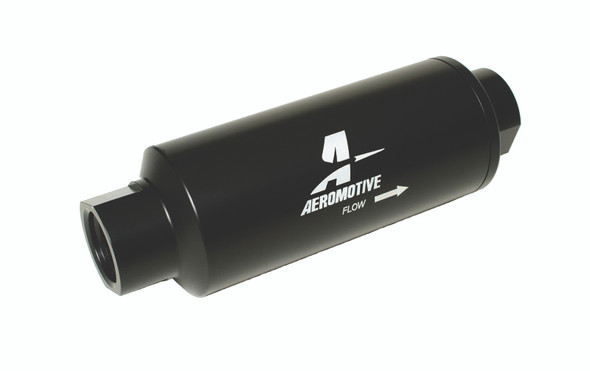
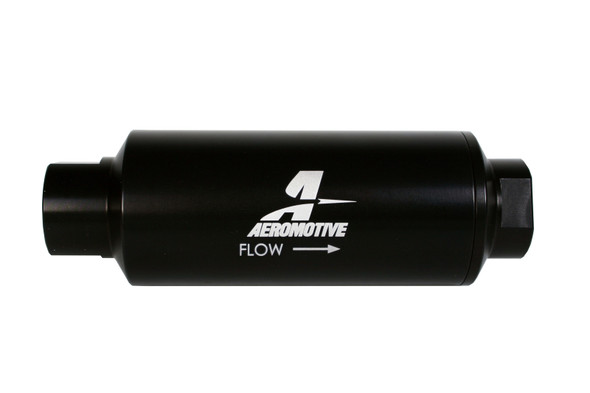
Aeromotive In-Line Filter - (AN-12 ORB) 10 Micron Microglass Element - 12341
Aeromotive
$358.52Will the Aeromotive AER Fuel Filters fit my vehicle?Aeromotive AER Fuel Filters require careful confirmation of vehicle fitment to ensure proper integration and performance for your specific application.How difficult is the Aeromotive AER Fuel Filters...$358.52 -
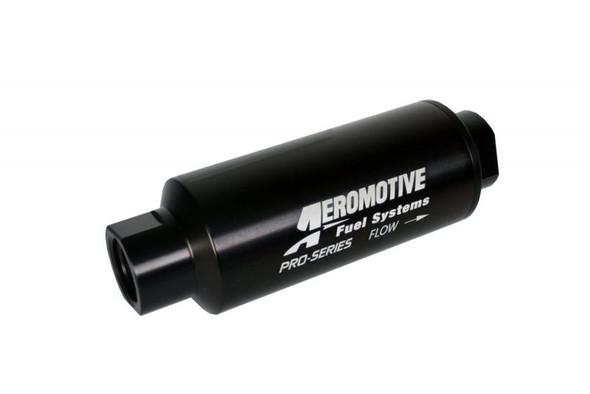

Aeromotive Pro-Series In-Line Fuel Filter - ORB-12 - 10 Micron Microglass Element - 12339
Aeromotive
$312.93Can I install this fuel filter myself?Professional installation is recommended for this Aeromotive fuel filter to ensure proper fitment and optimal performance in your vehicle.What is the filtration capacity of this fuel filter?This Aeromotive fuel...$312.93 -
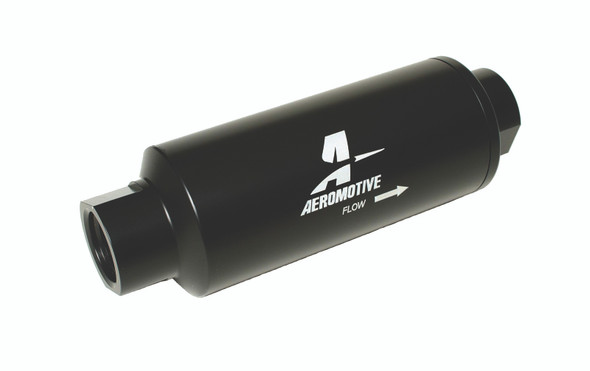
Aeromotive Marine AN-12 Fuel Filter - 100 Micron - SS Element - 12309
Aeromotive
$381.04What is the micron rating of the AER Fuel Filter element?AER Fuel Filters feature a 100 micron stainless steel cleanable element, ensuring pristine fuel for optimal engine function and longevity.What is the recommended installation procedure for the AER...$381.04 -


Aeromotive Pro-Series In-Line Fuel Filter - AN-12 - 100 Micron SS Element - 12302
Aeromotive
$323.90Will the Aeromotive AER Fuel Filters fit my vehicle?Confirm specific vehicle fitment for Aeromotive AER Fuel Filters by consulting our detailed application guide before purchase.How difficult is the Aeromotive AER Fuel Filters installation?Professional...$323.90
A fuel filter is the last line of defense between contaminated fuel and your injectors, pump, and regulator — and in performance applications, a clogged or undersized filter kills flow rate, starves the engine under load, and can destroy a $1,000 injector set in a single track session. Motor Sport Mayhem stocks 197 fuel filters across 58 brands, covering everything from basic inline replacements to full diesel air/fuel separation systems capable of handling compound-turbocharged builds.
Our Top Picks for Fuel Filters
Every product below was selected based on filtration performance, flow capacity, build quality, and proven real-world results across street, off-road, and competition applications.
ACB Fuel Tanks
Acerbis | $436.73
High-density polyethylene construction delivers superior fuel compatibility and impact resistance for extended off-road endurance runs.
- Increased capacity over OEM for longer range without fuel system compromise
AEM Fuel Pressure Regulators
AEM | $222.95
Adjustable fuel pressure regulation ensures consistent delivery pressure across the full RPM range, protecting injectors from pressure spikes and drops.
- Billet aluminum construction with anodized finish rated for all common fuels including E85
AER Fuel Systems
Aeromotive | $3,624.93
Integrated brushless pump and fuel cell design eliminates the single-point failures common in multi-component fuel system assemblies at high horsepower levels.
- Competition-grade fuel cell with fully integrated filtration, rated for race and high-demand street builds
AFE ProGuard Fuel Filter
aFe | $74.00
Multi-stage diesel filtration removes water, particulate, and microbial contamination before fuel reaches the high-pressure injection system.
- Diesel-specific filtration media rated to capture particles at or below 2 microns — critical for modern common-rail injection systems
ADG AirDog II-5G A/F Separator
AirDog | $854.00
Active air/fuel separation removes entrained air and vapor from the fuel stream before it reaches the injection pump, eliminating a major cause of diesel power loss and pump cavitation.
- High-pressure rated system engineered specifically for late-model diesel powerplants under tow and performance load
ABR Fuel Pump Kits
All Balls Racing | $310.11
Complete fuel pump module replacement with integrated pre-filter ensures clean, consistent fuel delivery for powersports applications in harsh environments.
- Drop-in fitment with OEM-spec connectors removes the guesswork from off-road fuel system rebuilds
AMS Flex Fuel Kit
AMS | $999.95
Integrated CAN-based ethanol content sensor with dedicated fuel filter enables real-time flex fuel tuning without sacrificing filtration integrity on corrosive E85 blends.
- Complete kit approach eliminates compatibility mismatches between sensor, filter, and ECU communication protocol
ATS Fuel Regulators
ATS Diesel | $74.99
Electronic fuel pressure regulation restores precise fuel delivery control on aging diesel injection systems where mechanical regulators have degraded.
- Direct-fit replacement addresses a known high-mileage failure point in older high-pressure diesel fuel systems
BBK Fuel Pump
BBK | $419.99
A 300LPH in-tank pump delivers the volume headroom needed to support forced induction and camshaft upgrades without starving the fuel system at high RPM.
- High-flow in-tank design maintains delivery pressure under sustained wide-open-throttle conditions where OEM pumps typically fall short
BDD Injection Pumps
BD Diesel | $883.95
Stock-exchange CP3 injection pump restoration returns rail pressure and fuel delivery accuracy to factory specification on high-mileage diesel builds.
- Remanufactured to OEM tolerances with a core exchange program that keeps overall build cost manageable on diesel fuel system rebuilds
How to Choose the Right Fuel Filters
The most critical specifications in a fuel filter are micron rating, flow rate (measured in gallons per hour or liters per hour), operating pressure rating, and media type — and getting any one of these wrong can either starve your engine of fuel or allow damaging particulate to reach precision-machined injector tips rated to tolerances tighter than a human hair. A filter that flows beautifully at idle but collapses under pressure at 7,000 RPM is worse than no filter at all, because it creates a restriction you won't notice until you're already losing power or damaging hardware.
Key Specifications
Micron rating defines the smallest particle size the filter media will capture — lower micron ratings catch finer contamination but create more restriction, so there's a direct tradeoff between protection and flow. Modern gasoline direct injection and common-rail diesel systems require filtration down to 2–10 microns to protect injectors; carbureted and older throttle-body injection systems are more tolerant of a higher micron rating, which typically means less flow restriction. Matching micron rating to your injection system type is non-negotiable if you want filtration that protects without penalizing performance.
Flow rate is equally critical, particularly on modified engines where fuel demand at wide-open throttle can exceed OEM filter design limits by a significant margin. A naturally aspirated street engine may only demand 30–60 GPH at peak load, but a turbocharged or supercharged engine running elevated fuel pressure can easily demand 100–200 GPH — and a filter sized for OEM flow will create a measurable pressure drop that your fuel pressure gauge will confirm in real time. Always spec your filter to flow comfortably above your pump's rated output, not just your engine's calculated demand.
Media construction separates entry-level filters from race-grade hardware — pleated cellulose media works adequately for stock street applications but degrades in the presence of ethanol blends above E15, while stainless steel micromesh and synthetic media handle E85, methanol, and race fuel blends without breaking down or releasing contamination back into the fuel stream. For any build running alternative fuels, confirm that every component from the tank to the injector is rated for the specific fuel chemistry involved, including the filter O-rings and housing seals, which are common points of failure when cellulose-era hardware meets modern ethanol concentrations.
Operating pressure rating is especially relevant for diesel applications — high-pressure common-rail systems operate at 20,000–30,000 PSI at the injector, and while the pre-filter sees much lower pressure, low-side diesel filtration systems still operate at pressures that can rupture housings designed for gasoline service. Always verify the filter's burst pressure rating against your system's operating pressure with an appropriate safety margin, and pay attention to fitting thread type and size — AN fittings and NPT threads are not interchangeable, and cross-threading a filter into a high-pressure line is a safety hazard. Check our fittings section if your installation requires AN-to-NPT adapters or custom line configurations.
Fuel Filter Micron Rating vs. Application Guide
| Application Type | Recommended Micron Rating | Minimum Flow Capacity | Media Type Recommended |
|---|---|---|---|
| Carbureted Street / Strip | 40–100 micron (pre-filter), 10–40 micron (final) | 60–120 GPH | Stainless mesh or cellulose |
| Port Injected Gasoline (Naturally Aspirated) | 10–40 micron | 80–150 GPH | Synthetic pleated or stainless |
| Port Injected Gasoline (Forced Induction) | 6–10 micron | 150–300 GPH | Stainless micromesh or synthetic |
| Gasoline Direct Injection (GDI) | 2–10 micron | 100–200 GPH | Synthetic high-efficiency media |
| Diesel Common-Rail (Street/Tow) | 2–7 micron (with water separator) | 80–165 GPH low-side | Synthetic with coalescing water sep |
| E85 / Flex Fuel Performance | 6–10 micron | 200–400 GPH | Ethanol-compatible synthetic or stainless |
Price Guide
Entry ($1.16–$200): This range covers OEM-replacement inline filters, powersports pre-filters, and diesel drop-in cartridge replacements — suitable for vehicles running stock or mildly modified fuel systems where OEM flow rates are not exceeded and standard gasoline or diesel is the only fuel in use. Quality varies widely at this price point; prioritize brand-name options with published micron ratings over anonymous replacements with no specification data.
Mid-range ($200–$900): The sweet spot for serious street builds, track cars, and diesel performance trucks — this range gets you adjustable regulators with billet construction, integrated air/fuel separation systems, high-flow in-tank assemblies, and complete flex fuel filter kits with ethanol-compatible media. Most enthusiasts building for street/strip or weekend track duty will find everything they need here without overpaying for full competition hardware.
Premium ($900–$6,439.78): Complete fuel cell and filtration systems, high-output injection pump assemblies, and integrated fuel system solutions engineered for dedicated race cars, high-horsepower diesel competition trucks, and builds where a fuel system failure means a DNF rather than an inconvenience — the cost is justified by construction quality, flow capacity, and the engineering redundancy built into top-tier hardware that simply doesn't exist at lower price points.
Who Is This For?
Fuel filters serve every level of enthusiast from daily commuters to full-competition race teams, and the usage data across our 197-product catalog reflects exactly that spread — the application scores below tell you where this category delivers the most value.
Engine Performance — 8.7/10
The highest score in our usage matrix, and it makes complete sense: clean, unrestricted fuel delivery is a prerequisite for every other engine performance modification to work as intended. Installing high-flow injectors, a performance camshaft, or a forced induction system without addressing fuel filtration is a common and expensive mistake — contamination that an OEM filter would have caught under stock fuel demand becomes a free pass to the injector tips when flow rate increases. An 8.7/10 engine performance rating reflects the fact that proper filtration is upstream of nearly every other engine modification.
Drag Racing — 8.2/10
Drag racing scores 8.2/10 because wide-open-throttle fuel demand is sustained, maximum, and unforgiving — there is no partial-load operating window to mask a restriction that a filter is creating. Strip-specific builds typically run separate pre-filters and final filters in series, with stainless micromesh pre-filters protecting the fine final-stage media from large particulate that would otherwise blind the filter mid-pass. At elapsed times where hundredths of a second separate winners from losers, fuel starvation from a clogged filter is race-ending and preventable.
Racing Competition / Track / Autocross — 8.1/10
Both competition categories score 8.1/10, driven by the cornering and braking loads that cause fuel slosh and can momentarily uncover an OEM in-tank pickup — a situation where a properly sized external filter and a baffled fuel system work together to maintain uninterrupted delivery. Autocross adds the dimension of repeated short-burst acceleration cycles that can expose fuel vapor issues in systems without adequate filtration and air separation. Racers running modified fuel delivery systems benefit most from purpose-built race filtration rather than adapted street components.
Street Performance — 7.8/10
A 7.8/10 for street performance reflects the reality that most modified street cars are running pump gasoline or E85 through injection systems that demand better filtration than the stock filter can reliably provide once fuel system upgrades are in place. Upgrading to a higher-flow filter with a lower micron rating is often the lowest-cost modification that prevents injector wear on a modified street car, and it's commonly overlooked in favor of more visible upgrades. The slightly lower score compared to competition applications reflects that street duty is less likely to push a filter to its absolute capacity limits.
Easy DIY Install — 7.4/10
A 7.4/10 DIY score across 98 products signals that a significant portion of our fuel filter catalog is genuinely accessible to home mechanics — inline filter replacements, drop-in diesel cartridges, and complete pump modules with OEM-style connectors are straightforward jobs with basic hand tools. The score isn't higher because some installations — particularly return-style fuel systems, high-pressure diesel setups, and in-tank assemblies on certain platforms — require depressurizing the fuel system safely, working with flammable fuel, and confirming fitting torque values, which demands a level of care that goes beyond typical bolt-on work.
Trusted Fuel Filters Brands We Carry
The brands that dominate this category earned their positions through engineering substance, not marketing — Aeromotive built its reputation on billet aluminum components and race-proven flow testing that underpins some of the highest-horsepower builds in the country, while DeatschWerks has become the go-to source for matched fuel system components validated through in-house dyno and flow bench testing. Fuelab differentiates itself with precision-machined regulators and filters that hold tighter tolerances than most competition in their price range, and AirDog is the benchmark for diesel air/fuel separation — their systems are the first call for any diesel builder dealing with pump cavitation or injector wear from entrained air. Radium Engineering brings fabrication-grade engineering to fuel system components with a focus on fitment quality and material compatibility across a wide range of fuels, and Fleece Performance has earned strong diesel community trust specifically for high-demand towing and competition applications where OEM fuel system limitations are the first bottleneck to address.
Frequently Asked Questions
Are aftermarket fuel filters actually better than OEM?
For stock or mildly modified engines, a quality OEM-equivalent filter from a reputable aftermarket brand performs comparably to the factory part — the gains are marginal. Where aftermarket filters pull ahead is in modified applications: they're available in higher flow ratings, lower micron ratings for fine filtration, ethanol-compatible media for E85 builds, and stainless micromesh construction that outlasts cellulose OEM media by a wide margin. The key is matching the aftermarket filter's specifications to your actual fuel system demands — an undersized high-flow filter is still a restriction, and a fine-micron filter in a high-output system will blind faster if the pre-filter stage is inadequate. For any build with upgraded injectors, a performance pump, or forced induction, a purpose-spec aftermarket filter is the correct choice.
Are Aeromotive fuel pressure regulators worth the money?
Aeromotive regulators are manufactured from billet aluminum with anodized corrosion protection and use a diaphragm design that holds delivery pressure within tighter tolerances than most competitors at similar price points — which translates directly to consistent air/fuel ratio control across the RPM range. On a tuned engine, pressure fluctuations at the regulator show up as fuel trim corrections and inconsistent power delivery, particularly at high RPM where injector pulse width is already compressed. The cost premium over budget regulators is justified on any build where a wideband sensor is being used to tune for maximum power or where injector duty cycle is being pushed above 80 percent. For pure OEM-spec street cars with no tune, the cost delta is harder to justify — but for anything with a tune, the precision is worth it.
Are aftermarket fuel pumps as good as OEM replacements?
Quality aftermarket fuel pumps from established brands match or exceed OEM specifications for flow rate, pressure output, and longevity — in many cases they're manufactured in the same facilities to comparable tolerances. The distinction matters more for modified applications: OEM replacement pumps are sized for stock fuel demand, so a high-quality aftermarket OEM-replacement is appropriate for a stock vehicle, but a modified engine needs a pump sized for its actual peak demand with headroom above that number. The failure cases with aftermarket pumps almost always trace to budget no-name units without published flow curves, not to reputable performance brands. Walbro, DeatschWerks, and BBK, for example, publish actual flow rate data at operating pressure — any brand that doesn't publish that data shouldn't be trusted in a performance application.
Are aftermarket fuel pumps worth it on a modified engine?
On a modified engine, an upgraded fuel pump isn't optional — it's the foundation that allows every other fuel system and engine modification to work correctly. An OEM pump sized for 150 horsepower cannot safely support a 300-horsepower build; it will run at or above maximum duty cycle continuously under load, overheat, and fail early while also creating a delivery restriction that limits how much power your tune can safely extract. Upgrading to a correctly sized performance pump resolves that bottleneck and gives your tuner the fuel volume headroom needed to dial in fueling accurately across the full operating range. The calculation is simple: size the pump to flow at least 125 percent of your engine's maximum theoretical fuel demand at your target fuel pressure, using the pump manufacturer's published flow curve — not the nominal rating at zero back-pressure.
Are aftermarket fuel rails worth installing on a performance build?
Aftermarket fuel rails are worth it on builds where the OEM rail's internal volume, port sizing, or material compatibility creates a limitation — particularly on high-horsepower builds where rail pressure drop between the first and last injector becomes measurable, or on ethanol builds where OEM plastic rails may not be compatible with extended E85 exposure. Billet aluminum or stainless steel rails with larger internal bore diameters reduce that pressure drop, ensuring all injectors in the bank see consistent feed pressure rather than a gradient from inlet to end-cap. They also typically provide -AN fitting provisions that simplify building a clean, serviceable fuel system with quality braided lines rather than adapting OEM-style quick-connects to aftermarket components. For a stock or mildly modified naturally aspirated engine on pump gas, OEM rails are adequate — the upgrade becomes valuable above approximately 400–500 wheel-horsepower or any time E85 or methanol is in use.
Building something specific? Our performance specialists can help you select the right Fuel Filters for your application — street, track, or full race build.