
Fuel Caps
- Product
- Qty in Cart
- Quantity
- Price
- Subtotal
-

Omix Strap Gas Tank Center 97-06 Jeep Wrangler TJ - 17739.06
OMIX
$36.15Omix proudly offers all the parts you need to keep your Willys/Jeep running like new with quality standards that always meet or exceed those of the factory part. This replacement center gas tank strap fits 97-06 Wrangler TJ models with 2.4, 2.5 or 4.0...$36.15 -

Bikers Choice 82-E96 Non-Vented High Top Gas Cap Left Side Fat Bob Screw In Type - 490434
Bikers Choice
$20.99How do I know if this gas cap will fit my Harley?Confirm fitment with your specific vehicle before purchasing to ensure compatibility with your Harley-Davidson tank configuration.Is this a direct bolt-on replacement?Professional installation is...$20.99 -

Omix Non-Locking Gas Cap 84-01 Jeep Models - 17726.09
OMIX
$21.17Omix proudly offers all the parts you need to keep your Willys/Jeep running like new with quality standards that always meet or exceed those of the factory part. This replacement gas cap fits 84-99 Cherokee XJ, 91-95 Wrangler YJ, 97-01 Wrangler TJ and...$21.17 -


Gates 05-10 Chrysler 300 Locking Fuel Cap - 31836
Gates
$30.22Gates 05-10 Chrysler 300 Locking Fuel Cap$30.22 -

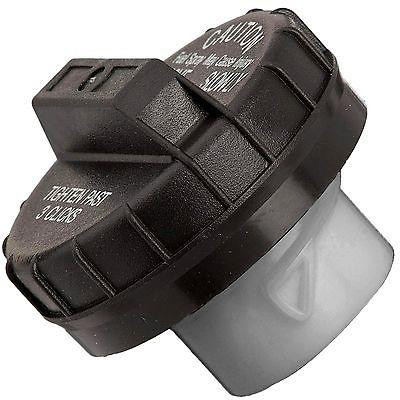
Gates 94-01 Acura Integra OE Equivalent Fuel Cap - 31832
Gates
$17.44Gates 94-01 Acura Integra OE Equivalent Fuel Cap$17.44 -
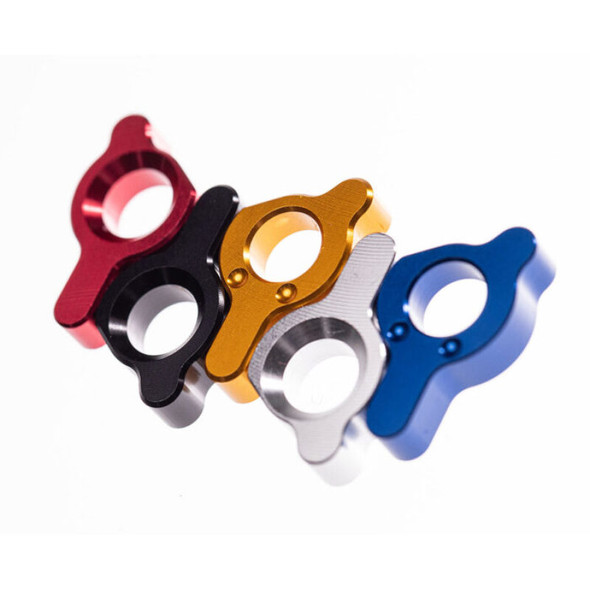
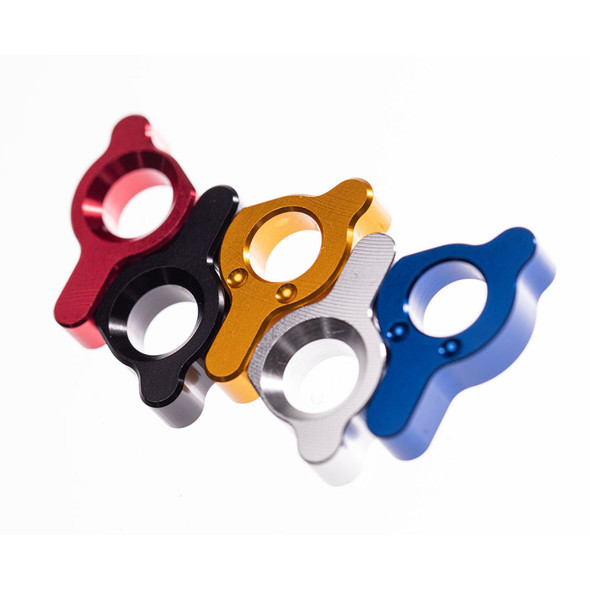
Vortex Racing V3 Fuel Cap Lock Arm- Blue - GC003B
Vortex Racing
$10.46How do I know if the VTX Fuel Cap will fit my motorcycle?VTX Fuel Cap fitment must be confirmed with your specific motorcycle model and year using our detailed compatibility guide to ensure a perfect seal.What is the installation process like for the VTX...$10.46 -

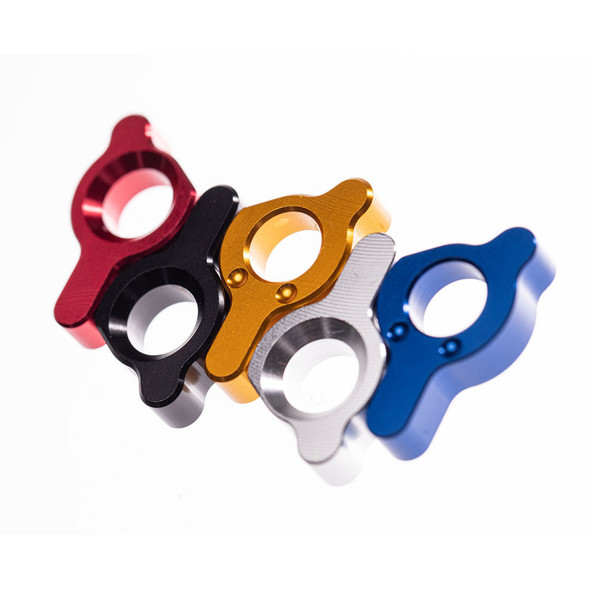
Vortex Racing V3 Fuel Cap Lock Arm- Black - GC003K
Vortex Racing
$10.46What is the best way to install this fuel cap?Confirm fitment with your specific vehicle; professional installation is recommended for optimal VTX Fuel Cap integration.How can I customize the look of my fuel cap?Easily change the color of the lock switch...$10.46 -

EPI 03+ Can-Am Gas Cap - EPIGC6
EPI
$39.90Replace your lost, cracked, leaking cap with a new, exact EOM replacementReplace your lost, cracked, leaking cap with a new, exact EOM replacementDesigned and Manufactured as direct OE replacements$39.90 -

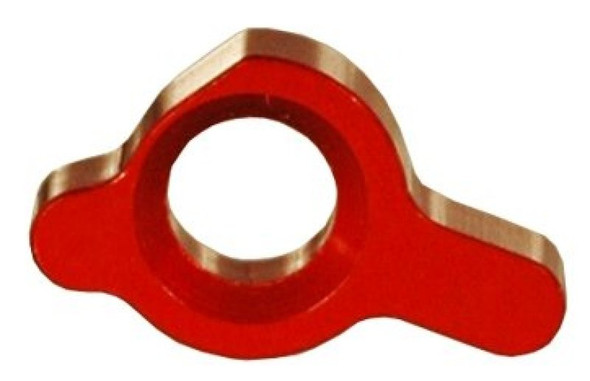
Vortex Racing V3 Fuel Cap Lock Arm- Red - GC003R
Vortex Racing
$10.46Does the VTX Fuel Cap require special tools for installation?The VTX Fuel Cap features a drop-in install type, requiring no specialized tools for a straightforward replacement of your existing fuel cap lock switch.How does the VTX Fuel Cap enhance...$10.46 -
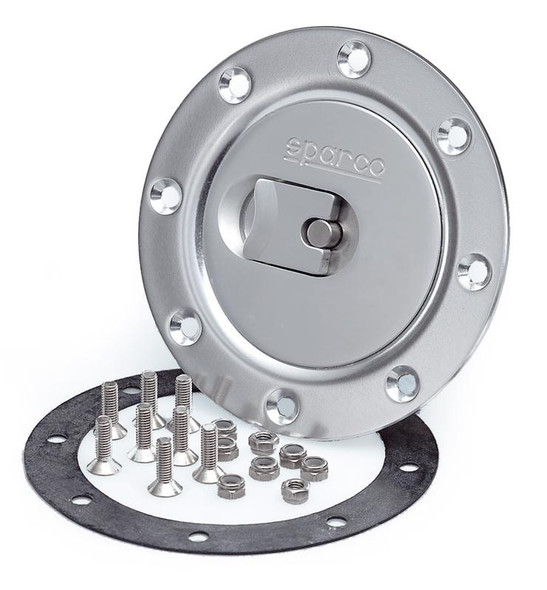

Sparco Fuel Cap Funnel - 27009G
SPARCO
$57.00Does this fuel cap fit my specific vehicle model?Confirming exact fitment is essential; consult your vehicle's specifications before purchasing this SPARCO fuel cap funnel.Is this fuel cap easy to install on my vehicle?Professional installation is...$57.00 -


Rugged Ridge 97-06 Jeep Wrangler Chrome Gas Tank Filler Bezel - 11135.25
Rugged Ridge
$19.49Will this fuel cap fit my 2005 Jeep Wrangler?Rugged Ridge Fuel Tank Caps are engineered for a direct fit on 1997-2006 Jeep Wrangler models.How long does installation typically take?Achieve a quick and easy installation thanks to direct fitment and all...$19.49 -
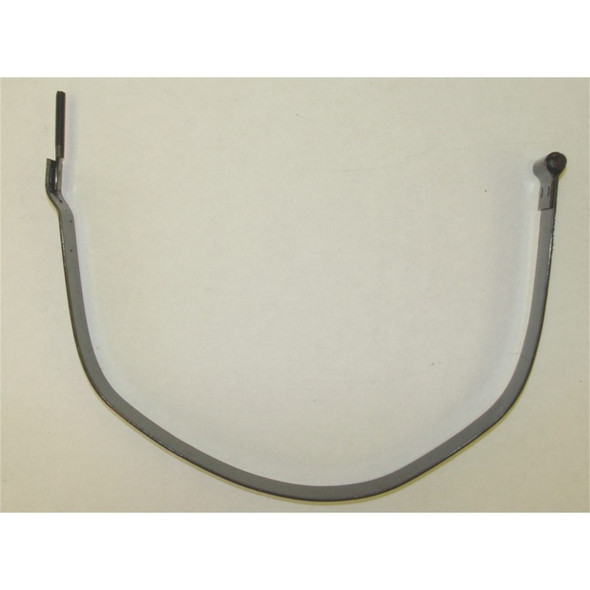
Omix Gas Tank Strap 72-95 Jeep CJ & Wrangler - 17739.01
OMIX
$23.98Omix proudly offers all the parts you need to keep your Willys/Jeep running like new with quality standards that always meet or exceed those of the factory part. This replacement gas tank strap fits 76-83 CJ5, 76-83 CJ7, 81-86 CJ8 and 87-95 Wrangler YJ...$23.98
Fuel caps are a critical sealing and venting interface between your fuel system and the atmosphere — a failed or wrong-spec cap can cause vapor lock, pressure imbalance, fuel starvation, or a dangerous leak under racing conditions. Motor Sport Mayhem stocks 63 fuel caps across 58 brands, covering everything from basic vented replacements to certified racing fuel cell caps built for FIA and NHRA compliance.
Our Top Picks for Fuel Caps
Each of these picks was selected by our in-house performance specialists based on engineering quality, application-proven reliability, and real-world value across street, track, and full race builds.
ACB Fuel Tanks
Acerbis | $436.73
High-density polyethylene construction with an integrated sealing cap engineered for off-road vibration resistance and extended-range capacity.
- Cap and tank system designed as a matched unit to eliminate fitment-related leak points under hard off-road use
AEM Fuel Pressure Regulators
AEM | $222.95
Adjustable rising-rate regulator with a billet aluminum body and viton seals rated for pump gas, E85, and methanol compatibility.
- Accurate pressure control from idle to redline protects injectors and prevents fuel delivery drop at peak demand
AER Fuel Systems
Aeromotive | $3,624.93
Brushless in-cell pump with an integrated surge tank and race-spec vented cap rated for sustained high-horsepower fuel demand.
- Cell cap design is engineered to maintain positive seal under lateral G-loading and fuel surge during aggressive cornering or drag launches
AFE ProGuard Fuel Filter
aFe | $74.00
High-flow diesel fuel filter with a dual-stage filtration media protecting injectors from particulate contamination that originates at the filler cap entry point.
- Paired with a quality sealing cap, this completes a contamination-free fuel delivery chain from fill to injector
ADG AirDog II-5G A/F Separator
AirDog | $854.00
Complete fuel-air separation system that removes entrained air and vapor before it ever reaches the injection pump — directly addressing fuel system pressure integrity.
- Air entrainment that enters through a poorly sealed or vented cap is eliminated before it causes injection pump cavitation
ABR Fuel Pump Kits
All Balls Racing | $310.11
Complete fuel pump module replacement built to OEM dimensional specs for sealed-system powersports applications where cap venting and tank pressure are tightly integrated.
- Designed for powersports tanks where the cap's venting spec is matched to the pump module's operating pressure range
AMS Flex Fuel Kit
AMS | $999.95
CAN-based flex fuel conversion kit with integrated fuel filter — built for high-ethanol content fuels that demand chemically resistant sealing throughout the entire system including the filler cap.
- Ethanol-compatible seals throughout the system make this a benchmark for E85 and flex fuel builds requiring total chemical resistance
ATS Fuel Regulators
ATS Diesel | $74.99
Electronic fuel regulator kit engineered to restore correct tank-to-injection pressure balance in high-mileage diesel systems where original sealing components have degraded.
- Addresses the downstream pressure instability that a degraded filler cap or tank vent can introduce into a diesel injection system
BBK Fuel Pump
BBK | $419.99
300 LPH in-tank fuel pump designed for modified engines where elevated fuel demand requires a sealed tank environment maintained by a correctly pressure-rated cap.
- High-flow pumps like this expose poorly sealed caps as weak points — pairing with a rated replacement cap is essential for system integrity
BDD Injection Pumps
BD Diesel | $883.95
Stock-exchange CP3 injection pump rebuilt to OEM tolerances — a reminder that protecting upstream components with proper tank sealing pays dividends in injection pump longevity.
- A correctly sealed and vented fuel cap prevents the moisture and contaminant ingress that accelerates CP3 pump wear
How to Choose the Right Fuel Caps
The fuel cap is the last line of defense between your fuel system and the outside environment — get it wrong and you're dealing with evaporative emissions failures, pressure imbalance causing hard starts, contamination ingress, or a fire risk at the worst possible moment. What separates a quality performance cap from a cheap replacement is the pressure relief valve calibration, seal material compatibility with modern ethanol-blend fuels, thread engagement depth, and — for race applications — compliance with sanctioning body safety requirements. A factory-spec cap typically vents at 1.0–1.5 PSI; racing fuel cell caps are non-vented or routed to a catch can. Understanding which type your application demands is the first decision to make.
Key Specifications
Seal material is the single most overlooked spec on a fuel cap. Standard NBR (nitrile) rubber seals are fine for conventional pump gasoline but degrade rapidly when exposed to E85 or methanol blends — look for caps with viton or EPDM seals if you're running any ethanol content above E10. A degraded seal doesn't just leak; it sheds particulate matter into the filler neck that can travel downstream to injectors and fuel pumps. This is especially critical when paired with high-flow fuel delivery components that have tighter contamination tolerances than OEM systems.
Pressure relief valve rating determines how your tank breathes. Street caps with integrated pressure-vacuum valves maintain a slightly pressurized fuel tank to suppress vapor formation, which matters most in hot-weather, high-altitude, or forced induction applications where fuel temperatures run elevated. For naturally aspirated street use, a standard 1.0–1.5 PSI cap is correct. Turbocharged and supercharged builds with boost-referenced fuel systems may require a higher-rated cap or a separate vented cap routed to a vapor canister to prevent pressurization mismatch. If you're building something with significant forced induction, review your forced induction system's full fuel pressure requirements before specifying a cap.
For race and track applications, the distinction between a vented and non-vented cap is a safety and rulebook issue, not just a preference. Most sanctioning bodies — NHRA, SCCA, FIA — mandate non-vented caps on fuel cells with all vapors routed through a catch can or rollover valve. Billet aluminum caps offer superior thread engagement (typically 3–4 threads minimum for positive lock) compared to plastic OEM-style caps, and many feature a locking mechanism to prevent accidental opening during competition. Thread pitch and cap diameter must match the filler neck or fuel cell opening precisely — even a half-millimeter misfit will compromise the seal under vibration.
Off-road applications introduce an additional challenge: debris intrusion. Caps used in desert racing, motocross, or overlanding environments need a dust-proof secondary seal, a positive locking bail or quarter-turn mechanism, and in many cases a tether to prevent loss during fueling at speed. The thread and seal must also withstand the constant vibration of rough terrain without backing off — a spec that plastic tabs and lightweight OEM caps routinely fail to meet over a full race season.
Fuel Cap Pressure Relief Rating vs. Application Guide
| Application Type | Recommended Cap Vent Rating | Seal Material | Cap Style |
|---|---|---|---|
| Daily Street / OEM Replacement | 1.0–1.5 PSI pressure-vacuum | NBR Nitrile (gas) / Viton (E10+) | Threaded plastic or billet with vent |
| Street Performance / E85 / Flex Fuel | 1.0–1.5 PSI pressure-vacuum | Viton or EPDM required | Billet aluminum, vented, ethanol-rated |
| Track Day / Autocross | Non-vented or 0.5 PSI relief | Viton | Billet locking, positive-seal quarter-turn |
| Drag Racing (fuel cell) | Non-vented, catch-can routed | Viton or PTFE-lined | Billet locking, NHRA-compliant, tethered |
| Off-Road / Desert Racing | Non-vented or rollover valve equipped | Viton, dust-sealed | Billet or high-density poly, bail-lock or quarter-turn |
| Road Race / Endurance (FIA) | Non-vented, FIA FT3/FT3.5 cell spec | Viton, FIA-approved compound | FIA-certified quick-fill or standard billet, tethered |
Price Guide
Entry ($1.16–$200): This tier covers direct OEM-equivalent replacements and basic vented caps for street vehicles — correct fitment, standard pressure ratings, and adequate sealing for stock or mildly modified fuel systems running conventional pump gasoline. Polymer-bodied caps with standard NBR seals dominate this range. Perfectly appropriate for daily drivers and powersports applications where the factory cap has simply worn out or been lost.
Mid-range ($200–$800): Where most performance enthusiasts land — billet aluminum construction, upgraded seal materials (viton standard at this tier), adjustable or application-specific venting, and broad fuel-type compatibility including E85 and methanol. This range also covers quality fuel system components like regulators and filters that work in conjunction with a properly sealed tank. Correct for street-performance, track day, and most drag racing builds.
Premium ($800–$6,439.78): Full race-specification fuel systems including FIA-certified fuel cells with integrated cap assemblies, professional-grade air-fuel separation systems, and high-output complete fuel delivery solutions for serious competition builds. The cap itself at this tier is often part of a certified complete system — the cost reflects total system engineering, safety certification, and race-proven reliability under extreme conditions where a failure is not an option.
Who Is This For?
Fuel caps serve applications ranging from daily-driven street cars needing a reliable OEM replacement all the way to sanctioned race builds where cap specification is written into the rulebook — here's where this category delivers strongest.
Engine Performance — 8.7/10
The highest-scoring use case in this category, and it makes technical sense: a properly sealed and correctly vented fuel cap is a prerequisite for consistent fuel pressure across the operating range. An improperly vented cap creates negative tank pressure under high fuel draw rates, which starves even the best high-flow pumps and injectors. For any engine build targeting significant power output, cap specification is part of the fuel system engineering process, not an afterthought.
Drag Racing — 8.2/10
Drag racing demands a non-vented, positively locked cap to prevent fuel movement and vapor loss during the violent acceleration of a launch — vapor escaping through a standard pressure-relief cap during staging or the run itself introduces inconsistency into an application where every variable is controlled. Sanctioning body compliance adds another layer of specificity: NHRA technical inspection includes fuel cap verification, and a non-compliant or poorly fitted cap is a tech failure. Billet locking caps with tether mounts are the standard solution at this level.
Racing Competition — 8.1/10
Across all forms of circuit and competition racing, the fuel cap sits at the intersection of safety, reliability, and rulebook compliance. Endurance racing introduces the additional demand of repeated high-speed fueling stops where the cap must seat correctly every single time under time pressure — a cap that requires multiple attempts to lock costs time and risks a spill. Quick-fill systems used in endurance and touring car racing often incorporate the cap as a precision-engineered component of the dry-break fueling interface.
Track / Autocross — 8.1/10
Lateral G-loading during aggressive cornering causes fuel to surge within the tank, which can pressurize or depressurize the cap seal depending on fuel level and tank geometry. A standard OEM cap with worn seals will pass fuel vapor or introduce air at the worst possible moment — mid-corner at high speed. Upgraded billet caps with viton seals and positive locking mechanisms eliminate this variable and are a low-cost, high-impact upgrade for any dedicated track build.
Street Performance — 7.8/10
Street performance vehicles benefit most from an upgraded cap when running alternative fuels — E85, E30, or methanol blends attack standard nitrile seals over time, causing premature seal failure, hydrocarbon odors in the cabin, and evaporative emissions non-compliance. A viton-sealed billet replacement cap is a straightforward fix that protects the entire fuel delivery system from the cap down. For turbocharged street builds, correctly rated venting also prevents boost-induced pressure from forcing the cap open under extreme manifold vacuum conditions.
Trusted Fuel Caps Brands We Carry
The brands that dominate this category have earned their position through engineering depth across full fuel system product lines — not just caps in isolation. Aeromotive brings decades of race-fuel-cell engineering to their cap specifications, with non-vented and quick-fill designs that meet NHRA and SCCA compliance standards. Acerbis has set the benchmark for off-road fuel tank and cap systems in motocross and adventure riding, with tank-and-cap assemblies built as sealed systems rather than interchangeable parts. Radium Engineering is known for precision billet fuel system components including surge tanks and filler assemblies where cap sealing is engineered to a tolerance spec, not a general guideline. Fuelab produces regulators and fuel system hardware where cap compatibility is factored into complete system design, particularly for high-ethanol applications. AirDog and Fleece Performance approach fuel system integrity from the diesel side, where tank sealing and cap venting directly affect injection pump longevity and air separation performance — both brands treat the cap as a functional system component, not a commodity replacement part.
Frequently Asked Questions
Are aftermarket gas caps OK to use?
Aftermarket fuel caps are not only acceptable but often superior to OEM replacements for performance and modified applications — the key is matching the cap's pressure rating, seal material, and thread specification to your tank or fuel cell opening. A quality aftermarket cap with viton seals and a calibrated pressure-vacuum valve will outlast a plastic OEM cap and provide more consistent sealing across a wider temperature range. Where aftermarket caps fail is when buyers choose based on appearance rather than spec — a decorative billet cap with a poorly machined thread engagement or incorrect vent rating introduces more problems than it solves. Always verify vent rating compatibility with your fuel system type before purchasing, particularly on forced induction or alternative-fuel builds.
Are aftermarket fuel pumps worth it?
For any modified engine operating beyond the fuel demand curve the OEM pump was sized for, an aftermarket fuel pump is not optional — it's a requirement for consistent power delivery. OEM pumps are sized to a specific maximum flow rate at a specific pressure, and when power modifications push demand past that threshold, the pump cannot maintain rail pressure, causing lean conditions that damage pistons and injectors. Quality aftermarket pumps from established brands flow significantly higher LPH ratings at operating pressure and are built from materials compatible with E85 and other aggressive fuels that degrade OEM pump internals. The real question isn't whether they're worth it — it's which flow rate your specific build requires, which should be calculated based on target horsepower and injector duty cycle, not guessed.
Are Aeromotive fuel pressure regulators good?
Aeromotive regulators are industry-standard equipment in serious performance and racing fuel systems — they're used in professional drag racing, road racing, and high-horsepower street builds globally because they deliver accurate, stable pressure across the full RPM and demand range. Their regulators are built from 6061-T6 billet aluminum, use viton seals as standard, and are available in both bypass and return-style configurations to match virtually any fuel system architecture. Adjustability range, port sizing, and material compatibility with E85 and methanol make them a top choice for builds that won't run standard pump gasoline. For a street car on pump gas, a quality OEM-equivalent regulator may be sufficient, but for any forced induction, high-flow, or alternative-fuel build, Aeromotive is a well-justified specification.
Are aftermarket fuel filters any good?
Quality aftermarket fuel filters exceed OEM filtration performance in most meaningful metrics — micron rating, flow capacity, and service life — when sourced from reputable manufacturers. OEM filters are sized for a specific flow rate and often sacrifice filtration depth for compact packaging; aftermarket units designed for performance applications prioritize both fine filtration and high flow to protect injectors without creating a pressure drop that starves the system. For high-flow fuel systems and diesel applications where injection pump and injector tolerances are extremely tight, a high-quality inline filter is mandatory, not optional. The key specification to check is the micron rating (lower is finer filtration) and the filter's rated flow capacity in LPH — it must exceed your pump's maximum output to avoid becoming a restriction point in the fuel delivery circuit.
Are aluminum fuel tanks better than steel?
Aluminum fuel tanks offer significant advantages for performance and racing applications: they're substantially lighter than equivalent steel tanks, resist corrosion without coatings or liners, and conduct heat away from fuel more effectively, which suppresses vapor formation under high-temperature conditions. The trade-off is that bare aluminum is vulnerable to stress cracking from vibration over time, which is why quality aluminum race tanks use thicker wall sections and reinforced baffling compared to steel units. For off-road and powersports applications, high-density polyethylene (HDPE) tanks have largely replaced both metals due to superior impact resistance and lighter weight, with the cap and sealing system engineered specifically for the tank material's expansion characteristics. Steel remains cost-effective for street applications where weight and corrosion resistance are not primary concerns, but for any serious performance build where total system weight matters, aluminum or composite is the correct choice.
Building something specific? Our performance specialists can help you select the right Fuel Caps for your application — street, track, or full race build.