
Engine Mounts
- Product
- Qty in Cart
- Quantity
- Price
- Subtotal
-

Twin Power 04-Up XL Motor Mount Replaces H-D 48492-04 Rear - 482934
TwinPower
$29.99These heavy-duty Motor Mount Bushings from Twin Power™ replace the stock front and rear isolator mounts on Harley-Davidson® Sportsters.Ideal to install during engine or chassis service for a tighter,...$29.99 -
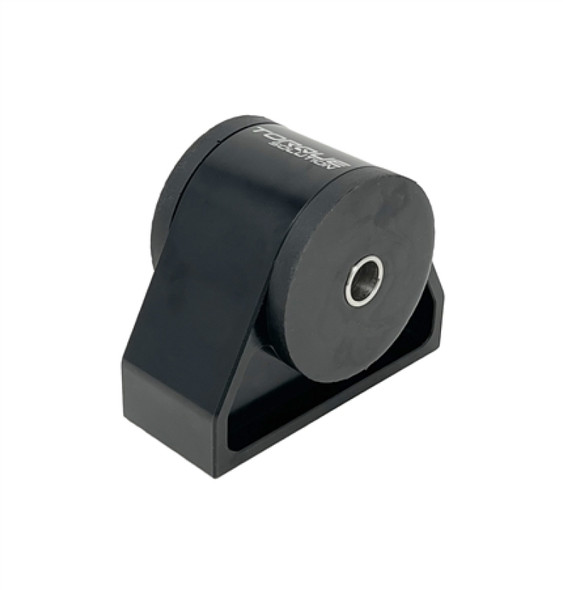
Torque Solution 2011+ Scion TC/TC2/TC2.5 Front Engine Mount - TS-TC-002.2
Torque Solution
MSRP: $149.99$124.98How do I know if these TQS Engine Mounts will fit my vehicle?Confirm exact fitment for your specific vehicle using our comprehensive compatibility checker before purchasing these TQS Engine Mounts.Is...MSRP: $149.99$124.98 -
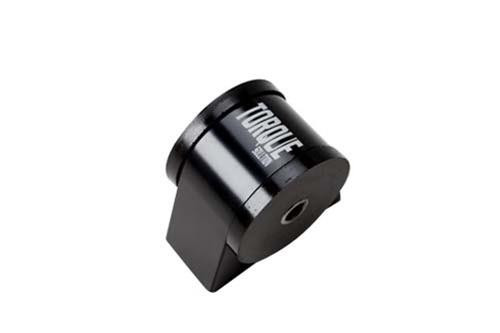

Torque Solution Front Engine Mount: Scion Tc 2005-10 - TS-TC-001
Torque Solution
MSRP: $133.32$111.09How do I install the TQS Engine Mounts?Professional installation is strongly recommended for these TQS Engine Mounts to ensure proper alignment and secure fitment on your 2005-2010 Scion tC.Will...MSRP: $133.32$111.09 -
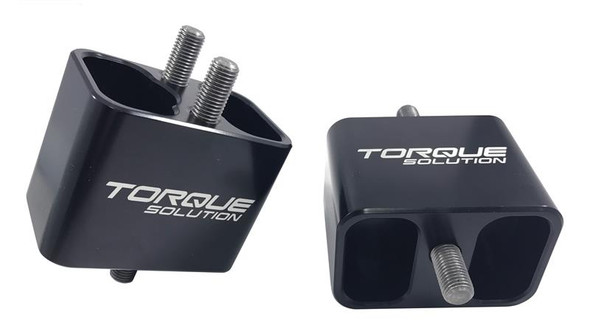

Torque Solution Solid Billet Engine Mounts: 02-14 Subaru WRX / 04-17 STI - TS-SU-200SB
Torque Solution
MSRP: $188.88$157.38What is the best way to install these engine mounts?Professional installation is recommended for these TQS engine mounts to ensure optimal performance and proper fitment for your Subaru WRX or STI...MSRP: $188.88$157.38 -


Torque Solution Aluminum Rear Engine Mount Kit - Ford 13+ Focus ST/12+ Focus - TS-ST-001
Torque Solution
MSRP: $133.32$111.09What is the main benefit of installing these engine mounts?Torque Solution engine mounts transform your driving experience with a more connected and responsive feel, eliminating unwanted engine...MSRP: $133.32$111.09 -


Torque Solution Billet Aluminum Engine Mount: Acura RSX 2002-2006 DC5 - TS-RSX-001
Torque Solution
MSRP: $177.77$148.12Will this engine mount fit my vehicle?Confirm specific vehicle fitment using our compatibility tool before purchasing to ensure perfect integration with your car's engine.Is professional installation...MSRP: $177.77$148.12 -

Torque Solution Rear Engine Mount 2014-2018 Mazda 3 - TS-MS-581
Torque Solution
MSRP: $149.99$124.98What is the expected lifespan of Torque Solution Engine Mounts?Torque Solution Engine Mounts are engineered for longevity, typically lasting significantly longer than stock components under...MSRP: $149.99$124.98 -


Torque Solution Aluminum Rear Engine Mount: MAZDASPEED3 Mazda3 - TS-MS-002
Torque Solution
MSRP: $142.21$118.50Will these engine mounts fit my 2010 Mazda 3?Confirming exact vehicle fitment through our compatibility checker is crucial before purchasing these engine mounts for your 2010 Mazda 3.How difficult is...MSRP: $142.21$118.50 -

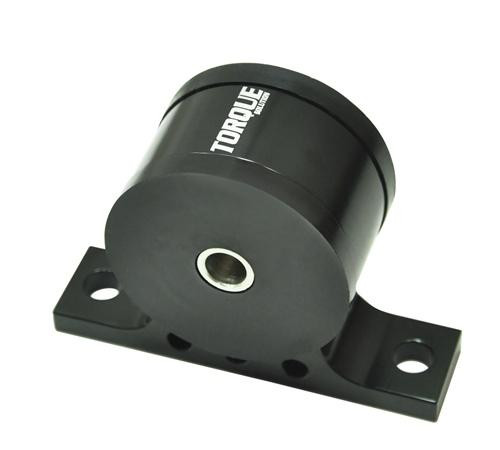
Torque Solution Lower Engine Mount: Mini Cooper 2007+ (R56) - TS-MC-R56
Torque Solution
MSRP: $166.65$138.86Will this engine mount fit my 2010 Mini Cooper?Torque Solution Lower Engine Mount is specifically designed to fit Mini Cooper models from 2007 onwards, including your 2010 R56.Do I need special tools...MSRP: $166.65$138.86 -


Torque Solution Lower Engine Mount: Mini Cooper 2002-2006 (R53) - TS-MC-R53
Torque Solution
MSRP: $166.65$138.86Do Torque Solution engine mounts require professional installation?Torque Solution recommends professional installation for this lower engine mount to ensure proper fitment and optimal performance on...MSRP: $166.65$138.86 -
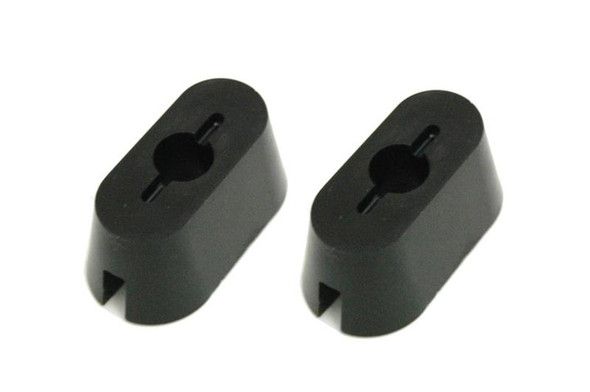
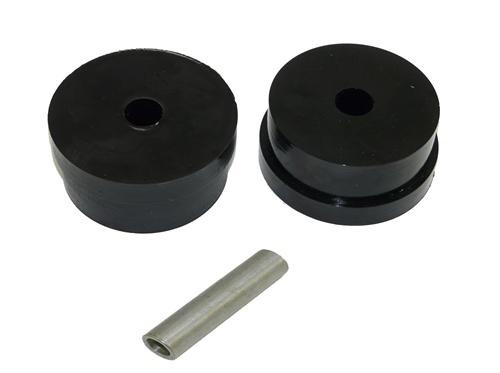
Torque Solution Lower Engine Mount Inserts: Kia Optima T-GDI 2011+ - TS-KIA-001
Torque Solution
MSRP: $49.99$41.65What is the primary benefit of TQS Engine Mount Inserts?TQS Engine Mount Inserts deliver a more connected driving feel by reducing engine movement for your Kia Optima.Are TQS Engine Mount Inserts...MSRP: $49.99$41.65 -

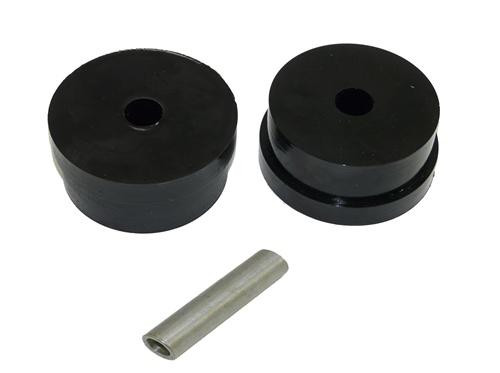
Torque Solution Lower Engine Mount Inserts: 11+ Hyundai Veloster - TS-HV-002
Torque Solution
MSRP: $49.99$41.65Will these TQS Engine Mount Inserts fit my 2015 Hyundai Veloster Turbo?These TQS Engine Mount Inserts are specifically engineered to fit your 2012-2015 Hyundai Veloster, ensuring precise integration...MSRP: $49.99$41.65
Engine mounts are the critical interface between your powertrain and chassis — they control torque reaction, limit drivetrain movement under load, and directly affect how power transfers to the wheels. Motor Sport Mayhem stocks 234 engine mount solutions across 161 brands, from street-friendly polyurethane upgrades to full billet race units built to handle sustained high-horsepower abuse.
Our Top Picks for Engine Mounts
Each of these products was hand-selected based on performance credentials, material quality, and proven results across street and competition builds.
ACL Race Series Main Bearings
ACL | $329.72
Tri-metal construction with extra oil clearance delivers superior load capacity and film strength under sustained high-RPM conditions.
- Extra oil clearance specification supports high-flow oil systems and forced induction builds where bearing wash-out is a real risk
ACT Pilot Bearing
ACT | $17.00
A precision-fit pilot bearing that keeps input shaft alignment true under the elevated clamp loads of performance clutch systems.
- Engineered to handle the additional radial load introduced by high-clamp-load pressure plates that exceed OEM pilot bearing ratings
AON Clutch Components
Action Clutch | $89.69
A universal race pedal stop that eliminates clutch pedal over-travel and sharpens engagement feel for consistent lap-to-lap performance.
- Adjustable design allows precise engagement point tuning regardless of master cylinder or firewall geometry
AEM Wiring Connectors
AEM | $430.95
K-type thermocouple kits provide accurate high-temperature sensing essential for monitoring oil, coolant, and exhaust temps in performance applications.
- K-type sensors are accurate across a -200°C to +1250°C range, making them suitable for both underhood and exhaust-side monitoring
AER Wiring Kits
Aeromotive | $358.52
A 60-amp deluxe wiring kit engineered to handle the sustained current draw of high-output fuel pumps without voltage drop or heat buildup.
- Includes relay, fuse, and properly gauged wire to maintain stable pump voltage at full load — critical for consistent fuel pressure at peak power
AFE PFADT Mount Set
aFe | $660.00
The PFADT series transmission mount set uses high-durometer polyurethane to eliminate drivetrain slop while retaining enough compliance for street use.
- Polyurethane durometer is specifically tuned to reduce power-robbing drivetrain movement without transmitting the full NVH penalty of solid billet mounts
ALF Wiring Harness
Air Lift | $97.23
A second-generation wireless air management harness that enables clean, reliable integration of air suspension control without routing exposed wiring.
- Plug-and-play connector architecture reduces installation time and eliminates field-wired splice points that are common failure locations on competition vehicles
ABR CVT Belts
All Balls Racing | $200.40
A high-strength CVT drive belt engineered to handle the sustained torque spikes of performance off-road CVT applications without delamination or belt slip.
- Aramid-reinforced cog construction resists the heat cycling and centrifugal stress that destroys OEM CVT belts under aggressive use
ARX Tail Light Converters
AlphaRex | $395.00
LUXX series LED tail lights provide a direct OEM-quality housing replacement with significantly improved light output and modern sequential turn signal capability.
- Plug-and-play harness integration means no load resistors or additional wiring are required to prevent hyper-flash on modern CAN-bus electrical systems
PA Alta Crank Pulley
Alta | $129.20
A lightened crank pulley that reduces rotational mass at the crankshaft nose, improving throttle response and freeing measurable power across the RPM range.
- Machined from billet aluminum to OEM dimensional tolerances, ensuring proper belt tracking and eliminating the runout issues common to poorly manufactured underdrive pulleys
How to Choose the Right Engine Mounts
The core decision in any engine mount selection comes down to one trade-off: isolation versus precision. OEM rubber mounts are designed to absorb vibration and protect the cabin from NVH, but that same compliance allows the engine and transmission to shift under torque load — blurring throttle response, stressing drivetrain components, and robbing measurable power from the wheels. Upgraded mounts shift that balance toward rigidity, and how far you go depends entirely on how the vehicle is used.
Key Specifications
Material determines everything. Polyurethane is the most common performance upgrade material — durometer ratings typically range from 60A (street-friendly, minimal NVH increase) to 95A (near-solid, significant vibration transmission). Billet aluminum or steel solid mounts eliminate compliance entirely and are reserved for dedicated race vehicles where NVH is irrelevant. Hybrid designs use polyurethane inserts in a billet housing to split the difference. For street-driven performance builds, 70A–80A polyurethane is generally the sweet spot: meaningfully stiffer than rubber without the fatigue and rattling that comes with full solids.
Fitment tolerance is critical. Mount housings must align the powertrain to factory datum points — even minor misalignment introduces driveshaft angularity issues, accelerates CV joint wear, and can induce vibration that gets misdiagnosed as a balance problem. Quality mounts are machined or molded to tight dimensional tolerances and should require no modification to install. If a mount requires slotting or shimming to fit, it was not engineered for your specific application and will cause problems downstream.
For forced induction and high-torque builds, torque reaction management becomes especially important. Under hard acceleration, a compliant mount allows significant powertrain rotation — this is measurable as wheel hop, torque steer, and inconsistent launch behavior. Stiffer mounts dramatically reduce this movement, which is why drag racers and autocross competitors almost universally run solid or near-solid mount setups. The trade-off on a daily-driven car is increased cabin vibration at idle and low speeds, which is the honest cost of that precision.
Inspect mount hardware as part of the selection process. Bolts, sleeves, and through-bolt specifications matter as much as the mount itself. Many performance mount kits include grade-8 or equivalent fasteners — if the kit you're evaluating uses OEM-spec hardware, upgrade it. A mount torqued with under-spec fasteners will still flex, defeating the purpose of the upgrade. Also verify whether your application requires a transmission mount, torque arm, or combination kit — addressing only one mounting point in a multi-mount system leaves the remaining soft points as the limiting factor.
Engine Mount Durometer and Application Guide
| Mount Type / Durometer | NVH Impact | Torque Compliance | Best Application |
|---|---|---|---|
| OEM Rubber (40A–55A) | None — full isolation | High — significant powertrain movement | Factory comfort, unmodified vehicles |
| Street Polyurethane (60A–70A) | Minor — slightly increased idle vibration | Moderate — noticeable improvement over OEM | Street performance, lightly modified builds |
| Performance Polyurethane (75A–85A) | Moderate — perceptible at idle, acceptable on road | Low — minimal powertrain shift under load | Dual-purpose street/track, forced induction street builds |
| Race Polyurethane (90A–95A) | High — significant vibration transmission | Very low — near-solid feel | Track cars, time attack, high-output builds with limited street use |
| Solid Billet (aluminum/steel) | Maximum — full vibration transmission | None — zero compliance | Dedicated race vehicles, drag cars, off-road competition |
| Hybrid (billet housing + poly insert) | Low to moderate — tunable by insert swap | Low — adjustable with different insert hardness | Enthusiast builds needing adjustability, club racing |
Price Guide
Entry ($1.19–$130): This range covers individual bushings, pilot bearings, hardware kits, and single-point replacement mounts — useful for targeted OEM replacements or supplementing an existing upgrade kit. Quality varies significantly at this price point; prioritize fitment verification and material specification over price alone.
Mid-range ($130–$500): The majority of serious enthusiast builds land here — complete polyurethane or hybrid mount sets, billet torque arms, and application-specific transmission mount kits. This is where you find the best performance-per-dollar ratio, with engineered fitment, proper durometer specs, and inclusion of quality hardware. Most street performance and dual-purpose track builds are fully served by this tier.
Premium ($500–$11,495.95): Full billet solid mount systems, complete powertrain cradle setups, and application-specific race mount solutions built to withstand sustained high-horsepower and high-shock-load environments. The upper end of this range targets professional race teams, engine swap builds requiring custom cradle fabrication, and off-road competition vehicles where mount failure under load is a safety issue. If you're at this price point, you know exactly why you're here.
Who Is This For?
Engine mounts serve a wide spectrum of performance applications — from mild street upgrades to full race-prepared builds — and the usage data across our catalog reflects just how broadly this category spans.
Engine Performance — 8.5/10
Engine mounts score highest in pure engine performance applications, and for good reason: reducing powertrain movement under load directly improves how efficiently power reaches the drivetrain. With 185 products rated for this use case, it's the category's strongest suit. Whether you're building for peak power or consistent power delivery, mount rigidity is a foundational component that amplifies every other engine upgrade you've made.
Racing Competition — 8.2/10
Competition builds demand consistent, predictable powertrain behavior lap after lap, and soft mounts are one of the first things experienced race builders replace. The 191 products rated for this application reflect the depth of solid and near-solid options in the catalog. On a race car, NVH is irrelevant — what matters is that the engine stays exactly where it was aligned, every time, under every load condition.
Track / Autocross — 8.2/10
Autocross in particular punishes soft mounts — the rapid direction changes and abrupt power application cycles that define the discipline amplify every bit of powertrain compliance into lap time. With 181 products suited for this use case, the category covers everything from polyurethane street/track crossover options to near-solid setups for dedicated autocross cars. This is one of the highest-ROI upgrades in any autocross build.
Drag Racing — 8.2/10
Launch forces in drag racing place maximum torque reaction stress on engine and transmission mounts simultaneously — it's the single most violent load case any mount will experience. The 147 drag-rated products in this category include solid billet units, dedicated torque arm setups, and transmission mount kits engineered specifically for the sustained abuse of repeated high-horsepower launches. For serious drag builds, anything less than near-solid mounts is leaving consistency on the table.
Street Performance — 7.6/10
Street performance scores slightly lower not because the products are less capable, but because the application demands a balance between performance and daily usability. The 196 products in this use case skew toward polyurethane options in the 60A–80A range — stiff enough to noticeably sharpen throttle response and reduce drivetrain slop, but not so rigid that the vehicle becomes unpleasant to drive in traffic. This is the largest segment of the catalog and serves the broadest customer base.
Trusted Engine Mounts Brands We Carry
The brands that dominate this category have earned their positions through engineering rigor, application-specific development, and proven performance under real race conditions. aFe Power's PFADT series represents one of the most well-documented performance mount programs in the market, with dyno-verified results and a strong following in the sports car community. ACL brings decades of OEM supplier credibility to their race series bearing and mount components, with tri-metal and bi-metal constructions that meet or exceed factory specifications. Action Clutch and ACT both deliver drivetrain interface components — pilot bearings, clutch hardware, and pedal assemblies — that are engineered specifically for the elevated loads of performance clutch systems. Alta Performance has a long track record of precision-machined powertrain components, and All Balls Racing has built a reputation for reliability in the demanding world of off-road and powersports competition. Aeromotive rounds out the catalog with fuel system support hardware built to the same exacting standards as their primary fuel delivery components — because a properly mounted fuel system is as important as the pump itself.
Frequently Asked Questions
Are 2-piece or 3-piece crankshafts better for performance builds?
For most high-performance street and race applications, a 3-piece forged crankshaft is the preferred choice. The 3-piece designation typically refers to the crank counterweight and journal configuration, which provides better mass distribution and reduced flex under high-RPM, high-load conditions. 2-piece cranks are simpler and lighter, which can benefit specific engine configurations where rotational mass reduction is prioritized over absolute rigidity. In forced induction and high-compression race builds, the structural advantage of a 3-piece forged unit generally outweighs the marginal weight penalty. The correct answer ultimately depends on your power target, engine architecture, and the specific stress profile of your application.
Are ACL or King bearings better?
Both ACL and King Engine Bearings are legitimate, high-quality options used in professional race programs — the choice between them often comes down to application-specific clearance requirements and personal builder preference. ACL's race series uses a tri-metal construction with a copper-lead overlay that provides excellent conformability and embeddability, meaning it tolerates minor contamination without scoring the journal. King's performance line emphasizes tight dimensional tolerances and uses a proprietary coating on select applications that reduces friction during initial startup — the most bearing-critical moment in any engine cycle. For most builds, both will outlast the rest of the engine if installed with proper clearances and adequate oil pressure. Where builders differ is in high-boost, high-load applications: some prefer King's tighter tolerances, others rely on ACL's proven track record in endurance racing.
Are ACL race bearings coated, and does the coating matter?
ACL's race series bearings are available in standard and coated configurations depending on the specific application and series. The coating — typically a polymer or PTFE-based layer — reduces boundary friction during cold starts and low-oil-pressure transients, which is where the majority of bearing wear actually occurs in high-performance engines. In a properly built engine with adequate oil pressure and correct clearances, the coating provides an additional layer of protection rather than compensating for a poorly designed oiling system. For street-driven performance cars that experience frequent cold starts, the coated option is a worthwhile investment. On a dedicated race engine that reaches operating temperature on the warm-up lap before any significant load is applied, the delta between coated and uncoated is measurably smaller.
Are aftermarket head gaskets better than OEM?
For stock or mildly modified applications, OEM head gaskets are engineered to specification and will perform reliably — they are not the weak link. Where aftermarket head gaskets demonstrate clear superiority is in high-boost, high-compression, and high-heat applications where OEM multi-layer steel (MLS) gaskets are not designed to hold. Quality aftermarket MLS gaskets from reputable manufacturers use additional steel layers, tighter fire-ring tolerances, and surface coatings that improve sealing under elevated cylinder pressures. The critical requirement for any MLS gasket — OEM or aftermarket — is proper surface finish on the mating surfaces, typically 60–125 Ra microinches; rougher or smoother surfaces both compromise the seal. On a built engine making significantly more power than stock, a quality aftermarket head gasket paired with ARP head studs is one of the most reliable investments you can make in long-term engine integrity.
Are aftermarket ignition coils worth it over OEM replacements?
Aftermarket ignition coils are worth the investment in specific contexts — primarily forced induction builds and high-compression naturally aspirated engines where spark energy demand exceeds what OEM coils were designed to deliver. Under boost, the increased cylinder pressure requires significantly more voltage to reliably fire the spark plug gap, and OEM coils running at their thermal and electrical limits will misfire before the engine reaches full power. High-output aftermarket coils increase both primary saturation current and secondary voltage, producing a stronger, longer-duration spark that fires reliably even under elevated cylinder pressure. For a stock or lightly modified naturally aspirated application, quality OEM-spec replacement coils from a reputable supplier will perform identically to the factory parts without the cost premium. The upgrade becomes genuinely necessary — not optional — when you're running more than approximately 15–20 PSI of boost or have increased compression ratios beyond factory specification.
Building something specific? Our performance specialists can help you select the right Engine Mounts for your application — street, track, or full race build.