
Release Bearings
- Product
- Qty in Cart
- Quantity
- Price
- Subtotal
-

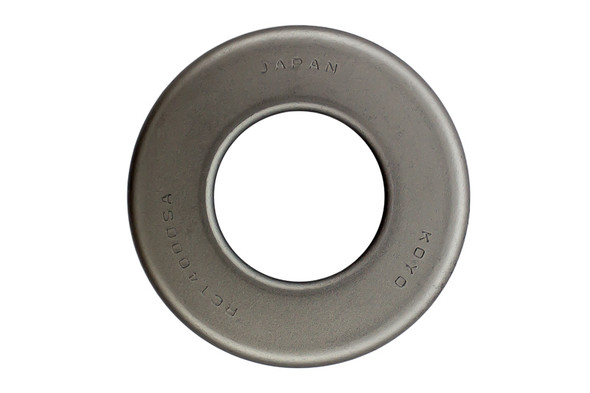
ACT 2003 Nissan 350Z Release Bearing - RB130
ACT
MSRP: $77.00$64.00What is the primary function of a release bearing?Release bearings disengage the clutch disc from the flywheel, allowing smooth gear changes and proper clutch operation in your vehicle.How difficult is it to install an ACT Release Bearing?Professional...MSRP: $77.00$64.00 -


ACT 1997 Ford Probe Release Bearing - RB110
ACT
MSRP: $86.00$70.00How long will the ACT Release Bearing last?ACT Release Bearings meet or exceed OE standards, ensuring dependable clutch performance and longevity for your Escort/Probe or Mazda.Is the ACT Release Bearing easy to install?Professional installation is...MSRP: $86.00$70.00 -


ACT 2000 Honda S2000 Release Bearing - RB105
ACT
MSRP: $161.00$130.00What is a release bearing and what does it do?A release bearing disengages the clutch from the flywheel, enabling gear changes and ensuring smooth clutch operation within your Honda S2000.How difficult is it to install ACT release bearings?Professional...MSRP: $161.00$130.00 -

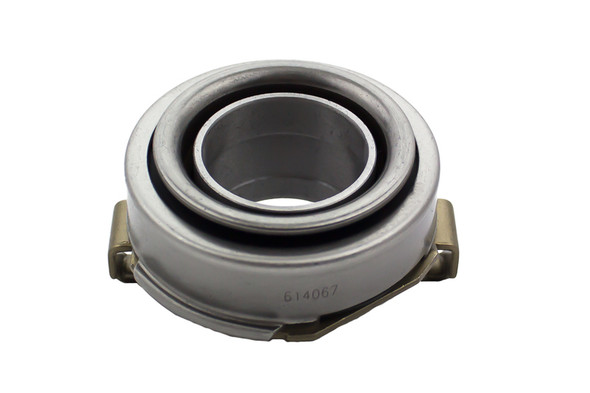
ACT 1996 Kia Sephia Release Bearing - RB091
ACT
MSRP: $56.00$47.00Are ACT Release Bearings compatible with my vehicle?ACT Release Bearings are designed as direct-fit components; confirm precise fitment for your specific vehicle application before purchase.How difficult is it to install an ACT Release Bearing?Installing...MSRP: $56.00$47.00 -

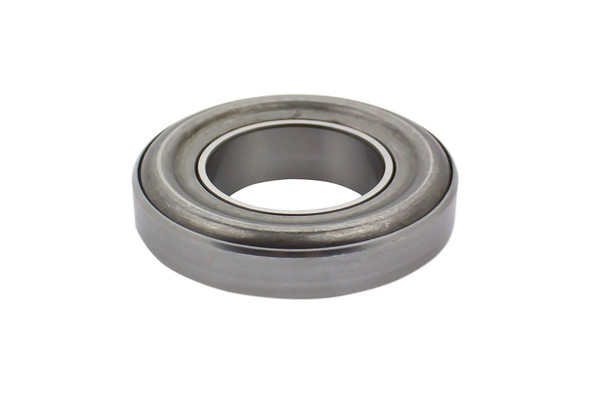
ACT 1987 Nissan 200SX Release Bearing - RB016
ACT
MSRP: $26.00$23.00What vehicles does the ACT Release Bearing fit?ACT Release Bearings fit 1975-1998 Nissan 200SX, 240SX, and 280Z, plus nine additional models, ensuring precise fitment for your application.How difficult is it to install an ACT Release Bearing?Professional...MSRP: $26.00$23.00 -

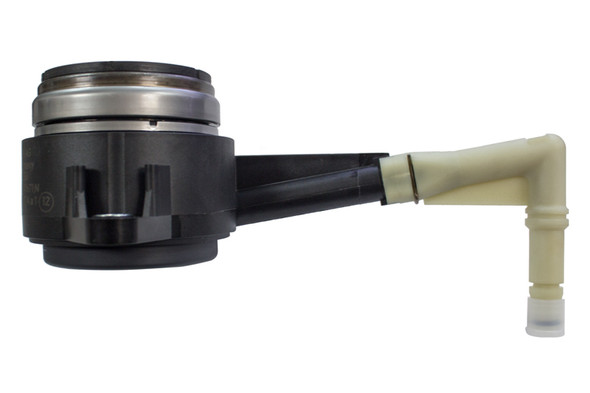
ACT 15-17 Volkswagen GTI/Golf R Release Bearing - RB011
ACT
$96.00Does the ACT Release Bearing fit my 2016 Volkswagen GTI?This ACT Release Bearing is engineered to fit the 2015-2024 Volkswagen Golf R/GTI, ensuring precise clutch operation.How long will it take to install my ACT Release Bearing?Professional installation...$96.00 -

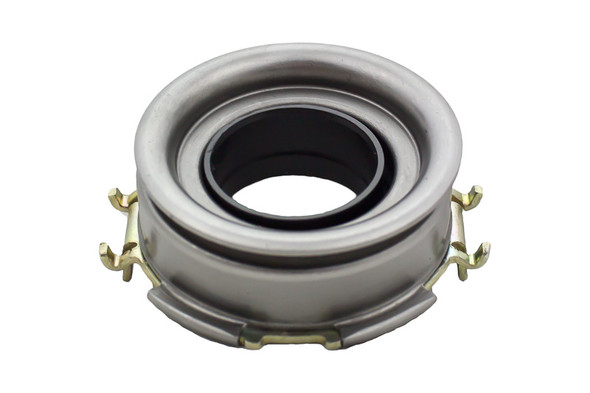
ACT 2013 Scion FR-S Release Bearing - RB004
ACT
MSRP: $65.00$55.00What is the typical lifespan of a clutch release bearing?Release bearings often last the lifetime of the clutch assembly, but their lifespan depends heavily on driving habits and maintenance.Is a clutch release bearing a wear item?Yes, release bearings...MSRP: $65.00$55.00 -
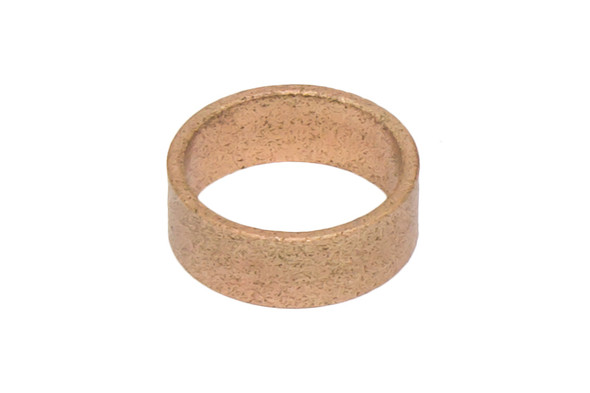

ACT 90-01 Honda Accord/Prelude Pilot Bearing - PB1008
ACT
$15.57PB1008 is a high quality replacement bushing that is placed in the end of the crankshaft or in the center of the flywheel, depending on the vehicle. It is used to support the end of the transmission input shaft.Installation...$15.57 -
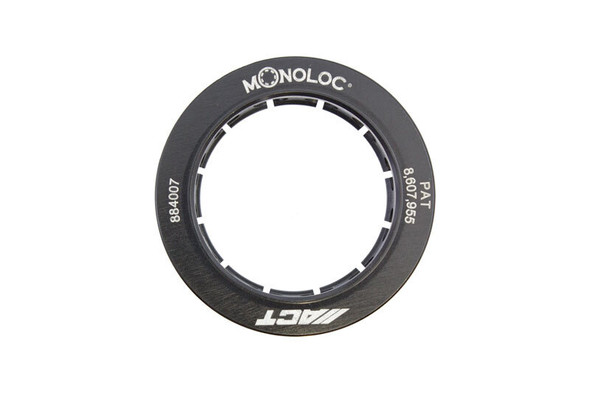

ACT 2008 Mitsubishi Lancer Monoloc Collar - 884007P
ACT
MSRP: $123.00$100.00What makes the ACT Monoloc Collar a superior replacement for stock clutch collars?ACT Monoloc Collar eliminates two-piece wedge collar issues with its spring tensioned, one-piece hardened chrome-moly steel design for optimal clutch performance.Can I...MSRP: $123.00$100.00 -
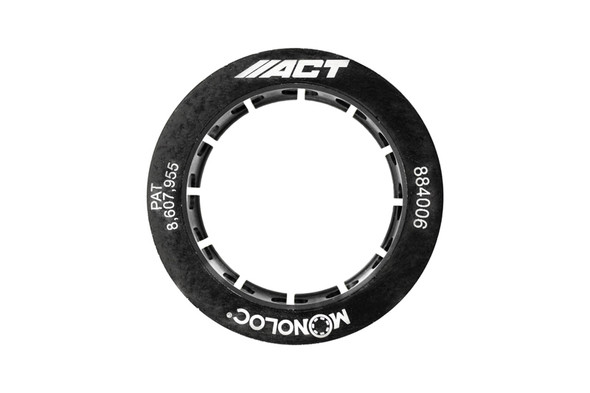

ACT 2002 Subaru Impreza Monoloc Collar - 884006P
ACT
$85.00How do I know if the ACT Monoloc Collar is compatible with my vehicle?Confirm precise fitment using ACT's detailed vehicle compatibility tool before installation to ensure seamless integration with your specific clutch system.Is the ACT Monoloc Collar a...$85.00
A release bearing — also called a throw-out bearing — is the single mechanical interface between your clutch pedal input and the pressure plate, and its quality directly determines clutch feel, engagement precision, and how long your entire clutch system lasts under load. Motor Sport Mayhem stocks 66 in-stock release bearings and clutch system components spanning $1.99 to $4,999.99, sourced from race-proven brands that supply everything from daily drivers to full competition builds.
Our Top Picks for Release Bearings
Every item below was selected based on demonstrated performance value, materials engineering, and proven results across street, track, and race applications.
ACT Mod-Twin Kits
ACT | $2,104.00
A complete twin-disc race clutch system engineered to handle extreme torque loads that destroy conventional single-disc setups.
- Sprung mono drive hub design reduces driveline shock and protects transmission input shaft bearings under aggressive launches
AON Clutch – Twin 7.25in
Action Clutch | $1,377.45
A compact 7.25-inch twin-disc race clutch paired with a chromoly flywheel for faster rev response and maximum holding capacity in a small-diameter package.
- Chromoly flywheel reduces rotational mass while maintaining the structural integrity needed for high-RPM clutch engagement
AFE Diff/Trans/Oil Covers
aFe | $430.00
Machined billet transmission pan cover that increases fluid capacity and lowers operating temperatures in high-load drivetrain applications.
- Precision-machined finish improves sealing reliability over stamped OEM covers, especially critical under sustained towing or track use
ABR Prop Shafts
All Balls Racing | $790.35
Heavy-duty prop shaft assembly built to withstand the torsional stress and impact loading that destroys OEM shafts in off-road and performance applications.
- Upgraded material spec and tighter manufacturing tolerances eliminate the slop and vibration common in worn or underpowered OEM shafts
AMS Master Cylinder Conversion
AMS | $494.95
A complete clutch master cylinder conversion that resolves hydraulic pressure inconsistency and improves clutch pedal feel for high-performance clutch systems.
- Addresses the hydraulic flow limitations of factory master cylinders that become the weak link when upgrading to high-clamp pressure clutch assemblies
ARB Air Locker Kits
ARB | $2,604.95
A pneumatically actuated locking differential system that delivers on-demand 100% torque lock with factory-level on-road behavior when disengaged.
- Air actuation provides instantaneous lock engagement without the lag or heat buildup associated with friction-based limited-slip systems
ART Easy Link Kit
Artec Industries | $1,484.99
A geometry-corrected three-link suspension kit with gusset-adjustable upper links that maintains proper pinion angle throughout the full range of suspension travel.
- Outside-frame offset design preserves ground clearance while delivering the structural rigidity required for high-articulation off-road use
ATS Flex Plates
ATS Diesel | $804.99
An SFI-certified billet flexplate engineered to handle the harmonic stress and rotational loads that crack and destroy OEM stamped flexplates in high-torque diesel applications.
- SFI 29.3 certification ensures the flexplate meets sanctioned racing safety standards for high-RPM containment in competition use
GBE Diff Covers
Banks Power | $425.00
A ram-air differential cover with integrated cooling design that actively reduces differential fluid temperature under sustained high-load driving conditions.
- Thermodynamic cover geometry channels airflow directly across the housing, measurably extending gear oil service life and reducing thermal wear on ring-and-pinion sets
BBK Clutch Cable & Firewall Adjuster
BBK | $169.99
An adjustable clutch cable and firewall adjuster kit that restores correct release bearing engagement geometry on cable-actuated clutch systems running aftermarket components.
- Firewall adjuster allows precise bite-point tuning that compensates for clutch disc wear and pressure plate height variation over the component's service life
How to Choose the Right Release Bearings
The release bearing sits between the clutch fork or concentric slave cylinder and the pressure plate fingers, and it spins against the diaphragm spring every single time you press the clutch pedal — meaning material quality, lubrication design, and dimensional accuracy are non-negotiable. Cheap stamped-steel bearings with inadequate grease retention fail under the sustained high-cycle operation of track or aggressive street use; quality units use precision-ground angular contact or radial ball bearings with sealed, high-temperature grease packs designed to survive heat soak from clutch disc friction. The failure mode is almost always the same: spalling on the ball track, collapse of the cage, or grease purge from heat cycling — all of which cause chatter, grinding, and ultimately a destroyed pressure plate if left unchecked.
Key Specifications
The first specification to confirm is actuation type: mechanical (cable or rod-actuated via clutch fork) versus hydraulic (concentric slave cylinder, or CSC, that acts as both slave and release bearing in one unit). These are not interchangeable — the entire bearing geometry, bore diameter, and travel spec is different between the two systems. Mismatching actuation type to your clutch fork or hydraulic line means the bearing will either not fully release the pressure plate or will over-travel and damage the diaphragm spring fingers.
Inner bore diameter and overall height are the critical dimensional specs for mechanical release bearings. The bore must match your input shaft collar diameter — typically within 0.001 to 0.003 inch tolerance for smooth, rattle-free operation. Height determines how the bearing contacts the pressure plate fingers at rest; too short and you get premature contact drag, too tall and you get insufficient travel to fully release the clutch. For hydraulic concentric slave cylinders, piston bore diameter determines hydraulic pressure ratio relative to your master cylinder, which directly controls pedal effort and engagement feel.
For performance and racing applications, look for full-face contact designs over fingers-only contact, forged or billet carrier construction over stamped steel, and sealed bearing units rather than open-race designs that require periodic re-greasing. High-clamp-load pressure plates — common in twin-disc and stage 3+ clutch kits — place significantly more axial load on the release bearing than OEM systems, which is why matching the bearing's dynamic load rating to the pressure plate's clamp force is not optional in serious builds. Most OEM-replacement release bearings are rated for clamp loads in the 800–1,200 lb range; high-performance clutch systems can demand 1,500–2,500 lb or more of sustained axial load.
When upgrading your clutch system, always replace the release bearing as a unit — never reuse a worn bearing against new pressure plate fingers. The surface finish on new diaphragm spring fingers has a defined break-in geometry, and a worn bearing will cause uneven loading that accelerates finger wear and reduces clutch feel precision. The drivetrain is only as reliable as its weakest interface, and the release bearing is that interface.
Release Bearing Load Rating vs. Clutch Application
| Clutch Stage / Type | Clamp Load Range | Recommended Bearing Dynamic Load Rating | Typical Application |
|---|---|---|---|
| OEM / Stage 1 Street | 800–1,100 lbs | 4–6 kN dynamic | Daily driving, mild street performance |
| Stage 2 Performance | 1,100–1,500 lbs | 6–9 kN dynamic | Street performance, occasional track days |
| Stage 3 Heavy Duty | 1,500–2,000 lbs | 9–14 kN dynamic | Aggressive street, autocross, drag strip |
| Stage 4 / Single Race Disc | 2,000–2,600 lbs | 14–20 kN dynamic | Road racing, time attack, dedicated track use |
| Twin Disc Race | 2,600–3,500 lbs | 20–28 kN dynamic | High-horsepower drag and circuit racing |
| Triple Disc / Pro Race | 3,500+ lbs | 28+ kN dynamic | Top-level competition, unlimited class drag racing |
Price Guide
Entry ($1.99–$180): This range covers OEM-replacement and direct-fit release bearings for standard passenger car applications — adequate for daily drivers running stock or mild stage 1 clutch setups. Expect stamped steel carriers, open or semi-sealed bearings, and load ratings appropriate for factory clamp pressures. These are the right choice when you're replacing a worn unit on an otherwise stock drivetrain and not adding power.
Mid-range ($180–$700): The performance sweet spot where most enthusiasts and track-day drivers land. This range delivers sealed high-temperature bearings, precision-ground carriers, and load ratings that keep pace with stage 2 and stage 3 clutch kits. Hydraulic CSC units in this bracket typically include upgraded seals, larger piston bores for improved pedal feel, and materials that tolerate the thermal cycles of repeated hard driving without seal failure.
Premium ($700–$4,999.99): Complete clutch system assemblies, twin-disc and triple-disc race kits, billet concentric slave systems, and full hydraulic conversion packages live in this bracket. The release bearing engineering in these systems is purpose-built for sustained high-load, high-temperature, high-cycle racing use — think forged carriers, angular contact race bearings, and load ratings that match the 2,500+ lb clamp forces of serious competition clutch assemblies. If you're running a built engine pushing 500 hp or more to a manual transmission, this is where your clutch system budget needs to be.
Who Is This For?
Release bearings and clutch system components serve a wide range of builders, from daily commuters needing a reliable OEM replacement to full-competition racers requiring race-grade hydraulic engagement systems.
Drag Racing — 8.1/10
Drag racing places the most severe single-event stress on a release bearing of any motorsport discipline — a hard launch at high RPM delivers an instantaneous axial shock load that can exceed the dynamic rating of an OEM-spec bearing in a single event. The 8.1/10 score reflects how critical a properly rated release bearing is for consistent, repeatable clutch engagement at the line. Twin-disc and triple-disc systems common in drag applications demand bearing assemblies specifically engineered for high clamp loads and rapid thermal cycling between rounds.
Racing Competition — 8.0/10
Circuit racing and sanctioned competition score 8.0/10 because release bearing failure mid-race is a DNF — there is no recovery once the bearing collapses under the sustained shifting cycles of a race stint. Competition-grade release bearings in this context must maintain precise engagement feel across an entire race distance while withstanding continuous heat soak from both the clutch assembly and the surrounding drivetrain. Hydraulic concentric slave cylinder units are preferred in most circuit applications for their consistent pedal feel and reduced mechanical complexity versus fork-and-cable systems.
Track / Autocross — 7.8/10
Track day and autocross use scores 7.8/10 — slightly below pure racing because these applications typically involve a vehicle that also sees street miles, which means the release bearing must perform across a broader operating range. The repeated high-speed engagement cycles of autocross are harder on release bearings than most drivers expect, particularly when running high-clamp performance clutches that place more constant load on the bearing face between shifts. A quality stage 2 or stage 3 release bearing assembly handles this use case well without requiring full race-spec components.
Street Performance — 7.7/10
Street performance scores 7.7/10, driven by enthusiasts who run upgraded clutch kits and want a release bearing that delivers consistent pedal feel and won't fail prematurely under spirited driving. The key consideration here is matching the bearing's load rating to the upgraded pressure plate — the most common failure point in street performance clutch builds is reusing an OEM release bearing against a stage 2 or stage 3 pressure plate with significantly higher clamp force. A properly spec'd performance release bearing in this application will outlast the clutch disc itself.
Weekend Off-Roading — 7.7/10
Off-road use also scores 7.7/10, where the challenge isn't high-RPM load but rather low-speed clutch feathering over technical terrain — a technique that holds the release bearing in partial contact with the pressure plate fingers for extended periods, generating sustained heat and accelerated wear. Sealed bearing units with high-temperature grease retention are essential for off-road use, where dust ingestion and water intrusion further compromise bearing life. Prop shafts, differential components, and the broader drivetrain all interact with clutch system health in off-road builds.
Trusted Release Bearings Brands We Carry
The brands that dominate this category earned their position through engineering depth, not marketing — ACT has over 30 years of OEM-supplier and racing pedigree, with in-house machining and testing that validates every pressure plate and bearing assembly to real-world torque standards. Exedy supplies original equipment to multiple major OEMs globally, which means their tolerances and material specs are validated to factory engineering standards before they ever reach an aftermarket shelf. Clutch Masters builds their entire product range around matched system engineering — their release bearings, pressure plates, and discs are designed and tested together, which eliminates the fitment and load-mismatch issues that plague mix-and-match builds. Competition Clutch focuses specifically on racing applications, with bearing and pressure plate assemblies that have proven race history across drag, circuit, and rally competition globally. Action Clutch rounds out the top tier with twin-disc and multi-disc systems where the release bearing engineering is purpose-built for the elevated clamp loads and thermal demands those systems generate — a category where undersized or mismatched bearings cause catastrophic pressure plate finger damage within a single event.
Frequently Asked Questions
Are ACT clutches hard to drive on the street?
ACT clutches range from completely street-friendly to track-only depending on the specific disc and pressure plate combination — their street and street/strip kits use organic or hybrid disc materials with standard-weight pressure plates that have pedal effort comparable to a firm OEM unit. The engagement feel is more precise and slightly more abrupt than a worn factory clutch, but it's not aggressive. Race-spec ACT assemblies using full-face metallic discs and maximum-clamp pressure plates are genuinely not appropriate for street use — they require high slip-speed launches and high clutch temperatures to operate correctly, and daily low-speed traffic driving will glaze the disc rapidly and cause chatter. Match the clutch stage to your actual use case and pedal feel is a non-issue.
Are aftermarket pressure plates worth it?
Aftermarket pressure plates are absolutely worth the investment once your power output, driving style, or use case has exceeded what the factory unit was designed to handle — which for most modified vehicles happens well before the clutch disc itself gives out. OEM pressure plates are engineered for a specific clamp load that matches the factory engine's torque output; add 100 hp and you'll start experiencing clutch slip under hard acceleration before the disc is even worn. Performance pressure plates increase clamp load through stiffer diaphragm spring rates and tighter finger geometry, which directly translates to higher torque capacity and more consistent engagement feel. The critical detail is ensuring your release bearing is rated for the higher clamp load of the upgraded pressure plate — this is where most aftermarket clutch builds fail prematurely.
Are aftermarket master cylinders good?
Quality aftermarket clutch master cylinders are a genuine upgrade over OEM units, particularly when you've installed a higher-clamp-load clutch that the factory hydraulic system wasn't designed to actuate consistently. The master cylinder's bore diameter determines the hydraulic pressure ratio and pedal travel — a larger bore delivers more fluid volume per stroke, which is necessary to fully release high-clamp pressure plates without requiring excessive pedal travel. OEM master cylinders are sized conservatively for NVH and ease of use; a performance-spec master cylinder with matched bore sizing to your slave cylinder improves clutch feel, reduces the chance of incomplete release, and eliminates the spongy, vague pedal that appears when the factory hydraulics are undersized for the clutch system. Always replace the master and slave cylinders together when upgrading — mismatched bore sizes between old and new components create hydraulic imbalance that no amount of bleeding will fix.
Are aftermarket wheel bearings as good as OEM?
Quality aftermarket wheel bearings from established manufacturers using proper steel grades and tolerance specs are fully equivalent to OEM in both durability and performance — the issue is that the aftermarket wheel bearing category contains a wide spectrum of quality, from precision-engineered units that meet or exceed OEM specs to cheap offshore castings that fail within 20,000 miles. The key differentiators are steel hardness (Rockwell C58-64 is the standard for race-grade bearing races), cage material (nylon vs. steel vs. brass), grease type and fill volume, and dimensional tolerance to the hub bore. For performance applications involving track use, increased cornering loads from suspension modifications, or larger wheel and tire combinations that increase bearing moment loads, you specifically want bearings with higher dynamic load ratings than OEM — not just dimensional replacements. See our bearings category for precision engine and drivetrain bearing options.
Are air lockers more reliable than e-lockers?
In pure mechanical terms, ARB-style air lockers have a longer field-proven reliability record in serious off-road and competition use than most electronic locker systems — the pneumatic actuator mechanism is simple, has fewer failure modes, and the locking ring engagement is positive and absolute with no reliance on electronics or electric motors that can burn out under repeated cycling. The tradeoff is that air lockers require an onboard compressor and air line plumbing, which introduces its own failure points in the form of line leaks, compressor motor wear, and solenoid valve fouling. E-lockers have closed the reliability gap significantly in recent years with improved motor and control electronics, but they remain more vulnerable to water intrusion in deep-water crossings and are generally slower to engage and disengage than pneumatic systems. For serious competition and expedition off-road use where reliability is the priority, air lockers remain the benchmark.
Building something specific? Our performance specialists can help you select the right Release Bearings for your application — street, track, or full race build.