
Clutch Kits - Single
- Product
- Qty in Cart
- Quantity
- Price
- Subtotal
-
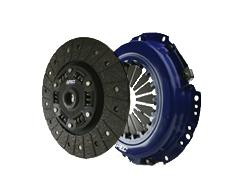
SPEC Stage 1 Clutch Kits
SPEC
MSRP: $429.00$386.10What is the difference between a Stage 1 clutch and a Stage 2 clutch?SPEC Stage 1 clutch kits offer a crisper engagement and smoother pedal feel for daily driving, unlike higher stages for extreme applications.How difficult is it to install a clutch...MSRP: $429.00$386.10 -

EXE OE Clutch Kits
Exedy
MSRP: $455.11$386.83Does this Exedy clutch kit fit my 2011 Ford Fiesta?This Exedy OE Clutch Kit is specifically engineered for the 2011 Ford Fiesta L4, ensuring precise fitment and original equipment performance.Is this clutch kit easy to install?Professional installation...MSRP: $455.11$386.83 -
 $390.00
 -
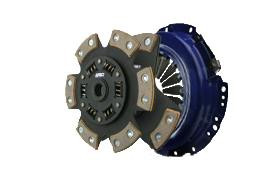 MSRP: $439.00$395.10
 -
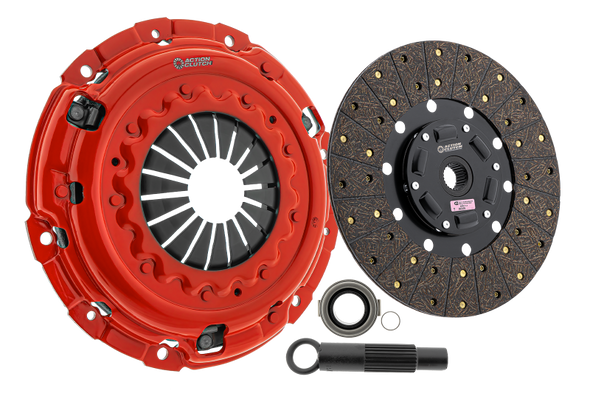 $403.71
 -
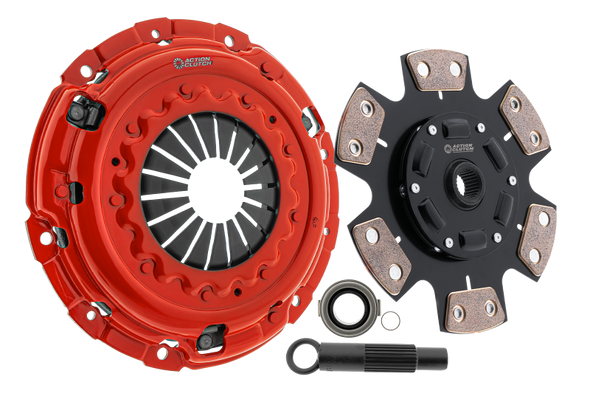 $403.71
 -
 $403.71
 -
 $407.96
 -
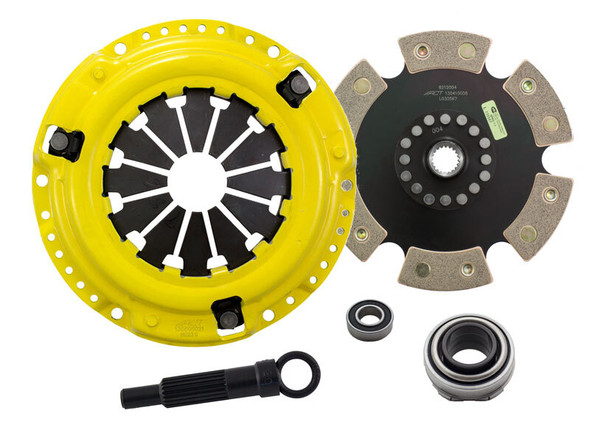
ACT Sport/Race Clutch Kits
ACT
MSRP: $508.00$411.00What is the difference between a street and race clutch?Race clutches offer immediate engagement and maximum power transfer, ideal for explosive acceleration, unlike milder street-focused Clutch Kits - Single.Can I install a race clutch...MSRP: $508.00$411.00 -
 $424.96
 -
 $424.96
 -
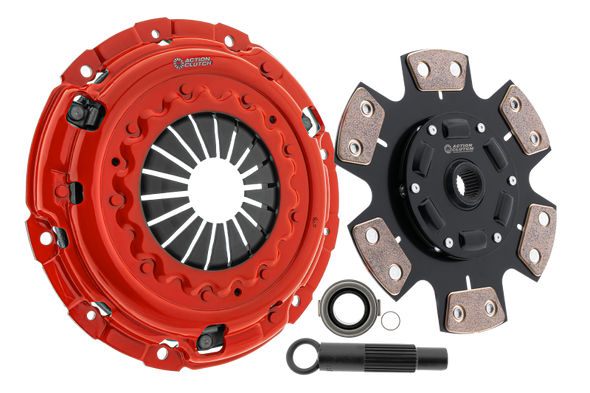 $424.96
A single clutch kit replaces the stock friction disc, pressure plate, and typically the release bearing in a single-disc configuration — the correct choice for street performance, track days, drag racing, and moderate competition builds where pedal modulation and drivability still matter. Motor Sport Mayhem stocks 756 single clutch kits across 92 brands, ranging from budget OE replacements to full race-spec organic and ceramic disc assemblies built for sustained abuse at the friction surface.
Our Top Picks for Clutch Kits - Single
Every product below was hand-selected based on verified performance data, real-world durability results, and best-in-class value across street, strip, and off-road applications.
ACT Mod-Twin Kits
ACT | $2104.00
Race-engineered for extreme torque capacity with a sprung mono drive hub that preserves drivetrain integrity under full competition loads.
- Rated to 895 ft-lbs torque capacity — built exclusively for competition, not street use
AON Clutch - Twin - 7.25in
Action Clutch | $1377.45
Packages a 7.25-inch twin-disc race clutch with a chromoly flywheel for a complete, weight-optimized engagement system.
- Chromoly flywheel inclusion reduces rotating mass and improves rev response versus cast iron OE units
AFE Diff/Trans/Oil Covers
aFe | $430.00
Machined aluminum transmission pan improves fluid capacity and thermal management in high-load drivetrain applications.
- Direct bolt-on fitment with increased fluid volume protects transmission components during sustained towing or track use
ABR Prop Shafts
All Balls Racing | $790.35
Heavy-duty prop shaft built for powersports applications where OE shafts fail under aggressive off-road use and power increases.
- Upgraded materials and tolerances over OE address the primary failure point in modified UTV drivetrain systems
AMS Master Cylinder Conversion
AMS | $494.95
Full master cylinder conversion kit that eliminates the inherent pedal inconsistency of the OE hydraulic clutch system on high-output platforms.
- Resolves pedal fade and inconsistent engagement feel common when pairing upgraded clutch assemblies with stock hydraulics
ARB Air Locker Kits
ARB | $2604.95
Pneumatically actuated locking differential system that provides on-demand 100% lock with full open-differential behavior when disengaged.
- Air actuation delivers positive, repeatable engagement without the heat sensitivity or battery dependency of electronic lockers
ART Easy Link Kit
Artec Industries | $1484.99
Adjustable 3-link suspension kit engineered for outside-frame offset fitment, allowing geometry correction without custom fabrication.
- Gussetted and adjustable upper link design provides pinion angle tuning that fixed OE links cannot accommodate
ATS Flex Plates
ATS Diesel | $804.99
SFI-certified billet flexplate designed to handle the torsional shock loads that crack and destroy OE stamped steel units in high-torque diesel applications.
- SFI certification confirms the flexplate has met independent burst and fatigue testing standards required for sanctioned competition
GBE Diff Covers
Banks Power | $425.00
Ram Air differential cover uses integrated airflow channeling to actively reduce differential operating temperature during sustained high-load use.
- Increased fluid capacity combined with thermal management design extends gear oil service life and protects ring and pinion under tow loads
BBK Clutch Cable & Fwall Adjt
BBK | $169.99
Adjustable clutch cable and firewall adjuster kit that solves the engagement point inconsistency introduced when fitting an upgraded clutch to a cable-actuated system.
- Firewall adjuster allows precise bite point calibration without relying on the notchy OE quadrant ratchet mechanism
How to Choose the Right Clutch Kits - Single
The single biggest mistake buyers make is selecting a clutch based on torque capacity alone — friction material, disc damping design, and pressure plate clamp load work as a system, and optimizing one spec while ignoring the others produces a clutch that grabs, chews through flywheels, or fails prematurely under the exact conditions it was bought for. A well-matched single clutch kit balances torque capacity with pedal effort, engagement smoothness, and thermal recovery characteristics appropriate to how the vehicle is actually driven.
Key Specifications
Friction Material: Organic (non-asbestos composite) discs offer progressive engagement and low pedal effort — correct for street performance and light track use up to moderate power levels. Ceramic and ceramic-metallic discs run higher coefficients of friction and resist heat fade at sustained track temperatures, but they engage more abruptly and wear the flywheel faster. Kevlar-based compounds split the difference and work well for autocross and mixed street/track use. Full sintered metallic is reserved for drag racing applications where engagement smoothness is irrelevant and heat resistance is paramount.
Pressure Plate Clamp Load: Aftermarket pressure plates are rated by clamp load increase over stock — typically 15%, 30%, or 50% stiffer for street-plus, performance, and race categories respectively. Higher clamp load increases torque holding capacity but directly increases pedal effort. A 30% increase over a light OE pedal is manageable for daily driving; a 50% increase on a cable-actuated system with no firewall adjuster will fatigue the driver in stop-and-go traffic within weeks. Match the clamp load to both your power level and your intended use.
Flywheel Compatibility: Every clutch kit must be matched to flywheel surface finish and material. Ceramic and metallic discs require hardened flywheel surfaces — running them on a standard cast iron flywheel accelerates flywheel wear dramatically and can cause glazing within a few heat cycles. Lightweight chromoly and aluminum flywheels reduce rotating mass for faster rev response but require more precise clutch modulation because the reduced inertia makes stall management harder, especially in traffic. Always confirm the flywheel's surface hardness spec against the disc material spec before purchasing.
Hydraulic vs. Cable Actuation: Hydraulically actuated clutch systems are largely self-adjusting and tolerate pressure plate clamp load increases better because the hydraulic master and slave cylinder geometry can be tuned independently. Cable-actuated systems need an adjustable quadrant and firewall adjuster when the pressure plate clamp load changes significantly, otherwise engagement point and pedal travel become unpredictable. If your platform uses a cable system and you're stepping up to a stiffer pressure plate, budget for the full actuation upgrade — it's not optional for consistent performance. See our drivetrain category for supporting components.
Single Clutch Disc Friction Material Selection by Application
| Friction Material | Best Application | Heat Resistance | Pedal Feel / Engagement |
|---|---|---|---|
| Organic (NAO Composite) | Street, light performance, daily driver | Up to ~450°F sustained | Smooth, progressive, low effort |
| Kevlar / Aramid Fiber | Street-track, autocross, spirited road use | Up to ~600°F sustained | Moderate — slightly firmer than organic |
| Ceramic-Organic Hybrid | Track days, aggressive street, moderate drag | Up to ~750°F sustained | Firm engagement, some chatter when cold |
| Full Ceramic / Puck Disc | Dedicated track, time attack, circuit racing | Up to ~950°F sustained | Abrupt — minimal slip, not street-friendly |
| Sintered Metallic | Drag racing, off-road competition | Exceeds 1100°F | On/off engagement — zero slip tolerance |
| Sprung Hub Ceramic | High-power street-track builds | Up to ~850°F sustained | Ceramic grip with hub damping for drivability |
Price Guide
Entry ($1.99–$180): This range covers OE-spec replacement friction discs, basic cable hardware, individual springs and clips, and entry-level powersports clutch components. Correct for restoring a worn stock clutch to factory function — not an upgrade, but a precise and cost-effective OE replacement when the friction material is serviceable and the pressure plate clamp load is adequate for your power level.
Mid-range ($180–$700): The majority of performance enthusiasts land here — complete clutch kit assemblies with upgraded friction material, a matched pressure plate, and release bearing, sourced from brands like Exedy, Competition Clutch, and EBC Powersports. This range covers street performance through serious track day use, and the quality delta over entry-level is significant: tighter tolerances, better heat dissipation, and genuine torque capacity increases over OE.
Premium ($700–$4999.99): Full race assemblies, twin-disc systems listed here for torque comparison context, billet components, chromoly flywheel bundles, and complete actuation system overhauls belong in this tier. Brands like ACT, Clutch Masters, and Action Clutch operate at the top of this range for builds running forced induction at serious power levels, sustained competition use, or applications where an OE-style clutch is a known failure point. The cost is justified by engineered torque margins, race-proven friction compounds, and the ability to withstand repeated abuse without glazing or heat-induced clamp load loss.
Who Is This For?
Single clutch kits span every performance discipline from street commuting to sanctioned competition — the usage data reflects a category that skews hard toward performance applications rather than OE replacement.
Drag Racing — 8.1/10
Drag racing scores highest in this category because a clutch upgrade is one of the most direct power-to-pavement improvements available — a slipping or glazed clutch is immediate lost ET regardless of engine output. Sintered metallic and full ceramic disc options allow aggressive launch RPM with no slip, and the single-disc format remains legal in many bracket and street classes where multi-disc setups are prohibited. Clamp load and disc material selection are critical here because the engagement event is violent and thermal recovery time between runs is minimal.
Racing Competition — 8.0/10
Sanctioned circuit and road racing applications demand clutches that maintain consistent engagement characteristics across an entire session as temperatures build lap after lap. Heat fade in the friction material causes engagement point migration — where the clutch starts to grab at a different pedal position as the disc heats — which destroys driver confidence under braking and heel-toe downshifts. High-temperature ceramic and sprung-hub ceramic disc designs specifically address this failure mode, and pressure plate clamp load must remain stable through repeated thermal cycles without warping the diaphragm spring.
Track / Autocross — 7.8/10
Track day and autocross use presents a unique challenge: the clutch must survive aggressive use on track and then drive home, often in traffic. This is where Kevlar and ceramic-organic hybrid friction materials earn their reputation — they handle repeated aggressive engagements and sustained heat without the cold-morning chatter and abrupt bite that makes full race-spec ceramic discs miserable on the street. Pedal effort is a real consideration here because autocross events require dozens of standing starts in a single day.
Street Performance — 7.7/10
Street performance applications score well because an upgraded clutch is often a necessity rather than a choice on modified vehicles — factory clutches are engineered to OE torque specs and fail quickly when engine output increases significantly. The goal for street builds is to gain meaningful torque capacity without sacrificing the daily-driver pedal feel that makes the car livable in traffic. Organic and Kevlar composite discs with a 15–30% clamp load increase hit this target reliably across a wide range of power levels.
Weekend Off-Roading — 7.7/10
Off-road use subjects clutches to a specific type of abuse that differs from track work: sustained low-speed slipping while crawling over obstacles, combined with the shock loading from sudden traction changes on loose terrain. A clutch that handles this well needs excellent heat recovery and a friction material that doesn't glaze when feathered at low RPM for extended periods. Sintered metallic and heavy-duty organic compounds built for 4x4 platforms are designed around exactly this use case, and proper flywheel matching is especially critical here because glazed flywheels are common from excessive slipping during trail work.
Trusted Clutch Kits - Single Brands We Carry
The brands that dominate this category have earned their position through engineering depth, not marketing — ACT's reputation for precision pressure plate machining and disc balance tolerances is backed by decades of motorsport use across multiple disciplines, while Exedy's status as an OEM supplier to major manufacturers means their aftermarket performance line starts from a foundation of production-level quality control. Clutch Masters brings application-specific clamp load mapping that accounts for vehicle weight and transmission input shaft load, and Competition Clutch has built a strong track record in import performance where high-revving engines demand friction material that performs on repeated engagement at elevated RPM. For powersports and off-road platforms, BikeMaster and EBC Powersports fill a category that generalist automotive clutch brands often ignore — engineered specifically for the unique demands of ATV, UTV, and motorcycle engagement systems rather than adapted from automotive tooling.
Frequently Asked Questions
Are ACT clutches hard to drive in daily traffic?
It depends entirely on which ACT clutch line you select — their street performance kits use a matched pressure plate and organic or Kevlar disc combination that increases clamp load by roughly 15–20% over OEM, which most drivers adapt to within a week without any real fatigue. Their heavy-duty and race-spec lines are a different story: clamp loads increase 30–60% over stock, and on a cable-actuated system without an upgraded quadrant and firewall adjuster, the pedal effort in stop-and-go traffic becomes genuinely tiring over time. The disc material matters as much as the pressure plate — a race-spec ceramic disc will engage abruptly at low pedal travel and chatter when cold regardless of the pressure plate spec. Match the ACT product line to your actual use case: street performance lines for mixed use, sport lines for aggressive street with occasional track, race lines for dedicated competition only.
Are aftermarket pressure plates worth it over OEM?
For any vehicle running meaningfully more power than stock, an aftermarket pressure plate is not optional — OEM pressure plates are designed to the torque spec of the original engine, and adding significant power without upgrading the pressure plate results in clutch slip under hard acceleration that destroys the friction disc rapidly through heat. Aftermarket performance pressure plates use higher-quality diaphragm spring steel that maintains consistent clamp load through thermal cycling, whereas OEM springs can lose tension after repeated heat cycles on modified vehicles. The machining tolerances on the friction face also matter — better units hold tighter parallelism spec which prevents uneven disc wear that creates hot spots and warping. For a stock or mildly modified vehicle being replaced with an identical spec, an OEM-equivalent unit is perfectly adequate; for anything with a meaningful power increase, the aftermarket pressure plate pays for itself in disc service life alone.
Are aftermarket master cylinders good for clutch systems?
A quality aftermarket clutch master cylinder is a genuine improvement over OEM on high-performance applications — the common failure mode of stock master cylinders on modified vehicles is bore wear and seal degradation that causes pedal fade and inconsistent engagement point, both of which become more pronounced as clutch clamp load increases. Aftermarket units from reputable manufacturers use harder bore materials, improved seal compounds rated for higher operating pressures, and in some cases offer different bore diameters that tune the pedal ratio and feel to suit the upgraded clutch assembly. On platforms where the OE master cylinder is a known weak point when paired with a stiffer pressure plate, a full conversion kit that replaces both the master and slave cylinder simultaneously is the correct approach rather than addressing them individually. Hydraulic fluid quality and regular bleeding intervals matter as much as the component itself — even a premium master cylinder will feel soft and inconsistent if the fluid has absorbed moisture and is boiling at high clutch temperatures.
Are air lockers more reliable than electronic lockers?
Air lockers have a longer track record of reliability in sustained off-road competition use, primarily because the actuation mechanism — a pneumatic seal and air pressure from a dedicated compressor or tapped air source — is mechanically simple and not dependent on vehicle battery voltage or electronic control modules to function. Electronic lockers fail in predictable ways: voltage drops under extreme off-road electrical loads, connector corrosion in water crossings, and actuator motor failures from repeated cycling in mud and debris are the most common issues. Air lockers have their own failure points — the rotating air seal inside the differential can wear, and the external air lines are vulnerable to physical damage on the trail — but these failures are typically gradual and diagnosable, whereas an e-locker failure is often sudden and leaves the vehicle fully unlocked with no manual override. For serious overland and competition use, ARB's air locker system is the benchmark specifically because the compressor system is reliable and the locking mechanism engages positively regardless of electrical system condition.
Are aftermarket wheel bearings as good as OEM?
Quality varies dramatically across the aftermarket wheel bearing market — at the top end, manufacturers like All Balls Racing produce bearings to the same ABEC tolerances as OEM units using comparable steel grades and grease specifications, making them a legitimate OEM equivalent for off-road and performance applications. The problem is the mid-to-low end of the market, where bearings that appear dimensionally identical to OEM are built to lower radial load ratings, looser internal clearances, and inferior seal quality that allows moisture and debris ingress far faster than OEM units. On a stock vehicle in normal use, a marginal bearing may last years before becoming noticeable, but on a lifted off-road vehicle with increased steering angles and the lateral loads from wide tires, a sub-spec bearing fails fast and sometimes catastrophically. Stick to established powersports and performance bearing brands with documented load ratings, and treat any bearing priced dramatically below OEM with skepticism regardless of the brand name on the packaging.
Building something specific? Our performance specialists can help you select the right Clutch Kits - Single for your application — street, track, or full race build.