
Hood Deflectors
- Product
- Qty in Cart
- Quantity
- Price
- Subtotal
-

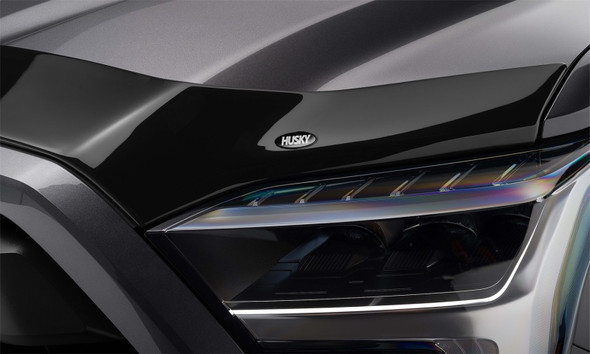
Husky Liners 20-23 GMC Acadia Aeroskin Hood Protector - Smoke - 2842191
Husky Liners
$80.99What is the main purpose of a hood deflector?Hood deflectors offer crucial protection by deflecting rocks, bugs, and road debris, safeguarding your vehicle's paint.How does the Husky Liners Aeroskin compare to other hood protectors?Install the Aeroskin...$80.99 -


Husky Liners 20-24 Toyota Highlander Aeroskin Hood Protector - Smoke - 2842190
Husky Liners
$80.99Will this hood deflector fit my vehicle?Confirm fitment with your specific vehicle to ensure seamless integration and optimal protection for your hood.How do I install this hood deflector?Professional installation is recommended to guarantee a secure fit...$80.99 -
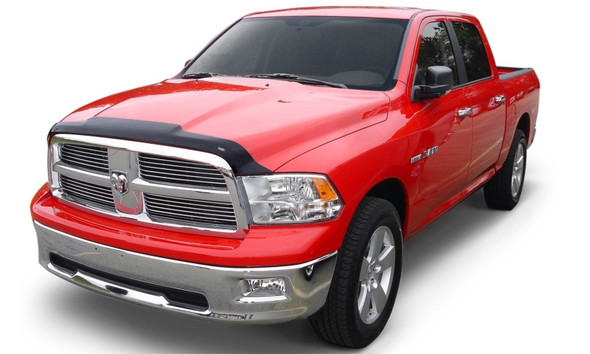

Husky Liners 19-24 RAM 2500/3500 (Excl. Sport/Poweragon/Rebel Hoods) Aeroskin Hood Protector - Smoke - 2842189
Husky Liners
$89.99What is the primary function of a hood deflector?A hood deflector shields your vehicle's paint from flying debris like rocks, bugs, and dirt, maintaining a pristine finish.How do I know if this hood deflector will fit my truck?Confirm fitment for your...$89.99 -


Husky Liners 20-24 Chevrolet Silverado 2500/3500HD Aeroskin Hood Protector - Smoke - 2842187
Husky Liners
$89.99Will this hood deflector fit my truck?The Husky Liners Aeroskin Smoke Hood Deflector precisely fits 2020-2026 Chevrolet Silverado 2500 HD and 3500 HD trucks.How do I install the Aeroskin?Professional installation is recommended for the Aeroskin, ensuring...$89.99 -


Husky Liners 21-24 Cadillac Escalade (Incl. ESV) Aeroskin Hood Protector - Smoke - 2842186
Husky Liners
$80.99Will this Husky Liners Aeroskin fit my vehicle?Confirm your vehicle's specific fitment details to ensure this Husky Liners Aeroskin is engineered for your exact model.How do I install this hood deflector?Professional installation is recommended to...$80.99 -


Husky Liners 22-24 Chevrolet Silverado 1500 (Excl. ZR2/LT TB/C TB) Aeroskin Hood Protector - Smoke - 2842168
Husky Liners
$89.99What vehicles does the Husky Liners Aeroskin fit?The Husky Liners Aeroskin precisely fits 2019-2026 Chevrolet Silverado 1500 and Silverado 1500 LTD models, ensuring a perfect contour integration.Is professional installation required for the...$89.99 -
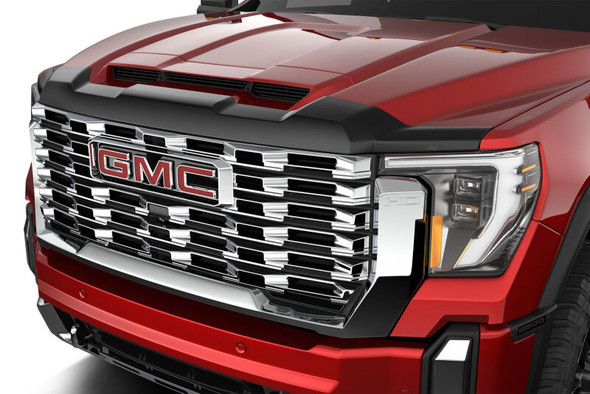

Husky Liners 19-24 GMC Siera 1500 Aeroskin Hood Protector - Smoke - 2842167
Husky Liners
$89.99What is the Husky Liners Aeroskin Hood Protector made of?Crafted from durable, high-impact acrylic, this hood protector offers long-lasting defense against road debris for your 2019-2026 GMC Sierra 1500.How difficult is it to install the Husky Liners...$89.99 -


Husky Liners 14-20 Nissan Rogue (Excl. Sport) Aeroskin Hood Protector - Smoke - 2842148
Husky Liners
$80.99Will the Aeroskin hood protector fit my 2018 Nissan Rogue?Yes, the Husky Liners Aeroskin - Smoke is engineered to perfectly contour the hood of your 2014-2020 Nissan Rogue.How difficult is it to install the Aeroskin hood protector?Professional...$80.99 -


Husky Liners 17-24 Nissan Titan Aeroskin Hood Protector - Smoke - 2842147
Husky Liners
$89.99Will this fit my Nissan Titan?This HL Aeroskin hood deflector precisely fits 2017-2024 Nissan TITAN models, ensuring a perfect contour match.Is professional installation required?Professional installation is recommended for this HL Aeroskin hood...$89.99 -


Husky Liners 17-22 Chevrolet Trax Aeroskin Hood Protector - Smoke - 2842137
Husky Liners
$71.99Will the Aeroskin fit my specific vehicle model?Confirm fitment for your vehicle model to ensure precise contour integration and optimal protection with this Aeroskin Hood Deflector.How difficult is the installation process for the Aeroskin?Professional...$71.99 -


Husky Liners 17-19 GMC Acadia Aeroskin Hood Protector - Smoke - 2842125
Husky Liners
$80.99Will this hood deflector fit my 2019 GMC Acadia?Yes, the Husky Liners Aeroskin Smoke hood deflector is precisely engineered to fit your 2017-2019 GMC Acadia.How do I install the Aeroskin hood deflector?Professional installation is recommended for the...$80.99 -
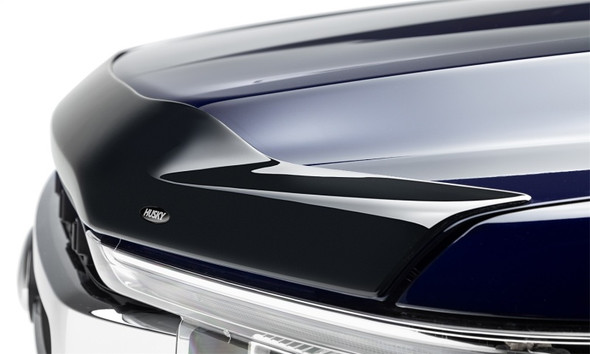

Husky Liners 16-19 Ford Explorer (Excl. Sport) Aeroskin Hood Protector - Smoke - 2842120
Husky Liners
$80.99Stop damage before it starts with the lowest profile design on the market. The Husky Aeroskin(R) Hood Protector gives you a skin-tight fit to the contours of your hood with no-quit protection against chips, rocks, bugs, and anything the road kicks up...$80.99
Hood deflectors and wind visors are aerodynamic accessories that redirect high-velocity airflow away from your hood, windshield, and window seals — protecting painted surfaces from stone chips, insects, and road debris while improving cabin ventilation at highway speeds. Motor Sport Mayhem stocks 206 in-stock deflectors ranging from $21.99 to $399.95 across eight proven brands, covering everything from daily-driven trucks to full overlanding rigs and touring motorcycles.
Our Top Picks for Hood Deflectors
Each of these was hand-selected based on material quality, fitment precision, and documented real-world performance across the applications our customers actually run.
AVS In-Channel Ventvisors
AVS | $62.99
Precision-molded in-channel design locks into the window channel without tape or exterior hardware, maintaining a flush OEM appearance while allowing ventilation even in light rain.
- Channel-set retention eliminates adhesive failure common in high-heat climates
AWE Foiler Wind Diffusers
AWE Tuning | $105.00
CFD-developed wind diffuser geometry actively shapes turbulent airflow around the cabin to reduce buffeting and wind noise at highway speeds on performance vehicles.
- Engineered using computational fluid dynamics, not just adapted from generic tooling
BUR Fairings
Burly Brand | $399.95
Heavy-duty motorcycle fairing construction deflects wind blast from the rider's chest and torso on open-cockpit touring applications, reducing fatigue on long-haul rides.
- Tall windscreen profile extends wind protection without full dresser-fairing bulk
HL Aeroskin - Chrome
Husky Liners | $197.99
Low-profile thermoplastic hood protector bonds directly to the hood's leading edge using 3M automotive-grade tape, creating a contoured shield against stone chips and insect impacts without disrupting hood airflow.
- Chrome finish meets heavy-duty truck aesthetics while providing genuine paint protection
KUR Air Deflectors B
Kuryakyn | $188.99
Motorcycle-specific upper air deflectors redirect turbulent wind from the upper fairing away from the rider's arms and shoulders, meaningfully reducing arm fatigue at sustained highway speeds.
- Adjustable positioning allows tuning of deflection angle for different rider heights
RHR Wind Fairing
Rhino-Rack | $139.99
44-inch roof rack wind fairing substantially reduces aerodynamic drag penalty and wind noise generated by loaded roof rack systems at freeway speeds.
- Rack-mounted fairing addresses the single largest source of fuel economy loss in loaded roof rack configurations
RUG Window Deflectors
Rugged Ridge | $167.99
Matte black window visors built specifically for the demanding environment of off-road and overlanding use, with UV-stabilized material that resists fading and cracking under sustained sun and trail exposure.
- Matte finish is purpose-matched to factory soft-top and hardtop trim on popular off-road platforms
WES Wade In-Channel Deflectors
Westin | $118.99
Four-piece in-channel wind deflector set engineered to the exact window channel dimensions of full-size truck cab configurations, delivering a no-drill, hardware-free installation with zero exterior protrusion.
- In-channel retention method outperforms tape-on designs in car-wash and high-speed highway environments
How to Choose the Right Hood Deflectors
The single most important buying decision in this category is mounting method — in-channel retention versus tape-on adhesive attachment — because it determines long-term durability, appearance, and whether the deflector survives a commercial car wash or sustained highway speeds above 75 mph. Beyond that, material grade, UV stabilization, and profile height separate parts that last a decade from parts that fade, crack, or lift within two seasons.
Key Specifications
Material and UV resistance: The vast majority of deflectors are injection-molded from either acrylic, polycarbonate, or ABS thermoplastic. Acrylic offers the clearest optical finish and holds polish well but is more brittle under impact. Polycarbonate is tougher and more impact-resistant but can yellow faster without proper UV inhibitors. ABS is typically the most crack-resistant across temperature swings and is the material of choice for off-road and truck applications where flex and impact tolerance matter more than optical clarity. Always verify the manufacturer specifies UV-stabilized or UV-inhibited resin — unstabilized thermoplastics will chalk and craze within 18–24 months of direct sun exposure.
Mounting method comparison: In-channel deflectors insert directly into the window frame channel, requiring no adhesive tape and leaving zero exterior mounting hardware visible. This mounting style produces a cleaner OEM look and is significantly more resistant to lift-off at high speeds or in automated car washes. Tape-on or clip-on deflectors sit outside the window channel and are easier to install on vehicles with complex window trim geometry, but their long-term retention depends entirely on the quality of the bonding surface prep and the tape grade — 3M automotive-grade bonding tape is the minimum acceptable standard. Low-cost alternatives using generic foam tape are a common failure point.
Hood deflector profile and coverage: Hood or bug deflectors vary significantly in frontal profile height — low-profile designs measure roughly 2–3 inches tall and are aerodynamically transparent, adding minimal drag while still diverting low-angle stone impacts. Tall or full-coverage deflectors run 4–6 inches and provide more aggressive protection but create a measurable pressure zone ahead of the hood that can introduce minor aerodynamic drag, particularly at highway speeds. For work trucks and overlanders regularly running gravel roads, the taller profile is worth the tradeoff. For highway-primary vehicles, a low-profile design is the correct call.
Roof rack fairings — sizing matters: Wind fairings for roof racks are sized by rack width, typically in 44-inch and 54-inch configurations to match standard crossbar spans. An undersized fairing leaves the outer edges of the rack exposed to direct airflow, negating much of the drag reduction benefit. The fairing should match or slightly exceed the loaded rack width for maximum effectiveness. If you're running a rack system for overlanding or expedition use, pairing a properly sized fairing with quality exterior styling components is one of the most cost-effective ways to recover fuel economy lost to roof-mounted cargo.
Hood Deflector Profile Height vs. Application Guide
| Deflector Profile Height | Best Application | Drag Impact | Protection Level |
|---|---|---|---|
| 1–2 inches (low-profile) | Highway sedans, sport compacts, performance vehicles | Negligible (<0.5% Cd increase) | Light — insect and fine debris |
| 2–3 inches (standard) | Daily-driven SUVs, crossovers, light trucks | Low (0.5–1.5% Cd increase) | Moderate — stone chips, insects, light gravel |
| 3–5 inches (mid-profile) | Full-size trucks, highway tow vehicles | Moderate (1.5–3% Cd increase) | High — gravel roads, construction zones |
| 5+ inches (tall/full coverage) | Off-road, overlanding, gravel/unpaved primary use | Higher (3–5%+ Cd increase) | Maximum — washboard gravel, trail debris |
| Roof rack fairings (44–54 in.) | Vehicles with loaded roof rack systems | Reduces rack drag penalty 10–20% | Not stone protection — drag/noise reduction |
| Motorcycle fairings/deflectors | Touring and cruiser motorcycles | Varies by profile — can reduce rider drag | Rider fatigue reduction, not paint protection |
Price Guide
Entry ($21.99–$60.00): This tier covers straightforward tape-on hood bug deflectors and basic acrylic window visors. You're getting a functional product — the fitment is typically vehicle-specific, the material does the job — but UV stabilization and adhesive quality are where corners get cut. These work fine for daily drivers in mild climates where the vehicle will be garaged. Expect a 3–5 year lifespan before chalking or tape failure in harsh-sun or cold-climate environments.
Mid-range ($60.00–$175.00): The majority of serious buyers land here, and for good reason. Mid-range deflectors from established brands use UV-inhibited thermoplastics, automotive-grade 3M tape, and vehicle-specific tooling that produces genuine flush fitment. In-channel designs at this price point are the sweet spot — you get OEM-quality appearance and retention without paying a premium for badge or finish upgrades. This is where AVS, Westin, and Rugged Ridge deliver exceptional value.
Premium ($175.00–$399.95): Premium pricing reflects either specialized applications — motorcycle fairings, roof rack fairings, performance-vehicle wind diffusers — or upgraded finishes such as chrome or gloss black on hood protectors. These are not "same part, different sticker" situations; the premium tier typically involves CNC-formed mounting hardware, thicker material cross-sections, or application-specific aerodynamic engineering. If your use case matches — touring motorcycle, loaded overlanding rig, or a performance vehicle where aerodynamic function matters — the premium tier justifies itself through both longevity and functional performance.
Who Is This For?
Hood deflectors serve a wider range of customers than most accessory categories — from the daily commuter who wants to crack a window in the rain to the overlander protecting paint on a remote two-track — and the usage data reflects that spread clearly.
Easy DIY Install — 7.8/10
This is the category's strongest functional score, and it reflects a genuine reality: the vast majority of deflectors install in 15–30 minutes with no drilling, no cutting, and no special tools. In-channel designs require nothing more than clean hands and a plastic trim tool to seat the deflector properly; tape-on hood deflectors just need a clean, degreased surface and two-minute cure time before first drive. This accessibility is a legitimate reason buyers choose deflectors as a first modification — the risk of a bad install ruining a door panel or hood finish is essentially zero when you follow the prep instructions.
Daily Driving Comfort — 7.7/10
Window deflectors score nearly as high for daily comfort because the use case is genuinely that common: cracking windows for ventilation while parked in summer heat, keeping rain out during a commute, and reducing the wind buffet that makes open-window highway driving loud and tiring. Hood deflectors add the additional benefit of keeping the windshield cleaner between washes by deflecting insect and debris trajectories upward and over the glass. For a sub-$100 investment, the day-to-day quality-of-life return is high.
Visual / Aesthetic Upgrade — 7.0/10
A 7.0 aesthetic score is honest — deflectors improve appearance on the right vehicle with the right finish choice, but they don't transform it. Matte black visors and hood shields read clean and intentional on trucks and off-road builds. Chrome trim rings add a traditional look to work trucks that some buyers actively want. Where aesthetics suffer is on sport and performance cars, where any exterior protrusion reads as afterthought rather than design intent — for those applications, in-channel window visors are the correct choice because they maintain the factory silhouette.
Overlanding / Expedition — 6.1/10
The 6.1 score in this application category reflects both genuine utility and a ceiling on what deflectors alone accomplish in an overland build. For expedition use, a tall-profile hood deflector is a legitimate paint-protection tool on gravel and dirt roads where rock throw is constant. A roof rack fairing meaningfully recovers fuel economy on long-haul legs with a loaded rack. Window visors keep air circulating in camp without opening doors to insects or dust. These are supporting-role parts in an overland build — important, but they work alongside lift kits, light bars, and recovery gear rather than replacing them.
Street Performance — 5.6/10
Street performance scores mid-tier because deflectors occupy a narrow and application-specific niche in performance builds — CFD-developed wind diffusers for specific platforms being the clearest example of where the category genuinely contributes to performance outcomes. For the average street build, a hood deflector is aerodynamically neutral at best and a minor drag source at worst. Where it earns its place is in protecting cold air intake systems from stone ingestion on vehicles where the intake inlet is exposed behind the grille — a specific, real concern that a well-positioned hood deflector can address.
Trusted Hood Deflectors Brands We Carry
The brands that dominate this category earned their position through vehicle-specific tooling investment, material discipline, and fitment accuracy — generic deflectors from off-brand tooling are the primary source of customer complaints in this category, and every brand below avoids that trap. AVS has built its reputation on decades of precision-molded acrylic and polycarbonate deflectors with some of the most comprehensive vehicle fitment libraries in the segment. Husky Liners brings the same material engineering discipline it applies to floor liners into hood protection, with a focus on truck and HD applications. Rugged Ridge targets the off-road and Jeep-specific market with UV-stable matte finishes engineered for sustained outdoor exposure. Westin's wade-in-channel deflectors are well-regarded in the truck segment for their clean in-channel fitment and durable matte-black finish. For motorcycle applications, Kuryakyn's adjustable deflector designs and Burly Brand's heavy-duty touring fairings address wind management challenges specific to open-cockpit riding. Rhino-Rack rounds out the category with rack-specific wind fairings built to integrate directly with their crossbar systems, delivering measurable drag reduction on loaded setups.
Frequently Asked Questions
Are AVS vent visors and window deflectors actually good?
AVS is one of the most consistently reliable brands in the deflector category, and their reputation is earned rather than marketed. Their in-channel designs use high-clarity acrylic with UV inhibitors molded into the material — not a surface coating that wears off — and the vehicle-specific tooling produces fitment that sits flush in the window channel without gaps or wobble. The most common complaint about any window visor brand is tape failure in heat or car-wash exposure, which is why AVS's in-channel lineup outperforms their tape-on products in long-term retention. For the price point they occupy, they deliver above-average material quality and one of the broadest vehicle coverage libraries available.
Are wind deflectors and hood covers actually worth buying?
For the specific problems they solve — rain infiltration with cracked windows, highway insect impact on painted hoods, wind buffet at highway speeds, and rock throw on unpaved roads — deflectors are among the highest return-per-dollar accessories in the category. A hood deflector at $60–$100 can prevent paint chip and retouch costs that easily run $200–$500 on a hood respray. Window deflectors that let you keep windows cracked in light rain reduce interior humidity and condensation, which has a genuine long-term effect on interior material preservation. Where they fail to deliver value is when buyers expect them to meaningfully improve performance or fuel economy — that's not the primary function, and expectations should be calibrated accordingly.
What is the difference between in-channel and out-channel (tape-on) window visors, and which is better?
In-channel visors insert into the door window channel itself, sitting fully inside the window frame with no exterior protrusion — retention is mechanical, not adhesive-dependent. Out-channel (tape-on) visors mount on the exterior of the window frame above the glass, held by automotive-grade double-sided tape and sometimes supplementary clips. In-channel designs are superior for long-term retention, cleaner appearance, and resistance to car-wash or highway-speed lift-off. Out-channel designs are easier to install on vehicles where the window channel geometry doesn't accommodate an in-channel design, and they typically provide a slightly larger visor profile that can be desirable in high-rain environments. In-channel visors are the better choice for most buyers on vehicles where that design is available; out-channel is the correct choice when in-channel fitment isn't offered for your specific door geometry.
Are stone and bug deflectors worth installing?
On vehicles regularly driven on gravel roads, behind construction traffic, or in high-insect-density environments, yes — the protection calculus is straightforward. Stone chips on hood leading edges are purely cosmetic damage until moisture infiltrates the chip and begins rust propagation, at which point a $75 deflector would have been a very cost-effective preventive measure. The key is selecting a deflector with a profile height matched to your threat level — a low-profile design provides meaningful protection against 70–80% of insect and debris impacts at highway speeds without adding measurable drag. Tall-profile designs for gravel and off-road use add more drag but provide proportionally better coverage. For strictly highway and urban driving, the protection benefit is real but less critical.
Can a hood deflector improve fuel economy?
A hood deflector on a standard passenger vehicle will not improve fuel economy — the aerodynamic profile of a hood deflector adds a small amount of drag, and any claim otherwise is marketing rather than physics. The exception is roof rack fairings: a properly sized wind fairing on a loaded roof rack system can reduce the drag penalty introduced by the rack and cargo by 10–20%, which translates to a measurable fuel economy recovery on highway-speed driving — not an improvement over a bare roof, but a meaningful reduction of the rack-induced penalty. For vehicles where the hood-mounted air intake sits behind the grille opening, a deflector can redirect cleaner, cooler airflow toward the intake rather than turbulent underhood air, which has a marginal thermal benefit for intake charge temperature — but this is not a fuel economy upgrade in any meaningful sense.
Building something specific? Our performance specialists can help you select the right Hood Deflectors for your application — street, track, or full race build.