
Levers
- Product
- Qty in Cart
- Quantity
- Price
- Subtotal
-
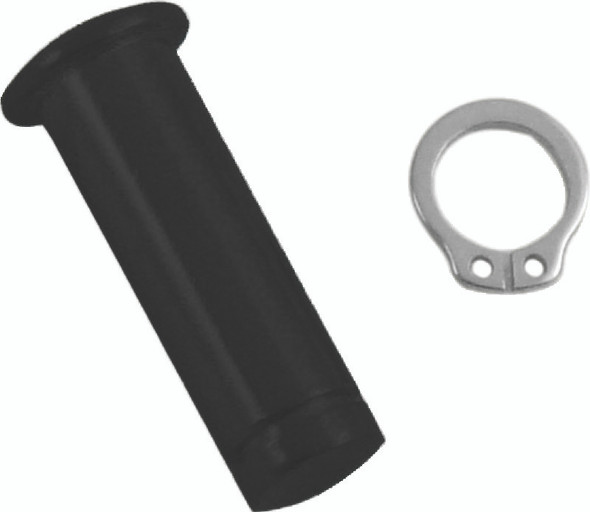
Bikers Choice 99-Up Big Twin 98-03 XL Except 08 Up FLH FLT Black Brake Pivot Pin / Clip - 483298
Bikers Choice
$8.99What kind of lever is the BKC Lever Part?BKC Lever Parts are durable steel replacements designed for precise fit and secure pivot pin retention on your motorcycle.Can I install the BKC Lever Part myself?Professional installation is recommended for BKC...$8.99 -
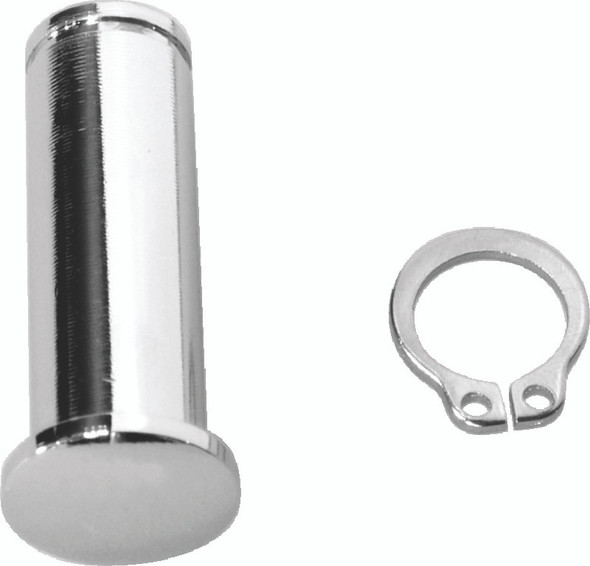
Bikers Choice 99-Up Big Twin 98-03 XL Except 08 Up FLH FLT Chrome Brake Pivot Pin & Clip - 483297
Bikers Choice
$8.99What material are the BKC Lever Parts made of?BKC Lever Parts feature durable steel construction, ensuring robust performance and resistance to bending under stress for reliable lever operation.Are these levers difficult to install?Professional...$8.99 -

Bikers Choice 96-Up With Cable Clutch Clutch Lever Anti Rattle Clip 10 Pk - 482974
Bikers Choice
$22.99What makes these levers better than stock?BKC Lever Parts B reduce lever rattle and improve clutch lever feel, exceeding OEM specifications for a refined riding experience.Do these levers require professional installation?Professional installation is...$22.99
Levers — clutch levers, brake levers, foot pegs, floorboards, and control hardware — are the primary physical interface between rider and machine, and upgrading them directly affects input precision, fatigue, and crash survivability. Motor Sport Mayhem stocks 227 in-stock levers across 16 brands, from sub-$2 hardware to $1,524 full control kits, covering everything from weekend off-road to full race competition.
Our Top Picks for Levers
Every product below was selected based on proven performance credentials, material quality, and real-world results across street, track, and off-road applications.
ACB Endurance X
Acerbis | $158.12
Designed for high-impact adventure and enduro riding, this handguard system integrates lever protection directly into the bar-end mounting architecture.
- Injection-molded shell with aluminum inner bar provides deflection without full lever breakage on tip-overs
ABR Accel Pump Rebuild Kits
All Balls Racing | $25.13
Restores throttle response at the source by rebuilding worn accelerator pump circuits that degrade lever feel and fuel delivery precision over time.
- Complete kit approach eliminates the guesswork of sourcing individual seals and check valves separately
BKM Heated Grips
BikeMaster | $113.99
Heated grip systems maintain hand dexterity in cold conditions, which directly preserves lever modulation accuracy when it matters most.
- LCD switch provides real-time heat level feedback without requiring the rider to look down from the road
BKC Mid Controls
Bikers Choice | $958.99
A complete mid-control repositioning kit shifts foot lever geometry for taller riders, correcting the ergonomic compromises of stock control placement.
- 2-inch forward extension changes knee angle and reduces fatigue on extended highway riding significantly
BUR Handlebars
Burly Brand | $531.95
A 12-inch rise handlebar repositions the entire hand-lever interface, fundamentally altering rider posture and lever reach geometry for custom cruiser builds.
- Steel construction with black finish is built to withstand the torque loads that chrome-plated lesser bars crack under
CRG RC2 Clutch
CRG Constructors | $199.95
A universally-compatible billet clutch lever assembly that delivers race-grade adjustability and a shorter pull ratio than most OEM units.
- Multiple reach positions are tool-adjustable on the fly, accommodating different glove thicknesses and hand sizes
CYC Probend Ultra
Cycra | $192.78
The Probend Ultra system wraps lever and hand protection into a single integrated unit engineered for high-speed off-road and motocross abuse.
- HCM clamp system uses a triple-clamp design that resists rotation on impact — a failure mode common to single-bolt handguard competitors
HRL E-bike Foot Pegs
Hardline | $70.14
Purpose-built foot pegs for electric bikes address the unique weight and torque characteristics of e-bike platforms that standard pegs aren't rated to handle.
- Wider platform surface area improves rider control during the aggressive torque delivery that defines electric drivetrain behavior
KUR Floorboards G
Kuryakyn | $699.99
A full driver floorboard kit that replaces OEM pegs with a larger platform, redistributing foot pressure and reducing vibration transmission on touring applications.
- Chrome finish is triple-plated to withstand road salt, UV, and cleaning chemicals without pitting over multi-season use
NAT Footpeg Hardware
National Cycle | $40.46
Precision footpeg bracket hardware ensures correct peg offset and angle when upgrading to aftermarket pegs on touring platforms that require exact geometry.
- 76mm specification maintains OEM lever and peg relationship so brake and shift lever adjustments aren't compromised by bracket swap
How to Choose the Right Levers
The difference between a lever that improves your riding and one that fails mid-corner comes down to three factors: material integrity, fitment precision, and adjustment range. Cast aluminum levers are the budget baseline — they function adequately but flex under hard use and shatter cleanly on impact rather than bending. Forged or billet CNC-machined aluminum is the correct choice for performance and track applications, offering higher tensile strength, tighter dimensional tolerances, and consistent pivot bore sizing that eliminates the slop common in cast alternatives. Titanium hardware and carbon fiber lever blades appear in premium race-spec units and justify their cost only when weight savings and ultimate stiffness are genuine performance requirements rather than aesthetic preferences.
Key Specifications
Lever reach — measured from the pivot center to the tip — determines how far a rider must stretch their fingers to engage the lever fully. Most OEM levers are designed for a medium-reach hand with no gloves, which is wrong for the majority of real-world use cases. Adjustable levers solve this with indexed reach settings, typically offering 4–6 positions spanning 10–18mm of total adjustment range. For riders using technical terrain or racing applications, this isn't a luxury — it's a safety and performance specification that affects how quickly and consistently you can modulate braking and clutch engagement.
Pivot bore diameter and thread specification are the critical fitment dimensions that most buyers overlook. A lever that fits the perch clamp diameter but uses an incorrect pivot bolt thread pitch will either strip under load or introduce lateral play that degrades feedback. Always verify pivot bolt diameter (most street applications use 6mm; racing-spec and some touring applications use 8mm), thread pitch, and overall lever length when switching between lever generations or crossing brands. Universal levers address this with adjustable pivot hardware but add weight and can introduce flex at the pivot junction if not correctly torqued.
Folding lever tips are standard equipment on off-road and adventure builds for a functional reason: a rigid lever tip that catches a handlebar-down crash transfers the full impact load directly to the lever pivot and perch, frequently destroying both. A folding or breakaway tip absorbs that rotational load and pivots inward, leaving the perch and master cylinder intact. On the street, this is less critical but still worth considering for new riders and track day participants where tip-overs are more frequent than experienced riders anticipate.
Foot peg platform size and surface texture are the lever specifications most riders undervalue. A wider platform reduces concentrated pressure on the boot sole, which directly reduces fatigue on long rides. Aggressive knurling or bolt-on grip pins increase traction in wet and muddy conditions but accelerate boot wear — a tradeoff that makes smooth pegs the correct choice for primarily street use and aggressive grip surface the correct choice for off-road. Peg diameter standardization isn't universal: most aftermarket pegs use a 10mm mounting pin, but some platforms use 12mm, and mixing these without a proper adapter bracket introduces lever-position error and potential failure under load.
Motorcycle Lever Pull Ratio and Finger Force Reference
| Application Type | Recommended Lever Pull Ratio | Optimal Reach Adjustment | Preferred Material |
|---|---|---|---|
| Casual Street / Touring | 1:4 to 1:5 (low effort) | Long reach (15–18mm from blade) | Cast or forged aluminum |
| Sport Street / Commuting | 1:5 to 1:6 | Mid reach (10–15mm from blade) | Forged aluminum |
| Track Day / Club Racing | 1:6 to 1:7 (short, precise pull) | Short reach (6–10mm from blade) | Billet CNC aluminum |
| Motocross / Off-Road | 1:4 to 1:5 with folding tip | Mid reach with folding tip clearance | Billet aluminum, folding tip |
| Adventure / Enduro | 1:4 to 1:6 adjustable | Adjustable, 4–6 position indexed | Billet aluminum, handguard-integrated |
| Full Race Competition | 1:6 to 1:8 (maximum precision) | Short reach, tool-free micro-adjust | Billet CNC aluminum or titanium |
Price Guide
Entry ($1.99–$50): Hardware, rebuild kits, replacement pivot hardware, and basic OEM-spec levers fall in this range — correct for maintenance, direct replacements, and bracket fitment work where performance improvement isn't the goal.
Mid-range ($50–$200): This is where the majority of genuine performance upgrades live, including forged adjustable levers, folding off-road units, integrated handguard systems, and heated grip setups — most enthusiasts find the best value-to-performance ratio here, and this range accounts for the bulk of our catalog volume.
Premium ($200–$1524.95): Full control repositioning kits, complete billet racing lever assemblies, chrome touring floorboard systems, and multi-piece handlebar/control packages justify this pricing through complete ergonomic transformation — correct for serious builds, long-distance touring setups, and dedicated race machines where piecemeal upgrades won't achieve the intended result.
Who Is This For?
Levers serve one of the broadest use-case ranges of any motorcycle component category, from weekend trail riders who need a folding tip to survive a tip-over to full competition riders optimizing pull weight down to grams.
Weekend Off-Roading — 8.2/10
Off-road riding scores highest in this category for a straightforward mechanical reason: stock levers break constantly on dirt, and the consequences of finishing a ride with half a clutch lever are serious. Folding lever tips, handguard integration, and robust pivot hardware are non-negotiable for any rider who leaves pavement regularly. The 109 products in this use case reflect real demand from trail riders, enduro participants, and adventure tourers who have already destroyed an OEM lever at least once.
Racing Competition — 7.5/10
At 7.5 out of 10 across 157 products, competition applications demand lever specifications that OEM parts simply don't meet: precise pull weight, micro-adjustable reach, and materials that maintain dimensional stability under the thermal and mechanical stress of sustained hard riding. Short-pull ratios reduce hand fatigue over a race stint, and tool-free reach adjustment between sessions accommodates different track conditions and glove setups without requiring a full perch swap.
Track / Autocross — 7.5/10
Matching racing competition at 7.5/10 across 109 products, track day and autocross applications prioritize lever feel and consistency over crash protection — most track riders aren't crashing repeatedly, so folding tips matter less than repeatable pull weight and precise pivot tolerances. Upgrades in this space typically focus on eliminating lever flex, shortening pull travel, and improving brake lever modulation resolution at the point where threshold braking decisions are made. Pairing lever upgrades with quality brake components maximizes the feedback improvement across the full control system.
Street Performance — 7.2/10
Street performance buyers scoring 7.2/10 across 187 products are typically looking to eliminate OEM lever slop, add adjustability that stock units don't offer, and improve the tactile feedback that translates directly to smoother, more confident riding in traffic and on aggressive roads. Adjustable reach levers address the most common complaint — that stock levers require too much finger extension under braking — without requiring any modification to the master cylinder or cable routing. For riders also upgrading their controls more broadly, lever upgrades are typically the highest-return starting point.
Daily Driving Comfort — 7.1/10
Comfort-focused lever upgrades score 7.1/10 across 114 products and center on two things: reducing hand fatigue from repeated lever engagement in stop-and-go riding, and repositioning foot controls to match the rider's ergonomic needs rather than the manufacturer's average-rider assumption. Wider floorboards, heated grips, and adjustable foot peg positions address cumulative fatigue that most riders attribute incorrectly to saddle height or suspension setup — the lever interface is often the actual source of the problem.
Trusted Levers Brands We Carry
The brands that dominate this category earned their position through consistent material quality and application-specific engineering rather than marketing. CRG Constructors has supplied race teams with precision billet levers for decades and brings that same manufacturing tolerance to street-legal assemblies. Renthal is an OEM supplier to factory motocross teams and brings genuine race-department material specs to aftermarket levers and handlebars. Cycra built its reputation specifically around off-road lever protection systems that survive the abuse competitive enduro imposes on equipment. Kuryakyn leads the touring and cruiser segment with complete control system solutions engineered for rider ergonomics at distance. ProTaper is the benchmark for handlebar and lever geometry in motocross and off-road, with more factory team wins behind their designs than any competing brand. Acerbis rounds out the off-road tier with lever protection systems that balance weight, impact resistance, and integration with existing handlebar hardware.
Frequently Asked Questions
Are adjustable clutch and brake levers actually worth it?
Yes — and the benefit is more practical than most riders expect before trying them. OEM levers are designed around a statistical average hand size with no gloves, which means they fit almost nobody perfectly. An adjustable lever lets you dial reach to match your specific hand size and preferred glove thickness, which directly reduces the partial-grip braking that causes both fatigue and inconsistent modulation. For riders who spend more than a few hours on the bike at a stretch, the improvement in hand position reduces forearm pump noticeably. On track applications, the ability to adjust between sessions without tools is a genuine performance variable, not just a comfort feature.
Are aftermarket levers worth the upgrade over OEM?
For riders who use their machines hard, yes — the performance gap between a forged or billet aftermarket lever and a cast OEM unit is measurable in terms of flex, feel, and longevity. OEM levers are engineered to a cost target and a liability standard, not a performance one, which means they're often over-length for precision use, under-stiff for hard braking, and non-adjustable by design. Aftermarket levers made from 6061-T6 or 7075 aluminum hold tighter pivot bore tolerances, transmit more feedback from the master cylinder to the fingers, and in many cases offer better crash survivability through folding tips or breakaway designs. The value equation is clearest for track riders, off-road riders, and anyone doing high-mileage street work.
Are aftermarket foot pegs worth upgrading?
Foot pegs are one of the most underrated control upgrades on any motorcycle, and the answer is yes for most riders who have never changed them. OEM pegs are typically narrow, smooth, and positioned for an average-height rider — three attributes that work against comfort and control simultaneously. Wider platforms reduce pressure concentration on the boot sole, grippy surface textures maintain foot position under braking and acceleration, and repositioning pegs forward, backward, or lower changes knee angle in ways that eliminate fatigue the rider often doesn't connect to the peg position. The upgrade cost is low relative to the ergonomic return, making pegs one of the highest value-per-dollar control modifications available.
Are all foot pegs interchangeable, or is fitment bike-specific?
Foot pegs are not universal, and treating them as such is the most common installation error in this category. Mounting pin diameter (typically 10mm or 12mm), pin length, and the locking clip or bolt specification vary between platforms, and using an incorrect pin diameter creates both a lever-position error and a structural failure point under hard braking loads. Beyond the physical mount, peg offset — how far the peg platform sits from the frame — must match the OEM specification unless you're intentionally repositioning the peg as part of a control conversion. When purchasing aftermarket pegs, verify mount diameter, mounting pin length, and whether the peg includes a spring-return mechanism if your OEM design uses one.
Are arc levers and shorty levers a good choice for performance riding?
Arc and shorty levers are a genuine performance choice for riders with smaller hands or those who prefer two-finger braking and clutch technique — they're not just a styling item. A shorty lever eliminates the outer 30–40mm of blade that riders with smaller hands never use anyway, reducing the moment arm and making full engagement possible with two fingers without an awkward grip shift. The tradeoff is that a shorty lever provides less mechanical advantage than a full-length unit, which means slightly higher finger force is required at the master cylinder — not a problem for hydraulic systems with good master cylinder sizing, but a real issue on cable-clutch setups with heavy spring preload. For sport riders and racers using two-finger technique, the precision gain outweighs the force increase by a significant margin.
Building something specific? Our performance specialists can help you select the right Levers for your application — street, track, or full race build.