
Brake Rotors - 2 Piece
- Product
- Qty in Cart
- Quantity
- Price
- Subtotal
-
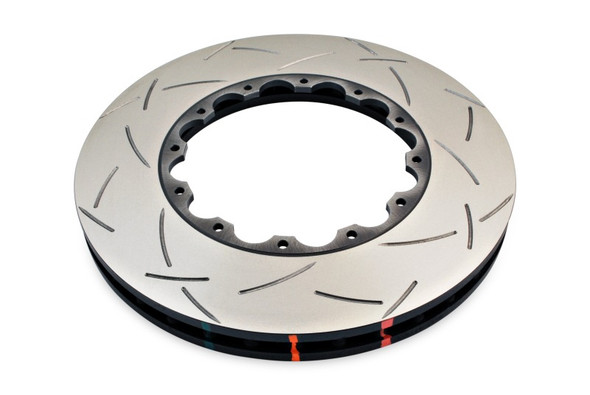
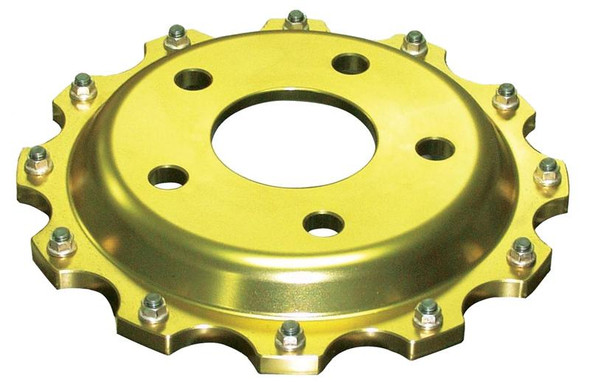
DBA 2004+ STi Front Slotted 5000 Series Replacement Rotor Rings - DBA5654.1S
DBA
MSRP: $448.88$379.82How do I know if these brake rotors fit my car?Confirm fitment with your vehicle's specific make, model, and year before purchasing DBA 5000 Series Slotted Rings.Can I install these myself or do I...MSRP: $448.88$379.82 -
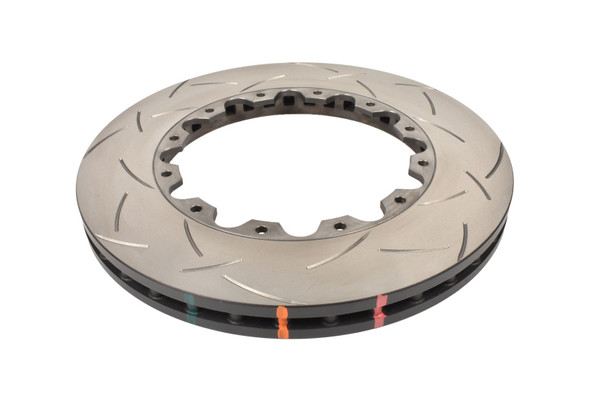
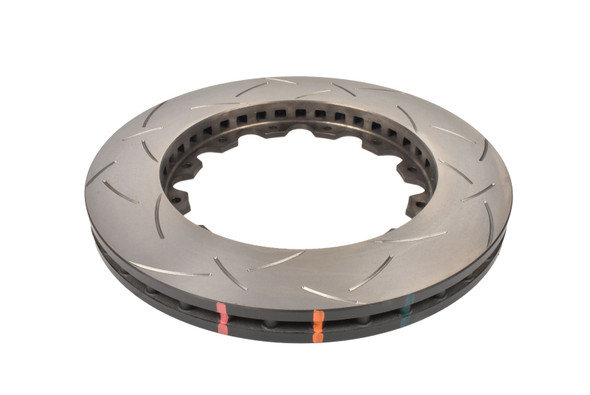
DBA 2021+ Dodge Challenger Hellcat 5000 Series 2-Piece T3 Slotted Front Brake Rotor w/M6 Nuts - DBA53951.1S
DBA
MSRP: $654.54$553.84Are DBA 5000 Series rotors a direct bolt on?DBA 5000 Series Slotted Rotors are engineered as direct replacement 2 piece performance brake rotors, requiring confirmation of specific vehicle fitment...MSRP: $654.54$553.84 -
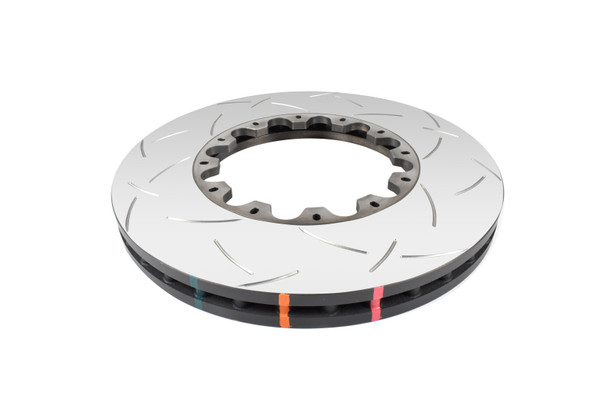
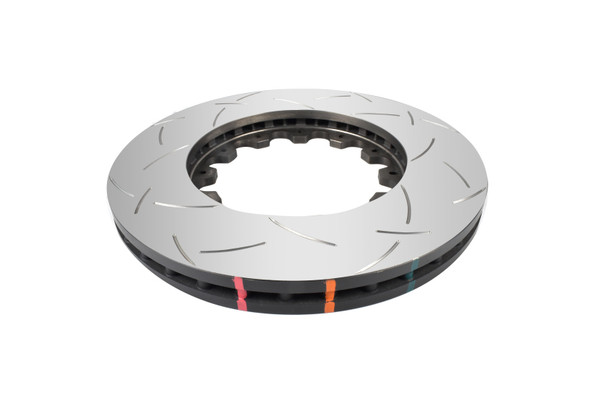
DBA 11-17 Jeep Grand Cherokee Trackhawk (6.2L V8) 5000 Series T3 Slotted KP Brake Rotor - w/Nas Nuts - DBA53919.1S
DBA
MSRP: $654.54$553.84Will these DBA 5000 Series 2-Piece Rotors fit my 2018 Jeep Grand Cherokee?DBA 5000 Series 2-piece rotors provide a direct fitment for your 2018 Jeep Grand Cherokee, ensuring seamless installation...MSRP: $654.54$553.84 -

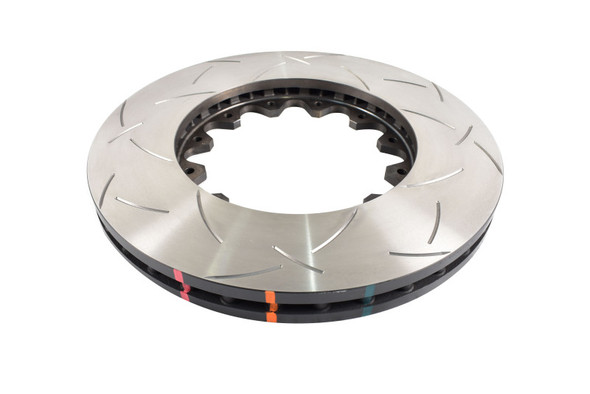
DBA 11-17 Jeep Grand Cherokee Trackhawk (6.2L V8) 5000 Series Slotted Front Rotor Ring - DBA53918.1S
DBA
MSRP: $654.54$553.84Will the DBA 5000 Series Slotted Rings fit my 2018 Jeep Grand Cherokee?DBA 5000 Series Slotted Rings are engineered as direct replacements, ensuring precise fitment for your 2018 Jeep Grand Cherokee...MSRP: $654.54$553.84 -
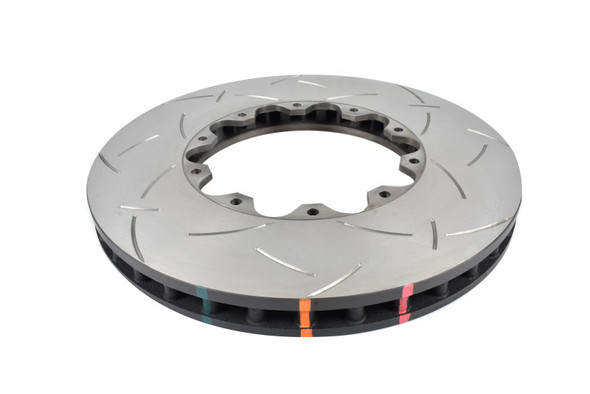

DBA 19+ Chevrolet Camaro ZL1 (w/ M6 Nuts) 5000 Series T3 Slotted Brake Rotor - DBA53916.1S
DBA
MSRP: $645.59$546.27How often should I replace my DBA 5000 Series Slotted Rotors?DBA 5000 Series Slotted Rotors require moderate maintenance; inspect regularly and replace based on wear patterns and driving intensity...MSRP: $645.59$546.27 -


DBA 05-12 Corvette Z06 Front Slotted 5000 Series Replacement Rotor - DBA52992.1S
DBA
MSRP: $533.23$451.19Are DBA 5000 Series Slotted Rings designed as a direct replacement for my existing two-piece rotor rings?DBA 5000 Series Slotted Rings are engineered as a direct replacement for specific DBA and...MSRP: $533.23$451.19 -
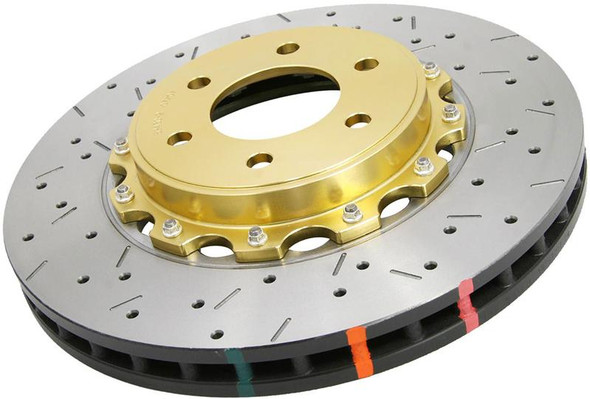
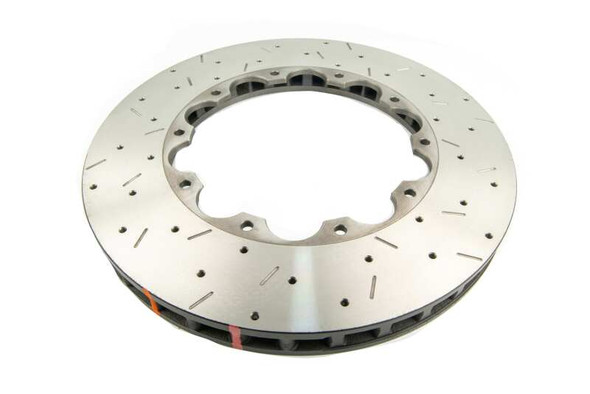
DBA XS 5000 Series Replacement Front Slotted/Drilled Rotor 15-17 Challenger/Charger SRT8 Hellcat - DBA52910.1XS
DBA
MSRP: $661.29$559.55Are DBA 5000 Series rotors a direct replacement for OEM?DBA 5000 Series rotors are designed specifically to replace the rotor ring, offering a direct-fit upgrade for your vehicle's existing brake...MSRP: $661.29$559.55 -


DBA 15-19 Dodge Challenger/Charger SRT8 Hellcat T3 5000 Series Replacement Front Slotted Rotor - DBA52910.1S
DBA
MSRP: $661.29$559.55Can I use these rotor rings with my existing two-piece rotor hats?DBA 5000 Series Slotted Rings are designed to directly replace only the rotor ring in popular two-piece rotor configurations,...MSRP: $661.29$559.55 -

DBA 2022+ Subaru WRX (w/STI Brembo 4 Piston Caliper) 5000 Series 2 Piece Slotted Front Brake Rotor - DBA52845BLKS
DBA
MSRP: $690.19$584.00How do I know if DBA 5000 Series Slotted Rotors fit my vehicle?Confirm exact fitment for your specific vehicle model and year by consulting the detailed fitment guide before installation.What is the...MSRP: $690.19$584.00 -


DBA 14-16 Chevy Corvette Z06 (Only w/Z07 Pkg) T3 5000 Series Direct Replacement Rotors - DBA52771.1S
DBA
MSRP: $582.07$492.52What is the best way to ensure my DBA 5000 Series Slotted Rotors are installed correctly?DBA 5000 Series Slotted Rotors require professional installation to guarantee optimal performance and safety...MSRP: $582.07$492.52 -
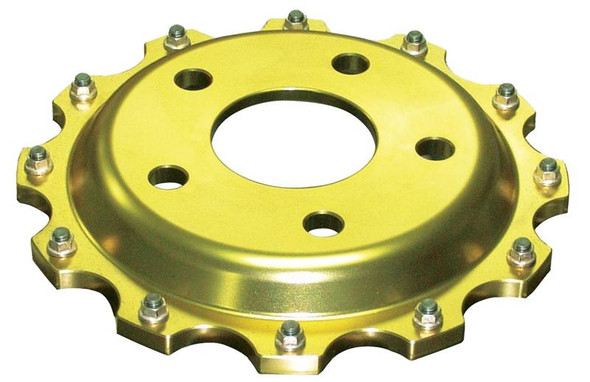

DBA 14-15 Chevy Corvette Z06 T3 5000 Series Left Front Slotted Replacement Friction Ring - DBA52770.1LS
DBA
MSRP: $582.07$492.52What is the primary benefit of the DBA 5000 Series Slotted Rings?These DBA 5000 Series Slotted Rings deliver superior stopping power for confident high-speed maneuvers on your 2015-2018 Chevrolet...MSRP: $582.07$492.52 -
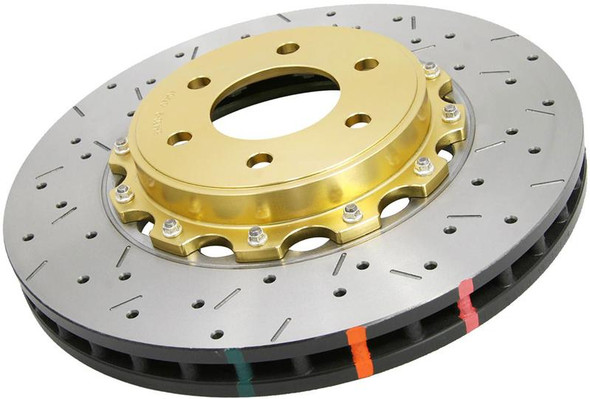
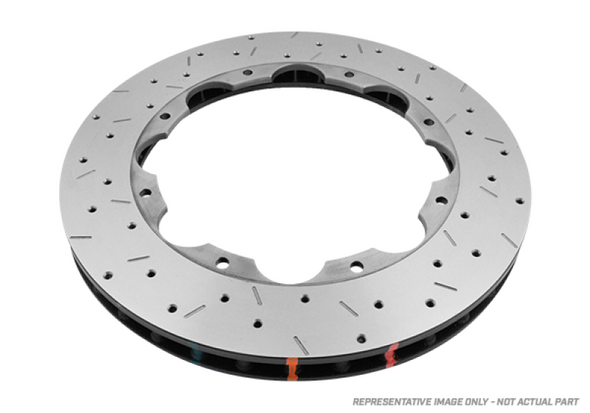
DBA 12+ Nissan GT-R 5000 Series Brembo Only Direct Replacement Rotor - DBA52370.1XS
DBA
MSRP: $670.24$567.12Which vehicles are compatible with the DBA 5000 Series Slotted Rings?DBA 5000 Series Slotted Rings are engineered for direct fitment on 2012-2022 Nissan GT-R, LEAF, and Rogue models, ensuring precise...MSRP: $670.24$567.12
Two-piece brake rotors combine a separate aluminum or steel hat with a floating iron or steel rotor ring, reducing unsprung weight by up to 40% versus a comparable one-piece unit while eliminating thermal distortion under sustained high-heat braking loads. Motor Sport Mayhem stocks 145 two-piece rotor assemblies and kits across 53 brands, ranging from entry-level street upgrades to full competition-spec systems used on purpose-built race cars.
Our Top Picks for Brake Rotors - 2 Piece
Every product below was selected based on verified performance credentials, engineering quality, and real-world results across street, track, and competition applications.
ALC Front Brake Kits
Alcon | $3,450.00
Motorsport-grade two-piece rotor and multi-piston caliper system engineered for vehicles demanding maximum front-axle braking force under repeated high-load stops.
- Floating two-piece rotor design prevents thermal distortion and cracking under extreme duty cycles
ABR Caliper Rebuild Kits
All Balls Racing | $73.99
Restores factory caliper hydraulic integrity so your two-piece rotor assembly delivers consistent, repeatable clamping force without bore corrosion or seal-induced fade.
- Complete seal and hardware kit ensures new rotors aren't undermined by degraded caliper internals
AMS Brake Lines
AMS | $144.95
Stainless-braided brake lines eliminate hydraulic line expansion under pressure, delivering the firm, progressive pedal feel that two-piece rotor systems are engineered to take advantage of.
- Braided stainless construction withstands heat cycles that degrade OEM rubber lines over time
ART ABS Kits
Artec Industries | $98.99
Purpose-built ABS tone ring kit that maintains electronic braking system compatibility when upgrading to larger-diameter two-piece rotor assemblies on lifted or modified axles.
- Correct tooth count preserves ABS and traction control calibration after axle and rotor upgrades
BKM Brake Rotors
BikeMaster | $264.99
Direct-fit motorcycle brake rotor built to OE dimensional tolerances, giving powersport riders a reliable, fade-resistant friction surface without the need for bracket modifications.
- Precision laser-cut rotor profile maintains consistent pad contact area throughout the rotor's service life
BKC Brake Caliper
Bikers Choice | $399.99
Period-correct OE-replacement front caliper machined to accept the same rotor thickness and mounting geometry as the original, preserving brake balance on classic iron.
- Direct OE replacement eliminates bracket fabrication while restoring full hydraulic clamping capacity
BX Brake Master Cylinders
BLOX Racing | $124.80
Upgraded master cylinder with a revised bore diameter provides the increased fluid displacement volume required to fully actuate larger pistons paired with two-piece big brake systems.
- Matched bore sizing prevents the spongy pedal that results from mismatched master cylinder and caliper piston area ratios
BMR Brake Kits for Conversions - D&S
BMR Suspension | $1,339.95
Drilled-and-slotted two-piece rotor conversion kit with matched calipers sized for 15-inch wheel fitment, delivering a complete big-brake upgrade without clearance compromises.
- Engineered as a system — rotor, hat, and caliper are spec'd together to eliminate pedal travel inconsistencies common in mix-matched upgrades
BRB Big Brake Kits
Brembo | $1,995.00
Brembo's GT-series big brake kit pairs a slotted two-piece rotor with a cast multi-piston caliper, providing the thermal mass and swept area to handle repeated track-session heat cycles without fade.
- Two-piece floating construction allows the iron ring to expand independently from the aluminum hat, preventing the warping that terminates one-piece rotors under track abuse
BRE OE Equivalent Rotors
Brembo OE | $1,798.75
OE-spec front disc brake kit replaces the factory two-piece rotor assembly to exact original tolerances, restoring full manufacturer-intended braking performance on high-performance platforms.
- Brembo supplies OE brake hardware to multiple supercar manufacturers, making this a factory-grade replacement rather than an aftermarket interpretation
How to Choose the Right Brake Rotors - 2 Piece
The difference between a quality two-piece rotor and a budget unit comes down to three things: hat material and machining tolerances, the floating hardware connecting hat to ring, and the metallurgical grade of the iron ring itself. Aluminum hats must be CNC-machined from 6061-T6 or equivalent billet — cast aluminum hats warp under thermal cycling and defeat the entire purpose of the two-piece design. The float hardware (bobbin or bowtie clips) must allow the ring to expand radially 0.5–1.5mm without binding, or you'll hear tick-clunk noise on heat and lose the anti-warp benefit entirely. Iron ring grade matters too: a high-carbon iron formulation provides a harder, more consistent friction surface and resists the micro-cracking that terminates low-grade castings after repeated heavy stops.
Key Specifications
Rotor diameter and thickness are the first specs to nail. Diameter directly determines leverage — a larger rotor creates more braking torque for the same caliper clamping force, which is why going from a stock 280mm to a 355mm rotor can feel transformative on a heavy car. Minimum thickness specs (stamped on every rotor) are non-negotiable safety thresholds, not suggestions. Two-piece rotors carry the same discard specs as one-piece units, and running a worn ring on an expensive hat wastes the investment. Confirm your caliper's max rotor diameter and ensure your wheel has sufficient clearance — most 17-inch wheels will not clear a 380mm+ rotor without a spacer or wheel change.
Hat offset is the measurement that trips up more builders than any other spec. The hat determines how far inboard or outboard the rotor face sits relative to the hub flange. An incorrect offset pushes the rotor out of your caliper's pad sweep window, causing uneven wear and reduced clamping area. When ordering a replacement ring for an existing hat, verify the bolt circle diameter (BCD) and bolt count exactly — two-piece rotor bolts are fine-thread fasteners torqued to precise values, and mismatched hardware will loosen under thermal cycling.
Vane count and vane configuration matter for sustained high-heat applications. Curved or pillar-post vane designs flow more air through the rotor at a given road speed than straight radial vanes, which is measurable in rotor surface temperatures on extended track sessions. For street performance use, straight vanes are entirely adequate. For track or competition use, look for directional curved vanes and confirm you're ordering the correct left and right side — directional rotors installed on the wrong side pump air inward rather than outward and run hotter than a plain rotor.
Surface finish on new rotors requires a bedding procedure regardless of the brand. The goal is to deposit a uniform transfer film of pad material onto the rotor surface, which is what actually does most of the braking at the microscopic level. Skipping bedding on a fresh two-piece rotor — especially one paired with a high-performance compound like those from our performance brake pad category — causes uneven glazing that produces vibration and dramatically shortens rotor life. Follow the specific bedding cycle recommended by the pad manufacturer, not a generic procedure.
Two-Piece Rotor Sizing Reference by Vehicle Weight and Use
| Vehicle Weight (lbs) | Recommended Min. Rotor Diameter (mm) | Minimum Ring Thickness (mm) | Typical Application |
|---|---|---|---|
| Under 2,400 | 280–305 | 22–25 | Lightweight sports car, track-prepped compact, powersport |
| 2,400–3,200 | 305–330 | 25–28 | Sport coupe, front-wheel-drive hot hatch, mid-weight roadster |
| 3,200–3,800 | 330–355 | 28–32 | Performance sedan, muscle car, light pony car |
| 3,800–4,600 | 355–380 | 32–36 | Heavy sport sedan, performance SUV, full-size muscle |
| 4,600–5,500 | 380–405 | 34–38 | Full-size truck, heavy SUV, high-torque performance build |
| Over 5,500 | 405+ | 38+ | Tow/duty truck, dedicated drag car with high rear braking bias, supercar |
Price Guide
Entry ($0.20–$138): This range covers replacement hardware, ABS components, individual seals, and entry-level single-vehicle rotor rings. Useful for completing an existing two-piece setup or restoring a brake system to a known baseline, but full two-piece assemblies in this tier are rare — budget accordingly for what you're actually getting.
Mid-range ($138–$800): The sweet spot for the majority of street performance and occasional-track builds. At this price point you're getting complete two-piece assemblies with CNC-machined aluminum hats, proper floating hardware, and iron rings cast to a quality formulation — the same functional engineering that filters down from race programs. Most enthusiasts who upgrade from a stock one-piece rotor land here and see meaningful improvements in pedal feel and fade resistance.
Premium ($800–$3,743.73): Full competition-spec systems, OE-replacement kits for exotic platforms, and complete big-brake kit bundles with matched calipers. The cost is justified when you're replacing factory hardware on a high-performance vehicle that shipped with two-piece rotors from the factory, running repeated endurance track sessions, or building a vehicle where brake failure risk is unacceptable. Brands like Brembo, Alcon, and Wilwood occupy this tier with purpose-engineered designs that carry race program provenance.
Who Is This For?
Two-piece brake rotors span a wide range of applications — from spirited street driving and weekend autocross all the way to full-bore endurance racing and high-speed desert competition.
Street Performance — 8.3/10
This category earns its highest usage score in street performance because the two-piece design solves real problems that stock one-piece rotors develop on driven cars: thermal distortion, pedal pulsation, and uneven pad transfer under repeated hard stops. On a street car that sees canyon runs, on-ramps pushed hard, or stop-and-go traffic after a spirited drive, the floating ring design dissipates heat more consistently than a one-piece unit and recovers faster between heat cycles. The weight reduction — often 2–4 lbs per corner — also improves steering response and suspension articulation in ways the driver can feel immediately.
Track / Autocross — 7.8/10
At 7.8/10, track and autocross is where two-piece rotors demonstrate their engineering advantage most clearly: repeated full-ABS stops from high speed generate rotor temperatures that destroy OE cast iron units within a session. The floating hardware allows the ring to grow thermally without transmitting stress to the hat, which is the primary failure mode of single-piece rotors under track abuse. Pairing a quality two-piece setup with appropriate performance brake pads is the single most effective brake system upgrade for dedicated track use.
Racing Competition — 7.5/10
Competition use demands the highest metallurgical grade of both the iron ring and the aluminum hat, plus verified floating hardware that won't seize after heat cycling. At this level, two-piece rotors are not an upgrade — they're the baseline specification, because single-piece rotors cannot survive the thermal loads of repeated competition braking without warping or cracking. Rotor selection at the competition level is driven by pad compound compatibility, minimum weight requirements, and endurance — a rotor that measures fast in quali but degrades by lap 30 is worthless in a long event.
Daily Driving Comfort — 6.4/10
The 6.4/10 score reflects an honest limitation: two-piece rotors are not optimized for NVH (noise, vibration, harshness) in cold, low-speed conditions. The float hardware produces a characteristic tick or slight clunk during the first few cold stops of the day as the ring shifts against the bobbins — this is normal and harmless, but it's not the experience daily drivers expect from a brake upgrade. For a vehicle that spends 90% of its miles in city traffic, a quality slotted or drilled OE-replacement rotor from our slotted rotor category may deliver a better overall ownership experience.
Heavy Towing — 7.0/10
Towing creates a distinct thermal profile: long, sustained moderate-to-hard brake applications while loaded — the opposite of the short, violent stops that characterize track use. Two-piece rotors score well here because the thermal mass of a larger-diameter ring and the floating design's resistance to distortion both directly address fade-under-load, which is the primary brake complaint in towing applications. Sizing up rotor diameter for a tow application follows the same principle as going to a bigger disc for track use — more swept area, more thermal capacity, later fade onset.
Trusted Brake Rotors - 2 Piece Brands We Carry
The brands that define this category do so through engineering depth, not marketing spend. Brembo holds OE supplier contracts with some of the world's most demanding supercar manufacturers, and their two-piece GT series hardware is the same architecture that supplies factory brake systems — not a derivative of it. Wilwood Engineering builds every rotor hat and iron ring to race-program tolerances developed through decades of oval and road course competition, with an average product price above $600 that reflects machining quality, not margin. Stoptech developed the two-piece floating rotor concept for street-performance buyers and maintains one of the broadest application fitment databases in the industry. EBC brings metallurgical expertise from their pad compound R&D into their rotor iron formulations, providing consistent pad-to-rotor compatibility across their system. DBA (Disc Brakes Australia) supplies OE hardware to several factory performance programs and brings that manufacturing discipline to their aftermarket two-piece lineup. PowerStop rounds out the accessible end of the market with complete brake system kits engineered for matched rotor-and-pad performance rather than component swaps, making them a practical choice when upgrading a full axle at once.
Frequently Asked Questions
Are aftermarket brake calipers any good?
Quality aftermarket brake calipers from established manufacturers are absolutely reliable and in many cases superior to OE units for performance applications. The key distinction is manufacturing source: calipers from suppliers like Brembo, Wilwood, or Stoptech are machined to tighter bore tolerances than most OE assemblies and use harder anodizing or coating processes that resist heat-soak and corrosion better. Where aftermarket calipers fall short is when sourced from unknown importers with no published bore tolerance, seal specification, or thermal rating — those are the units that fail. Always verify that a caliper's piston area is correctly matched to your master cylinder bore before installation; a mismatch produces either an overly light or dangerously firm pedal regardless of caliper quality.
Are black coated rotors worth it?
Black-coated rotors — typically e-coated, zinc-plated, or paint-coated — are worth it primarily for corrosion resistance on the hat and vane surfaces, which are the areas that rust visibly without contributing to braking performance. The coating on the actual friction surface burns off within the first few stops and has zero effect on braking performance in normal use. Where the coating genuinely earns its cost is in longevity of the non-friction surfaces: uncoated vanes rust visibly within weeks in wet climates, and surface rust in the vane passages reduces airflow cooling efficiency over time. On a two-piece rotor, the aluminum hat doesn't need coating for corrosion resistance, but the iron ring's non-swept faces absolutely benefit from a durable black coating.
Are ABS tone rings magnetic?
Standard passive ABS tone rings are ferromagnetic — they must be made from a magnetic-grade steel or iron so the fixed reluctance sensor can detect the passing teeth and generate the AC voltage signal the ABS module interprets as wheel speed. Active ABS systems, increasingly common on post-2010 vehicles, use a magnetic encoder ring embedded with alternating north-south pole pairs and a Hall-effect sensor, so the ring itself contains the magnetic element rather than being simply magnetically permeable. When upgrading to a larger two-piece rotor on an ABS-equipped vehicle, confirm whether your system uses a passive reluctor ring or an active encoder ring — the replacement hardware is completely different and the two types are not interchangeable. Incorrect tone ring tooth count will cause ABS fault codes and may disable the system entirely.
Are Akebono brakes better than OEM?
Akebono is an OEM supplier — they manufacture original brake pads and in some cases rotors for multiple factory fitments, so in many applications their aftermarket product is literally the same compound and specification as what came on the vehicle from the factory. Their ceramic compound formulations are engineered for low dust, low noise, and consistent cold-bite, which makes them an excellent choice for street-driven and daily-driven vehicles where NVH and wheel cleanliness matter. Where Akebono is not the right choice is in sustained high-heat applications: their ceramic compounds are optimized for street operating temperatures (under 700°F) and will glaze and fade under track conditions that purpose-built performance compounds handle routinely. For a vehicle that lives on the street, Akebono OEM-equivalent or better; for track days, pair your two-piece rotors with a high-temperature compound specifically rated for your anticipated rotor temperatures.
Are backing plates necessary?
Brake backing plates — the thin stamped-steel dust shields behind the rotor — are not structurally necessary for braking performance, but they serve a real function: they deflect road debris, water, and mud away from the rotor face and pad surface, and on some suspension geometries they also act as a stone deflector protecting the inner pad edge. On a dedicated track car where weight reduction and airflow to the rotor are prioritized, removing backing plates is a common and accepted modification. On a street or street-plus-track vehicle, keeping the backing plate intact or replacing a damaged one prevents the kind of contamination that causes uneven pad deposits and glazing — particularly important when you've invested in a quality two-piece rotor assembly. If your backing plate is bent and contacting the rotor, remove or straighten it immediately, as contact marks cause uneven wear patterns that no amount of bedding will correct.
Building something specific? Our performance specialists can help you select the right Brake Rotors - 2 Piece for your application — street, track, or full race build.