
Brake Hardware
- Product
- Qty in Cart
- Quantity
- Price
- Subtotal
-

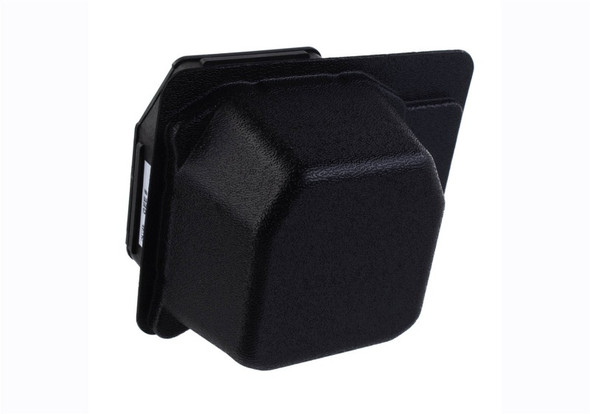
Ford Racing BOSS 302R/S ABS Module - M-2353-CA
Ford Racing
MSRP: $465.00$458.62What is the main difference between the FR ABS Module and the stock ABS Module?FR ABS Modules deliver superior stopping power and consistent braking performance, exceeding stock capabilities for demanding driving scenarios.Can I install the FR ABS Module...MSRP: $465.00$458.62 -

Alcon 2021+ Ford F150 (Excl Raptor) Bracket Kit - Front - BSK4415X618
Alcon
$275.00Are Alcon brake hardware kits universal?No, Alcon brake hardware is meticulously designed for specific vehicle fitment; always confirm compatibility before installation.Can I install Alcon brake hardware myself?Professional installation is strongly...$275.00
Brake hardware encompasses every structural and hydraulic component in your braking system — calipers, master cylinders, brake lines, ABS tone rings, backing plates, and complete conversion kits — and the quality of these parts determines pedal feel, stopping force, and fade resistance more than rotors or pads alone. Motor Sport Mayhem stocks 350 in-stock brake hardware parts across 53 brands, from sub-dollar hardware clips to $3,700+ race-spec big brake kits built for sustained high-heat competition.
Our Top Picks for Brake Hardware
Every product below was selected based on engineering quality, verified fitment, and proven real-world performance across street, track, and off-road applications.
ALC Front Brake Kits
Alcon | $3,450.00
A 376mm rotor paired with a 6-piston monoblock caliper delivers the thermal mass and clamping force required for sustained heavy-duty performance under extreme load.
- Alcon supplies OEM braking systems to factory motorsport programs — this is race-proven engineering in a bolt-on package
ABR Caliper Rebuild Kits
All Balls Racing | $73.99
Restores full hydraulic sealing and piston travel to worn calipers using precision-matched seals and dust boots engineered to OE dimensional tolerances.
- Rebuilding rather than replacing a caliper maintains original bore geometry and preserves pedal feel consistency
AMS Brake Lines
AMS | $144.95
Stainless steel braided construction eliminates the hydraulic expansion that causes spongy pedal feel in rubber OEM lines under repeated hard braking cycles.
- PTFE inner liner resists brake fluid degradation and is compatible with DOT 4, DOT 5.1, and racing fluid formulations
ART ABS Kits
Artec Industries | $98.99
Retains factory ABS function after an axle swap by providing a correctly-toothed tone ring matched to the factory wheel speed sensor's pulse count requirements.
- Maintaining ABS integrity on lifted or re-geared builds prevents false fault codes and preserves legal compliance on street-driven vehicles
BKM Brake Rotors
BikeMaster | $264.99
Precision-machined powersports rotors deliver consistent thickness variation tolerances critical for eliminating brake pulsation on high-performance motorcycle applications.
- Stainless steel construction provides superior corrosion resistance compared to cast iron in exposed powersports environments
BKC Brake Caliper
Bikers Choice | $399.99
A direct-replacement caliper that restores full hydraulic function and period-correct appearance on classic big-twin applications without custom fabrication or line modification.
- OE-compatible mounting dimensions and banjo bolt port sizing make this a true drop-in restoration component
BX Brake Master Cylinders
BLOX Racing | $124.80
An upgraded master cylinder with optimized bore diameter improves pedal ratio and hydraulic leverage, delivering firmer, more linear pedal response on track-prepped builds.
- Master cylinder bore diameter is the single most impactful hardware variable for pedal feel — this addresses it directly at the source
BMR Brake Kits for Conversions - D&S
BMR Suspension | $1,339.95
A complete drilled-and-slotted conversion kit with matched calipers steps up rotor diameter and piston area simultaneously for proportionally balanced braking improvement front-to-rear.
- Buying a matched rotor-and-caliper kit eliminates the hydraulic balance guesswork that comes from mixing components from different manufacturers
BRB Big Brake Kits
Brembo | $1,995.00
A 4-piston cast caliper paired with a 326mm slotted two-piece rotor provides a measurable increase in thermal capacity and clamping force over OEM hardware on performance-oriented platforms.
- Brembo's GT line is engineered and validated on track — not just styled to look like race equipment
BRE OE Equivalent Rotors
Brembo OE | $1,798.75
Factory-spec replacement disc brake hardware maintains the original hydraulic balance, pedal feel, and ABS calibration that the vehicle's engineering team validated from the factory.
- On high-performance factory brake platforms, OE-equivalent hardware is the correct choice when the stock system already meets the application's demands
How to Choose the Right Brake Hardware
The single biggest mistake buyers make in this category is treating brake hardware as interchangeable commodity parts — it isn't. Caliper bore diameter, master cylinder bore-to-pedal ratio, line expansion rate, and ABS tone ring tooth count are all precision-matched values. Getting any one of them wrong produces brake imbalance, spongy pedal feel, ABS fault codes, or outright system failure. Good brake hardware is defined by dimensional accuracy, material integrity under sustained heat, and compatibility with the hydraulic circuit it's entering.
Key Specifications
Caliper selection starts with piston area, not piston count. A 4-piston caliper with small-diameter pistons can generate less clamping force than a well-designed 2-piston caliper with large bores. What matters is total hydraulic piston area (measured in square inches or cm²) relative to the master cylinder bore, which sets your pedal ratio. For street applications, prioritize calipers with stainless steel pistons rather than aluminum — aluminum pistons transfer more heat into the fluid, which accelerates fade. For track use, phenolic pistons are the correct choice because they act as thermal insulators between the pad and fluid.
Brake lines are one of the highest-return upgrades in this category because they directly affect pedal feel with zero changes to rotor or pad. Rubber OEM lines expand under pressure, absorbing hydraulic energy that should be moving your caliper pistons. Stainless braided lines with a PTFE inner liner are dimensionally stable at all pressures and temperatures, giving you a firmer, more consistent pedal from the first press. When selecting brake lines, verify the banjo bolt thread pitch and seating angle match your OEM fittings — metric and SAE banjos are not interchangeable and cross-threading a brake line fitting is a catastrophic safety failure point.
Master cylinder bore diameter is the most misunderstood specification in street performance. A larger bore moves more fluid per pedal stroke, which actuates calipers faster but requires more pedal force for the same clamping pressure — this is why dedicated race cars use smaller master cylinders with higher pedal ratios. For dual-purpose street-track builds, stock master cylinder sizing is often correct; the problem is usually degraded seals or heat-soaked fluid, not bore diameter. Only upgrade master cylinder bore when you've added significantly larger calipers or converted a multi-circuit system to a larger rotor diameter.
ABS tone rings require exact tooth count matching to the factory wheel speed sensor's pulse-per-revolution calibration. Installing a 48-tooth ring where a 60-tooth ring is required will cause the ABS module to calculate incorrect wheel speed, triggering fault codes or, worse, miscalculating lockup thresholds. When performing axle swaps, lift kits, or disc brake conversions on vehicles with factory ABS, always verify the tooth count against the OEM specification — this is not an approximate match situation. Backing plates, while often overlooked, serve as both a debris shield and a structural caliper mounting surface reference; bent or corroded backing plates cause pad knock-back and uneven wear patterns that no amount of pad or rotor upgrades can correct.
Rotor Diameter vs. Caliper Piston Area Reference Guide
| Rotor Diameter | Recommended Min. Piston Area (per caliper) | Typical Application | Notes |
|---|---|---|---|
| 255–280mm | 4.5–6.0 cm² | Light street, economy performance | Single-piston sliding caliper typically adequate |
| 280–305mm | 6.0–8.5 cm² | Spirited street, light autocross | 2-piston fixed or large single-piston sliding |
| 305–330mm | 8.5–12.0 cm² | Track day, high-performance street | 4-piston fixed caliper recommended for pad contact consistency |
| 330–355mm | 12.0–16.0 cm² | Time attack, club racing | 4- or 6-piston fixed; two-piece floating rotor preferred |
| 355–380mm | 16.0–22.0 cm² | Endurance racing, heavy performance trucks | 6-piston monoblock; master cylinder upgrade likely required |
| 380mm+ | 22.0 cm²+ | GT racing, factory supercar replication | Carbon-ceramic rotor compatibility must be verified; system-level hydraulic rebalance required |
Price Guide
Entry ($0.20–$138): Hardware clips, brake line fittings, banjo bolts, dust boots, and caliper rebuild seal kits live in this range — these are maintenance and restoration components, not performance upgrades, and buying quality here is critical because a failed brake line fitting or a torn caliper seal has zero-margin consequences.
Mid-range ($138–$750): This is where most performance enthusiasts shop — stainless brake line sets, upgraded master cylinders, single-axle caliper upgrades, and ABS conversion kits all fall here, and this tier delivers the highest real-world performance return per dollar because it addresses the hydraulic hardware most OEM builds compromise on.
Premium ($750–$3,743.73): Complete big brake kits, multi-piston monoblock calipers, and factory-equivalent OE replacement kits for high-performance platforms justify this investment for builds where the braking system is a genuine performance constraint — track cars running repeated heavy stops, trucks under sustained towing load, or enthusiasts replacing expensive OEM components on factory sport packages.
Who Is This For?
Brake hardware serves everyone from the weekend autocrosser needing firmer pedal feel to the endurance racer managing thermal load across multi-hour stints — the right hardware depends entirely on what your system is being asked to do.
Street Performance — 8.3/10
Brake hardware scores at the top of the usage matrix for street performance because the gains are immediate and tactile — upgraded brake lines alone transform pedal confidence on any spirited road car. The 200 products rated for this application cover the full range from stainless line sets to complete front big brake kits, all designed to be street-legal, daily-drivable, and compliant with OEM hydraulic circuits. This is the use case where hardware quality most outpaces pad and rotor changes in terms of driver-perceived improvement.
Track / Autocross — 7.8/10
At 7.8/10 across 192 products, this category performs exceptionally well for track use because the hardware — not just the friction material — is what sustains braking performance across repeated high-temperature cycles. Calipers with phenolic pistons, braided lines rated for sustained elevated fluid temperatures, and properly sized master cylinders are all track-critical components that rubber OEM hardware cannot replicate. Autocross specifically benefits from upgraded master cylinders that sharpen initial bite response, reducing the slight hydraulic lag that's irrelevant on the street but measurable on course.
Racing Competition — 7.5/10
Racing-spec hardware across 161 products scores 7.5/10, with the gap from track use being explained by the fact that true competition builds require components beyond what most in-stock street hardware covers — billet monoblock calipers, remote bias bars, and dual-circuit master cylinders are racing-specific items. Within what's available at this level, big brake kits from race-pedigreed brands and high-spec conversion kits deliver the rotor diameter and clamping force needed for competition-class braking distances. For competition-spec brake pads, the hardware selection here supports the full range of racing compound requirements.
Easy DIY Install — 7.4/10
At 7.4/10 across 89 products, brake hardware rates well for DIY installation because most components in this category are designed with professional workshop installation in mind — clear torque specs, direct-fit mounting, and standard bleed procedures mean a competent home mechanic can complete most upgrades safely. Caliper rebuild kits, brake line replacements, and ABS tone ring installs are all within reach of anyone comfortable with basic hydraulic work and proper bleeding technique. The key caution: never attempt DIY brake hardware work without confirming the hydraulic circuit is fully bled and verified with a proper pedal pump test before road use.
Heavy Towing — 7.0/10
Heavy towing scores 7.0/10 across 21 products — a smaller but highly relevant subset of the catalog for truck and SUV owners operating at or near GVWR regularly. Sustained downhill braking under load puts thermal and mechanical stress on caliper seals, brake lines, and master cylinder cups that OEM hardware is often not rated to handle long-term. Upgraded calipers with larger piston area and heat-resistant seals, combined with high-temperature brake lines, are the hardware priorities for any tow vehicle seeing regular mountain or loaded-highway use.
Trusted Brake Hardware Brands We Carry
The brake hardware brands that earn top-tier status in this category do so through engineering validation, not marketing — and the difference between a trusted brand and a commodity supplier shows up in seal durometer ratings, caliper housing alloy specs, and hydraulic line burst pressure certifications. Brembo supplies OEM braking systems to some of the most demanding factory performance programs in the world, and their aftermarket hardware carries that same dimensional precision. Wilwood builds the majority of their calipers and master cylinders in-house in Camarillo, California, with a racing heritage that spans decades of American motorsport, reflected in their category-leading average price of $637 — these are purpose-built performance components, not rebranded generics. Alcon brings true motorsport DNA to street-legal big brake kits, supplying factory brake systems to rally and GT racing programs before those designs filter down to enthusiast builds. EBC and Stoptech round out the hardware side with extensive brake line, caliper, and conversion kit offerings that cover the broadest range of fitments in the catalog, while PowerStop delivers complete hardware-inclusive kit solutions that give daily drivers a straightforward path to a fully matched, upgraded system without sourcing individual components separately.
Frequently Asked Questions
Are aftermarket brake calipers any good?
Quality aftermarket brake calipers from established manufacturers are not only as good as OEM — in many cases they're engineered to a higher performance specification than the cost-optimized calipers fitted at the factory. The critical variables are bore machining tolerances, seal material quality, and piston construction — specifically whether pistons are steel, aluminum, or phenolic. Brands with verified motorsport supply chains and documented material certifications produce calipers with consistent hydraulic performance and long service life. Avoid unbranded or heavily discounted calipers with no published specifications; caliper failure is a zero-redundancy safety event.
Are aftermarket master cylinders worth installing?
An aftermarket master cylinder is worth installing when your current unit has degraded internal seals causing fluid bypass, or when you've made hydraulic hardware changes — larger calipers, longer lines, or a brake conversion — that shift the system's volumetric demand outside the original master's design range. Bore diameter is the defining specification: too large a bore produces a hard pedal that requires excessive force; too small produces a soft, over-traveled pedal with diminished modulation. For most street-performance applications, matching the replacement master to OEM bore dimensions while upgrading seal quality and fluid compatibility is the correct approach. Pure race applications benefit from adjustable bias bars paired with dual master cylinder setups, but this is not appropriate for street use.
Are ABS tone rings magnetic?
Yes — passive ABS tone rings work on a magnetic induction principle, where the ring's ferromagnetic teeth pass through the magnetic field generated by the wheel speed sensor, creating voltage pulses the ABS module counts to determine wheel speed. This means the ring must be made from a magnetically permeable ferrous material — typically steel — and the air gap between the ring teeth and the sensor tip must fall within a precise range, usually 0.3mm to 1.5mm depending on the system. Active ABS systems use magnetic encoder rings embedded in wheel bearing seals rather than traditional toothed rings, and these operate differently using Hall-effect sensors that detect polarity changes rather than inductance peaks. When replacing or upgrading a tone ring, always verify whether your system is passive inductive or active Hall-effect before purchasing, as the two are completely incompatible.
Are backing plates necessary on a performance build?
Backing plates are necessary and should never be omitted on any street-driven vehicle — they prevent road debris, water, and mud from contaminating the rotor and pad friction surfaces, and they provide the structural reference surface that prevents caliper flex on many mounting configurations. On dedicated race cars running in controlled environments, some builders delete backing plates to reduce unsprung weight and improve airflow to rotors, but this is a track-only decision made with full understanding of the contamination risks. Corroded, bent, or missing backing plates on street vehicles cause accelerated pad and rotor wear by allowing debris to work into the friction interface, often producing the brake shimmy and pulsation that drivers incorrectly attribute to rotor runout. Inspect backing plates any time you're replacing rotors or pads — replacement cost is low and the functional impact of a compromised plate is disproportionately high.
Are black coated rotors worth it?
Black coated rotors — typically zinc phosphate or e-coat finished on the hat, vanes, and non-swept rotor surfaces — are worth the modest price premium over uncoated rotors for one specific reason: they prevent the cosmetic and structural corrosion that forms on exposed cast iron surfaces during storage and between uses, which can cause the coating to flake into the friction surface and contaminate pads early in the rotor's life. The friction surface itself is never coated on any properly manufactured performance rotor — the coating burns off during initial bedding — so the coating does not affect braking performance. For vehicles that sit for extended periods, see rain regularly, or are stored in humid environments, coated rotors provide meaningfully better long-term rotor integrity than raw cast iron. The coating also provides a cleaner aesthetic behind open-spoke wheels, which is a secondary but legitimate benefit for show or dual-purpose builds.
Building something specific? Our performance specialists can help you select the right Brake Hardware for your application — street, track, or full race build.