
Plastics
- Product
- Qty in Cart
- Quantity
- Price
- Subtotal
-
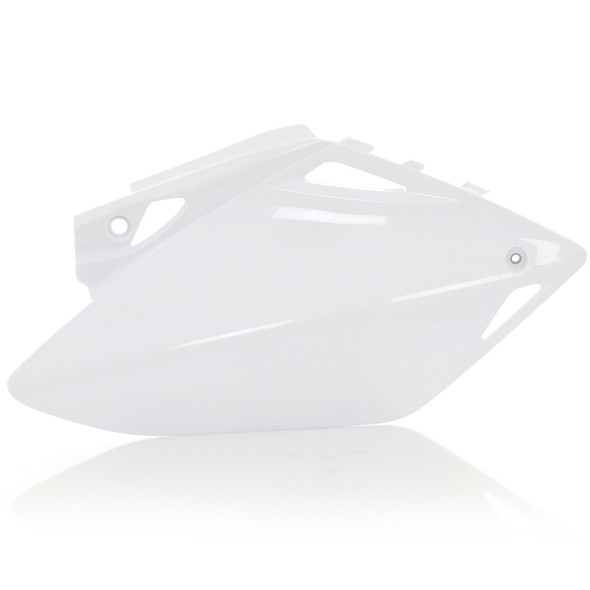
ACB Side Panels
Acerbis
$61.21What is the typical lifespan of Acerbis plastics?Acerbis plastics are engineered for durability, offering a long-lasting, pristine appearance that enhances your motorcycle's aesthetic for years.Are these side panels easy to install?Professional...$61.21 -
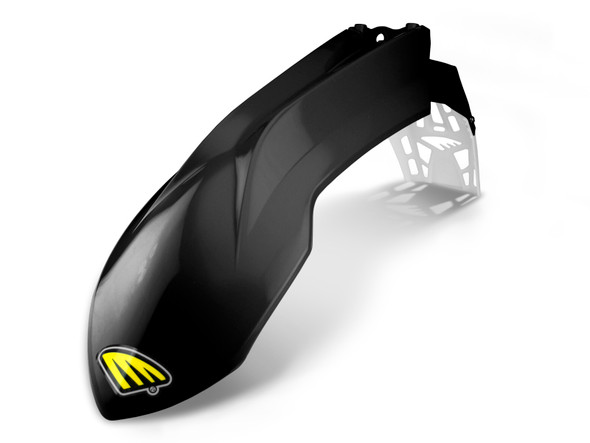
CYC Front Fender
Cycra
$51.51Is this fender compatible with my motorcycle?Confirm precise fitment for your specific vehicle model before installation to ensure optimal integration and performance with this plastics upgrade.What is the installation process like for this...$51.51 -
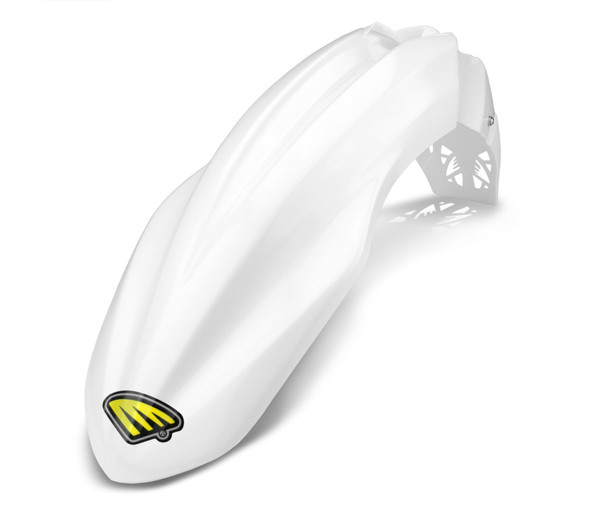
CYC Front Fender
Cycra
$51.51What year Kawasaki KX250F models does the Cycra Front Fender fit?The Cycra 13-16 Kawasaki KX250F Cycralite Front Fenders are specifically designed for the 2013 through 2016 model years.Is this front fender easy to install?Professional installation is...$51.51 -
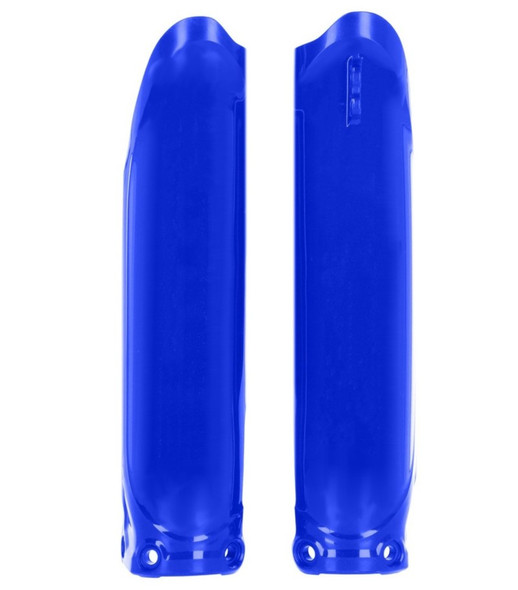
CYC Fork Covers
Cycra
$51.51What year models do these fork guards fit?These specific plastic fork guards are engineered exclusively for 2023 and newer Yamaha WR450F, YZ450F, and FX models.Are these fork guards easy to install?Install professional installation is recommended for...$51.51 -

CYC Number Plate
Cycra
$51.51Will this number plate fit my bike?The Cycra Number Plate is engineered specifically for 2018-2021 Honda CRF250R models, ensuring precise integration and a factory-like fitment.Do I need special tools to install this?Professional installation is...$51.51 -
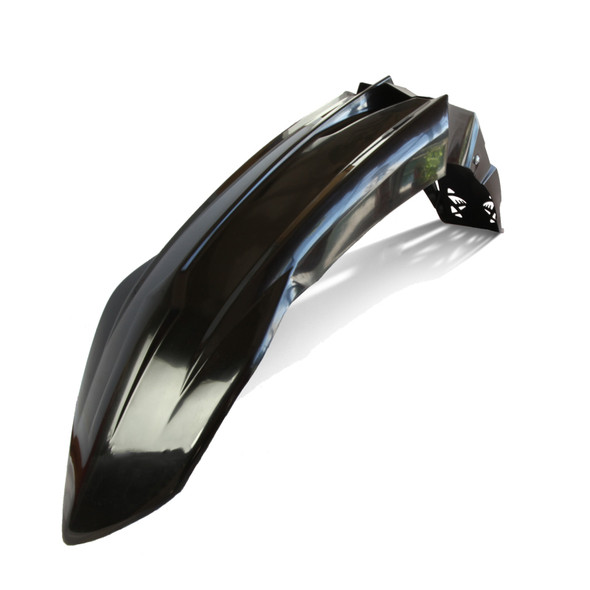
CYC Front Fender
Cycra
$51.51Is this fender compatible with my Yamaha WR250F?This Cycra WR250F front fender is specifically engineered for 2020 and newer Yamaha WR250F models, ensuring a precise fit.Can I install this myself?Professional installation is recommended for this Cycra...$51.51 -
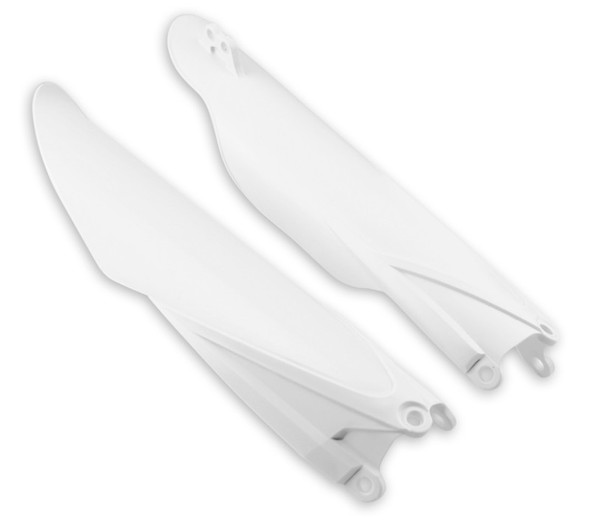
CYC Fork Covers
Cycra
$51.51What is the best way to ensure my CYC Fork Covers fit my specific motorcycle model?CYC Fork Covers require you to confirm precise fitment with your vehicle's make, model, and year prior to installation.Are CYC Fork Covers easy to install?CYC Fork Covers...$51.51 -
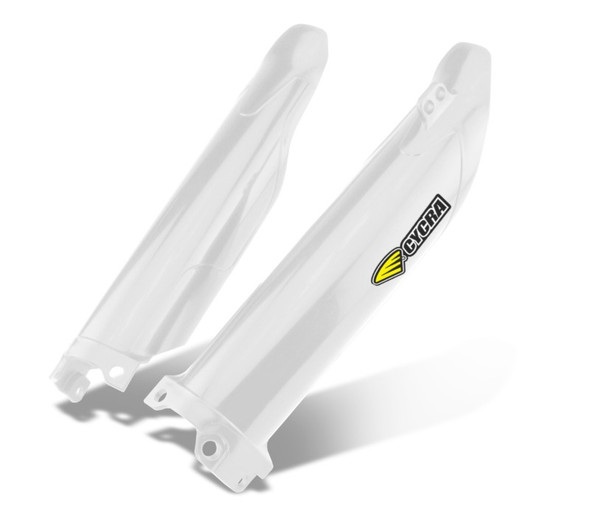
CYC Fork Covers
Cycra
$51.51Are these fork covers specifically designed for the Kawasaki KX450X?These Cycra fork covers are engineered exclusively for the 2021 and newer Kawasaki KX450X models, ensuring precise fitment.Is professional installation required for these fork...$51.51 -

CYC Number Plate
Cycra
$51.51What model years does the CYC Number Plate fit?The CYC Number Plate is designed specifically for 2018, 2019, 2020, and 2021 Honda CRF250R models, ensuring precise fitment.Is professional installation of the CYC Number Plate recommended?Professional...$51.51 -
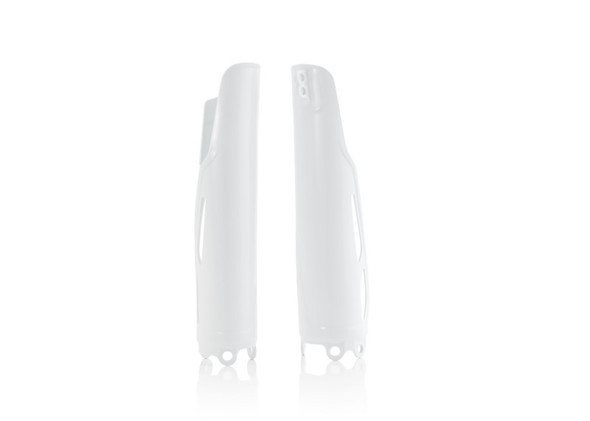
CYC Fork Covers
Cycra
$51.51What motorcycle models are compatible with these fork guards?These Cycra fork guards deliver direct fitment for 2019 and newer Honda CRF250R and CRF450RX models, ensuring a precise installation.Are these fork guards easy to install?Professional...$51.51 -
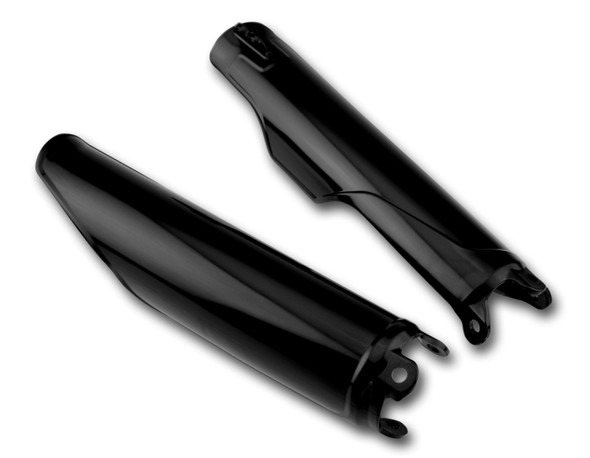
CYC Fork Covers
Cycra
$51.51What is the primary function of CYC Fork Covers?CYC Fork Covers primarily shield your fork tubes from damaging trail debris and impacts, preserving optimal fork performance.Can I install these myself?Professional installation is recommended for CYC Fork...$51.51 -
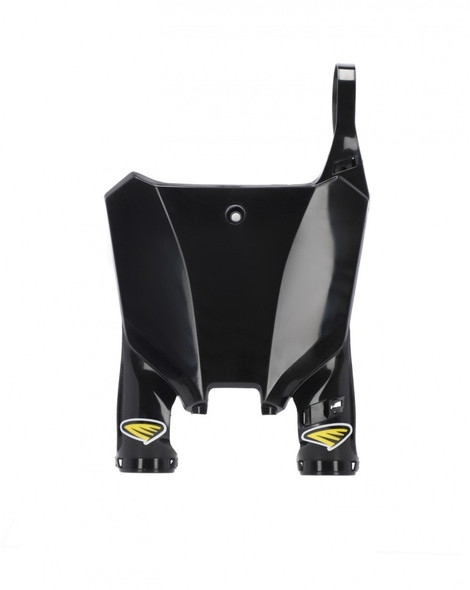 $51.51
Motorsport plastics — body kits, frame guards, fenders, swingarm protectors, and disc covers — are the first line of defense against impact damage, roost, and UV degradation while directly influencing rider ergonomics and bike geometry. Motor Sport Mayhem stocks 792 in-stock plastic components from the most respected brands in off-road and motocross, priced from $14.22 to $246.39.
Our Top Picks for Plastics
These kits were selected based on material quality, OEM-level fitment tolerance, and proven performance in real race and off-road conditions.
ACB Body Kit
Acerbis | $202.75
A complete OEM-profile replacement kit manufactured from high-density polyethylene that restores full factory geometry and panel alignment in a single purchase.
- Full-kit coverage eliminates the panel-gap fitment issues common with mixing brands or sourcing individual pieces separately
CYC Body Kit
Cycra | $246.39
Cycra's Powerflow-profile body kit uses engineered panel shaping to actively redirect airflow toward the radiator and improve rider-to-bike interface under aggressive riding positions.
- Airflow-optimized panel geometry delivers a measurable thermal management advantage over standard OEM profile replacements in sustained race conditions
How to Choose the Right Plastics
The difference between premium and budget motorsport plastics comes down to three things: resin formulation, wall thickness consistency, and mounting point geometry. Cheap plastics use generic polypropylene that becomes brittle under UV exposure and shatters on cold-weather impact rather than flexing. Quality components are manufactured from engineered high-density polyethylene (HDPE) or polypropylene co-polymer blends that maintain elasticity across a broad temperature range — typically -20°F to 200°F — so they absorb rock strikes and roost without cracking. Mounting tab geometry is where off-brand pieces fail most often: undersized or mislocated tabs cause panels to vibrate loose under sustained vibration, creating both a noise issue and a progressive fitment failure that accelerates panel wear.
Key Specifications
Wall thickness directly determines both impact resistance and weight. OEM-equivalent panels typically run 2.5mm to 3.5mm depending on the panel location and application — shrouds and side panels at the lighter end, front fenders and number plates at the heavier end. Race-grade panels sometimes reduce wall thickness strategically to cut weight while reinforcing high-stress zones around mounting points with localized ribbing. Verify wall thickness specs when comparing kits; a kit listed at a lower price but matching HDPE material at 2.0mm wall thickness will crack under the same impact that a 3.0mm panel absorbs cleanly.
Color stability matters more than most riders realize. UV inhibitors are mixed into the resin at the formulation stage, not applied as a surface coating — which means panels that start white or red hold that color if the UV package is adequate, and fade irreversibly if it is not. Quality manufacturers publish their UV stabilizer content; look for formulations rated for 500+ hours of UV exposure before noticeable fading begins. Panels without UV inhibitors will chalk and fade within a single season in high-sun environments.
Fitment tolerance is defined by how closely the plastic kit's mounting point locations match the OEM chassis specification. Premium kits are CNC-machined from production molds held to tolerances of ±0.5mm or better at each mounting location. Loose-tolerance molds, typically seen in generic offshore kits, may deviate by 2mm or more, which forces tab-slot alignments that stress the plastic under every ride cycle and accelerate cracking at mounting points. For protection-focused components like frame guards and swingarm protectors, surface texture also determines grip — embossed or knurled surfaces provide measurable boot traction compared to smooth finishes.
For disc brake covers and filter wraps, material selection shifts toward non-structural function. Disc covers use lightweight polycarbonate or ABS to shed mud and debris without adding rotational mass, while air filter wraps rely on open-cell foam or nylon mesh that must balance debris exclusion against airflow restriction — a spec that varies significantly between products and directly affects engine breathing under dusty conditions.
Motorsport Plastics: Material Specification Reference
| Panel Type | Recommended Material | Typical Wall Thickness | Key Performance Requirement |
|---|---|---|---|
| Front Fender | HDPE co-polymer | 3.0mm – 3.5mm | Impact resistance, UV stability, stone deflection |
| Side Shrouds / Radiator Scoops | HDPE or PP co-polymer | 2.5mm – 3.0mm | Airflow geometry, rider knee interface, crack resistance |
| Frame Guards | Reinforced PP or EVA-backed HDPE | 3.5mm – 5.0mm (with backing) | Boot grip, abrasion resistance, frame scratch protection |
| Swingarm Protectors | High-abrasion HDPE | 3.0mm – 4.0mm | Chain slap absorption, surface hardness, secure mounting |
| Disc Brake Covers | ABS or polycarbonate | 1.5mm – 2.5mm | Low rotational mass, mud shedding, heat tolerance |
| Number Plates / Rear Fender | PP co-polymer | 2.5mm – 3.0mm | Flexibility on impact, UV color stability, decal adhesion |
Price Guide
Entry ($14.22–$80.00): Individual replacement panels, basic frame guards, disc covers, and filter wraps. Suitable for riders replacing crash-damaged single pieces or adding light protection — not full-kit builds. Material quality is generally adequate at this tier but UV stability and mounting tab precision vary widely by manufacturer.
Mid-range ($80.00–$175.00): Where most competitive riders and serious weekend off-roaders land. Multi-piece protection sets, quality frame guard kits, and full fender assemblies occupy this range. Material specifications are more consistent, UV inhibitor content is typically disclosed, and fitment tolerances are held to tighter standards by established brands.
Premium ($175.00–$246.39): Full body kits that replace every exterior panel in a single purchase. Justified for race builds, complete aesthetic refreshes on high-hour bikes, and riders who need confirmed OEM-level fitment with race-grade UV and impact specs. The per-piece cost when broken down often beats buying panels individually at mid-range pricing.
Who Is This For?
Motorsport plastics serve a broad range of riders and builds, from weekend trail riders adding basic protection to full race teams refreshing competition machinery between events.
Easy DIY Install — 8.0/10
Plastics earn the highest score in this category for good reason — the majority of components require only basic hand tools, no cutting or fabrication, and direct bolt-on fitment to existing OEM mounting points. Most full-kit installations are achievable in under two hours by a rider with minimal mechanical experience. This makes plastics one of the most accessible upgrade categories for new owners working on their first bike.
Visual / Aesthetic Upgrade — 7.6/10
A complete plastic refresh is the single highest-impact visual transformation available for an off-road machine, restoring faded, cracked, or mismatched panels to a consistent, clean appearance. Color options from quality manufacturers are formulated for long-term UV stability, meaning the investment holds its appearance through multiple seasons. Riders running custom or non-OEM color schemes use aftermarket plastics to achieve combinations unavailable from the factory.
Weekend Off-Roading — 7.5/10
Trail and off-road riding subjects plastics to continuous low-speed impact from brush, rocks, and logs — conditions that accelerate surface wear and stress mounting tabs more than outright crash impacts. Durable frame guards, swingarm protectors, and reinforced fenders are particularly valuable in wooded or rocky terrain where contact is frequent and unavoidable. This use case prioritizes abrasion resistance and secure mounting retention over weight savings.
Serious Rock Crawling — 7.4/10
At slow speeds with sustained rock contact, plastic protection panels take a beating that OEM components rarely survive intact for more than a season. Thick-wall HDPE frame guards and reinforced lower panels are essential in this application — not optional accessories. Swingarm protectors specifically prevent chain slap damage and rock strikes from destroying a component that is otherwise expensive to replace.
Racing Competition — 6.9/10
Race applications balance weight reduction against protection, which is why full body kits with optimized panel geometry score well here even against the weight penalty versus stripped-down configurations. Aerodynamic panel shaping on competition-focused kits actively improves cooling airflow and rider positioning — functional gains, not purely cosmetic. Teams also value the ability to do rapid between-moto panel swaps, which full-kit consistency enables far more efficiently than mixed-source panel inventories.
Trusted Plastics Brands We Carry
Acerbis and Cycra have built category-defining reputations through decades of race-program development and OEM supplier relationships that set the benchmark for fitment precision and material quality. Acerbis, founded in Italy in 1973, pioneered HDPE application in motocross bodywork and remains the volume leader with engineering validated across international championship race programs. Cycra entered the market with an engineering-first approach focused on panel geometry and airflow optimization, earning strong adoption among competitive amateur and professional racers. Other respected names in the broader plastics space — UFO Plast, Polisport, Twin Air, and Maier — each bring specific engineering strengths, whether in UV-stable resin formulation, precision mold tolerances, or application-specific protection solutions, ensuring that riders across every budget and discipline have access to professionally engineered components rather than generic replacements.
Frequently Asked Questions
Are frame guards worth it?
Yes, without qualification. Frame guards protect the aluminum or steel frame rails from boot abrasion, which left unchecked removes anodizing or paint and creates corrosion initiation points on a component that is structurally critical and expensive to repair. Quality frame guards with textured surfaces also improve rider grip against the frame during aggressive cornering and body positioning, which is a functional ergonomic benefit independent of protection. On a bike with any resale value, the cost of a frame guard set is recovered many times over by preserving frame condition.
Are swingarm protectors worth it?
Swingarm protectors address two distinct failure modes: chain slap wear and rock strike damage. Chain slap progressively grinds through unprotected swingarm material and can eventually compromise wall thickness on aluminum swingarms — a structural concern on high-mileage machines. Rock strikes in off-road environments cause immediate gouging and denting. A quality HDPE protector absorbs both without transferring load to the swingarm itself, and the installation cost is a fraction of swingarm repair or replacement. Riders who skip this protection on rocky terrain consistently regret it within a season.
Are disc brake covers worth it?
In muddy, sandy, or debris-heavy off-road conditions, disc brake covers are a meaningful reliability upgrade — they prevent large debris from wedging between the rotor and caliper, which can cause sudden brake drag or pad damage mid-ride. Covers do add a small amount of rotational mass, but modern ABS and polycarbonate designs minimize this to a negligible level at off-road speeds. For pure track or motocross use on groomed courses, covers are less critical; for trail riding, enduro, or any condition with significant debris exposure, they earn their place. If you're evaluating your overall brake system, covers are a low-cost complement to quality rotors and pads.
Do frame guards improve grip?
Quality frame guards with embossed, knurled, or rubberized surfaces provide measurably better boot-to-frame contact than bare aluminum or plastic-coated frames, which become slippery under muddy or wet conditions. This translates directly to improved rider stability when weighting the inside peg in corners or standing in aggressive off-camber terrain. Smooth-finish frame guards — common in cheaper products — provide protection but negligible grip improvement, so surface texture should be a deliberate specification when selecting guards for active off-road riding rather than street or display use.
Do filter wraps restrict airflow?
A properly designed filter wrap adds minimal airflow restriction — typically measured in single-digit CFM reductions that are well within the tolerance range of a stock or lightly modified engine. The key variable is pore density: wraps with too fine a mesh block debris effectively but choke airflow under sustained high-RPM demand, while coarse-mesh wraps pass more air but allow fine dust ingestion that bypasses the primary filter. Quality wraps are engineered to a specific pore size that balances both, and they should be used as a pre-filter supplement rather than a replacement for a properly oiled primary air filter. Inspect and clean wraps frequently in dusty environments — a clogged wrap causes more restriction than no wrap at all.
Building something specific? Our performance specialists can help you select the right Plastics for your application — street, track, or full race build.