
Skid Plates
- Product
- Qty in Cart
- Quantity
- Price
- Subtotal
-

ORL Skid Plates
ORACLE Lighting
$615.99Will this skid plate fit my vehicle?Confirm precise vehicle fitment through our detailed compatibility checker before purchasing these ORL Skid Plates.Can I install this myself?Professional installation is recommended for these ORL Skid Plates to ensure...$615.99 -
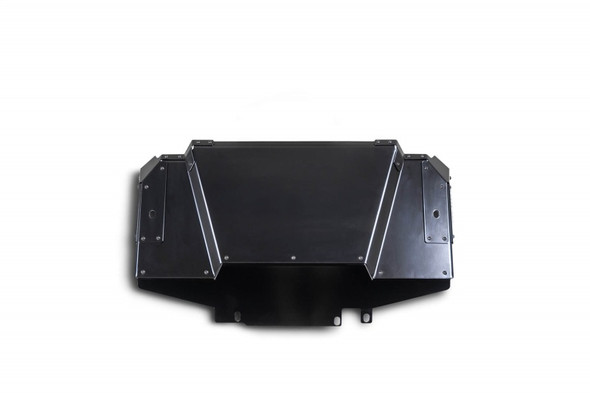
ADD Skid Plates
Addictive Desert Designs
$698.98Are ADD Skid Plates made in the USA?ADD Skid Plates are proudly engineered and manufactured in Mesa, Arizona, ensuring top-tier quality and craftsmanship for your vehicle.Are ADD Skid Plates easy to install?Professional installation is recommended for...$698.98 -

ADD Skid Plates
Addictive Desert Designs
$798.98What is the best skid plate for my Toyota Tacoma?Addictive Desert Designs offers specific skid plates engineered for your Toyota Tacoma, ensuring precise fitment and optimal undercarriage protection.Can I install ADD skid plates myself?Professional...$798.98 -

ARB UVP Panels
ARB
$838.00What is the main purpose of ARB UVP Panels?ARB UVP Panels deliver robust defense against undercarriage impacts and debris, maximizing your vehicle's resilience on challenging terrain.Are ARB UVP Panels easy to install?Professional installation is...$838.00 -
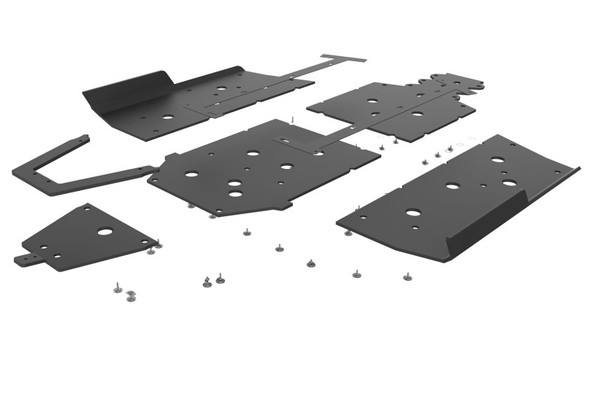
SZM Skid Plate & Rock Slider Kits
Seizmik
MSRP: $1,059.99$1,006.99Will this fit my Polaris Ranger 1000 XP?This SZM Skid Plate and Rock Slider Kit is specifically designed for the 2018-2021 Polaris Ranger 1000 XP models, ensuring a precise fit.How difficult is it to install?Professional installation is recommended for...MSRP: $1,059.99$1,006.99 -
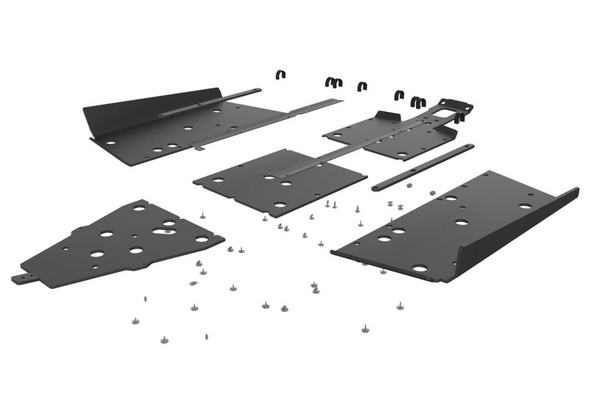
SZM Skid Plate & Rock Slider Kits
Seizmik
MSRP: $1,059.99$1,006.99Will this skid plate fit my Polaris General 1000 XP?The Seizmik SZM Skid Plate & Rock Slider Kit is engineered to fit 2016-2021 Polaris General 1000 and XP models precisely.Is this skid plate difficult to install?Professional installation is recommended...MSRP: $1,059.99$1,006.99 -
SZM Skid Plate & Rock Slider Kits
Seizmik
MSRP: $1,059.99$1,006.99Is this skid plate compatible with my specific UTV model?Confirm exact fitment with your vehicle's make and model before purchasing these SZM Skid Plates.Is professional installation required for the Seizmik Skid Plate & Rock Slider Kits?Professional...MSRP: $1,059.99$1,006.99 -
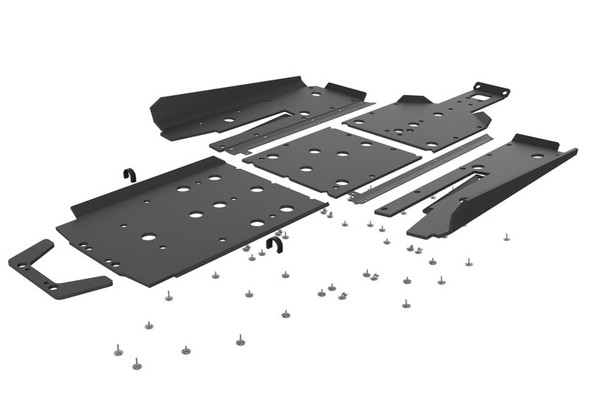
SZM Skid Plate & Rock Slider Kits
Seizmik
MSRP: $1,059.99$1,006.99What is the primary function of a skid plate?Skid plates act as a crucial protective layer, absorbing direct impacts from rocks and debris to safeguard your vehicle's vital undercarriage components.How do rock sliders contribute to overall vehicle...MSRP: $1,059.99$1,006.99 -
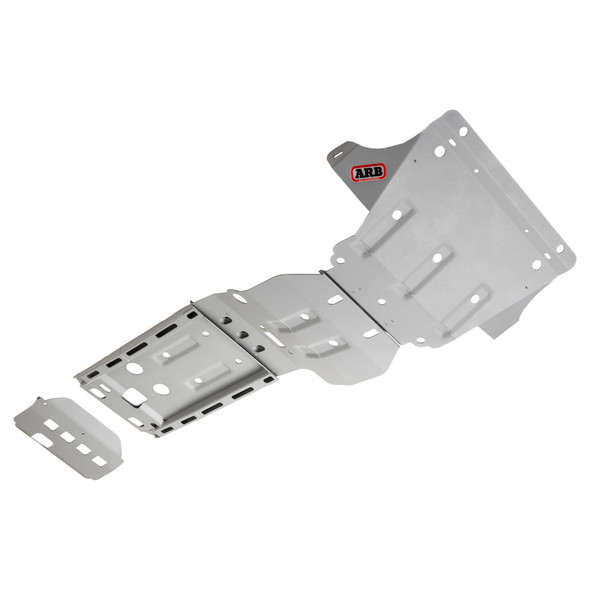
ARB UVP Panels
ARB
$1,018.00Are ARB UVP Panels compatible with my specific vehicle model?ARB UVP Panels require confirmation of fitment for your specific vehicle model to ensure proper installation and protection.Can I install ARB UVP Panels myself or is professional installation...$1,018.00 -
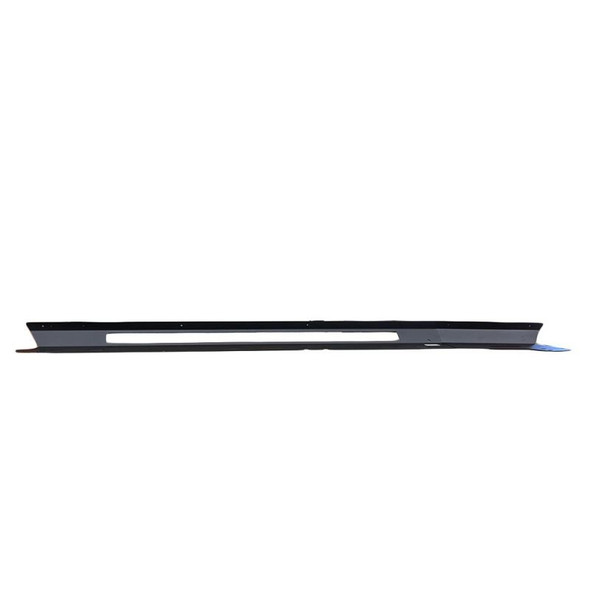

Rock Slide 20-22 Jeep JT Gladiator Step-Slider Skid Plate - AX-SP-300-JT4
Rock Slide Engineering
$714.99How do I install RSE Skid Plates?RSE Skid Plates are designed for professional installation, ensuring proper fitment and optimal undercarriage protection for your specific vehicle.Are RSE Skid Plates good for daily driving?Engineered for extreme...$714.99 -
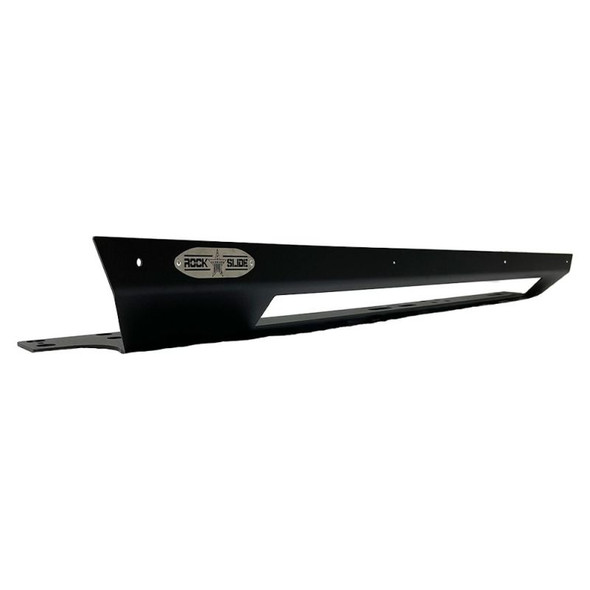
Rock Slide 18-22 Jeep JL 4 Door Step-Slider Skid Plate - AX-SP-300-JL4
Rock Slide Engineering
$604.99How durable are RSE skid plates?RSE skid plates deliver superior impact resistance, ensuring unparalleled undercarriage protection against serious rock crawling hazards.What is the installation process for RSE skid plates?Professional installation is...$604.99 -


Rock Slide 07-18 Jeep JK 4 Door Step-Slider Skid Plate - AX-SP-300-JK4
Rock Slide Engineering
$604.99What is the primary purpose of RSE Skid Plates?RSE Skid Plates deliver unparalleled undercarriage protection against trail hazards, ensuring superior impact resistance for aggressive off-road adventures.How difficult is it to install RSE Skid...$604.99
Skid plates are structural underbody armor designed to absorb and deflect rock strikes, trail debris, and high-centering impacts that would otherwise destroy oil pans, transfer cases, fuel tanks, and differential housings. Motor Sport Mayhem stocks 148 skid plates across 34 brands — from lightweight moto bash plates under $50 to full-coverage expedition belly pans approaching $2,800 — so every build from trail bike to overlanding rig has a direct solution.
Our Top Picks for Skid Plates
Every product below was selected based on material quality, coverage geometry, hardware fitment precision, and proven results in real off-road and motorsport applications.
ACB Skid Plates
Acerbis | $165.84
High-density polyethylene construction delivers superior impact absorption for moto applications where weight savings directly affect handling and endurance.
- HDPE material flexes on glancing rock strikes instead of cracking, making it a preferred choice in enduro and adventure riding where trail debris is unpredictable
ADD Skid Plates
Addictive Desert Designs | $798.98
Laser-cut domestic steel with precision tube gussets provides competition-grade undercarriage protection engineered specifically for high-speed desert running.
- Addictive Desert Designs builds to race-proven tolerances with CNC-bent steel that integrates directly with factory frame mounting points for zero flex under repeated impact
ARB UVP Panels
ARB | $1,022.00
Multi-panel under-vehicle protection systems in high-grade aluminum alloy cover the full undercarriage envelope from front differential to rear axle in a single coordinated kit.
- ARB's expedition-grade engineering includes serviceable oil drain access points so full underbody coverage never requires panel removal for routine maintenance
ART Belly Pan
Artec Industries | $2,799.99
A full-coverage aluminum belly pan with integrated oil service door represents the most complete factory-style undercarriage sealing available for serious rock crawling builds.
- Artec Industries manufactures from domestic 3/16" aluminum plate with a built-in oil door that eliminates skid removal at every oil change — a critical design detail on expedition builds
BAJ Rock Guards
Baja Designs | $30.95
Polycarbonate rock guards protect auxiliary lighting lenses from trail debris and flying rocks without adding meaningful weight to light bar or pod installations.
- Protecting a quality off-road light with a purpose-built guard is far more cost-effective than replacing a cracked polycarbonate lens after a single rock strike on the trail
BKM Locks
BikeMaster | $91.99
Heavy-duty hardened chain security systems with integrated locking mechanisms protect parked motorcycles and equipment at trail heads, race paddocks, and overnight stops.
- 12x12mm hardened link chain resists bolt cutter and angle grinder attacks that defeat lighter-gauge alternatives commonly sold as motorcycle security
BMR Skid Guards
BMR Suspension | $279.95
Aluminum skid guards in hammertone finish provide undercarriage impact protection for performance street and track vehicles where ground clearance is already a premium.
- BMR's suspension engineering background means their skid guards are designed with suspension geometry clearance in mind — protection that doesn't compromise wheel travel or alignment
BOD Fender Liners
Body Armor 4x4 | $230.00
Reinforced fender liners protect wheel well sheet metal and wiring from mud packing, rock spray, and debris ingestion when running larger tire fitments off-road.
- Body Armor 4x4 engineers their liners with formed flange edges that seal against the firewall and inner fender to prevent water and mud intrusion into engine bay wiring
BUR Brawler Kits
Burly Brand | $549.95
Complete brawler kit systems combine handlebar, controls, and protective hardware in a single coordinated package engineered to handle aggressive riding without piecemeal fitment issues.
- Burly Brand designs kits where every component shares the same engineering revision, eliminating the cable length and brake line routing conflicts that plague mix-and-match builds
BUS Trail Armor
Bushwacker | $249.99
Rocker panel and sill plate trail armor shields the most vulnerable pinch-weld and rocker geometry on body-on-frame and unibody 4x4s from high-centering and side rock contact.
- Bushwacker's trail armor uses OE-style attachment points so coverage is flush and secure without drilling or welding into structural sheet metal
How to Choose the Right Skid Plates
The single most important buying decision in skid plates is matching material and thickness to the actual impact forces your application generates — a trail bike bash plate and a full-coverage 4x4 belly pan face fundamentally different physics, and treating them as interchangeable categories is the fastest way to end up with bent hardware and a destroyed oil pan ten miles from the trailhead.
Key Specifications
Material selection drives everything downstream. Steel skid plates — typically 3/16" to 1/4" mild or DOM — offer maximum impact resistance and are the correct choice for rock crawling, high-centering scenarios, and any application where repeated severe strikes are expected. The tradeoff is weight: a full-coverage steel belly pan can add 40–80 lbs to a vehicle's unsprung and semi-sprung mass, which matters for both fuel economy and handling dynamics. Aluminum alloy plates, typically 6061-T6 or 7075-T6, deliver roughly 60–70% of steel's impact resistance at less than half the weight, making them the dominant choice for overlanding, expedition builds, and performance off-road applications where weight management is a design constraint. High-density polyethylene (HDPE) and reinforced polymer plates are specific to moto applications — they absorb energy through controlled flex rather than rigid deflection, which is mechanically appropriate for lighter machines where steel would be over-engineered.
Coverage geometry is as critical as material choice. Single-component skid plates protect one focal point — typically the oil pan or skid frame — while multi-panel systems create overlapping coverage zones across the transmission, transfer case, fuel tank, and rear differential. For serious off-road use, gaps between panels are failure points: a rock that passes freely under a leading skid plate can still catch a fuel tank or transfer case linkage that sits just behind it. Evaluate coverage maps against your vehicle's actual vulnerable components, not just the panel count in a kit listing.
Hardware and mounting integration separates quality plates from cheap stamped alternatives. OEM-style bolt-in mounting that uses existing frame holes requires no drilling and maintains structural integrity at the attachment points. Welded or boxed mounting tabs distribute impact loads across multiple frame contact points rather than concentrating force at a single bolt, which is the primary failure mode on budget plates under repeated rock strikes. Access provisions — oil drain doors, drain plugs, and removable panels — are non-negotiable on any plate that covers routine service points, because no protection system is worth using if it discourages scheduled maintenance.
For moto applications, confirm that bash plate geometry clears your exhaust header routing and doesn't create heat soak conditions against the engine cases. On 4x4 platforms, verify approach and departure angle impact — a plate that hangs below the factory frame skid point becomes the new lowest point on the vehicle and effectively reduces ground clearance rather than protecting it. Proper plates should be flush with or recessed above the lowest frame/crossmember point so the skid geometry works with your suspension travel rather than against it.
Skid Plate Material & Thickness Selection Guide
| Material | Typical Thickness Range | Best Application | Weight vs. Steel |
|---|---|---|---|
| Mild Steel | 3/16" – 1/4" (4.8–6.4mm) | Rock crawling, high-centering, severe trail use | Baseline (heaviest) |
| DOM / Chromoly Steel | 1/8" – 3/16" (3.2–4.8mm) | Competition off-road, desert racing, rally | ~10–15% lighter than mild steel at same thickness |
| 6061-T6 Aluminum | 3/16" – 3/8" (4.8–9.5mm) | Overlanding, expedition, trail driving | ~65% lighter than mild steel |
| 7075-T6 Aluminum | 1/8" – 1/4" (3.2–6.4mm) | Performance off-road, weight-critical builds | ~62% lighter than mild steel, higher strength than 6061 |
| HDPE Polymer | 5mm – 12mm | Enduro, adventure moto, trail bikes | ~75–80% lighter than mild steel |
| Composite / Hybrid | Varies by construction | Dual-sport, lightweight 4x4, daily off-road | ~50–70% lighter than mild steel depending on layup |
Price Guide
Entry ($6.99–$95): Rock guards, light lens protectors, single-point polymer bash plates, and moto-specific HDPE skids dominate this range — genuine protection for focused applications, but coverage is limited to one component and hardware quality varies significantly; appropriate for casual trail riders and light-use applications where catastrophic underbody impacts are unlikely.
Mid-range ($95–$500): This is where the majority of serious off-road and overlanding builds land — aluminum alloy single or dual-panel skid systems with proper OEM-style mounting hardware, serviceable drain access, and coverage geometries engineered for specific platforms; the step up from entry-level is meaningful in both material spec and fitment precision.
Premium ($500–$2,799.99): Full-coverage belly pan systems, multi-panel expedition kits, and competition-grade steel plating with integrated service access belong here — justified for builds that regularly run technical terrain, expedition overlanders logging remote mileage far from recovery resources, and any vehicle where a single catastrophic underbody impact could end a trip or a race.
Who Is This For?
Skid plates serve a wider range of applications than most protection categories — from weekend trail riders running moto bash plates to expedition overlanders building fully armored underbody systems, the use case determines the specification entirely.
Weekend Off-Roading — 8.3/10
Weekend off-roading is the highest-scoring use case in this category at 8.3/10, and the data reflects reality: rock strikes, log crossings, and trail debris impacts are exactly the scenarios skid plates exist to prevent, and casual weekend use is when most underbody damage actually occurs because drivers push unfamiliar terrain without full knowledge of what's underneath them. A quality aluminum or steel skid system transforms a potentially trip-ending oil pan strike into a routine glancing contact. For this application, prioritize coverage geometry over maximum thickness — getting the right panels in the right locations matters more than having the thickest single plate.
Overlanding / Expedition — 7.4/10
Overlanding scores 7.4/10 because protection needs are compounded by the consequences of remote failure — a breached fuel tank or destroyed transfer case skid three days from the nearest town is a full expedition-ending event, not just an inconvenience. Expedition builds should prioritize multi-panel systems with full-coverage geometry, serviceable access doors, and corrosion-resistant materials that hold up to extended submersion, mud packing, and thermal cycling. Weight matters less in this application than coverage completeness and hardware durability.
Daily Driving Comfort — 6.8/10
Daily driving scores 6.8/10 — relevant primarily for vehicles that see regular highway driving over rough roads, construction zones, or areas with significant road debris, where factory plastic underbody panels are inadequate for real-world conditions. Aluminum plates in this application provide long-term protection for oil pans and transmission pans without the weight penalty of steel, and the secondary benefit of noise damping from road debris contact is a genuine daily driver quality-of-life improvement.
Street Performance — 6.6/10
Street performance scores 6.6/10, with relevance concentrated on lowered vehicles and track-prepped street cars where reduced ground clearance turns normal road irregularities into genuine underbody contact events. Skid plates on performance street builds protect oil pans, differential housings, and exhaust components from speed bump and driveway apron impacts that would never threaten a stock-height vehicle. In this application, low-profile aluminum guards that don't further compromise ground clearance are the correct specification — pairing well with upgraded coilovers or lowering springs as part of a complete performance build.
Easy DIY Install — 7.2/10
DIY installability scores 7.2/10, reflecting that most quality skid plates are genuinely bolt-on applications requiring only basic hand tools and a lift or jack stands — no welding, no drilling, no custom fabrication when you buy a vehicle-specific fitment. The key variable is hardware access: plates that use existing OEM mounting points install in under an hour on most platforms, while custom-fit expedition systems with multi-point frame attachment may require two people and a full afternoon. Always torque mounting hardware to spec and use thread-locking compound on any fastener that experiences vibration loads.
Trusted Skid Plates Brands We Carry
The brands that consistently earn loyalty in this category back their products with genuine engineering resources, real material certifications, and track records proven in competition or expedition environments — not just catalog claims. Rally Armor dominates volume with an exceptionally broad platform fitment library and consistent mud flap and protection quality across its lineup. ARB brings decades of expedition engineering heritage and designs complete under-vehicle protection systems tested across some of the most demanding terrain on the planet. Rival 4x4 earns its premium average price point through high-grade domestic aluminum fabrication and multi-panel coverage systems built to professional overland specifications. DV8 Offroad commands the highest average price in our catalog through competition-inspired steel and aluminum fabrication with OEM-grade fitment precision on popular off-road platforms. Acerbis and Cycra are the benchmark moto protection brands, with decades of motocross and enduro racing validating their HDPE and polymer skid plate designs across the harshest competition conditions in the sport. Rugged Ridge and Bushwacker round out the 4x4 segment with proven rocker, sill, and underbody protection built specifically for the overlanding and trail-driving community.
Frequently Asked Questions
Are aluminum bash plates and skid plates any good?
Aluminum skid plates — specifically 6061-T6 and 7075-T6 alloy — are genuinely excellent for the majority of off-road applications, and in many cases they outperform steel when the full engineering picture is considered. At equivalent coverage area, aluminum plates weigh 60–65% less than mild steel, which directly reduces unsprung mass stress on shocks and struts and keeps total vehicle weight in check on expedition builds. The tradeoff is that aluminum deforms under concentrated point loads where steel would flex and recover — for extreme rock crawling with repeated severe impacts, thicker aluminum (3/8" or heavier) or steel is the correct choice. For the vast majority of trail driving, overlanding, and daily use on lifted vehicles, quality aluminum is the practical answer.
Are aluminum skid plates worth the cost compared to plastic or OEM protection?
Factory plastic underbody panels are aerodynamic and noise-damping components — they are not structural protection and will not survive a direct rock strike on any critical component. Aftermarket aluminum skid plates represent real engineering: formed and welded alloy with proper mounting hardware designed to absorb and redirect impact energy away from oil pans, transmission cases, and fuel tanks. The cost is justified the first time a significant trail obstacle makes contact — a $200–$600 aluminum skid plate is a fraction of the cost of a destroyed oil pan, damaged transmission, or punctured fuel tank plus the recovery bill that goes with it. For any vehicle used regularly off-pavement, the math strongly favors proper protection.
Are Bushwacker fender flares and trail armor worth it?
Bushwacker products are consistently worth the investment because they're engineered for OEM-level fitment precision using attachment points that don't require cutting, drilling, or modifying factory sheet metal. Their trail armor and rocker panel protection addresses one of the most structurally vulnerable points on a body-on-frame or unibody 4x4 — the pinch weld and rocker geometry that takes the first impact in any high-centering or side rock contact scenario. The OE-style polymer construction is intentionally designed to sacrifice and be replaceable rather than transferring impact energy into the structural frame, which is the correct engineering approach for protection components. Bushwacker's fitment library is extensive, and the quality-to-price ratio in the trail armor segment is one of the stronger values in the underbody protection category.
Are crash bobbins and frame sliders worth running on a performance build?
Crash bobbins and frame sliders are highly effective protection investments for any bike that sees track days, aggressive street riding, or competition use — they are purpose-engineered to take low-side crash energy and transfer it to a sacrificial nylon or delrin puck rather than allowing fairings, frame spars, and engine cases to absorb direct pavement contact. The key specification is material: nylon sliders grind down progressively and protect effectively at low-to-medium slide speeds, while harder materials can dig in and transfer rotational energy that causes more damage. Mount point engineering matters equally — bobbins that bolt directly into engine case threaded bosses are structurally superior to fairing-mounted alternatives that can pull through plastic under load. For any bike that runs track days, crash protection of this type is standard equipment, not an upgrade.
Are body armor and underbody protection products actually effective in real-world use?
Quality underbody protection from established brands — properly spec'd in material, thickness, and coverage geometry for the application — is genuinely effective and prevents the exact component failures that end trips and destroy drivetrains in the field. The critical variable is matching the protection specification to the actual threat level: a light trail bike bash plate is not designed for rock crawling forces, and a moto HDPE plate is inappropriate on a 5,000 lb expedition rig. Brands with real motorsport or expedition pedigree — those who test products in competition or on extended remote expeditions — produce protection that performs as advertised because the consequence of failure in their test environment is immediate and measurable. Budget alternatives from unknown sources frequently use inferior alloys, undersized hardware, and coverage geometries copied from premium products without understanding the engineering intent behind them.
Building something specific? Our performance specialists can help you select the right Skid Plates for your application — street, track, or full race build.