
Jackets - Textile
- Product
- Qty in Cart
- Quantity
- Price
- Subtotal
-
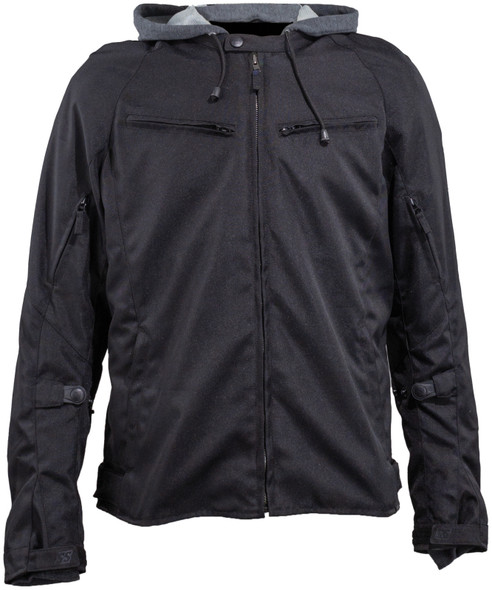

Speed and Strength Off The Chain 3.0 Textile Jacket Black - 2XL - 609820
Speed and Strength
$199.95Will the SAS Off The Chain 3.0 Textile Jacket fit my motorcycle?SAS Off The Chain 3.0 Textile Jacket fitment must be confirmed with your specific motorcycle model for optimal integration and performance.How difficult is it to install the SAS Off The...$199.95 -


Speed and Strength Daydream Textile Jacket Smoked Purple/Black Womens - XL - 609910
Speed and Strength
MSRP: $199.95$188.98Will the SAS Daydream Textile Jacket fit my motorcycle?The SAS Daydream Textile Jacket requires you to confirm specific fitment details with your motorcycle model to ensure proper compatibility.Can I install the SAS Daydream Textile Jacket...MSRP: $199.95$188.98 -


Speed and Strength Daydream Textile Jacket Smoked Purple/Black Womens - Small - 609907
Speed and Strength
$199.95What is the SAS Daydream Textile Jacket made of?The SAS Daydream Textile Jacket features a robust AR-600 textile and AR-400 super stretch-fit and leather frame for superior abrasion resistance.Is professional installation required for the SAS Daydream...$199.95 -

Speed and Strength Fame and Fortune Jacket Black - 2XL - 889510
Speed and Strength
$199.99What is the intended use for the SAS Fame and Fortune Jacket?The SAS Fame and Fortune Jacket is best for riders seeking comfortable, protective textile jackets for daily rides and longer expeditions.Does this jacket come with armor?Yes, sleeve adjusters...$199.99 -

Speed and Strength Fame and Fortune Jacket Black - Medium - 889507
Speed and Strength
$199.99How do I confirm if the SAS Fame and Fortune Jacket will fit my vehicle?SAS Fame and Fortune Jackets require fitment confirmation with your specific vehicle before purchase to ensure proper integration.What type of installation is recommended for the SAS...$199.99 -

Speed and Strength Fame and Fortune Jacket Black - XL - 889509
Speed and Strength
$199.99How do I confirm the SAS Fame and Fortune Jacket will fit my motorcycle?The SAS Fame and Fortune Jacket requires confirming fitment with your specific vehicle using provided compatibility tools.Is the Speed and Strength SAS Fame and Fortune Jacket easy...$199.99 -

Speed and Strength Fame and Fortune Jacket Black - Large - 889508
Speed and Strength
$199.99Will the Speed and Strength SAS Fame and Fortune Jackets fit my vehicle?The SAS Fame and Fortune Jackets require confirming fitment with your specific vehicle details to ensure proper integration and function.How difficult is the Speed and Strength SAS...$199.99 -


Speed and Strength Daydream Textile Jacket Smoked Purple/Black Womens - Large - 609909
Speed and Strength
$199.95What is the fitment for the SAS Daydream Textile Jacket?SAS Daydream Textile Jacket fitment requires confirmation with your specific vehicle model for optimal integration.What installation guidance is provided for the SAS Daydream Textile...$199.95 -
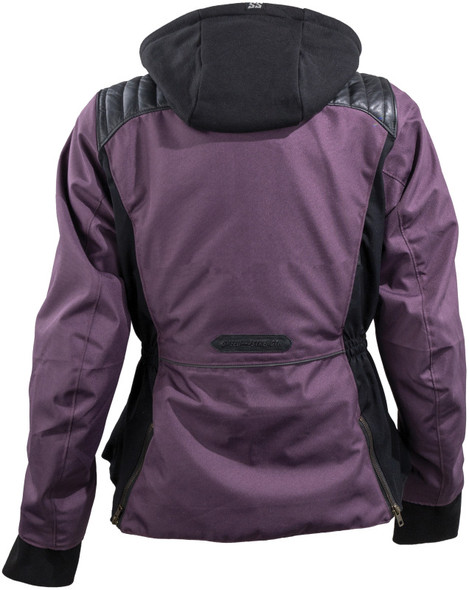
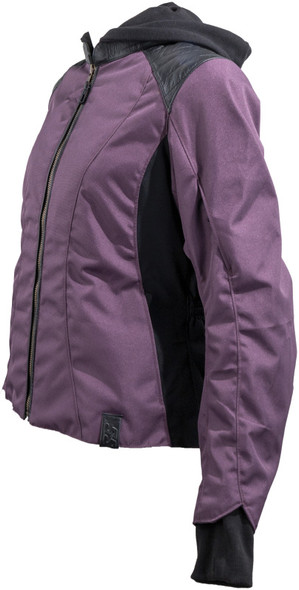
Speed and Strength Daydream Textile Jacket Smoked Purple/Black Womens - Medium - 609908
Speed and Strength
$199.95How do I ensure the SAS Daydream Textile Jacket fits my motorcycle?Confirm jacket fitment with your specific motorcycle model before purchasing; professional installation is recommended for optimal integration.What level of impact protection does the SAS...$199.95 -


Speed and Strength Off The Chain 3.0 Textile Jacket Charcoal - XL - 609825
Speed and Strength
$199.95How does the SAS Off The Chain 3.0 Textile Jacket ensure a secure fit for riders?The SAS Off The Chain 3.0 Textile Jacket features AR-400 super stretch-fit panels for a personalized and comfortable fit that moves with the rider.Is professional...$199.95 -

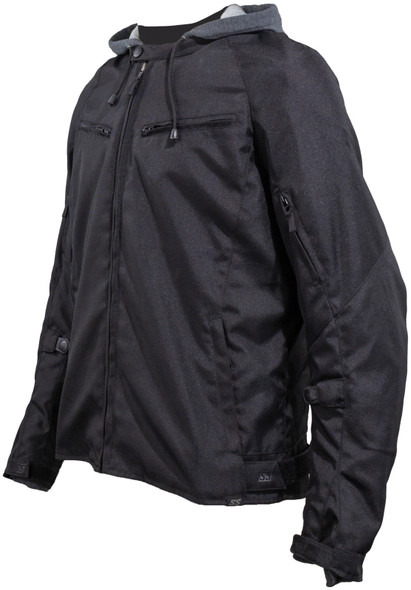
Speed and Strength Off The Chain 3.0 Textile Jacket Black - Large - 609818
Speed and Strength
$199.95How does the SAS Off The Chain 3.0 Textile Jacket enhance rider safety for street performance?The SAS Off The Chain 3.0 Textile Jacket enhances street performance safety with removable Vault C.E. approved armor for critical impact zones.What is the...$199.95 -

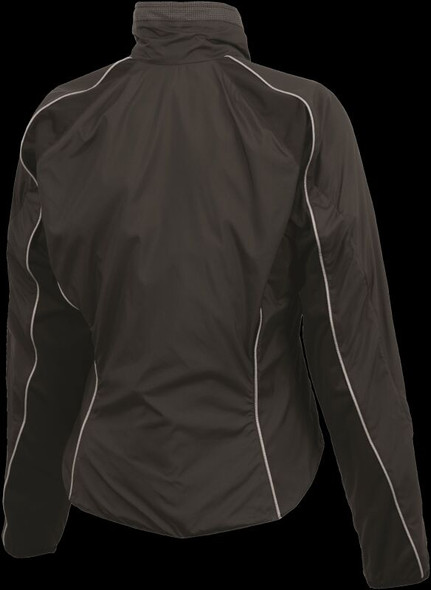
FIRSTGEAR Heated Jacket Liner Gen 4 Womens - Large - 527469
FIRSTGEAR
$224.99How do I know if the FSG Heated Jacket Liner will fit my jacket?Confirm fitment with your vehicle before purchase; this textile jacket liner is designed for a precise, compatible integration.What is the expected lifespan of the FSG Heated Jacket...$224.99
Textile jackets are the most versatile category in motorcycle protective apparel, engineered from technical fabrics — woven nylon, polyester, Cordura, and laminated membranes — that combine abrasion resistance, weather protection, and CE-rated armor integration in a single garment. Motor Sport Mayhem stocks 64 in-stock textile jackets across 25 brands, ranging from entry-level weekend gear to expedition-grade riding systems priced up to $882.
Our Top Picks for Jackets - Textile
Every jacket below was selected based on construction quality, protective spec, and demonstrated real-world performance across street, trail, and track applications.
AKR Apparel
Akrapovic | $152.89
A race-heritage softshell jacket engineered for paddock-to-street wearability with a structured fit that performs at real riding temperatures.
- Softshell construction balances wind resistance with stretch mobility across a wide range of riding postures
ANS AR1 Boots
Answer | $189.99
Off-road-focused technical footwear built to complement textile jacket systems across enduro and motocross environments.
- Reinforced chassis construction pairs with layered textile gear setups common in trail and desert riding
BAJ Apparel
Baja Designs | $41.95
An entry-level motorsport apparel option from an off-road lighting brand known for high-desert race presence and enduro team sponsorship.
- Positioned as everyday paddock and pit wear with brand credibility rooted in high-speed desert racing
BX Apparel
BLOX Racing | $10.40
Budget-tier branded apparel from a performance tuning house, ideal for crew and garage wear without breaking the parts budget.
- Strong value-per-dollar entry point for team gear and build documentation days at the track
COBB Apparel
COBB | $30.00
Performance-brand lifestyle apparel from a tuning company with deep roots in track-day and time-attack culture.
- Recognized branding in autocross and track-day paddocks where team identity and sponsor visibility matter
CUS Keychains
Cusco | $4.50
Motorsport-branded accessory from Cusco, a suspension and chassis engineering brand with a competition heritage spanning multiple racing disciplines.
- Entry-level branded gear that complements full Cusco-equipped track builds at negligible cost
EVS Web Eclipse Knee Brace
EVS | $882.00
Premium CE-rated protective bracing engineered for high-load off-road riding where joint protection is non-negotiable.
- Designed to integrate with textile jacket systems across enduro, motocross, and trail riding where impact and torsional loads are highest
FSG Rogue XC Jackets
FIRSTGEAR | $449.99
A full-spec adventure touring textile jacket with waterproof laminate construction, CE armor pockets, and thermal liner compatibility for multi-season use.
- FIRSTGEAR's XC platform is purpose-built for overlanding and expedition riders who log long miles in changing conditions
GAR SG22 Enduro Boot
Gaerne | $729.99
GORE-TEX-lined enduro boot engineered for waterproof breathability and structural ankle protection in technical off-road terrain.
- Gaerne's SG platform is the benchmark for enduro foot protection, trusted at the highest levels of off-road racing globally
HAL Apparel
Haltech | $31.00
Branded paddock gear from Haltech, the ECU and engine management brand whose equipment is standard in professional motorsport tuning environments worldwide.
- Ideal for tuners and engineers who want brand-aligned apparel that communicates technical credibility in the workshop and at the track
How to Choose the Right Jackets - Textile
The single most important distinction in textile jackets is whether the waterproof membrane is laminated directly to the outer shell or installed as a removable drop liner — laminated 2L and 3L constructions are significantly more breathable and durably waterproof than loose liner designs, but they cost more and are harder to repair in the field. Beyond that, CE Level 1 vs. Level 2 armor at the shoulders, elbows, and back defines the floor of legitimate protective spec, and any jacket without at least Level 1 certification in those zones should not be considered protective riding apparel regardless of how it looks or what it costs.
Key Specifications
Fabric denier is the first mechanical spec to evaluate — most quality textile jackets use 500D to 1000D Cordura or equivalent polyester weaves at high-abrasion zones like shoulders, elbows, and the lower back. Lighter fabrics in the 300D range are acceptable in vented panels where airflow is the priority, but they should not appear in primary impact zones. Jackets marketed as "textile" but built from unrated synthetic blends below 300D provide minimal abrasion protection and should be treated as lifestyle garments, not riding gear.
Waterproofing technology varies significantly across the price spectrum. Budget jackets typically use DWR (Durable Water Repellent) coatings on the outer fabric — these work when new but degrade with washing and UV exposure within a single season. Mid-range and premium jackets use either bonded PTFE membranes (like GORE-TEX and its equivalents) or polyurethane laminates with hydrostatic head ratings above 10,000mm, which maintain performance across years of hard use. If you ride in rain regularly, the membrane spec matters more than any other feature on the jacket.
Thermal management is a separating factor for riders who need a single jacket across multiple seasons. True all-season jackets include a removable quilted thermal liner and a mesh inner layer that allows airflow when the liner is removed — this is a different construction from a jacket that simply has a waterproof liner and a fixed insulation layer. Ventilation zipper placement and size also matters: chest inlet zippers paired with back exhaust vents move significantly more air than shoulder vents alone, which is critical for summer sport riding and long-distance touring in hot climates.
Fit is a performance variable, not just a comfort one — a jacket that rides up when you're in an aggressive forward lean exposes the lower back and hip, the most common injury zones in motorcycle accidents. When sizing, evaluate fit in a riding position, not standing upright in a shop. Pre-curved sleeves, articulated elbows, and adjustable waist cinches are the construction details that separate a jacket engineered for riding from one that is merely styled to look like one.
Textile Jacket Protection Spec vs. Application
| Application | Minimum Fabric Denier | Armor Certification | Waterproofing Standard |
|---|---|---|---|
| Urban / Commuting | 500D outer shell | CE Level 1 shoulder + elbow | DWR + drop liner acceptable |
| Street Sport / Weekend Riding | 600D–800D reinforced zones | CE Level 1 all zones + back protector | Laminated membrane recommended |
| Adventure Touring / Overlanding | 600D+ with abrasion panels | CE Level 1 min, Level 2 preferred | Bonded PTFE membrane, 10,000mm+ hydrostatic |
| Enduro / Off-Road Trail | Lighter 300D–500D for mobility | CE Level 2 shoulder, elbow, back | GORE-TEX or equivalent for multi-day rides |
| High-Speed Desert / Rally | 800D–1000D high-abrasion zones | CE Level 2 full body recommended | Vented construction, DWR coating minimum |
| Track Day / Circuit | 900D+ or leather hybrid | CE Level 2 all primary zones | Not applicable — ventilation is priority |
Price Guide
Entry ($2.38–$75): This tier covers branded lifestyle apparel, paddock wear, and basic softshell garments from motorsport brands — legitimate for off-bike use and team identification but not engineered to CE protective standards. Honest assessment: if you're buying below $75, you're buying a motorsport-branded garment, not a protective riding jacket.
Mid-range ($75–$300): The range where most street and trail riders should focus — this price band delivers CE-rated armor integration, 500D–800D abrasion-resistant fabrics, and either drop-liner waterproofing or entry-level laminate construction. Speed and Strength, EVS, and comparable brands build genuinely protective jackets in this window that hold up to real riding conditions across multiple seasons.
Premium ($300–$882): Reserved for riders who need full-system protection — bonded 3L waterproof membranes, CE Level 2 armor at all zones, integrated back protector pockets sized for full-spine protection, and fit systems designed for long-distance or technical terrain. FIRSTGEAR's touring platform and Gaerne's footwear integration at this tier reflect what it costs to build equipment that genuinely protects and performs over thousands of miles in variable conditions.
Who Is This For?
Textile jackets serve a broader range of riding disciplines than any other jacket category, from daily urban commuters to multi-day desert rally competitors — here's how the usage data breaks down.
Weekend Off-Roading — 8.1/10
The highest-scoring application in this category, and it reflects what textile jackets do best: handle variable conditions — mud, rain, dust, temperature swings — that pure leather or mesh designs can't accommodate across a full day of trail riding. The combination of abrasion resistance, weatherproofing, and armor integration in a single garment is exactly what off-road riding demands. This is the primary design target for most mid-range and premium jackets in this segment.
High Speed Desert Running — 7.4/10
Desert racing and fast trail applications score well here because textile constructions offer the ventilation and light weight that leather cannot match in extreme heat, while still providing the abrasion and impact protection required when speeds are high and terrain is unpredictable. Reinforced fabric panels at primary impact zones, CE Level 2 back protection, and a close aerodynamic fit become the critical specs in this application. Riders in this discipline often pair jackets with full body armor systems rather than relying solely on jacket-integrated protection.
Visual / Aesthetic Upgrade — 7.3/10
Textile jackets have closed the gap with leather in design sophistication — modern constructions use color-blocked paneling, embossed logos, and tailored silhouettes that hold up in street contexts as well as they do on the trail. This score reflects genuine demand from riders who want a single jacket that functions on the bike and looks credible off it. Brands with motorsport heritage — Akrapovic, Speed and Strength, FIRSTGEAR — carry visual credibility that commodity jackets cannot replicate.
Street Performance — 7.2/10
Street riding scores slightly below off-road applications because pure leather constructions remain the preferred option for sport and hypersport riders prioritizing maximum abrasion protection and fit precision at high speeds. However, textile jackets dominate the street touring and sport-touring segments where all-day wearability, weather protection, and cargo management matter more than lap-time-optimized fit. For the majority of street riders who aren't tracking their bikes, a quality textile jacket is the more practical daily choice.
Racing Competition — 7.1/10
Sanctioned road racing and formal competition typically require leather suits, but textile jackets fill an important role in club-level competition, enduro racing, rally raid, and off-road race formats where leather is impractical or not required. The 7.1 score reflects a real segment of the catalog: jackets engineered with race-caliber protection standards — CE Level 2 certified, full-spine protection, reinforced crash zones — that are worn by competitors in off-road and adventure racing disciplines at the highest levels.
Trusted Jackets - Textile Brands We Carry
FIRSTGEAR has built its reputation on adventure touring and expedition-grade textile construction, with laminated waterproof systems and thermal liner platforms that set the benchmark for multi-season performance at the premium end of the category. Speed and Strength produces CE-certified street and sport-touring jackets at mid-range price points that punch well above their cost in armor integration and fabric quality, making them the workhorse brand for most street riders in this lineup. EVS brings protective engineering from its off-road and motocross background into jacket-compatible gear systems, with a focus on CE Level 2 protection that complements trail and enduro applications. Akrapovic, known globally for exhaust engineering and motorsport manufacturing, extends its brand into technical apparel with softshell and performance outerwear that carries genuine racing credibility. For riders in the off-road and desert racing space, Baja Designs' apparel presence connects directly to the brand's identity in high-speed desert competition, where their lighting and rider gear are common in the same paddock. Answer has built significant catalog depth in off-road apparel, consistently engineering products that balance protection spec, mobility, and durability for trail riders across a wide price range.
Frequently Asked Questions
Are 3-layer textile jackets worth the extra cost over standard lined designs?
For riders who genuinely ride in rain, yes — a 3L (three-layer) laminate bonds the waterproof membrane directly between the outer shell and inner face fabric, eliminating the air gap that causes drop-liner designs to feel clammy and restrict movement. The result is a jacket that breathes better under exertion, moves more naturally with your body, and maintains its waterproof integrity longer because the membrane isn't subject to abrasion from an unattached outer shell. The tradeoff is cost — 3L construction adds significant manufacturing expense — and reduced thermal flexibility, since you can't remove the liner for summer riding. If you do significant two-season or all-weather mileage, the investment is justified; if you primarily ride in dry conditions with occasional rain, a quality 2L laminate or high-grade drop-liner jacket is more versatile for the money.
How do textile jackets compare to leather for abrasion protection?
At equivalent quality levels, full-grain leather provides higher abrasion resistance per millimeter of material thickness than woven synthetics — this is measurable by EN 13595 abrasion testing, where leather consistently outperforms fabric constructions in raw slide distance before perforation. However, premium textile fabrics like 1000D Cordura are engineered specifically to close this gap, and modern certified textile jackets meet the same CE protection zone standards as leather. The practical difference matters most in road racing scenarios at high speed; for trail, adventure, and street touring use, a properly spec'd CE Level 2 textile jacket provides legally and functionally equivalent protection. The real advantage of textile over leather is multi-environment versatility — waterproofing, thermal management, and ventilation are not achievable in a leather construction without significant compromise.
What does CE Level 1 vs Level 2 armor actually mean in a textile jacket?
CE EN 1621-1 (limb armor) and EN 1621-2 (back armor) both have Level 1 and Level 2 certifications based on transmitted force during standardized impact testing — Level 2 absorbs at least 50% more impact energy than Level 1 across a wider temperature range. In practical terms, Level 2 shoulder and elbow armor is meaningfully stiffer and thicker than Level 1, which affects comfort and jacket bulk but delivers measurably better protection in a genuine impact. Most mid-range jackets ship with Level 1 armor and accept Level 2 upgrades in the same pockets — if you're buying a jacket for regular track days or high-speed riding, purchasing Level 2 armor inserts separately and installing them yourself is one of the highest-ROI safety upgrades you can make. Back protectors follow the same tiering, and any riding jacket used for performance applications should include a CE Level 2 back protector as standard rather than the thin foam pads many jackets ship with at entry price points.
Are adventure touring textile jackets suitable for track day use?
Most adventure touring textile jackets are not optimized for track use — their fit is designed for upright-to-mid posture riding, and the jacket will ride up on the lower back and restrict arm movement when you adopt an aggressive forward crouch on a sport bike. Beyond fit, CE Level 1 armor standard is common in touring jackets where long-distance comfort is prioritized, whereas track regulations at most clubs require Level 2 certification at minimum. If you're using a textile jacket on track, it should be specifically constructed for sport or competition use with a pre-curved sleeve, aerodynamic silhouette, and Level 2 armor at all primary zones. Adventure touring constructions excel at what they're built for — expedition mileage, variable weather, all-day wearability — and that is a different engineering brief from a track-day protection system.
How important is jacket-to-pant connection in a textile riding system?
A jacket-to-pant connection zipper is a significant structural safety feature that prevents the jacket from separating from the pants in a crash, which would expose the lower back and hip — zones that account for a high percentage of road rash and impact injuries in slide-down accidents. Without a connection zipper, even a perfectly fitting jacket will migrate upward during a slide, and the gap between jacket hem and pant waistband becomes a direct injury point. Most quality mid-range and premium textile jackets include a 270-degree or 360-degree waistband zipper designed to mate with compatible pant systems from the same or cross-brand lineup — this compatibility should be verified before purchase if you're building a matched riding system. For commuting and short-duration riding, a connection zipper is a strong recommendation; for track, off-road racing, or high-speed applications, it should be treated as mandatory.
Building something specific? Our performance specialists can help you select the right Jackets - Textile for your application — street, track, or full race build.