
Air Intake Components
- Product
- Qty in Cart
- Quantity
- Price
- Subtotal
-


BBK 94-95 Mustang 5.0 65 70mm Throttle Body Gasket Kit - 1605
BBK
MSRP: $19.99$16.99What is the primary function of a throttle body gasket?A throttle body gasket creates a crucial seal to prevent vacuum leaks, ensuring consistent airflow for optimal engine performance.How often should throttle body gaskets be replaced?Throttle body...MSRP: $19.99$16.99 -
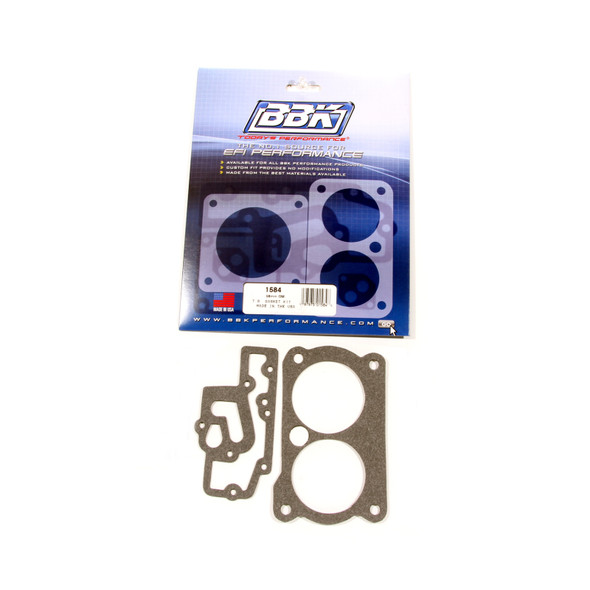

BBK 85-97 GM 305350 LT1 Twin 58mm Throttle Body Gasket Kit - 1584
BBK
MSRP: $19.99$18.99What vehicles does the BBK Throttle Body Gasket Set fit?This BBK Throttle Body Gasket Set is engineered to precisely fit 1985-1997 Buick Commercial Chassis/Roadmaster, Chevrolet Camaro/Caprice/Commercial Chassis, and select Pontiac Firebird models.How do...MSRP: $19.99$18.99 -
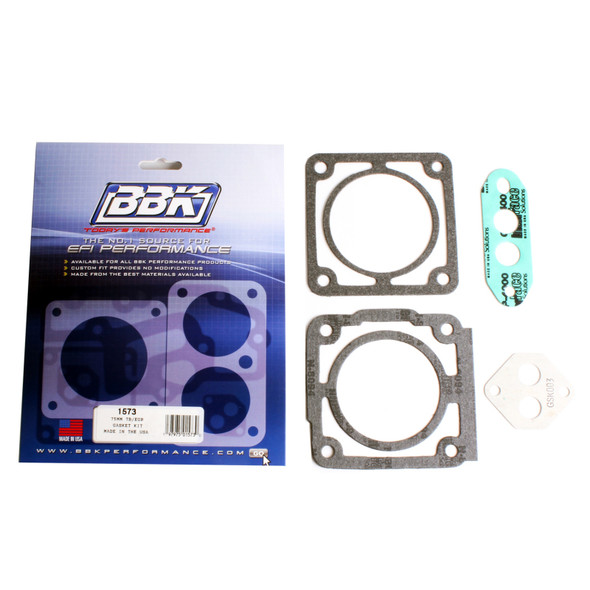
BBK 86-93 Mustang 5.0 75mm Throttle Body Gasket Kit - 1573
BBK
MSRP: $29.99$26.99Does this throttle body gasket fit my 1989 Ford Crown Victoria?Yes, this BBK throttle body gasket set precisely fits your 1989 Ford Crown Victoria, ensuring a perfect seal for your air intake.Is professional installation of this throttle body gasket...MSRP: $29.99$26.99 -

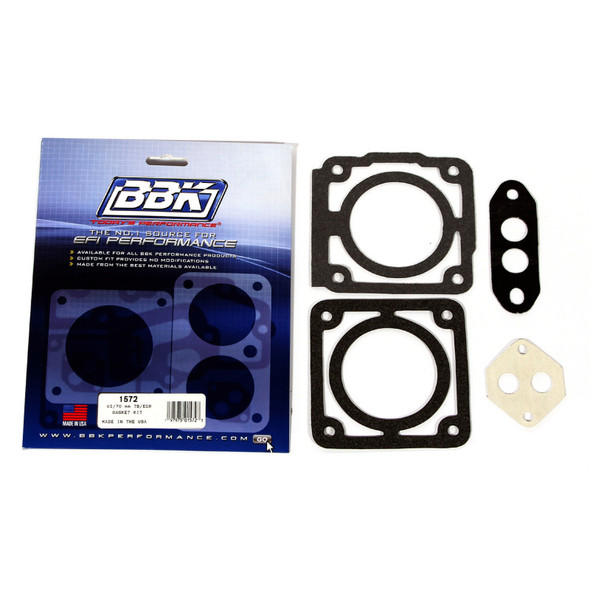
BBK 86-93 Mustang 5.0 65 70mm Throttle Body Gasket Kit - 1572
BBK
MSRP: $29.99$26.99Does this throttle body gasket fit my stock throttle body?This BBK throttle body gasket set delivers a leak-free seal specifically for stock OE, 65mm, or 70mm throttle bodies.Can I install this myself?Professional installation is recommended for this...MSRP: $29.99$26.99 -

AMS Performance 2022+ Subaru WRX Air Intake (Duct and Airbox Only) - AMS.50.08.0003-1
AMS
$164.95Is this AMS intake component compatible with my vehicle?AMS intake components require a fitment confirmation with your specific vehicle's make, model, and year before purchase.What is the recommended installation method for AMS intake...$164.95 -
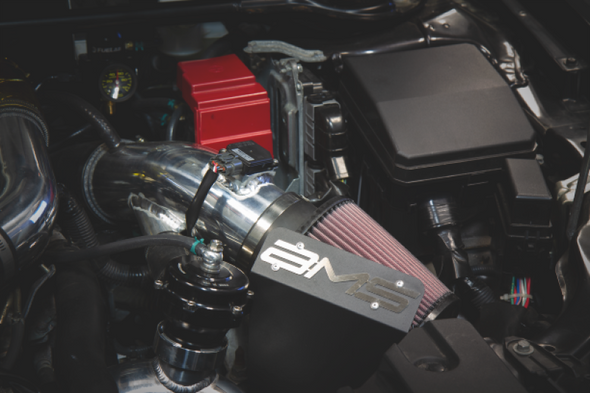

AMS Performance 08-15 Mitsubishi EVO X Intake Fan Shield for Standard Intake (Excl CAI) - AMS.04.08.0006-1
AMS
$69.95What vehicles is this intake fan shield compatible with?This AMS intake fan shield is designed for the 08-15 Mitsubishi Lancer Evolution X, excluding models with a Cold Air Intake system.Is this intake fan shield a direct bolt-on...$69.95 -


Airaid U-Build-It - 4.0in MAF Tube w/ 9700 Hitachi Plate - 9641
Airaid
$83.99Will this AIR U-Build-It Kit fit my specific vehicle?This universal kit requires confirming fitment for seamless integration with your Mass Air Flow sensor and optimal engine tuning.How difficult is it to install the AIR U-Build-It Kit?Achieving a...$83.99 -


Airaid Kit Replacement Filter - 723-472
Airaid
$136.99What are the primary benefits of installing an Airaid Air Intake Component?Airaid Air Intake Components deliver maximum airflow and increase horsepower and torque for a noticeable surge in power and responsiveness.Are Airaid Air Intake Components easy to...$136.99 -
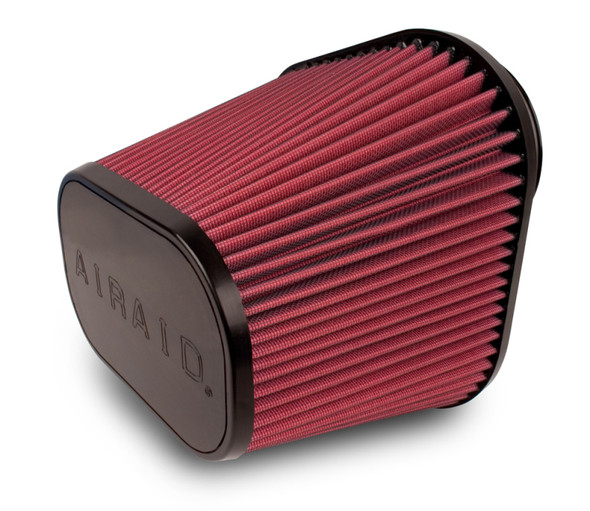

Airaid Kit Replacement Filter - 721-478
Airaid
$136.99How do I know if this air intake will fit my vehicle?Confirm fitment with your vehicle using our online tool to ensure compatibility for your specific make, model, and year of Air Intake Components.Is this a difficult installation?With a universal...$136.99 -
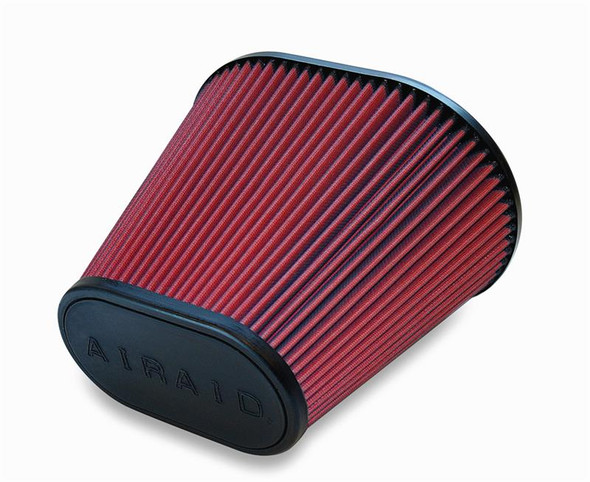
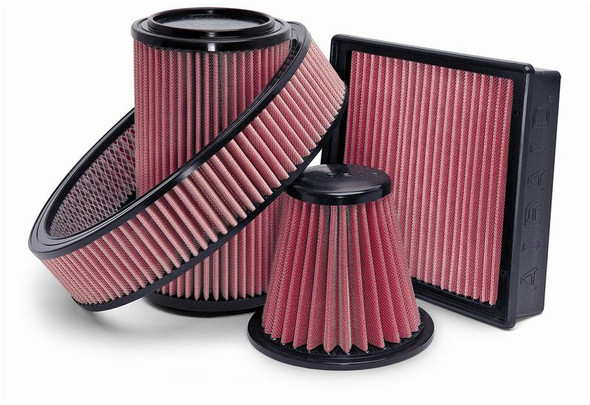
Airaid Kit Replacement Filter - 721-476
Airaid
$136.99Will this air intake fit my specific vehicle?Confirm fitment with your vehicle using our online tool to ensure perfect integration with your specific make and model.How difficult is the installation process?Installation is straightforward for these...$136.99 -
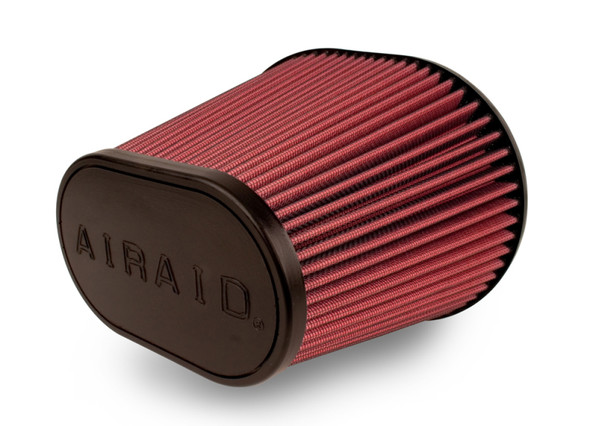

Airaid Kit Replacement Filter - 721-472
Airaid
$136.99Will this AIRAID air intake fit my vehicle?Confirm exact fitment for your specific vehicle using our online compatibility tool to ensure perfect installation of your AIRAID air intake components.How easy is it to install this AIRAID air intake?Installing...$136.99 -
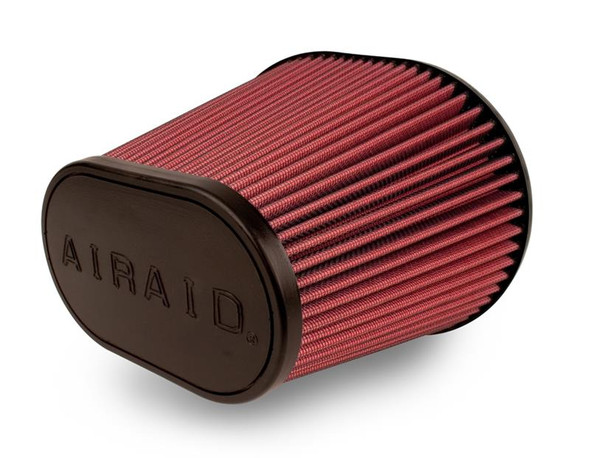
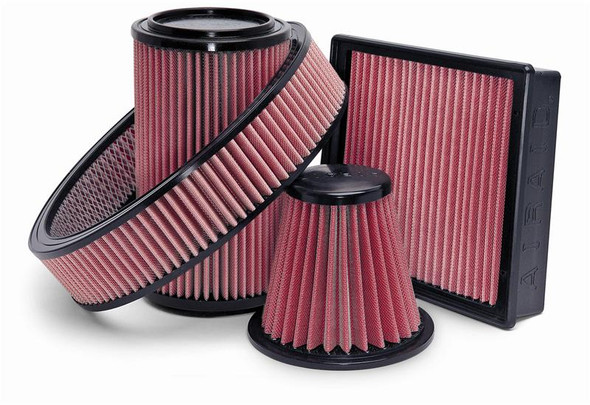
Airaid Replacement Air Filter - Dry / Black Media - 721-243
Airaid
MSRP: $136.99$127.08Do Airaid Air Intake Components require special tools for installation?AIRAID Air Intake Components are designed for a straightforward installation, often requiring only basic hand tools for most vehicle applications.Can I expect to see a significant...MSRP: $136.99$127.08
Air intake components are the foundation of every engine performance build — from drop-in filter upgrades to full carbon fiber intake systems, the right hardware increases airflow volume, reduces inlet temperature, and unlocks power that stock restrictive boxes leave on the table. Motor Sport Mayhem stocks 236 in-stock air intake components across 49 brands, from a $4.95 replacement fitting to a $4,012 race-spec system, giving every build the right solution at the right price point.
Our Top Picks for Air Intake Components
Each of these units was selected based on demonstrable airflow gains, material quality, and proven real-world results across street, track, and off-road applications.
AEM IND Cold Air Intakes
AEM Induction | $629.99
Precision-engineered cold air routing draws denser ambient air directly into the throttle body for measurable power gains on MAF-equipped platforms.
- MAF-compatible design maintains stock fuel trim calibration while maximizing inlet velocity
AFE Black Series Stage-2 Carbon Fiber Cold Air Intakes
aFe | $1,606.00
Full carbon fiber construction delivers maximum heat rejection and minimum weight, purpose-built for high-output applications where every thermal degree costs horsepower.
- Pro Dry S filter media rated for high-flow, low-maintenance competition use without oil contamination risk
AIR Cold Air Intake Kit
Airaid | $472.99
An enclosed airbox design isolates the filter element from underhood heat, consistently delivering cooler, denser charge air for both V6 and V8 configurations.
- Rotomolded housing construction eliminates flex and resonance that degrades airflow at high RPM
PA Alta Intake
Alta | $369.75
Brand-specific engineering for forced-induction platforms focuses on pre-compressor inlet efficiency, where charge density improvements compound through the entire boost system.
- Tuned specifically for supercharged applications where inlet restriction upstream of the blower directly limits peak boost potential
AMS Air Intakes
AMS | $999.95
Open airbox architecture maximizes filter face area on high-revving inline-six platforms where stock airbox velocity stacking creates measurable peak-power restrictions.
- Designed around OEM sensor retention so factory ECU calibration remains accurate without a custom tune requirement
ARB Safari V-Spec Snorkels
ARB | $699.95
Relocates the engine air inlet to roofline height, sourcing clean, cool, dust-free air while eliminating hydrostatic lock risk during water crossings.
- UV-stabilized polyethylene housing resists cracking in extreme temperature cycles common to off-road and desert environments
AWE S-FLO Intakes
AWE Tuning | $1,895.00
Full carbon fiber S-FLO intake construction dramatically reduces radiated underhood heat absorption while optimizing inlet geometry for turbocharged inline-six breathing efficiency.
- Enlarged filter surface area directly addresses the factory airbox restriction that limits mid-range torque delivery on boosted platforms
BAJ Powersports Hood Scoop Kits
Baja Designs | $432.95
Ram-air scoop geometry harnesses forward vehicle speed to generate positive pressure at the intake inlet, directly offsetting turbo inlet restriction on high-output powersports platforms.
- Engineered to keep dust and debris out of the inlet path in off-road environments where filter longevity is a critical reliability factor
GBE Monster-Ram Intake
Banks Power | $898.00
Oversized throttle body inlet and ram-air plenum geometry dramatically reduce intake restriction on diesel platforms where stock systems choke turbo-charged airflow at high load.
- Matched fuel line integration ensures the fueling system keeps pace with increased airflow — a critical detail most intake kits ignore entirely
BBK Cold Air Intake Kit
BBK | $449.99
Mandrel-bent aluminum tubing maintains consistent internal diameter through every bend, eliminating the turbulence-generating cross-section changes that plague stamped OEM air tubes.
- CARB Executive Order certification confirms legal street use in emissions-tested states without requiring a tune or smog exemption paperwork
How to Choose the Right Air Intake Components
The core decision in any intake build comes down to three variables: filter housing type (open element vs. enclosed airbox vs. cold air tube), inlet pipe diameter relative to your engine's airflow demand, and material quality — specifically whether the housing and tubing will absorb and radiate heat back into the incoming charge. A cold air intake that sources warm underhood air through a heat-soaked plastic tube is worse than a well-positioned OEM airbox. Material integrity, inlet path geometry, and heat isolation determine whether a kit delivers real gains or just intake noise.
Key Specifications
Inlet pipe diameter is the most misunderstood spec in this category. The internal diameter of the intake tube must match or exceed the airflow capacity of the throttle body — undersizing the tube creates a restriction upstream of the throttle plate that negates any gains from a larger filter. For naturally aspirated engines, 3-inch inner diameter handles most applications under 400 horsepower; forced induction systems generating serious boost pressure need 3.5 to 4 inches minimum to avoid pre-compressor restriction that artificially limits boost response and peak output. Always measure the throttle body inlet diameter first and match your intake tube accordingly.
Filter media construction matters far more than filter brand recognition. Oiled cotton gauze filters (the most common performance type) flow exceptionally well and can be cleaned and re-oiled for a service life measured in years, but oil migration onto a MAF sensor is a real risk if the filter is over-oiled during service. Dry media filters eliminate that risk entirely — critical on MAF-equipped systems — at a modest penalty in peak flow rate. For sealed competition environments or dusty off-road use, foam pre-filters add a sacrificial layer that protects expensive filter elements without meaningful airflow penalty.
Enclosed airbox systems with sealed, insulated housings consistently outperform open-element setups in street environments where underhood temperatures run 150–200°F above ambient. Every 10°F reduction in inlet air temperature is worth roughly 1% in power output — on a 400-horsepower engine that's 4 horsepower per 10 degrees, which adds up fast when the alternative is pulling 170°F air off a heat-soaked valve cover. Open elements make sense on dedicated track cars with aggressive front-end ducting or in applications where the filter lives in a naturally cold zone of the engine bay.
Fitment tolerance is the spec that separates a $150 kit from a $500 kit more than any other factor. Poorly toleranced intake tubes that flex under high-RPM vibration create micro-leaks at couplers and clamp points — unmetered air entering downstream of a MAF sensor causes fuel trim issues that the ECU compensates for with fuel trims that get stored as fault codes. Quality couplers use multi-layer silicone rated at 350°F minimum, not rubber or PVC, and clamp hardware should be stainless T-bolt style rather than worm-gear hose clamps that loosen with heat cycling. If you are pairing a new intake with forced induction components, the pressure and temperature requirements are even more demanding.
Intake Pipe Diameter vs. Engine Airflow Demand
| Engine Power Output | Minimum Intake ID (N/A) | Minimum Intake ID (Forced Induction) | Notes |
|---|---|---|---|
| Up to 200 hp | 2.5 in (63mm) | 3.0 in (76mm) | Stock TB diameter typically sufficient; focus on filter quality |
| 200–350 hp | 3.0 in (76mm) | 3.5 in (89mm) | Most bolt-on cold air kits designed for this range |
| 350–500 hp | 3.5 in (89mm) | 3.5–4.0 in (89–102mm) | Verify TB bore matches tube ID; upgrade TB if undersized |
| 500–700 hp | 4.0 in (102mm) | 4.0 in (102mm) | Dual-inlet setups beneficial; pre-compressor restriction becomes critical |
| 700–1000+ hp | 4.0–4.5 in (102–114mm) | 4.5 in (114mm) per inlet | Dedicated inlet ducting and sealed airboxes mandatory at this level |
Price Guide
Entry ($4.95–$175): This tier covers replacement couplers, clamps, MAF extensions, filter wraps, and drop-in filter upgrades — individual components that address specific weak points in an existing system rather than replacing the whole inlet path. Legitimate gains are possible here if the factory system is otherwise sound; a quality drop-in air filter replacement is the highest-value first mod on almost any vehicle.
Mid-range ($175–$700): The majority of complete cold air intake systems live here — mandrel-bent aluminum or rotomolded polymer tubes, quality silicone couplers, enclosed or semi-enclosed airbox housings, and washable filter elements. This is where most street performance enthusiasts achieve the best balance of real power gains, emissions compliance, and straightforward DIY installation. Most of the catalog's 197 street-performance-rated products fall in this band.
Premium ($700–$4,012.37): Carbon fiber intake systems, full open-airbox race configurations, engineered billet components, and specialty applications like diesel ram-air systems and off-road snorkels occupy the top tier. The cost is justified for high-output forced induction builds where thermal management is critical, for competition vehicles where weight matters, and for platform-specific engineering that required significant development investment to get right.
Who Is This For?
Air intake components serve everyone from the daily driver looking for a tuning entry point to the full competition build chasing every tenth — the usage data reflects that breadth clearly.
Engine Performance — 8.6/10
This is the highest-scoring use case in the category for good reason: intake restriction is one of the most common factory compromises on production vehicles, and removing it has a direct, measurable effect on volumetric efficiency. The 198 products in this use case range from filter upgrades to complete intake systems, all targeting the same fundamental goal — getting more mass airflow into the combustion chamber per cycle. The score reflects that most of these products genuinely deliver on that promise when matched correctly to the engine's airflow demand.
Street Performance — 8.1/10
Street performance scores nearly as high as pure engine output because the gains here are usable every day — better throttle response, stronger mid-range pull, and improved engine sound under load are all byproducts of a quality intake upgrade that show up in normal driving conditions. The 197 products in this segment are predominantly emissions-legal designs with CARB EO numbers or 50-state street certification, meaning they deliver real performance without creating compliance issues. For street builds, heat isolation from the underhood environment is the primary engineering challenge, and the best products in this tier solve it well.
Track / Autocross — 7.2/10
The 7.2/10 score for track and autocross reflects the reality that intake upgrades matter more at sustained high RPM than in low-speed technical sections — an autocross course punishes every other weakness before intake restriction becomes a limiting factor. That said, for track-day vehicles running extended high-load sessions, underhood heat soak on an open-element system is a real concern that a properly isolated cold air system addresses directly. Sealed carbon fiber airboxes with dedicated cold-air feeds are the correct solution for serious track use.
Easy DIY Install — 8.1/10
An 8.1/10 ease-of-install score across 147 products makes this category one of the most accessible entry points in performance modification — most complete intake kits require only a screwdriver, hose clamp pliers, and 30–90 minutes of wrench time. The quality of included hardware and instruction documentation varies significantly across price tiers, but the physical complexity of removing the OEM airbox and routing a new intake tube is manageable for anyone comfortable with basic mechanical work. This is frequently the first modification on a new build precisely because the installation barrier is low and the results are immediately apparent.
Drag Racing — 7.2/10
Drag racing scores a solid 7.2/10 because consistent intake air temperature directly affects density ratio — and density ratio determines how much oxygen the engine can burn on every pass. In bracket racing, an intake system that heat-soaks between rounds introduces run-to-run variation that disrupts dial-in consistency; solving that with an enclosed, thermally isolated system tightens elapsed time variance. At the highest levels of drag competition, intake inlet pressure from ram-air and hood scoop integration becomes a legitimate horsepower multiplier, which is why those components carry premium pricing.
Trusted Air Intake Components Brands We Carry
The brands that dominate this category built their reputations through dyno-verified airflow data, real-world fitment accuracy, and products that survive years of heat cycling, vibration, and filter service cycles without degrading. aFe Power runs one of the industry's largest in-house flow bench and dyno facilities, validating every intake design against baseline before it ships — their Stage 1 through Stage 3 progression reflects genuine engineering tiers, not marketing. K&N Engineering invented the washable cotton gauze performance filter and has been supplying OEM manufacturers and aftermarket builders since 1969; their filter media patents remain the benchmark against which every competitor is measured. Airaid built their reputation specifically on enclosed rotomolded airbox systems where heat isolation is engineered into the housing design from the start, not bolted on as an afterthought. Injen Technology focuses on intake tube geometry and uses mandrel bending combined with CAD-optimized routing to maximize velocity and minimize turbulence through every change of direction in the inlet path. AEM Induction and Volant round out the top tier with platform-specific engineering depth — both brands invest in application-by-application development rather than generic universal fitments — which shows in fitment quality and dyno results across their respective catalogs.
Frequently Asked Questions
Are AEM and K&N the same company?
AEM Induction and K&N Engineering are separate, independent companies with distinct engineering philosophies and product lines. K&N is best known for their patented oiled cotton gauze filter media and a catalog that spans virtually every production vehicle built in the last 50 years. AEM focuses more heavily on full intake systems with proprietary dry-flow filter technology and has a strong presence in import performance and forced induction applications. Both brands produce quality products, but they are competitors — choosing between them comes down to platform fit, filter media preference (oiled vs. dry), and whether you prioritize filter heritage or complete system engineering.
Are aftermarket intake manifolds actually worth it?
Yes — on most production engines the factory intake manifold is a packaging compromise that sacrifices runner length, plenum volume, and port velocity for cost, weight, and manufacturing ease. Aftermarket manifolds engineered for performance use longer runners to build torque in the mid-range, larger plenums to reduce flow restriction at high RPM, and port cross-sections matched to the cylinder head flow capacity rather than the factory casting budget. The gains are largest on naturally aspirated high-revving engines where intake tuning effects are strongest; on turbocharged applications the benefit is more modest because boost pressure already overcomes much of the manifold restriction. Budget for a retune after swapping an intake manifold — the fuel and ignition calibration almost always needs adjustment to take full advantage of the new airflow characteristics.
Are aftermarket throttle bodies worth the investment?
Aftermarket throttle bodies deliver measurable gains specifically when the factory unit is the smallest-diameter component in an otherwise upgraded intake path. If you have installed a larger intake tube, a ported intake manifold, and a high-flow cylinder head, but the throttle bore remains at the OEM diameter, it becomes the restriction that caps the rest of your work. Larger throttle body bores improve throttle response and high-RPM airflow, but on stock or mildly modified engines the gain is negligible because the cylinder head ports and camshaft are the actual restriction — not the throttle plate. Paired with supporting engine components, a larger throttle body is part of a system, not a standalone fix.
Are Airaid cold air intakes actually good?
Airaid consistently produces some of the best-engineered enclosed airbox systems in the mid-range price segment — their rotomolded housing construction is substantially more rigid and thermally stable than stamped metal or injection-molded plastic alternatives. The enclosed design with a sealed filter chamber is the correct engineering approach for street and street-strip use where underhood temperatures are the primary enemy of intake air density. Airaid's MIT (Modular Intake Tube) systems offer genuine flexibility for builds that will evolve over time. Independent dyno testing across multiple platforms has consistently shown 10–18 horsepower gains on naturally aspirated V8 applications — real numbers, not peak-number cherry-picking.
Is a closed box cold air intake better than an open-element setup?
In most street-driven applications, yes — a properly sealed cold air system with an insulated housing will outperform an open-element intake once the engine bay reaches operating temperature, because the enclosed system shields the filter from 150–200°F underhood air that an open element draws freely. The open-element setup has one advantage: maximum filter face area for peak airflow at wide-open throttle when intake restriction is the primary concern, which is why dedicated drag and track cars favor them when cold-air ducting from the front fascia is properly engineered. For daily-driven performance vehicles, heat soak on an open filter after a hard pull in traffic is a real and repeatable power loss. If you are building a dedicated track car with proper front-end ducting, open element; for street use with performance intent, a sealed cold-air system is the correct choice.
Building something specific? Our performance specialists can help you select the right Air Intake Components for your application — street, track, or full race build.